Your skincare routine is meant to nurture and protect your skin, but what if it's actually doing more harm than good? In our quest for perfect skin, many of us fall into the trap of using too many products, layering multiple actives, and constantly switching routines. The result? Overstimulated skin that's stressed, irritated, and struggling to function properly.
Skin overstimulation is more common than you might think. With the beauty industry constantly launching new products and the pressure to achieve flawless skin through elaborate routines, it's easy to overwhelm your skin's natural defenses. Understanding the signs of overstimulation is the first step toward healing and restoring your skin's health.
This comprehensive guide will help you identify whether your skin is suffering from product overload, explain why it happens, and provide actionable steps to restore balance. Your skin has an incredible ability to heal itself when given the right conditions, and sometimes less truly is more.
Understanding Skin Overstimulation
Skin overstimulation occurs when your skin is exposed to too many active ingredients, harsh products, or frequent changes in your skincare routine. This overwhelms your skin barrier, the protective outer layer that keeps moisture in and irritants out. When compromised, your skin becomes reactive, sensitive, and unable to function optimally.
Your skin barrier, also known as the stratum corneum, is composed of skin cells held together by lipids. Think of it as a brick wall where the cells are bricks and the lipids are mortar. When this barrier is healthy, it keeps your skin hydrated, protected, and resilient. However, excessive product use can break down this barrier, leading to a cascade of problems.
The modern skincare landscape contributes significantly to overstimulation. Social media influencers promote 10-step routines, new ingredients are constantly hyped as miracle solutions, and the fear of missing out drives us to try everything. This approach ignores a fundamental truth: your skin has limits, and exceeding them causes damage rather than improvement.
The Science Behind Skin Barrier Function
Your skin barrier maintains your skin's pH balance, typically between 4.5 and 5.5. This slightly acidic environment supports beneficial bacteria and keeps harmful microbes at bay. When you use too many products, especially those with incompatible pH levels or harsh ingredients, you disrupt this delicate balance.
The barrier also regulates transepidermal water loss (TEWL), preventing excessive moisture evaporation. A compromised barrier allows water to escape more easily, leading to dehydration even if you're applying multiple moisturizers. This paradoxical dryness is a classic sign of overstimulation.
Additionally, your skin barrier acts as a filter, allowing beneficial ingredients to penetrate while blocking irritants and pathogens. When overwhelmed by too many products, this filtering system becomes inefficient, allowing irritants deeper into the skin while preventing beneficial ingredients from working effectively.
Why More Products Don't Mean Better Results
Using multiple active ingredients simultaneously can create conflicts that reduce effectiveness and increase irritation. For example, combining retinoids with alpha hydroxy acids (AHAs) or beta hydroxy acids (BHAs) can cause excessive exfoliation, stripping your skin of necessary lipids and causing inflammation.
Product layering also creates a physical barrier on your skin. When you apply too many products, each layer can prevent the next from penetrating properly. This means your expensive serums and treatments may not be working as intended, sitting on top of your skin rather than absorbing where they're needed.
Furthermore, your skin needs time to process and benefit from active ingredients. Constantly introducing new products doesn't give your skin the stability it needs to heal and improve. Consistency with a simple, well-chosen routine almost always outperforms a complex, ever-changing regimen.
Common Signs of Skin Overstimulation
Recognizing the signs of overstimulated skin is crucial for preventing long-term damage. Your skin communicates its distress through various symptoms, and learning to read these signals can save you from months of irritation and setbacks.
Persistent Redness and Inflammation
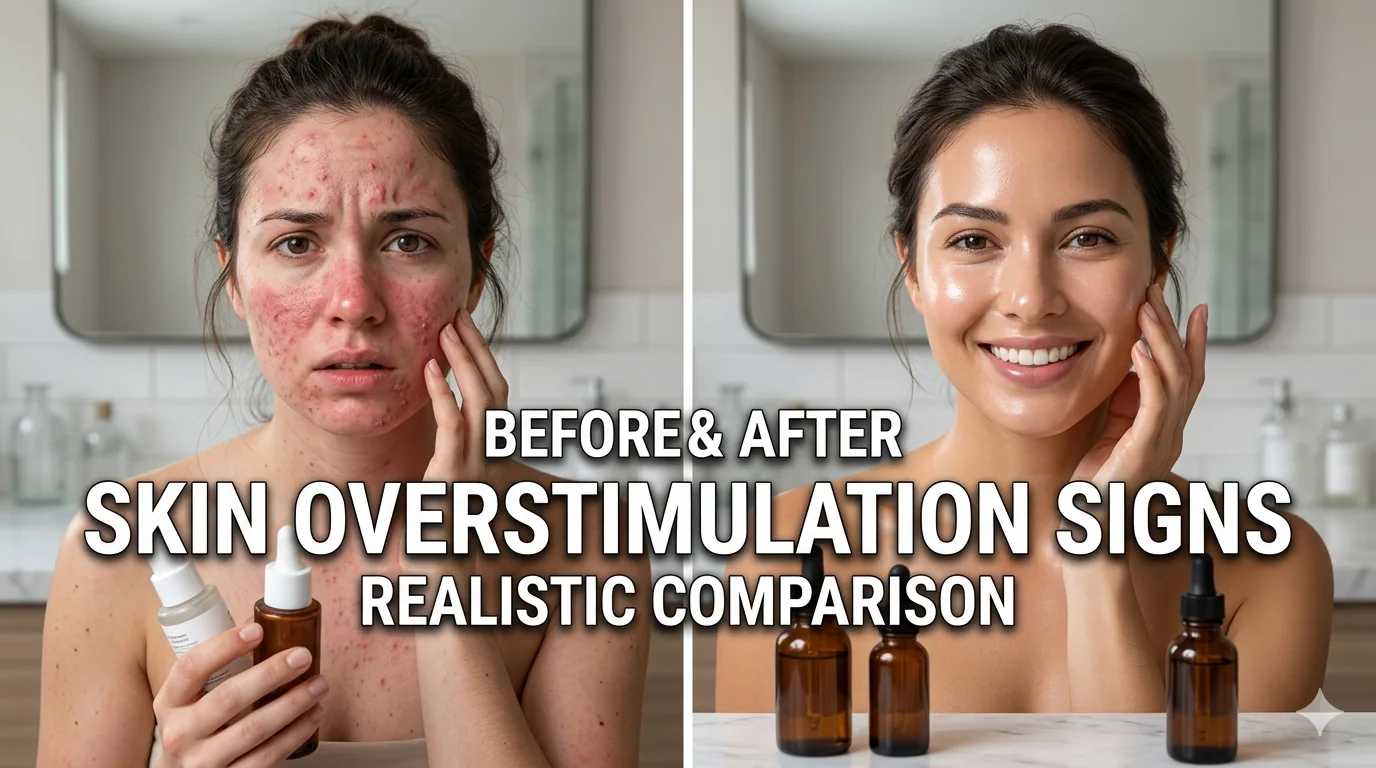
One of the most obvious signs of overstimulation is persistent redness that doesn't subside. This isn't the temporary flush from active ingredients like retinoids or vitamin C, but rather a constant pink or red appearance that indicates ongoing inflammation.
This redness may appear all over your face or in specific areas where you apply the most products. It often feels warm or hot to the touch and may be accompanied by visible capillaries or broken blood vessels. The inflammation occurs because your skin's immune system is constantly activated, trying to fight off what it perceives as threats from harsh ingredients.
If you notice redness that lasts more than a few hours after product application, or if your skin is consistently red throughout the day, it's a strong indicator that you're using too many products or ingredients that are too strong for your skin.
Increased Sensitivity and Stinging
Healthy skin shouldn't sting or burn when you apply products. If you experience tingling, burning, or stinging sensations with products that previously caused no issues, your skin barrier is likely compromised.
This heightened sensitivity occurs because a damaged barrier allows ingredients to penetrate deeper than intended, reaching nerve endings and causing discomfort. Even gentle, fragrance-free products may cause stinging when your barrier is severely compromised.
Pay attention to when the stinging occurs. If it happens with multiple products, especially those labeled for sensitive skin, it's a clear sign of overstimulation. Temporary tingling from active ingredients like vitamin C or mild acids can be normal, but persistent burning is not.
Dryness Despite Heavy Moisturizing
Paradoxically, overstimulated skin often feels dry and tight even when you're applying multiple moisturizing products. This occurs because a damaged barrier can't retain moisture effectively, allowing water to evaporate rapidly regardless of how much product you apply.
You may notice your skin feeling tight immediately after cleansing, flaking throughout the day, or appearing dull and dehydrated. The texture may feel rough or scaly, and makeup may not apply smoothly, clinging to dry patches.
This type of dryness won't improve with more moisturizer. In fact, layering multiple heavy products can sometimes make it worse by further overwhelming your skin. The solution isn't more product but rather barrier repair and simplification.
Breakouts and Congestion
Overstimulation can cause breakouts that seem counterintuitive, especially if you're using products specifically to treat acne. When your barrier is compromised, your skin produces more oil to compensate for moisture loss, leading to clogged pores and breakouts.
These breakouts often appear as small bumps, closed comedones, or inflamed pimples. They may be accompanied by congestion - tiny bumps under the skin that don't come to a head. This congestion occurs because your skin is struggling to shed dead cells properly while dealing with inflammation.
Unlike hormonal breakouts that follow a predictable pattern, overstimulation-related breakouts can appear anywhere and often worsen when you add more acne-fighting products, creating a vicious cycle.
Flakiness and Peeling
Excessive flakiness and peeling, especially when not using prescription retinoids, indicates your skin is shedding cells faster than normal due to irritation. This isn't the gentle exfoliation you want but rather your skin's distress response.
The flaking may appear as white patches, especially around the nose, mouth, and eyebrows. Your skin may look dull because the irregular surface scatters light rather than reflecting it smoothly. Attempting to exfoliate this flakiness away typically makes it worse.
This symptom is particularly common when using multiple exfoliating products - physical scrubs, AHAs, BHAs, and retinoids - simultaneously. Your skin simply can't keep up with the accelerated cell turnover, leading to visible peeling.
Itching and Discomfort
Itchy skin is never normal in a skincare routine. If you experience persistent itching, your skin is signaling that something is wrong. This itching may be mild and constant or intense and intermittent.
The itch often accompanies other symptoms like redness and dryness. You may feel the urge to scratch, which further damages the barrier and creates a cycle of irritation. Itching indicates that your skin's nerve endings are exposed and irritated due to barrier damage.
Why Overstimulation Happens
Understanding the root causes of skin overstimulation helps prevent it in the future. Multiple factors contribute to this common problem, from marketing pressures to misunderstanding how ingredients work.
The Multi-Product Trend
Social media and beauty marketing have normalized elaborate skincare routines with 10 or more products. While these routines look impressive online, they're rarely necessary and often harmful. Each product introduces potential irritants, and the cumulative effect overwhelms most skin types.
Influencers and brands benefit from convincing you that you need more products, but dermatologists consistently emphasize that effective skincare can be simple. A basic routine of cleanser, treatment, moisturizer, and sunscreen is sufficient for most people.
Ingredient Conflicts and Overlap
Many people unknowingly use products with conflicting or overlapping ingredients. For example, using a cleanser with salicylic acid, a toner with glycolic acid, and a serum with retinol creates triple exfoliation that damages the barrier.
Similarly, mixing certain ingredients like vitamin C with niacinamide (though recent research shows this is less problematic than once thought) or using multiple products with the same active at different concentrations can cause irritation without added benefit.
Frequent Routine Changes
Constantly switching products doesn't give your skin time to adjust and benefit from active ingredients. Most products take 4-12 weeks to show results, but many people abandon routines after just a few weeks when they don't see immediate changes.
This impatience leads to a cycle of trying new products before the previous ones have had time to work, keeping your skin in a constant state of adjustment and stress.
Misunderstanding Purging vs. Irritation
Many people mistake irritation for purging, continuing to use products that are actually damaging their skin. True purging only occurs with ingredients that increase cell turnover (retinoids, AHAs, BHAs) and appears as breakouts in areas where you typically get acne.
Irritation, on the other hand, can cause breakouts anywhere, along with redness, burning, and dryness. Continuing to use irritating products under the guise of "purging" leads to severe overstimulation.
How to Heal Overstimulated Skin
The good news is that overstimulated skin can heal with the right approach. Recovery requires patience and discipline, but your skin has remarkable regenerative abilities when given the chance.
Implement a Skincare Reset
The first step is simplifying your routine dramatically. This doesn't mean stopping skincare entirely, but rather stripping it back to the absolute essentials:
- Gentle cleanser: Use a mild, fragrance-free cleanser that doesn't strip your skin
- Basic moisturizer: Choose a simple moisturizer with barrier-repairing ingredients like ceramides, cholesterol, and fatty acids
- Sunscreen: Protect your healing skin with a gentle mineral sunscreen
Eliminate all actives - retinoids, acids, vitamin C, exfoliants - until your skin fully recovers. This typically takes 2-4 weeks for mild cases and 6-8 weeks for severe damage. During this time, focus solely on hydration and barrier repair.
Identify and Remove Irritants
While simplifying, identify which products or ingredients caused the overstimulation. Common culprits include:
- Fragrance (synthetic and natural)
- Essential oils
- High concentrations of actives
- Alcohol denat or SD alcohol
- Harsh physical scrubs
- Multiple exfoliating ingredients
Once your skin heals, you can slowly reintroduce products one at a time, waiting 2 weeks between each addition to monitor your skin's response.
Support Barrier Repair
Certain ingredients actively support barrier repair and should be prioritized during recovery:
- Ceramides: Restore the lipid barrier
- Niacinamide: Reduces inflammation and strengthens barrier (use at 5% or lower concentration)
- Panthenol (Vitamin B5): Soothes and hydrates
- Hyaluronic acid: Attracts moisture without irritation
- Squalane: Mimics skin's natural oils
- Centella asiatica: Calms inflammation and promotes healing
Avoid heavy occlusives like petroleum jelly if you're acne-prone, as they can trap heat and worsen inflammation. Instead, opt for lighter barrier-repairing moisturizers.
Practice Gentle Care
During recovery, treat your skin with extra gentleness:
- Use lukewarm water, not hot
- Pat skin dry, don't rub
- Avoid facial tools like brushes or scrubs
- Don't pick or pop breakouts
- Limit washing to twice daily
- Skip makeup when possible
- Avoid excessive sun exposure
These seemingly small adjustments reduce additional stress on your already compromised skin.
Preventing Future Overstimulation
Once your skin heals, prevent recurrence by adopting sustainable skincare habits that prioritize skin health over product quantity.
Follow the Less-Is-More Philosophy
Effective skincare doesn't require 10 products. Most dermatologists recommend a simple routine:
- Morning: Cleanser (or just water), antioxidant serum (optional), moisturizer, sunscreen
- Evening: Cleanser, treatment (1 active at a time), moisturizer
This approach gives your skin what it needs without overwhelming it. You can add targeted treatments for specific concerns, but introduce them slowly and one at a time.
Introduce Products Slowly
When adding new products, follow these guidelines:
- Add only one new product every 2-4 weeks
- Start with lower concentrations of actives
- Use new products 2-3 times weekly initially
- Monitor your skin's response carefully
- Discontinue immediately if irritation occurs
This patience allows you to identify what works and what doesn't without causing damage.
Listen to Your Skin
Your skin communicates its needs if you pay attention. Temporary tingling from actives can be normal, but burning, stinging, persistent redness, or increased sensitivity are warning signs to stop.
Adjust your routine based on your skin's current condition, not a fixed schedule. If your skin feels sensitive, skip actives and focus on hydration. If it's resilient, you can use treatments more frequently.
Avoid Trend Chasing
Not every new ingredient or product is necessary for your skin. Before adding something new, ask yourself:
- Does this address a specific concern I have?
- Do I already use something similar?
- Is this compatible with my current routine?
- Am I adding this because I need it or because it's trending?
Honest answers prevent unnecessary product accumulation and potential overstimulation.
Frequently Asked Questions
How long does it take for overstimulated skin to heal?
Mild overstimulation typically improves within 2-4 weeks of simplifying your routine and focusing on barrier repair. Moderate to severe cases may take 6-8 weeks or longer. Healing time depends on the extent of damage, your age, overall health, and how consistently you follow a gentle routine. Patience is essential - rushing the process by reintroducing actives too soon can cause setbacks.
Can I still wear makeup with overstimulated skin?
It's best to minimize or avoid makeup while your skin heals, as it can further irritate compromised skin and make it harder for barrier-repairing products to work. If you must wear makeup, choose mineral-based, fragrance-free products and remove them gently. Avoid heavy, long-wear formulas that require harsh cleansers to remove. Give your skin makeup-free days whenever possible to breathe and heal.
Should I stop all products if my skin is overstimulated?
No, you shouldn't stop all products. Your skin still needs gentle cleansing, hydration, and sun protection even when overstimulated. Completely stopping skincare can allow bacteria to build up and leave your skin unprotected from environmental damage. Instead, simplify to a gentle cleanser, basic moisturizer with barrier-repairing ingredients, and mineral sunscreen. These essentials support healing without causing further irritation.
Can overstimulated skin cause permanent damage?
While overstimulation is uncomfortable and frustrating, it rarely causes permanent damage if addressed properly. Your skin has remarkable regenerative abilities. However, chronic, long-term barrier damage without proper care can lead to persistent sensitivity, increased risk of infection, and accelerated aging. The key is recognizing the signs early and giving your skin time to heal. With proper care, most people make full recoveries.
How do I know if I'm overstimulated or just purging?
Purging only occurs with ingredients that increase cell turnover (retinoids, AHAs, BHAs) and appears as breakouts in your usual acne-prone areas. It typically resolves within 4-6 weeks. Overstimulation causes widespread symptoms including redness, burning, stinging, dryness, itching, and breakouts in unusual areas. If you experience multiple symptoms beyond just breakouts, or if symptoms worsen after 6 weeks, it's likely overstimulation, not purging.
Conclusion
Recognizing the signs of skin overstimulation is the first step toward healthier, happier skin. Persistent redness, increased sensitivity, paradoxical dryness, breakouts, flakiness, and itching are all signals that your skin is overwhelmed and needs a break.
The path to recovery requires discipline and patience, but it's entirely achievable. By simplifying your routine, removing irritants, supporting barrier repair, and practicing gentle care, you can restore your skin's health and resilience. Remember that effective skincare isn't about how many products you use but how well you understand and respond to your skin's needs.
Once healed, prevent future overstimulation by embracing simplicity, introducing products slowly, listening to your skin's signals, and resisting the pressure to chase every trend. Your skin doesn't need a complicated routine to thrive - it needs consistency, gentleness, and respect for its natural processes.
Trust that less is often more when it comes to skincare. Give your skin the gift of simplicity, and it will reward you with the healthy, balanced complexion you've been seeking all along.
📖 আরও পড়ুন: Skin Care
- 🔗 Oily Skin Control: Dermatologist Routine to Stop Shine
- 🔗 Sudden Dry Patches in Women: Causes, Science & Solutions
- 🔗 Why Some Women Experience Cyclical Dullness and How to Fix It
- 🔗 Skin Recovery Speed by Age: Science, Timelines and Strategies
- 🔗 ব্ল্যাকহেডস ও হোয়াইটহেডস: কারণ, বৈজ্ঞানিক চিকিৎসা ও ঘরোয়া সমাধান