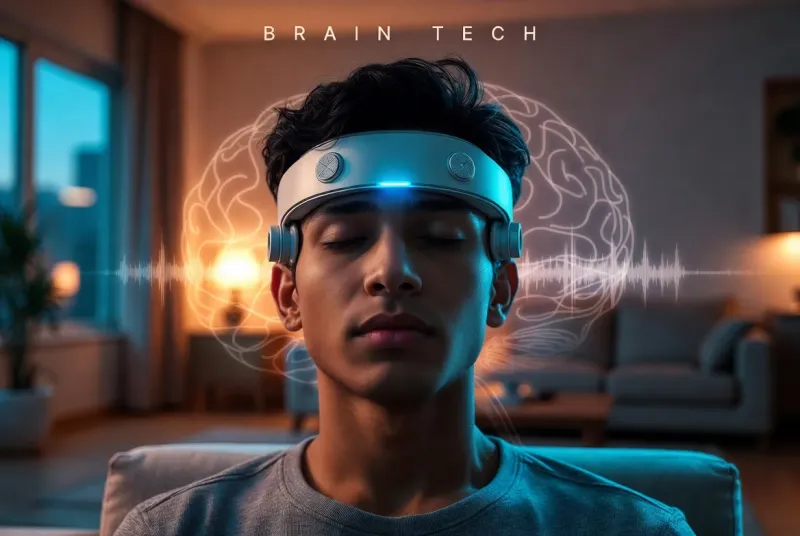
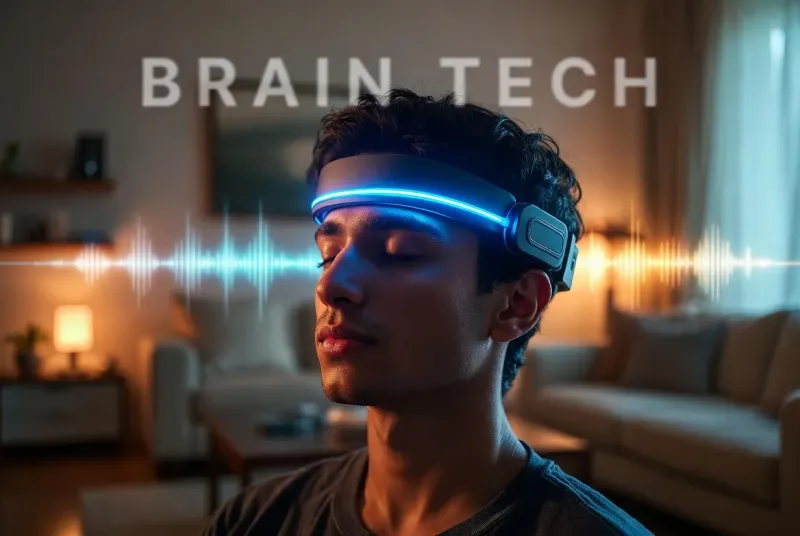
Anxiety disorders affect over 300 million people worldwide, making them the most common mental health condition globally. As the search for accessible, non-pharmaceutical interventions intensifies, a new category of technology has emerged: neuro-relaxation wearables. These devices promise to calm your nervous system, reduce anxiety symptoms, and restore mental balance through cutting-edge neuroscience, all from a sleek headband, earbud, or wrist-worn device. But can wearable technology really cure anxiety, or is this just another overhyped wellness trend?
Neuro-relaxation wearables represent the convergence of neuroscience, biotechnology, and consumer electronics. Using techniques like neurofeedback, brain stimulation, heart rate variability training, and vagus nerve stimulation, these devices claim to help users manage anxiety without medication or traditional therapy. Companies marketing these products often use compelling language about "rewiring your brain," "hacking your nervous system," and "achieving instant calm," creating enormous interest among the millions of people seeking relief from anxiety.
This comprehensive guide examines the rise of neuro-relaxation wearables, exploring the science behind how they work, evaluating the evidence for their effectiveness, and helping you understand whether these devices can truly cure anxiety or simply serve as one tool among many in mental health management. We'll look at the different types of devices available, analyze clinical research, discuss limitations and risks, and provide practical guidance for anyone considering incorporating this technology into their anxiety management strategy.
Understanding Neuro-Relaxation Wearables
Neuro-relaxation wearables are electronic devices worn on the body that use various technologies to influence brain activity, nervous system function, or physiological markers of stress and anxiety. Unlike traditional medical devices used in clinical settings, these consumer-grade products are designed for everyday use at home, often without direct medical supervision.
The market for these devices has exploded in recent years, driven by increased awareness of mental health issues, growing acceptance of technology-based interventions, and consumer demand for accessible, non-pharmaceutical approaches to anxiety management. The global brain stimulation devices market alone is projected to reach billions of dollars by 2027, with wearables representing a significant and rapidly growing segment.
How These Devices Claim to Work
Different neuro-relaxation wearables use different mechanisms, but they generally fall into several categories based on their approach to reducing anxiety:
Neurofeedback (EEG-based): These devices use electroencephalography (EEG) sensors to monitor brain wave activity in real-time. Users receive feedback, often through sounds, visuals, or haptic signals, about their brain state. The theory is that by observing their brain activity, users can learn to self-regulate and shift into calmer states. Over time, this neurofeedback training supposedly helps rewire the brain to default to less anxious states.
Transcranial Electrical Stimulation (tES): These devices deliver low-intensity electrical currents to specific areas of the brain through electrodes placed on the scalp. Different forms include transcranial direct current stimulation (tDCS), transcranial alternating current stimulation (tACS), and cranial electrotherapy stimulation (CES). The electrical stimulation is intended to modulate neuronal activity in brain regions associated with anxiety, potentially reducing symptoms.
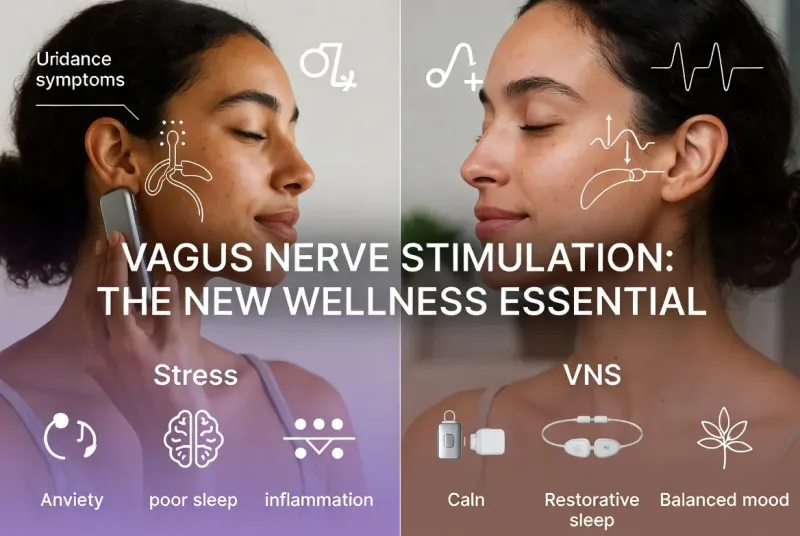
Vagus Nerve Stimulation (VNS): The vagus nerve is a key component of the parasympathetic nervous system, which controls the body's relaxation response. VNS wearables stimulate this nerve, typically through the ear or neck, to activate the parasympathetic nervous system and reduce the fight-or-flight response associated with anxiety.
Heart Rate Variability (HRV) Training: These devices monitor HRV, a marker of autonomic nervous system function and stress resilience. Through guided breathing exercises and biofeedback, users learn to increase their HRV, which is associated with better stress management and reduced anxiety.
Breathing and Respiration Devices: Some wearables guide breathing patterns through haptic feedback or visual cues, helping users engage in slow, controlled breathing that activates the parasympathetic nervous system and reduces anxiety.
Types of Neuro-Relaxation Wearables on the Market
The neuro-relaxation wearable market includes diverse devices, each with different technologies, price points, and claimed benefits. Understanding the categories helps consumers make informed decisions.
EEG Headbands
EEG headbands are among the most popular neuro-relaxation wearables. Devices like Muse, NeuroSky, and Emotiv use sensors placed on the forehead and behind the ears to detect brain wave activity. These headbands typically connect to smartphone apps that provide real-time feedback through sounds, games, or visualizations.
For example, the Muse headband uses seven EEG sensors to monitor brain activity during meditation. When your mind is calm, you hear peaceful weather sounds; when your mind is active or anxious, the sounds become stormy. The accompanying app tracks your sessions and provides insights into your mental states over time.
These devices typically cost between $200-$400 and are marketed primarily for meditation enhancement and stress reduction, though some users report benefits for anxiety management.
Cranial Electrotherapy Stimulation (CES) Devices
CES devices deliver low-level electrical currents to the brain through ear clips or headbands. The Alpha-Stim and Fisher Wallace Stimulator are examples of FDA-cleared CES devices indicated for anxiety, depression, and insomnia.
These devices typically use microcurrent stimulation at specific frequencies intended to modulate brain activity and neurotransmitter function. Treatment sessions usually last 20-60 minutes and are recommended daily or several times per week.
CES devices are generally more expensive, ranging from $500 to $1,000, but some are available by prescription and may be covered by insurance. Unlike consumer EEG headbands, CES devices have gone through regulatory review for specific medical indications.
Vagus Nerve Stimulation Wearables
VNS wearables stimulate the vagus nerve through the ear (transcutaneous VNS) or neck. Devices like TruVaga, NEMOS, and Pulsetto use electrical or vibrational stimulation to activate the vagus nerve and promote relaxation.
These devices typically clip onto the ear or are worn on the neck, delivering stimulation for 5-15 minute sessions. Users report feelings of calm and reduced anxiety during and after use.
While implantable VNS devices are FDA-approved for epilepsy and depression, consumer-grade transcutaneous VNS wearables are generally marketed as wellness devices rather than medical treatments, though research is ongoing into their therapeutic potential.
HRV Biofeedback Devices
HRV biofeedback wearables monitor heart rate variability and guide users through breathing exercises to improve autonomic nervous system balance. Devices like Elite HRV, HeartMath Inner Balance, and WellBe use chest straps, ear clips, or wrist sensors to measure HRV.
These devices provide real-time feedback on your physiological state and guide you through breathing techniques designed to increase HRV and activate the parasympathetic nervous system. Regular practice is intended to improve stress resilience and reduce anxiety over time.
HRV devices typically cost $100-$250 and are often used in conjunction with smartphone apps that track progress and provide training programs.
Multi-Modal Devices
Some newer wearables combine multiple technologies, such as EEG monitoring with haptic feedback, or HRV tracking with guided breathing and brain stimulation. These comprehensive devices aim to provide a more holistic approach to anxiety management.
Examples include devices that monitor multiple physiological markers (brain waves, heart rate, skin conductance) and provide personalized interventions based on real-time data. These tend to be more expensive but offer more sophisticated feedback and intervention options.
The Science Behind Neuro-Relaxation Technology
To evaluate whether neuro-relaxation wearables can truly cure anxiety, it's essential to understand the scientific principles underlying these technologies and examine the evidence for their effectiveness.
Neuroplasticity and Brain Training
The concept of neurofeedback is grounded in neuroplasticity, the brain's ability to reorganize itself by forming new neural connections throughout life. The theory is that by providing real-time feedback about brain activity, individuals can learn to voluntarily modulate their brain waves and, over time, develop healthier patterns of brain activity.
Research on neuroplasticity is robust, demonstrating that the brain can indeed change in response to experience and training. However, the specific application of neurofeedback for anxiety is more complex. While some studies show promising results, the mechanisms by which neurofeedback might reduce anxiety are not fully understood, and individual responses vary significantly.
Brain Stimulation Mechanisms
Cranial electrotherapy stimulation and other brain stimulation technologies work by delivering electrical currents that modulate neuronal excitability. The theoretical basis is that anxiety disorders involve dysregulation in certain brain circuits, particularly those involving the amygdala (fear center), prefrontal cortex (regulation), and anterior cingulate cortex (error detection and emotional processing).
Electrical stimulation may influence these circuits by: altering neurotransmitter levels (serotonin, GABA, endorphins), modulating neuronal firing patterns, increasing blood flow to specific brain regions, and promoting neuroplastic changes that support healthier brain function.
Research on brain stimulation for anxiety shows mixed but generally promising results, particularly for CES devices which have more extensive clinical research than consumer wearables.
Vagus Nerve and the Parasympathetic Response
The vagus nerve is the primary conduit of the parasympathetic nervous system, which counteracts the sympathetic "fight-or-flight" response. When activated, the vagus nerve slows heart rate, reduces blood pressure, promotes digestion, and creates feelings of calm and safety.
In anxiety disorders, the balance between sympathetic and parasympathetic activity is often disrupted, with excessive sympathetic activation and insufficient parasympathetic tone. Vagus nerve stimulation aims to restore this balance by directly activating the parasympathetic nervous system.
The science supporting VNS for anxiety is growing, with studies showing that vagal tone (measured through HRV) is indeed associated with better emotional regulation and lower anxiety. However, whether wearable VNS devices can produce clinically meaningful changes in anxiety symptoms requires more research.
Heart Rate Variability and Stress Resilience
HRV refers to the variation in time intervals between heartbeats. Higher HRV indicates greater adaptability of the autonomic nervous system and is associated with better stress resilience, emotional regulation, and overall health. Lower HRV is linked to anxiety, depression, and chronic stress.
HRV biofeedback training aims to increase HRV through controlled breathing and relaxation techniques. The mechanism involves enhancing respiratory sinus arrhythmia, the natural variation in heart rate that occurs during breathing, which is mediated by the vagus nerve.
Research on HRV biofeedback for anxiety is relatively strong, with multiple studies and meta-analyses showing significant reductions in anxiety symptoms. This makes HRV-based wearables among the more evidence-backed options in the neuro-relaxation category.
Evaluating the Evidence: Do These Devices Work?
The critical question is whether neuro-relaxation wearables can genuinely cure or significantly reduce anxiety. The answer is nuanced and depends on the specific technology, the individual, and how "cure" is defined.
Clinical Research Findings
CES Devices: Cranial electrotherapy stimulation has the most substantial research base among consumer neuro-relaxation technologies. Multiple randomized controlled trials and meta-analyses have found CES to be effective for anxiety, with effect sizes ranging from moderate to large. The Fisher Wallace Stimulator and Alpha-Stim have FDA clearance for anxiety treatment based on this evidence.
However, most research has been conducted on clinical-grade devices used under medical supervision, not necessarily on consumer wearables. The generalizability of these findings to at-home use of wearable devices is not fully established.
Neurofeedback: Research on EEG neurofeedback for anxiety shows mixed results. Some studies demonstrate significant reductions in anxiety symptoms, while others show minimal effects or effects no better than sham (placebo) neurofeedback. A 2016 meta-analysis found that neurofeedback had a moderate effect on anxiety, but the quality of studies varied considerably.
Challenges in neurofeedback research include difficulty creating adequate placebo controls, variability in protocols and target brain regions, and individual differences in responsiveness. More rigorous, large-scale studies are needed.
Vagus Nerve Stimulation: Research on transcutaneous VNS for anxiety is emerging but limited. Small studies have shown promising results for reducing anxiety and improving mood, and the mechanistic rationale is strong. However, large-scale randomized controlled trials are lacking, and optimal stimulation parameters (frequency, intensity, duration) are not well established.
HRV Biofeedback: HRV biofeedback has the strongest evidence base among consumer neuro-relaxation approaches. Multiple meta-analyses have found significant effects on anxiety, with moderate to large effect sizes. The mechanisms are well-understood, and the intervention is relatively standardized.
Real-World Effectiveness
Clinical research doesn't always translate to real-world effectiveness. Several factors influence whether someone will benefit from a neuro-relaxation wearable:
Consistency of Use: Most devices require regular, consistent use over weeks or months to produce benefits. In real-world settings, adherence can be challenging, and many users abandon devices after initial enthusiasm wanes.
Individual Variability: People respond differently to neuro-relaxation technologies. Factors like baseline anxiety severity, neurophysiology, expectations, and concurrent treatments all influence outcomes. What works dramatically for one person may have minimal effect for another.
Placebo Effects: The act of using a high-tech device, combined with expectations of benefit, can produce real improvements through placebo mechanisms. While placebo effects are genuine and valuable, they complicate assessment of the device's specific physiological effects.
Complementary vs. Standalone: Neuro-relaxation wearables may work best as complements to other treatments (therapy, medication, lifestyle changes) rather than standalone cures. Many users who report benefits are simultaneously engaged in other anxiety management practices.
Limitations of Current Evidence
Several limitations characterize the current evidence base:
- Small Sample Sizes: Many studies have limited participants, reducing statistical power and generalizability
- Short Duration: Most studies assess effects over weeks or months, not long-term outcomes
- Industry Funding: Some research is funded by device manufacturers, raising potential bias concerns
- Lack of Standardization: Protocols vary widely across studies, making comparisons difficult
- Limited Diversity: Study participants are often not representative of the broader population
Can Neuro-Relaxation Wearables Cure Anxiety?
This is the million-dollar question. To answer it honestly, we need to define "cure" and examine what these devices can and cannot do.
Understanding "Cure" in the Context of Anxiety
Anxiety disorders are complex, multifactorial conditions involving genetic, biological, psychological, and environmental factors. Unlike an infection that can be eliminated with antibiotics, anxiety disorders typically require ongoing management rather than one-time cures.
When people ask if something can "cure" anxiety, they usually mean: Can it eliminate anxiety symptoms completely? Can it provide lasting relief without ongoing treatment? Can it address the root causes of anxiety?
By these definitions, neuro-relaxation wearables are unlikely to "cure" anxiety in the absolute sense. However, they may significantly reduce symptoms, improve functioning, and serve as valuable tools in comprehensive anxiety management.
What Wearables Can Do
Neuro-relaxation wearables can potentially:
- Reduce Symptom Severity: Many users experience meaningful reductions in anxiety symptoms, particularly with consistent use
- Provide Immediate Relief: Some devices, particularly VNS and breathing-based wearables, can produce acute calming effects during anxiety episodes
- Enhance Self-Regulation: Biofeedback devices can teach users to recognize and modulate their physiological states
- Support Other Treatments: Wearables can complement therapy and medication, potentially enhancing overall treatment effectiveness
- Increase Agency: Having a tool for self-management can reduce feelings of helplessness and increase sense of control
- Improve Awareness: Monitoring devices can increase awareness of stress triggers and early warning signs of anxiety
What Wearables Cannot Do
Neuro-relaxation wearables cannot:
- Address Root Psychological Causes: Wearables don't resolve underlying psychological issues like trauma, negative thought patterns, or maladaptive coping strategies that often require psychotherapy
- Replace Professional Treatment: For moderate to severe anxiety disorders, wearables should not replace evidence-based treatments like cognitive-behavioral therapy or medication
- Work for Everyone: Individual responses vary, and some people may experience minimal or no benefit
- Provide Permanent Solutions: Benefits typically require ongoing use; stopping the device often leads to symptom return
- Address All Aspects of Anxiety: Anxiety involves cognitive, emotional, behavioral, and physiological components; wearables primarily target physiological aspects
A More Realistic Framework
Rather than asking if wearables can "cure" anxiety, a more productive question is: Can neuro-relaxation wearables be effective components of comprehensive anxiety management?
The answer is yes, for many people. These devices can: reduce symptom burden, improve quality of life, enhance coping skills, provide additional tools for self-management, and support recovery when used alongside other treatments.
However, they work best when viewed as tools rather than cures, as part of a broader strategy that may include therapy, medication, lifestyle changes, social support, and stress management.
Benefits and Advantages of Neuro-Relaxation Wearables
Despite limitations, neuro-relaxation wearables offer several compelling advantages that make them attractive options for anxiety management.
Accessibility and Convenience
Unlike therapy sessions that require scheduling and travel, or medications that need prescriptions, wearables can be used at home, at work, or anywhere. This accessibility is particularly valuable for people in areas with limited mental health resources, those with mobility limitations, or anyone seeking additional support between therapy sessions.
Non-Pharmaceutical Approach
Many people prefer to avoid or minimize medication use due to concerns about side effects, dependency, or personal values. Neuro-relaxation wearables offer a non-pharmaceutical option that can be used alone or to potentially reduce medication dosage under medical supervision.
Empowerment and Self-Management
Wearables give users active tools for managing their anxiety, fostering a sense of agency and control. This empowerment can be therapeutic in itself, countering the helplessness that often accompanies anxiety disorders.
Real-Time Feedback and Monitoring
Biofeedback devices provide immediate information about physiological states, helping users recognize stress responses early and intervene before anxiety escalates. This real-time feedback accelerates learning and skill development.
Minimal Side Effects
Compared to medications, most neuro-relaxation wearables have minimal side effects when used as directed. The most common issues are mild skin irritation from electrodes or temporary discomfort during stimulation, which typically resolve with proper use.
Personalization
Many devices adapt to individual users, adjusting protocols based on responses and progress. This personalization can optimize effectiveness for different people with varying needs and neurophysiology.
Limitations, Risks, and Considerations
While neuro-relaxation wearables offer benefits, they also have limitations and potential risks that users should understand.
Cost and Insurance Coverage
Most consumer neuro-relaxation wearables are expensive, ranging from $100 to over $1,000, and are rarely covered by insurance. This creates accessibility barriers and may not be cost-effective for everyone, particularly given variable individual responses.
Variable Quality and Regulation
The wearable market includes both FDA-cleared medical devices and unregulated wellness products. Quality, safety, and effectiveness vary widely. Some devices make claims not supported by evidence, and the lack of regulation means consumers must carefully research products before purchasing.
False Expectations and Disappointment
Marketing for neuro-relaxation wearables can create unrealistic expectations of quick, dramatic cures. When results don't match expectations, users may feel disappointed, discouraged, or blame themselves, potentially worsening anxiety.
Delay in Seeking Effective Treatment
Relying solely on wearables may delay seeking evidence-based treatments like therapy or medication that could provide more substantial relief. For moderate to severe anxiety, this delay can allow symptoms to worsen and functioning to deteriorate.
Potential Side Effects
While generally safe, neuro-relaxation wearables can cause side effects: brain stimulation devices may cause headaches, tingling, or skin irritation; improper use could potentially worsen symptoms in some individuals; and people with certain medical conditions (epilepsy, implanted devices, pregnancy) should consult physicians before use.
Dependency Concerns
Some users may become overly dependent on devices, feeling unable to manage anxiety without them. While using tools is positive, healthy anxiety management should include developing internal coping skills that don't require technology.
Data Privacy and Security
Wearables collect sensitive health data, raising privacy concerns. Users should understand how their data is stored, used, and shared, and choose devices from companies with strong privacy policies and security practices.
Who Might Benefit Most from Neuro-Relaxation Wearables?
Neuro-relaxation wearables aren't for everyone, but certain individuals may find them particularly helpful.
Ideal Candidates
Mild to Moderate Anxiety: People with mild to moderate anxiety symptoms may find wearables sufficient for symptom management, particularly when combined with lifestyle changes and self-care.
Treatment-Resistant Cases: Individuals who haven't responded adequately to traditional treatments may benefit from adding wearables as adjunctive therapy.
Medication-Averse Individuals: Those who prefer to avoid or minimize medication use may find wearables offer a viable alternative or complement.
Tech-Savvy Users: People comfortable with technology and motivated to engage with devices consistently are more likely to benefit.
Supplemental Support: Individuals already in therapy or taking medication may use wearables to enhance treatment effects and develop additional coping tools.
Preventive Use: People with stress-related anxiety or those in high-stress professions may use wearables preventively to build resilience and prevent anxiety escalation.
Who Should Be Cautious
Severe Anxiety Disorders: People with severe anxiety, panic disorder, or significant functional impairment should prioritize evidence-based treatments and use wearables only as supplements under professional guidance.
Certain Medical Conditions: Individuals with epilepsy, implanted electronic devices, heart conditions, or who are pregnant should consult physicians before using brain stimulation devices.
Unrealistic Expectations: Those seeking quick fixes or miracle cures may be disappointed and should first develop realistic understanding of what wearables can provide.
Financial Constraints: Given the cost and variable effectiveness, people with limited financial resources may be better served investing in proven treatments first.
Making an Informed Decision
If you're considering a neuro-relaxation wearable for anxiety, these steps can help you make an informed decision.
Consult Healthcare Providers
Discuss wearable options with your doctor or mental health provider, particularly if you have moderate to severe anxiety, are taking medications, or have other medical conditions. They can help you: assess whether a wearable is appropriate for your situation, recommend specific devices with evidence for your needs, ensure the device won't interact with other treatments, and integrate the wearable into a comprehensive treatment plan.
Research Thoroughly
Before purchasing, investigate: the evidence base for the specific device and technology, whether it's FDA-cleared or just marketed as a wellness product, user reviews and experiences (while recognizing individual variability), company reputation and customer support, privacy policies and data security, and total cost including any subscription fees.
Start with Clear Goals
Define what you hope to achieve: symptom reduction, better sleep, improved stress management, enhanced meditation practice, or acute anxiety relief. Clear goals help you select appropriate devices and evaluate effectiveness.
Try Before Committing
When possible, try devices before purchasing through: rental programs, money-back guarantees, borrowing from friends, or testing at wellness centers. Individual responses vary, so trying a device helps assess personal fit.
Integrate into Comprehensive Care
Use wearables as part of a broader anxiety management strategy that may include: psychotherapy (particularly CBT), medication if prescribed, regular exercise, adequate sleep, healthy nutrition, stress management practices, and social support.
Monitor and Evaluate
Track your symptoms and device use to assess effectiveness. Give devices adequate time (typically 4-8 weeks of consistent use) before evaluating, but discontinue if you experience adverse effects or no benefit after reasonable trial.
The Future of Neuro-Relaxation Technology
Neuro-relaxation wearables are evolving rapidly, with several exciting developments on the horizon.
Emerging Technologies
AI-Powered Personalization: Machine learning algorithms are enabling devices to adapt in real-time to individual users, optimizing protocols based on physiological responses and outcomes.
Closed-Loop Systems: Next-generation devices automatically detect anxiety states and deliver interventions without user initiation, providing seamless support.
Multimodal Integration: Future wearables will combine multiple technologies (EEG, HRV, EDA, temperature) for comprehensive monitoring and more targeted interventions.
Improved Accessibility: As technology advances and competition increases, costs are likely to decrease, making these tools more accessible.
Better Evidence: Ongoing research is generating more robust evidence about effectiveness, optimal protocols, and which individuals benefit most.
Integration with Mental Healthcare
The future likely holds greater integration of wearables into formal mental healthcare: devices prescribed by clinicians, data from wearables informing treatment decisions, remote monitoring of treatment progress, and insurance coverage for evidence-based devices.
Frequently Asked Questions
Are neuro-relaxation wearables safe?
Most neuro-relaxation wearables are safe when used as directed, particularly FDA-cleared devices. Common side effects are mild and temporary, like skin irritation or tingling. However, people with certain medical conditions (epilepsy, implanted devices, heart conditions, pregnancy) should consult physicians before use. Always follow manufacturer instructions and start with lowest settings to assess tolerance.
How long does it take to see results?
Some devices, particularly VNS and breathing-based wearables, can provide immediate acute relief during use. However, lasting changes in anxiety typically require consistent use over 4-8 weeks. Individual responses vary significantly, with some people noticing benefits within days and others requiring months or experiencing minimal effects. Consistency is crucial for neuroplastic changes to occur.
Can I use wearables instead of therapy or medication?
For mild anxiety, some people may find wearables sufficient, particularly combined with lifestyle changes. However, for moderate to severe anxiety disorders, wearables should complement, not replace, evidence-based treatments like cognitive-behavioral therapy and medication. Always consult healthcare providers before making changes to treatment plans. The most effective approach is typically comprehensive, combining multiple strategies.
Do I need a prescription?
Most consumer neuro-relaxation wearables are available without prescription as wellness devices. However, some FDA-cleared medical devices like certain CES units may require prescription. Prescription devices typically have stronger evidence bases and may be covered by insurance. Check local regulations and consult healthcare providers about which type is appropriate for your needs.
What if the device doesn't work for me?
Individual responses to neuro-relaxation wearables vary significantly. If a device isn't helping after 6-8 weeks of consistent use, consider: trying a different technology (if EEG doesn't work, VNS or HRV might), adjusting usage patterns or protocols, ensuring you're using it correctly, and combining with other treatments. Don't be discouraged; finding the right approach often requires experimentation. Consult healthcare providers for alternative options.
Conclusion
Neuro-relaxation wearables represent an exciting frontier in mental health technology, offering accessible, non-pharmaceutical tools for anxiety management. The science behind these devices is compelling, and growing evidence suggests they can provide meaningful benefits for many users. Technologies like CES, HRV biofeedback, and vagus nerve stimulation show particular promise, with research supporting their effectiveness for reducing anxiety symptoms.
However, it's crucial to maintain realistic expectations. These devices are not miracle cures that will eliminate anxiety overnight or permanently. They work best as tools within comprehensive anxiety management strategies, complementing rather than replacing evidence-based treatments like therapy and medication. Individual responses vary significantly, and what works dramatically for one person may have minimal effect for another.
The rise of neuro-relaxation wearables reflects growing recognition that mental health care must be accessible, personalized, and empowering. These devices give individuals active roles in managing their anxiety, providing tools for self-regulation and resilience building. For many people, this sense of agency is therapeutic in itself.
As technology continues to evolve and research expands, neuro-relaxation wearables will likely become more effective, accessible, and integrated into mainstream mental healthcare. For now, they offer valuable options for those seeking additional tools for anxiety management, provided they're approached with informed expectations and used as part of comprehensive care.
If you're considering a neuro-relaxation wearable, consult healthcare providers, research thoroughly, start with realistic goals, and view the device as one tool among many in your anxiety management toolkit. With the right approach, these technologies can genuinely enhance wellbeing and support your journey toward greater calm and resilience.
📖 আরও পড়ুন: Trending Now
- 🔗 Personal AI Twin for Social Media Branding: Complete Guide
- 🔗 Digital Nomad Guide 2026: Work and Travel Smart
- 🔗 নিউরো-রিল্যাক্সেশন ওয়্যারেবলস: এগুলো কি সত্যিই দুশ্চিন্তা বা অ্যাংজাইটি সারাতে পারে?
- 🔗 ডিজিটাল নোম্যাড ২০২৬: বিশ্ব ঘুরে কাজ করার সম্পূর্ণ গাইড
- 🔗 How to Use Agentic AI to Automate Your Daily Business Operations in 2026