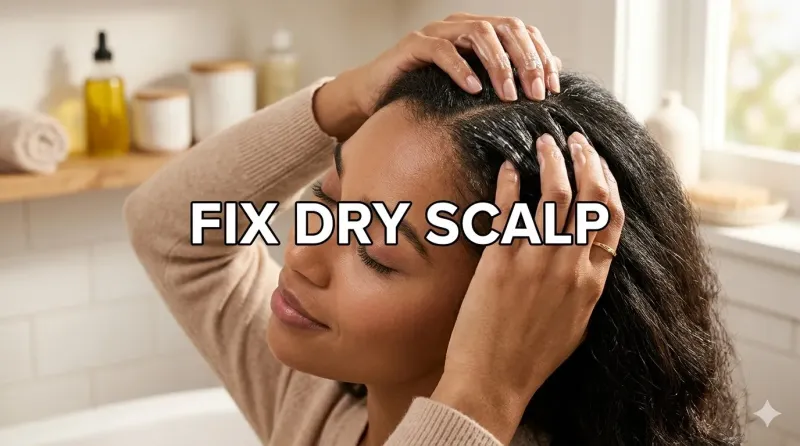
A dry, itchy, flaky scalp isn't just uncomfortable—it can undermine your confidence, disrupt your sleep, and compromise the health of your hair. Whether you're noticing white flakes on your shoulders, experiencing persistent itchiness, or feeling tightness across your scalp, scalp dryness is a signal that your scalp's delicate ecosystem needs attention. The good news? With the right approach to nourishment and balance, you can restore comfort, reduce flakiness, and create the foundation for healthier, stronger hair.
Scalp dryness affects millions of people worldwide, yet it's often misunderstood or misdiagnosed. Many confuse dry scalp with dandruff (which is actually caused by a yeast overgrowth), leading to treatments that can worsen the problem. True scalp dryness stems from a lack of moisture, a compromised skin barrier, or an imbalance in the scalp's natural microbiome. Addressing it requires more than just adding oil—it demands a holistic strategy that nourishes, protects, and rebalances.
This comprehensive guide delivers everything you need to know about fixing scalp dryness through nourishment and balance. You'll learn how to identify the root causes of your dryness, discover evidence-based ingredients that truly hydrate and repair, build a personalized scalp care routine, and understand when professional help is needed. Whether your dryness is mild and occasional or chronic and severe, you'll find practical, actionable solutions to restore comfort and confidence. Let's transform your dry, irritated scalp into a nourished, balanced foundation for beautiful hair.
Understanding Scalp Dryness: Causes, Symptoms, and Misconceptions
Before treating scalp dryness, it's essential to understand what's really happening. Misdiagnosis leads to ineffective treatments—and sometimes, worsening symptoms.
What Is Scalp Dryness?
Scalp dryness occurs when the skin on your scalp lacks sufficient moisture or has a compromised barrier that allows moisture to escape. Unlike dandruff (seborrheic dermatitis), which involves excess oil and yeast overgrowth, dry scalp is characterized by:
- Small, white, dry flakes: Unlike the larger, yellowish, oily flakes of dandruff
- Tightness or itching: A persistent sensation of tightness or mild to moderate itchiness
- No significant redness or inflammation: Though scratching can cause secondary irritation
- Worsening in dry conditions: Symptoms often intensify in winter, low-humidity environments, or with harsh hair products
Common Causes of Scalp Dryness
Environmental Factors:
- Low humidity: Cold winter air or air-conditioned indoor environments strip moisture from skin
- Hard water: Mineral deposits from hard water can disrupt the scalp's natural pH and barrier function
- Sun exposure: UV radiation damages the scalp's skin barrier, increasing moisture loss
- Wind and pollution: Environmental stressors compromise scalp health
Hair Care Practices:
- Over-washing: Frequent shampooing, especially with harsh sulfates, strips natural oils
- Hot water: Washing with hot water dissolves protective lipids and increases dryness
- Harsh ingredients: Sulfates, alcohol, fragrances, and certain preservatives can irritate and dry the scalp
- Heat styling: Blow dryers, flat irons, and curling wands can dehydrate the scalp
- Chemical treatments: Coloring, perming, or relaxing can compromise scalp barrier function
Health and Lifestyle Factors:
- Dehydration: Inadequate water intake affects overall skin hydration, including the scalp
- Nutritional deficiencies: Lack of omega-3s, zinc, biotin, or vitamins A, D, and E can impair skin barrier function
- Stress: Chronic stress elevates cortisol, which can disrupt skin barrier repair and increase inflammation
- Hormonal changes: Menopause, pregnancy, or thyroid issues can alter scalp oil production
- Skin conditions: Eczema, psoriasis, or contact dermatitis can manifest as scalp dryness
Dry Scalp vs. Dandruff: Key Differences
| Feature | Dry Scalp | Dandruff (Seborrheic Dermatitis) |
|---|---|---|
| Flake Appearance | Small, white, dry, powdery | Larger, yellowish, oily, clumpy |
| Scalp Condition | Tight, itchy, may feel rough | Oily, red, inflamed, itchy |
| Primary Cause | Lack of moisture, barrier damage | Yeast overgrowth (Malassezia), excess oil |
| Worsens With | Dry air, harsh products, over-washing | Stress, humidity, oily products |
| Best Treatment Approach | Hydration, barrier repair, gentle care | Antifungal agents, oil control, anti-inflammatories |
Why This Matters: Using anti-dandruff shampoos (which contain zinc pyrithione, selenium sulfide, or ketoconazole) on a dry scalp can further strip moisture and worsen dryness. Conversely, heavy oils on a dandruff-prone scalp can feed yeast and exacerbate flaking. Accurate identification is the first step to effective treatment.
The Science of Scalp Hydration: How Moisture Works
Understanding how your scalp retains moisture helps you choose strategies that actually work.
The Scalp's Natural Moisture System
Your scalp, like the rest of your skin, has a sophisticated moisture-regulating system:
- Stratum corneum: The outermost layer of skin cells held together by lipids (ceramides, cholesterol, fatty acids) that prevent water loss
- Natural moisturizing factors (NMFs): Amino acids, urea, and salts within skin cells that attract and bind water
- Sebum: Natural oils produced by sebaceous glands that lubricate and protect the scalp
- Acid mantle: A slightly acidic pH (4.5-5.5) that supports barrier function and microbial balance
When any part of this system is disrupted—by harsh products, environmental stress, or internal factors—moisture escapes, leading to dryness, flaking, and irritation.
Key Ingredients That Support Scalp Hydration
Effective scalp care targets multiple aspects of the moisture system:
Humectants (Attract Water):
- Hyaluronic acid: Holds up to 1000x its weight in water; penetrates scalp to hydrate deeply
- Glycerin: Draws moisture from the air into the scalp; gentle and well-tolerated
- Panthenol (pro-vitamin B5): Attracts moisture while soothing irritation
- Aloe vera: Hydrates while providing anti-inflammatory benefits
Emollients (Smooth and Soften):
- Squalane: Mimics scalp's natural oils; lightweight and non-comedogenic
- Jojoba oil: Closely resembles human sebum; balances oil production
- Argan oil: Rich in vitamin E and fatty acids; nourishes without heaviness
- Ceramides: Replenish the lipid barrier to prevent moisture loss
Occlusives (Seal in Moisture):
- Shea butter: Forms a protective layer to reduce transepidermal water loss
- Beeswax: Creates a breathable barrier that locks in hydration
- Dimethicone: Lightweight silicone that seals moisture without clogging follicles
Barrier-Repair Actives:
- Niacinamide: Boosts ceramide production and reduces inflammation
- Allantoin: Soothes irritation while supporting barrier repair
- Centella asiatica: Calms inflammation and promotes healing
Immediate Relief: 5 Fast-Acting Strategies for Dry Scalp
When your scalp feels tight, itchy, or flaky, you need solutions that work quickly. These five strategies provide rapid relief while supporting long-term healing.
1. Lukewarm Water Rinse + Gentle Cleansing
Why It Works: Hot water strips natural oils and exacerbates dryness. Switching to lukewarm water preserves the scalp's lipid barrier while still cleansing effectively.
Step-by-Step Technique:
- Wet hair with lukewarm (not hot) water for 1-2 minutes to soften debris
- Apply a sulfate-free, hydrating shampoo to your scalp (not just hair)
- Gently massage with fingertips (not nails) for 60 seconds to stimulate circulation
- Rinse thoroughly with lukewarm water
- Follow with a hydrating conditioner applied only to mid-lengths and ends
Product Selection Tips:
- Choose shampoos labeled "hydrating," "moisturizing," or "for dry scalp"
- Avoid sulfates (SLS/SLES), which can be overly stripping
- Look for added humectants like glycerin or panthenol
Expected Results: Immediate reduction in tightness; less irritation after first use. Consistent use prevents further barrier damage.
2. Scalp Hydration Mask (10-Minute Rescue)
How It Works: A concentrated treatment delivers intensive hydration and barrier-supporting ingredients directly to the scalp.
DIY Hydration Mask Recipe:
Ingredients:
- 2 tablespoons aloe vera gel (pure, no alcohol)
- 1 tablespoon jojoba oil or squalane
- 1 teaspoon honey (natural humectant)
- 3-5 drops lavender essential oil (optional, for soothing)

Instructions:
1. Mix ingredients in a small bowl until well combined
2. Part hair into sections and apply mixture directly to scalp using fingertips or a brush
3. Gently massage for 2 minutes to enhance absorption
4. Cover with a shower cap and leave on for 10-15 minutes
5. Rinse thoroughly with lukewarm water, then shampoo gently if needed
Store-Bought Alternatives: Look for scalp masks or pre-shampoo treatments with hyaluronic acid, ceramides, or centella.
Frequency: Use 1-2 times weekly during flare-ups; once weekly for maintenance.
3. Scalp Oil Treatment (Overnight Nourishment)
Why It Works: Lightweight oils penetrate the scalp to replenish lipids, while occlusive properties seal in moisture overnight when the scalp is in repair mode.
Best Oils for Dry Scalp:
- Jojoba oil: Most similar to human sebum; balances without clogging
- Squalane: Lightweight, non-greasy, excellent barrier support
- Argan oil: Rich in vitamin E; nourishes while reducing inflammation
- Marula oil: Fast-absorbing with antioxidant benefits
Avoid for Dry Scalp:
- Coconut oil (can be comedogenic for some; may feed yeast if dandruff is present)
- Heavy castor oil (can be too occlusive and difficult to wash out)
- Essential oils undiluted (can irritate; always dilute in carrier oil)
Application Protocol:
- Warm 1-2 teaspoons of oil between palms
- Part hair and apply directly to scalp using fingertips
- Gently massage for 3-5 minutes to stimulate circulation
- Leave on overnight (protect pillowcase with a towel or cap)
- Shampoo gently in the morning; may require two washes to fully remove
Pro Tip: Add 1-2 drops of tea tree oil (diluted) if you have mild flaking with itchiness—its antimicrobial properties can help prevent secondary issues without overdrying.
4. Cool Compress for Instant Itch Relief
How It Works: Cool temperatures reduce nerve sensitivity and inflammation, providing immediate relief from itchiness without compromising the scalp barrier.
Technique:
- Soak a clean, soft cloth in cool (not ice-cold) water
- Gently wring out excess water
- Apply to itchy areas of scalp for 3-5 minutes
- Re-wet cloth as needed to maintain cool temperature
- Pat scalp dry gently; do not rub
Enhanced Version: Brew chamomile or green tea, chill it, and use the cooled tea as your compress liquid. Both contain anti-inflammatory compounds that provide added soothing benefits.
What to Avoid: Never apply ice directly to the scalp—extreme cold can trigger rebound inflammation or damage sensitive skin.
Expected Results: Itch relief within minutes; reduced urge to scratch, which prevents further barrier damage.
5. Leave-In Scalp Serum (All-Day Hydration)
How It Works: Lightweight, leave-in serums deliver continuous hydration and barrier support without weighing hair down or requiring rinsing.
Key Ingredients to Look For:
- Hyaluronic acid (low molecular weight for penetration)
- Niacinamide (4-5%) for barrier support
- Panthenol for soothing and hydration
- Ceramides for lipid replenishment
- Lightweight silicones (dimethicone) to seal moisture
Application Technique:
- Apply to clean, towel-dried or dry scalp
- Part hair and dispense serum directly onto scalp (not hair)
- Gently massage with fingertips to distribute
- Style as usual; no rinsing required
Recommended Product Types: Scalp-specific serums or lightweight hair oils formulated for scalp health. Avoid heavy oils or butters that can build up.
Frequency: Daily or every other day, depending on dryness severity.
Long-Term Balance: 7 Strategies to Prevent Recurrence
Immediate relief is essential, but lasting scalp health requires consistent, preventive care. These seven strategies help maintain a nourished, balanced scalp long-term.
6. Build a Scalp-Nourishing Hair Care Routine
The Core Principles:
- Gentle cleansing: Preserve natural oils while removing buildup
- Targeted hydration: Deliver moisture where the scalp needs it most
- Barrier support: Strengthen the scalp's natural defenses
- pH balance: Maintain the scalp's slightly acidic environment
- Minimal irritation: Avoid ingredients that trigger sensitivity
Sample Weekly Routine:
Monday & Thursday (Wash Days):
- Pre-wash: Apply lightweight scalp oil 30 minutes before washing (optional)
- Cleanse: Sulfate-free hydrating shampoo, lukewarm water, gentle massage
- Treat: Hydrating conditioner on mid-lengths/ends only
- Seal: Leave-in scalp serum on damp scalp
- Style: Avoid heavy products at roots; use heat protectant if styling
Tuesday, Wednesday, Friday (Non-Wash Days):
- Refresh: Light mist of hydrating scalp spray if needed
- Protect: Wear a silk/satin pillowcase to reduce friction and moisture loss
- Nourish: Gentle scalp massage for 2 minutes to stimulate circulation
Weekend (Treatment Day):
- Deep treatment: Scalp hydration mask or oil treatment
- Exfoliation (if needed): Gentle scalp scrub with salicylic acid or enzymes, max once weekly
7. Master the Art of Gentle Cleansing
Why Cleansing Method Matters: How you wash your hair impacts scalp hydration as much as what products you use.
Best Practices:
- Water temperature: Always use lukewarm water; finish with a cool rinse to seal cuticles
- Shampoo application: Focus on scalp, not hair lengths; let suds rinse through ends
- Massage technique: Use fingertips in circular motions; avoid nails or aggressive scrubbing
- Rinsing: Rinse thoroughly to prevent product buildup that can irritate
- Frequency: Wash only as needed (typically every 2-4 days for dry scalp); over-washing strips oils
Clarifying Strategically:
- Use a gentle clarifying shampoo once every 2-4 weeks to remove buildup
- Follow immediately with a hydrating mask or oil treatment to replenish moisture
- Avoid harsh clarifiers with sulfates or alcohol if your scalp is very dry
8. Balance Your Scalp Microbiome
Why Microbiome Health Matters: Your scalp hosts a community of bacteria and fungi that, when balanced, support barrier function and reduce inflammation. Disruption can worsen dryness and sensitivity.
Microbiome-Supporting Strategies:
- Prebiotic ingredients: Inulin, fructooligosaccharides, or alpha-glucan oligosaccharide feed beneficial microbes
- Probiotic topicals: Emerging skincare with lysates of beneficial bacteria to support scalp ecology
- pH-balanced products: Maintain scalp's natural pH (4.5-5.5) to support healthy microbial balance
- Avoid over-sanitizing: Harsh antiseptics can disrupt beneficial microbes along with problematic ones
Product Selection: Look for shampoos or treatments labeled "microbiome-friendly," "prebiotic," or "pH-balanced."
9. Optimize Your Diet for Scalp Health
Nutrients That Support Scalp Hydration:
- Omega-3 fatty acids: Fatty fish, flaxseeds, chia seeds, walnuts—reduce inflammation and support skin barrier
- Zinc: Pumpkin seeds, lentils, chickpeas—supports skin repair and reduces flaking
- Vitamin E: Almonds, sunflower seeds, spinach—antioxidant protection for scalp skin
- B vitamins (especially biotin): Eggs, legumes, whole grains—support keratin production and skin health
- Vitamin D: Sunlight (in moderation), fortified foods, supplements—regulates skin cell growth and immunity
- Water: Adequate hydration supports overall skin moisture, including the scalp
Foods to Limit:
- Excess sugar and refined carbs, which can promote inflammation
- Highly processed foods lacking nutrients essential for skin health
- Excessive alcohol, which can dehydrate skin
Supplement Considerations (Consult Your Doctor First):
- Omega-3 fish oil (1000-2000 mg EPA/DHA daily)
- Zinc picolinate (15-30 mg daily) if deficient
- Vitamin D (if blood tests show deficiency)
- Probiotics with strains shown to support skin health
10. Manage Environmental Stressors
Humidity Control:
- Use a humidifier in dry indoor environments (aim for 40-60% humidity)
- Avoid prolonged exposure to heated or air-conditioned air without protection
Sun Protection:
- Wear hats or use hair products with UV filters when in direct sun
- Part hair in different places to avoid consistent sun exposure on same scalp areas
Hard Water Solutions:
- Install a shower filter to reduce mineral deposits
- Use a clarifying shampoo monthly to remove buildup
- Rinse with diluted apple cider vinegar (1 part vinegar to 4 parts water) to restore pH
Pollution Protection:
- Rinse hair after heavy pollution exposure
- Use antioxidant-rich scalp serums to combat environmental damage
11. Reduce Mechanical and Chemical Stress
Gentle Styling Practices:
- Limit heat styling; use lowest effective temperature and always apply heat protectant
- Avoid tight hairstyles that pull on the scalp and cause traction irritation
- Use silk or satin pillowcases to reduce friction and moisture loss overnight
- Detangle gently with a wide-tooth comb, starting from ends and working upward
Chemical Treatment Caution:
- Space out coloring, perming, or relaxing treatments to allow scalp recovery
- Ask your stylist to apply protective barrier creams along the hairline during chemical services
- Follow up chemical treatments with intensive scalp hydration
12. Practice Stress Management for Scalp Health
The Stress-Scalp Connection: Chronic stress elevates cortisol, which can: - Disrupt skin barrier repair - Increase inflammation - Alter sebum production - Trigger or worsen conditions like eczema or psoriasis that affect the scalp
Stress-Reduction Techniques That Support Scalp Health:
- Daily mindfulness: Even 5-10 minutes of meditation reduces inflammatory markers
- Gentle movement: Walking, yoga, or tai chi regulate stress hormones
- Quality sleep: Aim for 7-9 hours; scalp repairs itself during deep sleep
- Scalp massage: 2-3 minutes daily reduces tension and stimulates circulation
Product Recommendations by Category
While individual responses vary, these product types and features can guide your selections. Always patch-test new products and introduce one at a time.
Hydrating Shampoos
Look for:
- Sulfate-free formulas
- Humectants: glycerin, hyaluronic acid, panthenol
- Soothing ingredients: aloe, oat extract, allantoin
- pH-balanced (4.5-5.5)
Recommended:
- Kérastase Specifique Bain Hydrafort
- Briogeo Be Gentle, Be Kind Avocado + Quinoa Co-Wash
- Vanicream Free & Clear Shampoo
- Aveeno Scalp Soothing Oat Milk Blend Shampoo
Scalp Serums & Treatments
Look for:
- Lightweight, non-greasy textures
- Barrier-supporting actives: ceramides, niacinamide, squalane
- Hydrating ingredients: hyaluronic acid, panthenol
- Fragrance-free or minimally scented
Recommended:
- The Ordinary Hyaluronic Acid 2% + B5 (apply to scalp)
- Paula's Choice Calm Restoring Scalp Treatment
- Verb Scalp Revitalizing Treatment
- Act + Acre Scalp Detox (for occasional clarifying)
Scalp Oils
Look for:
- Lightweight, non-comedogenic oils
- Cold-pressed, unrefined for maximum nutrients
- Minimal ingredient lists
Recommended:
- The Ordinary 100% Plant-Derived Squalane
- Joya Jojoba Oil
- Acure Organics Argan Oil
- Biossance Squalane + Omega Repair Cream (for very dry areas)
Leave-In Conditioners & Styling Products
Look for:
- Alcohol-free formulas
- Hydrating ingredients that won't build up at roots
- Heat protection if you style with heat
Recommended:
- Kinky-Curly Knot Today Leave-In Conditioner
- Ouai Leave-In Conditioner
- Briogeo Farewell Frizz Rosarco Milk Leave-In Conditioning Spray
DIY Remedies: Natural Approaches to Scalp Nourishment
For those who prefer natural solutions, these DIY remedies can complement your scalp care routine. Always patch-test first.
Honey & Aloe Scalp Soother
Benefits: Honey is a natural humectant with antimicrobial properties; aloe soothes inflammation and hydrates.
Recipe:
- 2 tablespoons pure aloe vera gel
- 1 tablespoon raw honey
- 1 teaspoon jojoba oil (optional for extra nourishment)

Mix well, apply to scalp, leave for 15-20 minutes, then rinse thoroughly.
Oatmeal Scalp Calming Rinse
Benefits: Colloidal oatmeal is FDA-approved to soothe irritated skin; reduces itchiness and inflammation.
Recipe:
- 1/2 cup colloidal oatmeal (or grind regular oats to fine powder)
- 2 cups warm water

Steep oatmeal in water for 10 minutes, strain through cheesecloth, use liquid as final rinse after shampooing. Do not rinse out.
Green Tea Scalp Tonic
Benefits: Green tea contains EGCG, a potent anti-inflammatory and antioxidant that calms irritation and supports scalp health.
Recipe:
- 2 green tea bags
- 1 cup boiling water
- 1 teaspoon glycerin (optional humectant)

Steep tea for 10 minutes, remove bags, add glycerin if using, cool completely. Transfer to spray bottle, mist onto scalp after washing or as needed. Store in refrigerator for up to 1 week.
When to See a Professional
While many cases of scalp dryness respond well to at-home care, certain situations warrant professional evaluation.
Red Flags Requiring Medical Attention
Contact a dermatologist or trichologist if you experience:
- Persistent symptoms: No improvement after 4-6 weeks of consistent home care
- Severe itching or pain: Discomfort that disrupts sleep or daily life
- Signs of infection: Pus, oozing, increasing redness, or warmth
- Hair loss: Noticeable shedding or thinning alongside dryness
- Spread beyond scalp: Dryness or flaking on face, ears, or body
- Suspected underlying condition: Symptoms suggesting eczema, psoriasis, or seborrheic dermatitis
What to Expect at a Professional Consultation
Assessment:
- Detailed history of symptoms, products used, and lifestyle factors
- Scalp examination, possibly with a dermatoscope for magnified view
- Potential patch testing if contact dermatitis is suspected
Treatment Options:
- Prescription topicals: Low-potency corticosteroids for inflammation, or barrier-repair prescriptions
- Medicated shampoos: If a secondary condition like seborrheic dermatitis is present
- Light therapy: Low-level laser therapy for inflammation and circulation
- Customized regimen: Personalized product and routine recommendations
Frequently Asked Questions
How long does it take to fix a dry scalp?
Timeline varies based on severity and consistency: - Mild dryness: Noticeable improvement in 1-2 weeks with consistent care - Moderate dryness: Significant improvement in 3-6 weeks - Chronic or severe dryness: May take 2-3 months of consistent care to restore barrier function Key factors: consistency with routine, avoiding triggers, and addressing underlying causes like diet or stress.
Can I use the same products for dry scalp and dry hair?
Not necessarily. Scalp and hair have different needs: - Scalp: Needs lightweight hydration that won't clog follicles; focus on barrier repair - Hair: Needs emollients and occlusives to smooth and protect strands Strategy: Apply hydrating products directly to scalp, and richer conditioners only to mid-lengths and ends. Avoid applying heavy hair masks or oils directly to the scalp unless specifically formulated for scalp use.
Is it okay to exfoliate a dry scalp?
Yes, but gently and infrequently: - Frequency: Max once weekly; less if scalp is very sensitive - Method: Use chemical exfoliants (salicylic acid 0.5-2%, or gentle enzymes) rather than physical scrubs, which can cause micro-tears - Follow-up: Always follow exfoliation with intense hydration to support barrier repair - Avoid: Harsh scrubs with large particles, or exfoliating daily If your scalp is very irritated or inflamed, skip exfoliation until it calms down.
Can stress really cause scalp dryness?
Yes. Stress impacts scalp health through multiple pathways: - Elevates cortisol, which can impair skin barrier repair - Increases inflammation, worsening dryness and itchiness - May trigger habits like scratching, which further damages the barrier - Can disrupt sleep, reducing the scalp's overnight repair time Managing stress through mindfulness, exercise, or therapy can significantly improve scalp health alongside topical treatments.
Should I stop washing my hair if my scalp is dry?
No—but adjust your approach: - Don't stop washing: Buildup of sweat, oils, and products can irritate a dry scalp - Do adjust frequency: Wash only as needed (typically every 2-4 days for dry scalp) - Do adjust technique: Use gentle, hydrating products and lukewarm water - Do focus on scalp: Cleanse the scalp thoroughly but gently; let suds rinse through hair The goal is balance: clean enough to prevent irritation, gentle enough to preserve moisture.
Conclusion: Your Path to a Nourished, Balanced Scalp
Fixing scalp dryness isn't about quick fixes or harsh interventions—it's about consistent, compassionate care that nourishes your scalp's natural ability to heal and balance itself. By understanding the root causes of your dryness, choosing ingredients that support hydration and barrier function, and adopting gentle, sustainable habits, you can transform discomfort into comfort and create the foundation for healthier hair.
Key takeaways for nourishing and balancing your scalp:
- Identify accurately: Distinguish dry scalp from dandruff to choose the right treatment
- Start gentle: Prioritize barrier repair and hydration before adding actives
- Layer strategically: Combine humectants, emollients, and occlusives for comprehensive moisture support
- Protect daily: Lukewarm water, gentle products, and sun protection prevent further damage
- Nourish from within: Hydration, nutrition, and stress management support scalp health holistically
- Be patient: Scalp barrier repair takes weeks; consistency matters more than speed
- Seek help when needed: Professionals can offer personalized solutions for persistent issues
Your scalp is the foundation of your hair's health—and your confidence. By treating it with the care it deserves, you're not just fixing dryness; you're investing in long-term comfort, resilience, and beauty.
Start today. Choose one strategy from this guide to implement right now: perhaps switching to a sulfate-free shampoo, adding a weekly scalp mask, or starting a hydration-focused serum. Small, consistent actions compound into significant transformation over time.
Your nourished, balanced scalp—and the healthy, beautiful hair it supports—is within reach. With knowledge, patience, and the right approach, you can turn dryness into vitality, one gentle step at a time.
Here's to a healthier, happier scalp.