
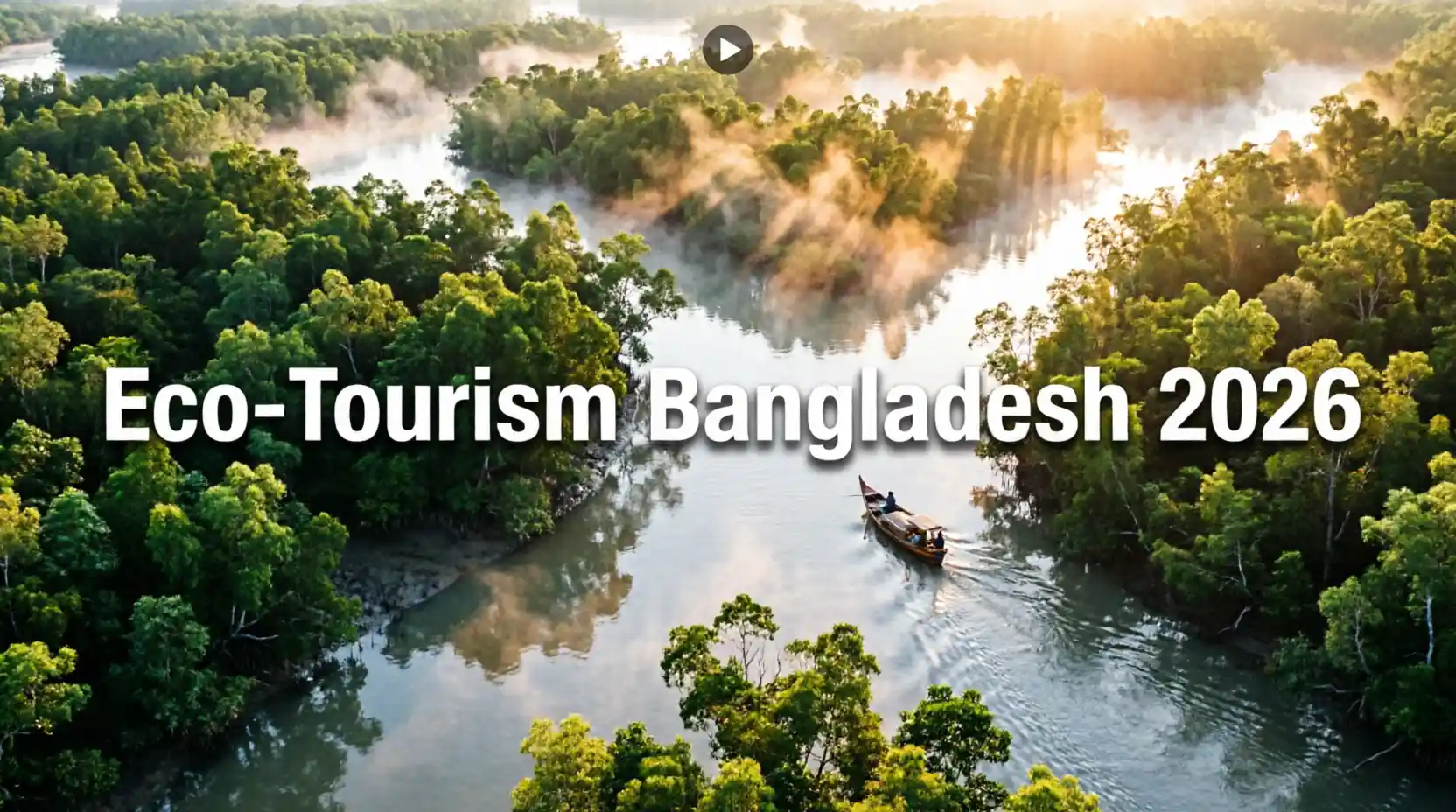
Bangladesh, a land cradled by over 700 rivers and blessed with extraordinary biodiversity, is emerging as one of South Asia's most promising eco-tourism destinations for 2026. From the mystical mangrove forests of the Sundarbans—the world's largest mangrove ecosystem—to the rolling tea gardens of Srimangal, from the pristine beaches of Cox's Bazar to the lush hills of the Chittagong Hill Tracts, Bangladesh offers a treasure trove of hidden green paradises waiting to be explored by conscious travelers.
As global awareness about sustainable travel grows, Bangladesh is positioning itself at the forefront of responsible tourism in South Asia. The country's commitment to conservation, community-based tourism initiatives, and preservation of its unique natural heritage makes it an ideal destination for travelers who want to explore while minimizing their environmental footprint and maximizing positive impact on local communities.
This comprehensive guide unveils Bangladesh's most spectacular eco-tourism destinations for 2026, from well-known natural wonders to hidden gems that remain off the beaten path. You'll discover sustainable accommodations, community-based tourism projects, wildlife conservation experiences, and practical tips for traveling responsibly in this remarkable delta nation. Whether you're a nature enthusiast, wildlife photographer, adventure seeker, or conscious traveler, Bangladesh's green paradises offer unforgettable experiences that align with your values.
Understanding Eco-Tourism in Bangladesh: A Commitment to Sustainability
Eco-tourism in Bangladesh isn't just a trend—it's a necessity and a national priority. With its unique geographical position, rich biodiversity, and vulnerable ecosystems, Bangladesh has recognized that sustainable tourism is essential for both conservation and economic development.
Why Bangladesh is an Eco-Tourism Powerhouse
Biodiversity Hotspot: Bangladesh is home to:
- Over 9,000 species of flora and fauna
- More than 628 bird species, including rare and endangered varieties
- 133 mammal species, from the iconic Royal Bengal Tiger to the endangered Ganges River Dolphin
- Over 300 freshwater fish species in its rivers and wetlands
- Three UNESCO World Heritage Sites: Sundarbans, Paharpur, and the Sixty Dome Mosque
Unique Ecosystems:
- The Sundarbans: 10,000 sq km of mangrove forest, the largest in the world
- Wetlands (Haors and Baors): Seasonal floodplains that support migratory birds and aquatic life
- Tropical Rainforests: In the Chittagong Hill Tracts and Sylhet regions
- Tea Gardens: Over 150 tea estates covering rolling hills
- Coastal and Marine Ecosystems: Including coral islands and sea turtle nesting sites
Bangladesh's Eco-Tourism Initiatives for 2026
Government Commitments:
- National Tourism Policy 2026: Emphasizes sustainable and community-based tourism
- Protected Area Management: 20+ protected areas covering forests, wetlands, and wildlife sanctuaries
- Community-Based Eco-Tourism: Programs that involve local communities in tourism management and benefit-sharing
- Conservation Projects: Partnerships with international organizations for wildlife and habitat protection
Private Sector Initiatives:
- Eco-Lodges and Green Resorts: Sustainable accommodations using renewable energy and local materials
- Responsible Tour Operators: Companies committed to low-impact tourism and fair wages
- Certification Programs: Eco-certification for hotels and tour operators meeting sustainability standards
The Crown Jewel: Sundarbans Eco-Tourism
The Sundarbans, a UNESCO World Heritage Site spanning 10,000 square kilometers, is Bangladesh's most iconic eco-tourism destination and a must-visit for nature lovers in 2026.
Why the Sundarbans is Unique
World's Largest Mangrove Forest: This vast ecosystem is home to:
- Royal Bengal Tigers: Approximately 100 tigers adapted to mangrove habitats
- Spotted Deer (Chital): Thousands roam freely across the islands
- Irrawaddy Dolphins: Rare dolphins found in the saline waters
- Estuarine Crocodiles: Among the world's largest reptiles
- Over 260 bird species: Including kingfishers, herons, and migratory birds
- Diverse Mangrove Species: Including the iconic Sundari tree
Sustainable Sundarbans Experiences for 2026
1. Eco-Friendly Boat Safaris
What to expect:
- Small group tours (6-12 people) to minimize environmental impact
- Solar-powered or low-emission boats
- Local guides trained in wildlife conservation
- Multi-day packages (2-4 days) with overnight stays on boats or eco-lodges
Best eco-lodges and operators:
- Sundarbans Tiger Reserve Eco-Lodge: Solar-powered, employs local community members
- Green Delta Tours: Certified eco-tour operator with conservation partnerships
- Community-Based Homestays: Stay with local families in buffer zone villages
Responsible practices:
- Maintain safe distances from wildlife (minimum 100 meters from tigers)
- No feeding or disturbing animals
- Zero-waste policies on boats
- Portion of fees goes to conservation funds
2. Village Tourism in Buffer Zones
Experience authentic rural life while supporting local communities:
- Honey Collection Demonstrations: Learn about traditional, sustainable honey harvesting from mangrove forests
- Fishing with Locals: Participate in traditional fishing methods that don't harm the ecosystem
- Craft Workshops: Learn basket weaving and other crafts using sustainable materials
- Cultural Performances: Experience traditional Baul music and folk dances
Community benefits:
- Direct income to local families
- Incentive to protect the forest rather than exploit it
- Preservation of traditional knowledge and culture
3. Bird Watching and Photography
The Sundarbans is a paradise for bird enthusiasts:
- Best seasons: November to February for migratory birds; March to May for resident species
- Key species: White-bellied sea eagle, masked finfoot, brown-winged kingfisher, and over 50 kingfisher species
- Guided tours: Expert ornithologist guides available
- Photography blinds: Concealed observation points for ethical wildlife photography
Sundarbans Conservation Tourism
Volunteer Programs:
- Tiger Monitoring: Assist researchers in camera trap data collection (requires advance booking and training)
- Mangrove Restoration: Participate in tree planting initiatives
- Sea Turtle Conservation: Help protect nesting sites on coastal islands
Educational Tours:
- Learn about climate change impacts on the Sundarbans
- Understand the delicate balance between human livelihoods and conservation
- Visit research stations and conservation projects
Practical Information for Sundarbans Eco-Tourism
Best Time to Visit:
- November to February: Cool, dry weather; best for wildlife viewing
- March to May: Hot but good for bird watching
- June to October: Monsoon season; limited access but lush greenery
How to Get There:
- From Dhaka: Fly to Jessore (1 hour) or Khulna (bus: 6-8 hours)
- From Khulna: 2-3 hour boat ride to Sundarbans entry points
- Permits: Required; can be arranged through eco-tour operators
What to Pack:
- Lightweight, breathable clothing in earth tones
- Sturdy walking shoes and sandals
- Insect repellent and sunscreen
- Binoculars and camera with telephoto lens
- Reusable water bottle and eco-friendly toiletries
- Personal medications and basic first-aid kit
Cost Estimates (2026):
- 3-day eco-tour package: ৳15,000-৳35,000 ($130-300 USD) including permits, boat, meals, guide
- Eco-lodge accommodation: ৳3,000-৳8,000 ($25-70 USD) per night
- Community homestay: ৳1,500-৳3,000 ($13-25 USD) per night including meals
Srimangal: The Tea Capital and Eco-Paradise
Nestled in the rolling hills of northeastern Bangladesh, Srimangal is known as the tea capital of Bangladesh and offers some of the country's most picturesque eco-tourism experiences.
Tea Garden Tourism
Explore Bangladesh's Tea Heritage:
Bangladesh has over 150 tea estates, many of which are over 150 years old. Srimangal alone has dozens of working tea gardens that welcome responsible tourists.
Top Eco-Friendly Tea Estates:
- Sreemangal Tea Estate: Offers guided tours, tea tasting, and homestay options
- Lawachara Tea Garden: Adjacent to Lawachara National Park; combines tea tourism with wildlife viewing
- Malnicherra Tea Estate: One of the oldest; offers insights into traditional tea processing
Sustainable Tea Tourism Activities:
- Tea Plucking Experience: Learn from local tea workers about sustainable harvesting (two leaves and a bud)
- Factory Tours: See the tea processing from withering to packaging
- Tasting Sessions: Sample different varieties of Bangladesh tea (black, green, white)
- Tea Worker Village Visits: Understand the lives of tea garden communities
Responsible Practices:
- Fair wages for tea workers
- Support for worker housing and education
- Organic and Rainforest Alliance certified estates available
- No child labor policies strictly enforced
Lawachara National Park
Biodiversity Hotspot:
Lawachara National Park, covering 1,251 hectares, is one of Bangladesh's most important protected areas and a model for community-based eco-tourism.
Wildlife Highlights:
- Hoolock Gibbons: Bangladesh's only ape species; listen for their distinctive calls at dawn
- Capped Langurs: Rare primates found in the canopy
- Asian Elephants: Occasional visitors from nearby forests
- Over 200 bird species: Including hornbills, woodpeckers, and migratory birds
- Butterflies: Over 50 species, especially vibrant during monsoon
Eco-Tourism Activities:
- Guided Nature Walks: 2-4 hour treks with trained local guides
- Canopy Walks: Elevated walkways for bird's-eye views
- Night Safaris: Spot nocturnal species like civets and owls
- Indigenous Village Visits: Learn about Khasia and Tripura communities living around the park
Community-Based Tourism:
- Local guides from indigenous communities
- Homestays with Khasia and Tripura families
- Traditional craft workshops (weaving, bamboo work)
- Revenue sharing ensures 60% of tourism income goes to local communities
Madhabkunda Waterfall
Natural Wonder:
Madhabkunda, one of Bangladesh's highest waterfalls at 200 feet, is surrounded by lush tropical forest and offers spectacular eco-tourism opportunities.
Sustainable Visiting Practices:
- Use designated trails to prevent erosion
- Carry out all trash; no littering
- Respect local customs and sacred sites
- Support local guides and porters
Activities:
- Hiking through tea gardens and forests
- Swimming in natural pools (when water levels are safe)
- Photography of flora and fauna
- Picnic areas with eco-friendly facilities
Eco-Lodges and Sustainable Accommodations in Srimangal
Top Eco-Friendly Stays:
- Green Leaf Eco Resort: Solar-powered, rainwater harvesting, organic garden
- Tea Garden Resort: Built with local materials, employs local staff, supports community projects
- Lawachara Eco Lodge: Inside the national park; minimal environmental impact design
- Community Homestays: Stay with indigenous families; authentic cultural exchange
Sustainability Features to Look For:
- Solar or renewable energy
- Rainwater collection and water conservation
- Waste reduction and recycling programs
- Organic food from local sources
- Employment of local community members
- Support for conservation projects
Cox's Bazar and Marine Eco-Tourism
While Cox's Bazar is famous for having the world's longest natural sea beach (120 km), it also offers significant eco-tourism opportunities beyond sun and sand.
St. Martin's Island: Bangladesh's Only Coral Island
A Marine Paradise:
St. Martin's Island, located 9 km south of the Cox's Bazar-Teknaf peninsula, is Bangladesh's only coral island and a critical marine ecosystem.
Marine Biodiversity:
- Coral Reefs: Home to diverse coral species (though threatened by climate change)
- Sea Turtles: Olive Ridley and Green turtles nest on the island (November to March)
- Marine Life: Over 200 fish species, dolphins, and occasional whale sharks
- Migratory Birds: Important stopover for birds along the East Asian-Australasian Flyway
Responsible Island Tourism:
- Snorkeling and Diving: Use reef-safe sunscreen; don't touch or stand on coral
- Turtle Conservation: Visit during nesting season with certified guides; don't disturb nests
- Waste Management: Carry out all trash; the island has limited waste disposal facilities
- Local Community Support: Stay in locally-owned guesthouses; buy from local vendors
Eco-Friendly Accommodations:
- St. Martin's Eco Resort: Solar-powered, rainwater collection, coral conservation programs
- Community Homestays: Simple accommodations with local families
- Tent Camping: Designated camping areas with minimal environmental impact
Conservation Initiatives:
- Coral reef restoration projects
- Sea turtle protection programs
- Plastic-free island initiatives
- Fishing regulation enforcement to prevent overfishing
Teknaf Wildlife Sanctuary
Coastal Forest Conservation:
Teknaf Wildlife Sanctuary, stretching along the Naf River border with Myanmar, is a unique coastal ecosystem combining beach, forest, and wetland habitats.
Wildlife:
- Rohingya Wildlife: Despite challenges, the sanctuary protects various species
- Migratory Birds: Important wintering ground for waterfowl
- Marine Turtles: Nesting sites along the beach
- Mangrove Forests: Coastal protection and biodiversity
Eco-Tourism Activities:
- Beach cleaning volunteer programs
- Bird watching during winter months
- Mangrove forest walks
- Cultural exchanges with local communities
Himchari National Park
Coastal Hill Forest:
Located just south of Cox's Bazar town, Himchari National Park offers a perfect blend of beach and hill forest eco-tourism.
Features:
- Waterfalls: Seasonal waterfalls (best during and after monsoon)
- Hiking Trails: Well-marked trails through tropical forest
- Wildlife: Monkeys, deer, and various bird species
- Panoramic Views: Stunning views of the Bay of Bengal from hilltops
Sustainable Practices:
- Stay on designated trails
- No feeding of wildlife
- Carry out all waste
- Support local guides and porters
The Chittagong Hill Tracts: Mountain Eco-Tourism
The Chittagong Hill Tracts (CHT), covering over 13,000 square kilometers, is Bangladesh's only extensive hill region and offers spectacular mountain eco-tourism opportunities.
Bandarban: The Roof of Bangladesh
Mountain Peaks and Indigenous Culture:
Bandarban, the highest district in Bangladesh, is home to several peaks over 3,000 feet and rich indigenous culture.
Trekking Destinations:
- Keokradong (1,230m): Popular trekking peak with spectacular views
- Saka Haphong (1,052m): Actually Bangladesh's highest peak
- Nilgiri Hills: Famous for sunrise and sunset views
- Chimbuk Hill: Accessible peak with panoramic views
Responsible Trekking Practices:
- Hire local guides from indigenous communities
- Use established trails to prevent erosion
- Carry out all trash; practice Leave No Trace principles
- Respect indigenous customs and sacred sites
- Support local homestays and community tourism
Indigenous Community Tourism:
The Hill Tracts are home to 12 indigenous ethnic groups, each with distinct cultures:
- Marma Community: Visit traditional villages; learn about terraced farming
- Tripura Community: Experience traditional weaving and festivals
- Mro Community: One of the smallest groups; learn about ancient traditions
- Chakma Community: Visit Buddhist temples and monasteries
Ethical Community Tourism:
- Always ask permission before photographing people
- Buy handicrafts directly from artisans at fair prices
- Participate in cultural activities respectfully
- Stay in community-run homestays
- Learn basic phrases in local languages
Rangamati: The Lake District
Kaptai Lake and Surrounding Forests:
Rangamati, known as the "Lake District" of Bangladesh, offers unique water-based eco-tourism.
Eco-Activities:
- Kayaking and Canoeing: Explore the lake's many inlets and islands
- Island Visits: Visit indigenous villages on lake islands
- Forest Treks: Explore surrounding hills and forests
- Bird Watching: Over 150 species around the lake
Sustainable Practices:
- Use non-motorized boats when possible
- Don't disturb wildlife or nesting birds
- Support local fishing communities
- Respect no-fishing zones and conservation areas
Khagrachari: Hidden Valleys
Off-the-Beaten-Path Eco-Tourism:
Khagrachari offers pristine forests, waterfalls, and indigenous culture with fewer tourists than Bandarban or Rangamati.
Highlights:
- Alutila Cave: Natural cave formation with cultural significance
- Guimara Waterfall: Scenic waterfall surrounded by forest
- Indigenous Villages: Authentic cultural experiences
- Forest Reserves: Rich biodiversity and trekking opportunities
Wetlands and Haor Tourism: Bangladesh's Inland Seas
Bangladesh's vast wetland ecosystems, particularly the haors (bowl-shaped depressions) of the northeast, offer unique eco-tourism opportunities that are often overlooked.
Tanguar Haor: Ramsar Site of International Importance
Biodiversity Hotspot:
Tanguar Haor, covering 9,860 hectares, is a Ramsar site (wetland of international importance) and one of Bangladesh's most important freshwater ecosystems.
Wildlife:
- Migratory Birds: Over 140 species, including several globally threatened species
- Freshwater Dolphins: Occasional sightings of Ganges River Dolphins
- Fish Diversity: Over 130 fish species
- Aquatic Plants: Unique wetland vegetation
Eco-Tourism Activities:
- Bird Watching: Best from November to March when migratory birds arrive
- Boat Tours: Traditional wooden boats (dingi) with local guides
- Fishing Village Visits: Learn about traditional fishing practices
- Photography: Stunning landscapes, especially during sunrise and sunset
Community-Based Tourism:
- Local guides from fishing communities
- Homestays in haor villages
- Traditional meal experiences
- Revenue supports wetland conservation
Hakaluki Haor: Bangladesh's Largest Haor
Vast Wetland Ecosystem:
At over 18,000 hectares, Hakaluki Haor is Bangladesh's largest haor and a critical ecosystem for biodiversity and local livelihoods.
Seasonal Transformation:
- Wet Season (June-October): Completely flooded; resembles an inland sea
- Dry Season (November-May): Water recedes; reveals lush green meadows and agricultural land
Eco-Tourism Opportunities:
- Seasonal bird watching (winter is best)
- Traditional fishing experiences
- Photography of seasonal landscapes
- Learning about haor ecology and conservation
Ratargul Swamp Forest: Bangladesh's Amazon
Unique Freshwater Swamp Forest:
Ratargul, near Sylhet, is Bangladesh's only freshwater swamp forest and offers a unique eco-tourism experience.
Features:
- Flooded Forest: Trees submerged up to 20 feet during monsoon
- Biodiversity: Home to various bird species, monkeys, and aquatic life
- Boat Tours: Navigate through submerged forest channels
- Photography: Surreal landscapes, especially during monsoon
Sustainable Visiting:
- Use local boat operators
- Don't disturb wildlife or vegetation
- Carry out all waste
- Visit during appropriate seasons (monsoon for full experience; winter for accessibility)
Emerging Eco-Tourism Destinations for 2026
Beyond the well-known destinations, Bangladesh has several emerging eco-tourism spots that are gaining attention for 2026.
Jaflong: Stone Collections and River Ecosystems
Geological and Ecological Wonder:
Jaflong, near the Indian border in Sylhet, offers unique geological features and pristine river ecosystems.
Highlights:
- Dauki River: Crystal-clear water where you can see the riverbed
- Stone Collections: Watch locals collect and sort river stones
- Limestone Formations: Interesting geological features
- Tea Garden Backdrop: Rolling tea estates
Responsible Tourism:
- Support local stone collectors fairly
- Don't litter in the river
- Respect the border area regulations
- Use eco-friendly transportation
Nijhum Dwip: Island Conservation
Emerging Island Destination:
Nijhum Dwip, an island in the Meghna estuary, is emerging as an eco-tourism destination with conservation focus.
Features:
- Mangrove Forests: Secondary growth mangroves
- Spotted Deer: Population thriving on the island
- Migratory Birds: Over 100 species in winter
- Historical Ruins: Remnants of different eras
Conservation Tourism:
- Volunteer for mangrove restoration
- Participate in bird counting programs
- Support local fishing communities
- Practice strict waste management
Remain-Krung Waterfall: Remote Adventure
Hidden Waterfall in Bandarban:
For adventurous eco-tourists, Remain-Krung (also known as Remakri) offers a challenging trek to a spectacular waterfall.
The Experience:
- Challenging Trek: 6-8 hour hike through jungle and across streams
- Multi-Tier Waterfall: Cascades down multiple levels
- Natural Pools: Swimming in pristine mountain pools
- Remote Location: Minimal tourist impact
Responsible Adventure:
- Hire local guides (essential for safety and navigation)
- Carry out all waste
- Respect indigenous lands
- Travel in small groups
Sustainable Travel Practices for Bangladesh Eco-Tourism
To truly practice eco-tourism in Bangladesh, it's essential to follow sustainable travel practices that minimize your environmental impact and maximize benefits to local communities.
Before You Go
Choose Responsible Operators:
- Look for eco-certifications or sustainability commitments
- Read reviews focusing on environmental and social responsibility
- Ask about their community benefit programs
- Prefer small group tours over large groups
Pack Sustainably:
- Reusable Items: Water bottle, shopping bag, utensils
- Eco-Friendly Toiletries: Biodegradable soap, shampoo bars, reef-safe sunscreen
- Minimal Packaging: Avoid single-use plastics
- Appropriate Clothing: Light, breathable fabrics in earth tones; modest clothing for cultural respect
- Solar Charger: For remote areas with limited electricity
Educate Yourself:
- Learn about local customs and cultural sensitivities
- Understand the environmental challenges Bangladesh faces
- Learn basic Bengali phrases
- Research the wildlife and ecosystems you'll visit
During Your Trip
Minimize Environmental Impact:
- Water Conservation: Take short showers; reuse towels; report leaks
- Energy Conservation: Turn off lights and AC when not in room; use natural ventilation
- Waste Reduction: Refuse single-use plastics; recycle when possible; carry out trash from natural areas
- Respect Wildlife: Maintain safe distances; never feed wildlife; don't buy wildlife products
- Stay on Trails: Prevent erosion and habitat destruction
Support Local Communities:
- Buy Local: Purchase from local artisans, markets, and businesses
- Eat Local: Choose local restaurants and traditional cuisine
- Fair Wages: Tip guides and service workers fairly
- Respect Culture: Ask permission before photographing people; dress modestly; respect religious sites
- Learn and Share: Engage with local communities; learn from their knowledge
Transportation Choices:
- Public Transport: Use buses, trains, and local boats when possible
- Non-Motorized: Walk, cycle, or use rickshaws for short distances
- Carbon Offset: Consider offsetting flight emissions
- Group Travel: Share transportation with other travelers
After Your Trip
Continue Supporting:
- Share your experiences responsibly (avoid geotagging sensitive locations)
- Write reviews highlighting sustainable practices
- Donate to conservation organizations you learned about
- Advocate for responsible tourism
- Stay connected with communities you visited
Eco-Friendly Accommodations: Where to Stay
Bangladesh is seeing a growth in eco-friendly accommodations that prioritize sustainability without compromising comfort.
Types of Eco-Accommodations
Eco-Lodges:
- Built with local, sustainable materials
- Solar or renewable energy
- Rainwater harvesting and water conservation
- Waste management and composting
- Employ local staff
- Support conservation projects
Community Homestays:
- Stay with local families
- Authentic cultural exchange
- Direct income to communities
- Simple but comfortable accommodations
- Home-cooked local meals
Green Resorts:
- Larger properties with sustainability certifications
- Energy-efficient design
- Organic gardens and local sourcing
- Environmental education programs
- Community development initiatives
Certifications to Look For
- Bangladesh Eco-Tourism Society (BETS) Certification
- Green Key Certification
- Rainforest Alliance Verified
- Local community endorsements
Questions to Ask When Booking
- What percentage of staff are from local communities?
- What sustainability practices do you have in place?
- How do you manage waste and water?
- Do you support any conservation or community projects?
- What percentage of revenue goes back to the local community?
Wildlife Conservation Tourism
Bangladesh offers unique opportunities to participate in wildlife conservation while traveling.
Tiger Conservation in the Sundarbans
Volunteer Programs:
- Assist with camera trap monitoring
- Help with data collection and analysis
- Participate in awareness campaigns
- Support anti-poaching efforts
Responsible Wildlife Viewing:
- Maintain safe distances (minimum 100m from tigers)
- Never attempt to feed or approach wildlife
- Use trained local guides
- Follow park regulations strictly
Sea Turtle Conservation
Nesting Season (November-March):
- Participate in beach patrols
- Help protect nesting sites
- Assist with hatchling releases
- Educate local communities about turtle conservation
Organizations:
- Turtle Conservation Alliance Bangladesh
- Local community-based conservation groups
- International partnerships (WWF, WCS)
Bird Conservation
Citizen Science Programs:
- Participate in bird counting programs
- Contribute to migration tracking
- Support habitat restoration
- Report rare species sightings
Climate Change and Eco-Tourism in Bangladesh
As one of the countries most vulnerable to climate change, Bangladesh's eco-tourism sector plays a crucial role in both adaptation and mitigation.
Climate Challenges
- Sea Level Rise: Threatening coastal ecosystems and the Sundarbans
- Increased Cyclones: Affecting coastal tourism infrastructure
- Salinity Intrusion: Affecting freshwater ecosystems
- Temperature Rise: Affecting wildlife and ecosystems
How Eco-Tourism Helps
- Conservation Funding: Tourism revenue supports protected area management
- Community Resilience: Alternative livelihoods reduce pressure on natural resources
- Education and Awareness: Tourists become advocates for climate action
- Carbon Sequestration: Protecting forests and mangroves that absorb CO2
Low-Carbon Travel Tips
- Choose overland travel instead of domestic flights when possible
- Stay longer in fewer places to reduce transportation emissions
- Choose accommodations with renewable energy
- Eat local, plant-based meals when possible
- Offset your carbon footprint through verified programs
Practical Information for Eco-Tourists
Best Time to Visit
November to February (Winter):
- Weather: Pleasant temperatures (15-25°C / 59-77°F)
- Best for: Wildlife viewing, trekking, bird watching
- Considerations: Peak tourist season; book in advance
March to May (Spring/Summer):
- Weather: Warm to hot (25-35°C / 77-95°F)
- Best for: Hill stations, early monsoon landscapes
- Considerations: Can be very hot; stay hydrated
June to October (Monsoon):
- Weather: Heavy rainfall; high humidity
- Best for: Lush green landscapes, waterfalls, unique monsoon experiences
- Considerations: Some areas may be inaccessible; flooding possible
Visa and Entry Requirements
- Visa: Most nationalities require a visa; available on arrival for many countries or e-visa
- Permits: Some protected areas require special permits
- Vaccinations: Hepatitis A, Typhoid recommended; check current requirements
- Travel Insurance: Essential; ensure it covers adventure activities
Health and Safety
Health Precautions:
- Drink only bottled or purified water
- Use insect repellent to prevent mosquito-borne diseases
- Carry basic medications and first-aid kit
- Get travel insurance covering medical evacuation
Safety Tips:
- Register with your embassy
- Keep copies of important documents
- Stay informed about weather conditions (especially cyclone season)
- Use reputable tour operators
- Respect local customs and laws
Packing List for Eco-Tourism
Essentials:
- Lightweight, breathable clothing in earth tones
- Sturdy walking shoes and sandals
- Rain gear (especially for monsoon season)
- Sun protection (hat, sunglasses, reef-safe sunscreen)
- Insect repellent (DEET or picaridin-based)
- Reusable water bottle with filter
- Personal toiletries (biodegradable)
- Basic first-aid kit
- Personal medications
For Wildlife Viewing:
- Binoculars
- Camera with telephoto lens
- Field guides (birds, wildlife)
- Notebook for observations
For Trekking:
- Backpack (30-40L)
- Sleeping bag (for remote treks)
- Headlamp or flashlight
- Water purification tablets
- Energy snacks
Budget Considerations
Daily Budget Estimates (2026):
- Budget Traveler: $25-40 USD/day
- Community homestays or budget guesthouses
- Local transportation and food
- Basic activities and entrance fees
- Mid-Range Traveler: $50-80 USD/day
- Eco-lodges or comfortable guesthouses
- Mix of local and tourist transportation
- Guided tours and activities
- Comfortable Eco-Tourist: $100-150 USD/day
- Premium eco-lodges and resorts
- Private guides and transportation
- All activities and conservation contributions
Frequently Asked Questions
Is Bangladesh safe for eco-tourism?
Yes, Bangladesh is generally safe for eco-tourists. The country is known for its hospitality, and violent crime against tourists is rare. However, take standard precautions:
- Use reputable tour operators
- Stay informed about weather conditions (especially cyclone season)
- Follow local advice and regulations
- Keep copies of important documents
- Register with your embassy
Certain border areas may require special permits; check current regulations before traveling.
Do I need a guide for eco-tourism in Bangladesh?
For most eco-tourism activities, especially in protected areas, remote locations, or when wildlife viewing, a local guide is highly recommended or required:
- Required: Sundarbans, national parks, wildlife sanctuaries
- Highly Recommended: Trekking in Hill Tracts, village tourism, bird watching
- Optional: Well-developed tourist areas with good signage
Local guides provide valuable knowledge, ensure safety, support local economies, and help you have a more meaningful experience.
What languages are spoken in Bangladesh?
Bengali (Bangla) is the official language and spoken by virtually everyone. English is widely understood in tourist areas, hotels, and by tour operators, but less so in rural areas. Learning a few basic Bengali phrases is appreciated by locals and enhances your experience.
Is vegetarian/vegan food available?
Yes, Bangladesh has excellent vegetarian options. Bengali cuisine includes many vegetarian dishes:
- Dal (lentils)
- Various vegetable curries
- Rice and flatbreads
- Fresh fruits and vegetables
Vegan options are available but may require specific requests, as ghee (clarified butter) and dairy are commonly used. Inform restaurants of your dietary requirements in advance.
What is the electricity situation in remote areas?
In remote eco-tourism locations:
- Electricity may be limited or available only at certain times
- Many eco-lodges use solar power
- Bring a power bank for charging devices
- Consider a solar charger for extended remote stays
- Adapt to a slower pace; embrace the disconnect
Can I drink tap water?
No. Always drink bottled water or use water purification methods:
- Bring a reusable water bottle with built-in filter
- Use water purification tablets
- Boil water for at least 1 minute
- Avoid ice in drinks unless you're sure it's made from purified water
What should I do in case of emergency?
Emergency Numbers:
- Police: 100
- Ambulance: 999 (universal emergency number)
- Fire Service: 102
Additional Tips:
- Keep your embassy contact information handy
- Have travel insurance with medical evacuation coverage
- Know the location of nearest medical facilities
- Carry a basic first-aid kit
- Inform someone of your itinerary
Conclusion: Your Role in Bangladesh's Eco-Tourism Future
Bangladesh's hidden green paradises offer extraordinary opportunities for conscious travelers in 2026 and beyond. From the tiger-filled mangroves of the Sundarbans to the misty peaks of the Hill Tracts, from the tea-scented valleys of Srimangal to the pristine coral reefs of St. Martin's Island, this remarkable delta nation is proving that eco-tourism can be a powerful force for conservation, community development, and sustainable economic growth.
As you plan your eco-tourism adventure in Bangladesh, remember that you're not just a visitor—you're a participant in a larger movement toward responsible travel. Your choices matter:
Your Impact:
- Environmental: By choosing eco-friendly accommodations and low-impact activities, you help protect Bangladesh's precious ecosystems for future generations
- Social: By supporting community-based tourism and paying fair wages, you contribute to poverty reduction and cultural preservation
- Economic: By spending locally and choosing responsible operators, you ensure that tourism benefits reach those who need it most
Key Takeaways for Responsible Eco-Tourism in Bangladesh:
- Plan thoughtfully: Choose certified eco-tour operators and sustainable accommodations
- Travel lightly: Minimize your environmental footprint through conscious choices
- Respect deeply: Honor local cultures, customs, and ecosystems
- Give back: Support conservation projects and community initiatives
- Share responsibly: Inspire others while protecting sensitive locations
- Learn continuously: Stay informed about sustainability best practices
Bangladesh's eco-tourism sector is still developing, which means your visit in 2026 can help shape its future. By choosing responsible practices and supporting community-based initiatives, you're not just experiencing Bangladesh's natural beauty—you're helping to preserve it.
The hidden green paradises of Bangladesh are waiting to welcome you with open arms, breathtaking landscapes, incredible wildlife, and warm hospitality. But they also need your help to thrive. As you embark on your eco-tourism journey, carry with you not just your camera and sense of adventure, but also your commitment to leaving these places better than you found them.
The future of eco-tourism in Bangladesh depends on travelers like you—conscious, responsible, and passionate about protecting our planet's precious natural heritage.
Pack your bags, bring your respect for nature and culture, and get ready to discover Bangladesh's hidden green paradises. Your adventure awaits—and so does the opportunity to make a positive difference.
Welcome to Bangladesh. Welcome to the future of responsible travel.
📖 আরও পড়ুন: Travel
- 🔗 Top Travel Destinations 2026: Best Places to Visit Now
- 🔗 ২০২৬ সেরা এআই ট্রাভেল প্ল্যানার: মাল্টি-কান্ট্রি গাইড
- 🔗 বাচ্চাদের নিয়ে শ্রীমঙ্গল ২ দিনের ভ্রমণ: সম্পূর্ণ গাইড
- 🔗 Beyond Amalfi: Curator's Guide to Summer 2026's Most Coveted Beach Destinations
- 🔗 ২০২৬ গ্রীষ্ম: দেশ-বিদেশের সেরা ৫ সমুদ্র সৈকত ভ্রমণ গাইড - সম্পূর্ণ তথ্য ও টিপস