Understanding Why Humidity Wrecks Your Hair
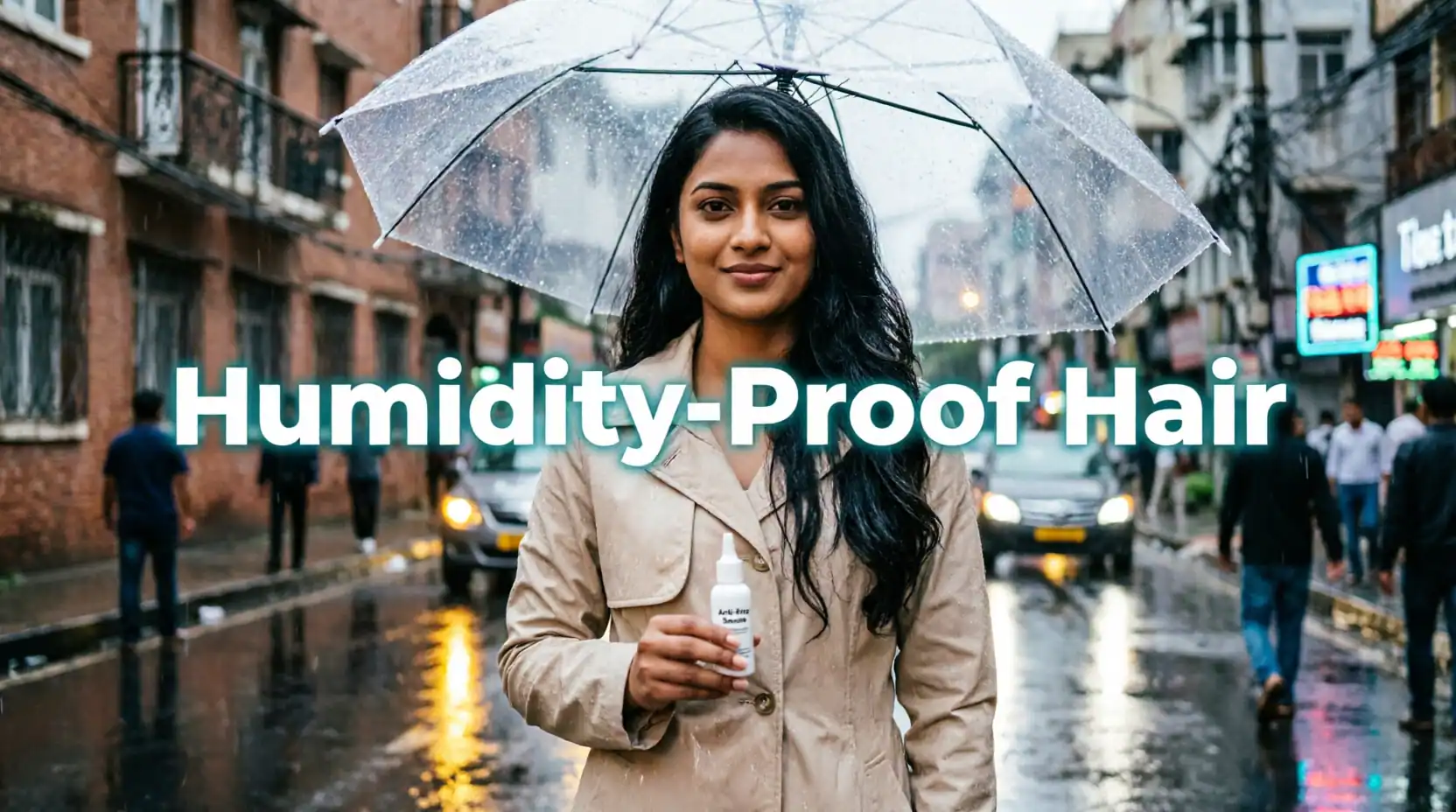
There's nothing quite as frustrating as spending time styling your hair, only to step outside during rainy season and watch it transform into a frizzy, unmanageable mess within minutes. If you live in a humid climate like Bangladesh, where monsoon season brings relentless moisture to the air, you know this struggle all too well. But why does humidity affect hair so dramatically, and more importantly, what can you actually do about it?
The answer lies in the science of hair structure and how water molecules interact with your strands. Understanding this relationship is the first step toward truly humidity-proofing your hair. This comprehensive guide will walk you through the biology behind frizz, the most effective anti-humidity strategies, and a complete routine you can adapt for even the dampest days.
What you'll learn in this guide:
- The science of how humidity causes frizz
- How to identify your hair's porosity and why it matters
- Key ingredients that actually fight humidity
- A step-by-step humidity-proof haircare routine
- Styling techniques that hold up in moisture
- Emergency fixes for frizz emergencies
- Product recommendations for humid climates
The Science Behind Humidity-Induced Frizz
Frizz isn't just a cosmetic annoyance—it's a physical response to environmental moisture. To fight it effectively, you need to understand what's happening at the molecular level.
How Hair Absorbs Moisture
Human hair is primarily made of a protein called keratin. Within each strand, keratin proteins are held together by different types of chemical bonds, including hydrogen bonds. These hydrogen bonds are relatively weak and can be broken and reformed by water.
When humidity rises, water vapor in the air penetrates the hair cuticle (the outer protective layer) and forms new hydrogen bonds with the keratin proteins inside. This causes the hair shaft to swell slightly and the cuticle scales to lift. As different sections of your hair absorb moisture at different rates, strands curl, kink, and frizz in unpredictable ways.
Why Some Hair Frizzes More Than Others
Not everyone experiences frizz equally. Several factors influence your hair's susceptibility to humidity:
Porosity: High-porosity hair has a more raised cuticle, allowing moisture to enter and exit easily. This makes it prone to both frizz in humidity and dryness in arid conditions. Low-porosity hair has a tightly sealed cuticle that resists moisture absorption—but when humidity finally penetrates, the effect can be dramatic.
Curl Pattern: Curly and wavy hair has more surface area and natural gaps between strands, giving humidity more opportunities to penetrate. Straight hair can frizz too, but the effect is often less noticeable.
Damage Level: Chemically treated, heat-damaged, or mechanically stressed hair has a compromised cuticle, making it more vulnerable to moisture absorption and frizz.
Natural Oil Production: Hair that lacks natural sebum coverage has less protection against environmental moisture.
The Role of Hair Products in Humidity Response
Many conventional haircare products can actually worsen humidity-related frizz. Ingredients like sulfates strip natural oils, leaving hair more porous. Humectants like glycerin and honey attract moisture from the air—which is helpful in dry conditions but counterproductive when humidity is high. Understanding which ingredients help versus hurt in humid weather is essential for building an effective routine.
Know Your Hair: Porosity Testing and Assessment
Before you can effectively humidity-proof your hair, you need to understand its baseline characteristics. Porosity—the hair's ability to absorb and retain moisture—is the most important factor.
Simple At-Home Porosity Test
You can assess your hair's porosity with a quick water test:
- Cleanse a strand of hair to remove product buildup
- Place the strand in a glass of room-temperature water
- Observe for 2-4 minutes:
Floats on top: Low porosity—cuticle is tightly sealed, resists moisture
Sinks slowly to middle: Medium porosity—balanced absorption
Sinks quickly to bottom: High porosity—cuticle is raised, absorbs moisture readily
Pro Tip: Test multiple strands from different areas of your head, as porosity can vary.
What Your Porosity Means for Humidity Defense
Low Porosity Hair Strategy:
- Use lightweight, liquid-based products that won't sit on the surface
- Apply products to damp (not dry) hair for better absorption
- Use gentle heat (like a warm towel) to help products penetrate
- Avoid heavy oils and butters that can cause buildup
High Porosity Hair Strategy:
- Focus on protein treatments to strengthen and fill gaps in the cuticle
- Use richer creams and butters to seal moisture in
- Layer products: hydrate first, then seal with oil or butter
- Limit heat styling, which can further damage the cuticle
Medium Porosity Hair Strategy:
- Maintain balance with moderate protein and moisture
- Adjust product weight based on seasonal humidity levels
- Focus on prevention rather than correction
Key Ingredients That Actually Fight Humidity
Not all haircare ingredients are created equal when it comes to humidity defense. Some actively repel moisture, while others seal the cuticle to prevent absorption. Here are the most effective categories:
Silicones: The Humidity Shield
Despite controversy in natural hair communities, certain silicones are exceptionally effective at creating a moisture-resistant barrier around hair strands.
Best Options: Dimethicone, cyclomethicone, amodimethicone
How They Work: These ingredients form a lightweight, flexible film around each strand that repels water vapor while still allowing hair to breathe.
Usage Tip: Apply silicone-based serums or creams as the final step in your routine to lock in moisture and lock out humidity.
Clarifying Note: Silicones can build up over time. Use a clarifying shampoo once every 2-4 weeks to prevent residue.
Natural Oils: Sealing the Cuticle
Certain plant oils create a hydrophobic barrier that helps prevent moisture absorption.
Most Effective:
- Argan oil: Lightweight, rich in vitamin E, absorbs well without greasiness
- Jojoba oil: Mimics natural sebum, excellent for sealing
- Coconut oil: Penetrates the hair shaft to reduce protein loss (best for pre-wash treatment)
- Marula oil: Fast-absorbing with strong antioxidant properties
Application Method: Use 2-4 drops on damp or dry ends to seal without weighing hair down.
Proteins: Strengthening the Structure
Protein treatments help fill gaps in damaged cuticles, reducing the pathways through which moisture can enter.
Effective Protein Ingredients:
- Hydrolyzed keratin
- Hydrolyzed wheat protein
- Silk amino acids
- Quinoa protein
Usage Guidance: Use protein treatments once every 2-4 weeks. Overuse can cause brittleness, especially in low-porosity hair.
Anti-Humectant Alternatives
In high humidity, traditional humectants (glycerin, honey, propylene glycol) can backfire by pulling excess moisture into hair. Look for products labeled "humidity-resistant" or "anti-frizz" that use alternative moisturizing agents:
- Panthenol (pro-vitamin B5)
- Beta-glucan
- Sodium PCA
- Hydrolyzed sugars
Your Complete Humidity-Proof Haircare Routine
Building a routine that stands up to humidity requires strategic product selection and application techniques. Here's a step-by-step framework you can customize for your hair type.
Step 1: Clarifying Cleansing (Once Weekly)
Buildup from products, hard water, and pollution can compromise your hair's ability to resist humidity. A weekly clarifying wash removes residue so your anti-frizz products can work effectively.
Product Type: Sulfate-free clarifying shampoo or apple cider vinegar rinse
Frequency: Once per week, or twice during peak monsoon season
Follow With: A deep conditioning treatment to replenish moisture
Step 2: Moisture-Balancing Wash Day
On regular wash days, focus on cleansing without stripping:
Cleanser: Use a sulfate-free shampoo formulated for your porosity level
Conditioner: Apply from mid-lengths to ends; avoid the scalp if hair is fine or oily
Technique: Detangle gently with a wide-tooth comb while conditioner is in to minimize breakage
Step 3: Leave-In Protection
This is your first line of defense against humidity:
Product Choice: Lightweight leave-in conditioner or cream with silicones or sealing oils
Application: Apply to damp hair, focusing on mid-lengths and ends
Pro Tip: Use the "praying hands" method—smooth product down the hair shaft rather than scrunching, which can encourage frizz
Step 4: Heat Protectant + Styling
If you use heat tools, always apply a heat protectant. Many also offer humidity resistance:
Look For: Products labeled "thermal protection" + "humidity control"
Styling Technique: When blow-drying, use a concentrator nozzle and direct airflow downward to smooth the cuticle
Finish: End with a cool shot to seal the cuticle and boost shine
Step 5: Final Seal
The last step locks everything in:
Product: Anti-frizz serum, hair oil, or finishing spray with humidity-resistant ingredients
Application: Use sparingly—start with a pea-sized amount and add more only if needed
Focus Areas: Apply mainly to ends and any sections prone to frizz
Styling Strategies That Hold Up in Humidity
Even the best products won't help if your styling technique works against you. These methods are designed to maximize hold and minimize frizz in moist conditions.
The T-Shirt or Microfiber Towel Method
Traditional terry cloth towels can rough up the cuticle and create frizz before you even start styling.
Technique: After washing, gently squeeze excess water from hair using a soft cotton T-shirt or microfiber towel
Why It Works: Smoother fabric causes less friction, preserving cuticle alignment
Plopping for Curl Definition
If you have wavy or curly hair, plopping helps set your pattern before humidity can disrupt it.
How To:
- Lay a cotton T-shirt flat and apply your leave-in products to damp hair
- Lean forward and lower your hair onto the center of the shirt
- Wrap the shirt around your head, securing at the nape
- Leave for 15-30 minutes, then air dry or diffuse
Benefit: Reduces manipulation while hair dries, minimizing frizz opportunities
Diffusing vs. Air Drying
Both methods have pros and cons in humid weather:
Diffusing:
- Speeds up drying time, reducing the window for humidity to penetrate
- Use low heat and low speed to avoid disrupting your style
- Hover diffuse first, then gently pixie diffuse for volume
Air Drying:
- Less heat damage, but longer exposure to ambient humidity
- Apply a stronger anti-frizz product if air drying
- Avoid touching hair while it dries
Protective Styles for Rainy Days
Certain hairstyles physically shield hair from moisture:
- Low buns or chignons: Keep ends tucked away from humid air
- Braids: Reduce surface area exposed to moisture
- Silk-lined hats or scarves: Create a physical barrier (ensure fabric is breathable)
Caution: Avoid tight styles that cause tension, especially on damp hair which is more fragile
Emergency Frizz Fixes for Unexpected Rain
Sometimes, despite your best preparation, humidity wins. These quick fixes can rescue your hair when you're caught off guard.
The Water + Serum Reset
When to Use: Light frizz or flyaways after light rain exposure
Method:
- Mist hair lightly with water from a spray bottle
- Apply a tiny amount of anti-frizz serum to palms
- Gently smooth over frizzy areas using praying hands motion
- Allow to air dry or use a handheld dryer on cool setting
The Dry Shampoo Refresh
When to Use: Hair feels heavy or greasy from humidity
Method:
- Section hair and spray dry shampoo at roots
- Wait 1-2 minutes for product to absorb oil
- Brush through gently to distribute
- Lightly mist ends with a texturizing spray for hold
Pro Tip: Choose a dry shampoo with rice starch or clay for better oil absorption in humid conditions
The Silk Scarf Smooth-Down
When to Use: Significant frizz with no access to products
Method:
- Lightly dampen a silk or satin scarf with water
- Wrap around frizzy sections and gently press
- Hold for 30 seconds, then release
- Repeat as needed
Why It Works: Silk's smooth surface helps realign cuticles without adding product buildup
The Travel-Size Touch-Up Kit
Keep a small pouch in your bag for humidity emergencies:
- Mini anti-frizz serum or oil
- Travel-size dry shampoo
- Foldable wide-tooth comb
- Silk scrunchie for quick updos
- Mini hairspray with humidity resistance
Product Recommendations for Humid Climates
Choosing the right products makes all the difference. Here are categories and specific recommendations suited for humid, rainy conditions.
Shampoos for Humidity Defense
- Living Proof No Frizz Shampoo: Contains OFPMA technology to repel moisture
- OGX Anti-Frizz Keratin Oil Shampoo: Affordable option with keratin and argan oil
- Kérastase Bain Fluidealiste: Professional formula for smoothness in humidity
- SheaMoisture Coconut & Hibiscus Frizz-Free Curl Shampoo: Great for curly hair types
Conditioners & Masks
- Redken Frizz Dismiss Conditioner: Lightweight smoothing without buildup
- Briogeo Don't Despair, Repair! Deep Conditioning Mask: Protein-moisture balance for damaged hair
- DevaCurl One Condition Original: Curl-defining with humidity resistance
Leave-Ins & Serums
- John Frieda Frizz Ease Extra Strength Serum: Classic, effective silicone-based formula
- Ouai Hair Oil: Lightweight blend of argan, coconut, and baobab oils
- Amika The Kure Bond Repair Cream: Bond-building with humidity protection
- Moroccanoil Frizz Control: Argan oil-based with UV protection
Styling Products with Hold
- Bumble and bumble Bb. Strong Finish Hairspray: Flexible hold with humidity resistance
- Devacurl Ultra Defining Gel: Strong hold for curls without crunch
- Living Proof Flex Shaping Hairspray: Humidity-resistant with natural movement
Budget-Friendly Options (Available in Bangladesh)
- TRESemmé Keratin Smooth Serum: Widely available, effective silicone formula
- Dove Hair Fall Rescue Oil: Lightweight oil for sealing ends
- StBotanica Argan Oil Hair Serum: Affordable natural option
- WOW Skin Science Apple Cider Vinegar Shampoo: Clarifying option for weekly use
Where to Buy: Daraz, Chaldal, local pharmacies (Popular, Al Shifa), and beauty specialty stores in major cities.
Lifestyle Factors That Impact Humidity Frizz
Your haircare routine isn't the only factor. Daily habits and environmental choices also influence how your hair responds to humidity.
Diet and Hydration
Healthy hair starts from within. Support your strands with:
- Protein-rich foods: Eggs, lentils, fish, chicken for keratin production
- Omega-3 fatty acids: Walnuts, flaxseed, fatty fish for scalp health
- Antioxidants: Berries, green tea, dark leafy greens to combat environmental stress
- Adequate water: Hydrated hair is more resilient to external moisture fluctuations
Sleep Protection
Friction from cotton pillowcases can roughen the cuticle overnight, making hair more vulnerable to next-day humidity.
Solution: Switch to a silk or satin pillowcase, or wear a silk bonnet to bed
Benefit: Reduces breakage, preserves moisture balance, and helps styles last longer
Umbrella and Rain Gear Strategy
Physical protection is underrated but highly effective:
- Carry a compact umbrella year-round during monsoon season
- Choose umbrellas with a vented design to reduce wind-related frizz
- Consider a hooded rain jacket with a smooth lining to protect hair while commuting
- Keep a foldable hair tie or clip handy to quickly secure hair if rain starts unexpectedly
Indoor Humidity Management
Controlling your environment can reduce overall frizz exposure:
- Use a dehumidifier in your bedroom during peak monsoon months
- Run air conditioning to maintain stable indoor humidity levels
- Avoid excessive steam from hot showers; use lukewarm water instead
Common Mistakes That Worsen Humidity Frizz
Even well-intentioned habits can backfire in humid conditions. Avoid these common pitfalls:
Mistake 1: Overusing Humectants in High Humidity
The Problem: Ingredients like glycerin, honey, and propylene glycol attract moisture from the air. In high humidity, they pull excess water into hair, causing swelling and frizz.
The Fix: Check product labels. During monsoon season, choose formulas labeled "humidity-resistant" or those that use alternative moisturizers like panthenol or beta-glucan.
Mistake 2: Skipping Clarifying Washes
The Problem: Product buildup, hard water minerals, and pollution residue create a rough surface on hair that humidity can more easily penetrate.
The Fix: Incorporate a clarifying shampoo or apple cider vinegar rinse once weekly to maintain a clean, smooth cuticle.
Mistake 3: Over-Manipulating Damp Hair
The Problem: Hair is most fragile when wet. Excessive brushing, combing, or touching while damp disrupts the cuticle and encourages frizz formation.
The Fix: Detangle gently with a wide-tooth comb while conditioner is in, then minimize handling until hair is mostly dry.
Mistake 4: Using Heavy Products on Fine Hair
The Problem: Rich creams and butters can weigh down fine hair, making it look greasy while still failing to prevent frizz.
The Fix: Choose lightweight serums, milks, or sprays for fine hair. Apply sparingly and focus on ends rather than roots.
Mistake 5: Ignoring Protein-Moisture Balance
The Problem: Too much moisture without protein leads to limp, frizzy hair. Too much protein without moisture causes brittleness and breakage.
The Fix: Assess your hair's needs monthly. If hair feels mushy or stretchy, add protein. If it feels stiff or straw-like, add moisture.
Frequently Asked Questions About Humidity-Proof Hair
Can I completely eliminate frizz in humid weather?
While you can't stop humidity from existing, you can significantly reduce its impact on your hair. A combination of the right products, techniques, and protective habits can keep frizz minimal and manageable—even during peak monsoon season. The goal isn't perfection, but control.
How often should I wash my hair during rainy season?
This depends on your hair type and lifestyle. Generally, washing every 2-3 days works well for most people. Over-washing can strip natural oils that help protect against humidity, while under-washing can lead to buildup that worsens frizz. Listen to your scalp and adjust based on activity level and product use.
Are natural oils better than silicones for humidity protection?
Both can be effective, but they work differently. Silicones create a water-repellent barrier on the hair surface, while oils seal the cuticle and add shine. For maximum humidity defense, many people benefit from using both: a lightweight oil to nourish and a silicone-based serum to seal. Choose based on your hair's porosity and personal preference.
Why does my hair frizz more after using certain "anti-frizz" products?
Some products contain humectants that attract moisture. In dry conditions, this helps hydrate hair. In high humidity, however, these same ingredients can pull excess water from the air into your strands, causing frizz. Check ingredient lists and avoid glycerin, honey, or sorbitol as top ingredients during monsoon season.
Can I humidity-proof my hair without heat styling?
Absolutely. Many effective anti-frizz strategies don't require heat. Focus on gentle cleansing, moisture-protein balance, sealing with oils or serums, and protective styling. Air-drying techniques like plopping or using a microfiber towel can enhance results without heat exposure.
How do I know if a product will work for my hair in humidity?
Look for keywords like "humidity-resistant," "frizz-control," or "anti-humidity" on packaging. Check for ingredients like dimethicone, argan oil, or hydrolyzed proteins. When possible, try travel sizes first to test performance in your specific climate before committing to full-size products.
Conclusion: Embracing Manageable Hair in Any Weather
Humidity doesn't have to mean surrendering to frizz. By understanding the science behind moisture absorption, knowing your hair's unique characteristics, and implementing a strategic routine, you can maintain smooth, defined, and confident hair even during the dampest days of monsoon season.
Remember that humidity-proofing is not about achieving perfection—it's about building resilience. Some frizz is natural, especially in curly or textured hair, and embracing your hair's authentic texture is part of the journey. The goal is control, not conformity.
Start with one or two changes from this guide: perhaps adding a sealing serum to your routine or trying the T-shirt drying method. Notice how your hair responds, then gradually incorporate additional strategies. Over time, you'll develop a personalized approach that works for your hair, your climate, and your lifestyle.
Rainy season is a fact of life in many parts of the world, including Bangladesh. But with the right knowledge and tools, you can step out into the humidity with confidence—knowing your hair is prepared to handle whatever the weather brings.
Your hair, your rules—rain or shine.