The Power of Natural Oils for Hair Growth and Scalp Health
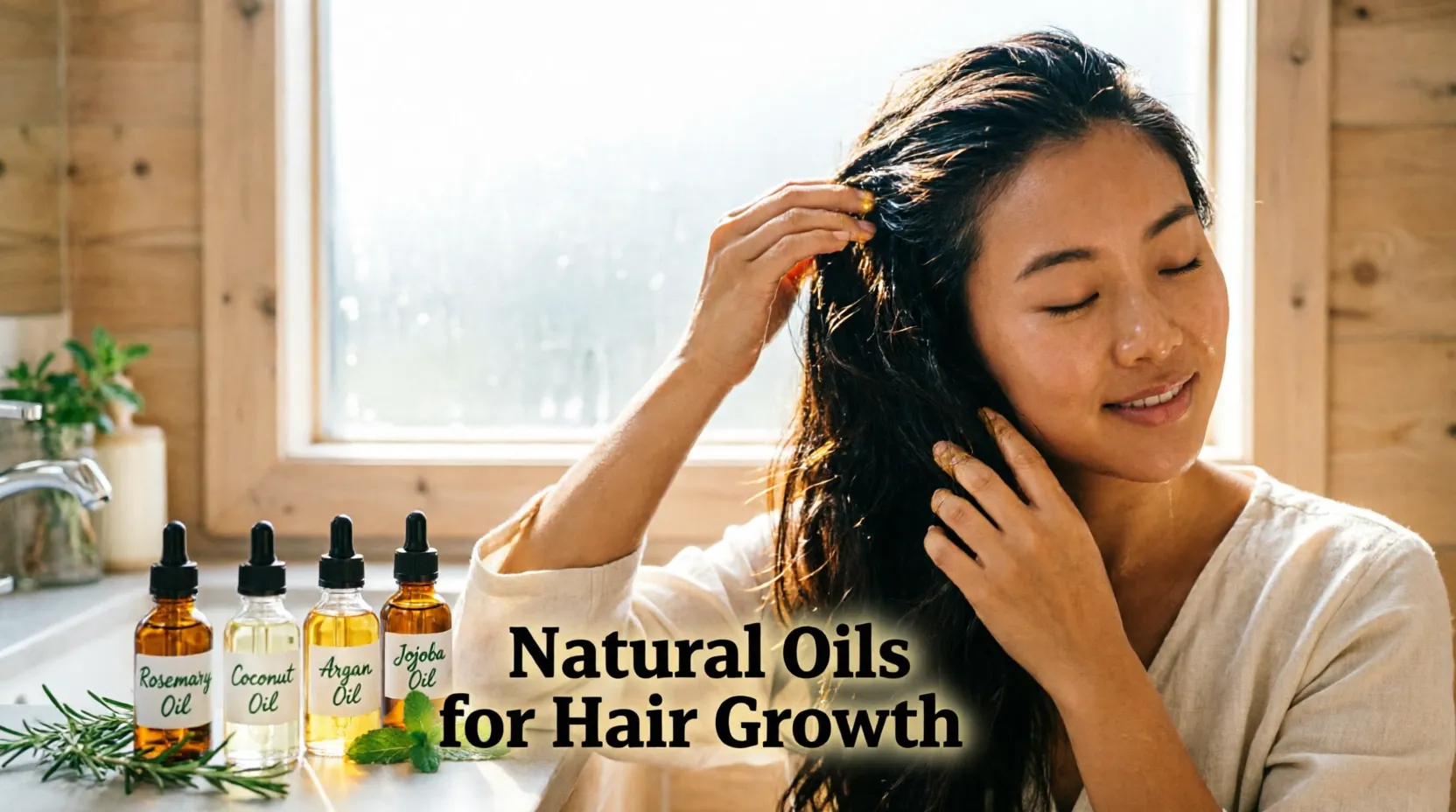
For centuries, natural oils have been the secret weapon of cultures worldwide for achieving long, thick, and lustrous hair. From ancient Egyptian queens using castor oil to Indian traditions of coconut oil massage, these plant-based elixirs have stood the test of time. In our modern era of complex hair care products, there's a growing return to these simple, effective natural solutions—and for good reason.
Natural oils offer a unique combination of benefits that synthetic products often can't match. They penetrate the hair shaft, nourish the scalp, strengthen follicles, and create an optimal environment for hair growth. Unlike harsh chemicals that can strip and damage, quality natural oils work in harmony with your body's biology to support healthy hair from root to tip.
Why natural oils work for hair growth:
- Nutrient-rich composition: Packed with vitamins, minerals, fatty acids, and antioxidants that hair follicles need to thrive
- Scalp nourishment: Create a healthy environment for hair growth by moisturizing and balancing the scalp
- Strengthening properties: Penetrate the hair shaft to reduce breakage and split ends
- Anti-inflammatory effects: Soothe scalp conditions that can inhibit growth like dandruff and psoriasis
- Improved circulation: Massage with oils stimulates blood flow to follicles, delivering more nutrients and oxygen
- Protection: Form a protective barrier against environmental damage, heat styling, and mechanical stress
This comprehensive guide explores the most effective natural oils for hair growth, how to use them properly, and how to create a customized routine that transforms your hair health. Whether you're dealing with thinning, slow growth, breakage, or simply want to maintain your luscious locks, the right oils can make a remarkable difference.
Understanding Hair Growth and Why Oils Matter
To appreciate how natural oils support hair growth, it helps to understand the hair growth cycle and what follicles need to produce strong, healthy strands.
The hair growth cycle:
Each hair follicle goes through three phases:
- Anagen (growth phase): Lasts 2-7 years, during which hair actively grows about half an inch per month
- Catagen (transition phase): A 2-3 week period where growth stops and the follicle shrinks
- Telogen (resting phase): Lasts about 3 months before the hair falls out and the cycle restarts
At any given time, about 85-90% of your hairs are in the anagen phase. The goal of hair growth treatments is to support follicles in staying in the growth phase longer and producing thicker, stronger strands.
What hair follicles need:
- Adequate blood circulation: Delivers oxygen and nutrients to the follicle
- Healthy scalp environment: Balanced pH, proper moisture, and absence of inflammation
- Essential nutrients: Vitamins, minerals, proteins, and fatty acids
- Hormonal balance: Proper levels of growth-supporting hormones
- Protection from damage: Shielding from environmental stressors and mechanical trauma
Natural oils address multiple aspects of hair health simultaneously, making them powerful tools for supporting growth and preventing loss.
Can Natural Oils Really Promote Hair Growth?
Yes, scientific research supports the effectiveness of certain natural oils for hair growth. Studies have shown that oils like rosemary, peppermint, pumpkin seed, and castor oil can stimulate follicles, improve circulation, and even rival pharmaceutical treatments like minoxidil in some cases. However, results vary by individual, consistency is crucial, and oils work best as part of a comprehensive hair care approach that includes proper nutrition and scalp care.
The Best Natural Oils for Hair Growth
Not all oils are created equal. These powerhouse oils have earned their reputation through traditional use and scientific validation.
1. Rosemary Oil: The Growth Stimulator
Why it works: Rosemary oil has emerged as one of the most scientifically-backed natural solutions for hair growth. A 2015 study found that rosemary oil was as effective as 2% minoxidil (Rogaine) in promoting hair growth after 6 months of use, with less scalp itching as a side effect.
Key benefits:
- Improves cellular generation and blood circulation to the scalp
- Contains carnosic acid, which heals nerve damage and promotes tissue health
- Has antimicrobial properties that combat dandruff and scalp infections
- May help prevent premature graying
- Reduces DHT (dihydrotestosterone), a hormone linked to hair loss
How to use: Rosemary oil is highly concentrated and must be diluted. Mix 3-5 drops with 1 tablespoon of a carrier oil like jojoba or coconut oil. Massage into scalp 2-3 times weekly, leaving on for at least 30 minutes (or overnight) before washing.
Best for: Androgenetic alopecia (pattern hair loss), thinning hair, slow growth
2. Castor Oil: The Thickness Builder
Why it works: Castor oil is rich in ricinoleic acid (about 90%), a unique fatty acid with powerful anti-inflammatory and antimicrobial properties. It's exceptionally thick and viscous, making it excellent for sealing moisture and protecting hair.
Key benefits:
- Omega-6 and omega-9 fatty acids nourish hair follicles
- Increases blood circulation to the scalp when massaged
- Humectant properties draw moisture into the hair shaft
- Antimicrobial action protects against scalp infections
- Creates a protective barrier that reduces breakage
- May help balance scalp pH
How to use: Due to its thick consistency, castor oil is best mixed with lighter oils (like coconut or almond oil) in a 1:1 ratio. Apply to scalp and hair, massage thoroughly, and leave on for 1-2 hours or overnight before washing. Use 1-2 times weekly.
Best for: Thickening fine hair, promoting growth, treating dry scalp, strengthening brittle hair
3. Coconut Oil: The Penetrating Protector
Why it works: Coconut oil is one of the few oils proven to penetrate the hair shaft rather than just coating it. Its low molecular weight and straight-chain structure allow it to enter the hair cortex, providing deep nourishment.
Key benefits:
- Reduces protein loss in both damaged and undamaged hair
- Prevents hygral fatigue (damage from repeated swelling and drying)
- Lauric acid has antimicrobial properties
- Excellent pre-wash and post-wash treatment
- Protects against UV damage
- Moisturizes and conditions deeply
How to use: Apply virgin or extra-virgin coconut oil to dry or damp hair. For deep conditioning, warm the oil slightly, massage into scalp and hair, cover with a shower cap, and leave for 30 minutes to overnight. Can also be used as a leave-in treatment in small amounts. Use 1-3 times weekly.
Best for: All hair types, protein loss prevention, deep conditioning, heat protection
4. Jojoba Oil: The Scalp Balancer
Why it works: Jojoba oil is technically a liquid wax that closely resembles human sebum (the natural oil produced by your scalp). This similarity allows it to balance oil production and penetrate effectively without clogging pores.
Key benefits:
- Regulates sebum production—moisturizes dry scalps and reduces excess oil
- Rich in vitamins E and B-complex, plus minerals like copper and zinc
- Anti-inflammatory properties soothe irritated scalps
- Antimicrobial action helps with dandruff
- Lightweight and non-greasy
- Strengthens hair and adds shine
How to use: Apply a few drops directly to scalp and massage, or mix into your regular conditioner. Can be used daily as a light treatment or as a weekly deep conditioning mask. Also excellent as a leave-in serum for ends.
Best for: Oily or dry scalp, dandruff, fine hair that's easily weighed down, daily maintenance
5. Argan Oil: The Liquid Gold
Why it works: Sourced from Morocco, argan oil is packed with vitamin E, fatty acids, and antioxidants. It's lightweight yet deeply nourishing, making it ideal for both scalp health and hair conditioning.
Key benefits:
- High vitamin E content promotes cell regeneration and repair
- Omega fatty acids strengthen and moisturize
- Antioxidants protect against environmental damage
- Non-greasy formula adds shine without heaviness
- Helps repair split ends and reduce frizz
- Soothes dry, flaky scalp
How to use: Apply a few drops to damp hair as a leave-in treatment, or massage into scalp 1-2 times weekly before washing. Can also be mixed with other oils or added to conditioner. A little goes a long way.
Best for: Dry or damaged hair, frizz control, adding shine, heat protection
6. Peppermint Oil: The Circulation Booster
Why it works: Peppermint oil contains menthol, which creates a cooling sensation and dramatically increases blood circulation to the area where it's applied. A 2014 animal study found that peppermint oil promoted hair growth more effectively than minoxidil, saline, and jojoba oil.
Key benefits:
- Increases blood flow to hair follicles, delivering more nutrients and oxygen
- Antimicrobial properties combat scalp infections
- Cooling sensation soothes itchy, irritated scalp
- May help extend the anagen (growth) phase
- Refreshing and invigorating
How to use: Always dilute! Mix 2-3 drops with 1 tablespoon of carrier oil. Massage into scalp, leave for 20-30 minutes, then wash out. Use 2-3 times weekly. Never apply undiluted peppermint oil directly to skin.
Best for: Stimulating growth, itchy scalp, increasing circulation, oily hair
7. Almond Oil: The Strengthening Nourisher
Why it works: Sweet almond oil is rich in vitamins E, A, and fatty acids. It's lightweight, easily absorbed, and excellent for strengthening hair and preventing breakage.
Key benefits:
- Vitamin E promotes healthy hair growth and repairs damage
- Magnesium helps reduce hair loss
- Emollient properties soften and smooth hair
- Lightweight formula won't weigh hair down
- Soothes scalp inflammation
- Adds natural shine
How to use: Massage warm almond oil into scalp and hair. Leave on for 30 minutes to overnight before washing. Can also be used as a daily leave-in treatment on ends. Safe for regular use.
Best for: Preventing breakage, adding shine, dry scalp, fine to medium hair
8. Pumpkin Seed Oil: The DHT Blocker
Why it works: Pumpkin seed oil has gained attention for its potential to block DHT, the hormone responsible for androgenetic alopecia. A 2014 study found that men taking pumpkin seed oil supplements experienced a 40% increase in hair count after 24 weeks.
Key benefits:
- May inhibit 5-alpha reductase, the enzyme that converts testosterone to DHT
- Rich in zinc, magnesium, and omega-3 fatty acids
- Anti-inflammatory properties
- Supports overall scalp health
How to use: Can be applied topically (mixed with carrier oil) or taken as an oral supplement. For topical use, mix with lighter oils and massage into scalp 2-3 times weekly.
Best for: Pattern hair loss, hormonal hair thinning, overall hair health
9. Tea Tree Oil: The Scalp Clarifier
Why it works: Tea tree oil is renowned for its powerful antimicrobial and anti-inflammatory properties. While it doesn't directly promote growth, it creates a healthy scalp environment essential for optimal hair growth.
Key benefits:
- Antifungal properties combat dandruff and seborrheic dermatitis
- Antibacterial action prevents folliculitis
- Unclogs hair follicles and removes buildup
- Reduces scalp inflammation and itching
- Improves overall scalp health
How to use: Always dilute! Add 2-3 drops to your shampoo, or mix with a carrier oil for scalp treatment. Leave on for 15-30 minutes before washing. Use 1-2 times weekly.
Best for: Dandruff, itchy scalp, clogged follicles, oily scalp
10. Olive Oil: The Deep Conditioner
Why it works: Olive oil has been used for hair care since ancient times. Rich in antioxidants, vitamins A and E, and healthy fats, it deeply conditions and protects hair.
Key benefits:
- Deeply moisturizes and softens hair
- Antioxidants protect against damage
- Seals in moisture and smooths the cuticle
- Anti-inflammatory properties soothe scalp
- Helps remove buildup and dandruff
How to use: Warm olive oil and massage into scalp and hair. Cover with a shower cap and leave for 30-45 minutes before washing. Can be heavy, so best for thick, dry, or curly hair. Use 1-2 times weekly.
Best for: Dry, damaged, or curly hair, deep conditioning, split ends
How to Use Natural Oils for Maximum Results
Using oils correctly is just as important as choosing the right ones. Follow these guidelines for optimal results.
Application Techniques
Scalp massage method:
- Part hair into sections to expose scalp
- Apply oil directly to scalp using dropper or fingertips
- Using fingertips (not nails), massage in circular motions with moderate pressure
- Continue for 5-10 minutes to stimulate circulation
- Cover hair with shower cap and leave on for desired time
- Wash thoroughly with shampoo (may require double cleansing)
Pre-wash treatment: Apply oil 30 minutes to overnight before shampooing. This protects hair from the drying effects of cleansing.
Leave-in treatment: Use lightweight oils (jojoba, argan) in small amounts on damp or dry hair, focusing on mid-lengths and ends.
Hot oil treatment: Warm oil slightly (not hot—test on wrist first), apply to hair and scalp, cover with warm towel for 20-30 minutes, then wash.
How Often Should You Oil Your Hair?
Frequency depends on your hair type and the oil used:
- Dry hair: 2-3 times weekly with moisturizing oils
- Oily hair: 1 time weekly with lightweight oils, focusing on ends
- Normal hair: 1-2 times weekly
- Fine hair: Once weekly with light oils to avoid weighing down
- Thick/curly hair: 2-3 times weekly with richer oils
Carrier Oils vs. Essential Oils
Understanding the difference is crucial for safe use:
Carrier oils: Base oils like coconut, jojoba, almond, and olive that can be applied directly to skin and hair. They "carry" essential oils and provide their own benefits.
Essential oils: Highly concentrated plant extracts like rosemary, peppermint, and tea tree. These MUST be diluted in carrier oils before application (typically 2-5 drops per tablespoon of carrier oil).
Never apply undiluted essential oils directly to scalp or skin—they can cause severe irritation, burns, or allergic reactions.
Creating Your Customized Oil Blend
Combining oils allows you to target multiple concerns and create a personalized treatment.
Sample Blends for Different Goals
Growth Stimulation Blend:
- 2 tablespoons coconut oil
- 1 tablespoon castor oil
- 5 drops rosemary essential oil
- 3 drops peppermint essential oil
Scalp Health Blend:
- 2 tablespoons jojoba oil
- 1 tablespoon almond oil
- 4 drops tea tree essential oil
- 3 drops lavender essential oil
Moisture and Shine Blend:
- 2 tablespoons argan oil
- 1 tablespoon olive oil
- 1 tablespoon almond oil
DHT Blocking Blend:
- 2 tablespoons pumpkin seed oil
- 1 tablespoon jojoba oil
- 5 drops rosemary essential oil
- 3 drops lavender essential oil
Storage and Shelf Life
- Store oils in dark glass bottles away from light and heat
- Most carrier oils last 6-12 months
- Essential oils can last 1-3 years
- Discard if oil smells rancid or changes color significantly
- Label blends with date and ingredients
Common Mistakes to Avoid
Even with the best oils, certain mistakes can undermine your results or cause problems.
Mistake #1: Using Too Much Oil
More is not better. Excess oil can clog follicles, attract dirt, and be difficult to wash out. Start with small amounts (1-2 tablespoons for scalp treatment) and adjust as needed.
Mistake #2: Not Washing Thoroughly
Oil buildup can clog follicles and cause breakouts. Always shampoo twice if necessary to completely remove oil. Use a clarifying shampoo monthly.
Mistake #3: Applying to Dirty Hair
Oil traps dirt and product buildup. Always apply to clean or freshly washed hair for best penetration.
Mistake #4: Using Heat That's Too Hot
Overheated oil can burn your scalp and damage hair. Warm oil should be comfortably warm to touch, not hot.
Mistake #5: Expecting Overnight Results
Hair growth is slow (about 1/2 inch per month). Give any treatment at least 3-6 months of consistent use before evaluating results.
Mistake #6: Skipping Patch Tests
Always test new oils on a small area of skin 24-48 hours before full application to check for allergic reactions.
Mistake #7: Using Low-Quality Oils
Choose cold-pressed, unrefined, organic oils when possible. Avoid oils with additives, fragrances, or fillers.
Supporting Hair Growth from Within
While topical oils are powerful, they work best when supported by internal health.
Nutrition for hair growth:
- Protein: Hair is made of keratin, a protein. Eat adequate protein from eggs, fish, legumes, and lean meats.
- Iron: Deficiency is a common cause of hair loss. Include leafy greens, red meat, and lentils.
- Omega-3 fatty acids: Support scalp health. Found in fatty fish, walnuts, and flaxseeds.
- Biotin and B vitamins: Essential for hair growth. Found in eggs, nuts, and whole grains.
- Vitamin D: Low levels linked to hair loss. Get sunlight or supplement.
- Zinc: Supports hair tissue growth and repair. Found in pumpkin seeds, chickpeas, and beef.
Lifestyle factors:
- Manage stress (chronic stress can trigger hair loss)
- Get 7-9 hours of quality sleep
- Exercise regularly to improve circulation
- Avoid smoking (reduces blood flow to follicles)
- Limit alcohol (dehydrates and depletes nutrients)
FAQs About Natural Oils for Hair Growth
How long does it take to see results from using hair oils?
You may notice improved hair texture, shine, and reduced breakage within 2-4 weeks. However, visible hair growth typically takes 3-6 months of consistent use. Hair grows about 1/2 inch per month, so patience is essential. Take photos monthly to track progress objectively.
Can I leave oil in my hair overnight?
Yes, overnight treatments can be very effective for deep conditioning. However, protect your pillowcase with a towel or cap, and be aware that heavy oils may cause breakouts if they transfer to your face. If you have acne-prone skin, limit overnight treatments to 1-2 times weekly.
Will oils make my hair greasy?
Using the right oil for your hair type and applying the correct amount prevents greasiness. Lightweight oils like jojoba and argan are less likely to weigh hair down. Always focus application on scalp for growth or ends for conditioning, and wash thoroughly after treatment.
Can I use multiple oils together?
Absolutely! Blending oils can provide synergistic benefits. Just ensure proper dilution of essential oils in carrier oils, and patch test new blends. Start with 2-3 oils and adjust based on how your hair responds.
Are natural oils safe for color-treated hair?
Most natural oils are safe and beneficial for color-treated hair. They can help prevent color fading and repair damage. However, avoid applying oil immediately before coloring, as it can create a barrier. Coconut, argan, and almond oils are particularly good for colored hair.
Can I use these oils if I have a sensitive scalp?
Yes, but proceed with caution. Always dilute essential oils properly, patch test new oils, and start with gentle oils like jojoba, almond, or coconut. Avoid known irritants if you have sensitivities. If you experience burning, redness, or severe itching, discontinue use immediately.
Do I need to shampoo twice after oiling?
Often yes, especially with heavier oils like castor or coconut. The first wash breaks up the oil, and the second wash cleanses the scalp. Use a gentle, sulfate-free shampoo to avoid over-stripping. If your hair still feels oily after washing, use a clarifying shampoo monthly.
Can natural oils reverse baldness?
Natural oils can support hair health, reduce breakage, and potentially stimulate growth in thinning areas, but they cannot reverse genetic baldness or regrow hair from completely dormant follicles. For significant hair loss, consult a dermatologist. Oils work best as prevention and support alongside other treatments.
Conclusion: Your Journey to Luscious, Healthy Hair
Natural oils offer a time-tested, science-backed approach to promoting hair growth and maintaining scalp health. From rosemary's growth-stimulating properties to coconut oil's deep penetration, each oil brings unique benefits that can transform your hair when used consistently and correctly.
Remember that hair health is holistic. While topical oils are powerful tools, they work best when combined with proper nutrition, stress management, gentle hair care practices, and patience. There's no magic bullet for overnight growth, but with dedication to a consistent routine, you can absolutely achieve stronger, thicker, more lustrous hair.
Start by choosing 1-2 oils that address your specific concerns. Master the application technique, be consistent with your routine, and give it time. Take photos to track your progress, and adjust your approach based on how your hair responds.
Your hair is a reflection of your overall health, and nurturing it with natural oils is an act of self-care that pays dividends in confidence and wellbeing. Embrace the process, celebrate small victories along the way, and trust that with consistent care, your luscious locks are within reach.
Here's to your healthiest, most beautiful hair yet—nourished naturally, one drop at a time.