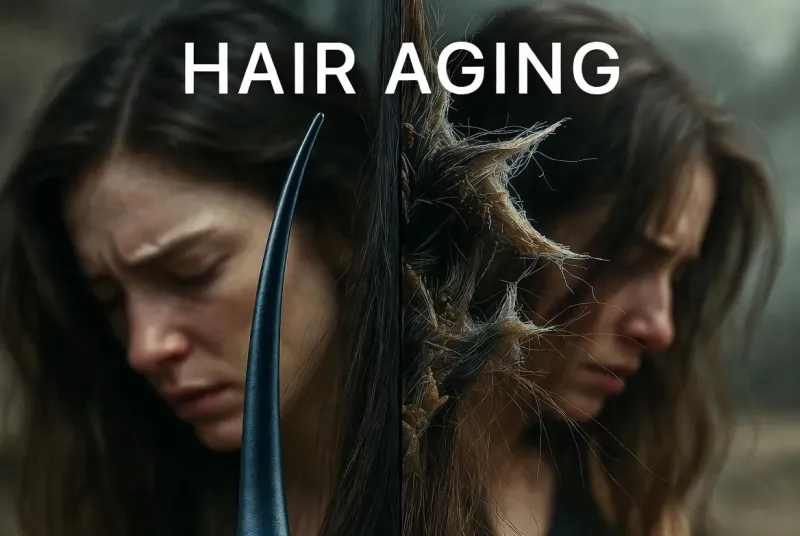
Have you noticed that your hair, once easy to style and manage, now seems to have a mind of its own? You're not imagining things, and you're certainly not alone. Many people experience a gradual but noticeable decline in hair manageability as time passes. What was once a quick brush-and-go routine now requires extra products, more time, and considerable frustration. Understanding why hair becomes less manageable over time is the first step toward restoring control and rediscovering the joy of healthy, cooperative hair.
Hair manageability, that elusive quality that makes styling effortless and results predictable, depends on a complex interplay of factors including hair structure, moisture balance, protein integrity, scalp health, and external influences. When any of these elements shift, hair can become frizzy, tangled, brittle, or unresponsive to products that once worked perfectly. The changes are often subtle at first, accumulating over months and years until the difference becomes impossible to ignore.
This comprehensive guide explores the science behind why hair loses manageability over time, examining age-related changes, cumulative damage, hormonal shifts, environmental factors, and lifestyle influences. You'll discover practical strategies to restore manageability, prevent further decline, and work with your hair's evolving needs rather than against them. Whether you're in your 30s noticing the first signs of change or navigating hair challenges in your 50s and beyond, understanding these mechanisms empowers you to take control and enjoy healthier, more manageable hair at every stage of life.
Understanding Hair Manageability: What Makes Hair Easy to Style
Before exploring why manageability declines, it's essential to understand what creates manageable hair in the first place. Manageable hair shares several key characteristics that make styling predictable and results consistent.
First, manageable hair has a smooth, intact cuticle, the outermost layer of the hair shaft. When cuticles lie flat and aligned, hair reflects light evenly (creating shine), resists tangling, and responds predictably to products and styling tools. Second, manageable hair maintains optimal moisture balance, neither too dry nor too oily, allowing it to hold style without becoming brittle or limp.
Third, manageable hair has adequate protein structure and elasticity, enabling it to stretch slightly during styling and return to shape without breaking. Fourth, manageable hair has consistent texture and porosity, so products absorb evenly rather than creating patchy results. Finally, manageable hair exists in a healthy scalp environment that supports strong growth and minimizes issues like excess oil, flaking, or inflammation.
When these factors are in balance, hair cooperates with your styling routine. When they're disrupted, manageability suffers. Understanding this foundation helps identify which elements need attention as your hair changes over time.
The Role of Hair Structure in Manageability
Each strand of hair consists of three layers: the medulla (innermost, often absent in fine hair), the cortex (middle layer containing keratin proteins and pigment), and the cuticle (outer protective layer of overlapping scales). The cuticle is particularly important for manageability because it determines how hair interacts with moisture, products, and mechanical stress.
Healthy cuticles lie flat like shingles on a roof, creating a smooth surface that resists friction and tangling. Damaged or raised cuticles create a rough surface that catches on neighboring strands, leading to knots, frizz, and breakage. Over time, various factors can compromise cuticle integrity, directly impacting manageability.
Age-Related Changes That Affect Hair Manageability
As we age, our hair undergoes natural changes that can significantly impact manageability. These changes are normal, but understanding them helps you adapt your care routine to maintain the best possible hair health.
Decreased Sebum Production
One of the most significant age-related changes is reduced sebum production from the scalp. Sebum, the natural oil produced by sebaceous glands, coats hair strands, providing moisture, shine, and protection. Starting in your 30s and accelerating after menopause, sebum production typically declines.
Less natural oil means hair becomes drier, more prone to static, and harder to style. Dry hair is also more susceptible to damage from brushing, heat styling, and environmental factors, creating a cycle where manageability continues to decline. This change is particularly noticeable in people who previously had oily or normal hair and suddenly find their hair feeling dry and uncooperative.
Changes in Hair Texture and Diameter
Hair texture often changes with age. Many people experience hair becoming finer, thinner, or wirier over time. These changes affect manageability in different ways. Finer hair may lack the body and hold needed for certain styles, while wiry or coarse hair may resist smoothing and become more prone to frizz.
Hair diameter can also decrease with age, meaning individual strands become thinner. Thinner strands are more fragile and less able to hold style, requiring different products and techniques than thicker hair. Additionally, the proportion of different hair types on your scalp may shift, creating mixed textures that are challenging to style uniformly.
Slower Growth and Reduced Turnover
Hair growth rate typically slows with age, and the hair growth cycle may shift toward longer resting phases. This means hair spends more time on your scalp before shedding, accumulating more cumulative damage from environmental exposure, styling, and chemical treatments.
Older hair, having endured more wear and tear, is often less manageable than newly grown hair. The combination of slower growth and accumulated damage means that without proactive care, overall hair quality and manageability can decline noticeably over time.
Graying and Structural Changes
Gray hair isn't just a color change, it has different structural properties than pigmented hair. Gray strands often have a coarser texture, reduced elasticity, and different porosity, making them respond differently to products and styling.
Additionally, the process of losing pigment can affect the hair's internal structure, potentially making gray hair more prone to dryness, frizz, and breakage. If you have a mix of pigmented and gray hair, managing two different textures simultaneously adds another layer of complexity to your styling routine.
Cumulative Damage: The Silent Manageability Killer
One of the most significant factors in declining hair manageability is cumulative damage, the gradual accumulation of small insults that, over time, significantly compromise hair structure and function.
Heat Styling Damage
Regular use of hot tools like blow dryers, flat irons, and curling wands causes progressive damage to the hair cuticle and cortex. Each exposure to high heat can lift cuticles, denature proteins, and evaporate moisture. While a single session may cause minimal visible damage, years of regular heat styling create significant structural compromise.
Damaged hair has raised, irregular cuticles that catch and tangle easily, reduced elasticity that leads to breakage during styling, and uneven porosity that causes products to absorb inconsistently. These changes directly undermine manageability, making hair harder to detangle, style, and maintain.
Chemical Treatment Effects
Coloring, bleaching, perming, and relaxing treatments chemically alter hair structure to achieve desired results. While these processes can be performed safely, they inevitably cause some degree of structural change. Repeated chemical treatments, especially when combined, create cumulative damage that significantly impacts manageability.
Bleaching is particularly damaging because it strips melanin and lipids from the hair shaft, leaving hair porous, dry, and fragile. Even gentle color treatments, when performed repeatedly over years, can alter hair's response to moisture and products, making it less predictable and harder to manage.
Mechanical Stress from Styling
Everyday styling practices create mechanical stress that accumulates over time. Brushing, especially when hair is wet and vulnerable, can lift cuticles and cause micro-tears. Tight hairstyles create tension that weakens hair at stress points. Even gentle handling, repeated thousands of times over years, contributes to cumulative wear.
This mechanical damage manifests as split ends, breakage, and roughened cuticles, all of which reduce manageability. Hair with split ends tangles more easily, breaks during styling, and fails to hold style effectively, creating a frustrating cycle of damage and declining manageability.
Environmental Exposure Accumulation
UV radiation, pollution, hard water minerals, and chlorine all cause gradual damage to hair structure. UV rays break down keratin proteins and degrade lipids that protect the cuticle. Pollution particles can penetrate the hair shaft and cause oxidative stress. Hard water minerals build up on hair, creating a rough surface that resists smoothing.
Unlike acute damage that's immediately visible, environmental damage accumulates slowly, often going unnoticed until manageability has significantly declined. By the time you recognize the problem, years of exposure may have compromised hair structure substantially.
Hormonal Influences on Hair Manageability
Hormones play a powerful role in hair health and manageability. Fluctuations throughout life can cause significant changes in hair texture, oil production, and overall behavior.
Menopause and Estrogen Decline
For women, menopause represents a major hormonal shift that significantly affects hair. Declining estrogen levels lead to reduced sebum production, changes in hair texture, and sometimes increased hair shedding. Many women notice their hair becoming drier, finer, and more difficult to manage during and after menopause.
Estrogen also influences hair growth cycles and follicle health. As levels decline, hair may grow more slowly, spend more time in resting phases, and emerge with different texture characteristics. These changes require adjustments to styling routines and product choices to maintain manageability.
Thyroid Function and Hair Quality
Thyroid hormones regulate metabolism, including the metabolic processes that support hair health. Both hypothyroidism (underactive thyroid) and hyperthyroidism (overactive thyroid) can affect hair texture, making it dry, brittle, coarse, or unmanageable.
Even subclinical thyroid issues, which don't cause full-blown disease symptoms, can impact hair quality. If you notice sudden or significant changes in hair manageability accompanied by fatigue, temperature sensitivity, or weight changes, consider discussing thyroid function with your healthcare provider.
Stress Hormones and Hair Behavior
Chronic stress elevates cortisol and other stress hormones that can affect hair in multiple ways. Stress can trigger telogen effluvium, a condition where more hairs than normal enter the shedding phase, leading to thinner, less manageable hair overall.
Stress also affects scalp health, potentially increasing oil production or triggering inflammation that impacts hair quality. Additionally, stress-related behaviors like poor sleep, unhealthy eating, or neglecting hair care routines can compound hormonal effects on manageability.
Product Buildup and Changing Hair Needs
As hair changes over time, the products that once worked perfectly may become less effective or even counterproductive. Understanding this dynamic is crucial for maintaining manageability.
Accumulated Product Residue
Over years of product use, residues from shampoos, conditioners, stylers, and treatments can build up on hair. Silicones, polymers, and heavy oils may not fully rinse away, creating a coating that weighs hair down, prevents moisture absorption, and interferes with styling.
Buildup is particularly problematic for aging hair, which may already struggle with dryness and reduced porosity. A layer of residue can block beneficial ingredients from penetrating while trapping dirt and pollutants against the hair shaft, further compromising manageability.
Changing Porosity and Product Response
As hair accumulates damage and ages, its porosity, the ability to absorb and retain moisture, often changes. Damaged hair typically becomes more porous, absorbing products quickly but losing moisture just as fast. This altered porosity affects how hair responds to products.
Products formulated for virgin or low-porosity hair may not work effectively on high-porosity, aged hair. Lightweight products may not provide enough moisture, while heavy products may weigh hair down without penetrating effectively. Understanding your hair's current porosity helps you select products that actually improve manageability.
The Need for Routine Evolution
Hair care routines that worked in your 20s may not serve your hair in your 40s or 50s. As hair changes, your routine must evolve to address new needs. This doesn't mean abandoning what works, but rather adapting and adding elements that support your hair's current condition.
For example, you might need to add a weekly deep conditioning treatment, switch to a more moisturizing shampoo, incorporate a leave-in conditioner, or reduce heat styling frequency. Small adjustments, made proactively, can prevent manageability from declining significantly.
Environmental and Lifestyle Factors
Beyond age and hormones, environmental and lifestyle factors significantly influence hair manageability over time.
Water Quality Effects
Hard water, containing high levels of minerals like calcium and magnesium, can significantly impact hair manageability. These minerals build up on hair, creating a rough surface that resists smoothing, interferes with product absorption, and makes hair feel dry and uncooperative.
Over years of exposure, hard water damage accumulates, progressively reducing manageability. If you've noticed your hair becoming harder to manage after moving to a new area or if you have known hard water, consider using a clarifying shampoo monthly or installing a shower filter to reduce mineral exposure.
Climate and Humidity Impact
Where you live affects your hair's behavior. Humid climates can cause frizz in hair that's lost its smooth cuticle layer, while dry climates exacerbate moisture loss in aging hair. Temperature extremes, whether hot or cold, stress hair and scalp, potentially accelerating damage.
Over time, repeated exposure to challenging climates without appropriate protection can significantly impact manageability. Adapting your routine to your climate, using protective products, and adjusting styling techniques can help maintain manageability despite environmental challenges.
Nutrition and Hair Health
Hair is built from the nutrients you consume. Over years, dietary patterns significantly impact hair quality and manageability. Inadequate protein intake compromises hair structure, while deficiencies in iron, zinc, B vitamins, or essential fatty acids can lead to dry, brittle, unmanageable hair.
Additionally, chronic dehydration affects hair moisture levels, making it harder to style and more prone to breakage. As metabolism and nutrient absorption may change with age, paying attention to nutrition becomes even more important for maintaining hair manageability.
Strategies to Restore and Maintain Hair Manageability
While some changes in hair are inevitable with time, proactive care can significantly preserve and even restore manageability. These strategies address the root causes of declining manageability and support healthier, more cooperative hair.
Regular Trims to Remove Damage
Split ends and damaged tips don't repair themselves, they continue to split up the hair shaft, worsening manageability over time. Regular trims, every 8-12 weeks, remove damaged ends before they can compromise more of your hair.
While it may seem counterintuitive to cut hair you're trying to grow, removing damaged ends actually helps hair appear healthier, style more easily, and retain length more effectively by preventing breakage higher up the shaft.
Adjusting Your Cleansing Routine
As hair changes, your cleansing routine may need adjustment. If hair has become drier, consider switching to a sulfate-free, moisturizing shampoo and reducing washing frequency to preserve natural oils. If buildup is an issue, incorporate a clarifying shampoo monthly to remove residue.
Conditioning is equally important. Apply conditioner mainly to mid-lengths and ends, leave it on for several minutes to allow penetration, and rinse with cool water to help seal the cuticle. For very dry or damaged hair, consider a leave-in conditioner or hair oil to provide ongoing moisture and protection.
Deep Conditioning and Protein Treatments
As hair ages and accumulates damage, it benefits from more intensive treatments. Weekly deep conditioning with masks containing hydrating ingredients like hyaluronic acid, glycerin, or natural oils can restore moisture and improve manageability.
For hair that's become weak or brittle, periodic protein treatments can help restore strength and elasticity. Look for products containing hydrolyzed keratin, wheat protein, or silk amino acids. Balance protein treatments with moisturizing treatments, as too much protein can make hair stiff and unmanageable.
Minimizing Heat and Chemical Damage
Reducing exposure to damaging practices helps preserve manageability long-term. When using heat tools, always apply a heat protectant, use the lowest effective temperature, and limit frequency. Consider air-drying or heatless styling methods to give hair regular breaks.
For chemical treatments, extend time between colorings, choose gentler formulas, and ensure treatments are performed by experienced professionals who can minimize damage. After chemical services, intensify conditioning and protective care to support hair recovery.
Protective Styling and Handling
How you handle and style hair affects manageability. Detangle gently, starting from ends and working up, using a wide-tooth comb or brush designed for wet hair. Avoid tight hairstyles that create tension and breakage. Sleep on a silk or satin pillowcase to reduce friction and moisture loss overnight.
Protective styles like loose braids or buns can minimize environmental exposure and mechanical stress, helping preserve hair quality and manageability between washes.
Product Selection for Changing Hair Needs
Choosing the right products is crucial for maintaining manageability as hair changes. Focus on ingredients and formulations that address your hair's current needs rather than sticking with products that worked in the past.
Ingredients to Seek
For dry, aging hair: hyaluronic acid, glycerin, and panthenol for hydration; ceramides and fatty acids for barrier repair; natural oils like argan, jojoba, or marula for moisture and shine.
For damaged or porous hair: hydrolyzed proteins to strengthen; amino acids to repair; silicones (if tolerated) to smooth cuticles and reduce friction; UV filters to protect from further damage.
For fine or thinning hair: lightweight volumizing ingredients like panthenol or wheat protein; root-lifting polymers; avoid heavy oils that weigh hair down.
Ingredients to Approach Cautiously
Heavy silicones can build up on aging, low-porosity hair, weighing it down and blocking moisture. Sulfates can strip already-dry hair of needed oils. High-alcohol stylers can be drying. Fragrances and certain preservatives may irritate sensitive, aging scalps.
This doesn't mean avoiding these ingredients entirely, but rather using them strategically and ensuring they're balanced with nourishing, supportive ingredients.
Simplifying Your Product Arsenal
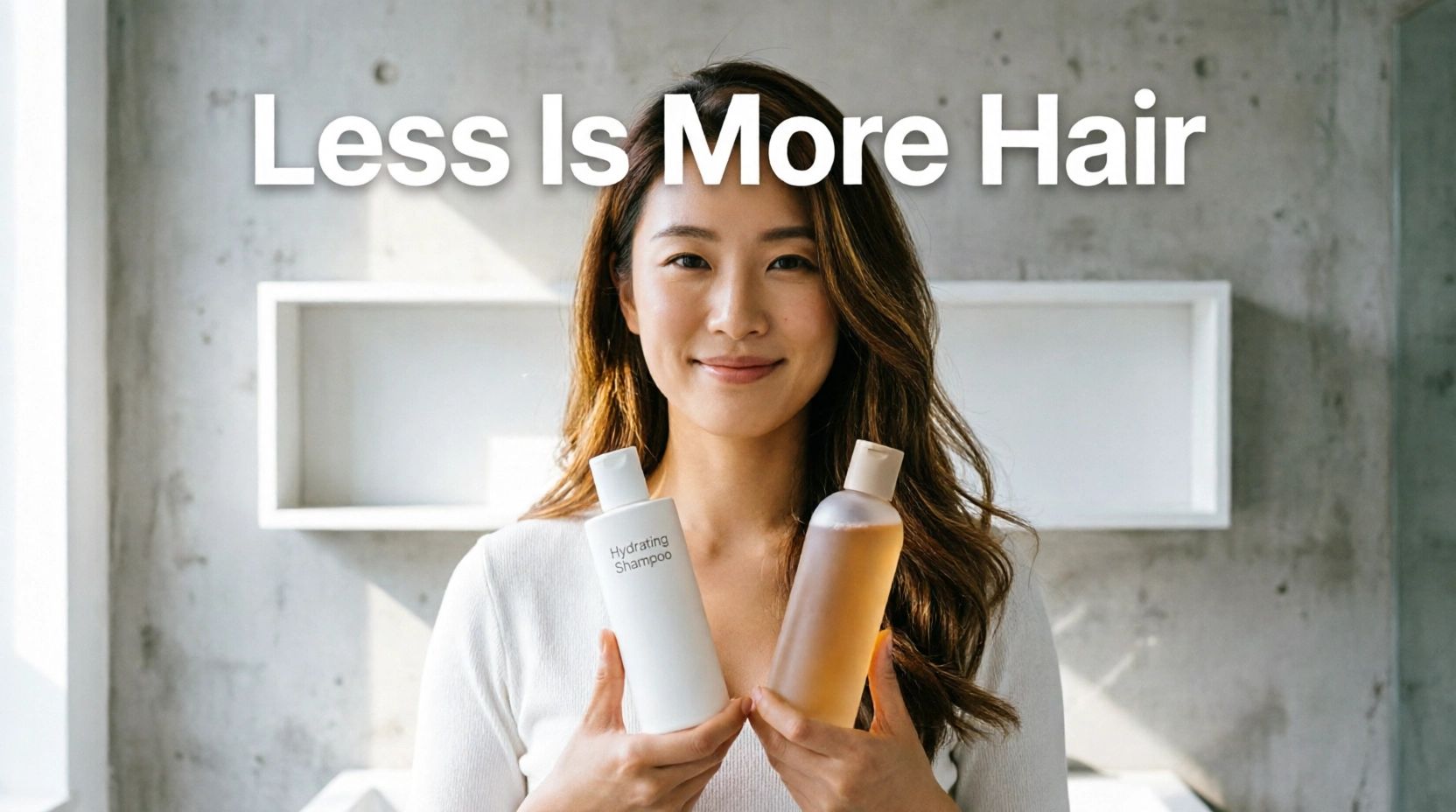
As hair changes, you may need different products, but that doesn't mean accumulating endless bottles. Focus on a core routine: a gentle shampoo, a nourishing conditioner, a targeted treatment (deep conditioner or protein mask), and one or two stylers that address your specific needs.
Quality over quantity matters more than ever. Invest in products with effective ingredients and formulations that truly support your hair's current condition, rather than collecting trendy products that may not address your actual needs.
Frequently Asked Questions
Can I reverse hair damage that's made my hair unmanageable?
While you can't fully repair damaged hair (hair is dead tissue), you can significantly improve manageability by preventing further damage and supporting the hair you have. Regular trims remove damaged ends, intensive conditioning restores moisture and flexibility, protein treatments strengthen weak areas, and protective practices preserve hair quality. New growth will be healthier if you support scalp health and nutrition. With consistent care, most people see noticeable improvements in manageability within 2-3 months.
Why does my hair behave differently now even though I use the same products?
As hair changes with age, damage accumulation, and hormonal shifts, its needs evolve. Products that worked when your hair was younger, healthier, or had different porosity may no longer be optimal. Your hair may now need more moisture, different protein balance, or lighter formulations. Reassess your products based on your hair's current behavior rather than past performance, and don't hesitate to adjust your routine as needed.
How often should I change my hair care routine?
There's no fixed timeline, but it's wise to reassess your routine seasonally and whenever you notice changes in your hair's behavior. Seasonal changes in humidity and temperature affect hair needs. Life changes like stress, diet shifts, or hormonal transitions also impact hair. Pay attention to how your hair responds to products and styling, and adjust proactively rather than waiting for manageability to decline significantly.
Can stress really make my hair less manageable?
Yes, chronic stress affects hair manageability through multiple pathways. Stress hormones can alter sebum production, trigger shedding, and increase inflammation. Stress-related behaviors like poor sleep, unhealthy eating, or neglecting hair care compound these effects. Additionally, stress can lead to habits like excessive brushing, tight styling, or over-washing that directly damage hair. Managing stress through self-care practices supports not just mental health but hair health too.
Is it normal for hair texture to change with age?
Absolutely. Hair texture changes with age are normal and expected for most people. Hormonal shifts, reduced sebum production, cumulative damage, and natural aging processes all contribute to changes in hair diameter, texture, and behavior. While you can't stop these changes entirely, proactive care can help you maintain the best possible hair health and manageability at every age. Working with your hair's evolving needs, rather than fighting against them, is key to satisfaction.
Conclusion
Understanding why hair becomes less manageable over time empowers you to take control rather than accept frustration as inevitable. The changes you notice, increased dryness, texture shifts, product resistance, or styling challenges, aren't personal failures but natural responses to aging, cumulative damage, hormonal shifts, and environmental factors.
The good news is that while some changes are inevitable, many aspects of hair manageability are within your control. By adapting your care routine to your hair's evolving needs, minimizing further damage, supporting hair health through nutrition and lifestyle, and selecting products that address current rather than past needs, you can maintain or even restore manageability at any age.
Remember that hair, like the rest of us, changes over time. The goal isn't to maintain the exact hair you had at 25, but to support the healthiest, most manageable version of your hair at every stage. With patience, knowledge, and consistent care, you can enjoy hair that cooperates with your styling goals and makes you feel confident, regardless of the number of birthdays you've celebrated.
Your hair has carried you through decades of experiences, styles, and memories. Honor its journey by giving it the thoughtful, adaptive care it deserves. Manageability isn't just about ease of styling, it's about feeling good in your own skin and hair, at every age.