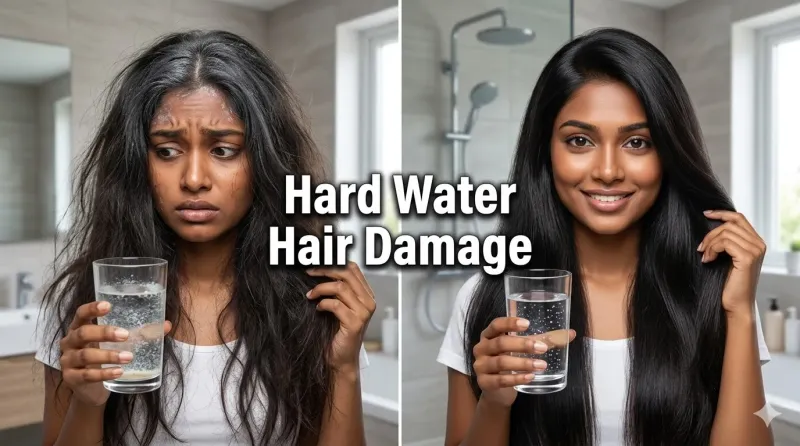
It starts subtly: your hair feels rougher than usual, colors fade faster, styling products don't work as well, and no matter how much conditioner you use, strands remain dry and brittle. You've tried new shampoos, deep conditioning treatments, and salon recommendations—but the problem persists. The culprit might not be your products, your technique, or even your genetics. It could be something far more invisible: hard water.
Hard water—water containing high levels of dissolved minerals like calcium, magnesium, and iron—affects over 85% of households in the United States and countless homes worldwide. While often discussed in terms of plumbing scale or soap scum, hard water's impact on hair is profound, underrecognized, and increasingly relevant as more people become aware of water quality's role in beauty and health. Unlike chlorine or chemical pollutants, hard water minerals don't rinse away easily. Instead, they accumulate on hair shafts, creating a barrier that blocks moisture, dulls shine, weakens strands, and undermines even the best hair care routines.
This comprehensive guide delivers an evidence-based protocol for understanding and combating hair damage from hard water. You'll learn how mineral deposits physically and chemically damage hair, discover how to test your water and identify hard water symptoms, build a targeted hair care routine that neutralizes mineral buildup, and understand which products and technologies actually work. Whether you're a homeowner considering water treatment, a renter seeking portable solutions, or a frequent traveler navigating varying water qualities, you'll find practical, science-backed strategies to restore your hair's health, shine, and strength—regardless of your water supply.
Understanding Hard Water: The Science Behind the Damage
Before implementing solutions, it's essential to understand what hard water is and how it interacts with hair biology.
What Is Hard Water?
Definition: Hard water contains elevated concentrations of dissolved minerals, primarily calcium (Ca²⁺) and magnesium (Mg²⁺), measured in grains per gallon (gpg) or parts per million (ppm).
Hardness Classifications:
| Classification | Grains per Gallon (gpg) | Parts Per Million (ppm) | Impact on Hair |
|---|---|---|---|
| Soft | 0-1 gpg | 0-17 ppm | Minimal mineral interaction; optimal for hair |
| Slightly Hard | 1-3.5 gpg | 17-60 ppm | Mild buildup possible with frequent washing |
| Moderately Hard | 3.5-7 gpg | 60-120 ppm | Noticeable buildup; requires preventive care |
| Hard | 7-10.5 gpg | 120-180 ppm | Significant buildup; proactive treatment needed |
| Very Hard | 10.5+ gpg | 180+ ppm | Severe buildup; comprehensive intervention required |
Source of Minerals: As groundwater flows through limestone, chalk, or gypsum deposits, it dissolves calcium carbonate, magnesium sulfate, and other minerals. The longer water contacts these geological formations, the harder it becomes.
How Hard Water Damages Hair: The Mechanisms
1. Mineral Deposition on Hair Shaft:
- Calcium and magnesium ions bind to negatively charged sites on hair keratin
- Minerals form a microscopic crystalline layer that roughens the cuticle surface
- This layer creates friction between strands, leading to tangling, breakage, and dullness
2. Interference with Cleansing:
- Minerals react with soap molecules to form insoluble "soap scum" that adheres to hair
- This residue blocks shampoo from effectively removing oils, sweat, and product buildup
- Result: Hair feels perpetually dirty despite washing; requires more product to achieve cleanliness
3. Moisture Barrier Disruption:
- Mineral deposits create a hydrophobic barrier that repels water and hydrating ingredients
- Conditioners and masks can't penetrate effectively, reducing their efficacy by up to 50%
- Hair becomes dry, brittle, and prone to split ends despite adequate product use
4. Color and Chemical Treatment Interference:
- Minerals bind to dye molecules, causing premature fading and uneven color deposition
- Hard water can alter pH during chemical processes, affecting perm, relaxer, or bleach results
- Color-treated hair in hard water areas may require touch-ups 30-50% more frequently
5. Scalp Impact:
- Mineral buildup on scalp can clog follicles, potentially contributing to irritation or flaking
- Soap scum residue may disrupt scalp microbiome balance
- Chronic irritation can exacerbate conditions like seborrheic dermatitis or psoriasis
Who Is Most Vulnerable?
Hair Types at Higher Risk:
- Chemically treated hair: Color, bleach, perms, or relaxers increase porosity, allowing deeper mineral penetration
- High-porosity hair: Naturally raised cuticles (common in curly/coily textures) trap minerals more readily
- Fine or thin hair: Less mass to dilute mineral effects; buildup more visibly impacts volume and texture
- Aging hair: Natural decline in sebum production reduces protective coating against mineral adhesion
Lifestyle Factors:
- Frequent washing: More exposure to mineral-laden water accelerates buildup
- Hard water + chlorine: Municipal water often contains both; combined effect worsens damage
- Heat styling: Heat opens cuticles, allowing deeper mineral penetration during washing
Phase 1: Diagnosis—Identifying Hard Water Damage
Effective treatment starts with accurate identification. These signs suggest hard water may be affecting your hair.
Physical Signs on Hair
| Symptom | Underlying Mechanism | How to Confirm |
|---|---|---|
| Persistent dryness | Mineral barrier blocks moisture absorption | Hair feels dry immediately after conditioning; improves with filtered water rinse |
| Dull, lackluster appearance | Roughened cuticle scatters light instead of reflecting it | Shine returns temporarily after clarifying treatment; dullness returns with hard water exposure |
| Difficulty lathering shampoo | Minerals bind to surfactants, reducing foaming ability | Shampoo lathers well with bottled/filtered water but not tap water |
| Color fading or brassiness | Minerals bind to dye molecules; iron causes orange tones | Color fades faster than expected; brassiness appears despite toning products |
| Increased tangling and breakage | Mineral deposits increase friction between strands | Hair detangles easily after chelating treatment; tangles return with hard water exposure |
| Product buildup despite washing | Soap scum traps oils and styling products on hair | Clarifying shampoo provides temporary relief; buildup returns quickly |
Simple At-Home Water Testing
Soap Test:
- Fill a clear bottle with 1 cup of tap water
- Add 10 drops of pure liquid Castile soap (no additives)
- Shake vigorously for 10 seconds
- Soft water result: Abundant, stable suds with clear water beneath
- Hard water result: Few suds, cloudy/milky water, scum formation
Scale Observation:
- Check faucet aerators, showerheads, and kettle interiors for white/chalky deposits
- Mineral scale indicates hard water; heavier buildup correlates with higher hardness
- Note: Scale on fixtures doesn't always equal hair-impacting hardness, but it's a strong indicator
Professional Testing Options:
- Test strips: Affordable ($10-20); dip in water, compare color chart for hardness level
- Laboratory analysis: Mail-in kits ($30-50); provide detailed mineral profile including iron, copper
- Municipal water report: Free online; search "[Your City] water quality report" for hardness data
Ruling Out Other Causes
Hard water symptoms overlap with other hair concerns. Consider these differentials:
- Over-washing or harsh products: If symptoms improve with gentler routine regardless of water source, hard water may not be primary cause
- Heat damage: If breakage is concentrated on mid-lengths/ends where heat tools contact hair, thermal damage may be primary
- Nutritional deficiencies: If hair changes coincide with diet changes, fatigue, or other systemic symptoms, consult healthcare provider
- Hormonal shifts: Postpartum, perimenopausal, or thyroid-related hair changes require medical evaluation
Key Diagnostic Strategy: Try a 2-week "filtered water challenge." Wash hair exclusively with bottled or filtered water (using a shower filter or pitcher). If symptoms improve significantly, hard water is likely a major contributor.
Phase 2: Water Treatment Solutions—Addressing the Source
The most effective long-term strategy is reducing mineral content in your water supply. Options vary by living situation and budget.
Whole-House Water Softeners
How They Work:
- Ion exchange technology replaces calcium/magnesium ions with sodium or potassium ions
- Resin beads attract hard minerals; regeneration cycle flushes them away with salt
- Treats all water entering home: showers, sinks, laundry, appliances
Pros:
- Comprehensive protection for hair, skin, plumbing, and appliances
- Reduces soap/scum buildup throughout home
- Long-term cost savings on hair products, cleaning supplies, and appliance repairs
Cons:
- High upfront cost ($500-2,500+) plus installation
- Requires plumbing access; not feasible for renters
- Added sodium may concern those on sodium-restricted diets (potassium chloride alternative available)
- Regular maintenance: salt refills, system cleaning
Best For: Homeowners with moderate-very hard water seeking comprehensive, long-term solution
Shower Filters: Targeted Hair Protection
How They Work:
- Multi-stage filtration: KDF (kinetic degradation fluxion) reduces chlorine; activated carbon removes contaminants; some include vitamin C or ceramic for mineral reduction
- Attaches directly to showerhead or handheld wand
- Typically reduces chlorine, heavy metals, and some minerals; less effective on calcium/magnesium than whole-house softeners
Pros:
- Affordable ($30-100) and easy to install/remove
- Renter-friendly; no plumbing modifications required
- Immediate improvement in hair feel and product performance
- Portable options available for travel
Cons:
- Limited mineral reduction compared to whole-house systems
- Filter replacement required every 3-6 months ($15-30 per filter)
- Water pressure may decrease slightly with some models
Recommended Features:
- KDF-55 or KDF-85 for chlorine/heavy metal reduction
- Vitamin C (ascorbic acid) stage to neutralize chlorine/chloramines
- High flow rate (2.0+ GPM) to maintain shower pressure
- NSF/ANSI certification for verified performance
Top Picks:
- Budget: AquaBliss SF100, Sprite Shower Filter
- Mid-range: Jolie Filtered Showerhead, Aquasana EQ-WELL-UV
- Premium: WaterSense Certified models with multi-stage filtration
Portable and Travel Solutions
For Renters and Frequent Travelers:
- Filtered Showerhead Attachments: Screw-on filters that travel with you; ideal for apartments or hotels
- Final Rinse with Bottled Water: After washing, do a final rinse with distilled or filtered water to remove mineral residue
- Leave-In Chelating Sprays: Products containing EDTA or citric acid that bind minerals post-wash
- Pre-Wash Oil Treatment: Apply coconut or argan oil before showering; oil creates barrier that reduces mineral adhesion
Travel Protocol:
Before Travel:
- Research destination water hardness (online databases available)
- Pack travel-size clarifying shampoo and chelating treatment
- Bring portable shower filter if staying >3 days in hard water area

During Stay:
- Use bottled water for final rinse if hair feels rough after washing
- Apply leave-in chelating spray after washing
- Limit heat styling; hard water + heat increases damage risk

Post-Travel:
- Do a clarifying wash within 24 hours of returning home
- Deep condition to restore moisture balance
Phase 3: Hair Care Protocol—Neutralizing and Removing Mineral Buildup
When water treatment isn't feasible or as supplemental care, targeted hair products can mitigate hard water damage.
Chelating Shampoos: The Mineral Magnets
How They Work:
- Contain chelating agents (EDTA, citric acid, phytic acid) that bind to metal ions
- Form water-soluble complexes that rinse away, removing mineral deposits
- More powerful than regular clarifying shampoos; specifically target minerals, not just product buildup
Key Ingredients to Look For:
| Chelating Agent | Strength | Best For | Considerations |
|---|---|---|---|
| EDTA (Tetrasodium EDTA) | Strong | Moderate-very hard water; heavy buildup | Can be drying; follow with deep conditioner |
| Citric Acid | Mild-Moderate | Slightly-moderately hard water; sensitive scalps | Gentler; also helps balance pH |
| Phytic Acid | Moderate | Color-treated hair; regular maintenance | Antioxidant benefits; less drying than EDTA |
| Sodium Gluconate | Mild | Preventive care; frequent use | Biodegradable; gentle enough for weekly use |
Usage Protocol:
- Frequency: Every 1-4 weeks depending on water hardness and hair type
- Application: Massage into wet hair; leave on 2-5 minutes before rinsing thoroughly
- Follow-up: Always follow with a rich conditioner or mask to restore moisture
- Caution: Overuse can strip natural oils; start with once monthly and adjust based on results
Recommended Chelating Shampoos:
- Budget: Ion Hard Water Shampoo, Malibu C Hard Water Wellness Shampoo
- Mid-range: dpHUE Apple Cider Vinegar Hair Rinse (citric acid-based), Ouai Detox Shampoo
- Professional: Christophe Robin Purifying Shampoo with Juniper, Kerastase Bain Divalent
Clarifying vs. Chelating: Understanding the Difference
Clarifying Shampoos:
- Target: Product buildup, oils, environmental pollutants
- Key ingredients: Strong surfactants (SLS, SLES), sometimes acids
- Limitation: Less effective on mineral deposits; may not resolve hard water-specific issues
Chelating Shampoos:
- Target: Mineral deposits (calcium, magnesium, iron, copper)
- Key ingredients: Chelating agents (EDTA, citric acid, phytic acid)
- Advantage: Specifically designed to remove hard water minerals
Strategic Use:
- Use chelating shampoo monthly for hard water mineral removal
- Use clarifying shampoo bi-weekly for product buildup if you use heavy styling products
- Never use both in same week; alternate to avoid over-stripping
Acidic Rinses: pH Balance and Mineral Dissolution
Why pH Matters:
- Hard water is typically alkaline (pH 7.5-8.5); hair's optimal pH is slightly acidic (4.5-5.5)
- Alkaline water raises hair's pH, causing cuticles to lift and increasing mineral adhesion
- Acidic rinses restore optimal pH, smoothing cuticles and helping dissolve mineral deposits
Effective Acidic Rinse Options:
- Apple Cider Vinegar (ACV) Rinse:
- Recipe: 1-2 tablespoons raw, unfiltered ACV in 1 cup cool water
- After shampooing, pour through hair; leave 1-2 minutes; rinse thoroughly
- Benefits: Dissolves minerals, balances pH, adds shine
- Caution: Always dilute; undiluted vinegar can damage hair
- Citric Acid Rinse:
- Recipe: 1/4 teaspoon food-grade citric acid powder in 1 cup water
- More precise pH control than ACV; less odor
- Particularly effective against iron deposits that cause brassiness
- Commercial Acidifying Rinses:
- Look for pH 4.5-5.5 formulas with citric, lactic, or glycolic acid
- Examples: Kérastase Bain Acidified Glow, dpHUE ACV Hair Rinse
- Convenient pre-formulated option with added conditioning agents
Usage Frequency: 1-2x weekly after shampooing; can alternate with chelating shampoo
Conditioning Strategies for Hard Water Hair
Why Standard Conditioners Fall Short:
- Mineral deposits create barrier that blocks conditioning ingredients from penetrating
- Cationic conditioners (positively charged) can bind to mineral deposits, worsening buildup
Hard Water-Optimized Conditioning:
- Pre-Shampoo Oil Treatment:
- Apply coconut, argan, or jojoba oil to dry hair 30 minutes before washing
- Oil creates hydrophobic barrier that reduces mineral adhesion during wash
- Especially beneficial for high-porosity or chemically treated hair
- Chelating Conditioners:
- Contain mild chelating agents to continue mineral removal during conditioning phase
- Look for ingredients: EDTA, citric acid, or phytic acid in conditioner formulas
- Examples: Malibu C Hard Water Wellness Conditioner, Ion Hard Water Conditioner
- Deep Conditioning with Penetration Enhancers:
- Choose masks with hydrolyzed proteins, amino acids, or low-molecular-weight hyaluronic acid
- These smaller molecules can penetrate mineral-barriered cuticles more effectively
- Apply to damp (not dripping) hair; cover with shower cap; leave 10-20 minutes
- Leave-In Treatments with Chelating Properties:
- Sprays or creams containing EDTA or citric acid for ongoing mineral management
- Apply to damp hair after washing; provides protection between washes
- Examples: Ouidad Water Works Clarifying Shampoo (also has leave-in version), Briogeo Farewell Frizz Rosarco Milk
Phase 4: Preventive Care and Long-Term Maintenance
Once you've addressed existing damage, these strategies prevent recurrence and maintain hair health in hard water environments.
Washing Technique Adjustments
Water Temperature:
- Use lukewarm (not hot) water for washing; hot water opens cuticles, allowing deeper mineral penetration
- Finish with a cool water rinse to help seal cuticles and reduce mineral adhesion
Shampoo Application:
- Focus shampoo on scalp only; let suds rinse through lengths to minimize mineral exposure on fragile ends
- Use gentle, sulfate-free formulas for regular washing; reserve chelating shampoos for targeted treatment
- Massage scalp gently with fingertips (not nails) to avoid micro-abrasions that increase mineral binding
Rinsing Thoroughly:
- Hard water minerals require more thorough rinsing than soft water
- Spend extra 30-60 seconds rinsing to ensure all product and mineral residue is removed
- Consider a final rinse with filtered or bottled water if hair feels rough after washing
Product Selection Guidelines
Ingredients to Seek:
- Chelating agents: EDTA, citric acid, phytic acid for mineral removal
- pH balancers: Citric acid, lactic acid to maintain optimal hair pH
- Humectants: Glycerin, hyaluronic acid to attract moisture despite mineral barrier
- Lightweight oils: Squalane, argan oil that won't compound buildup
Ingredients to Avoid:
- Heavy silicones: Dimethicone, amodimethicone can trap minerals against hair shaft
- High concentrations of cationic polymers: Can bind to mineral deposits, worsening buildup
- Alkaline formulations: pH >6 can further raise hair's pH, increasing cuticle lifting
Reading Labels:
- Check ingredient lists for chelating agents near the top (higher concentration)
- Look for "hard water" or "mineral removal" claims backed by specific ingredient mentions
- Avoid products with vague "purifying" claims without mineral-targeting ingredients
Lifestyle and Environmental Modifications
Protective Styling:
- Wear hair up or in protective styles during activities with heavy sweating (minerals + sweat = increased buildup)
- Use silk/satin pillowcases to reduce friction on mineral-roughened hair
- Limit heat styling; if necessary, always use heat protectant to minimize cuticle damage
Dietary Support:
- Stay well-hydrated; internal hydration supports hair's moisture balance
- Include omega-3 fatty acids (fatty fish, flaxseeds) to support scalp health and reduce inflammation
- Ensure adequate protein intake for keratin production and hair strength
Regular Maintenance Schedule:
Weekly:
- Gentle sulfate-free shampoo + conditioner
- Final rinse with filtered water if possible

Bi-Weekly:
- Acidic rinse (ACV or citric acid) after shampooing

Monthly:
- Chelating shampoo treatment followed by deep conditioning

Quarterly:
- Professional assessment if using chemical treatments
- Evaluate water filter replacement needs
Special Considerations: Color-Treated, Curly, and Aging Hair
Certain hair types require tailored approaches to hard water management.
Color-Treated Hair
Unique Challenges:
- Chemical processing increases porosity, allowing deeper mineral penetration
- Iron in hard water causes brassiness in blonde, silver, or lightened hair
- Mineral buildup accelerates color fading and uneven tone
Tailored Protocol:
- Pre-color treatment: Use chelating shampoo 1 week before coloring to ensure clean, mineral-free base
- Post-color care: Wait 72 hours after coloring before first wash; use color-safe, chelating formulas
- Toning maintenance: Purple/blue shampoos with chelating agents combat brassiness more effectively
- Professional coordination: Inform colorist about hard water; they may adjust formula or recommend in-salon treatments
Curly and Coily Hair Textures
Unique Challenges:
- Naturally higher porosity increases mineral absorption
- Denser curl patterns trap mineral deposits more readily
- Traditional clarifying methods can be overly drying for curly hair
Tailored Protocol:
- Gentle chelating: Choose citric acid or phytic acid-based formulas over harsh EDTA
- Co-wash modifications: Add a splash of ACV to co-wash routine for mild mineral removal
- Deep conditioning emphasis: Follow any clarifying treatment with rich, protein-balanced mask
- Leave-in protection: Use chelating leave-in sprays to provide ongoing mineral management between washes
Aging Hair
Unique Challenges:
- Natural decline in sebum production reduces protective coating against minerals
- Thinning hair makes mineral buildup more visible and impactful
- Increased scalp sensitivity requires gentler formulations
Tailored Protocol:
- Ultra-gentle chelating: Opt for phytic acid or sodium gluconate formulas
- Scalp-focused care: Use scalp scrubs with mild acids to prevent follicle-clogging buildup
- Protein-moisture balance: Choose conditioners with hydrolyzed keratin + ceramides for strength without weight
- Professional guidance: Consult trichologist for personalized hard water management plan
When to Seek Professional Help
While most hard water hair damage responds to at-home care, certain situations warrant professional evaluation.
Red Flags Requiring Professional Assessment
- Severe breakage or hair loss: If shedding increases dramatically or you notice bald patches
- Scalp symptoms: Persistent itching, flaking, redness, or pain that doesn't improve with routine care
- No improvement after 8-12 weeks: Of consistent hard water protocol implementation
- Rapid color changes: Unexpected brassiness, fading, or uneven tone despite proper care
- Chemical treatment complications: Perms, relaxers, or color that process unevenly or cause damage
Professional Treatments for Hard Water Damage
In-Salon Chelating Treatments:
- Professional-strength chelating formulas with higher concentrations of active ingredients
- Often combined with steam or heat to enhance penetration and efficacy
- Typically followed by intensive conditioning or protein treatment
Scalp Detox Services:
- Exfoliating scalp treatments to remove mineral-clogged follicles
- May include enzymatic peels, microdermabrasion, or ultrasonic cleansing
- Particularly beneficial for those with scalp sensitivity or flaking
Custom Formulation Services:
- Some salons offer custom-blended shampoos/conditioners based on your water test results
- Tailored chelating agent concentrations and pH levels for your specific water profile
- Ideal for severe hard water cases or complex hair needs
Frequently Asked Questions
How do I know if my hair problems are from hard water or something else?
Use this diagnostic approach: - Water test first: Test your water hardness; if moderate-very hard, hard water is likely a factor - Filtered water challenge: Wash hair with bottled/filtered water for 2 weeks; improvement suggests hard water involvement - Pattern recognition: Hard water damage typically affects all hair equally; localized issues suggest other causes - Professional evaluation: Dermatologist or trichologist can differentiate hard water damage from medical conditions When in doubt, address hard water first—it's a common, treatable factor that's easy to overlook.
Can hard water cause hair loss?
Hard water doesn't directly cause permanent hair loss (androgenetic alopecia), but it can contribute to shedding and breakage: - Breakage: Mineral buildup weakens hair shafts, increasing breakage that mimics hair loss - Follicle stress: Scalp mineral buildup may irritate follicles, potentially contributing to temporary shedding - Indirect effects: Frustration with unmanageable hair may lead to aggressive styling that causes traction alopecia Addressing hard water often reduces breakage-related shedding, revealing your hair's true growth pattern.
How often should I use chelating shampoo?
Frequency depends on water hardness and hair type: - Very hard water: Every 1-2 weeks - Moderately hard water: Every 2-4 weeks - Slightly hard water: Monthly or as needed for maintenance - Chemically treated/high-porosity hair: May need more frequent use (every 1-2 weeks) - Fine/low-porosity hair: May tolerate less frequent use (every 3-4 weeks) Start conservatively (once monthly) and increase frequency only if buildup symptoms persist. Always follow with deep conditioning.
Are natural remedies like vinegar rinses as effective as commercial chelating products?
Both have roles: - Vinegar/citric acid rinses: Effective for mild-moderate buildup; gentle, affordable, pH-balancing - Commercial chelating shampoos: More potent for heavy buildup; precisely formulated concentrations; often include conditioning agents - Best approach: Use acidic rinses for weekly maintenance; reserve commercial chelating shampoos for monthly deep treatments For severe buildup or very hard water, commercial products typically deliver more reliable results.
Will installing a water softener change how my hair products work?
Yes—often positively: - Improved lathering: Shampoos lather more easily, requiring less product - Enhanced conditioning: Conditioners penetrate better without mineral barriers - Longer-lasting color: Reduced mineral interference helps color adhere longer - Adjustment period: Hair may feel "slippery" initially as it adjusts to softer water; this typically resolves in 2-4 weeks You may find you can use less product and achieve better results after softening your water.
Product Recommendations by Category
While individual responses vary, these product types and features can guide your selections. Always patch-test new products.
Chelating and Clarifying Shampoos
Look for:
- Specific chelating agents: EDTA, citric acid, phytic acid, or sodium gluconate
- pH-balanced formulas (4.5-5.5) to support cuticle health
- Sulfate-free options if you have color-treated or sensitive hair
Recommended:
- Budget: Ion Hard Water Shampoo, Malibu C Hard Water Wellness Shampoo
- Mid-range: dpHUE Apple Cider Vinegar Hair Rinse, Ouai Detox Shampoo
- Professional: Christophe Robin Purifying Shampoo with Juniper, Kerastase Bain Divalent
Acidic Rinses and Treatments
Look for:
- pH 4.5-5.5 to restore hair's natural acidity
- Additional benefits: shine enhancers, color protection, or conditioning agents
- Easy application: spray bottles or pre-diluted formulas
Recommended:
- DIY: Raw apple cider vinegar (diluted 1:8 with water), food-grade citric acid powder
- Commercial: Kérastase Bain Acidified Glow, dpHUE ACV Hair Rinse, Paul Mitchell Tea Tree Special Shampoo (mild acidic)
Conditioners and Masks for Hard Water Hair
Look for:
- Lightweight, non-silicone formulas that won't compound buildup
- Ingredients that support penetration: hydrolyzed proteins, amino acids, low-molecular-weight humectants
- Added chelating or pH-balancing agents for ongoing mineral management
Recommended:
- Budget: Ion Hard Water Conditioner, SheaMoisture Jamaican Black Castor Oil Strengthen & Restore Treatment Mask
- Mid-range: Briogeo Farewell Frizz Rosarco Milk Leave-In Conditioning Spray, Olaplex No.8 Bond Intense Moisture Mask
- Professional: Kérastase Resistance Masque Extentioniste, Redken Acidic Bonding Concentrate Treatment
Water Filtration Solutions
Shower Filters:
- Budget: AquaBliss SF100, Sprite Shower Filter
- Mid-range: Jolie Filtered Showerhead, Aquasana EQ-WELL-UV
- Features to prioritize: KDF filtration, vitamin C stage, high flow rate, NSF certification
Whole-House Softeners:
- Consult with water treatment professionals for system sizing and installation
- Look for NSF/ANSI Standard 44 certification for verified softening performance
- Consider salt-free alternatives if sodium intake is a concern
Conclusion: Reclaiming Your Hair's Health from the Invisible Aggressor
Hard water hair damage is a pervasive but solvable challenge. By understanding how minerals interact with your hair, implementing targeted treatments, and adopting preventive habits, you can neutralize the invisible aggressor and restore your hair's natural health, shine, and strength.
The journey begins with awareness: testing your water, recognizing the signs of mineral buildup, and acknowledging that your hair care struggles may stem from your water supply—not your products or your efforts. From there, a strategic combination of water treatment, specialized hair care, and lifestyle adjustments creates a comprehensive defense against hard water damage.
Key takeaways for combating hard water hair damage:
- Test your water: Know your hardness level to tailor your approach effectively
- Chelate strategically: Use EDTA, citric acid, or phytic acid to bind and remove mineral deposits
- Balance pH: Acidic rinses restore hair's optimal pH, smoothing cuticles and reducing mineral adhesion
- Condition intelligently: Choose lightweight, penetrating formulas that work despite mineral barriers
- Prevent proactively: Water filtration, protective styling, and maintenance routines prevent recurrence
- Customize for your hair: Color-treated, curly, or aging hair requires tailored protocols
- Seek help when needed: Professional treatments can accelerate recovery for severe cases
Your hair deserves water that supports—not sabotages—its health. Whether you install a whole-house softener, add a shower filter, or simply incorporate chelating products into your routine, taking action against hard water is an investment in your hair's long-term vitality.
Start today. Choose one action from this guide to implement this week: perhaps testing your water hardness, trying an apple cider vinegar rinse, or researching shower filters. Small, intentional steps compound into transformative results over time.
Your healthiest, most radiant hair is within reach—even in hard water. With knowledge, the right tools, and consistent care, you can overcome the invisible aggressor and embrace hair that feels as good as it looks.
Here's to your strongest, shiniest hair yet—mineral-free and magnificent.
📖 আরও পড়ুন: Hair Care
- 🔗 Why Hair Feels Dry Without Being Damaged: The Hidden Causes and Fixes
- 🔗 How Long-Term Styling Habits Affect Hair Quality: The Complete Guide
- 🔗 নারীদের চুল পড়ার কারণ: হরমোনাল নাকি লাইফস্টাইল? বিজ্ঞানসম্মত বিশ্লেষণ ও সমাধান
- 🔗 Why Hair Becomes More Fragile With Age: Causes & Solutions
- 🔗 Product Overuse Hair Flexibility: Restore Softness