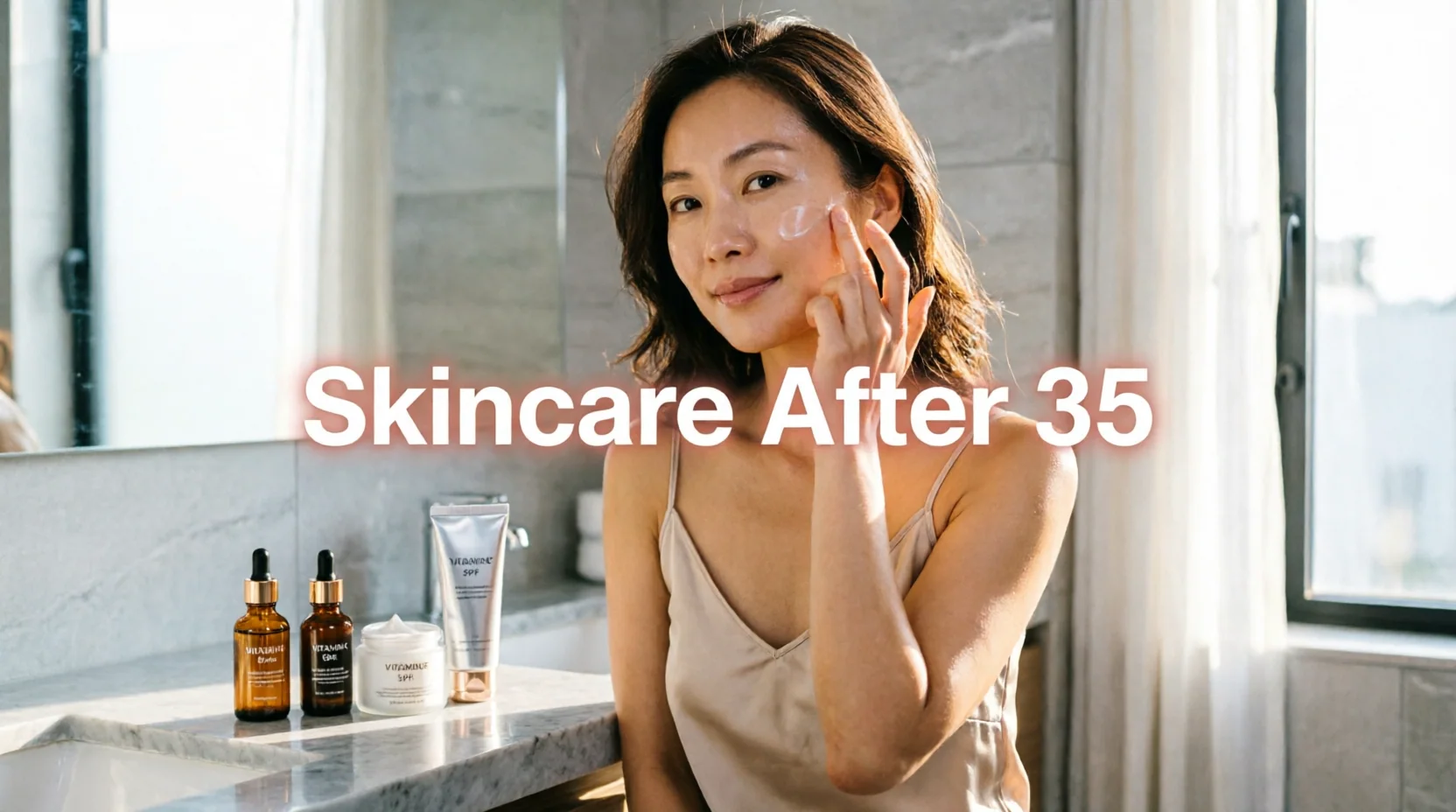
Why Skincare Changes After 35: Understanding Your Skin's New Needs
Turning 35 doesn't mean your skin suddenly "gives up"—but it does mark a pivotal shift in how your skin functions, repairs itself, and responds to environmental stressors. If you've noticed fine lines becoming more visible, your complexion looking less radiant, or your favorite moisturizer not working quite like it used to, you're not imagining things. These changes are real, they're normal, and most importantly, they're manageable with the right approach.
After 35, your skin undergoes several biological shifts that require a strategic update to your skincare routine. Collagen production—responsible for skin's firmness and elasticity—declines by approximately 1% per year starting in your mid-20s. By 35, this cumulative loss becomes visibly apparent. Cell turnover slows, meaning dead skin cells linger longer on the surface, contributing to dullness and uneven texture. Hormonal fluctuations, particularly in women approaching perimenopause, can trigger dryness, sensitivity, or unexpected breakouts. Meanwhile, years of sun exposure, pollution, and lifestyle factors begin to show as hyperpigmentation, loss of definition, and weakened barrier function.
But here's the empowering truth: aging is inevitable, but premature aging is not. With science-backed ingredients, consistent habits, and a routine tailored to your skin's evolving needs, you can significantly slow visible aging, boost collagen production, and maintain a healthy, radiant complexion for years to come.
This definitive guide is designed for anyone navigating skincare after 35. Whether you're just turning 35 or have been managing mature skin for years, you'll find actionable, evidence-based strategies to support your skin's health and confidence. No confusing jargon, no overwhelming 15-step routines—just clear, practical advice you can implement today.
What you'll learn in this guide:
- The biological changes happening in your skin after 35
- Key ingredients proven to boost collagen and slow aging
- A simplified, effective morning and evening routine
- How to address specific concerns: fine lines, dullness, hyperpigmentation
- Lifestyle factors that accelerate or protect against aging
- When to consider professional treatments—and which ones work
- Product recommendations for every budget
The Science of Aging Skin: What's Really Happening After 35
To build an effective anti-aging routine, you first need to understand the underlying biology. Skin aging is driven by two processes: intrinsic (genetic, time-related) and extrinsic (environmental, lifestyle-related). After 35, both accelerate in ways that demand attention.
Collagen and Elastin Decline
Collagen makes up about 75% of your skin's dry weight, providing structure and firmness. Elastin allows skin to stretch and snap back. Starting in your mid-20s, production of both proteins gradually declines. By 35, this loss becomes visible as:
- Fine lines around eyes and mouth
- Loss of jawline definition
- Subtle sagging in cheeks and neck
- Thinner, more fragile skin
Additionally, existing collagen becomes more rigid and less functional due to glycation—a process where sugar molecules bind to proteins, making them stiff and brittle.
Slower Cell Turnover
In your 20s, skin cells renew approximately every 28 days. After 35, this cycle slows to 40-60 days. The result? Dead skin cells accumulate on the surface, leading to:
- Dull, lackluster complexion
- Rough or uneven texture
- Pores that appear larger
- Reduced absorption of skincare products
Hormonal Shifts
For women, the late 30s often mark the beginning of perimenopause—a transition where estrogen levels fluctuate and gradually decline. Estrogen supports skin thickness, hydration, and collagen production. As levels drop, you may experience:
- Increased dryness and sensitivity
- Thinner, more translucent skin
- Unexpected breakouts (adult acne)
- Worsening of hyperpigmentation
Men experience more gradual hormonal changes, but declining testosterone can also affect skin thickness and oil production.
Barrier Function Weakens
Your skin barrier—the outermost layer that locks in moisture and keeps irritants out—becomes less efficient with age. This leads to increased transepidermal water loss (TEWL), making skin prone to dryness, irritation, and slower healing.
Cumulative Sun Damage Emerges
Photoaging—damage from UV exposure—accounts for up to 90% of visible skin aging. While sun damage accumulates silently for years, it often becomes visibly apparent after 35 as:
- Brown spots and uneven tone
- Deep wrinkles and leathery texture
- Broken capillaries and redness
- Loss of elasticity
Key Ingredients That Actually Work After 35
Not all anti-aging ingredients are created equal. Focus on these evidence-backed actives that target the specific changes happening in your skin after 35.
Retinoids: The Gold Standard for Collagen Stimulation
How they work: Retinoids (vitamin A derivatives) bind to receptors in skin cells, increasing collagen production, accelerating cell turnover, and reducing collagen-degrading enzymes.
Best options for mature skin:
- Retinol (0.3-1%): Effective OTC option; start low and build tolerance
- Adapalene (0.1%): Gentle OTC retinoid, ideal for sensitive skin
- Prescription tretinoin: Most potent option; requires dermatologist consultation
- Bakuchiol: Plant-based alternative for those who can't tolerate retinoids
Usage tips: Apply to clean, dry skin at night. Start 2x weekly, gradually increasing to nightly as tolerated. Always follow with moisturizer and use SPF daily—retinoids increase sun sensitivity.
Timeline: Visible improvements in texture and fine lines typically appear after 8-12 weeks of consistent use.
Vitamin C: Antioxidant Protection + Brightening
How it works: Vitamin C is a cofactor for collagen synthesis and a powerful antioxidant that neutralizes free radicals from UV and pollution.
Best forms: L-ascorbic acid (10-20%) for maximum efficacy; magnesium ascorbyl phosphate or tetrahexyldecyl ascorbate for sensitive skin.
Benefits after 35:
- Stimulates collagen production
- Fades hyperpigmentation and sun spots
- Boosts radiance and evens tone
- Enhances sunscreen protection
Usage tips: Apply in the morning before sunscreen. Store in a dark, cool place; discard if serum turns brown (oxidized).
Peptides: Signal Molecules for Repair
How they work: Peptides are short chains of amino acids that act as messengers, signaling skin cells to produce more collagen and elastin.
Most effective peptides:
- Matrixyl (Palmitoyl Pentapeptide-4): Stimulates collagen I, III, and IV
- Argireline (Acetyl Hexapeptide-8): May reduce expression lines by relaxing facial muscles
- Copper Peptides: Support wound healing and collagen remodeling
Why they're ideal after 35: Gentle enough for daily use, compatible with most ingredients, and effective for improving firmness and texture without irritation.
Niacinamide: Multi-Tasking Support
How it works: Niacinamide (vitamin B3) improves barrier function, reduces inflammation, regulates oil, and fades discoloration.
Optimal concentration: 4-5% for best results without irritation.
Benefits for mature skin:
- Minimizes appearance of pores and fine lines
- Reduces redness and blotchiness
- Strengthens skin barrier to retain moisture
- Works well layered with retinoids and vitamin C
Hyaluronic Acid and Ceramides: Hydration + Barrier Repair
Why they matter after 35: As natural moisture production declines, skin needs external support to stay plump and resilient.
Hyaluronic acid: Attracts up to 1000x its weight in water, instantly plumping fine lines and improving texture.
Ceramides: Lipids that restore the skin barrier, reducing water loss and sensitivity.
Usage tip: Apply hyaluronic acid to damp skin, then seal with a ceramide-rich moisturizer for maximum hydration.
Alpha Hydroxy Acids (AHAs): Gentle Exfoliation
How they work: AHAs like glycolic and lactic acid dissolve the "glue" holding dead skin cells together, revealing smoother, brighter skin underneath.
Best for mature skin: Lactic acid (gentler, hydrating) or mandelic acid (larger molecule, less irritating).
Usage tips: Start with 5-10% concentration, 1-2x weekly. Always follow with SPF—AHAs increase sun sensitivity.
Your Simplified Morning Routine for Skin After 35
Effective skincare doesn't require 10 steps. A streamlined morning routine focused on protection and prevention delivers better results than an elaborate regimen you won't maintain.
Step 1: Gentle Cleansing
Goal: Remove overnight residue without stripping skin.
Best choices: Cream, milky, or gel cleansers with a pH of 5.0-6.0. Avoid sulfates and high-foaming formulas that can compromise the barrier.
Technique: Use lukewarm water, massage gently for 60 seconds, rinse thoroughly, pat dry.
Step 2: Vitamin C Serum
Why: Antioxidant protection against daily environmental damage + collagen support.
Application: Apply 3-4 drops to damp skin. Wait 1-2 minutes before next step.
Pro tip: If vitamin C irritates your skin, try using it every other morning or switching to a gentler derivative like magnesium ascorbyl phosphate.
Step 3: Lightweight Moisturizer
Why: Hydration supports barrier function and helps subsequent products absorb better.
Look for: Hyaluronic acid, glycerin, niacinamide, or ceramides. Gel-cream textures work well for combination skin; richer creams for dry skin.
Application: Use a pea-sized amount. Press gently into skin rather than rubbing.
Step 4: Sunscreen (Non-Negotiable)
Why: UV exposure is the #1 cause of premature aging. Daily SPF prevents further damage and allows your skin to repair.
Best formulas for mature skin:
- Chemical sunscreens: Lightweight, no white cast; look for avobenzone, octocrylene, or newer filters like Tinosorb
- Mineral sunscreens: Zinc oxide or titanium dioxide; ideal for sensitive or reactive skin
- Tinted formulas: Provide light coverage while protecting; helpful for evening tone
Application: Use 1/4 teaspoon for face and neck. Reapply every 2 hours if outdoors. For makeup wearers, use a powder or spray SPF for touch-ups.
Your Evening Routine: Repair and Renew
Nighttime is when your skin shifts into repair mode. Your evening routine should support this natural process with targeted actives and barrier-supporting ingredients.
Step 1: Double Cleansing
Why: Sunscreen, makeup, pollution, and excess oil require two cleanses to remove completely.
First cleanse: Oil-based cleanser or micellar water to dissolve sunscreen and makeup.
Second cleanse: Gentle water-based cleanser to purify pores.
Technique: Spend 60 seconds on each cleanse. Use fingertips, not nails. Rinse thoroughly.
Step 2: Treatment Serum (Alternate Nights)
Retinoid nights (2-4x weekly):
- Apply retinol or adapalene to dry skin
- Wait 10-15 minutes before moisturizing
- Start slowly to build tolerance
Non-retinoid nights:
- Use peptides, niacinamide, or hydrating serums
- These support barrier repair and collagen without irritation
Pro tip: If using both vitamin C and retinoids, apply vitamin C in the morning and retinoids at night to avoid potential irritation.
Step 3: Rich Night Moisturizer
Why: Night creams provide the occlusive support your skin needs to prevent moisture loss during sleep.
Look for: Ceramides, cholesterol, fatty acids, squalane, or peptides.
Application: Warm a pea-sized amount between palms, then press into skin. Don't tug or pull.
Step 4: Targeted Eye Care
Why: The eye area shows aging first due to thin skin and frequent movement.
Effective ingredients: Caffeine (puffiness), peptides (firmness), vitamin K (dark circles), hyaluronic acid (plumping).
Application: Use ring finger to gently pat product around orbital bone—never pull or rub.
Addressing Specific Concerns After 35
Beyond foundational care, you may want to target specific issues that become more prominent after 35.
Fine Lines and Wrinkles
Strategy: Combine collagen-stimulating actives with hydration and sun protection.
- Morning: Vitamin C + peptide serum + SPF
- Evening: Retinoid 3-4x weekly + rich moisturizer
- Weekly: Gentle AHA exfoliation to enhance product penetration
Professional options: Prescription tretinoin, chemical peels, or laser treatments for deeper wrinkles.
Dullness and Uneven Texture
Strategy: Boost cell turnover and hydration.
- Exfoliate: Use lactic or mandelic acid 1-2x weekly
- Hydrate: Layer hyaluronic acid under moisturizer
- Brighten: Vitamin C or niacinamide to even tone
Lifestyle boost: Stay hydrated, prioritize sleep, and manage stress—all impact radiance.
Hyperpigmentation and Sun Spots
Strategy: Inhibit melanin production while protecting from further damage.
- Key ingredients: Vitamin C, niacinamide, azelaic acid, tranexamic acid, alpha arbutin
- Sunscreen: Non-negotiable—UV exposure worsens discoloration
- Patience: Fading spots takes 8-12 weeks of consistent care
Professional options: Prescription hydroquinone, chemical peels, or laser treatments for stubborn spots.
Loss of Firmness and Definition
Strategy: Support collagen and elastin while minimizing further breakdown.
- Topical: Retinoids, peptides, vitamin C
- Massage: Gentle facial massage or gua sha to boost circulation
- Prevention: Sleep on your back; use silk pillowcase to reduce friction
Professional options: Radiofrequency, ultrasound, or microneedling for deeper tightening.
Lifestyle Factors That Accelerate or Protect Against Aging
Skincare products are powerful, but your daily habits significantly impact how your skin ages. These adjustments amplify your routine's effectiveness.
Nutrition: Feed Your Skin From Within
Collagen-supportive nutrients:
- Protein: Provides amino acids for collagen synthesis. Aim for lean meats, fish, eggs, legumes.
- Vitamin C: Essential cofactor for collagen production. Sources: citrus, bell peppers, strawberries.
- Zinc and copper: Support collagen cross-linking. Sources: nuts, seeds, shellfish.
- Omega-3s: Reduce inflammation and support barrier function. Sources: fatty fish, flaxseed, walnuts.
Limit: Excess sugar and refined carbs, which accelerate glycation and collagen breakdown.
Sleep: Your Skin's Repair Window
Why it matters: During deep sleep, your body releases growth hormone, which stimulates collagen production and cellular repair. Poor sleep elevates cortisol, which breaks down collagen.
Strategies:
- Aim for 7-9 hours of quality sleep nightly
- Maintain a consistent sleep schedule
- Sleep on your back to prevent "sleep lines"
- Use a silk pillowcase to reduce friction
Stress Management: Protect Your Collagen
The connection: Chronic stress elevates cortisol, which increases inflammation and accelerates collagen breakdown.
Effective techniques:
- Deep breathing or meditation (even 5 minutes daily)
- Regular moderate exercise
- Time in nature or creative outlets
- Prioritizing rest and boundaries
Sun Protection: Your Best Anti-Aging Investment
Why: UV radiation triggers enzymes that break down collagen and elastin. Daily SPF prevents further damage and allows your skin to repair.
Best practices:
- Apply broad-spectrum SPF 30+ daily, even indoors
- Reapply every 2 hours when outdoors
- Wear wide-brimmed hats and UV-protective sunglasses
- Seek shade during peak sun hours (10am-4pm)
When to Consider Professional Treatments
At-home skincare is powerful, but certain concerns may benefit from professional intervention. Here's when to consult a dermatologist or licensed aesthetician.
Signs It's Time to Seek Help
- Deep wrinkles or significant loss of firmness not improving with topicals
- Persistent hyperpigmentation despite consistent care
- Sudden changes in skin texture, color, or lesions
- Interest in preventive treatments before signs become advanced
Effective Professional Options
Prescription retinoids: Tretinoin is more potent than OTC retinol and highly effective for collagen stimulation and texture improvement.
Chemical peels: Medium-depth peels (like TCA or glycolic) can improve texture, tone, and fine lines with minimal downtime.
Laser and light therapies: Fractional lasers, IPL, or radiofrequency devices stimulate collagen and address pigmentation with controlled injury.
Microneedling: Creates micro-injuries that trigger collagen production; often combined with PRP for enhanced results.
Injectables: Neuromodulators (Botox) relax expression lines; fillers restore volume. Best used conservatively and by experienced providers.
Key advice: Professional treatments work best when combined with a strong at-home routine. They're enhancements, not replacements, for daily care.
Product Recommendations for Every Budget
You don't need to spend a fortune for effective anti-aging care. Here are trusted options across price points.
Budget-Friendly ($5-$20)
- Cleanser: CeraVe Hydrating Cleanser, Vanicream Gentle Facial Cleanser
- Vitamin C: The Ordinary Ascorbyl Glucoside 12%, Good Molecules Vitamin C Booster
- Retinol: The Ordinary Retinol 0.5% in Squalane, CeraVe Resurfacing Retinol Serum
- Moisturizer: CeraVe Moisturizing Cream, The Inkey List Omega Water Cream
- Sunscreen: La Roche-Posay Anthelios Clear Skin, Neutrogena Clear Face
Mid-Range ($20-$60)
- Cleanser: Paula's Choice CALM Restoring Cleanser, Krave Beauty Matcha Hemp Hydrating Cleanser
- Vitamin C: SkinCeuticals C E Ferulic (investment), Paula's Choice C15 Super Booster
- Retinol: Paula's Choice Clinical 1% Retinol, Medik8 Crystal Retinal
- Peptides: The Ordinary "Buffet" + Copper Peptides, Naturium Multi-Peptide Serum
- Moisturizer: La Roche-Posay Toleriane Double Repair, First Aid Beauty Ultra Repair Cream
Investment ($60+)
- Vitamin C: SkinCeuticals C E Ferulic, Drunk Elephant C-Firma Fresh
- Retinoids: Prescription tretinoin via Curology or dermatologist
- Peptides: SkinMedica TNS Advanced+ Serum, Alastin Restorative Complex
- Moisturizer: SkinCeuticals Triple Lipid Restore, Augustinus Bader The Rich Cream
Where to buy: Drugstores, Amazon, brand websites, dermatologist offices, and specialty retailers like Sephora or Dermstore.
Common Mistakes to Avoid After 35
Even well-intentioned routines can backfire. Avoid these pitfalls to maximize results.
Mistake 1: Skipping Sunscreen on Cloudy Days
The problem: Up to 80% of UV rays penetrate clouds. Skipping SPF allows cumulative damage to continue.
The fix: Make sunscreen non-negotiable—apply daily, rain or shine.
Mistake 2: Using Too Many Actives at Once
The problem: Layering retinol, vitamin C, and acids simultaneously can irritate skin, compromise the barrier, and increase inflammation.
The fix: Introduce one new active at a time. Wait 2-4 weeks before adding another. Use actives on alternate nights if needed.
Mistake 3: Expecting Overnight Results
The problem: Collagen remodeling takes time. Most anti-aging ingredients require 8-12 weeks to show visible results.
The fix: Commit to a routine for at least 3 months before evaluating effectiveness. Take monthly photos to track subtle progress.
Mistake 4: Neglecting the Neck and Décolletage
The problem: These areas show aging early but are often forgotten in skincare routines.
The fix: Extend your facial routine—cleanser, serum, moisturizer, SPF—to your neck and chest.
Mistake 5: Over-Exfoliating
The problem: Exfoliating too frequently damages the barrier, leading to dryness, sensitivity, and more visible fine lines.
The fix: Limit chemical exfoliants to 1-2x weekly. If skin feels tight or stings, scale back.
Frequently Asked Questions
Is it too late to start an anti-aging routine at 35+?
Never. While prevention is ideal, your skin retains the ability to produce collagen and respond to treatment at any age. Starting now can slow further aging, improve texture and tone, and boost radiance. Consistency matters more than when you begin.
Can I use retinol if I have sensitive skin?
Yes, but start slowly. Choose a low concentration (0.1-0.3%), apply 1-2x weekly, and buffer with moisturizer if needed. Bakuchiol is a gentle plant-based alternative. Always patch test new products.
How long does it take to see results from anti-aging products?
Hydration and radiance improvements may appear in 2-4 weeks. Visible changes in fine lines, texture, and firmness typically require 8-12 weeks of consistent use. Collagen remodeling is a gradual process—patience and consistency are key.
Do I need separate eye cream?
Not necessarily. If your facial moisturizer is gentle and effective, it can be used around the eyes. However, dedicated eye creams are formulated for the delicate eye area and may offer targeted benefits like caffeine for puffiness or peptides for fine lines.
Can diet really affect my skin's aging?
Yes. A diet rich in antioxidants, healthy fats, and protein supports collagen production and reduces inflammation. Conversely, excess sugar and processed foods accelerate glycation, which stiffens collagen. Nutrition works synergistically with topical care.
Should I see a dermatologist if I'm just turning 35?
It's a great time for a baseline consultation. A dermatologist can assess your skin, discuss preventive strategies, and create a personalized plan. Early intervention often yields the best long-term results.
Conclusion: Age Gracefully, Confidently, and Proactively
Skincare after 35 isn't about fighting aging—it's about supporting your skin's health so you can age with confidence, radiance, and vitality. The changes your skin undergoes are natural, but how you respond to them makes all the difference.
You don't need a complicated routine or expensive products to see results. Focus on the fundamentals: gentle cleansing, targeted actives like retinoids and vitamin C, consistent sun protection, and barrier-supporting hydration. Add in lifestyle habits that nourish your skin from within—quality sleep, balanced nutrition, stress management—and you've built a powerful foundation for long-term skin health.
Progress, not perfection, is the goal. Some days you'll follow your routine to a T; other days, life will happen. That's okay. What matters is the overall pattern—the commitment to showing up for your skin, day after day.
Your skin has carried you through decades of experiences, laughter, and growth. Honor it with care, patience, and kindness. The results won't just show on your face—they'll show in how you feel: confident, vibrant, and fully yourself.
Your best skin isn't behind you. It's ahead—with the right care, starting today.
📖 আরও পড়ুন: Skin Care
- 🔗 Maintain Balanced Skin Year Round Women Guide
- 🔗 Sweat Pimples and Heat Rash: Causes and Proven Solutions
- 🔗 স্ট্রবেরি লেগস সমাধান: ডার্মাটোলজিস্ট অনুমোদিত গ্লাস-লাইক বডি স্কিন গাইড - কারণ থেকে সম্পূর্ণ চিকিৎসা পর্যন্ত
- 🔗 Post-Partum Melasma: Safe Brightening Protocol for Nursing Moms
- 🔗 Hormones and Skin Oil Balance: Science-Backed Guide