Introduction: The Unexpected Shift in Your Strands
You've washed and styled your hair the same way for years. Then, somewhere in your early thirties, something shifts. Your once-silky straight hair develops unexpected waves. Your bouncy curls lose their definition. Your fine hair feels coarser, or your thick hair becomes brittle. You might blame your shampoo, the water quality, or the weather. But the real explanation lies deeper—in the complex biological transformations happening within your body.
Hair texture changes after 30 are nearly universal among women, yet they remain poorly understood and rarely discussed. These shifts aren't just cosmetic concerns; they're windows into your hormonal health, nutritional status, and overall well-being. Understanding the science behind these changes empowers you to adapt your hair care routine with intention rather than frustration.
This comprehensive guide explores the multifaceted reasons why women's hair texture transforms after 30, from hormonal fluctuations and nutritional shifts to environmental accumulation and genetic expression. You'll discover evidence-based strategies to work with your changing strands, not against them, and learn how to maintain healthy, beautiful hair through this natural transition.
What Exactly Is Hair Texture—and Why Does It Change?
Before diving into the "why," let's clarify what we mean by hair texture. Hair texture refers to several characteristics:
- Diameter: The thickness of individual strands (fine, medium, or coarse)
- Density: How many hairs per square inch on your scalp
- Pattern: The shape of the hair follicle determining straight, wavy, curly, or coily texture
- Porosity: How well your hair absorbs and retains moisture
- Elasticity: How much your hair can stretch before breaking
When women notice texture changes after 30, they're typically experiencing shifts in one or more of these characteristics. Your straight hair might develop waves, your fine hair might feel thicker or thinner, or your curls might loosen or tighten. These changes reflect alterations at the follicular level—where hair is actually formed.
The Hair Growth Cycle: Foundation for Understanding Change
To understand texture changes, you need to know how hair grows:
- Anagen (growth phase): Lasts 2-7 years; hair actively grows from the follicle
- Catagen (transition phase): Lasts 2-3 weeks; growth stops, follicle shrinks
- Telogen (resting phase): Lasts 3-4 months; hair rests before shedding
After 30, the duration and quality of these phases can shift, affecting not just how much hair you have, but the actual structure of new growth.
Featured Snippet: Hair texture includes diameter, density, pattern, porosity, and elasticity. Changes after 30 reflect alterations at the follicular level where hair forms. The hair growth cycle (anagen, catagen, telogen) can shift after 30, affecting both hair quantity and the actual structure of new growth.
The Hormonal Shift: Primary Driver of Texture Changes
Hormones are the master regulators of hair growth and texture. After 30, hormonal fluctuations become more pronounced, directly impacting your strands.
Estrogen Decline and Its Effects
Estrogen plays a crucial role in hair health:
- Prolongs anagen phase: Keeps hair in growth phase longer
- Increases hair diameter: Makes individual strands thicker
- Enhances shine: Promotes sebum production for natural conditioning
- Supports collagen: Maintains scalp health and follicle strength
Starting in your early 30s, estrogen levels begin a gradual decline. While dramatic drops occur during perimenopause (typically 40s), the subtle decreases beginning in your 30s can still affect hair:
- Strands may grow finer or thinner
- Growth cycle may shorten, leading to more shedding
- Natural oils decrease, causing dryness
- Scalp may become less supple
Androgen Sensitivity Increases
Androgens (male hormones present in women) can affect hair texture in complex ways:
- On scalp: Can cause follicle miniaturization, leading to finer, shorter hairs
- On body: May increase facial or body hair growth
After 30, some women become more sensitive to androgens, or their estrogen-to-androgen ratio shifts. This can cause:
- Thinning on crown or part line
- Changes in curl pattern (often loosening)
- Increased oiliness at scalp with dryness on ends
Thyroid Function Changes
Thyroid disorders become more common after 30, particularly in women. Both hypothyroidism (underactive) and hyperthyroidism (overactive) dramatically affect hair:
- Hypothyroidism: Causes dry, brittle, coarse hair; slows growth; increases shedding
- Hyperthyroidism: Can cause fine, soft hair; increased shedding; texture changes
Even subclinical thyroid issues (mild dysfunction) can alter hair texture without causing obvious symptoms elsewhere.
Progesterone Fluctuations
Progesterone works with estrogen to maintain hair health. After 30, progesterone levels can fluctuate more dramatically, especially with:
- Stress (which depletes progesterone)
- Irregular cycles
- Perimenopausal transition
Lower progesterone can contribute to:
- Increased hair shedding
- Drier, more brittle texture
- Slower growth rate
Featured Snippet: Hormonal changes after 30 drive texture shifts: declining estrogen shortens growth phase and thins strands; increased androgen sensitivity can cause miniaturization and pattern changes; thyroid dysfunction (more common after 30) causes dryness or fine texture; progesterone fluctuations increase shedding and brittleness. These hormonal shifts fundamentally alter how hair grows.
Nutritional Factors: Fueling (or Starving) Your Strands
Your hair reflects your nutritional status. After 30, several factors can compromise the nutrients your hair needs:
Decreased Nutrient Absorption
As you age, your body becomes less efficient at absorbing certain nutrients critical for hair health:
- Iron: Essential for hair growth; deficiency causes brittle, thinning hair
- Vitamin B12: Supports red blood cell formation; deficiency leads to dryness and breakage
- Zinc: Regulates oil glands; deficiency causes texture changes and shedding
- Vitamin D: Supports follicle cycling; low levels linked to thinning
Even with a healthy diet, absorption efficiency declines, potentially leaving hair undernourished.
Protein Prioritization Shifts
Hair is made primarily of keratin, a protein. After 30, your body may prioritize protein for essential functions over hair production, especially if:
- Dietary protein is inadequate
- Stress is chronic (increases protein needs)
- Caloric intake is restricted
Result: Hair may grow slower, thinner, or with altered texture as protein allocation shifts.
Essential Fatty Acid Deficiency
Omega-3 and omega-6 fatty acids maintain hair's lipid layer, which provides:
- Shine and smoothness
- Moisture retention
- Flexibility and strength
After 30, factors like increased inflammation, hormonal changes, and dietary shifts can deplete these essential fats, leading to:
- Dull, dry texture
- Increased frizz
- Brittleness and breakage
Collagen Production Decline
Collagen supports hair structure by:
- Providing amino acids for keratin production
- Maintaining scalp health and follicle strength
- Protecting against oxidative damage
Collagen production naturally declines about 1% per year after 30, potentially affecting hair thickness, strength, and texture.
Featured Snippet: Nutritional factors after 30 affect hair: decreased absorption of iron, B12, zinc, and vitamin D; protein prioritization shifts away from hair; essential fatty acid deficiency causes dryness and frizz; collagen decline (1% yearly) reduces thickness and strength. Even with good diet, aging affects nutrient availability for hair.
Structural Changes: What's Happening at the Follicle Level
Beyond hormones and nutrition, actual structural changes occur in hair follicles after 30:
Follicle Miniaturization
Some follicles gradually shrink in size, a process called miniaturization. This causes:
- Thinner individual strands
- Shorter growth cycles
- Softer, finer texture
- Potential pattern changes (curly to wavy, wavy to straight)
Miniaturization is influenced by genetics, hormones (particularly androgens), and aging.
Sebaceous Gland Changes
Oil-producing glands attached to hair follicles change after 30:
- Decreased production: Leads to drier scalp and hair
- Altered composition: Sebum becomes less emollient, providing less conditioning
- Uneven distribution: Some areas may be oily while others are dry
These changes affect texture, manageability, and overall hair health.
Scalp Health Deterioration
The scalp is skin, and like facial skin, it ages:
- Decreased circulation: Reduces nutrient delivery to follicles
- Thinning dermis: Provides less support for follicles
- Increased inflammation: Can disrupt growth cycles
- Slower cell turnover: Leads to buildup that blocks follicles
Unhealthy scalp = unhealthy hair growth with altered texture.
Oxidative Stress Accumulation
After 30, cumulative oxidative stress from:
- UV exposure
- Environmental pollutants
- Chemical treatments
- Heat styling
- Metabolic processes
damages hair follicles and the hair shaft itself, causing:
- Weakened protein structure
- Increased porosity
- Loss of elasticity
- Rough, uneven texture
Featured Snippet: Structural changes after 30 include: follicle miniaturization (thinner strands, shorter cycles), sebaceous gland changes (less oil, altered composition), scalp aging (decreased circulation, thinning dermis, inflammation), and oxidative stress accumulation (weakened protein, increased porosity). These physical changes fundamentally alter how hair grows and behaves.
Common Texture Changes Women Notice After 30
While every woman's experience is unique, certain patterns emerge:
Straight Hair Becomes Wavy
What happens: Pin-straight hair develops bends, waves, or even loose curls.
Why: Hormonal shifts can alter follicle shape. Round follicles produce straight hair; oval or asymmetrical follicles create waves or curls. Hormonal changes after 30 can subtly reshape follicles.
Management: Embrace the change with curl-enhancing products; avoid over-straightening which can damage new texture.
Curls Lose Definition or Tightness
What happens: Tight curls loosen into waves, or defined curls become frizzy and irregular.
Why: Decreased estrogen and increased androgens can alter follicle shape; reduced sebum leads to dryness that disrupts curl pattern.
Management: Increase moisture with deep conditioning; use curl-defining products; consider protein treatments to restore structure.
Fine Hair Becomes Coarser (or Vice Versa)
What happens: Hair feels thicker and rougher, or conversely, becomes finer and softer.
Why: Hormonal shifts affect hair shaft diameter; nutritional changes alter protein structure; follicle miniaturization creates finer strands.
Management: Adjust products to new texture; fine hair needs lightweight formulas; coarse hair needs more moisture and smoothing agents.
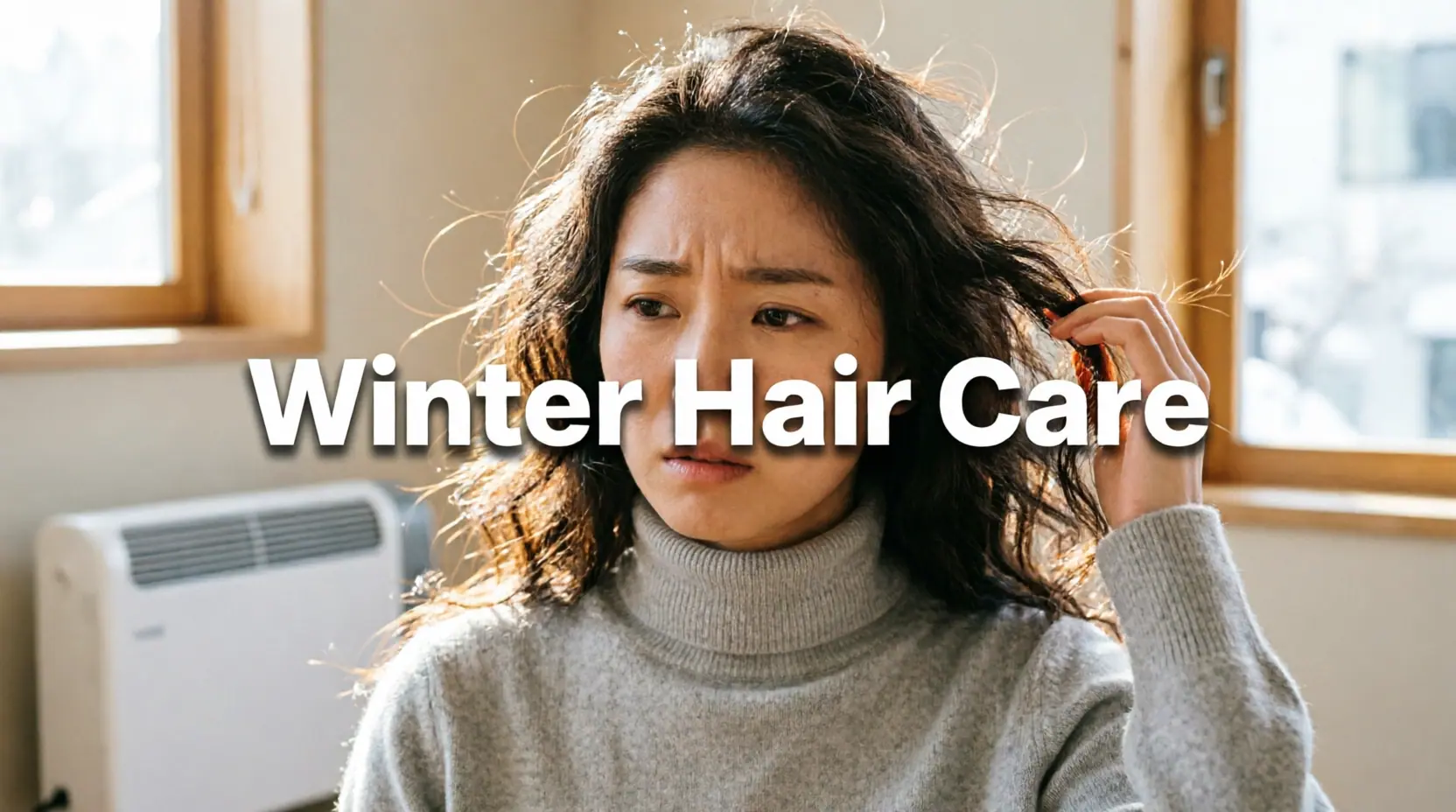
Increased Dryness and Frizz
What happens: Hair feels perpetually dry, looks frizzy, lacks shine.
Why: Decreased sebum production; compromised cuticle from cumulative damage; hormonal changes affecting moisture retention.
Management: Increase hydrating products; use leave-in conditioners; reduce heat styling; protect from environmental damage.
Slower Growth and Increased Shedding
What happens: Hair doesn't grow as long; more hair in brush/shower.
Why: Shortened anagen phase; nutritional deficiencies; hormonal imbalances; increased telogen (shedding) phase.
Management: Address nutritional gaps; manage stress; consider scalp treatments to stimulate growth; be gentle with hair.
Gray Hair Texture Changes
What happens: Gray or white hairs feel coarser, wirier, or more resistant to styling.
Why: Gray hair has different protein structure; reduced melanin affects texture; decreased sebum makes it drier.
Management: Use purple/blue shampoos to prevent yellowing; increase moisture; use smoothing products; consider professional treatments.
Featured Snippet: Common changes after 30: straight to wavy (follicle shape changes), curls loosening (hormonal shifts), fine to coarse or vice versa (diameter changes), increased dryness/frizz (less sebum), slower growth/shedding (shortened growth phase), gray hair texture changes (altered protein structure). Each change has specific management strategies.
Lifestyle and Environmental Factors That Accelerate Changes
Beyond biology, external factors can speed up or worsen texture changes:
Chronic Stress
Stress impacts hair through multiple pathways:
- Elevates cortisol, which can trigger shedding and disrupt growth cycles
- Depletes nutrients needed for hair health
- Increases inflammation affecting follicles
- Causes scalp tension reducing circulation
Women in their 30s often face peak stress from career, family, and life demands, compounding natural age-related changes.
Cumulative Chemical Damage
Years of coloring, perming, relaxing, or bleaching take a toll:
- Weakens protein structure
- Increases porosity
- Strips natural oils
- Alters texture permanently in some cases
Damage accumulated in your 20s may not become apparent until your 30s when hair's repair capacity declines.
Heat Styling Accumulation
Regular use of flat irons, curling wands, and blow dryers causes:
- Protein denaturation
- Moisture loss
- Cuticle damage
- Texture changes (often increased frizz and dryness)
After 30, hair's ability to recover from heat damage diminishes.
Environmental Exposure
Years of exposure to:
- UV radiation (damages protein and pigment)
- Hard water (mineral buildup alters texture)
- Pollution (oxidative stress)
- Chlorine (strips oils, damages protein)
create cumulative damage that manifests as texture changes after 30.
Dietary Patterns
Common dietary issues in 30s that affect hair:
- Restrictive dieting or calorie deficits
- Inadequate protein intake
- Skipping meals
- High sugar/processed food consumption
- Dehydration
All compromise the nutrients hair needs for healthy growth and texture.
Featured Snippet: Lifestyle factors accelerating texture changes: chronic stress (elevates cortisol, depletes nutrients), cumulative chemical damage (weakens protein), heat styling accumulation (damages cuticle), environmental exposure (UV, hard water, pollution), and poor dietary patterns. These factors compound natural age-related changes, making texture shifts more pronounced.
Adapting Your Hair Care Routine for Changing Texture
When your hair texture changes, your routine must evolve. Here's how to adapt:
Reassess Your Products
Shampoo:
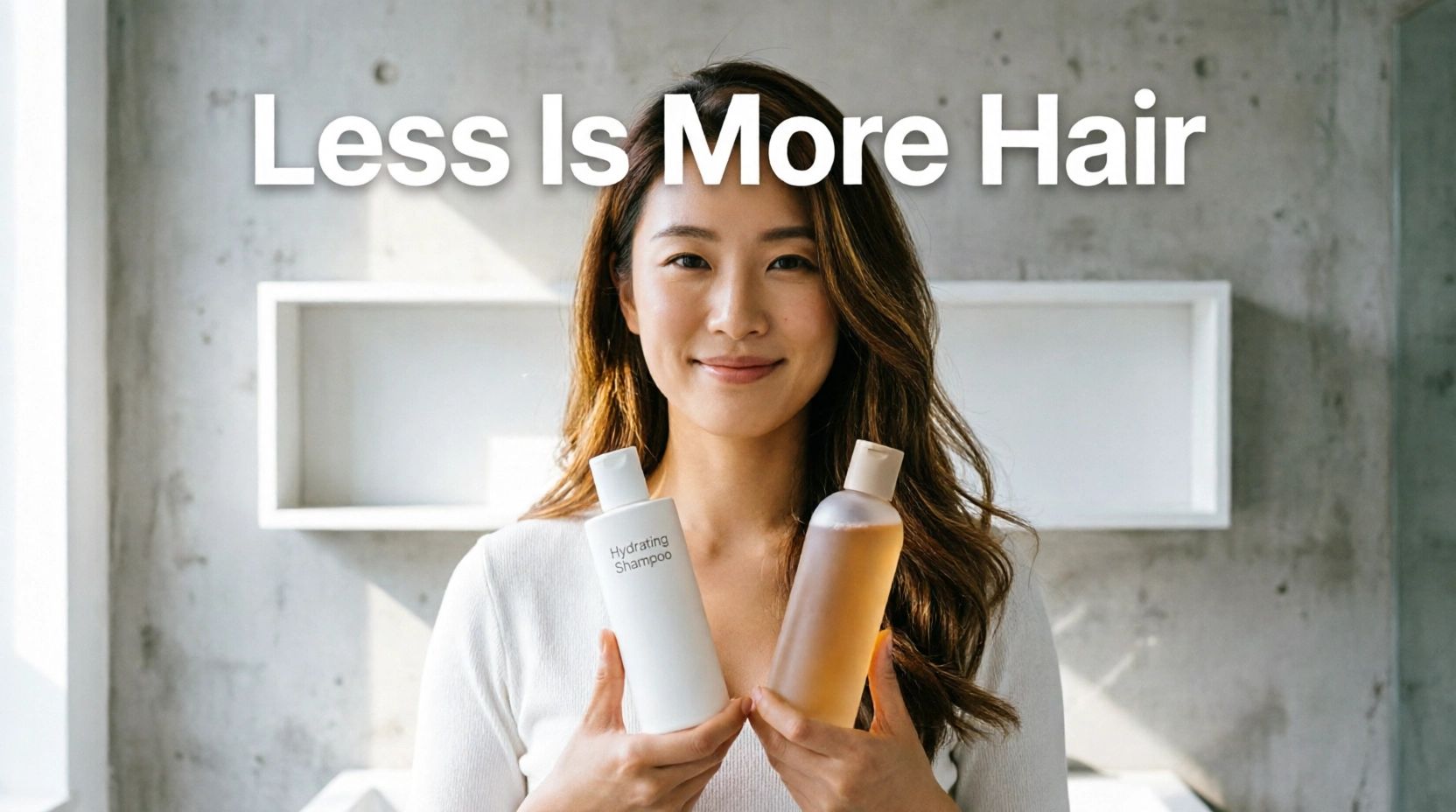
- If hair is drier: Switch to sulfate-free, moisturizing formulas
- If hair is oilier at scalp: Use clarifying shampoo weekly, gentle shampoo otherwise
- If texture is finer: Use volumizing formulas that won't weigh hair down
- If texture is coarser: Use smoothing, hydrating shampoos
Conditioner:
- Adjust weight: Fine hair needs lightweight conditioners; coarse hair needs richer formulas
- Focus on ends: Apply primarily to mid-lengths and ends, not scalp
- Consider leave-in: Provides ongoing moisture and protection
Styling products:
- Match to new texture: Curl creams for waves/curls; smoothing serums for frizz; volumizing mousse for fine hair
- Use heat protectant: Essential if using hot tools
- Layer products strategically: Apply from thinnest to thickest consistency
Adjust Washing Frequency
Your ideal washing schedule may change:
- Drier hair: Wash less frequently (2-3x weekly) to preserve natural oils
- Oilier scalp: May need more frequent washing or dry shampoo between washes
- Fine hair: Often benefits from more frequent washing to maintain volume
- Coarse/curly hair: Usually needs less frequent washing to maintain moisture
Modify Heat Styling Habits
After 30, hair tolerates heat less well:
- Lower temperature settings (below 350°F/180°C)
- Always use heat protectant
- Limit frequency (aim for 2-3x weekly maximum)
- Embrace air-drying when possible
- Invest in quality tools with temperature control
Incorporate Targeted Treatments
Deep conditioning: 1-2x weekly to restore moisture
Protein treatments: Monthly (or as needed) to strengthen; don't overdo as too much protein causes brittleness
Scalp treatments: Exfoliating scrubs or serums to maintain follicle health
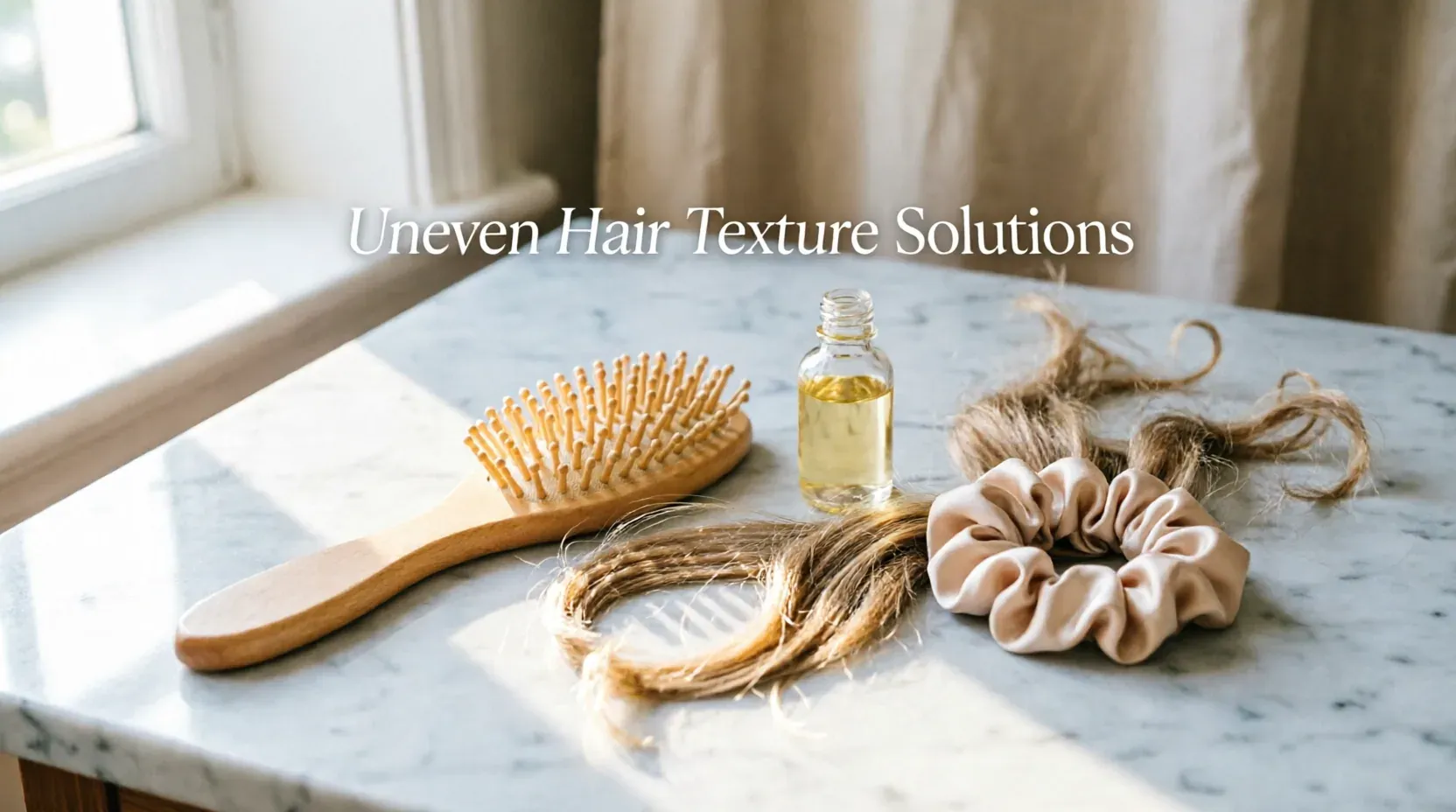
Oils: Argan, jojoba, or coconut oil for moisture and shine (apply to ends, not scalp if oily)
Protect Hair While Sleeping
Nighttime care becomes more important:
- Use silk or satin pillowcase to reduce friction
- Loose braid or bun to prevent tangles
- Apply overnight serum or oil to ends
- Consider silk/satin bonnet for curly hair
Featured Snippet: Adapt hair care after 30: reassess products for new texture (sulfate-free for dryness, volumizing for fine hair); adjust washing frequency; lower heat styling temperature and frequency; incorporate deep conditioning, protein treatments, and scalp care; protect hair while sleeping with silk pillowcase. Match routine to your hair's current needs, not past preferences.
Nutritional Support for Healthy Hair After 30
Supporting hair from within becomes increasingly important after 30:
Key Nutrients for Hair Health
Protein:
- Aim for 0.8-1g per kg of body weight daily
- Sources: Lean meats, fish, eggs, legumes, Greek yogurt, tofu
- Hair is 90% keratin (protein); inadequate intake shows in texture
Iron:
- Essential for hair growth cycle
- Sources: Red meat, spinach, lentils, fortified cereals
- Pair with vitamin C for better absorption
- Get levels tested; supplement if deficient
Omega-3 Fatty Acids:
- Support scalp health and hair shine
- Sources: Fatty fish, flaxseeds, chia seeds, walnuts
- Consider supplement if intake is low
Biotin and B Vitamins:
- Support keratin production
- Sources: Eggs, almonds, whole grains, avocados
- Biotin supplements popular but evidence mixed; food sources preferred
Vitamin D:
- Supports follicle cycling
- Sources: Sunlight, fatty fish, fortified foods
- Many women are deficient; consider testing and supplementation
Zinc:
- Regulates oil glands and protein synthesis
- Sources: Oysters, beef, pumpkin seeds, chickpeas
- Deficiency causes hair loss and texture changes
Collagen:
- Provides amino acids for hair structure
- Sources: Bone broth, collagen peptides
- Emerging research shows promise for hair thickness
Hydration Matters
Dehydrated body = dehydrated hair:
- Aim for 8-10 glasses of water daily
- Limit dehydrating beverages (excess caffeine, alcohol)
- Eat water-rich foods (cucumber, watermelon, celery)
Foods to Limit
- High-sugar foods: Promote inflammation and glycation (damages collagen)
- Highly processed foods: Lack nutrients hair needs
- Excessive alcohol: Dehydrates and depletes nutrients
Featured Snippet: Support hair nutritionally after 30: adequate protein (0.8-1g/kg), iron (get tested), omega-3s (fatty fish, flaxseeds), B vitamins, vitamin D (many deficient), zinc, and collagen. Stay hydrated (8-10 glasses water); limit sugar, processed foods, and excess alcohol. Nutrition from within is foundational to hair health.
When to Seek Professional Help
While texture changes are normal, certain signs warrant professional evaluation:
See a Dermatologist If:
- Sudden, dramatic texture changes occur
- You experience significant hair loss or thinning
- Scalp is itchy, painful, or has visible inflammation
- Texture changes are accompanied by other symptoms (fatigue, weight changes, irregular periods)
- Over-the-counter products aren't helping after 3-6 months
Medical Tests to Consider:
- Thyroid panel: TSH, T3, T4 to rule out thyroid dysfunction
- Iron studies: Ferritin, iron, TIBC to check for deficiency
- Vitamin D level: Common deficiency affecting hair
- Hormone panel: If symptoms suggest imbalance (testosterone, DHEA-S, estrogen)
- Complete blood count: Rules out anemia and other conditions
Treatment Options Professionals May Recommend:
- Topical minoxidil: FDA-approved for hair thinning
- Prescription medications: For hormonal imbalances or thyroid issues
- Platelet-rich plasma (PRP): Injection therapy to stimulate growth
- Low-level laser therapy: Devices to promote follicle health
- Professional treatments: Keratin treatments, bonding treatments for texture management
Featured Snippet: See a dermatologist for: sudden dramatic changes, significant loss/thinning, scalp symptoms, texture changes with other symptoms, or no improvement after 3-6 months. Tests may include thyroid panel, iron studies, vitamin D, hormone panel. Treatments range from minoxidil to PRP therapy. Professional evaluation rules out underlying conditions.
Embracing Change: Mindset Matters
Beyond products and treatments, your relationship with your changing hair affects your overall well-being:
Let Go of "Before" Comparisons
Your hair in your 20s served you well. Your hair in your 30s and beyond is different—and that's okay. Fighting against natural changes creates frustration. Working with your current texture brings peace and better results.
Focus on Health Over Perfection
Healthy hair at 35 looks different than healthy hair at 25. Prioritize:
- Strength over length
- Shine and manageability over exact curl pattern
- Overall health over matching old photos
Experiment with New Styles
Texture changes can be an opportunity:
- New wave pattern? Try styles that enhance it
- Finer hair? Explore cuts that add volume
- Coarser texture? Embrace styles that work with natural texture
A skilled stylist can help you find flattering styles for your current hair.
Practice Patience
Hair changes happen gradually, and improvements take time:
- It takes 3-6 months to see results from nutritional changes
- New products need 4-8 weeks to show effects
- Hair grows about 1/2 inch per month
Consistency and patience yield better results than constantly switching approaches.
Featured Snippet: Embrace hair texture changes with healthy mindset: let go of "before" comparisons; focus on health over perfection; experiment with new styles that work with current texture; practice patience (3-6 months for nutritional changes, 4-8 weeks for products). Your hair's evolution is natural—work with it, not against it.
Frequently Asked Questions (FAQs)
Can I prevent hair texture changes after 30?
Completely preventing changes isn't possible—they're largely driven by hormonal and biological shifts. However, you can minimize severity through: optimal nutrition, stress management, gentle hair care, limiting chemical/heat damage, and addressing health issues promptly. Prevention focuses on supporting overall hair health.
Will my hair go back to its old texture if I fix my diet or hormones?
Partially, sometimes. If texture changes stem from nutritional deficiencies or thyroid issues, correcting these may restore some previous texture. However, age-related hormonal shifts and follicular changes are often permanent. Focus on optimizing current hair health rather than restoring past texture.
How long does it take to see improvement after changing my routine?
Patience is essential: reduced shedding may show in 2-3 months; improved shine and manageability in 4-8 weeks; structural changes from nutrition in 3-6 months; new growth reflecting changes takes 6-12 months. Hair grows slowly, so consistent care over time yields best results.
Should I cut my hair short if texture changes make it unmanageable?
Not necessarily. While shorter hair can be easier to manage, many texture changes can be addressed with proper products and techniques. Consult a stylist experienced with mature hair before making dramatic cuts. Sometimes strategic layers or different styling approaches solve manageability issues without sacrificing length.
Are supplements necessary for hair health after 30?
Supplements can help if you have deficiencies, but food sources are preferred. Get tested before supplementing, especially with iron, vitamin D, or B12. A high-quality multivitamin may provide insurance, but targeted supplementation based on test results is more effective than random supplement use.
Can stress cause permanent texture changes?
Chronic stress can trigger shedding (telogen effluvium) and exacerbate texture changes, but these are often reversible once stress is managed. However, prolonged severe stress can accelerate age-related changes. Stress management is crucial for hair health at any age.
Conclusion: Working With Your Strands, Not Against Them
Hair texture changes after 30 aren't a flaw to fix—they're a natural evolution reflecting your body's wisdom. Understanding the science behind these changes transforms frustration into empowerment. You're not doing anything wrong; your hair is simply responding to the complex interplay of hormones, nutrition, aging, and environment.
The key isn't fighting these changes but adapting with knowledge and compassion. Nourish your body with quality nutrition. Simplify and optimize your hair care routine. Manage stress. Seek professional help when needed. And perhaps most importantly, practice patience and self-acceptance.
Your hair has carried you through three decades of life. It's changed, yes—but it's also grown stronger, wiser, and more uniquely yours. Honor that journey. Work with your strands, celebrate their evolution, and trust that healthy hair at any age is beautiful hair.
The science is clear: texture changes are normal, manageable, and often temporary. With the right approach, you can maintain vibrant, healthy hair that reflects not just your age, but your vitality, wisdom, and self-care.
📖 আরও পড়ুন: Hair Care
- 🔗 চুলের আগা ফাটা রোধের কার্যকরী উপায়: লম্বা ও স্বাস্থ্যোজ্জ্বল চুলের কমপ্লিট গাইড
- 🔗 চুলের যত্নে ১০টি মারাত্মক ভুল: ২০২৬ সালের সম্পূর্ণ গাইড
- 🔗 Humidity-Proof Hair: Stop Frizz in Rainy Season
- 🔗 Heatless Hair Styling: Ultimate Guide to Damage-Free Locks
- 🔗 ফ্রিজি চুলের সমাধান: মসৃণ ও উজ্জ্বল চুলের পূর্ণাঙ্গ গাইড