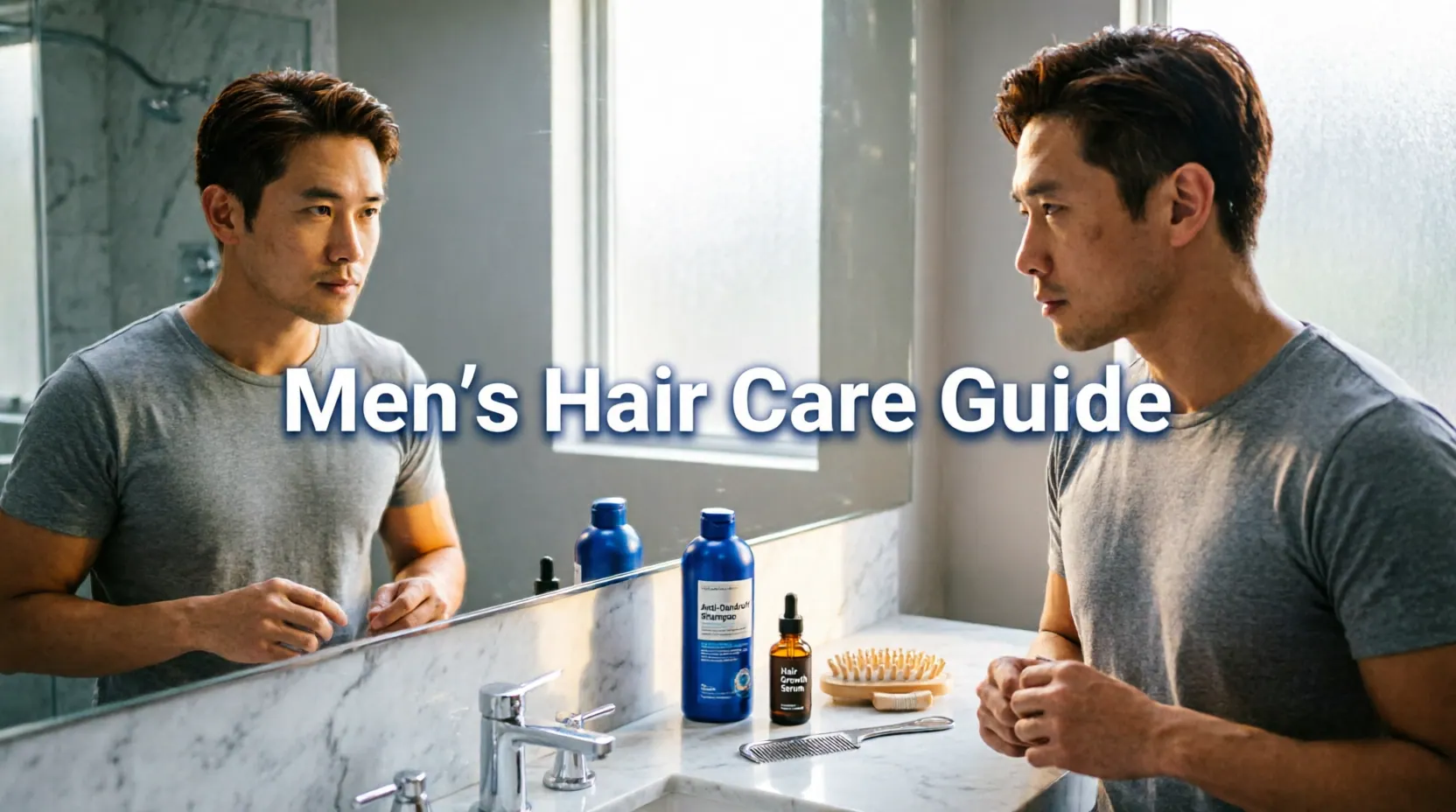
Why Men's Hair Care Matters More Than Ever
Let's be honest: for decades, hair care was marketed almost exclusively to women. Men were told to grab a bar of soap, lather up, and call it a day. But times have changed—and so has our understanding of what healthy hair really requires. Today's modern man knows that taking care of his hair isn't about vanity; it's about health, confidence, and self-respect.
Two concerns dominate men's hair health conversations: thinning hair and dandruff. Both are incredibly common—male pattern baldness affects roughly 50% of men by age 50, while dandruff impacts up to 50% of the global population at any given time. The good news? Both conditions are manageable, and in many cases, preventable, with the right knowledge and consistent routine.
This guide is designed for the modern man who wants simple, effective strategies to keep his hair thick, healthy, and flake-free. No complicated 10-step routines, no confusing jargon, no products you'll never actually use. Just science-backed advice you can implement today.
What you'll learn in this guide:
- The real causes of male hair thinning and dandruff
- A simple, sustainable daily hair care routine
- Key ingredients that actually work (and which to avoid)
- Lifestyle factors that impact hair health
- When to see a professional—and what treatments exist
- Product recommendations for every budget
Understanding Male Hair Thinning: It's Not Just Genetics
When men notice their hair thinning, the immediate assumption is often "it's just genetics." While male pattern baldness (androgenetic alopecia) is indeed hereditary and hormone-driven, it's rarely the only factor at play. Understanding the full picture helps you take proactive steps, even if you're genetically predisposed.
The Role of DHT in Hair Loss
Dihydrotestosterone (DHT) is a hormone derived from testosterone. In men genetically susceptible to hair loss, DHT binds to receptors in hair follicles, causing them to shrink over time—a process called miniaturization. Eventually, affected follicles produce thinner, shorter hairs until they stop producing visible hair altogether.
Key fact: DHT-related hair loss typically follows a predictable pattern: receding hairline at the temples and thinning at the crown. If you notice this pattern, early intervention offers the best chance of slowing progression.
Other Contributing Factors
Even if genetics load the gun, lifestyle often pulls the trigger. These factors can accelerate thinning or trigger temporary shedding:
- Chronic stress: Elevates cortisol, which can push hair follicles into a resting phase, leading to increased shedding (telogen effluvium).
- Poor nutrition: Deficiencies in iron, zinc, biotin, vitamin D, and protein directly impact hair growth cycles.
- Scalp inflammation: Conditions like seborrheic dermatitis (dandruff) or psoriasis create an unhealthy environment for follicles.
- Harsh styling habits: Tight hairstyles, excessive heat, and aggressive brushing cause traction alopecia and breakage.
- Smoking and excessive alcohol: Both reduce blood flow to follicles and increase oxidative stress.
Temporary vs. Permanent Hair Loss
Not all shedding is permanent. Telogen effluvium—triggered by illness, surgery, extreme stress, or rapid weight loss—causes increased shedding but typically resolves within 6-9 months once the trigger is addressed. Recognizing the difference helps you respond appropriately: temporary shedding requires patience and support; permanent thinning benefits from early, consistent intervention.
Dandruff Demystified: More Than Just Dry Skin
Dandruff is one of the most misunderstood scalp conditions. Contrary to popular belief, it's rarely caused by dry skin. In most cases, dandruff is a mild form of seborrheic dermatitis—an inflammatory condition driven by an overgrowth of Malassezia, a yeast that naturally lives on everyone's scalp.
What Actually Causes Dandruff?
Malassezia overgrowth: This yeast feeds on scalp oils (sebum). When it proliferates, it produces oleic acid, which irritates the scalp and triggers increased skin cell turnover. The result? Flakes, itching, and sometimes redness.
Contributing factors:
- Oily scalp (more food for Malassezia)
- Stress and hormonal fluctuations
- Cold, dry weather (paradoxically worsens seborrheic dermatitis)
- Infrequent shampooing (allows oil and yeast to build up)
- Sensitivity to haircare products (contact dermatitis)
Dandruff vs. Dry Scalp: Know the Difference
Treating the wrong condition makes symptoms worse. Here's how to tell them apart:
Dandruff (seborrheic dermatitis):
- Flakes are larger, yellowish, and oily
- Scalp may feel itchy, greasy, or slightly red
- Often accompanied by flaking in eyebrows, behind ears, or on chest
Dry scalp:
- Flakes are smaller, white, and dry
- Scalp feels tight, itchy, and possibly irritated
- Often worsens in winter or with over-washing
Quick test: If moisturizing your scalp makes flakes worse, you likely have dandruff, not dryness.
The Modern Man's Simple Hair Care Routine
Effective hair care doesn't require a bathroom full of products. A streamlined routine focused on consistency and the right ingredients delivers better results than an elaborate regimen you won't maintain.
Step 1: Choose the Right Shampoo
Your shampoo is the foundation of scalp health. Select based on your primary concern:
For dandruff control: Look for active ingredients proven to combat Malassezia:
- Zinc pyrithione (1-2%): Antifungal and antibacterial; gentle enough for daily use
- Ketoconazole (1% OTC, 2% prescription): Potent antifungal; use 2-3x weekly
- Selenium sulfide (1%): Reduces yeast and slows skin cell turnover
- Salicylic acid: Exfoliates flakes; best paired with a moisturizing conditioner
- Coal tar: Slows cell turnover; effective but can stain light hair and increase sun sensitivity
For thinning hair: While shampoo alone won't regrow hair, certain ingredients support a healthy follicle environment:
- Caffeine: May stimulate follicles and extend growth phase
- Ketoconazole: Has mild anti-androgenic effects that may complement other treatments
- Saw palmetto: Plant extract that may inhibit DHT (evidence is mixed but promising)
For general maintenance: If you don't have specific concerns, choose a gentle, sulfate-free formula with a pH of 4.5-5.5 to support your scalp's natural barrier.
How to shampoo properly:
- Wet hair thoroughly with warm (not hot) water
- Apply a quarter-sized amount to your palms, lather, then massage into scalp—not just hair
- Use fingertips (not nails) to gently scrub in circular motions for 60 seconds
- Rinse completely; residue can irritate scalp and weigh hair down
- For dandruff shampoos: leave lather on scalp for 3-5 minutes before rinsing to allow actives to work
Frequency: Most men benefit from washing every 1-2 days. Oily scalps or dandruff may require daily washing; dry or curly hair may do well with every-other-day. Listen to your scalp—if it feels tight or itchy after washing, you may be overdoing it.
Step 2: Condition Strategically
Conditioner isn't just for long hair. Even short styles benefit from hydration and detangling—but application matters.
Where to apply: Focus conditioner on mid-lengths and ends. Avoid the scalp if you have oily hair or dandruff, as heavy formulas can trap oil and worsen flaking.
What to look for:
- Lightweight, silicone-free formulas for fine or oily hair
- Ingredients like panthenol, glycerin, or argan oil for hydration without buildup
- If you have dandruff, choose a conditioner labeled "non-comedogenic" or "scalp-friendly"
Pro tip: If your scalp is very dry or flaky, consider a scalp-specific treatment (like a light oil or serum) instead of applying traditional conditioner to roots.
Step 3: Targeted Treatments (When Needed)
For men actively addressing thinning or persistent dandruff, adding a targeted treatment can significantly boost results.
For hair thinning:
- Minoxidil (2-5%): The only OTC ingredient FDA-approved to regrow hair. Works by prolonging the growth phase and increasing follicle size. Apply 1mL twice daily to affected areas. Results take 4-6 months; continued use is required to maintain benefits.
- Prescription options: Finasteride (oral) and dutasteride inhibit DHT production. Highly effective for male pattern baldness but require a doctor's prescription and discussion of potential side effects.
For stubborn dandruff:
- Prescription-strength ketoconazole (2%) or ciclopirox: More potent than OTC versions; typically used 2-3x weekly for 2-4 weeks, then as maintenance.
- Scalp serums with niacinamide or zinc: Help calm inflammation and regulate oil production between washes.
Application tip: Apply treatments to a clean, dry scalp. For minoxidil, wait 4 hours before washing or sweating heavily to ensure absorption.
Step 4: Gentle Styling and Maintenance
How you handle your hair daily impacts its long-term health.
Drying: Pat hair dry with a soft towel or microfiber cloth. Avoid vigorous rubbing, which causes friction and breakage.
Brushing/combing: Use a wide-tooth comb on wet hair to prevent snapping. For dry styling, a boar-bristle brush helps distribute natural oils from scalp to ends.
Heat styling: Minimize blow-drying, straightening, or curling. When you do use heat, apply a heat-protectant spray and use the lowest effective temperature.
Product buildup: Styling products like pomades, waxes, and dry shampoos can accumulate on the scalp, trapping oil and yeast. Clarify with a gentle exfoliating shampoo once weekly if you use heavy products regularly.
Key Ingredients: What Works and What to Avoid
Navigating haircare labels can feel overwhelming. Focus on these evidence-backed ingredients—and skip the marketing hype.
Proven Ingredients for Hair Thinning
Minoxidil: As mentioned, the gold standard OTC treatment. Works for both men and women; most effective on crown thinning.
Caffeine: Topical caffeine may counteract DHT's effects on follicles and stimulate growth. Look for leave-in serums or shampoos with 0.2-1% caffeine.
Niacinamide (Vitamin B3): Improves scalp circulation and strengthens the skin barrier. Found in many scalp serums and gentle shampoos.
Peptides: Short chains of amino acids that may signal follicles to stay in growth phase. Often combined with other actives in premium serums.
Proven Ingredients for Dandruff
Zinc pyrithione: The most versatile OTC option—effective, gentle, and affordable.
Ketoconazole: More potent antifungal; ideal for moderate to severe dandruff or seborrheic dermatitis.
Salicylic acid: Excellent for removing thick, stubborn flakes; follow with a moisturizing conditioner to prevent dryness.
Tea tree oil (5%+): Natural antifungal with soothing properties. Can be irritating for sensitive scalps—patch test first.
Ingredients to Approach Cautiously
Sulfates (SLS/SLES): Effective cleansers but can strip natural oils and irritate sensitive scalps. If you have dryness or dandruff, opt for sulfate-free formulas.
Heavy silicones (dimethicone, amodimethicone): Create a smooth feel but can build up on scalp, trapping oil and yeast. Fine for hair shafts; avoid applying directly to roots if prone to flaking.
Fragrance: A common irritant. If your scalp is sensitive or inflamed, choose fragrance-free products.
"Natural" doesn't always mean better: Essential oils, botanical extracts, and DIY remedies can be potent irritants. Evidence matters more than marketing claims.
Lifestyle Factors That Impact Hair Health
Your hair reflects your overall health. These daily habits significantly influence thinning and dandruff—often more than products alone.
Nutrition: Feed Your Follicles
Hair is primarily protein, and its growth cycle depends on adequate nutrients. Prioritize:
- Protein: Aim for 0.8-1g per pound of body weight daily from lean meats, fish, eggs, legumes, or Greek yogurt.
- Iron: Low iron (even without anemia) is linked to hair shedding. Get levels checked if you're experiencing unexplained thinning.
- Zinc: Supports follicle function and immune health. Found in oysters, beef, pumpkin seeds, and lentils.
- Vitamin D: Low levels correlate with alopecia. Get sunlight safely or consider supplementation after testing.
- Omega-3 fatty acids: Reduce scalp inflammation. Sources: fatty fish, flaxseed, walnuts, chia seeds.
Limit: Excess sugar and refined carbs, which can increase inflammation and oil production.
Stress Management: Protect Your Growth Cycle
Chronic stress elevates cortisol, which can push hair follicles into a resting phase, leading to increased shedding 2-3 months later. While you can't eliminate stress, you can mitigate its impact:
- Prioritize 7-9 hours of quality sleep (hair repair peaks during deep sleep)
- Practice daily stress-reduction: deep breathing, meditation, or even 10 minutes of walking
- Stay physically active—exercise improves circulation to follicles and reduces stress hormones
Scalp Hygiene: Keep the Foundation Healthy
A clean, balanced scalp is the best environment for healthy hair growth.
Wash regularly: Don't skip shampooing out of fear of "stripping" hair. An oily, unwashed scalp feeds Malassezia and worsens dandruff.
Avoid sharing: Combs, hats, and towels can transfer yeast and bacteria.
Protect from sun: Scalp sunburn damages follicles and accelerates aging. Wear a hat or use a scalp-specific SPF if you have thinning hair.
When to See a Professional
While many hair concerns can be managed at home, certain signs warrant a dermatologist's evaluation.
See a doctor if:
- You notice sudden, patchy hair loss (could indicate alopecia areata or other conditions)
- Dandruff is severe, painful, or doesn't improve after 4 weeks of consistent OTC treatment
- Your scalp is red, swollen, oozing, or has crusty patches
- You're experiencing hair loss before age 30 and want to discuss preventive strategies
- Over-the-counter minoxidil hasn't shown results after 6 months of consistent use
What to expect: A dermatologist can diagnose the specific cause of your hair loss or scalp condition, rule out underlying health issues (like thyroid disorders or autoimmune conditions), and prescribe stronger treatments if needed. They may also discuss advanced options like platelet-rich plasma (PRP) therapy, low-level laser therapy, or hair transplantation for appropriate candidates.
Product Recommendations for Every Budget
You don't need to spend a fortune for effective hair care. Here are trusted options across price points.
Budget-Friendly ($5-$15)
- Shampoo: Head & Shoulders Classic Clean (zinc pyrithione), Neutrogena T/Sal (salicylic acid), OGX Tea Tree Mint
- Treatment: Rogaine Men's 5% Minoxidil Foam (often on sale), The Ordinary Multi-Peptide Serum for Hair Density
- Conditioner: Dove Men+Care Clean Comfort, Suave Professionals Keratin Infusion
- Scalp care: The Inkey List Salicylic Acid Exfoliating Scalp Treatment
Mid-Range ($15-$40)
- Shampoo: Nizoral A-D (1% ketoconazole), Paul Mitchell Tea Tree Special, Briogeo Scalp Revival Charcoal + Coconut Oil
- Treatment: Keeps Minoxidil + Finasteride bundle (subscription), Vegamour GRO Hair Serum
- Conditioner: Jack Black True Volume Thickening Conditioner, Redken Brews Daily Shampoo + Conditioner Duo
- Scalp care: Philip B Anti-Flake II Relief Shampoo, Malin+Goetz Sage Scalp Serum
Investment ($40+)
- Shampoo: Kérastase Specifique Bain Prevention, Oribe Serene Scalp Anti-Dandruff Shampoo
- Treatment: Prescription finasteride via Hims/Keeps, custom-compounded topical solutions
- Scalp care: Dr. Barbara Sturm Scalp Serum, Grow Gorgeous Hair Density Serum Intense
Where to buy: Drugstores, Amazon, brand websites, and men's grooming retailers like Hims, Keeps, or BluMaan.
Common Mistakes Men Make with Hair Care
Avoid these pitfalls to maximize your results and prevent setbacks.
Mistake 1: Using the Wrong Shampoo for Your Concern
The problem: Using a moisturizing shampoo when you have dandruff feeds the yeast; using a harsh anti-dandruff shampoo when you have dry scalp worsens flaking.
The fix: Identify your primary concern first (oiliness, flakes, thinning), then choose a targeted formula. Rotate shampoos if you have multiple concerns.
Mistake 2: Expecting Overnight Results
The problem: Hair growth cycles are slow. Minoxidil takes 4-6 months to show visible results; dandruff treatments may take 2-4 weeks of consistent use.
The fix: Commit to a routine for at least 8-12 weeks before evaluating effectiveness. Take monthly photos to track subtle progress.
Mistake 3: Over-Washing or Under-Washing
The problem: Washing too frequently can strip protective oils; washing too infrequently allows buildup that worsens dandruff and clogs follicles.
The fix: Start with every-other-day washing and adjust based on how your scalp feels. If it's oily or itchy by day two, wash daily. If it feels tight or dry, space out washes.
Mistake 4: Ignoring the Scalp
The problem: Focusing only on hair strands while neglecting scalp health is like fertilizing leaves while ignoring roots.
The fix: Massage shampoo into your scalp for a full minute. Consider a weekly scalp scrub or treatment serum to maintain a healthy foundation.
Mistake 5: Giving Up Too Soon
The problem: Inconsistent use of treatments like minoxidil leads to no results, which reinforces the belief that "nothing works."
The fix: Set reminders for application. Pair treatments with existing habits (e.g., apply minoxidil after brushing teeth). Remember: maintenance is lifelong for genetic hair loss.
Frequently Asked Questions
Can dandruff cause hair loss?
Dandruff itself doesn't directly cause permanent hair loss. However, severe, untreated seborrheic dermatitis can lead to inflammation that temporarily weakens follicles and increases shedding. Additionally, intense scratching can damage follicles and cause traction alopecia. The good news: treating the dandruff typically resolves the associated shedding.
Will shaving my head stop hair loss?
Shaving doesn't stop the underlying process of male pattern baldness—it simply removes the visible evidence. If you're genetically predisposed to thinning, follicles will continue to miniaturize regardless of hair length. That said, shaving can be a confident, low-maintenance choice that eliminates styling concerns and makes topical treatments easier to apply.
How long does it take to see results from minoxidil?
Most men notice reduced shedding after 2-3 months of consistent twice-daily use. Visible regrowth typically appears around 4-6 months, with optimal results at 12 months. Important: initial shedding (weeks 2-8) is common and actually signals that the treatment is working—don't stop during this phase.
Can I use dandruff shampoo every day?
Yes, zinc pyrithione shampoos (like Head & Shoulders) are gentle enough for daily use. Stronger actives like ketoconazole or selenium sulfide are typically recommended 2-3 times weekly to avoid over-drying. If daily use causes irritation, alternate with a gentle, sulfate-free shampoo.
Are natural remedies like apple cider vinegar effective for dandruff?
Apple cider vinegar's acidity may help restore scalp pH and loosen flakes, but evidence for its antifungal effects is limited. It can also irritate sensitive scalps. If you want to try it, dilute 1 part vinegar with 3 parts water, apply after shampooing, leave for 2-3 minutes, then rinse thoroughly. Discontinue if irritation occurs. For reliable results, proven actives like zinc pyrithione or ketoconazole are more effective.
Does wearing hats cause hair loss?
No, wearing hats does not cause male pattern baldness. However, a very tight hat worn constantly could theoretically contribute to traction alopecia (hair loss from pulling), and a dirty hat could transfer yeast or bacteria to the scalp. Solution: choose well-fitting hats, wash them regularly, and maintain good scalp hygiene.
Conclusion: Consistency Is Your Greatest Asset
Taking care of your hair as a modern man isn't about following complicated routines or buying every new product that hits the market. It's about understanding your scalp, choosing the right tools for your concerns, and showing up consistently—day after day, week after week.
Whether you're proactively preventing thinning, managing dandruff, or simply maintaining healthy hair, the principles are the same: gentle cleansing, targeted treatment when needed, nourishing nutrition, and stress management. Add in patience and realistic expectations, and you've got a formula for long-term success.
Start where you are. If you're currently using a 3-in-1 body wash on your hair, switching to a dedicated shampoo is a powerful first step. If you've been ignoring flakes, adding a zinc pyrithione shampoo twice weekly can bring relief within weeks. If thinning runs in your family, talking to a dermatologist about early intervention could preserve your hair for decades to come.
Your hair is part of your identity, your confidence, and your health. Investing a few minutes each day in its care isn't vanity—it's self-respect. And in a world that demands so much from men, taking time to care for yourself isn't indulgent. It's essential.
Strong hair starts with a healthy scalp. Your routine starts today.
📖 আরও পড়ুন: Hair Care
- 🔗 Hair Product Science: Choose by Type and Texture Guide
- 🔗 ৩০-এর পর চুলের টেক্সচার: হারানো জেল্লা ফিরে পাওয়ার সম্পূর্ণ গাইড
- 🔗 আপনার সাধের চুল কি পানির দোষে নষ্ট হচ্ছে? লোনা বা আয়রনযুক্ত পানির ক্ষতি ও বাঁচার বিজ্ঞানসম্মত উপায়
- 🔗 চুল না পড়লেও উজ্জ্বলতা হারানোর কারণ ও সমাধান
- 🔗 Prevent Split Ends: Essential Hair Care Tips