Introduction: The Invisible Link Between Your Mind and Your Mirror
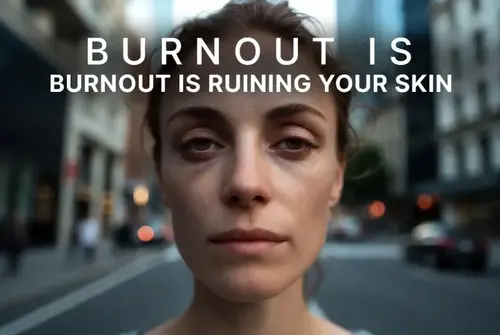
You've been pushing through—meeting deadlines, caring for others, managing endless responsibilities. Then you notice it: your skin looks different. Duller. More sensitive. Breakouts appearing in places they never have before. You might blame your skincare routine, your diet, or the weather. But what if the real culprit isn't external at all? What if it's the emotional burnout you've been carrying silently?
Emotional burnout—a state of chronic physical and emotional exhaustion often accompanied by feelings of cynicism, detachment, and reduced accomplishment—is increasingly common among women navigating modern life. And while burnout's impact on mental health is widely discussed, its effects on skin appearance remain largely unrecognized. Yet the connection is profound, biological, and deeply personal.
When your nervous system is in a prolonged state of stress, your skin bears the consequences. Cortisol surges, inflammation rises, barrier function weakens, and cellular repair slows. The result? A complexion that looks tired, reactive, and aged beyond your years—no matter how diligently you follow your skincare routine.
This comprehensive guide explores the science behind how emotional burnout quietly transforms female skin appearance, identifies the specific changes to watch for, and provides compassionate, evidence-based strategies to protect and restore your skin during challenging times. Because healing your skin starts with honoring your whole self.
What Is Emotional Burnout—and Why Does It Affect Women Differently?
Emotional burnout isn't just feeling tired after a long day. It's a state of chronic depletion that develops when stress overwhelms your capacity to cope, often over months or years. The World Health Organization recognizes burnout as an occupational phenomenon characterized by:
- Energy depletion or exhaustion: Feeling drained even after rest
- Mental distance or cynicism: Feeling detached from work, relationships, or self-care
- Reduced efficacy: Feeling ineffective or unable to accomplish tasks
Why Women Are Particularly Vulnerable
Research shows women experience burnout at higher rates than men, and the reasons are multifaceted:
- Multiple role demands: Many women balance career, caregiving, household management, and social expectations simultaneously
- Emotional labor: Women often carry the invisible load of managing others' emotions and maintaining relational harmony
- Societal pressures: Expectations around appearance, productivity, and "having it all" create unique stressors
- Hormonal sensitivity: Fluctuations in estrogen and progesterone can amplify stress responses and skin reactivity
- Help-seeking barriers: Women may delay addressing burnout due to guilt, stigma, or prioritizing others' needs
The Mind-Skin Connection: A Biological Reality
Your skin isn't just a passive covering—it's an active organ deeply connected to your nervous, endocrine, and immune systems. This network, sometimes called the "brain-skin axis," means emotional states directly influence skin biology through:
- Neurotransmitters (like substance P) that trigger inflammation
- Hormones (like cortisol) that alter oil production and barrier function
- Immune cells that respond to psychological stress with inflammatory signals
When burnout keeps your stress response activated, these pathways remain "on," creating visible changes in your skin's appearance and behavior.
Featured Snippet: Emotional burnout is chronic exhaustion with mental detachment and reduced efficacy. Women face higher burnout risk due to multiple role demands, emotional labor, societal pressures, hormonal sensitivity, and help-seeking barriers. The brain-skin axis means emotional stress directly triggers biological changes that alter skin appearance.
The Science: How Burnout Biologically Transforms Skin
Understanding the mechanisms behind burnout's skin effects empowers you to intervene strategically. Here's what happens inside your body when emotional exhaustion becomes chronic.
1. Cortisol Surge: The Stress Hormone That Reshapes Skin
When you're in burnout, your hypothalamic-pituitary-adrenal (HPA) axis remains activated, keeping cortisol levels elevated. Chronically high cortisol affects skin through multiple pathways:
- Breaks down collagen: Cortisol increases matrix metalloproteinases (MMPs), enzymes that degrade collagen and elastin, leading to loss of firmness and fine lines
- Impairs barrier function: Reduces production of ceramides and other lipids essential for moisture retention, causing dryness and sensitivity
- Stimulates oil production: Activates sebaceous glands, potentially triggering breakouts along the jawline and chin
- Suppresses immune function: Makes skin more vulnerable to infections and slower to heal from irritation or injury
- Disrupts circadian rhythm: Interferes with overnight skin repair processes
2. Inflammation Amplification
Burnout doesn't just elevate cortisol—it dysregulates your entire inflammatory response. Chronic psychological stress increases pro-inflammatory cytokines like IL-1, IL-6, and TNF-alpha, which:
- Trigger redness, flushing, and conditions like rosacea
- Worsen inflammatory skin conditions like eczema, psoriasis, and acne
- Accelerate cellular aging through oxidative stress
- Impair wound healing and increase post-inflammatory hyperpigmentation
3. Skin Barrier Compromise
Your skin barrier (stratum corneum) relies on a delicate balance of lipids, proteins, and natural moisturizing factors. Burnout disrupts this balance by:
- Reducing ceramide synthesis, weakening the "mortar" between skin cells
- Increasing transepidermal water loss (TEWL), leading to dehydration
- Altering skin pH, which affects microbiome health and enzyme function
- Making skin more permeable to irritants and allergens
Result: Skin feels tight, reactive, and uncomfortable—even with gentle products.
4. Microbiome Disruption
Your skin hosts trillions of beneficial bacteria that protect against pathogens and support barrier function. Stress-induced changes in sebum composition, pH, and immunity can disrupt this ecosystem, leading to:
- Increased sensitivity and reactivity
- Breakouts or fungal acne from microbial imbalance
- Slower recovery from irritation
5. Sleep Disruption and Cellular Repair
Burnout often coexists with poor sleep quality. Since skin cell renewal, collagen synthesis, and antioxidant repair peak during deep sleep, sleep disruption means:
- Duller complexion from accumulated dead cells
- More visible fine lines from impaired collagen production
- Dark circles and puffiness from poor circulation
- Slower healing of blemishes or irritation
Featured Snippet: Burnout affects skin biologically through: elevated cortisol (breaks down collagen, impairs barrier, increases oil), amplified inflammation (redness, breakouts, slower healing), compromised barrier (dryness, sensitivity), microbiome disruption (reactivity, imbalance), and sleep disruption (dullness, fine lines). These changes create visible skin transformations.
Visible Skin Changes: How Burnout Shows Up on Your Face
While everyone's experience is unique, certain skin changes commonly signal that emotional burnout is affecting your complexion.
Dullness and Loss of Radiance
What you notice: Skin looks tired, flat, or "gray" even with adequate sleep and skincare.
Why it happens: Slower cell turnover leaves dead cells on the surface; reduced microcirculation limits oxygen delivery; cortisol-induced dehydration diminishes light reflection.
Key areas: Entire face, especially cheeks and forehead.
Increased Sensitivity and Reactivity
What you notice: Products that never caused issues now sting, burn, or trigger redness. Skin feels uncomfortable in wind, temperature changes, or after cleansing.
Why it happens: Barrier compromise allows irritants to penetrate more easily; inflammation lowers the threshold for reactivity.
Key areas: Cheeks, around eyes, jawline.
Breakouts in New Patterns
What you notice: Cysts or inflammatory acne appearing along the jawline, chin, or neck—areas associated with hormonal stress responses.
Why it happens: Cortisol stimulates oil production; inflammation creates an environment where acne-causing bacteria thrive; impaired healing prolongs breakouts.
Key distinction: Stress-related breakouts often resist typical acne treatments because the root cause is internal, not just topical.
Premature Aging Signs
What you notice: Fine lines appear more pronounced; skin loses subtle plumpness; texture feels less smooth.
Why it happens: Cortisol breaks down collagen; oxidative stress from inflammation damages cellular structures; dehydration emphasizes surface irregularities.
Important note: These are often "stress lines" that can improve with burnout recovery, unlike deep wrinkles from photoaging.
Slow Healing and Persistent Marks
What you notice: Blemishes, cuts, or irritation take longer to heal; post-acne marks linger for months.
Why it happens: Cortisol suppresses immune responses needed for repair; inflammation prolongs the healing cascade; impaired barrier function delays recovery.
The Burnout-Skin Cycle: A Vicious Loop
Perhaps the most challenging aspect is how skin changes can worsen burnout:
- Burnout triggers skin changes
- Visible skin concerns cause distress about appearance
- Appearance-related stress elevates cortisol further
- Worsened skin reinforces feelings of exhaustion or inadequacy
Breaking this cycle requires addressing both the emotional and dermatological aspects with compassion.
Featured Snippet: Burnout skin signs include: dullness (slower cell turnover), increased sensitivity (barrier compromise), jawline breakouts (cortisol-driven oil), premature fine lines (collagen breakdown), and slow healing (immune suppression). These changes can create a vicious cycle where skin concerns worsen emotional stress. Recognizing the pattern is the first step to breaking it.
Identifying If Burnout Is Affecting Your Skin
Not every skin change stems from burnout. These questions help you assess whether emotional exhaustion may be playing a role:
Physical and Skin Indicators
- Has your skin become more reactive to products that previously worked well?
- Do you notice breakouts clustering along your jawline or chin during high-stress periods?
- Does your complexion look dull or tired despite consistent skincare and adequate sleep?
- Do fine lines or texture changes seem more pronounced during demanding life phases?
- Does healing from blemishes or irritation take longer than it used to?
Emotional and Lifestyle Clues
- Do you feel emotionally drained most days, even after rest?
- Have you lost interest in activities or self-care routines you once enjoyed?
- Do you feel cynical, detached, or ineffective in key areas of life?
- Is your sleep disrupted (trouble falling asleep, waking frequently, non-restorative rest)?
- Are you relying on caffeine, alcohol, or other substances to cope with daily demands?
A Simple Self-Assessment
Rate these statements on a scale of 1 (never) to 5 (always):
- "I feel emotionally exhausted by my daily responsibilities"
- "My skin feels more sensitive or reactive than usual"
- "I struggle to feel accomplished or effective"
- "My complexion looks dull despite my skincare routine"
- "I feel detached from things I used to care about"
If you score 4 or 5 on three or more items, burnout may be influencing your skin health. Consider discussing these feelings with a healthcare provider or mental health professional.
Featured Snippet: Signs burnout affects your skin: increased product sensitivity, jawline breakouts during stress, persistent dullness, pronounced fine lines during demanding periods, and slow healing. Emotional clues include chronic exhaustion, loss of interest in self-care, sleep disruption, and reliance on coping substances. A simple self-assessment can help identify patterns.
Skincare Strategies During Burnout: Gentle, Effective, Compassionate
When you're emotionally depleted, your skincare routine should support—not stress—your system. These evidence-based strategies prioritize barrier repair, inflammation reduction, and simplicity.
Principle 1: Simplify, Don't Complicate
Why it matters: Burnout reduces decision-making capacity and increases sensitivity. A complex routine adds cognitive load and irritation risk.
How to apply:
- Reduce to 3-5 essential products: gentle cleanser, hydrating serum, barrier-supportive moisturizer, mineral sunscreen
- Pause non-essential actives (strong retinoids, high-percentage acids) until you're more resilient
- Choose multi-tasking products (e.g., moisturizer with SPF, serum with niacinamide + hydration)
Principle 2: Prioritize Barrier Repair
Why it matters: Burnout compromises your skin barrier; restoring it reduces sensitivity and improves resilience.
Key ingredients:
- Ceramides: Replenish the lipids that hold skin cells together
- Niacinamide (4-5%): Strengthens barrier, reduces redness, regulates oil
- Panthenol (Pro-Vitamin B5): Soothes irritation and supports healing
- Squalane: Biocompatible oil that reinforces barrier without clogging pores
- Centella Asiatica (Cica): Calms inflammation and accelerates repair
Application tip: Apply moisturizer to damp skin to maximize hydration retention.
Principle 3: Choose Anti-Inflammatory Actives
Why it matters: Burnout amplifies inflammation; targeted ingredients can calm the response.
Gentle yet effective options:
- Green tea extract (EGCG): Antioxidant that reduces inflammation and oxidative stress
- Allantoin or bisabolol: Soothe redness and irritation without sensitization
- Oat extract: Contains beta-glucan for hydration and anti-inflammatory benefits
- Low-concentration azelaic acid (10%): Reduces inflammation and supports barrier (safe for sensitive skin)
Important: Introduce one new ingredient at a time; patch test behind ear for 48 hours first.
Principle 4: Never Skip Sun Protection
Why it matters: Burnout impairs skin's ability to repair UV damage; sunscreen prevents compounding stress.
Best options for stressed skin:
- Mineral sunscreens (zinc oxide/titanium dioxide) are less irritating than chemical filters
- Tinted formulas with iron oxides protect against visible light, which can worsen pigmentation
- Lightweight, non-comedogenic formulas won't add to congestion concerns
Application reminder: Use 1/4 teaspoon for face and neck; reapply every 2 hours with sun exposure.
Principle 5: Honor Your Energy Limits
Why it matters: Self-care shouldn't become another source of stress.
Practical adaptations:
- Keep products within easy reach to reduce friction
- Use multitasking products (cleansing balms that remove makeup and moisturize)
- Accept that "good enough" skincare is better than no skincare on hard days
- Delegate or simplify other routines to conserve energy for essential self-care
Featured Snippet: Burnout skincare principles: simplify to 3-5 essential products; prioritize barrier repair with ceramides, niacinamide, panthenol; choose anti-inflammatory actives (green tea, centella, oat); never skip mineral SPF 30+; honor energy limits with adaptable routines. Gentle consistency beats complex perfection during emotional exhaustion.
Lifestyle Support: Nurturing Skin From the Inside Out
Topical care addresses symptoms; lifestyle strategies address root causes. These evidence-based practices support both emotional resilience and skin health.
Prioritize Restorative Sleep
Why it matters: Sleep is when skin repairs damage, produces collagen, and regulates inflammation.
Practical strategies:
- Aim for 7-9 hours nightly; consistency matters more than perfection
- Create a wind-down routine: dim lights, no screens 1 hour before bed, gentle stretching
- Keep bedroom cool, dark, and quiet; consider white noise if needed
- Use a silk or satin pillowcase to reduce friction and sleep lines
Practice Micro-Stress Reduction
Why it matters: Even brief stress-reduction practices lower cortisol and inflammation.
Accessible techniques:
- Box breathing: Inhale 4 seconds, hold 4, exhale 4, hold 4—repeat for 2 minutes
- Gratitude journaling: Write 3 things you're thankful for each night
- Nature exposure: 10 minutes outside lowers cortisol and improves mood
- Progressive muscle relaxation: Tense and release muscle groups to release physical tension
Key insight: Consistency matters more than duration. Five minutes daily is more beneficial than one hour weekly.
Nourish with Anti-Inflammatory Nutrition
Why it matters: Food influences inflammation, oxidative stress, and gut-skin axis health.
Focus on:
- Omega-3 fatty acids: Fatty fish, walnuts, flaxseeds—reduce inflammation and support barrier
- Antioxidant-rich produce: Berries, leafy greens, colorful vegetables—combat oxidative stress
- Protein at every meal: Supports collagen synthesis and stable blood sugar
- Hydration: Adequate water intake supports skin plumpness and cellular function
Limit: Excess sugar (promotes glycation), processed foods (inflammatory), and alcohol (disrupts sleep and barrier).
Move Gently, Not Intensely
Why it matters: Moderate movement reduces stress; intense exercise can elevate cortisol when you're already depleted.
Burnout-friendly movement:
- Walking in nature: Lowers cortisol, boosts mood, requires no equipment
- Gentle yoga or stretching: Releases physical tension without adding stress
- Dancing to favorite music: Combines movement, joy, and stress relief
Avoid: High-intensity workouts if you're exhausted; listen to your body's signals.
Cultivate Connection and Compassion
Why it matters: Social support buffers stress; self-compassion reduces shame that worsens burnout.
Practical steps:
- Schedule brief check-ins with supportive friends (even a 10-minute call)
- Practice self-compassion: Talk to yourself as you would a dear friend
- Set boundaries: Protect time for rest without guilt
- Seek professional support: Therapy or counseling can provide tools for burnout recovery
Featured Snippet: Support burnout recovery with lifestyle habits: prioritize 7-9 hours restorative sleep, practice micro-stress reduction (box breathing, gratitude), eat anti-inflammatory foods (omega-3s, antioxidants), move gently (walking, yoga), and cultivate connection. These practices lower cortisol, reduce inflammation, and support skin healing from within.
When to Seek Professional Support
While self-care strategies help many people, professional guidance is essential if:
- Skin symptoms persist or worsen after 8-12 weeks of consistent, gentle care
- You experience severe emotional exhaustion, hopelessness, or thoughts of self-harm
- Burnout significantly impacts your ability to work, care for others, or perform daily tasks
- You suspect underlying conditions (thyroid disorder, clinical depression, anxiety)
- Skin changes include severe redness, pain, oozing, or signs of infection
Who to Consult
- Dermatologist: For persistent skin concerns, prescription treatments, or to rule out medical conditions
- Mental health professional: For burnout, anxiety, depression, or trauma support
- Primary care provider: For comprehensive health assessment and referrals
- Registered dietitian: For personalized nutrition support during recovery
Seeking help isn't a sign of weakness—it's an act of courage and self-respect.
Frequently Asked Questions (FAQs)
Can burnout really change how my skin looks?
Yes. Research confirms that chronic psychological stress elevates cortisol, increases inflammation, and impairs skin barrier function—all of which manifest as visible changes like dullness, sensitivity, breakouts, and premature aging signs. The mind-skin connection is biologically real.
Will my skin return to normal after burnout recovery?
In most cases, yes. Many burnout-related skin changes are reversible with consistent care and stress reduction. Collagen rebuilding takes 3-6 months, so patience is key. Some changes (like deep wrinkles from photoaging) may require additional treatments, but overall texture and radiance often improve significantly.
Should I stop all active skincare during burnout?
Not necessarily—but simplify. Pause strong actives (high-percentage retinoids, acids) if your skin is reactive. Focus on barrier-supportive ingredients (ceramides, niacinamide, panthenol) and gentle hydration. Reintroduce actives gradually once your skin and stress levels stabilize.
Can skincare alone fix burnout-related skin changes?
Topical care helps manage symptoms, but lasting improvement requires addressing the root cause: emotional burnout. Combining gentle skincare with stress reduction, sleep support, and professional help (if needed) yields the best outcomes.
How long before I see skin improvements after addressing burnout?
Initial changes (reduced redness, improved hydration) may appear in 2-4 weeks. More significant texture and radiance improvements typically take 8-12 weeks of consistent care. Collagen remodeling may take 3-6 months. Celebrate small wins along the way.
Is it selfish to prioritize my skin care during burnout?
No. Caring for your skin is an act of self-respect, not vanity. When you honor your needs, you build resilience to care for others sustainably. Self-compassion is foundational to burnout recovery.
Conclusion: Compassion as the Ultimate Skincare Ingredient
Emotional burnout doesn't just exhaust your mind—it reshapes your skin. But understanding this connection isn't meant to add worry; it's meant to empower you with knowledge and compassion. Your skin isn't failing you. It's responding to the demands you've been carrying.
Healing begins not with harsher products or stricter routines, but with gentleness. Simplify your skincare. Prioritize rest. Practice micro-moments of calm. Nourish your body. Seek support when needed. These aren't luxuries—they're essential acts of self-preservation.
Remember: your worth isn't defined by your complexion. This journey isn't about achieving perfection; it's about restoring balance. Some days your skin will feel resilient; other days, it may need extra grace. Both are valid. Both are part of healing.
You've carried so much. It's okay to set down the weight, even for a moment. Your skin—and your whole self—deserve that kindness.
Start where you are. Use what you have. Do what you can. One gentle breath, one nourishing choice, one moment of self-compassion at a time. Your skin will follow.