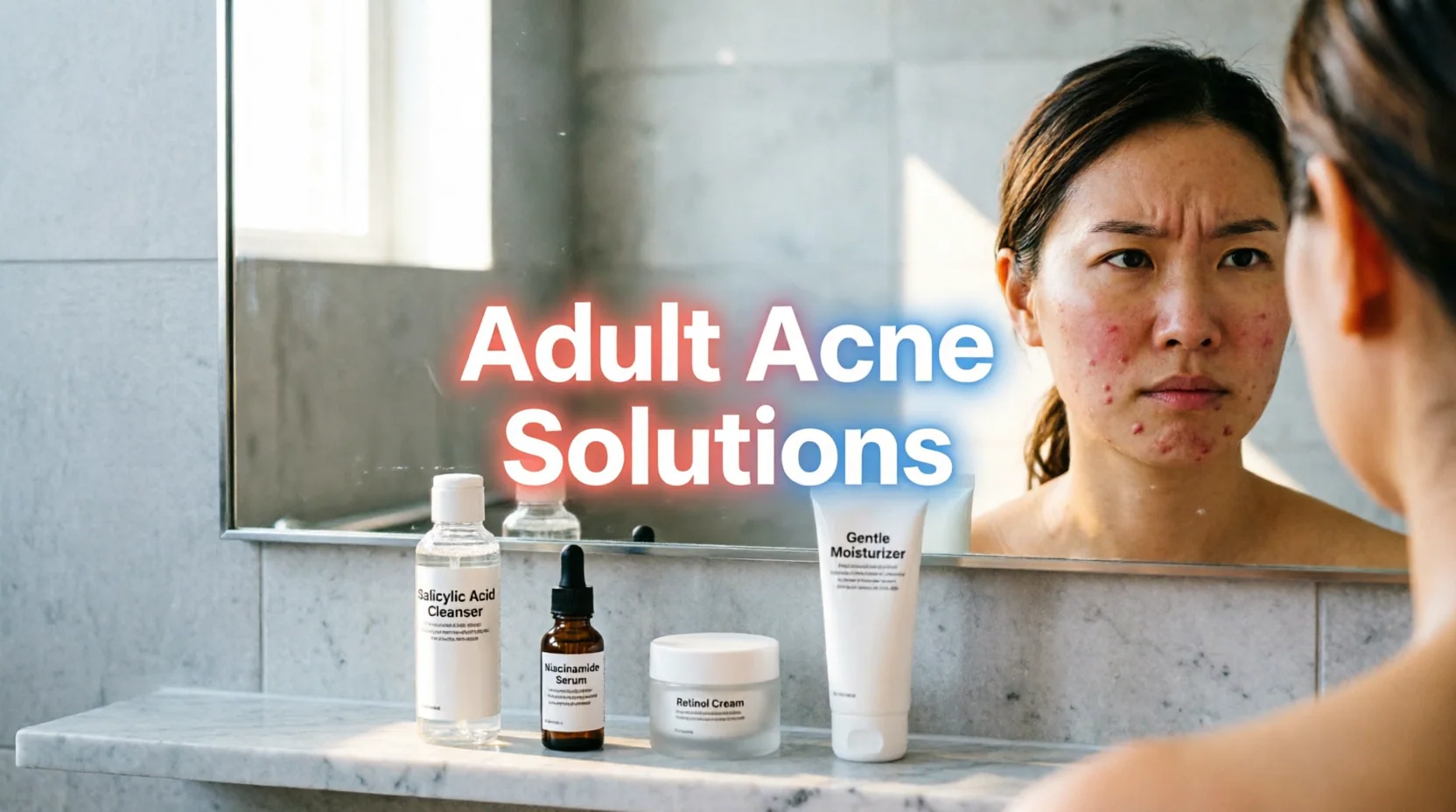
Why Adult Acne Happens: Understanding Breakouts After 25
If you thought acne was a teenage problem you'd outgrow, your 30s might feel like a confusing betrayal. You're eating well, washing your face, maybe even using "anti-aging" products—and yet, stubborn pimples keep appearing along your jawline, chin, or cheeks. You're not alone. Adult acne affects up to 50% of women in their 20s and 30s, and increasingly, men in this age group as well.
Adult acne isn't just "teen acne that didn't go away." It's a distinct condition with unique triggers, patterns, and treatment needs. Understanding why your skin is breaking out now—after years of relative clarity—is the first step toward finding solutions that actually work.
Unlike adolescent acne, which is primarily driven by puberty-related hormone surges, adult acne often stems from a complex interplay of hormonal fluctuations, stress, lifestyle factors, skincare habits, and even the products you're using to prevent aging. The good news? With the right knowledge and targeted approach, adult acne is highly manageable.
This comprehensive guide breaks down the real causes of breakouts at 30+, explains how to identify your specific acne triggers, and provides evidence-based treatments—both at-home and professional—to help you achieve clearer, healthier skin. No judgment, no oversimplified advice, just science-backed strategies you can trust.
What you'll learn in this guide:
- The top causes of adult acne after age 30
- How to identify your acne type and triggers
- A targeted skincare routine for adult acne
- Lifestyle adjustments that reduce breakouts
- When to see a dermatologist—and what treatments work
- Product recommendations for every budget
The Real Causes of Adult Acne: It's Not Just Hormones
While hormones play a major role, adult acne is rarely caused by a single factor. Understanding the full picture helps you address root causes, not just symptoms.
Hormonal Fluctuations: The Primary Culprit
For women, hormonal shifts are the most common trigger for adult acne. Unlike teenage acne (which often appears on the forehead and nose), hormonal acne in your 30s typically clusters along the jawline, chin, and lower cheeks—areas rich in androgen receptors.
Key hormonal triggers:
- Menstrual cycle: Progesterone rises pre-period, increasing oil production and inflammation. Many women notice breakouts 7-10 days before menstruation.
- Perimenopause: Starting in the mid-30s, estrogen levels begin to fluctuate and decline, while androgens remain relatively stable. This imbalance can trigger oiliness and breakouts.
- Polycystic Ovary Syndrome (PCOS): Affects up to 10% of women and often presents with persistent jawline acne, irregular periods, and excess hair growth.
- Birth control changes: Starting, stopping, or switching contraceptives can disrupt hormonal balance and trigger breakouts.
- Pregnancy and postpartum: Dramatic hormone shifts during and after pregnancy commonly cause acne flares.
For men: While less common, adult male acne can be linked to testosterone fluctuations, stress-induced cortisol spikes, or underlying health conditions.
Stress and Cortisol: The Silent Trigger
Chronic stress elevates cortisol, which stimulates sebaceous (oil) glands and increases inflammation. This creates the perfect environment for breakouts. Stress also disrupts sleep and encourages habits like face-touching or poor dietary choices—further worsening acne.
Research in the Journal of Clinical and Aesthetic Dermatology found that adults with acne reported significantly higher stress levels than those with clear skin, and breakout severity correlated with perceived stress.
Skincare and Product-Related Causes
Ironically, the products you use to care for your skin can sometimes cause breakouts:
- Comedogenic ingredients: Heavy oils (coconut oil, cocoa butter), silicones, or waxes can clog pores, especially on mature skin with slower cell turnover.
- Over-exfoliation: Using too many acids or retinoids can damage the skin barrier, leading to irritation, inflammation, and reactive breakouts.
- Inadequate cleansing: Not fully removing sunscreen, makeup, or pollution allows debris to accumulate in pores.
- "Anti-aging" products: Rich creams designed for dry, mature skin may be too heavy for acne-prone complexions.
Lifestyle and Environmental Factors
Diet: While not the primary cause for everyone, high-glycemic foods (sugar, white bread, processed snacks) and dairy can trigger breakouts in susceptible individuals by influencing insulin and IGF-1 levels, which stimulate oil production.
Sleep deprivation: Poor sleep elevates cortisol and impairs skin barrier repair, worsening acne and slowing healing.
Environmental pollutants: Particulate matter and UV exposure increase oxidative stress and inflammation, contributing to breakouts and post-acne discoloration.
Medications: Certain drugs (lithium, corticosteroids, some antidepressants) can trigger acne as a side effect.
The Adult Acne Pattern: How to Identify Your Type
Recognizing your acne pattern helps target treatment effectively:
Hormonal acne: Deep, painful cysts along jawline/chin; flares pre-period; slow to heal; often leaves dark marks.
Stress acne: Sudden clusters of inflamed pimples during high-pressure periods; may appear on forehead or cheeks; improves when stress subsides.
Product-induced acne: Small, uniform bumps (closed comedones) in areas where heavy products are applied; improves when product is discontinued.
Mixed-type acne: Most adults have a combination—e.g., hormonal cysts plus stress-related surface breakouts. Treatment should address all contributing factors.
Your Targeted Skincare Routine for Adult Acne
Adult acne requires a different approach than teenage acne. Your skin is thinner, more sensitive, and likely dealing with early signs of aging. The goal: clear breakouts without compromising barrier function or accelerating aging.
Morning Routine: Protect and Prevent
Step 1: Gentle Cleansing
Why: Adult skin is more prone to dryness and sensitivity. Harsh cleansers strip the barrier, triggering more oil production and irritation.
Best choices: Low-foaming gel, cream, or milky cleansers with a pH of 5.0-6.0. Look for soothing ingredients like niacinamide, centella asiatica, or glycerin.
Key ingredients to seek:
- Salicylic acid (0.5-2%): Oil-soluble BHA that penetrates pores to dissolve debris; anti-inflammatory
- Niacinamide (2-5%): Regulates oil, reduces redness, strengthens barrier
- Aloe or oat extract: Soothes irritation without clogging pores
Technique: Use lukewarm water, massage gently for 60 seconds, rinse thoroughly, pat dry.
Step 2: Targeted Treatment Serum
Best options for adult acne:
- Niacinamide (5-10%): Reduces oil production by up to 50%, minimizes pores, fades post-acne marks. Gentle enough for daily use.
- Azelaic acid (10% OTC): Anti-inflammatory, antibacterial, and brightening. Ideal for sensitive, acne-prone skin with discoloration.
- Zinc PCA: Regulates sebum and calms inflammation; often combined with niacinamide.
Application: Apply 2-3 drops to damp skin. Wait 1-2 minutes before moisturizer.
Step 3: Lightweight, Non-Comedogenic Moisturizer
Why: Even oily, acne-prone skin needs hydration. Skipping moisturizer signals your skin to produce more oil.
Look for: "Oil-free," "non-comedogenic" labels; gel-cream textures; ingredients like hyaluronic acid, squalane, or ceramides.
Avoid: Heavy creams with coconut oil, cocoa butter, or mineral oil if you're prone to clogged pores.
Step 4: Sunscreen (Non-Negotiable)
Why: UV exposure worsens post-acne hyperpigmentation and accelerates aging. Many acne treatments increase sun sensitivity.
Best formulas: Lightweight chemical or hybrid sunscreens labeled "non-comedogenic" and "for sensitive skin." Mineral options (zinc oxide) are ideal for reactive skin.
Application: Use 1/4 teaspoon for face and neck. Reapply every 2 hours if outdoors.
Evening Routine: Treat and Repair
Step 1: Double Cleansing (If Wearing SPF/Makeup)
First cleanse: Oil-based cleanser or micellar water to dissolve sunscreen and makeup. Yes, even oily skin can use oil cleansers—the principle is "like dissolves like."
Second cleanse: Gentle water-based cleanser to purify pores without stripping.
Pro tip: If your skin feels tight after cleansing, switch to a more hydrating formula.
Step 2: Active Treatment (Alternate Nights)
Retinoid nights (2-4x weekly):
- Adapalene 0.1% (Differin): OTC retinoid proven effective for adult acne; regulates cell turnover, prevents clogged pores, reduces inflammation
- Retinol (0.3-0.5%): Gentler alternative; start low and build tolerance
- Application: Apply to dry skin after cleansing. Wait 10-15 minutes before moisturizing to reduce irritation.
Non-retinoid nights:
- Use azelaic acid, niacinamide, or a gentle AHA (lactic acid 5%) to exfoliate and brighten
- Focus on barrier support with centella, panthenol, or ceramides
Step 3: Repair-Focused Moisturizer
Why: Night is when skin repairs itself. A nourishing moisturizer supports barrier recovery and reduces transepidermal water loss.
Look for: Ceramides, cholesterol, fatty acids, peptides, or squalane.
Application: Warm a pea-sized amount between palms, then press gently into skin—don't rub or tug.
Optional Spot Treatment: For active breakouts, apply a targeted treatment with benzoyl peroxide (2.5%), sulfur, or salicylic acid only to the affected area.
Weekly Boosters for Adult Acne
- Gentle Exfoliation: 1x weekly, use a low-concentration AHA (lactic or mandelic acid) or PHA to remove dead cells without irritation. Avoid on retinoid nights.
- Clay Mask: If oily, use a kaolin-based mask once weekly to absorb excess oil. Follow with hydrating serum to prevent over-drying.
- Hydrating Mask: 1x weekly, use a gel mask with hyaluronic acid or aloe to support barrier function and reduce inflammation.
Lifestyle Adjustments That Reduce Adult Acne
Skincare products address surface symptoms, but lifestyle changes target root causes. These evidence-based adjustments amplify your routine's effectiveness.
Manage Stress to Lower Cortisol
Why it matters: Chronic stress elevates cortisol, which increases oil production and inflammation—directly triggering breakouts.
Effective strategies:
- Deep breathing (4-7-8 method): Inhale 4 seconds, hold 7, exhale 8. Repeat 4x to activate relaxation response.
- Mindfulness or meditation: Even 5-10 minutes daily reduces stress reactivity. Try apps like Calm or Insight Timer.
- Gentle movement: Yoga, walking, or stretching lowers cortisol without the stress of intense workouts.
- Social connection: Talking with supportive friends buffers against stress. Don't isolate during busy periods.
Prioritize Sleep for Skin Repair
Why: During deep sleep, your body releases growth hormone, which stimulates collagen production and cellular repair. Poor sleep elevates cortisol and impairs barrier function.
Strategies:
- Aim for 7-9 hours of quality sleep nightly
- Maintain a consistent sleep schedule, even on weekends
- Create a calming pre-sleep ritual: dim lights, avoid screens 60 minutes before bed
- Use a silk pillowcase to reduce friction and support skin barrier
Nutrition for Clearer Skin
Foods that may help:
- Omega-3 fatty acids: Fatty fish, flaxseed, walnuts—reduce inflammation and support barrier function
- Low-glycemic carbs: Whole grains, legumes, vegetables—stabilize blood sugar and insulin levels
- Zinc-rich foods: Pumpkin seeds, lentils, chickpeas—support wound healing and reduce inflammation
- Antioxidant-rich produce: Berries, leafy greens, colorful vegetables—combat oxidative stress
Consider limiting: High-glycemic foods (sugar, white bread), excess dairy (especially skim milk), and processed snacks if you notice they trigger breakouts.
Important: Diet affects everyone differently. Keep a food-and-skin journal for 4-6 weeks to identify personal triggers.
Review Your Products and Habits
Check for comedogenic ingredients: Use resources like CosDNA or InciDecoder to scan product labels. Common pore-cloggers: coconut oil, cocoa butter, lanolin, certain silicones.
Avoid over-exfoliation: Using multiple acids or retinoids simultaneously can damage your barrier. Stick to one active treatment at a time.
Change pillowcases frequently: Oil, bacteria, and product residue accumulate on fabric. Switch to silk or satin and wash 2-3x weekly.
Don't pick or pop: Increases inflammation, spreads bacteria, and raises scarring risk. Use hydrocolloid patches to protect active breakouts.
When to See a Dermatologist: Professional Treatments That Work
At-home care is powerful, but certain situations warrant professional evaluation. A dermatologist can diagnose underlying conditions and prescribe treatments that deliver faster, more significant results.
See a Dermatologist If:
- Breakouts are severe, painful, cystic, or scarring
- Over-the-counter treatments haven't improved skin after 8-12 weeks of consistent use
- Acne is causing emotional distress or impacting confidence
- You suspect an underlying condition (PCOS, hormonal imbalance, rosacea)
- You're interested in preventive anti-aging treatments alongside acne care
Effective Professional Treatments
Prescription Topicals:
- Tretinoin: Stronger than OTC retinoids; highly effective for cell turnover and preventing clogged pores
- Combination creams: Clindamycin + benzoyl peroxide, or adapalene + benzoyl peroxide for enhanced efficacy
- Azelaic acid 15-20%: Prescription strength for inflammation and discoloration
Oral Medications:
- Spironolactone: Anti-androgen medication highly effective for hormonal acne in women; reduces oil production at the source
- Oral contraceptives: Certain birth control pills regulate hormones and reduce breakouts (requires gynecologist consultation)
- Antibiotics: Short-term use for severe inflammatory acne; not a long-term solution due to resistance concerns
- Isotretinoin (Accutane): For severe, treatment-resistant acne; highly effective but requires careful monitoring
In-Office Procedures:
- Cortisone injections: Immediate reduction of painful cysts; minimizes scarring risk
- Chemical peels: Salicylic or glycolic acid peels improve texture, unclog pores, and fade post-acne marks
- Laser and light therapies: Blue light kills acne bacteria; pulsed dye laser reduces redness and scarring
- Extraction facials: Professional removal of blackheads and whiteheads (avoid DIY extraction)
Product Recommendations for Every Budget
Effective adult acne care doesn't require luxury prices. Here are trusted options across budgets.
Budget-Friendly ($5-$20)
- Cleanser: CeraVe Foaming Facial Cleanser, La Roche-Posay Effaclar Purifying Foaming Gel
- Treatment: The Ordinary Niacinamide 10% + Zinc 1%, Differin Gel (adapalene 0.1%)
- Moisturizer: CeraVe PM Facial Moisturizing Lotion, Vanicream Lite Lotion
- Sunscreen: La Roche-Posay Anthelios Clear Skin SPF 60, Neutrogena Clear Face SPF 50
- Spot treatment: Clean & Clear Persa-Gel 10 (benzoyl peroxide), COSRX Acne Pimple Master Patches
Mid-Range ($20-$60)
- Cleanser: Paula's Choice CLEAR Pore Normalizing Cleanser, Krave Beauty Matcha Hemp Hydrating Cleanser
- Treatment: Paula's Choice 10% Azelaic Acid Booster, SkinCeuticals Metacell Renewal B3
- Retinoid: Medik8 Crystal Retinal 3, Paula's Choice Clinical 1% Retinol
- Moisturizer: First Aid Beauty Ultra Repair Oil-Control Moisturizer, La Roche-Posay Effaclar Mat
- Sunscreen: EltaMD UV Clear Broad-Spectrum SPF 46, Supergoop! Unseen Sunscreen SPF 40
Investment ($60+)
- Treatment: SkinCeuticals Retinol 0.5, Dr. Barbara Sturm Serum for Oily Skin
- Moisturizer: SkinCeuticals Triple Lipid Restore 2:4:2, Augustinus Bader The Rich Cream
- Professional line: Obagi Medical, SkinMedica, or prescription options via Curology/Agency
Where to buy: Drugstores, Amazon, brand websites, dermatologist offices, and specialty retailers like Sephora or Dermstore.
Common Mistakes That Worsen Adult Acne
Even well-intentioned routines can backfire. Avoid these pitfalls to maximize results.
Mistake 1: Using Teen Acne Products on Mature Skin
The problem: Harsh benzoyl peroxide washes or alcohol-based toners strip adult skin, damaging the barrier and triggering more oil production.
The fix: Choose gentle, pH-balanced formulas designed for sensitive or mature skin. Look for "for adult acne" labels.
Mistake 2: Over-Treating with Multiple Actives
The problem: Layering retinol, salicylic acid, and benzoyl peroxide simultaneously causes irritation, redness, and reactive breakouts.
The fix: Introduce one active at a time. Wait 2-4 weeks before adding another. Use actives on alternate nights if needed.
Mistake 3: Skipping Moisturizer or Sunscreen
The problem: Dehydrated skin produces more oil; unprotected skin develops worse post-acne discoloration and accelerates aging.
The fix: Always follow treatments with a lightweight moisturizer and daily broad-spectrum SPF 30+.
Mistake 4: Expecting Overnight Results
The problem: Adult acne treatments take time. Retinoids require 8-12 weeks to show visible improvement; hormonal treatments may take 3-6 months.
The fix: Commit to a consistent routine for at least 3 months before evaluating results. Take monthly photos to track subtle progress.
Mistake 5: Ignoring Hormonal or Health Factors
The problem: Treating only the skin while overlooking underlying triggers (PCOS, thyroid issues, chronic stress) limits results.
The fix: If breakouts persist despite good skincare, consult a healthcare provider to rule out medical causes.
Frequently Asked Questions
Can adult acne be cured, or is it a lifelong condition?
Adult acne is manageable, not necessarily "curable" in the permanent sense. With consistent care, most people achieve significant clearing and long-term control. Hormonal acne may require ongoing maintenance (like spironolactone or topical retinoids), but breakouts can be minimized to the point of being barely noticeable.
Is it safe to use retinol for acne if I'm also concerned about aging?
Yes—retinol is one of the few ingredients that addresses both acne and aging. It prevents clogged pores while stimulating collagen and cell turnover. Start with a low concentration (0.1-0.3%), apply 2-3x weekly, and always use sunscreen during the day.
Can I use the same acne products if I have sensitive skin?
Yes, but choose gentler formulations. Look for niacinamide, azelaic acid, or low-dose salicylic acid instead of high-strength benzoyl peroxide. Patch test new products, and buffer retinoids with moisturizer to reduce irritation.
How long does it take to see results from adult acne treatments?
Topical treatments like retinoids or azelaic acid typically show improvement in 8-12 weeks. Hormonal treatments (spironolactone, birth control) may take 3-6 months. Consistency is critical—stopping treatment prematurely often leads to rebound breakouts.
Can diet really affect adult acne?
For some people, yes. High-glycemic foods and dairy may trigger breakouts by influencing insulin and IGF-1 levels. However, diet is just one factor. Focus on overall balanced nutrition rather than extreme restrictions, and track your personal responses.
Should I see a dermatologist or an endocrinologist for hormonal acne?
Start with a dermatologist, who can diagnose acne type and prescribe topical or oral treatments. If hormonal imbalance is suspected (irregular periods, excess hair growth, etc.), they may refer you to an endocrinologist or gynecologist for further evaluation.
Conclusion: Clear Skin Is Possible at Any Age
Breaking out at 30+ isn't a personal failure—it's a common, treatable condition with identifiable causes and proven solutions. Adult acne reflects the complex interplay of hormones, stress, lifestyle, and skincare habits, and addressing it requires a thoughtful, multi-faceted approach.
You don't need a 10-step routine or expensive products to see results. Start with the fundamentals: gentle cleansing, targeted actives like niacinamide or adapalene, consistent sun protection, and barrier-supporting hydration. Add in lifestyle adjustments—stress management, quality sleep, balanced nutrition—and you've built a powerful foundation for clearer skin.
Progress, not perfection, is the goal. Some weeks your skin will thrive; others, life will happen. That's okay. What matters is the overall pattern—the commitment to showing up for your skin with compassion and consistency.
Your skin has carried you through decades of experiences, growth, and change. Honor it with care that addresses its unique needs now. With patience, the right strategies, and support when needed, you can achieve the clear, confident complexion you deserve—no matter your age.
Your clearest skin isn't behind you. It's ahead—with the right care, starting today.
📖 আরও পড়ুন: Skin Care
- 🔗 Why Skin Looks Tired Even After Proper Moisturizing
- 🔗 How Product Fatigue Affects Female Skin: Science and Solutions
- 🔗 Beyond Topicals: The Science of Psoriasis Patches and Skin Barrier Restoration
- 🔗 Correcting Uneven Skin Tone: Clinical Guide to Causes and Treatments
- 🔗 Gut-Skin Axis: Heal Your Microbiome for Clear Skin