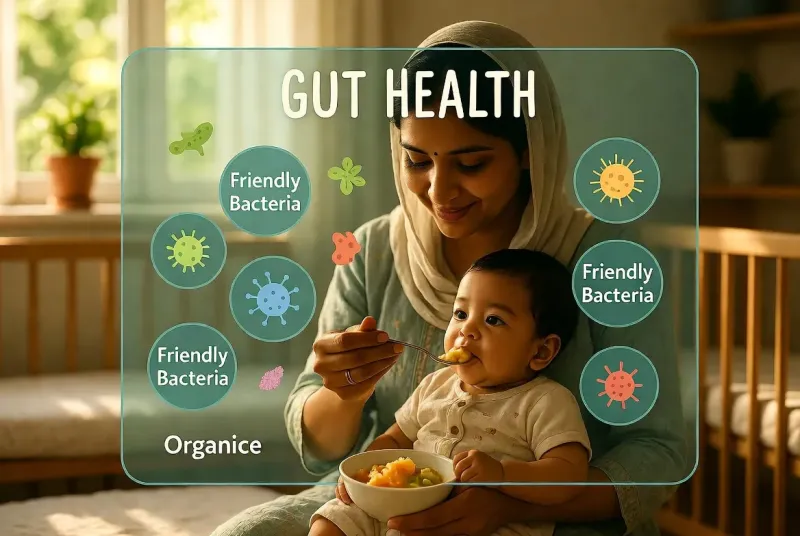
In recent years, a revolutionary approach to parenting has emerged, one that recognizes the profound impact of gut health on your baby's overall development, immunity, and long-term wellbeing. Microbiome parenting, the practice of nurturing and supporting your infant's gut bacteria from birth through early childhood, is transforming how we think about infant care, nutrition, and health. This science-backed approach goes beyond traditional parenting advice, offering insights into how the trillions of microorganisms living in your baby's digestive system influence everything from sleep patterns to immune function, from allergy prevention to cognitive development.
The human microbiome, particularly the gut microbiome, has become one of the most exciting frontiers in medical research. We now understand that babies are not born with a fully developed microbiome, instead, it's established in the critical first years of life through birth method, feeding choices, environmental exposures, and early nutrition. This window of opportunity, roughly the first 1,000 days from conception to age two, represents a crucial period when the foundation for lifelong health is built. Parents who understand and actively support their baby's microbiome development are giving their children a powerful advantage that can last a lifetime.
This comprehensive guide explores the science of microbiome parenting, explaining what the infant microbiome is, why it matters, and most importantly, how you can actively support your baby's gut health through evidence-based practices. From birth choices and breastfeeding to introducing solid foods and creating a microbiome-friendly environment, you'll discover practical strategies to nurture your baby's developing ecosystem of beneficial bacteria. Whether you're expecting your first child, navigating the newborn stage, or guiding a toddler through early development, understanding microbiome parenting will empower you to make informed decisions that support your child's health now and for years to come.
Understanding the Infant Microbiome
The microbiome refers to the vast community of microorganisms, including bacteria, viruses, fungi, and other microbes, that live in and on the human body. The gut microbiome, concentrated in the digestive tract, is the largest and most influential of these communities, containing trillions of microorganisms that play crucial roles in digestion, immunity, metabolism, and even brain function. In babies, the microbiome is particularly dynamic and vulnerable, undergoing rapid changes and development during the first years of life.
At birth, a baby's gut is relatively sterile, containing few microorganisms. The colonization process begins immediately, with the method of birth playing a decisive role in which bacteria first take up residence. Vaginally born babies are exposed to their mother's vaginal and intestinal bacteria during delivery, receiving an initial inoculation of beneficial microbes like Lactobacillus and Bifidobacterium species. These bacteria are specially adapted to help digest breast milk and support immune development. Babies born via cesarean section, by contrast, are first exposed to skin bacteria and environmental microbes from the hospital setting, resulting in a different initial microbiome composition that may take longer to mature.
After birth, feeding method becomes the primary driver of microbiome development. Breast milk is far more than nutrition, it's a complex biological fluid containing beneficial bacteria, prebiotics called human milk oligosaccharides (HMOs) that feed beneficial bacteria, antibodies, and immune factors that shape the infant gut ecosystem. Breastfed babies typically develop microbiomes dominated by Bifidobacterium species, which are associated with reduced inflammation, better digestion, and stronger immune function. Formula-fed babies develop different microbiome profiles, often with greater bacterial diversity but potentially less of the specific beneficial strains found in breastfed infants.
The Critical Window: First 1,000 Days
The period from conception through age two, often called the first 1,000 days, represents a critical window for microbiome development. During this time, the gut microbiome is remarkably plastic, meaning it can be shaped by environmental factors, diet, and exposures. By age three, a child's microbiome begins to resemble that of an adult, becoming more stable and resistant to change. This is why the early years are so important, the foundations laid during this period can influence health outcomes for decades.
Research has linked early microbiome development to numerous health outcomes. Babies with less diverse or imbalanced microbiomes in infancy have higher risks of developing allergies, asthma, eczema, obesity, type 1 diabetes, and even neurodevelopmental conditions. Conversely, babies with robust, diverse microbiomes dominated by beneficial bacteria tend to have stronger immune systems, better digestion, and reduced disease risk. This understanding has elevated microbiome support from a niche interest to a central concern for parents committed to giving their children the best possible start in life.
How the Microbiome Influences Baby Health
The infant microbiome affects health through multiple pathways. First, it trains the immune system, teaching it to distinguish between harmful pathogens and harmless substances. A well-developed microbiome promotes immune tolerance, reducing the risk of allergies and autoimmune conditions. Second, gut bacteria produce essential nutrients, including certain B vitamins and vitamin K, and help break down complex carbohydrates that the human digestive system cannot process alone.
Third, the microbiome influences the gut-brain axis, a bidirectional communication system between the digestive tract and the central nervous system. Beneficial bacteria produce neurotransmitters and signaling molecules that can affect mood, sleep, and cognitive development. This is why babies with gut imbalances often experience sleep disturbances, fussiness, and digestive discomfort. Finally, the microbiome protects against pathogens by competing for resources and producing antimicrobial substances that inhibit harmful bacteria.
Birth Choices and Microbiome Development
The way your baby enters the world has profound implications for their microbiome development. While medical necessity should always guide birth decisions, understanding the microbiome implications of different birth methods can help you make informed choices and take compensatory steps when needed.
Vaginal Birth and Microbiome Seeding
Vaginal birth provides babies with their first and most important microbial inoculation. As babies pass through the birth canal, they're exposed to their mother's vaginal microbiome, which is rich in Lactobacillus species specially adapted to the vaginal environment. These bacteria are ideally suited to colonize the infant gut and begin the process of microbiome development. Additionally, babies are exposed to maternal fecal bacteria during birth, which may seem unpleasant but actually provides beneficial strains like Bacteroides and Bifidobacterium that are crucial for gut health.
Research shows that vaginally born babies have microbiomes that more closely resemble their mother's vaginal and gut microbiomes, while cesarean-born babies have microbiomes that more closely resemble maternal skin and the hospital environment. These differences can persist for months or even years, potentially influencing health outcomes. However, it's important to emphasize that cesarean sections are sometimes medically necessary and can be life-saving, and babies born via C-section can absolutely develop healthy microbiomes with appropriate support.
Cesarean Birth and Microbiome Support
If your baby is born via cesarean section, either planned or emergency, there are several strategies to support healthy microbiome development. Some hospitals offer vaginal seeding, a practice where a sterile gauze is incubated in the mother's vagina before birth and then wiped over the baby's mouth, face, and body after delivery. This aims to transfer some of the beneficial vaginal bacteria that the baby would have encountered during vaginal birth.
However, vaginal seeding remains controversial and is not universally recommended. The American College of Obstetricians and Gynecologists advises against it outside of research settings due to potential risks of transmitting harmful bacteria or viruses. If you're interested in vaginal seeding, discuss it thoroughly with your healthcare provider and ensure proper screening and sterile techniques are used.
More universally recommended strategies for supporting microbiome development after cesarean birth include immediate and sustained skin-to-skin contact, which allows transfer of maternal skin bacteria; exclusive breastfeeding when possible, which provides beneficial bacteria and prebiotics; and avoiding unnecessary antibiotics in both mother and baby. These practices can help compensate for the different microbial exposure during cesarean birth and support healthy microbiome development.
The Role of Skin-to-Skin Contact
Regardless of birth method, immediate and sustained skin-to-skin contact is one of the most powerful ways to support your baby's microbiome. When babies are placed directly on their mother's chest after birth, they're exposed to maternal skin bacteria, which begin colonizing the infant's skin and gut. Skin-to-skin contact also stabilizes baby's temperature, heart rate, and breathing, reduces stress, and promotes breastfeeding success, all of which indirectly support microbiome health.
The World Health Organization recommends at least one hour of uninterrupted skin-to-skin contact immediately after birth for all babies, regardless of feeding method or delivery type. Fathers and other caregivers can also provide skin-to-skin contact, which, while not providing the same microbial exposure as maternal contact, offers numerous other benefits for bonding and development. Make skin-to-skin contact a priority in those first hours, days, and weeks, as it's a simple, free, and profoundly beneficial practice for microbiome development and overall health.
Breastfeeding: The Ultimate Microbiome Support
Breastfeeding is perhaps the single most important factor in shaping a healthy infant microbiome. Breast milk is a dynamic, living fluid that provides far more than nutrition, it actively cultivates beneficial bacteria, protects against pathogens, and supports immune development in ways that formula cannot replicate.
Human Milk Oligosaccharides (HMOs)
One of breast milk's most remarkable features is its content of human milk oligosaccharides (HMOs), complex carbohydrates that babies cannot digest but that serve as food for beneficial gut bacteria, particularly Bifidobacterium species. HMOs are the third most abundant component of breast milk after lactose and fat, yet they provide no direct nutritional value to the baby. Instead, they function as prebiotics, selectively feeding beneficial bacteria while inhibiting the growth of harmful pathogens.
Over 200 different HMOs have been identified in human milk, making it far more complex than any infant formula. These compounds help establish a microbiome dominated by beneficial bacteria, create an acidic environment in the gut that inhibits pathogens, and strengthen the intestinal barrier. Research shows that breastfed babies have higher levels of Bifidobacterium and lower levels of potentially harmful bacteria compared to formula-fed babies, differences largely attributed to HMOs.
Beneficial Bacteria in Breast Milk
Breast milk is not sterile, it contains a diverse community of beneficial bacteria that directly inoculate the infant gut. These bacteria originate from the mother's gut and travel to the breast through a specialized pathway called the entero-mammary pathway. Immune cells pick up bacteria from the mother's intestines and transport them to the mammary glands, where they're secreted into breast milk. This remarkable process ensures that babies receive bacteria that are specifically adapted to their mother's environment and immune system.
Breast milk typically contains beneficial strains like Lactobacillus, Bifidobacterium, Staphylococcus, and Streptococcus species. These bacteria colonize the infant gut, compete with pathogens, produce antimicrobial substances, and train the immune system. The bacterial composition of breast milk changes over time, with colostrum (the first milk) containing different bacteria than mature milk, and the microbiome continuing to evolve throughout the breastfeeding relationship to meet the baby's changing needs.
Immune Factors and Microbiome Protection
Beyond bacteria and prebiotics, breast milk contains numerous immune factors that protect the infant gut and support healthy microbiome development. Secretory IgA antibodies coat the intestinal lining, preventing pathogens from adhering and causing infection while allowing beneficial bacteria to thrive. Lactoferrin, an iron-binding protein, inhibits the growth of harmful bacteria that require iron while promoting beneficial bacteria that don't need it. Lysozyme, an enzyme with antimicrobial properties, helps control bacterial populations in the gut.
These immune factors work synergistically with beneficial bacteria to create a protective environment in the infant gut. They help establish a microbiome that's both diverse and dominated by beneficial species, reducing the risk of infections, inflammation, and dysbiosis (microbial imbalance). This is one reason why breastfed babies typically experience fewer gastrointestinal infections, respiratory illnesses, and allergic conditions compared to formula-fed babies.
Supporting Breastfeeding Success
Given the profound benefits of breastfeeding for microbiome development, supporting breastfeeding success is a key component of microbiome parenting. This includes seeking lactation support early if challenges arise, ensuring proper latch and positioning, feeding on demand to establish milk supply, and creating a supportive environment for breastfeeding. Skin-to-skin contact, rooming-in (keeping baby close day and night), and avoiding unnecessary supplementation with formula all support breastfeeding success and, by extension, microbiome health.
For mothers who cannot breastfeed or choose not to, it's important to know that while formula doesn't provide the same microbiome benefits as breast milk, you can still support your baby's gut health through other means discussed in this guide. The goal is to do the best you can with your circumstances, not to achieve perfection. Many formula-fed babies develop healthy microbiomes and thrive, especially when parents are intentional about other microbiome-supporting practices.
Introducing Solid Foods for Microbiome Diversity
When your baby reaches around six months of age, introducing solid foods becomes an important milestone for microbiome development. While breast milk or formula remains the primary source of nutrition through the first year, solid foods introduce new fibers, nutrients, and compounds that feed different bacterial species, increasing microbiome diversity and complexity.
Timing and Readiness Signs
The World Health Organization and major pediatric organizations recommend exclusive breastfeeding for the first six months, with introduction of solid foods around six months while continuing breastfeeding through at least one year and beyond. This timing aligns with developmental readiness and microbiome needs. By six months, babies typically show signs of readiness for solids: they can sit up with minimal support, have good head and neck control, show interest in food, and have lost the tongue-thrust reflex that pushes food out of the mouth.
Introducing solids too early (before four months) can overwhelm the immature digestive system and increase the risk of allergies and digestive issues. Waiting too long (beyond seven months) may miss a critical window for introducing diverse flavors and textures, and may not provide adequate nutrition as breast milk alone becomes insufficient. The six-month mark represents a sweet spot where the digestive system is mature enough to handle solids while the microbiome is still highly adaptable.
First Foods for Gut Health
When introducing solids, focus on foods that support microbiome development. Traditionally, single-grain cereals were recommended as first foods, but current guidance emphasizes nutrient-dense, fiber-rich foods that feed beneficial bacteria. Excellent first foods include:
Vegetables: Pureed or soft-cooked vegetables like sweet potatoes, carrots, squash, and peas provide fiber and prebiotics that feed beneficial bacteria. Introduce a variety of colors and types to expose the microbiome to different fibers.
Fruits: Mashed bananas, avocados, cooked apples, and pears provide natural sugars, fiber, and beneficial compounds. While fruits contain natural sugars, they also provide fiber that slows sugar absorption and feeds gut bacteria.
Whole grains: Oatmeal, quinoa, and brown rice provide complex carbohydrates and fiber that support microbial diversity. Choose iron-fortified options or pair with iron-rich foods to meet increased iron needs.
Legumes: Well-cooked and mashed lentils, beans, and chickpeas provide protein, fiber, and prebiotics. Introduce gradually to allow the digestive system to adapt.
Introducing Allergenic Foods
Current research supports early introduction of common allergenic foods (peanuts, eggs, dairy, tree nuts, soy, wheat, fish, and shellfish) around six months, once baby has tolerated a few other solid foods. Early introduction may actually reduce the risk of developing food allergies by promoting immune tolerance. The landmark LEAP study showed that early peanut introduction significantly reduced peanut allergy risk in high-risk infants.
Introduce allergenic foods one at a time, starting with small amounts and watching for reactions. For peanut, you can mix a small amount of smooth peanut butter with breast milk, formula, or pureed fruit, or use peanut powder. For eggs, offer well-cooked scrambled eggs or hard-boiled egg yolk mashed with breast milk or formula. If your baby has severe eczema or existing food allergies, consult your pediatrician before introducing allergenic foods, as they may recommend allergy testing or supervised introduction.
Fermented Foods and Probiotics
As your baby progresses with solids (typically after 8-10 months), you can introduce fermented foods that naturally contain beneficial bacteria. Full-fat plain yogurt (dairy or non-dairy) is an excellent first fermented food, providing probiotics, protein, calcium, and healthy fats. Look for unsweetened varieties with live active cultures. Kefir, a fermented milk drink, is another probiotic-rich option, though its stronger flavor may be less appealing to some babies.
Other fermented foods like sauerkraut, kimchi, and miso can be introduced in small amounts after the first birthday, though their strong flavors and high sodium content make them less ideal for babies. The goal is to provide diverse sources of beneficial bacteria through food, complementing the bacteria already established through breastfeeding and environmental exposure.
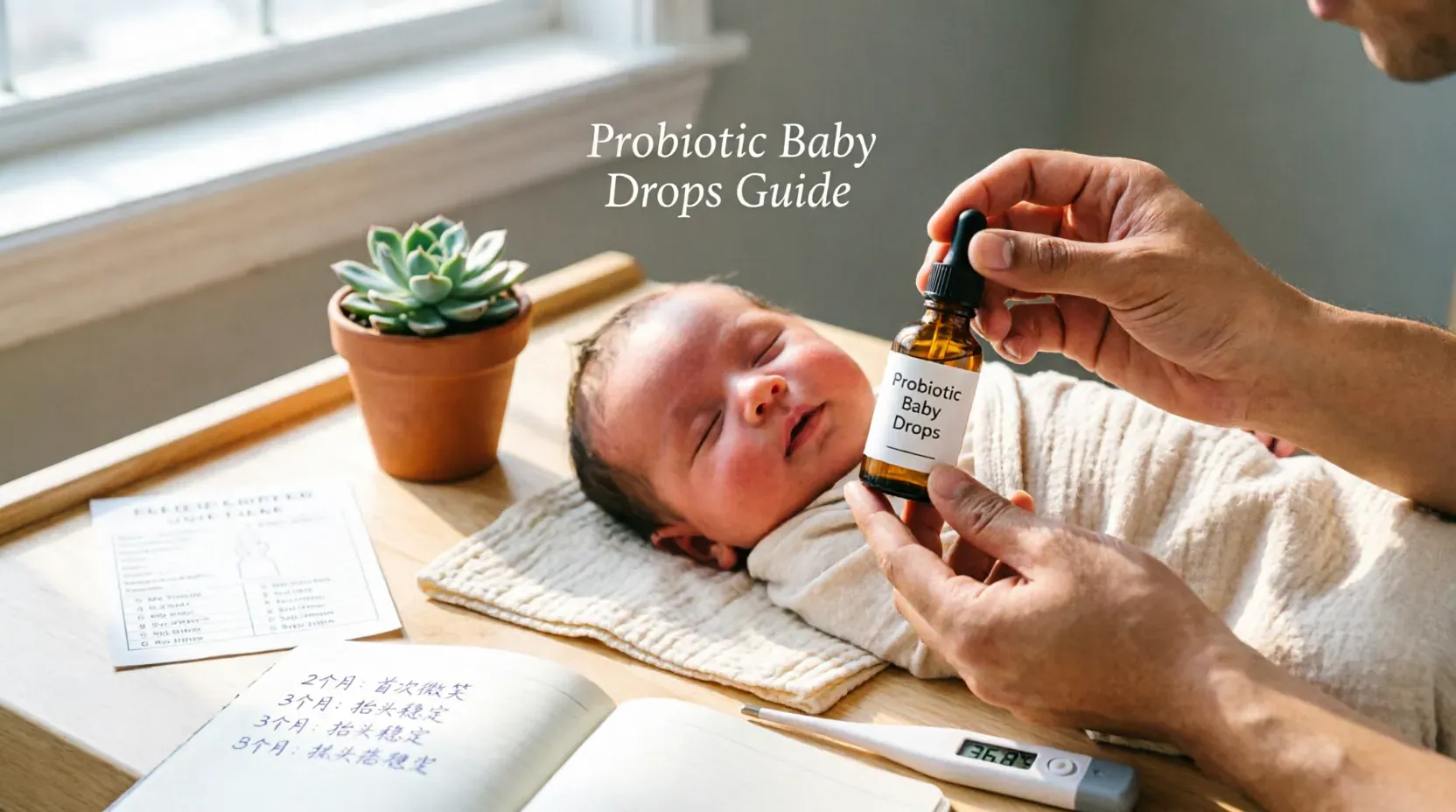
Probiotics and Prebiotics for Babies
While breast milk and solid foods provide natural sources of probiotics and prebiotics, some parents consider supplementation to further support their baby's microbiome. Understanding when and how to use probiotics and prebiotics can help you make informed decisions.
When Probiotics May Be Beneficial
Probiotic supplementation may be helpful in specific situations. For babies born via cesarean section, probiotics may help compensate for the different microbial exposure during birth, though research on this is mixed and vaginal seeding remains controversial. For babies who've received antibiotics, which kill both harmful and beneficial bacteria, probiotics may help restore the microbiome, though timing and strain selection matter.
Probiotics have shown benefit for specific conditions like colic, with certain strains like Lactobacillus reuteri DSM 17938 reducing crying time in breastfed babies with colic. For diarrhea, particularly antibiotic-associated diarrhea or viral gastroenteritis, probiotics like Lactobacillus rhamnosus GG and Saccharomyces boulardii may reduce duration and severity. For eczema prevention, some studies suggest that maternal probiotic supplementation during pregnancy and breastfeeding, combined with infant probiotics, may reduce eczema risk, though evidence is not conclusive.
Choosing Quality Probiotic Supplements
If you decide to use probiotics for your baby, choosing a quality product is essential. Look for supplements that:
Specify strains: The product should list specific strains (e.g., Lactobacillus rhamnosus GG, not just "Lactobacillus"), as different strains have different effects.
Provide adequate CFUs: Colony-forming units (CFUs) indicate the number of viable bacteria. For infants, typical doses range from 1-10 billion CFUs daily, though optimal dosing varies by strain and purpose.
Are third-party tested: Choose products tested by independent laboratories for purity, potency, and absence of contaminants.
Are age-appropriate: Use products specifically formulated for infants or children, not adult probiotics.
Have proper storage: Some probiotics require refrigeration to maintain viability, while others are shelf-stable. Follow storage instructions carefully.
Prebiotic Supplementation
Prebiotics are non-digestible fibers that feed beneficial bacteria. While breast milk naturally contains HMOs and solid foods provide various fibers, some infant formulas are supplemented with prebiotics like fructooligosaccharides (FOS) and galactooligosaccharides (GOS) to mimic the prebiotic effects of breast milk. If you're formula-feeding, choosing a formula with prebiotics may support microbiome development, though it still won't replicate all the benefits of breast milk.
For babies eating solids, you can increase prebiotic intake through foods like bananas, onions, garlic, asparagus, oats, and legumes. Prebiotic supplements are generally not necessary for healthy babies eating a varied diet, and high doses can cause gas and digestive discomfort. Focus on food sources first before considering supplementation.
Environmental Factors and Microbiome Health
Beyond birth method, feeding, and nutrition, environmental factors play a crucial role in shaping your baby's microbiome. The world your baby lives in, the surfaces they touch, the air they breathe, and the creatures they interact with all contribute to their microbial ecosystem.
The Hygiene Hypothesis and Microbial Exposure
The hygiene hypothesis suggests that reduced exposure to microbes in early childhood, due to increased cleanliness, smaller family sizes, and urban living, may contribute to increased rates of allergies, asthma, and autoimmune conditions. While good hygiene is essential for preventing serious infections, overly sterile environments may deprive the developing immune system of the microbial exposures it needs to learn appropriate responses.
This doesn't mean you should expose your baby to harmful pathogens or neglect basic hygiene like handwashing before food preparation or after diaper changes. Rather, it means allowing normal microbial exposure through activities like playing outside, interacting with pets, exploring different textures and environments, and not overusing antibacterial products. Let your baby get dirty in safe ways, and remember that some exposure to everyday microbes is beneficial for immune and microbiome development.
Pets and Microbiome Diversity
Research shows that babies who grow up with pets, particularly dogs, tend to have more diverse microbiomes and lower rates of allergies and asthma. Pets bring diverse microbes into the home environment, exposing babies to a wider range of bacteria that can colonize the gut and train the immune system. Studies have found that babies in homes with dogs have higher levels of beneficial bacteria like Ruminococcus and Oscillospira, which are associated with reduced allergy risk.
If you have pets, there's no need to separate them from your baby, though always supervise interactions for safety. Allow your baby to be in the same environment as your pets, and don't worry excessively about pet hair or dander. These exposures are generally beneficial for microbiome and immune development. Of course, maintain basic hygiene like washing hands after handling pets and keeping pet areas clean, but don't create an overly sterile environment.
Outdoor Time and Nature Exposure
Spending time outdoors exposes your baby to diverse environmental microbes from soil, plants, and fresh air, all of which can contribute to microbiome diversity. Children who spend more time in natural environments tend to have more diverse microbiomes and lower rates of immune-related conditions. Even for babies, regular outdoor time, whether in a stroller, carrier, or on a blanket on the grass, provides beneficial microbial exposure.
Encourage outdoor play as soon as your baby is mobile, allowing them to touch grass, dirt, leaves, and other natural materials (while ensuring safety and avoiding toxic substances). Gardening together, visiting parks, and spending time in green spaces all support microbiome health. The goal isn't to avoid dirt but to embrace it as a source of beneficial microbes that support health.
Avoiding Unnecessary Antibiotics
Antibiotics are life-saving medications that treat bacterial infections, but they also disrupt the microbiome by killing beneficial bacteria along with harmful ones. In babies, antibiotic use can cause significant and sometimes long-lasting changes to the microbiome, potentially increasing the risk of allergies, obesity, and other conditions. While antibiotics are sometimes necessary, avoiding unnecessary use is an important aspect of microbiome parenting.
Work with your pediatrician to determine when antibiotics are truly necessary. Many common childhood illnesses, including most ear infections, colds, and viral infections, don't require antibiotics and will resolve on their own. If antibiotics are prescribed, ask whether a narrow-spectrum antibiotic (targeting specific bacteria) can be used instead of a broad-spectrum antibiotic (killing a wide range of bacteria). During and after antibiotic treatment, support microbiome recovery through breastfeeding, probiotic-rich foods, and potentially probiotic supplementation (discuss timing with your pediatrician, as probiotics should be taken a few hours apart from antibiotics).
Common Microbiome Disruptions and Solutions
Even with the best intentions, babies can experience microbiome disruptions that affect their health and comfort. Recognizing signs of imbalance and knowing how to respond can help you support your baby's gut health through challenges.
Colic and Digestive Discomfort
Colic, characterized by prolonged, intense crying in otherwise healthy babies, may be related to microbiome immaturity or imbalance. Research has found that babies with colic often have different microbiome compositions, with lower diversity and higher levels of potentially inflammatory bacteria. While the exact cause of colic remains unclear, supporting microbiome development may help.
For breastfed babies with colic, the probiotic Lactobacillus reuteri DSM 17938 has shown benefit in reducing crying time. For formula-fed babies, switching to a partially hydrolyzed formula or one supplemented with probiotics may help, though evidence is mixed. Gentle tummy massage, bicycle leg movements, and warm baths can provide comfort while the microbiome matures. Most importantly, know that colic is temporary and typically resolves by 3-4 months of age as the digestive system and microbiome mature.
Antibiotic-Associated Diarrhea
Antibiotics can cause diarrhea by disrupting the balance of gut bacteria, allowing harmful organisms like Clostridium difficile to overgrow or simply reducing the bacteria that help form solid stools. If your baby develops diarrhea during or after antibiotic treatment, probiotics may help restore balance. The strains Lactobacillus rhamnosus GG and Saccharomyces boulardii have the best evidence for preventing and treating antibiotic-associated diarrhea.
Continue breastfeeding if applicable, as breast milk provides immune factors and beneficial bacteria that support recovery. For babies eating solids, offer binding foods like bananas, rice, applesauce, and toast (the BRAT diet), though return to a normal, varied diet as soon as possible to support microbiome diversity. Ensure adequate hydration, and contact your pediatrician if diarrhea is severe, persistent, or accompanied by fever or signs of dehydration.
Reflux and Spit-Up
Gastroesophageal reflux, or spit-up, is common in babies due to immature digestive systems and typically resolves on its own by 12-18 months. While not directly caused by microbiome issues, some research suggests that probiotics may reduce reflux symptoms by improving digestion and reducing inflammation. The probiotic Lactobacillus reuteri has shown some benefit for reducing reflux episodes in breastfed babies.
Other strategies for managing reflux include feeding smaller amounts more frequently, keeping baby upright for 20-30 minutes after feeding, burping frequently during feeds, and avoiding tight diapers or clothing that puts pressure on the abdomen. For severe reflux (gastroesophageal reflux disease or GERD) that affects growth or causes significant distress, consult your pediatrician for evaluation and treatment.
Frequently Asked Questions
Can I improve my baby's microbiome if I didn't breastfeed?
Absolutely. While breastfeeding provides optimal microbiome support, formula-fed babies can still develop healthy, diverse microbiomes. Focus on other microbiome-supporting practices: choose a formula with prebiotics and probiotics if possible, introduce diverse solid foods at six months including fiber-rich vegetables, fruits, and fermented foods like yogurt, allow normal microbial exposure through outdoor time and pet interactions, avoid unnecessary antibiotics, and consider probiotic supplementation if recommended by your pediatrician. The microbiome is influenced by many factors beyond feeding method, and you have numerous opportunities to support your baby's gut health throughout infancy and childhood.
How long does it take for a baby's microbiome to mature?
The microbiome undergoes rapid development in the first 2-3 years of life, with the most critical period being the first 1,000 days from conception to age two. By around age three, a child's microbiome begins to resemble an adult microbiome in terms of diversity and stability, though it continues to evolve throughout life in response to diet, environment, and other factors. The first three years represent a crucial window for establishing a healthy microbiome foundation, which is why microbiome parenting focuses so heavily on this period.
Are probiotic supplements safe for newborns?
Probiotics are generally considered safe for healthy newborns and infants, but you should always consult your pediatrician before starting any supplement. Certain strains have been studied extensively in infants and shown to be safe, including Lactobacillus reuteri for colic and Lactobacillus rhamnosus GG for diarrhea prevention. However, probiotics may not be appropriate for premature babies, immunocompromised infants, or babies with certain medical conditions. Choose products specifically formulated for infants, follow dosing instructions carefully, and monitor your baby for any adverse reactions.
Can microbiome issues cause eczema or allergies?
Research suggests a strong connection between the microbiome and immune conditions like eczema and allergies. Babies who develop eczema or allergies often have different microbiome compositions in infancy, with lower diversity and reduced levels of beneficial bacteria. The microbiome plays a crucial role in training the immune system to distinguish between harmless substances and true threats. When microbiome development is disrupted, the immune system may become overly reactive, leading to allergic conditions. Supporting microbiome health through breastfeeding, diverse diet, environmental exposure, and avoiding unnecessary antibiotics may help reduce the risk of eczema and allergies, though genetics also play a significant role.
Should I give my baby probiotics every day?
For healthy babies, daily probiotic supplementation is generally not necessary if you're supporting microbiome health through breastfeeding, diverse solid foods, and normal environmental exposures. Probiotics may be beneficial in specific situations like colic, antibiotic use, or digestive issues, but these are typically short-term interventions. For ongoing microbiome support, focus on feeding beneficial bacteria through diet (breast milk, fermented foods, fiber-rich foods) rather than relying on supplements. If you're considering long-term probiotic supplementation, discuss it with your pediatrician to determine if it's appropriate for your baby's individual needs.
Conclusion
Microbiome parenting represents a paradigm shift in how we approach infant health, recognizing that the trillions of microorganisms living in our babies' guts play a fundamental role in their development, immunity, and long-term wellbeing. By understanding and actively supporting your baby's microbiome from birth through early childhood, you're giving them a powerful foundation for health that can last a lifetime.
The strategies outlined in this guide, from birth choices and breastfeeding to introducing diverse solid foods, allowing normal microbial exposure, and avoiding unnecessary disruptions, are not about achieving perfection but about making informed, intentional choices that support your baby's developing ecosystem. Remember that every baby is unique, and what works for one may not work for another. Be patient with yourself and your baby, and know that the microbiome is remarkably resilient and capable of healing and adapting.
As research on the microbiome continues to evolve, our understanding of how best to support infant gut health will deepen. Stay informed, ask questions, and work with your pediatrician to make decisions that are right for your family. By embracing microbiome parenting principles, you're not just supporting your baby's digestive health, you're nurturing their immune system, protecting against disease, and setting the stage for a lifetime of wellbeing. The tiny organisms in your baby's gut are powerful allies in health, and by supporting them, you're giving your child one of the greatest gifts possible: the foundation for a healthy, thriving life.