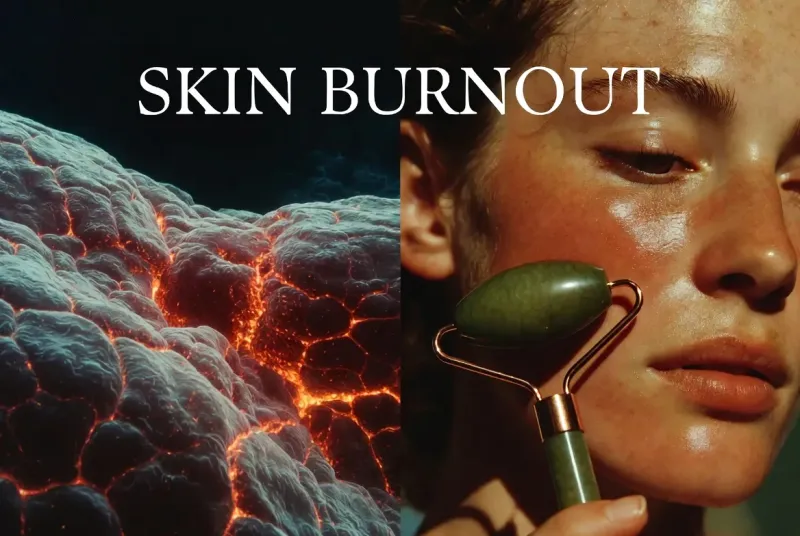
For years, your skin was predictable. You knew which products worked, which ingredients to avoid, and how your complexion would respond to seasonal changes, stress, or new cosmetics. Then, seemingly overnight, everything changed. A moisturizer that never caused issues now triggers redness. A gentle cleanser leaves your skin tight and irritated. Environmental factors that once had no effect now provoke visible reactions. If this sounds familiar, you're experiencing a phenomenon that frustrates countless adults: skin that becomes reactive after years of stability.
This sudden shift isn't imagined, nor is it uncommon. Dermatologists increasingly recognize that skin reactivity can develop or intensify in adulthood, even after decades of trouble-free tolerance. Understanding why this happens, what triggers it, and how to manage newly reactive skin is essential for restoring comfort, confidence, and control over your complexion.
This comprehensive guide explores the science behind why skin becomes reactive after years of stability. You'll discover the biological mechanisms driving this change, identify common triggers specific to adult-onset reactivity, learn evidence-based strategies for calming reactive skin, and find practical steps to rebuild tolerance and restore your skin's resilience. Whether you're navigating this transition for the first time or seeking better management strategies, this knowledge will empower you to care for your newly sensitive skin with confidence.
Understanding Skin Reactivity: What Changes When Stability Ends
Before exploring why skin becomes reactive, it's essential to understand what "reactive skin" actually means. Reactive skin is characterized by an exaggerated response to stimuli that previously caused no issues or would typically cause only mild reactions in normal skin. Common signs include: redness or flushing after product application, stinging or burning sensations, itching or tightness, visible irritation or small bumps, and increased sensitivity to temperature changes, fragrances, or environmental factors.
Importantly, reactive skin isn't a formal medical diagnosis but rather a descriptive term for a pattern of heightened sensitivity. It can overlap with conditions like rosacea, contact dermatitis, or eczema, but many people experience reactivity without meeting criteria for these specific diagnoses.
The Skin Barrier: Your First Line of Defense
At the heart of most reactive skin issues is the skin barrier, also known as the stratum corneum. This outermost layer of skin consists of tightly packed cells surrounded by lipids (fats) that form a protective shield. A healthy barrier: retains moisture, blocks irritants and allergens from penetrating, prevents transepidermal water loss, and maintains the skin's slightly acidic pH.
When the barrier is compromised, even mildly, it becomes more permeable. Irritants that were previously blocked can now penetrate more easily, triggering inflammation and the visible signs of reactivity. This is why barrier dysfunction is central to understanding why previously stable skin suddenly becomes reactive.
Why Previously Stable Skin Becomes Reactive: Key Mechanisms
Multiple interconnected factors can transform stable skin into reactive skin over time. Understanding these mechanisms helps identify which may be affecting you and guides effective management strategies.
Cumulative Barrier Damage
One of the most common reasons for adult-onset reactivity is cumulative damage to the skin barrier from years of product use, environmental exposure, and lifestyle factors. Think of your skin barrier like a well-maintained fence: small, repeated stresses may not cause immediate problems, but over decades, the cumulative effect weakens the structure.
Contributing factors include: repeated use of harsh cleansers or exfoliants, chronic exposure to environmental pollutants, UV damage accumulated over years, aggressive physical exfoliation or over-washing, and layering multiple active ingredients without adequate barrier support. The result is a barrier that's subtly but significantly compromised, allowing irritants to penetrate more easily and trigger reactions that never occurred when the barrier was intact.
Hormonal Shifts and Skin Sensitivity
Hormones profoundly influence skin behavior, and hormonal changes throughout adulthood can dramatically alter skin reactivity. For women, key transitions include: perimenopause and menopause (declining estrogen affects barrier function and inflammation), pregnancy and postpartum (dramatic hormonal fluctuations), thyroid changes (common in midlife and affecting skin health), and stress-related cortisol elevation (chronic stress disrupts barrier repair).
Estrogen, in particular, supports skin barrier integrity, collagen production, and anti-inflammatory processes. As estrogen levels decline, skin can become thinner, drier, and more prone to irritation. This hormonal shift explains why many women notice increased reactivity in their 40s and 50s, even with unchanged skincare routines.
Immune System Changes with Age
The skin's immune system, called the cutaneous immune system, evolves throughout life. With age, immune regulation can become less precise, leading to heightened inflammatory responses. This phenomenon, sometimes called "inflammaging," means that stimuli that once triggered minimal response now provoke noticeable inflammation.
Additionally, years of exposure to various ingredients, environmental factors, and microbes can sensitize the immune system. What was once tolerated may now be recognized as a threat, triggering allergic or irritant contact dermatitis. This explains why you might suddenly react to a product you've used for years without issue.
Microbiome Disruption
Emerging research highlights the skin microbiome, the ecosystem of bacteria, fungi, and other microbes living on your skin, as a key player in skin health and reactivity. A balanced microbiome supports barrier function, regulates inflammation, and protects against pathogens.
Factors that can disrupt the microbiome over time include: long-term use of antibacterial products, frequent use of harsh cleansers that strip beneficial microbes, antibiotic use (oral or topical), environmental changes, and chronic stress. When the microbiome becomes imbalanced, the skin can become more reactive, inflamed, and sensitive to triggers that were previously well-tolerated.
Neurological Sensitization
Skin reactivity isn't just about the barrier or immune system, neurological factors play a role too. Skin contains sensory nerves that detect temperature, touch, and potential threats. With repeated irritation or inflammation, these nerves can become sensitized, firing more readily and intensely in response to stimuli.
This neurological sensitization explains why reactive skin often feels like it's "burning" or "stinging" even when visible signs are minimal. It also explains why reactive skin can become a self-perpetuating cycle: irritation sensitizes nerves, sensitized nerves amplify perception of irritation, leading to more inflammation and further sensitization.
Common Triggers for Adult-Onset Skin Reactivity
While the underlying mechanisms create vulnerability, specific triggers often precipitate the shift from stable to reactive skin. Identifying your personal triggers is crucial for effective management.
Skincare Product Changes
Introducing new products is an obvious trigger, but reactive skin can also result from: reformulated versions of trusted products (manufacturers change ingredients without prominent notice), switching to "cleaner" or "natural" products (which may contain botanical irritants), layering multiple active ingredients (retinoids, acids, vitamin C) without adequate buffering, and using products with higher concentrations than your skin can tolerate.
Even products you've used for years can become problematic if your skin's tolerance has shifted due to barrier changes, hormonal shifts, or immune sensitization.
Environmental and Lifestyle Shifts
Changes in your environment or lifestyle can unmask or trigger reactivity: moving to a new climate (different humidity, temperature, or pollution levels), increased exposure to hard water (minerals can disrupt barrier function), changes in indoor air quality (new heating/cooling systems, increased time indoors), significant life stress (affects barrier repair and inflammation), and changes in diet or hydration (affects skin from within).
These shifts may seem unrelated to skin, but they can tip a marginally stable barrier into reactivity.
Health and Medication Changes
Systemic health changes can manifest as skin reactivity: new medications (some drugs increase photosensitivity or affect skin barrier), developing new health conditions (autoimmune conditions, thyroid disorders, gastrointestinal issues), significant weight changes (affects hormone balance and skin structure), and aging-related changes (slower cell turnover, reduced barrier lipids).
If your skin became reactive around the time of a health change or new medication, discuss this with your healthcare provider.
Procedural and Treatment History
Years of cosmetic procedures can contribute to cumulative sensitivity: repeated chemical peels or laser treatments, long-term retinoid use without adequate barrier support, frequent professional extractions or aggressive facials, and over-exfoliation in pursuit of "perfect" skin. These interventions, while potentially beneficial, can cumulatively compromise barrier function if not balanced with adequate recovery and support.
Identifying Your Personal Reactivity Pattern
Not all reactive skin presents the same way. Understanding your specific pattern helps target management strategies effectively.
Immediate vs. Delayed Reactions
Immediate reactions occur within minutes to hours of exposure and typically indicate irritant contact dermatitis or neurological sensitization. Signs include: immediate stinging or burning, rapid redness or flushing, and tightness or discomfort.
Delayed reactions appear 24-72 hours after exposure and often indicate allergic contact dermatitis or immune sensitization. Signs include: delayed redness or rash, itching that develops hours later, and small bumps or eczema-like patches.
Tracking the timing of your reactions helps identify the underlying mechanism and guides appropriate management.
Localized vs. Widespread Reactivity
Localized reactions affect specific areas (often where products are applied) and suggest contact irritation or allergy. Common patterns include: reactions around eyes (delicate skin, product migration), reactions on cheeks (common site for rosacea-like reactivity), and reactions in areas of friction (mask wear, pillow contact).
Widespread reactions affect larger areas or the entire face and suggest systemic factors like barrier dysfunction, hormonal shifts, or immune changes. These patterns often require broader management strategies addressing internal factors.
Keeping a Reactivity Journal
Tracking your skin's responses helps identify patterns and triggers. Note: products used and when they were introduced, timing of reactions relative to product use or environmental changes, specific symptoms experienced (redness, stinging, itching, bumps), potential triggers (stress, diet, weather changes), and what helped calm the reaction.
Over 2-4 weeks, patterns often emerge that point to specific triggers or contributing factors.
Strategies for Calming Newly Reactive Skin
Managing reactive skin requires a gentle, strategic approach focused on reducing inflammation, supporting barrier repair, and gradually rebuilding tolerance.
Step 1: Simplify Your Routine Immediately
When skin becomes reactive, the instinct is often to try more products to "fix" the problem. This usually makes things worse. Instead, strip your routine down to the absolute essentials:
Gentle Cleanser: Use a non-foaming, fragrance-free, pH-balanced cleanser. Cream or milky textures are often better tolerated than gels or foams.
Basic Moisturizer: Choose a simple moisturizer with barrier-supporting ingredients like ceramides, cholesterol, and fatty acids. Avoid fragrances, essential oils, and unnecessary actives.
Sunscreen: Continue daily sun protection, but choose a mineral (zinc oxide/titanium dioxide) formula which is typically better tolerated by reactive skin.
Pause Everything Else: Temporarily stop using serums, exfoliants, retinoids, masks, and treatment products. You can reintroduce them later, one at a time, once your skin has calmed.
Step 2: Support Barrier Repair
Restoring barrier function is the foundation of managing reactive skin. Key strategies include:
Ceramides: These lipids are essential components of the skin barrier. Look for moisturizers containing ceramides NP, AP, or EOP.
Fatty Acids: Ingredients like linoleic acid and cholesterol support barrier structure and function.
Niacinamide: At concentrations of 2-5%, niacinamide can reduce inflammation and support barrier repair without irritating reactive skin.
Panthenol (Vitamin B5): Soothes irritation and supports barrier healing.
Avoid Barrier Disruptors: Temporarily avoid alcohol denat, fragrance, essential oils, and harsh surfactants that can further compromise your barrier.
Step 3: Reduce Inflammation Gently
Calming inflammation helps break the cycle of reactivity. Gentle anti-inflammatory strategies include:
Centella Asiatica: Also known as cica or gotu kola, this ingredient soothes irritation and supports healing without irritating sensitive skin.
Oat Extract: Colloidal oatmeal has proven anti-inflammatory and soothing properties.
Aloe Vera: Pure aloe (without alcohol or fragrance) can provide immediate soothing relief.
Cool Compresses: A clean cloth soaked in cool water applied for 5-10 minutes can reduce redness and discomfort.
Avoid Heat: Hot water, saunas, and intense exercise can exacerbate inflammation in reactive skin. Stick to lukewarm temperatures and gentle activity until skin calms.
Step 4: Reintroduce Products Strategically
Once your skin has calmed (typically 2-4 weeks of simplified routine), you can gradually reintroduce products:
One at a Time: Add only one new product every 1-2 weeks. This allows you to identify any that trigger reactions.
Patch Test: Apply new products to a small area (like behind the ear or on the inner arm) for 3-5 days before applying to your face.
Start Low and Slow: When reintroducing actives, start with lower concentrations and less frequent application (e.g., retinoids once weekly, acids at lower percentages).
Buffer Actives: Apply actives over moisturizer rather than directly to skin to reduce irritation potential.
Listen to Your Skin: If a product causes stinging, redness, or discomfort, discontinue use and return to your simplified routine until skin calms again.
Long-Term Management: Building Resilience in Reactive Skin
Calming acute reactivity is just the first step. Long-term management focuses on building resilience so your skin can tolerate a wider range of products and environmental factors without reacting.
Maintain Barrier Health Consistently
Once your barrier is repaired, maintain it with consistent habits: continue using barrier-supporting moisturizers even when skin feels fine, avoid over-cleansing or harsh exfoliation, protect skin from extreme temperatures and environmental stressors, and prioritize sleep and stress management, which support barrier repair.
A strong barrier is your best defense against future reactivity.
Practice Strategic Exfoliation
Exfoliation can benefit reactive skin when done thoughtfully: choose gentle chemical exfoliants (PHA or low-percentage lactic acid) over physical scrubs, limit exfoliation to once weekly or less, avoid combining multiple exfoliating actives, and always follow exfoliation with barrier-supporting moisturizer.
The goal is gentle renewal, not aggressive resurfacing.
Manage Environmental Exposures
Protect your reactive skin from common environmental triggers: use a humidifier in dry indoor environments, wear protective clothing and sunscreen outdoors, rinse skin after exposure to hard water or chlorine, and minimize exposure to known irritants like smoke or strong fragrances.
Small protective habits add up to significant long-term benefits.
Support Skin from Within
Internal factors significantly influence skin reactivity: stay well-hydrated to support barrier function, consume anti-inflammatory foods (omega-3s, antioxidants, colorful produce), manage stress through meditation, exercise, or therapy, prioritize quality sleep for barrier repair, and consider supplements like omega-3s or probiotics after discussing with your healthcare provider.
Healthy skin starts with overall health.
When to Seek Professional Help
While many cases of adult-onset reactivity can be managed with careful self-care, certain situations warrant professional evaluation.
Signs You Should See a Dermatologist
Consult a dermatologist if you experience: severe or worsening reactions despite simplified care, reactions that interfere with daily life or sleep, signs of infection (pus, fever, spreading redness), reactions that don't improve after 4-6 weeks of consistent care, or uncertainty about whether your reactivity indicates an underlying condition.
What to Expect from Professional Care
A dermatologist can: perform patch testing to identify specific allergens, prescribe anti-inflammatory medications for acute flares, recommend prescription barrier repair products, evaluate for underlying conditions like rosacea or eczema, and provide personalized long-term management strategies.
Professional guidance can accelerate recovery and prevent unnecessary trial-and-error.
Frequently Asked Questions
Can reactive skin ever return to its previous stable state?
Yes, in many cases. With consistent barrier support, trigger avoidance, and gentle care, many people successfully restore their skin's tolerance. However, the timeline varies: some see improvement in weeks, others need months of consistent care. The goal isn't necessarily to return to exactly how your skin was before, but to achieve a new state of stability and resilience. Some degree of increased sensitivity may persist, but it can be managed effectively with the right approach.
Should I avoid all active ingredients if my skin is reactive?
Not necessarily, but caution is essential. Once your skin has calmed, you can gradually reintroduce actives, but do so strategically: start with one active at a time, choose gentler options (niacinamide before retinoids, PHA before AHA), use lower concentrations and less frequent application, buffer actives with moisturizer, and discontinue immediately if irritation occurs. Many people with reactive skin successfully incorporate actives by respecting their skin's current tolerance and progressing slowly.
Is reactive skin the same as having an allergy?
Not necessarily. Reactive skin can result from irritation (non-immune response to a harsh ingredient), allergy (immune response to a specific allergen), barrier dysfunction (increased permeability allowing irritants to penetrate), or neurological sensitization (heightened nerve response). Allergic reactions typically require patch testing to identify the specific allergen. Irritant reactions often improve with barrier support and gentler products. A dermatologist can help determine which mechanism is driving your reactivity.
Can stress really make my skin reactive?
Absolutely. Stress affects skin through multiple pathways: elevated cortisol impairs barrier repair and increases inflammation, stress disrupts sleep which is essential for skin recovery, stress can trigger habits that worsen skin (picking, over-washing, neglecting skincare), and stress affects the gut-skin axis, potentially influencing inflammation. Managing stress through mindfulness, exercise, therapy, or other techniques is a crucial component of managing reactive skin.
How long does it take to calm reactive skin?
Acute reactivity often improves within 2-4 weeks of consistent gentle care and trigger avoidance. However, fully restoring barrier function and building long-term resilience may take 2-3 months or longer. Patience and consistency are essential. If you don't see improvement after 4-6 weeks of careful management, consult a dermatologist to rule out other causes or adjust your approach.
Conclusion
Experiencing skin reactivity after years of stability can be frustrating and confusing, but it's a common and manageable transition. Understanding that this shift results from identifiable biological mechanisms, cumulative factors, and specific triggers empowers you to take effective action rather than feeling helpless.
The path forward involves simplifying your routine to calm acute reactions, supporting barrier repair to restore your skin's protective function, identifying and avoiding personal triggers, and gradually rebuilding tolerance through strategic, patient care. While the journey requires patience and consistency, most people successfully restore stability and even build greater resilience than before.
Remember that reactive skin isn't a life sentence, it's a signal that your skin needs different care at this stage of life. By listening to that signal and responding with informed, gentle strategies, you can nurture your skin back to comfort and confidence. Your skin has carried you through decades of change; with the right approach, it can continue to serve you well for years to come.
Be kind to your skin, and to yourself, during this transition. Healing takes time, but every gentle choice you make supports your skin's journey back to balance. You've navigated change before, and with knowledge and patience, you can navigate this one too.
📖 আরও পড়ুন: Skin Care
- 🔗 Why Is My Face Always Red? Hidden Triggers and Fast Fixes
- 🔗 Brightening Face Masks: DIY vs Store-Bought Ultimate Comparison
- 🔗 How Emotional Stress Alters Skin Radiance: The Science and Solutions
- 🔗 Why Some Women Experience Cyclical Dullness and How to Fix It
- 🔗 জীবনযাত্রার পরিবর্তন: নারীদের ত্বকের রঙের ওপর প্রভাব ও সমাধান