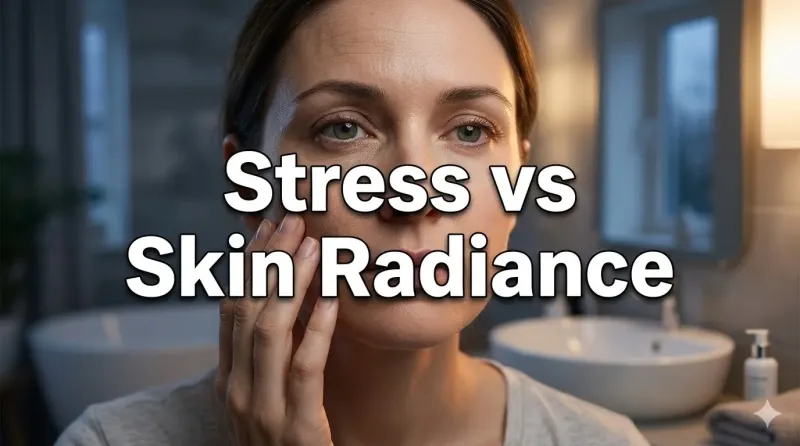
That coveted "glow"—the luminous, healthy radiance that makes skin look vibrant and alive—is more than just a cosmetic ideal. It's a visible reflection of what's happening beneath the surface, particularly in how your body responds to emotional stress. When stress levels rise, many women notice an unwelcome change: skin that appears dull, lackluster, or tired, regardless of how diligently they follow their skincare routine. This isn't just in your head—emotional stress triggers measurable biological changes that directly impact skin radiance.
The connection between emotional wellbeing and skin appearance is deeply rooted in our physiology. When you experience stress—whether from work deadlines, relationship challenges, financial pressure, or life transitions—your body activates complex hormonal and inflammatory pathways that reach your skin. The result can be a visible loss of radiance that no amount of highlighter can fully mask.
This comprehensive, science-backed guide explores how emotional stress alters skin radiance, explains the biological mechanisms behind stress-induced dullness, identifies the specific signs to watch for, and provides evidence-based strategies to restore your skin's natural glow. Whether you're navigating acute stress or managing chronic pressure, you'll find practical, research-supported insights to help you maintain radiant, healthy-looking skin even during challenging times.
The Science: How Emotional Stress Reaches Your Skin
To understand why stress affects radiance, we must first examine the physiological pathways that connect emotional experiences to visible skin changes.
The Stress Response System and Skin Communication
When you experience emotional stress, your body activates the hypothalamic-pituitary-adrenal (HPA) axis, triggering a cascade of hormonal responses that directly impact skin:
Immediate Response (Minutes):
- Adrenaline and noradrenaline surge, preparing your body for "fight or flight"
- Blood vessels constrict in non-essential areas, including skin surface
- Energy is redirected from non-essential functions (like skin repair) to immediate survival
- Result: Temporary pallor or dullness as blood flow to skin surface decreases
Sustained Response (Hours to Days):
- Cortisol, the primary stress hormone, remains elevated
- Immune function is modulated (initially boosted, then suppressed with chronic stress)
- Inflammatory markers increase throughout the body, including skin
- Cellular repair processes slow or halt
- Result: Cumulative effects on skin barrier, hydration, and radiance
Chronic Response (Weeks to Months):
- HPA axis dysregulation: cortisol rhythms become disrupted
- Chronic low-grade inflammation ("inflammaging") develops
- Oxidative stress accumulates, damaging cellular components
- Tissue repair and regeneration capacity declines
- Result: Persistent dullness, uneven tone, and loss of radiance
Cortisol's Direct Effects on Skin Radiance
Cortisol, often called the "stress hormone," has multiple direct impacts on skin appearance:
1. Barrier Function Impairment
- Mechanism: Cortisol suppresses production of ceramides, cholesterol, and fatty acids that comprise the skin barrier
- Impact on radiance: Compromised barrier increases transepidermal water loss (TEWL), leading to dehydration that scatters light and reduces glow
- Timeline: Measurable barrier changes can occur within hours of acute stress; cumulative effects with chronic stress
2. Collagen and Elastin Breakdown
- Mechanism: Cortisol increases matrix metalloproteinases (MMPs), enzymes that break down collagen and elastin
- Impact on radiance: Reduced structural support leads to subtle loss of firmness that affects how light reflects off skin surface
- Timeline: Cumulative effect; noticeable changes in radiance after weeks to months of elevated cortisol
3. Disrupted Cell Turnover
- Mechanism: Cortisol slows keratinocyte proliferation and differentiation
- Impact on radiance: Dead cells accumulate on surface, creating rough texture that scatters light instead of reflecting it evenly
- Timeline: Cell turnover slows from ~28 days to 40-60+ days with chronic stress; visible dullness in 2-4 weeks
4. Altered Sebum Production
- Mechanism: Cortisol can trigger both increased and decreased sebum production depending on individual response
- Impact on radiance: Either excess oil (creating greasy dullness) or insufficient oil (creating dry dullness) disrupts healthy light reflection
- Timeline: Changes can occur within days of acute stress
Inflammation: The Hidden Radiance Killer
Emotional stress triggers systemic inflammation that directly impacts skin appearance:
The Inflammatory Cascade:
- Stress activates immune cells to release pro-inflammatory cytokines (IL-1, IL-6, TNF-α)
- These molecules travel through bloodstream to skin, triggering local inflammatory responses
- Inflammation increases oxidative stress, damaging cellular components that support radiance
- Result: Redness, uneven tone, and loss of the even, luminous appearance that defines radiance
Why Inflammation Dulls Radiance:
- Uneven pigmentation: Inflammation can trigger irregular melanin production, creating patchy tone that disrupts even light reflection
- Micro-vascular changes: Inflammation affects small blood vessels, causing redness or pallor that masks healthy glow
- Barrier disruption: Inflammatory cytokines compromise barrier lipids, increasing dehydration and dullness
- Oxidative damage: Free radicals generated during inflammation damage cellular components that support radiance
Oxidative Stress: The Radiance Thief
Emotional stress increases production of reactive oxygen species (free radicals) that damage skin:
How Oxidative Stress Develops:
- Stress activates mitochondria to produce more energy, generating free radicals as byproducts
- Chronic stress depletes antioxidant defenses (superoxide dismutase, catalase, glutathione)
- Free radicals damage cellular DNA, proteins, and lipids essential for healthy skin function
Impact on Radiance:
- Lipid peroxidation: Free radicals damage barrier lipids, increasing water loss and dullness
- Protein damage: Oxidative stress damages collagen and elastin, affecting light reflection
- Melanin disruption: Oxidative stress can trigger irregular pigmentation that disrupts even tone
- Cellular fatigue: Damaged cells function less efficiently, reducing overall skin vitality and glow
Visible Signs: How Stress-Induced Dullness Manifests
Stress-related loss of radiance doesn't appear overnight. It develops along a predictable pattern with specific, identifiable signs.
Early Signs (Days to Weeks of Stress)
1. Loss of "Bounce" or Plumpness
- What you see: Skin appears slightly flatter, less luminous, lacking that healthy "bounce"
- What you feel: Skin may feel less supple or resilient to the touch
- Why it happens: Early dehydration from barrier impairment reduces light reflection
- Reversibility: Highly reversible with stress management and targeted hydration
2. Subtle Dullness or "Gray" Tone
- What you see: Skin lacks its usual radiance; appears tired or "washed out" even with adequate sleep
- What you feel: Makeup may appear less vibrant or settle unevenly
- Why it happens: Accumulated dead cells and reduced microcirculation scatter light instead of reflecting it
- Reversibility: Reversible with exfoliation, circulation support, and stress reduction
3. Uneven Texture or Roughness
- What you see: Skin surface appears less refined; pores may look more prominent
- What you feel: Skin feels slightly rougher or less smooth during cleansing
- Why it happens: Slowed cell turnover allows dead cells to accumulate on surface
- Reversibility: Reversible with gentle exfoliation and barrier support
Intermediate Signs (Weeks to Months of Chronic Stress)
4. Uneven Tone or Blotchiness
- What you see: Skin tone appears patchy, with areas of discoloration or redness
- What you feel: Skin may feel more sensitive or reactive to products
- Why it happens: Inflammation triggers irregular melanin production and micro-vascular changes
- Reversibility: Reversible with anti-inflammatory care, but may take 4-8 weeks
5. Increased Dryness or Dehydration
- What you see: Fine lines appear more prominent; skin lacks dewy appearance
- What you feel: Skin feels tight after cleansing or appears flaky in areas
- Why it happens: Barrier impairment increases water loss; cortisol reduces natural moisturizing factors
- Reversibility: Reversible with barrier repair and stress management
6. Heightened Sensitivity
- What you see: Redness or flushing in response to products, temperature changes, or touch
- What you feel: Products that previously felt comfortable now cause mild stinging or irritation
- Why it happens: Inflammation and barrier compromise increase nerve ending exposure
- Reversibility: Reversible with soothing care and stress reduction
Advanced Signs (Months+ of Unmanaged Chronic Stress)
7. Persistent Dullness Despite Skincare
- What you see: Radiance doesn't return even with consistent, appropriate skincare
- What you feel: Frustration that products "aren't working" as they used to
- Why it happens: Cumulative barrier damage, inflammation, and oxidative stress overwhelm topical care
- Reversibility: Reversible but requires comprehensive approach addressing stress and skin
8. Accelerated Aging Signs
- What you see: Fine lines appear deeper; skin loses firmness more rapidly than expected
- What you feel: Skin feels less resilient or "tired"
- Why it happens: Chronic inflammation and oxidative stress accelerate collagen breakdown
- Reversibility: Partially reversible; prevention is more effective than reversal
Why Women May Experience Stress-Related Radiance Changes More Pronouncedly
While stress affects all skin, several factors make women particularly susceptible to visible radiance changes.
Hormonal Interactions
Estrogen and Stress Response:
- Estrogen supports skin barrier function, collagen production, and hydration
- Stress can blunt estrogen's beneficial effects on skin
- During phases of low estrogen (postpartum, perimenopause), stress impacts on radiance may be amplified
Cortisol-Estrogen Balance:
- Chronic stress elevates cortisol, which can disrupt estrogen signaling
- This hormonal imbalance further compromises skin barrier and radiance
- Result: Women may experience more pronounced radiance changes during high-stress periods
Skin Structure Differences
Thinner Epidermis:
- Women have 20-25% thinner skin than men
- Thinner barrier is more permeable to inflammatory signals and more vulnerable to moisture loss
- Result: Stress-induced barrier changes manifest more visibly as dullness
Higher Sensitivity to Inflammation:
- Women's skin may mount stronger inflammatory responses to stressors
- Result: More visible redness, uneven tone, or sensitivity during stressful periods
Lifestyle and Societal Factors
Multiple Role Demands:
- Women often juggle career, caregiving, and personal responsibilities
- Chronic role strain can lead to sustained stress that impacts skin radiance
Sleep Disruption:
- Women report higher rates of stress-related sleep disturbances
- Poor sleep further impairs skin repair and radiance
Skincare Expectations:
- Societal pressure for "perfect" skin may increase stress about appearance
- This creates a feedback loop: stress about skin worsens skin, increasing stress
Evidence-Based Strategies to Restore Radiance During Stress
Restoring skin radiance during stressful periods requires addressing both the skin changes and the underlying stress. These science-backed strategies target both.
Topical Skincare: Supporting Radiance Under Stress
1. Gentle, Barrier-Supporting Cleansing
- Why it matters: Stress-compromised skin is more vulnerable to stripping; gentle cleansing preserves barrier lipids
- Best practices:
- Use low-pH, non-foaming cleansers (cream, milk, or lotion textures)
- Cleanse once daily (PM); water rinse in AM if skin isn't oily
- Use lukewarm water; avoid hot water that strips lipids
- Pat dry gently; don't rub
- Evidence: Studies show gentle cleansing preserves barrier function and supports radiance in stressed skin
2. Strategic Hydration Layering
- Why it matters: Stress increases TEWL; layered hydration combats dehydration that causes dullness
- Best practices:
- Apply hydrating toner/essence to damp skin after cleansing
- Follow with hyaluronic acid or glycerin serum to bind water
- Seal with moisturizer containing barrier-supporting ingredients
- Reapply lightweight hydrator midday if skin feels tight
- Key ingredients: Hyaluronic acid, glycerin, panthenol, beta-glucan
- Evidence: Research confirms layered hydration improves skin radiance and barrier function
3. Anti-Inflammatory Ingredients
- Why it matters: Stress triggers inflammation that dulls radiance; anti-inflammatory ingredients counteract this
- Best ingredients:
- Niacinamide (4-5%): Reduces inflammation, strengthens barrier, improves tone
- Centella Asiatica: Soothes irritation, supports barrier repair, reduces redness
- Green tea extract: Antioxidant and anti-inflammatory; protects against stress-induced damage
- Allantoin: Soothes and supports healing of stressed skin
- Usage guidelines: Apply once or twice daily; layer under moisturizer
- Evidence: Clinical studies show these ingredients reduce inflammation and improve radiance in stressed skin
4. Antioxidant Protection
- Why it matters: Stress increases oxidative stress; antioxidants neutralize free radicals that damage radiance
- Best ingredients:
- Vitamin C (L-ascorbic acid 10-15%): Potent antioxidant; brightens tone and supports collagen
- Vitamin E: Works synergistically with vitamin C; protects barrier lipids
- Ferulic acid: Stabilizes vitamins C and E; enhances antioxidant protection
- Resveratrol: Powerful antioxidant; reduces inflammation and oxidative damage
- Usage guidelines: Apply in morning before sunscreen for daytime protection
- Evidence: Extensive research confirms antioxidants improve radiance and protect against stress-induced damage
5. Gentle Exfoliation for Radiance
- Why it matters: Stress slows cell turnover; gentle exfoliation removes accumulated dead cells that cause dullness
- Best options:
- PHAs (gluconolactone): Gentle, hydrating; ideal for stressed, sensitive skin
- Lactic acid (5% or less): Gentle AHA with hydrating properties
- Enzyme exfoliants: Papain or bromelain; gentle alternative to acids
- Usage guidelines:
- Start with once weekly; increase to 2x weekly if tolerated
- Apply to clean, dry skin; follow with hydration and barrier support
- Avoid combining with retinoids or strong actives during high-stress periods
- Evidence: Studies show gentle exfoliation improves radiance and texture without compromising barrier
Lifestyle Strategies: Addressing the Root Cause
1. Stress Management Techniques
- Why it matters: Reducing cortisol and inflammation at the source supports skin radiance from within
- Evidence-based practices:
- Mindfulness meditation: 10-15 minutes daily reduces cortisol and inflammatory markers
- Deep breathing exercises: 4-7-8 breathing or box breathing activates parasympathetic response
- Gentle movement: Yoga, walking, or stretching reduces stress hormones without adding physical stress
- Journaling: Writing about stressors reduces their physiological impact
- Practical integration: Choose one practice and commit to 5-10 minutes daily; consistency matters more than duration
2. Sleep Optimization
- Why it matters: Sleep is when skin repairs barrier, produces collagen, and restores radiance; stress disrupts sleep, creating a vicious cycle
- Evidence-based strategies:
- Consistent schedule: Go to bed and wake up at same time daily to reinforce circadian rhythms
- Wind-down routine: Dim lights, avoid screens, practice relaxation 60-90 minutes before bed
- Optimize environment: Cool (60-67°F), dark, quiet bedroom supports restorative sleep
- Limit stimulants: Avoid caffeine after 2 PM; reduce alcohol which disrupts sleep quality
- Impact on radiance: Quality sleep supports barrier repair, reduces inflammation, and restores natural glow
3. Nutritional Support for Radiance Under Stress
- Why it matters: Stress depletes nutrients essential for skin health; targeted nutrition supports radiance from within
- Key nutrients:
- Omega-3 fatty acids: Reduce inflammation, support barrier function; sources: fatty fish, flaxseeds, walnuts
- Vitamin C: Antioxidant and collagen support; sources: citrus, berries, peppers
- Vitamin E: Protects barrier lipids from oxidative damage; sources: nuts, seeds, avocados
- Zinc: Supports barrier repair and reduces inflammation; sources: oysters, beef, pumpkin seeds
- B vitamins: Support cellular energy and stress response; sources: whole grains, leafy greens, eggs
- Hydration: Aim for 2-3 liters of water daily; stress increases fluid needs
- Limit inflammatory triggers: Reduce excess sugar, processed foods, and alcohol during high-stress periods
4. Environmental Protection
- Why it matters: Stress-compromised skin is more vulnerable to environmental damage that further dulls radiance
- Key protections:
- Daily sunscreen: SPF 30+ broad-spectrum; stress increases UV sensitivity
- Antioxidant skincare: Protects against pollution and oxidative stress
- Humidifier use: Maintains 40-60% humidity to support barrier function in dry environments
- Gentle handling: Avoid harsh physical exfoliation or aggressive product application
Professional Support: When to Seek Help
Consider a Dermatologist If:
- Radiance loss is accompanied by persistent redness, itching, pain, or other concerning symptoms
- Skin changes don't improve after 8-12 weeks of consistent stress management and skincare
- You suspect an underlying condition (rosacea, eczema, hormonal imbalance)
Consider a Mental Health Professional If:
- Stress feels unmanageable or is significantly impacting daily functioning
- You experience symptoms of anxiety, depression, or burnout
- Stress-related skin changes are affecting your quality of life or self-esteem
Consider an Esthetician or Skincare Professional If:
- You want personalized product recommendations for stress-affected skin
- You're interested in professional treatments (gentle peels, LED therapy) to accelerate radiance recovery
- You need guidance on adjusting your routine during high-stress periods
Building Your Stress-Resilient Radiance Routine
Here's a practical framework for maintaining radiance during stressful periods.
AM Routine for Stress-Affected Skin
- Gentle Cleanser or Water Rinse: Remove overnight buildup without stripping
- Antioxidant Serum: Vitamin C or green tea extract to protect against daytime stressors
- Hydrating Serum: Hyaluronic acid or glycerin to combat stress-induced dehydration
- Barrier Moisturizer: Lightweight formula with ceramides or niacinamide
- Sunscreen (non-negotiable): Broad-spectrum SPF 30+; choose hydrating formula
- Optional: Hydrating mist for midday refreshment
PM Routine for Repair and Recovery
- Gentle Cleanser: Remove sunscreen and impurities; avoid over-cleansing
- Anti-Inflammatory Serum: Niacinamide, centella, or green tea to calm stress-induced inflammation
- Gentle Exfoliation (1-2x weekly): PHA or lactic acid to remove dulling dead cells
- Barrier-Repair Moisturizer: Richer formula with ceramides, cholesterol, fatty acids
- Optional: Facial oil (squalane or light plant oil) for extra occlusion if very dry
Weekly Practices
- Hydrating Mask (1-2x weekly): Sheet mask or wash-off mask with hyaluronic acid or centella
- Stress-Reduction Practice: Dedicate 10-15 minutes to meditation, breathing, or gentle movement
- Skin Observation: Take a moment to notice your skin without judgment; track changes objectively
Product Recommendations for Stress-Affected Radiance
These products feature ingredients with evidence supporting radiance restoration during stress.
For Gentle Cleansing
- CeraVe Hydrating Facial Cleanser: Ceramides, hyaluronic acid, non-foaming, pH-balanced
- La Roche-Posay Toleriane Hydrating Gentle Cleanser: Niacinamide, ceramides, thermal water
- Vanicream Gentle Facial Cleanser: Minimalist, fragrance-free, ideal for sensitive or stressed skin
- Krave Beauty Matcha Hemp Hydrating Cleanser: Antioxidants, gentle surfactants, calming
For Anti-Inflammatory Support
- The Ordinary Niacinamide 10% + Zinc 1%: Affordable, effective for inflammation and barrier support
- Paula's Choice 10% Niacinamide Booster: Versatile formula that can be mixed with moisturizer
- Dr. Jart+ Cicapair Tiger Grass Serum: Centella asiatica-focused formula for calming stressed skin
- Pai Skincare Rose Hip BioRegenerate Oil: Rich in antioxidants and fatty acids for barrier support
For Antioxidant Protection
- SkinCeuticals C E Ferulic: Gold-standard vitamin C serum with antioxidant protection
- Paula's Choice C15 Super Booster: Potent vitamin C formula for radiance and protection
- Beauty of Joseon Glow Serum: Propolis and niacinamide for hydration and antioxidant support
- Vichy Mineral 89: Hyaluronic acid and mineralizing thermal water in lightweight gel
For Barrier Repair and Hydration
- Stratia Liquid Gold: Ceramides, cholesterol, and fatty acids in ideal ratio for barrier repair
- Illiyoon Ceramide Ato Soothing Gel: High ceramide content in lightweight, soothing gel
- First Aid Beauty Ultra Repair Cream: Colloidal oatmeal, ceramides, soothing for sensitive skin
- Kiehl's Ultra Facial Cream: Squalane and glacial glycoprotein for intense hydration
For Gentle Exfoliation
- The Ordinary Lactic Acid 5% + HA: Gentle AHA with hydration; ideal for stressed skin
- Neostrata Enlighten Pigment Controller: Combines gentle exfoliation with brightening
- Drunk Elephant T.L.C. Framboos Glycolic Night Serum: Blend of AHAs/BHA; use 2-3x weekly max during stress
- Biologique Recherche Lotion P50 PIGM 400: Gentle PHA-focused formula for sensitive, stressed skin
Common Mistakes to Avoid When Managing Stress-Affected Skin
Mistake 1: Overhauling Your Routine in Response to Dullness
The Problem: Seeing dull skin, many women reach for multiple new products or aggressive treatments.
Why It Backfires: Stressed skin is more vulnerable; introducing multiple new products increases irritation risk and makes it impossible to identify what helps or harms.
The Fix: Simplify, don't complicate. Stick to gentle, proven products; add one new product at a time if needed.
Mistake 2: Skipping Skincare Because "Nothing Works"
The Problem: Feeling frustrated that products aren't restoring radiance quickly, some women abandon their routine.
Why It Backfires: Consistent, gentle care supports barrier repair even during stress; skipping care allows damage to accumulate.
The Fix: Maintain a simple, consistent routine focused on barrier support and hydration; adjust expectations for timeline.
Mistake 3: Ignoring the Stress-Skin Connection
The Problem: Focusing only on topical products while ignoring the underlying stress.
Why It Backfires: Topical care can't fully compensate for unmanaged stress; addressing both yields better results.
The Fix: Integrate stress management practices alongside skincare; view them as complementary, not separate.
Mistake 4: Expecting Immediate Results
The Problem: Expecting radiance to return overnight after starting new products or stress practices.
Why It Backfires: Skin repair takes time; impatience leads to product-hopping or abandoning effective practices.
The Fix: Set realistic expectations: initial improvements in 1-2 weeks, significant radiance restoration in 4-8 weeks with consistent care.
Mistake 5: Neglecting Sun Protection
The Problem: Skipping sunscreen because skin feels sensitive or because focus is on "treatment" products.
Why It Backfires: UV exposure further damages stressed skin, worsening dullness and accelerating aging.
The Fix: Make sunscreen non-negotiable; choose gentle, hydrating formulas that support stressed skin.
Measuring Progress: How to Know If Your Strategy Is Working
Tracking helps you stay motivated and adjust your approach as needed.
What to Track
Radiance Indicators:
- Morning hydration level (tightness vs. comfort)
- Overall luminosity and "glow" in natural light
- Evenness of skin tone and texture
- Makeup application and wear (does it blend smoothly? last longer?)
Stress and Wellbeing Indicators:
- Perceived stress level (subjective rating 1-10)
- Sleep quality and duration
- Energy levels and mood
- Ability to manage daily demands
How to Track
- Photos: Take consistent morning photos weekly in natural light to track visual changes
- Journal: Note skin observations alongside stress levels and self-care practices
- Simple metrics: Rate radiance 1-10 weekly; track trends over time, not day-to-day fluctuations
When to Expect Results
- Immediate (1-3 days): Improved comfort, reduced tightness with hydration focus
- Short-term (1-2 weeks): Subtle improvements in radiance, reduced dullness
- Medium-term (4-8 weeks): Visible improvement in tone, texture, and overall glow
- Long-term (3+ months): Cumulative benefits: resilient skin, sustained radiance, better stress-skin balance
Frequently Asked Questions
Can stress cause permanent damage to skin radiance?
Occasional stress is unlikely to cause permanent radiance loss. However, chronic, unmanaged stress can lead to cumulative damage (barrier impairment, collagen breakdown, oxidative damage) that accelerates aging and makes radiance harder to restore. The good news: skin is remarkably resilient. With consistent stress management and targeted skincare, most stress-related radiance changes are reversible.
How long does it take for skin radiance to return after stress decreases?
Timeline varies based on stress duration and skin baseline:
- Acute stress (days to weeks): Radiance may return within 1-2 weeks of stress resolution with supportive care
- Chronic stress (months): May take 4-8 weeks of consistent stress management and skincare to restore radiance
- Long-term chronic stress: May require 3+ months of comprehensive care for significant radiance restoration
Consistency matters more than intensity—small, daily actions compound to create meaningful change.
Can I use active ingredients (retinoids, acids) when my skin is stressed?
Proceed with caution. Stressed skin is more vulnerable to irritation. If using actives:
- Reduce frequency (e.g., retinol 1x weekly instead of nightly)
- Buffer with moisturizer to reduce irritation
- Pause actives temporarily if skin shows signs of sensitivity (redness, stinging, excessive dryness)
- Prioritize barrier support and hydration during high-stress periods
Remember: gentle consistency yields better long-term results than aggressive short-term approaches.
Does managing stress really make a visible difference in skin radiance?
Yes. Research confirms that stress management practices (meditation, adequate sleep, exercise) reduce cortisol and inflammatory markers, which directly supports skin barrier function, hydration, and radiance. Many women report visible improvements in glow, evenness, and overall skin vitality when they prioritize stress management alongside skincare.
What if I can't reduce my stress levels right now?
If stress is unavoidable (e.g., demanding job, caregiving responsibilities), focus on what you can control:
- Protect your skin: Gentle cleansing, barrier support, antioxidant protection, daily sunscreen
- Micro-stress management: Even 5 minutes of deep breathing or a short walk can help
- Prioritize sleep: Even small improvements in sleep quality support skin repair
- Be compassionate: Accept that skin may not be "perfect" during high-stress periods; focus on health, not perfection
Small, consistent actions still make a difference, even when stress can't be eliminated.
Conclusion: Radiance as a Reflection of Wholeness
The connection between emotional stress and skin radiance is a powerful reminder that skin health isn't just about topical products—it's about whole-person wellbeing. When stress dims your glow, it's not a skincare failure; it's your body's signal that it needs support.
Understanding the science behind stress-induced dullness empowers you to respond with knowledge rather than frustration. You now know that radiance loss isn't random—it's a measurable response to hormonal shifts, inflammation, and oxidative stress that can be addressed with targeted, evidence-based strategies.
Key Takeaways:
- Stress affects radiance through multiple pathways: Cortisol, inflammation, and oxidative stress all contribute to dullness.
- Early signs are reversible: Addressing stress-related dullness when it first appears yields the best results.
- Topical and lifestyle strategies work together: Skincare supports skin; stress management addresses the root cause.
- Consistency beats intensity: Small, daily actions with gentle, proven ingredients create meaningful radiance improvements.
- Patience is essential: Skin repair takes time; trust the process and celebrate subtle progress.
- Self-compassion matters: Your skin reflects your whole life; treat it—and yourself—with kindness during stressful times.
Start where you are. Choose one strategy from this guide: apply moisturizer to damp skin, try a 5-minute breathing exercise, or simply notice your skin without judgment. Small, consistent actions create meaningful change.
Your radiance isn't just about appearance—it's a reflection of your resilience, your self-care, and your commitment to wellbeing. By honoring the connection between emotional health and skin radiance, you're not just caring for your skin; you're nurturing your whole self.
When stress dims your glow, remember: this too shall pass. With knowledge, intention, and compassionate care, your radiance will return—and you'll emerge with deeper wisdom about the beautiful connection between your inner world and your outer glow.
Your skin is resilient. Your radiance is inherent. And you are worthy of care, especially during challenging times.