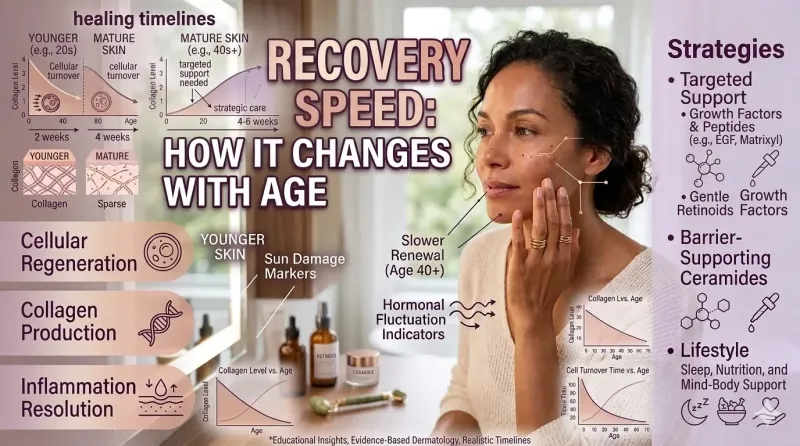
Your skin's ability to heal, recover, and regenerate undergoes dramatic changes throughout your lifetime. A cut that disappears in days during your 20s might take weeks to fade in your 40s. Post-procedure recovery that required minimal downtime in your 30s could require months of careful aftercare in your 50s. Understanding these age-related changes in skin recovery speed isn't just academic—it's essential for setting realistic expectations, optimizing your skincare routine, and making informed decisions about cosmetic procedures and wound care.
The science of skin recovery is complex, involving intricate cellular processes, hormonal influences, and environmental factors that shift dramatically with each passing decade. From the rapid cell turnover of youth to the slower, more deliberate healing processes of maturity, your skin's recovery capabilities tell the story of your biological age far more accurately than chronological age alone.
This comprehensive guide explores the fascinating science behind age-related changes in skin recovery speed, provides specific timelines for what to expect in each decade of life, and offers evidence-based strategies to optimize your skin's healing potential at every age. Whether you're planning a cosmetic procedure, recovering from an injury, or simply curious about why your skin doesn't bounce back like it used to, you'll find practical, science-backed information to help you navigate your skin's evolving needs.
Understanding Skin Recovery: The Biological Basics
Before exploring how recovery changes with age, it's essential to understand what skin recovery actually involves at a cellular and molecular level.
The Four Phases of Wound Healing
Skin recovery follows a precisely orchestrated sequence of events, regardless of age:
Phase 1: Hemostasis (Immediate - Minutes)
- Blood vessels constrict to minimize bleeding
- Platelets aggregate to form a clot
- Fibrin mesh forms to stabilize the clot
- Growth factors are released to initiate healing
Phase 2: Inflammation (Hours - Days)
- White blood cells (neutrophils, macrophages) migrate to the wound
- Bacteria and debris are removed
- Inflammatory cytokines signal repair processes
- Blood vessels dilate to increase blood flow
- Typically lasts 2-5 days in young, healthy skin
Phase 3: Proliferation (Days - Weeks)
- Fibroblasts produce collagen and extracellular matrix
- New blood vessels form (angiogenesis)
- Keratinocytes migrate to close the wound (re-epithelialization)
- Granulation tissue forms
- Typically lasts 4-21 days depending on wound size and age
Phase 4: Remodeling (Weeks - Months/Years)
- Collagen fibers reorganize and strengthen
- Type III collagen replaced with stronger Type I collagen
- Scar tissue matures and flattens
- Can continue for 1-2 years
Key Cellular Players in Skin Recovery
Keratinocytes: The primary cells of the epidermis responsible for re-epithelialization and barrier restoration.
Fibroblasts: Connective tissue cells that produce collagen, elastin, and other extracellular matrix components essential for wound strength and structure.
Stem Cells: Resident in the basal layer of the epidermis and hair follicles, these cells proliferate and differentiate to replace damaged tissue.
Immune Cells: Macrophages, neutrophils, and lymphocytes coordinate the inflammatory response and clear debris.
Endothelial Cells: Form new blood vessels to supply oxygen and nutrients to healing tissue.
Molecular Signals Driving Recovery
Multiple growth factors and signaling molecules orchestrate the healing process:
- Transforming Growth Factor-beta (TGF-β): Stimulates collagen production and fibroblast activity
- Platelet-Derived Growth Factor (PDGF): Attracts fibroblasts and immune cells to the wound
- Epidermal Growth Factor (EGF): Stimulates keratinocyte proliferation and migration
- Vascular Endothelial Growth Factor (VEGF): Promotes new blood vessel formation
- Interleukins and Cytokines: Coordinate inflammatory and repair responses
How Skin Recovery Changes by Decade
The efficiency of these healing processes changes dramatically with age. Let's examine what happens in each decade of life.
Your 20s: Peak Recovery Performance
Biological Characteristics:
- Cell Turnover Rate: 28-30 days (optimal)
- Collagen Production: Peak levels; approximately 1% annual decline begins around age 25
- Stem Cell Activity: Abundant and highly responsive
- Blood Circulation: Optimal microcirculation delivers oxygen and nutrients efficiently
- Inflammatory Response: Well-regulated; resolves quickly without excessive inflammation
- Hormonal Environment: Estrogen and testosterone support robust healing
Recovery Timelines in Your 20s:
- Minor cuts/abrasions: 3-7 days
- Moderate wounds: 1-2 weeks
- Post-chemical peel recovery: 3-7 days
- Post-laser treatment recovery: 5-10 days
- Acne lesion healing: 3-7 days
- Sunburn recovery: 3-7 days
- Scar maturation: 6-12 months
What's Happening:
Your skin in your 20s operates at peak efficiency. Fibroblasts produce abundant collagen and elastin. Stem cells rapidly proliferate to replace damaged tissue. Blood vessels efficiently deliver oxygen and nutrients. The inflammatory response is robust but well-controlled, clearing debris quickly without excessive tissue damage.
Advantages:
- Rapid re-epithelialization
- Minimal scarring
- Quick resolution of inflammation
- Excellent collagen remodeling
- Strong immune response
Your 30s: The First Signs of Slowing
Biological Changes:
- Cell Turnover Rate: Slows to 35-40 days
- Collagen Production: Declines approximately 1% per year; total collagen down 10-15% from peak
- Stem Cell Activity: Still robust but showing early signs of decline
- Blood Circulation: Microcirculation begins to decline slightly
- Hormonal Shifts: Gradual hormonal changes begin; estrogen levels may fluctuate
- Oxidative Stress: Cumulative damage from UV exposure and environmental factors becomes apparent
Recovery Timelines in Your 30s:
- Minor cuts/abrasions: 5-10 days (vs. 3-7 in 20s)
- Moderate wounds: 2-3 weeks (vs. 1-2 in 20s)
- Post-chemical peel recovery: 7-10 days (vs. 3-7 in 20s)
- Post-laser treatment recovery: 10-14 days (vs. 5-10 in 20s)
- Acne lesion healing: 7-14 days (vs. 3-7 in 20s)
- Post-inflammatory hyperpigmentation: 3-6 months to fade (vs. 1-3 months in 20s)
- Scar maturation: 12-18 months
What's Changing:
The first decade where you'll notice a difference. Cell turnover slows noticeably. Collagen production declines measurably. You might notice that breakouts take longer to heal, post-acne marks linger longer, and procedures require more downtime. The cumulative effects of sun damage from your teens and 20s begin to manifest.
Key Observations:
- Wounds take 20-40% longer to heal
- Post-inflammatory hyperpigmentation more common and persistent
- Collagen remodeling less efficient
- Increased susceptibility to scarring
- Recovery from procedures requires more planning
Your 40s: Accelerated Decline
Biological Changes:
- Cell Turnover Rate: 45-60 days (significantly slower)
- Collagen Production: Declines 2-3% annually; total collagen down 20-30% from peak
- Stem Cell Activity: Noticeably reduced; slower to activate and proliferate
- Blood Circulation: Microcirculation declined 20-30% from youthful levels
- Hormonal Changes: Perimenopause may begin; estrogen fluctuations affect healing
- Glycation: Advanced glycation end-products (AGEs) accumulate, stiffening collagen
- Oxidative Stress: Antioxidant defenses weakened; cumulative damage evident
Recovery Timelines in Your 40s:
- Minor cuts/abrasions: 7-14 days (vs. 5-10 in 30s)
- Moderate wounds: 3-4 weeks (vs. 2-3 in 30s)
- Post-chemical peel recovery: 10-14 days (vs. 7-10 in 30s)
- Post-laser treatment recovery: 2-3 weeks (vs. 10-14 days in 30s)
- Acne lesion healing: 10-21 days (vs. 7-14 in 30s)
- Post-inflammatory hyperpigmentation: 6-12 months to fade (vs. 3-6 months in 30s)
- Scar maturation: 18-24 months
- Post-procedure swelling/bruising: 2-3 weeks (vs. 1-2 weeks in 30s)
What's Happening:
The 40s represent a turning point where recovery slows noticeably. Hormonal changes (especially for women approaching perimenopause) significantly impact healing. Estrogen decline reduces collagen synthesis, impairs wound healing, and decreases skin thickness. Fibroblasts become less responsive to growth factors. The inflammatory phase of healing may be prolonged, increasing the risk of excessive scarring or pigmentation changes.
Key Challenges:
- Wound healing 40-60% slower than in 20s
- Increased risk of abnormal scarring
- Persistent hyperpigmentation
- Reduced response to topical treatments
- Longer downtime from procedures
- Increased infection risk due to slower barrier restoration
Your 50s: Significant Slowdown
Biological Changes:
- Cell Turnover Rate: 60-90 days (less than half the speed of your 20s)
- Collagen Production: Total collagen down 30-40% from peak; production continues declining
- Stem Cell Activity: Significantly diminished; slower activation and reduced proliferative capacity
- Blood Circulation: Microcirculation declined 40-50% from youthful levels
- Hormonal Changes: Menopause (for women); dramatic estrogen drop severely impacts healing
- Skin Thickness: Epidermis and dermis thin significantly
- Immune Function: Immunosenescence reduces immune cell efficiency
- Chronic Inflammation: "Inflammaging" - chronic low-grade inflammation impairs healing
Recovery Timelines in Your 50s:
- Minor cuts/abrasions: 10-21 days (vs. 7-14 in 40s)
- Moderate wounds: 4-6 weeks (vs. 3-4 in 40s)
- Post-chemical peel recovery: 14-21 days (vs. 10-14 in 40s)
- Post-laser treatment recovery: 3-4 weeks (vs. 2-3 in 40s)
- Acne lesion healing: 14-28 days (vs. 10-21 in 40s)
- Post-inflammatory hyperpigmentation: 12-18 months to fade (vs. 6-12 months in 40s)
- Scar maturation: 24-36 months
- Surgical wound healing: 6-8 weeks for initial closure (vs. 4-6 in 40s)
- Post-procedure swelling/bruising: 3-4 weeks (vs. 2-3 in 40s)
What's Happening:
The 50s bring dramatic changes, particularly for women experiencing menopause. The loss of estrogen has profound effects: skin becomes thinner, drier, and less elastic. Wound healing slows considerably. Collagen synthesis drops sharply. The inflammatory response becomes dysregulated - either too weak (increasing infection risk) or too strong (causing excessive inflammation and scarring).
Major Challenges:
- Wound healing 60-80% slower than in 20s
- Significantly increased infection risk
- Poor scar quality; increased risk of abnormal scarring
- Chronic wounds more common (especially in diabetics)
- Reduced response to growth factors and cytokines
- Impaired angiogenesis (new blood vessel formation)
- Delayed re-epithelialization
Your 60s and Beyond: Compromised Recovery
Biological Changes:
- Cell Turnover Rate: 90+ days (less than one-third the speed of your 20s)
- Collagen Production: Total collagen down 40-50% from peak; very low production rate
- Stem Cell Activity: Severely diminished; many stem cells senescent or depleted
- Blood Circulation: Microcirculation declined 50-70% from youthful levels
- Skin Thickness: Skin 20-30% thinner than in youth
- Immune Function: Significantly compromised; increased infection risk
- Chronic Diseases: Diabetes, vascular disease, and other conditions further impair healing
- Medications: Common medications (steroids, blood thinners, immunosuppressants) affect healing
- Nutritional Status: Often compromised; protein, vitamin, and mineral deficiencies common
Recovery Timelines in Your 60s+:
- Minor cuts/abrasions: 14-28 days (vs. 10-21 in 50s)
- Moderate wounds: 6-12 weeks (vs. 4-6 in 50s)
- Post-chemical peel recovery: 21-30 days (vs. 14-21 in 50s)
- Post-laser treatment recovery: 4-6 weeks (vs. 3-4 in 50s)
- Surgical wound healing: 8-12 weeks for initial closure (vs. 6-8 in 50s)
- Chronic wounds: May not heal completely; require ongoing management
- Pressure ulcers: High risk; slow to heal if they develop
- Post-procedure swelling/bruising: 4-6 weeks (vs. 3-4 in 50s)
What's Happening:
In your 60s and beyond, skin recovery is significantly compromised. Multiple factors converge: cellular senescence, reduced growth factor production, impaired immune function, chronic inflammation, vascular insufficiency, and often comorbid medical conditions. The risk of chronic, non-healing wounds increases dramatically. Even minor injuries can take weeks or months to heal completely.
Critical Concerns:
- High risk of chronic wounds
- Significantly increased infection risk
- Poor wound strength; risk of wound dehiscence (reopening)
- Delayed or absent inflammatory response
- Minimal collagen deposition
- Poor angiogenesis
- Increased mortality risk from severe wounds or infections
The Science Behind Age-Related Recovery Decline
Understanding why skin recovery slows with age helps inform strategies to optimize healing at every stage of life.
Cellular Senescence
As we age, cells enter a state called senescence - they stop dividing but don't die. These "zombie cells" accumulate in tissues and:
- Secrete inflammatory factors (SASP - Senescence-Associated Secretory Phenotype)
- Impair the function of neighboring healthy cells
- Reduce stem cell activity
- Disrupt tissue architecture
- Contribute to chronic inflammation
Impact on Healing: Senescent fibroblasts produce less collagen and respond poorly to growth factors. Senescent keratinocytes migrate more slowly to close wounds. Senescent immune cells clear debris less efficiently.
Stem Cell Exhaustion
Epidermal stem cells in the basal layer of the skin are responsible for generating new keratinocytes. With age:
- Stem cell numbers decline
- Remaining stem cells have reduced proliferative capacity
- Stem cells become less responsive to activation signals
- Differentiation becomes dysregulated
Impact on Healing: Slower re-epithelialization, thinner epidermis, impaired barrier restoration, and reduced ability to regenerate damaged tissue.
Collagen and Extracellular Matrix Changes
Reduced Production: Fibroblasts produce less collagen, elastin, and other matrix components with age.
Increased Degradation: Matrix metalloproteinases (MMPs) that break down collagen become more active, while tissue inhibitors of metalloproteinases (TIMPs) decline.
Cross-Linking: Collagen fibers become abnormally cross-linked through glycation, making them stiffer and less functional.
Impact on Healing: Weaker wound strength, slower granulation tissue formation, poor scar quality, and reduced tissue elasticity.
Hormonal Changes
Estrogen Decline (Women): Estrogen plays a crucial role in wound healing by:
- Stimulating collagen synthesis
- Promoting keratinocyte proliferation
- Enhancing angiogenesis
- Modulating inflammation
- Increasing hyaluronic acid production
Menopause causes a dramatic drop in estrogen, severely impairing all these processes.
Testosterone Decline (Men): Testosterone also supports wound healing, though its effects are less pronounced than estrogen's effects in women.
Growth Hormone/IGF-1 Decline: Both decline with age, reducing cellular proliferation and tissue regeneration.
Impaired Angiogenesis
New blood vessel formation is critical for delivering oxygen and nutrients to healing tissue. With age:
- Endothelial cell function declines
- VEGF production and signaling decrease
- Blood vessel density decreases
- Microcirculation becomes less efficient
Impact on Healing: Reduced oxygen and nutrient delivery, slower granulation tissue formation, increased risk of tissue necrosis, and delayed healing.
Dysregulated Inflammation
The inflammatory phase of healing becomes dysregulated with age:
- Prolonged Inflammation: Inflammatory phase lasts longer, causing more tissue damage
- Excessive Inflammation: "Inflammaging" - chronic low-grade inflammation impairs healing
- Weak Inflammation: In some cases, inflammatory response is too weak to effectively clear debris and bacteria
- Immune Cell Dysfunction: Macrophages, neutrophils, and lymphocytes function less efficiently
Oxidative Stress
Reactive oxygen species (ROS) are necessary for healing but must be tightly regulated. With age:
- Antioxidant defenses (superoxide dismutase, catalase, glutathione) decline
- ROS production increases
- Oxidative damage accumulates in cells and tissues
Impact on Healing: Excessive oxidative stress damages cells, impairs growth factor signaling, and delays healing.
Glycation and Advanced Glycation End-Products (AGEs)
Sugar molecules bind to proteins (glycation), forming AGEs that:
- Stiffen collagen and elastin
- Impair cell function
- Trigger inflammation through RAGE receptors
- Accumulate with age
Impact on Healing: Reduced tissue elasticity, impaired cell migration, increased inflammation, and slower healing.
Strategies to Optimize Skin Recovery by Decade
While we can't stop aging, we can optimize our skin's recovery capacity at every age through targeted strategies.
In Your 20s: Build a Strong Foundation
Prevention is Key:
- Sun Protection: Daily broad-spectrum SPF 30+ prevents cumulative UV damage that will impair healing later
- Avoid Smoking: Smoking severely impairs wound healing; never start or quit immediately
- Healthy Diet: Establish nutrient-dense eating patterns
- Exercise Regularly: Promotes circulation and overall health
- Sleep 7-9 Hours: Critical for tissue repair and growth hormone release
Skincare Routine:
- Gentle cleanser
- Antioxidant serum (vitamin C)
- Moisturizer
- Daily sunscreen
- Consider starting retinoid for long-term collagen support
Nutritional Focus:
- Adequate protein (0.8-1g per kg body weight)
- Vitamin C (collagen synthesis)
- Zinc (wound healing)
- Omega-3 fatty acids (anti-inflammatory)
In Your 30s: Maintain and Protect
Enhanced Prevention:
- Continue rigorous sun protection
- Manage stress: Chronic stress impairs healing through cortisol
- Limit alcohol: Impairs immune function and wound healing
- Maintain healthy weight: Obesity impairs wound healing
Advanced Skincare:
- Retinoid (tretinoin or retinol) to maintain cell turnover
- Vitamin C serum (antioxidant protection)
- Peptides to support collagen production
- Niacinamide to support barrier function
- Hyaluronic acid for hydration
Nutritional Optimization:
- Increase protein to 1-1.2g per kg
- Collagen peptides (emerging evidence for skin health)
- Vitamin D (immune function and healing)
- Antioxidant-rich foods (berries, leafy greens)
Lifestyle Adjustments:
- Prioritize sleep (healing occurs during sleep)
- Regular exercise (improves circulation)
- Stress management (meditation, yoga)
In Your 40s: Actively Support Healing
Medical Optimization:
- Screen for deficiencies: Vitamin D, B12, iron, zinc
- Manage chronic conditions: Diabetes, hypertension, thyroid disorders
- Review medications: Some impair healing (steroids, blood thinners)
- Consider hormone optimization: Discuss with healthcare provider
Advanced Skincare:
- Prescription retinoid (tretinoin 0.025-0.05%)
- Growth factor serums
- Professional-grade vitamin C (15-20%)
- Peptide complexes
- Regular professional treatments (chemical peels, microneedling)
Nutritional Support:
- Protein: 1.2-1.5g per kg
- Collagen peptides: 10-15g daily
- Vitamin C: 500-1000mg daily
- Zinc: 15-30mg daily
- Omega-3: 2-3g daily
- Consider multivitamin
Lifestyle Modifications:
- Prioritize 7-9 hours sleep
- Strength training (preserves muscle, supports healing)
- Stress reduction essential
- Avoid smoking completely
- Limit alcohol to moderate levels
Procedure Planning:
- Allow extra downtime for procedures
- Optimize nutrition before procedures
- Follow post-procedure protocols meticulously
- Consider pre-treatment with growth factors or PRP
In Your 50s: Aggressive Support and Monitoring
Medical Management:
- Hormone Replacement Therapy (HRT): Discuss risks/benefits with provider; can significantly improve healing
- Comprehensive health screening: Diabetes, vascular disease, nutritional status
- Medication review: Optimize or adjust medications that impair healing
- Regular dermatology visits: Monitor skin health
Advanced Skincare:
- Tretinoin 0.05-0.1%
- Topical growth factors
- Professional treatments (laser, radiofrequency, ultrasound)
- Regular chemical peels (superficial to medium)
- Consider topical estrogen (discuss with provider)
Nutritional Optimization:
- Protein: 1.5-2g per kg
- Collagen peptides: 15-20g daily
- Vitamin C: 1000-2000mg daily
- Vitamin D: 2000-5000 IU daily (based on blood levels)
- Zinc: 30-50mg daily
- B-complex vitamins
- Magnesium
- Consider amino acid supplementation
Lifestyle Interventions:
- Prioritize sleep (critical for healing)
- Regular exercise (combination of strength and cardio)
- Stress management essential (cortisol impairs healing)
- Hydration: 2-3 liters water daily
- Avoid all smoking and limit alcohol
Wound Care Vigilance:
- Monitor all wounds closely
- Seek medical attention for slow-healing wounds
- Use advanced wound care products (hydrocolloids, growth factor gels)
- Keep wounds moist (not dry)
- Optimize nutrition during healing
In Your 60s and Beyond: Comprehensive Support
Medical Management:
- Comprehensive health optimization: Manage all chronic conditions aggressively
- Medication management: Minimize medications that impair healing
- Nutritional assessment: Regular screening for deficiencies
- Vascular assessment: Ensure adequate circulation
- Consider specialized wound care: For chronic wounds
Nutritional Support:
- Protein: 2g per kg (or higher if healing wound)
- Collagen peptides: 20g daily
- Complete multivitamin/mineral
- Vitamin C: 2000mg daily
- Vitamin D: 5000+ IU daily (based on levels)
- Zinc: 50mg daily
- Arginine and glutamine (amino acids that support healing)
- HMB (beta-hydroxy-beta-methylbutyrate) for muscle preservation
- Consider nutritional shakes if appetite poor
Skincare:
- Gentle, non-irritating products
- Rich moisturizers (skin is very dry)
- Continue retinoid if tolerated
- Avoid harsh procedures
- Focus on barrier support and hydration
Lifestyle:
- Prioritize sleep
- Gentle exercise as tolerated
- Social connection (reduces stress)
- Adequate hydration
- Pressure relief (prevent pressure ulcers)
Wound Prevention:
- Inspect skin daily
- Prevent falls and injuries
- Use protective padding
- Change positions frequently if immobile
- Use pressure-relieving mattresses/cushions
- Keep skin clean and moisturized
When Wounds Occur:
- Seek medical attention immediately
- Follow wound care instructions meticulously
- Optimize nutrition aggressively
- Consider advanced therapies (negative pressure wound therapy, growth factors, skin substitutes)
- Monitor for infection closely
Special Considerations for Cosmetic Procedures
If you're considering cosmetic procedures, understanding age-related recovery changes is crucial for planning and expectations.
Procedure Selection by Age
20s-30s:
- Most procedures well-tolerated
- Quick recovery
- Focus on prevention and maintenance
- Good candidates for: lasers, peels, microneedling, Botox, fillers
40s:
- Still good candidates for most procedures
- Allow extra downtime (add 50% to typical recovery)
- May need combination treatments for optimal results
- Consider pre-treatment optimization (nutrition, skincare)
50s:
- More selective with procedures
- Allow significant downtime (double typical recovery)
- Consider less invasive options
- Pre- and post-treatment optimization essential
- May need multiple sessions for desired results
60s+:
- Carefully weigh risks vs. benefits
- Prefer minimally invasive procedures
- Extended recovery periods
- Medical clearance often necessary
- Realistic expectations critical
Pre-Procedure Optimization (All Ages, Especially 40+)
4-6 Weeks Before:
- Optimize nutrition (increase protein, vitamins, minerals)
- Stop smoking (critical - smoking severely impairs healing)
- Limit alcohol
- Begin or increase retinoid use (if appropriate for procedure)
- Start vitamin C supplementation
- Ensure adequate sleep
2 Weeks Before:
- Discontinue blood thinners (as approved by physician)
- Stop NSAIDs (ibuprofen, aspirin)
- Discontinue certain supplements (vitamin E, fish oil, ginkgo)
- Stop retinoids (for certain procedures)
- Avoid sun exposure
1 Week Before:
- Hydrate well
- Avoid alcohol
- Get adequate sleep
- Arrange post-procedure support
- Purchase post-procedure supplies
Post-Procedure Care (Age-Adjusted)
20s-30s:
- Follow standard post-care instructions
- Typical recovery timelines apply
- Can usually resume normal activities quickly
40s:
- Follow instructions meticulously
- Add 50% to typical recovery time
- Be extra diligent with sun protection
- Continue nutritional support
- Don't rush back to activities
50s:
- Double typical recovery time
- Aggressive nutritional support
- Strict sun avoidance
- Consider growth factor or PRP support
- Attend all follow-up appointments
- Report any concerns immediately
60s+:
- Triple typical recovery time
- Close medical monitoring
- Aggressive wound care if needed
- Nutritional supplementation essential
- Have support system in place
- Lower expectations for results
Nutritional Support for Optimal Skin Recovery
Nutrition plays a crucial role in skin healing at every age, but becomes increasingly important as we age.
Key Nutrients for Skin Recovery
Protein:
- Role: Essential for collagen synthesis, cell proliferation, immune function
- Sources: Lean meats, fish, eggs, dairy, legumes, protein supplements
- Dosing by Age:
- 20s-30s: 0.8-1g per kg body weight
- 40s: 1-1.2g per kg
- 50s: 1.2-1.5g per kg
- 60s+: 1.5-2g per kg (or higher if healing wound)
Vitamin C:
- Role: Essential for collagen synthesis, antioxidant protection, immune function
- Sources: Citrus fruits, berries, peppers, broccoli, supplements
- Dosing: 500-2000mg daily (higher doses during wound healing)
Zinc:
- Role: Critical for cell proliferation, protein synthesis, immune function, wound healing
- Sources: Oysters, red meat, poultry, beans, nuts, supplements
- Dosing: 15-50mg daily (higher during healing)
- Caution: Don't exceed 50mg long-term (can cause copper deficiency)
Vitamin A:
- Role: Supports epithelial cell growth, immune function, collagen synthesis
- Sources: Liver, fish, dairy, carrots, sweet potatoes, leafy greens
- Dosing: 700-900 mcg RDA (avoid excess - can be toxic)
Vitamin E:
- Role: Antioxidant protection, supports immune function
- Sources: Nuts, seeds, vegetable oils, leafy greens
- Dosing: 15mg (22 IU) daily
- Caution: High doses can impair wound healing; avoid >400 IU daily
Vitamin D:
- Role: Immune function, cell proliferation, antimicrobial peptide production
- Sources: Sun exposure, fatty fish, fortified foods, supplements
- Dosing: 2000-5000 IU daily (based on blood levels)
- Testing: Check 25(OH)D levels; aim for 30-50 ng/mL
B Vitamins:
- Role: Energy metabolism, cell proliferation, collagen synthesis
- Sources: Whole grains, meat, eggs, dairy, leafy greens
- Dosing: B-complex supplement recommended, especially 50+
Omega-3 Fatty Acids:
- Role: Anti-inflammatory, supports cell membrane integrity
- Sources: Fatty fish, flaxseeds, chia seeds, walnuts, supplements
- Dosing: 2-3g EPA+DHA daily
Collagen Peptides:
- Role: Provides amino acids for collagen synthesis; emerging evidence for skin health
- Sources: Collagen peptide supplements (hydrolyzed collagen)
- Dosing: 10-20g daily
- Evidence: Growing evidence for improved skin elasticity and wound healing
Arginine:
- Role: Precursor for nitric oxide (vasodilation), supports immune function, collagen synthesis
- Sources: Meat, dairy, nuts, supplements
- Dosing: 3-9g daily (especially important for wound healing)
Glutamine:
- Role: Fuel for immune cells and intestinal cells, supports protein synthesis
- Sources: Meat, fish, eggs, dairy, supplements
- Dosing: 5-15g daily (especially during wound healing or illness)
When to Seek Medical Attention
Certain signs indicate that a wound or recovery process requires medical attention:
Warning Signs
- Infection:
- Increasing redness, warmth, or swelling
- Pus or foul-smelling discharge
- Fever or chills
- Red streaks spreading from wound
- Increasing pain
- Poor Healing:
- Wound not showing improvement after 2 weeks
- Wound getting larger
- Exposed bone, tendon, or muscle
- Wound edges not closing
- Circulation Problems:
- Numbness or tingling
- Cold or pale skin around wound
- Blue or black discoloration
- Systemic Symptoms:
- Fever >100.4°F (38°C)
- Rapid heart rate
- Confusion or altered mental status
- Nausea or vomiting
High-Risk Situations (Seek Immediate Care)
- Diabetes with any foot wound
- Immunosuppression (chemotherapy, HIV, transplant medications)
- Peripheral vascular disease
- Deep wounds or puncture wounds
- Animal or human bites
- Wounds with embedded debris
- Large burns
- Pressure ulcers
Frequently Asked Questions
Can I speed up my skin's natural healing process?
Yes, to some extent. While you can't completely override age-related changes, you can optimize healing through:
- Optimal nutrition (adequate protein, vitamins, minerals)
- Proper wound care (keep clean, moist, protected)
- Adequate sleep (7-9 hours)
- Stress management
- Avoiding smoking and limiting alcohol
- Regular exercise
- Topical treatments (growth factors, retinoids)
- Advanced therapies for chronic wounds (negative pressure, growth factors, skin substitutes)
Why do older adults get more scars?
Several factors contribute:
- Slower healing increases risk of abnormal scarring
- Reduced collagen remodeling
- Thinner skin more prone to injury
- Prolonged inflammation
- Reduced tensile strength of healing tissue
- More likely to have comorbidities that impair healing
Does menopause affect wound healing?
Yes, significantly. Estrogen plays a crucial role in wound healing by:
- Stimulating collagen production
- Promoting keratinocyte proliferation
- Enhancing angiogenesis
- Modulating inflammation
- Increasing skin thickness
The dramatic drop in estrogen during menopause impairs all these processes, leading to:
- Slower wound healing
- Thinner, more fragile skin
- Reduced collagen synthesis
- Decreased skin elasticity
- Increased risk of chronic wounds
Hormone replacement therapy (HRT) can partially reverse these effects, but risks and benefits must be carefully weighed with your healthcare provider.
How does diabetes affect skin recovery?
Diabetes severely impairs wound healing through multiple mechanisms:
- Poor circulation: Reduced blood flow limits oxygen and nutrient delivery
- Nerve damage: Neuropathy reduces sensation, leading to unrecognized injuries
- Immune dysfunction: Impaired immune response increases infection risk
- Advanced glycation: AGEs impair cell function and collagen structure
- Inflammation: Chronic inflammation impairs healing
Diabetics have 2-4x higher risk of chronic wounds and amputations. Strict glucose control, foot care, and prompt medical attention for any wounds are essential.
Can supplements really improve skin healing?
Yes, but with caveats:
- If deficient: Correcting deficiencies (vitamin C, zinc, protein) dramatically improves healing
- If adequate: Megadosing beyond normal levels provides minimal additional benefit
- Specific situations: Certain supplements (arginine, glutamine, HMB) show benefit in wound healing, especially in older adults or those with chronic wounds
- Quality matters: Choose reputable brands with third-party testing
Best approach: Get tested for deficiencies, optimize diet first, then supplement strategically based on individual needs.
Why do some wounds never heal?
Chronic, non-healing wounds occur when the healing process gets stuck, usually in the inflammatory phase. Common causes:
- Poor circulation (peripheral vascular disease)
- Diabetes
- Chronic pressure (pressure ulcers)
- Infection
- Immunosuppression
- Malnutrition
- Venous insufficiency
- Certain medications
Chronic wounds require specialized care, often from a wound care specialist, and may need advanced therapies.
Conclusion: Working With Your Skin at Every Age
Understanding how skin recovery changes with age empowers you to set realistic expectations, optimize your healing potential, and make informed decisions about skincare, procedures, and wound care.
Key Takeaways:
- Recovery slows progressively: From your 20s through your 60s and beyond, skin recovery capacity declines significantly. A process that takes days in your 20s may take weeks or months in your 60s.
- Multiple factors contribute: Cellular senescence, stem cell exhaustion, hormonal changes, reduced circulation, chronic inflammation, and nutritional deficiencies all play roles.
- Prevention is critical: Sun protection, healthy lifestyle, and good nutrition in your 20s and 30s pay dividends in later decades.
- Optimization is possible: While you can't stop aging, you can optimize recovery through nutrition, lifestyle, skincare, and medical management.
- Age-specific strategies matter: What works in your 20s won't work in your 60s. Tailor your approach to your current decade.
- Medical conditions matter: Diabetes, vascular disease, and other conditions significantly impair healing and require aggressive management.
- Nutrition is foundational: Adequate protein, vitamins, and minerals are essential for optimal healing at every age, but become increasingly important with age.
- Realistic expectations: Understand that healing takes longer as you age. Plan accordingly for procedures and don't be discouraged by slower progress.
Your Action Plan:
In Your 20s-30s: Focus on prevention. Protect from sun, avoid smoking, eat well, exercise, sleep well. Establish healthy habits that will serve you for decades.
In Your 40s: Begin active optimization. Enhance nutrition, consider supplements, maintain fitness, manage stress, and be proactive about skin health.
In Your 50s: Aggressive support becomes essential. Optimize hormones if appropriate, maximize nutrition, monitor health closely, and allow extra time for healing.
In Your 60s+: Comprehensive management is critical. Work closely with healthcare providers, optimize all aspects of health, prevent injuries, and seek prompt medical attention for any wounds.
Your skin tells the story of your life, and its ability to heal and recover reflects your overall health. By understanding age-related changes and taking proactive steps to optimize recovery, you can maintain healthier, more resilient skin at every stage of life.
Remember: aging is inevitable, but how well you age is largely within your control. Start today, whatever your age, with one positive change. Your skin will thank you.