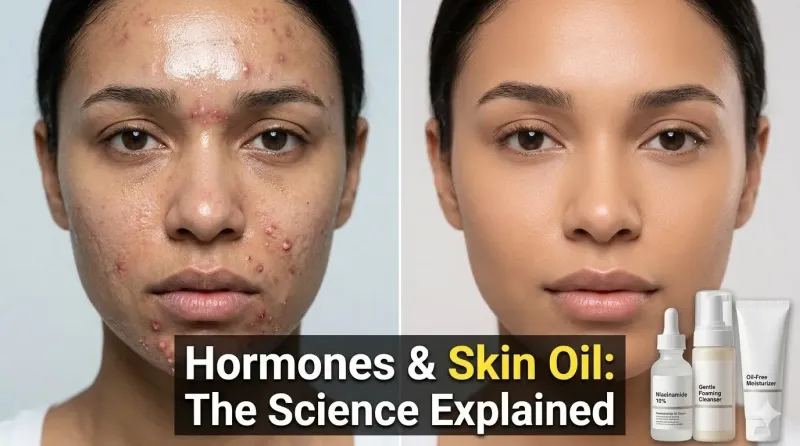
The connection between hormones and skin oil production is one of the most well-documented yet misunderstood aspects of dermatological science. For many women, fluctuating oiliness, sudden breakouts, or persistent shine aren't simply skincare failures—they're visible reflections of complex hormonal shifts happening beneath the surface. Understanding this connection isn't just academic; it's the key to developing effective, sustainable strategies for balanced, healthy skin.
Sebum—the oily substance produced by sebaceous glands in your skin—plays a crucial role in maintaining skin health. It lubricates the skin, provides a protective barrier against environmental aggressors, and helps maintain hydration. However, when hormonal signals disrupt the delicate balance of sebum production, skin can become excessively oily, prone to breakouts, or paradoxically dry and irritated despite oiliness.
This comprehensive, science-backed guide explores the intricate relationship between hormones and skin oil balance. You'll discover which hormones influence sebum production and how, understand how life stages and cycles affect your skin's oil output, learn to identify signs of hormonal oil imbalance, and find evidence-based strategies—both topical and lifestyle-focused—to restore balance. Whether you're navigating puberty, menstrual fluctuations, pregnancy, perimenopause, or stress-related skin changes, you'll gain practical, research-supported insights to help you achieve healthier, more balanced skin.
The Science: How Hormones Regulate Skin Oil Production
To effectively manage hormonal oil imbalance, we must first understand the biological mechanisms at play. Sebum production is primarily regulated by hormonal signals that interact with sebaceous glands throughout the skin.
Key Hormones That Influence Sebum Production
1. Androgens (Testosterone, DHT, DHEA-S)
Mechanism: Androgens bind to androgen receptors on sebaceous gland cells, stimulating increased sebum production and gland enlargement.
Scientific evidence: Research consistently shows that androgen levels correlate strongly with sebum output. Studies using androgen blockers demonstrate significant reductions in oil production, confirming the causal relationship.
Impact on skin: Elevated androgens can lead to increased oiliness, enlarged pores, and higher risk of comedonal acne (blackheads and whiteheads).
When fluctuations occur: Puberty, menstrual cycle (mid-cycle surge), PCOS, stress, certain medications.
2. Estrogen
Mechanism: Estrogen generally has an inhibitory effect on sebum production. It downregulates androgen receptor expression and may directly suppress sebaceous gland activity.
Scientific evidence: Clinical observations show that estrogen-dominant phases (like the follicular phase of the menstrual cycle) often correlate with less oily skin. Hormone replacement therapy with estrogen often improves oil control in postmenopausal women.
Impact on skin: Higher estrogen levels typically promote less oily, more balanced skin with improved barrier function and hydration.
When fluctuations occur: Menstrual cycle (higher in follicular phase), pregnancy (very high), perimenopause/menopause (declining).
3. Progesterone
Mechanism: Progesterone's effects on sebum are complex and somewhat contradictory in research. It may have mild androgenic activity in some contexts while also influencing skin barrier function.
Scientific evidence: Many women report increased oiliness and breakouts during the luteal phase (post-ovulation) when progesterone rises, though research on direct mechanisms is less definitive than for androgens or estrogen.
Impact on skin: May contribute to premenstrual oiliness and breakouts in some individuals; effects vary significantly between individuals.
When fluctuations occur: Menstrual cycle (rises post-ovulation), pregnancy (very high), hormonal contraceptives (varies by formulation).
4. Cortisol (Stress Hormone)
Mechanism: Chronic stress elevates cortisol, which can: increase androgen production indirectly; promote inflammation that affects sebaceous gland function; impair skin barrier function, potentially triggering compensatory oil production.
Scientific evidence: Studies link psychological stress to increased sebum production and acne severity. The pathway appears to involve both direct hormonal effects and stress-induced inflammation.
Impact on skin: Stress-related oiliness often appears suddenly, may be accompanied by inflammation or breakouts, and can be resistant to typical oil-control products.
When fluctuations occur: Periods of acute or chronic psychological stress, poor sleep, major life changes.
5. Insulin and IGF-1
Mechanism: High insulin levels (from high-glycemic diets, insulin resistance) increase IGF-1, which stimulates sebaceous gland activity and androgen production.
Scientific evidence: Research shows that low-glycemic diets can reduce acne severity and sebum production, supporting the insulin-sebum connection.
Impact on skin: May contribute to persistent oiliness, especially when combined with other hormonal factors; often associated with inflammatory acne.
When fluctuations occur: After high-carbohydrate meals, in insulin resistance or PCOS, with certain dietary patterns.
The Sebaceous Gland: Hormone Target and Oil Factory
Sebaceous glands are specialized skin structures connected to hair follicles. Key facts:
- Distribution: Most dense on face (especially T-zone), chest, and back
- Function: Produce sebum—a complex mixture of triglycerides, wax esters, squalene, and cholesterol
- Regulation: Primarily controlled by hormonal signals, particularly androgens
- Life cycle: Glands enlarge and become more active during puberty; activity may decline with age but remains hormonally responsive
When hormonal signals are balanced, sebaceous glands produce an optimal amount of sebum. When signals are disrupted, production can become excessive (leading to oiliness and acne) or insufficient (contributing to dryness despite underlying oiliness).
Hormonal Life Stages and Skin Oil Patterns
Hormonal influences on skin oil aren't static—they shift dramatically across a woman's life. Understanding these patterns helps set realistic expectations and guide targeted care.
Puberty and Adolescence
Hormonal context: Surge in androgens (in both sexes) triggers sebaceous gland enlargement and increased sebum production.
Typical skin changes:
- Increased oiliness, especially in T-zone
- Enlarged pores
- Higher risk of comedonal and inflammatory acne
- Skin may feel both oily and dehydrated
Science-backed strategies:
- Gentle cleansing twice daily with low-pH, non-stripping cleanser
- Niacinamide (4-5%) to regulate sebum and support barrier
- Salicylic acid (BHA) for pore-clearing without over-drying
- Non-comedogenic, oil-free moisturizer to maintain barrier
- Consistent sunscreen (oiliness doesn't eliminate UV risk)
Menstrual Cycle Fluctuations
Hormonal context: Estrogen and progesterone fluctuate across the ~28-day cycle, influencing sebum production and skin behavior.
Typical pattern:
- Follicular phase (Days 1-14, post-period to ovulation): Rising estrogen; skin often less oily, clearer, more radiant
- Ovulation (Day ~14): Estrogen peak, testosterone small surge; skin may be at its most balanced
- Luteal phase (Days 15-28, post-ovulation to period): Rising progesterone, then drop in both hormones; many experience increased oiliness, breakouts, or sensitivity
Science-backed strategies:
- Track your cycle: Note skin changes to anticipate and prepare for shifts
- Adjust routine cyclically: Use lighter products in follicular phase; add oil-control or calming ingredients in luteal phase
- Luteal phase focus: Niacinamide, gentle BHA, zinc, anti-inflammatory ingredients
- Avoid over-correcting: Don't strip skin during oily phases; maintain barrier support
Pregnancy and Postpartum
Hormonal context: Dramatic increases in estrogen, progesterone, and other hormones during pregnancy; rapid shifts postpartum.
Typical skin changes:
- Pregnancy: Highly variable—some experience clearer, glowing skin; others develop increased oiliness, melasma, or pregnancy acne
- Postpartum: Rapid hormone decline can trigger sudden oiliness, breakouts, or dryness as skin readjusts
Science-backed strategies:
- Pregnancy-safe ingredients only: Avoid retinoids, high-dose salicylic acid, hydroquinone
- Focus on gentle balance: Niacinamide, azelaic acid, gentle cleansing, consistent hydration
- Postpartum patience: Allow 3-6 months for hormones to stabilize before making major routine changes
- Prioritize barrier support: Hormonal shifts can compromise barrier; ceramides and gentle care are essential
Perimenopause and Menopause
Hormonal context: Declining and fluctuating estrogen; relative androgen dominance; changes in other hormones.
Typical skin changes:
- Paradoxical combination: oilier T-zone with drier cheeks
- Adult-onset acne, often along jawline and chin
- Thinner skin with compromised barrier function
- Increased sensitivity alongside oiliness
Science-backed strategies:
- Zone-specific care: Lighter products on oily zones; richer hydration on dry areas
- Barrier-first approach: Ceramides, cholesterol, fatty acids to support thinning skin
- Gentle actives: Low-concentration retinoids (if tolerated), azelaic acid, niacinamide
- Hormone-informed care: Discuss topical or systemic hormone options with healthcare provider if appropriate
Identifying Hormonal Oil Imbalance: Signs and Self-Assessment
Not all oiliness is hormonal. Use these indicators to assess whether hormones may be driving your skin's oil production.
Signs Your Oiliness May Be Hormonally Driven
Pattern-Based Indicators:
- Cyclical changes: Oiliness or breakouts consistently appear at the same point in your menstrual cycle
- Life-stage timing: Changes coincide with puberty, pregnancy, postpartum, or perimenopause
- Stress correlation: Oiliness flares during or after periods of significant stress
- Location-specific: Oiliness concentrated in hormone-sensitive zones (jawline, chin, lower cheeks)
Skin Behavior Indicators:
- Resistant to typical oil-control: Standard oil-free products don't significantly improve oiliness
- Paradoxical dryness: Skin feels both oily and tight or flaky (suggesting barrier impairment)
- Inflammatory component: Oiliness accompanied by redness, sensitivity, or inflammatory acne
- Sudden onset: Oiliness appears abruptly without changes in skincare or environment
Self-Assessment Questions
Ask yourself:
- Does my oiliness follow a predictable pattern related to my menstrual cycle?
- Did my skin oiliness change significantly during puberty, pregnancy, postpartum, or perimenopause?
- Do stressful periods trigger noticeable increases in oiliness or breakouts?
- Is my oiliness concentrated in hormone-sensitive areas (jawline, chin) rather than evenly distributed?
- Have I noticed other hormonal symptoms (cycle irregularities, mood changes, hair changes) alongside skin changes?
If you answered "yes" to two or more questions, hormonal factors likely contribute to your skin's oil balance.
Evidence-Based Strategies to Balance Hormonal Oil Production
Managing hormonally influenced oiliness requires a multi-pronged approach that addresses both topical care and underlying hormonal drivers.
Topical Skincare: Science-Backed Ingredients
1. Niacinamide (Vitamin B3)
- Mechanism: Regulates sebum production by modulating lipid synthesis; strengthens barrier; reduces inflammation
- Evidence: Multiple studies show 2-5% niacinamide significantly reduces sebum output and improves skin appearance
- How to use: Apply serum or moisturizer with 4-5% niacinamide once or twice daily
- Best for: All skin types; especially effective for hormonal oiliness with sensitivity
2. Salicylic Acid (BHA)
- Mechanism: Oil-soluble beta-hydroxy acid that penetrates pores to dissolve sebum and dead cells; anti-inflammatory
- Evidence: Clinical studies confirm BHA's efficacy in reducing comedones and improving oily skin
- How to use: 0.5-2% leave-on product 2-3 times weekly; avoid overuse to prevent barrier impairment
- Best for: Oily, acne-prone skin; use cautiously if skin is sensitive or compromised
3. Zinc (PCA Zinc, Zinc Sulfate)
- Mechanism: Modulates sebum production; anti-inflammatory; supports wound healing
- Evidence: Research shows topical zinc reduces sebum output and inflammatory lesions
- How to use: Look for zinc in serums, moisturizers, or spot treatments; apply once or twice daily
- Best for: Hormonal acne with oiliness; sensitive or inflamed skin
4. Azelaic Acid
- Mechanism: Normalizes keratinization; anti-inflammatory; mild antimicrobial; may modulate androgen activity locally
- Evidence: FDA-approved for acne and rosacea; studies show efficacy in reducing lesions and improving texture
- How to use: 10% OTC or 15-20% prescription; apply once or twice daily
- Best for: Hormonal acne, rosacea-prone skin, sensitive oily skin
5. Retinoids (Retinol, Adapalene, Prescription)
- Mechanism: Normalize follicular keratinization; reduce comedone formation; may modulate sebaceous gland activity over time
- Evidence: Extensive research supports retinoids for acne and oil control; effects build over weeks to months
- How to use: Start with low concentration (0.25% retinol or 0.1% adapalene) 2-3 times weekly; buffer with moisturizer if sensitive
- Best for: Persistent hormonal acne with oiliness; not for use during pregnancy
- Caution: Can initially increase dryness or irritation; introduce gradually
Lifestyle and Systemic Strategies
1. Dietary Considerations
- Low-glycemic eating: Research links high-glycemic diets to increased sebum production and acne. Prioritize whole grains, legumes, vegetables, and lean proteins.
- Omega-3 fatty acids: Anti-inflammatory effects may help modulate hormonal skin responses. Sources: fatty fish, flaxseeds, walnuts.
- Dairy consideration: Some studies suggest skim milk may worsen acne in susceptible individuals; consider reducing if you notice correlation.
- Stay hydrated: Adequate water intake supports overall skin health, though direct impact on oiliness is less clear.
2. Stress Management
- Mechanism: Chronic stress elevates cortisol, which can increase androgens and inflammation, worsening oiliness.
- Evidence-based practices:
- Mindfulness meditation (10-15 minutes daily)
- Regular moderate exercise (reduces cortisol long-term)
- Adequate sleep (7-9 hours; skin repairs during sleep)
- Breathwork or yoga for acute stress reduction
3. Sleep Optimization
- Why it matters: Sleep deprivation elevates cortisol and disrupts hormone regulation, potentially worsening oiliness.
- Practical strategies:
- Consistent sleep schedule (even on weekends)
- Cool, dark, quiet sleep environment
- Avoid screens 1 hour before bed
- Consider magnesium or melatonin if sleep is chronically poor (consult provider)
4. When to Consider Medical Interventions
- For PCOS or significant androgen excess: Healthcare providers may prescribe:
- Combined oral contraceptives (certain formulations reduce androgens)
- Spironolactone (androgen blocker; requires monitoring)
- Metformin (if insulin resistance is present)
- For severe or persistent hormonal acne: Dermatologists may recommend:
- Topical or oral prescription treatments
- Hormonal testing to identify underlying imbalances
- Referral to endocrinologist if systemic hormonal issues are suspected
Building Your Hormone-Informed Skincare Routine
Here's how to structure a routine that addresses hormonal oil balance while supporting overall skin health.
AM Routine for Hormonal Oil Balance
- Gentle Cleanser: Low-pH, non-stripping formula to remove overnight buildup without compromising barrier
- Niacinamide Serum (4-5%): Regulates sebum, supports barrier, reduces inflammation
- Lightweight Moisturizer: Oil-free or gel-cream with barrier-supporting ingredients (ceramides, glycerin)
- Sunscreen (non-negotiable): Oil-free, non-comedogenic SPF 30+; mineral formulas often better tolerated by oily, sensitive skin
- Optional: Zinc-based primer or powder for midday oil control
PM Routine for Hormonal Oil Balance
- Gentle Cleanser or Double Cleanse: Remove sunscreen and impurities; avoid over-cleansing
- Treatment Step (Rotate Based on Need):
- 2-3x weekly: Salicylic acid (BHA) for pore-clearing
- 2-3x weekly: Retinoid (if tolerated) for long-term regulation
- Daily: Azelaic acid or zinc for anti-inflammatory support
- Barrier-Supporting Moisturizer: Even oily skin needs hydration; choose lightweight, non-comedogenic formulas
- Targeted Treatment (If Needed): Spot treatment with zinc or sulfur for active breakouts
Cyclical Adjustments for Menstrual Cycle
Follicular Phase (Days 1-14):
- Skin often more balanced; maintain baseline routine
- Good time for introducing new products or gentle exfoliation
- Focus on prevention and maintenance
Luteal Phase (Days 15-28):
- Increase oil-control ingredients: niacinamide, zinc, gentle BHA
- Add anti-inflammatory support: centella, panthenol, azelaic acid
- Avoid introducing new actives; focus on calming and balancing
- Be extra gentle—skin may be more sensitive
Product Recommendations by Concern
These products feature ingredients with evidence supporting hormonal oil balance.
For Sebum Regulation and Oil Control
- The Ordinary Niacinamide 10% + Zinc 1%: High-concentration niacinamide with zinc for oil regulation and inflammation control
- Paula's Choice 10% Niacinamide Booster: Versatile formula that can be mixed with moisturizer or used alone
- Glossier Super Pure: Niacinamide and zinc in lightweight serum format
- La Roche-Posay Effaclar Mat: Oil-control moisturizer with niacinamide and sebum-absorbing powders
For Gentle Exfoliation and Pore Care
- Paula's Choice 2% BHA Liquid Exfoliant: Gold-standard salicylic acid formula for pore-clearing
- COSRX BHA Blackhead Power Liquid: Gentle betaine salicylate alternative for sensitive skin
- The Ordinary Salicylic Acid 2% Masque: Weekly treatment for deeper pore cleansing
- Stridex Maximum Strength Pads: Affordable, convenient BHA option (use cautiously if sensitive)
For Hormonal Acne and Inflammation
- The Ordinary Azelaic Acid Suspension 10%: Affordable, effective option for hormonal breakouts
- Paula's Choice Azelaic Acid Booster 10%: Combines azelaic acid with soothing botanicals
- Finacea Gel 15% (prescription): Higher-strength azelaic acid for stubborn hormonal acne
- La Roche-Posay Effaclar Duo: Combines micro-exfoliation with niacinamide for hormonal breakouts
For Barrier Support Alongside Oil Control
- CeraVe PM Facial Moisturizing Lotion: Ceramides, niacinamide, and hyaluronic acid in lightweight formula
- Stratia Liquid Gold: Ceramides, cholesterol, and fatty acids in ideal ratio for barrier repair
- Illiyoon Ceramide Ato Soothing Gel: High ceramide content in lightweight, soothing gel
- Vanicream Moisturizing Skin Cream: Minimalist, fragrance-free option for sensitive, oily skin
Common Myths and Misconceptions
Myth 1: "Oily Skin Doesn't Need Moisturizer"
Reality: All skin types need hydration. Skipping moisturizer can impair barrier function, potentially triggering compensatory oil production. Choose lightweight, non-comedogenic formulas.
Myth 2: "You Can 'Dry Out' Hormonal Oiliness"
Reality: Harsh, drying products may temporarily reduce surface oil but often worsen imbalance by impairing barrier function. Focus on regulation, not elimination.
Myth 3: "Hormonal Oiliness Is Untreatable"
Reality: While hormonal oiliness may require ongoing management, evidence-based topical and lifestyle strategies can significantly improve balance and skin health.
Myth 4: "Natural Remedies Are Always Safer for Hormonal Skin"
Reality: "Natural" doesn't equal safe or effective. Some botanical extracts can irritate or worsen hormonal skin. Prioritize ingredients with clinical evidence, regardless of origin.
Myth 5: "If It's Hormonal, Skincare Won't Help"
Reality: While topical skincare can't change systemic hormone levels, it can significantly modulate how skin responds to hormonal signals. Topical and systemic approaches work best together.
When to Seek Professional Help
While many cases of hormonal oil imbalance can be managed with self-care, certain situations warrant professional evaluation.
Consult a Dermatologist If:
- Oiliness is accompanied by severe, painful, or scarring acne
- Over-the-counter products haven't improved skin after 8-12 weeks of consistent use
- You suspect an underlying condition like PCOS (symptoms: irregular cycles, excess hair growth, hair loss, weight changes)
- Skin changes are significantly impacting your quality of life or self-esteem
Consider an Endocrinologist or Women's Health Specialist If:
- You have multiple signs of hormonal imbalance beyond skin (cycle irregularities, fertility concerns, mood changes, metabolic issues)
- You're interested in hormonal testing or systemic treatment options
- You're navigating complex life stages (postpartum, perimenopause) with significant skin changes
Frequently Asked Questions
Can birth control help with hormonal oiliness?
Certain combined oral contraceptives (containing both estrogen and progestin) can reduce androgen activity and improve oiliness and acne. However, effects vary by formulation and individual response. Some progestin-only methods may worsen oiliness. Discuss options with a healthcare provider who can weigh benefits, risks, and your specific health profile.
How long does it take to see results from hormonal skincare?
Timeline varies by approach:
- Niacinamide, zinc: Initial improvements in 2-4 weeks; optimal results in 8-12 weeks
- BHA exfoliation: Pore refinement in 2-4 weeks; continued improvement with consistent use
- Retinoids: Initial adjustment period (4-8 weeks); significant oil regulation in 3-6 months
- Lifestyle changes: Dietary or stress modifications may take 4-12 weeks to show skin effects
Consistency is crucial—hormonal skin responds to sustained care, not quick fixes.
Can I use oil-control products during pregnancy?
Many oil-control ingredients are pregnancy-safe, but avoid: retinoids (topical and oral), high-dose salicylic acid (limit to low-concentration, limited-area use), and hydroquinone. Safe options include: niacinamide, azelaic acid, gentle BHA in low concentrations, zinc, and most moisturizers/sunscreens. Always confirm with your OB-GYN before starting new products during pregnancy.
Why is my skin oily but also flaky or sensitive?
This paradoxical combination often indicates barrier impairment. When the skin barrier is compromised, skin can lose water (causing dryness/flakiness) while simultaneously overproducing oil to compensate. Focus on barrier repair (ceramides, gentle care) alongside gentle oil regulation—avoid harsh drying products that worsen the cycle.
Can supplements help with hormonal oil balance?
Some supplements show promise in research, but evidence is mixed and individual responses vary:
- Zinc: Some studies show oral zinc reduces acne severity; typical dose 30mg elemental zinc daily
- Omega-3s: Anti-inflammatory effects may support skin health; 1-2g EPA+DHA daily
- Vitamin D: Deficiency linked to acne; supplement if blood levels are low
- Saw palmetto, spearmint tea: Limited evidence for anti-androgenic effects; discuss with provider before use
Always consult a healthcare provider before starting supplements, especially if you have health conditions or take medications.
Conclusion: Working With Your Hormones, Not Against Them
Hormones and skin oil balance are inextricably linked—a relationship that's complex, dynamic, and deeply personal. While hormonal fluctuations can challenge skin balance, understanding the science empowers you to work with your biology rather than against it.
The goal isn't to eliminate oil—sebum is essential for skin health—but to support your skin's natural regulatory systems so oil production stays in a healthy, balanced range. This requires patience, consistency, and a holistic approach that honors both topical care and systemic health.
Key Takeaways:
- Hormones directly regulate sebum: Androgens stimulate oil production; estrogen generally inhibits it; cortisol and insulin modulate the system.
- Patterns matter: Tracking your skin alongside your cycle, stress levels, and life stage reveals personalized insights.
- Topical strategies work: Niacinamide, BHA, zinc, azelaic acid, and retinoids have clinical evidence for modulating hormonal oiliness.
- Lifestyle supports skincare: Diet, stress management, and sleep aren't optional extras—they're foundational to hormonal skin health.
- Barrier health is non-negotiable: Even oily skin needs hydration and barrier support; compromising the barrier worsens imbalance.
- Professional guidance has value: For persistent or severe concerns, dermatologists and hormone specialists can offer targeted solutions.
Start where you are. Choose one strategy from this guide: add niacinamide to your routine, track your cycle alongside skin changes, prioritize sleep this week, or simply apply moisturizer to damp skin. Small, consistent actions compound over time, creating meaningful change in how your skin responds to hormonal shifts.
Your skin is a dynamic, responsive organ—not a static canvas. By understanding and respecting its hormonal language, you can cultivate balance, resilience, and confidence at every life stage. Hormones may influence your skin, but they don't have to dictate its health. With knowledge, intention, and compassionate care, you can support your skin in thriving, whatever your hormonal landscape.
Your balanced, healthy skin is worth the investment. Start today.