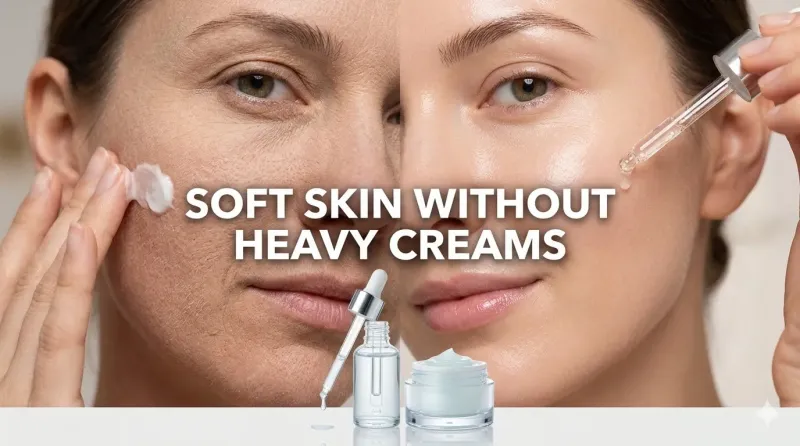
For many people, the pursuit of soft, supple skin has long been associated with rich, thick creams that promise deep nourishment. But what if you could achieve that coveted softness without the heaviness, greasiness, or pore-clogging potential of traditional moisturizers? The good news is that you absolutely can—and for many skin types, lightweight hydration is actually the superior path to lasting softness.
The skincare landscape has evolved dramatically, with innovative formulations that deliver intense hydration through lightweight textures: water-based gels, hydrating essences, serums with hyaluronic acid, and multi-layering techniques that build moisture without weight. These approaches not only feel more comfortable on the skin but often work more effectively for achieving that soft, plump, radiant complexion we all desire.
This comprehensive guide explores how to achieve soft, hydrated skin without relying on heavy creams. You'll discover the science behind lightweight hydration, learn which ingredients deliver maximum moisture with minimal weight, master layering techniques for customized hydration, and find product recommendations suited to different skin types and concerns. Whether you have oily, combination, sensitive, or just prefer a lighter feel, you'll find practical, evidence-based strategies to transform your skin's texture and appearance.
Why Heavy Creams Aren't Always the Answer
Before diving into lightweight alternatives, it's important to understand why heavy creams may not be the best choice for achieving soft skin—especially for certain skin types and concerns.
The Limitations of Heavy Moisturizers
Potential for Pore Clogging:
- Rich creams often contain occlusive ingredients like petrolatum, mineral oil, or heavy butters that can trap debris and sebum
- For oily or acne-prone skin, this can lead to breakouts and congestion
- Even for normal skin, heavy formulas may feel uncomfortable in humid climates or during warmer months
Surface-Level Hydration:
- Heavy creams often work primarily by creating a barrier that prevents water loss (occlusion)
- While this is valuable, it doesn't necessarily add hydration to the skin
- True softness comes from water content within skin cells, not just surface sealing
Potential for Irritation:
- Rich formulas often contain fragrances, preservatives, or emulsifiers that can irritate sensitive skin
- Heavier textures may trap heat against the skin, potentially triggering redness or sensitivity
- Some heavy creams include active ingredients at concentrations that may be too strong for daily use
Incompatibility with Layering:
- Heavy creams can create a barrier that prevents other beneficial products from penetrating
- This limits your ability to customize your routine with serums, treatments, or targeted actives
- Lightweight layers allow for more flexible, personalized skincare
When Lightweight Hydration Excels
Oily and Combination Skin:
- Provides necessary hydration without adding excess oil or heaviness
- Reduces risk of breakouts while maintaining softness
- Feels comfortable throughout the day without shine
Humid Climates:
- Lightweight formulas absorb quickly without feeling sticky in humidity
- Allow skin to breathe while still providing protection
- Less likely to melt or slide off in heat and moisture
Layering Routines:
- Light textures layer beautifully without pilling or feeling heavy
- Allow you to customize hydration levels based on daily needs
- Work well under makeup without causing sliding or separation
Sensitive or Reactive Skin:
- Fewer heavy emulsifiers and occlusives means less potential for irritation
- Lighter formulas often contain fewer potential irritants overall
- Easier to identify and eliminate problematic ingredients
The Science of Lightweight Hydration
Understanding how lightweight hydration works helps you choose products that truly deliver softness without weight.
How Skin Hydration Actually Works
Soft, supple skin depends on water content within the stratum corneum (the outermost layer of skin). This hydration comes from three key mechanisms:
1. Humectants: Drawing Water In
- What they do: Attract water from the environment and deeper skin layers to the surface
- Key ingredients: Hyaluronic acid, glycerin, sorbitol, urea, amino acids
- Why they're lightweight: Water-soluble molecules that don't add oil or weight
- Best used: On damp skin to maximize water attraction
2. Emollients: Smoothing the Surface
- What they do: Fill gaps between skin cells, creating a smooth, soft surface
- Key ingredients: Squalane, caprylic/capric triglyceride, light esters, dimethicone
- Why they're lightweight: Small molecular weight oils and silicones that absorb quickly
- Best used: After humectants to seal in hydration
3. Occlusives: Preventing Water Loss
- What they do: Create a barrier that reduces transepidermal water loss (TEWL)
- Key ingredients: Light silicones, plant-derived waxes, squalane, light esters
- Why they can be lightweight: Modern formulations use breathable, non-greasy occlusives
- Best used: As a final step to lock in hydration
The key to lightweight hydration is balancing these three mechanisms without relying heavily on traditional occlusives like petrolatum or heavy butters.
Why Lightweight Doesn't Mean Less Effective
Modern skincare science has developed sophisticated delivery systems that allow lightweight formulas to be highly effective:
Multi-Molecular Hyaluronic Acid:
- Different molecular weights penetrate to different skin depths
- Low weight HA penetrates deeply; high weight stays on surface
- Combined, they provide multi-level hydration without heaviness
Encapsulated Actives:
- Ingredients are encapsulated in tiny spheres for better penetration
- Allows effective delivery without heavy base formulas
- Releases ingredients gradually for sustained hydration
Water-Based Gel Technology:
- Gelling agents create rich textures without oils or heavy emollients
- Provide immediate cooling sensation and quick absorption
- Ideal for layering multiple hydrating products
Penetration Enhancers:
- Ingredients like niacinamide or certain alcohols (in safe concentrations) help actives penetrate
- Allow lightweight formulas to deliver deep hydration
- Improve overall product efficacy without adding weight
Key Ingredients for Lightweight Hydration
These powerhouse ingredients deliver serious hydration without the heaviness of traditional creams.
Humectants: The Hydration Magnets
Hyaluronic Acid (Sodium Hyaluronate):
- What it does: Holds up to 1000x its weight in water, drawing moisture to skin
- Why it's lightweight: Water-soluble, absorbs quickly, no oily residue
- Best for: All skin types, especially dehydrated or mature skin
- How to use: Apply to damp skin; follow with light emollient to seal
- Look for: Multi-molecular weight formulas for multi-level hydration
Glycerin:
- What it does: Classic humectant that draws water to skin and helps maintain barrier function
- Why it's lightweight: Simple, water-soluble molecule that absorbs completely
- Best for: All skin types; particularly good for sensitive skin
- How to use: Found in most hydrating toners, essences, and serums
- Look for: Vegetable-derived glycerin in hydrating formulations
Beta-Glucan:
- What it does: Powerful humectant with soothing and barrier-supporting benefits
- Why it's lightweight: Water-based, non-greasy, absorbs quickly
- Best for: Sensitive, irritated, or compromised skin
- How to use: Layer under other hydrating products for enhanced effect
- Look for: Oat-derived beta-glucan in soothing serums
Panthenol (Vitamin B5):
- What it does: Humectant that also supports barrier repair and reduces inflammation
- Why it's lightweight: Water-soluble, non-comedogenic, fast-absorbing
- Best for: Sensitive, irritated, or barrier-compromised skin
- How to use: Found in hydrating toners, serums, and light moisturizers
- Look for: 2-5% panthenol in hydrating formulations
Lightweight Emollients: Smoothing Without Weight
Squalane:
- What it does: Mimics skin's natural sebum, smoothing and softening without clogging pores
- Why it's lightweight: Light, fast-absorbing oil that doesn't feel greasy
- Best for: All skin types, including oily and acne-prone
- How to use: 2-3 drops mixed with serum or applied alone as final step
- Look for: Plant-derived squalane (olive or sugarcane source)
Caprylic/Capric Triglyceride:
- What it does: Light emollient derived from coconut that softens skin
- Why it's lightweight: Non-greasy, fast-absorbing, non-comedogenic
- Best for: All skin types; excellent for sensitive skin
- How to use: Found in many lightweight moisturizers and serums
- Look for: High on ingredient list in gel-cream formulations
Dimethicone (in moderation):
- What it does: Silicone that creates a breathable barrier, smoothing skin texture
- Why it's lightweight: Non-greasy, non-comedogenic, creates silky feel
- Best for: All skin types; great under makeup
- How to use: Found in many lightweight moisturizers and primers
- Look for: Low concentrations in hydrating formulations
Light Plant Oils:
- What they do: Provide essential fatty acids and emollience without heaviness
- Best options: Jojoba, grapeseed, hemp seed, rosehip (in small amounts)
- Why they're lightweight: Lower molecular weight oils that absorb quickly
- Best for: Normal to dry skin; use sparingly on oily skin
- How to use: 1-2 drops mixed with serum or as final step
Barrier-Supporting Lightweight Ingredients
Niacinamide (Vitamin B3):
- What it does: Strengthens barrier, reduces inflammation, regulates oil production
- Why it's lightweight: Water-soluble, non-greasy, fast-absorbing
- Best for: All skin types; especially oily, acne-prone, or sensitive
- How to use: 2-5% concentration in serums or light moisturizers
- Look for: Combined with hydrating ingredients for enhanced effect
Ceramides (in lightweight formulations):
- What they do: Essential lipids that restore and maintain skin barrier
- Why they can be lightweight: Modern formulations deliver ceramides in water-based gels
- Best for: All skin types; essential for barrier repair
- How to use: Found in lightweight moisturizers and barrier serums
- Look for: Multiple ceramide types (NP, AP, EOP) in gel-cream formulas
Allantoin:
- What it does: Soothes irritation and supports barrier function
- Why it's lightweight: Water-soluble, non-greasy, fast-absorbing
- Best for: Sensitive, irritated, or compromised skin
- How to use: Found in soothing toners, essences, and light moisturizers
- Look for: Combined with other soothing ingredients like centella
Lightweight Hydration Techniques: The Art of Layering
One of the most powerful strategies for achieving soft skin without heavy creams is the layering technique—applying multiple lightweight products to build customized hydration.
The Layering Method: Step-by-Step
Step 1: Start with Damp Skin
- After cleansing, pat skin lightly but leave slightly damp
- Damp skin absorbs hydrating ingredients more effectively
- This maximizes the effect of humectants like hyaluronic acid
Step 2: Apply Hydrating Toner or Essence
- Use a water-based toner or essence with humectants
- Apply with hands or cotton pad, pressing gently into skin
- Wait 30-60 seconds for absorption before next step
- Optional: Apply 2-3 thin layers for extra hydration ("7-skin method")
Step 3: Add a Hydrating Serum
- Choose a serum with targeted hydrating ingredients (HA, glycerin, beta-glucan)
- Apply 2-3 drops, pressing gently into skin
- Focus on areas that need extra hydration
- Wait 1-2 minutes for absorption
Step 4: Seal with a Lightweight Moisturizer
- Choose a gel-cream or light lotion with emollients and light occlusives
- Apply a pea-sized amount, pressing gently into skin
- Focus on drier areas; use less on oily zones
- This step locks in all the hydration from previous layers
Step 5: Optional Final Seal (If Needed)
- For very dry skin or harsh conditions, add 1-2 drops of squalane or light oil
- Press gently into skin; don't rub
- Use only if your skin feels it needs extra sealing
Customizing Layers for Your Skin Type
Oily or Acne-Prone Skin:
- Focus on humectants (HA, glycerin) and niacinamide
- Use gel-based products exclusively
- Skip the final oil seal; let the gel-cream be your final step
- Consider adding a lightweight BHA serum 2-3x weekly for congestion
Dry or Dehydrated Skin:
- Layer multiple hydrating steps (toner, essence, serum)
- Include beta-glucan or panthenol for barrier support
- Don't skip the lightweight moisturizer step
- Add 1-2 drops of squalane as final seal if needed
Combination Skin:
- Apply hydrating layers all over, then adjust moisturizer by zone
- Use less moisturizer on T-zone, more on cheeks
- Consider using different products for different areas
- Focus humectants on dehydrated areas, niacinamide on oily zones
Sensitive or Reactive Skin:
- Keep layers minimal: toner + serum + light moisturizer
- Choose fragrance-free, minimal-ingredient products
- Include soothing ingredients like centella, allantoin, or panthenol
- Patch test new products before full-face application
The "Skin Flooding" Technique
For an extra boost of lightweight hydration, try this intensive layering method:
- Cleanse and leave skin damp
- Apply hydrating toner; wait 30 seconds
- Apply second layer of toner; wait 30 seconds
- Apply hydrating serum; wait 1 minute
- Apply lightweight moisturizer
- Optional: Add 1 drop of squalane if skin feels it needs extra seal
This technique floods the skin with hydration using only lightweight products, creating a plump, soft complexion without heaviness.
Product Types for Lightweight Hydration
Understanding different product formats helps you choose the right lightweight options for your routine.
Hydrating Toners and Essences
What they are: Water-based liquids with high concentrations of humectants and soothing ingredients.
Why they're great for lightweight hydration:
- High water content delivers immediate hydration
- Lightweight texture absorbs quickly without residue
- Can be layered multiple times for customized hydration
- Prepare skin to better absorb subsequent products
Key ingredients to look for: Hyaluronic acid, glycerin, beta-glucan, panthenol, centella asiatica, green tea extract.
How to use: Apply to damp skin after cleansing; press gently into skin with hands or use cotton pad. Can layer 2-3 times for extra hydration.
Hydrating Serums
What they are: Concentrated treatments with targeted hydrating and barrier-supporting ingredients.
Why they're great for lightweight hydration:
- High concentration of actives in lightweight base
- Penetrate deeply without adding surface weight
- Allow targeted treatment of specific concerns
- Layer beautifully under moisturizers
Key ingredients to look for: Multi-molecular hyaluronic acid, niacinamide, beta-glucan, panthenol, ceramides (in water-based formulas).
How to use: Apply 2-3 drops to face and neck after toner; press gently into skin. Wait 1-2 minutes before applying moisturizer.
Gel Moisturizers and Gel-Creams
What they are: Moisturizers with gel or gel-cream textures that provide hydration without heavy oils.
Why they're great for lightweight hydration:
- Provide emollience and light occlusion without greasiness
- Absorb quickly with a fresh, non-sticky finish
- Ideal for layering or wearing alone
- Often include additional benefits (soothing, brightening, etc.)
Key ingredients to look for: Squalane, caprylic/capric triglyceride, light silicones, ceramides, niacinamide, aloe vera.
How to use: Apply pea-sized amount to face and neck as final step in routine, or before sunscreen in AM.
Hydrating Mists and Sprays
What they are: Fine mists of hydrating ingredients for on-the-go hydration.
Why they're great for lightweight hydration:
- Instant refreshment and hydration boost
- Can be used over makeup without disrupting finish
- Perfect for mid-day hydration without adding weight
- Help set makeup while adding hydration
Key ingredients to look for: Thermal spring water, hyaluronic acid, glycerin, rose water, green tea extract.
How to use: Mist over face as needed throughout day; can be used before or after makeup. Pat gently if desired, or let air dry.
Lightweight Facial Oils (Used Strategically)
What they are: Fast-absorbing plant oils that provide emollience without heaviness.
Why they can be lightweight:
- Small molecular weight oils absorb quickly
- Only 1-2 drops needed for entire face
- Can be mixed with serums or moisturizers for customized hydration
- Provide essential fatty acids without pore-clogging heaviness
Best lightweight oils: Squalane, jojoba, grapeseed, hemp seed, rosehip (use sparingly).
How to use: Mix 1-2 drops with serum or moisturizer, or apply alone as final step. Press gently into skin; don't rub.
Product Recommendations by Category
These products exemplify lightweight hydration that delivers softness without heaviness.
Best Hydrating Toners and Essences
- Klairs Supple Preparation Unscented Toner: Hyaluronic acid, beta-glucan, fragrance-free
- Hada Labo Gokujyun Premium Lotion: Multiple HA types, glycerin, deeply hydrating
- Paula's Choice Advanced Replenishing Toner: Ceramides, antioxidants, barrier-supporting
- COSRX Full Fit Propolis Synergy Toner: Propolis, honey, hydrating and soothing
- Pyunkang Yul Essence Toner: Minimalist formula, milk vetch root extract, soothing
Best Hydrating Serums
- The Ordinary Hyaluronic Acid 2% + B5: Multi-weight HA, panthenol, affordable
- Vichy Mineral 89: Hyaluronic acid, mineralizing thermal water, lightweight gel
- Beauty of Joseon Glow Serum: Propolis, niacinamide, hydrating and brightening
- Stratia Liquid Gold: Ceramides, cholesterol, fatty acids in ideal ratio
- Paula's Choice 10% Niacinamide Booster: Niacinamide, hydrating ingredients, barrier-supporting
Best Gel Moisturizers and Gel-Creams
- Neutrogena Hydro Boost Water Gel: Hyaluronic acid, oil-free, fast-absorbing
- Belif The True Cream Aqua Bomb: Comfrey, lady's mantle, refreshing gel-cream
- Illiyoon Ceramide Ato Soothing Gel: Ceramides, panthenol, soothing and lightweight
- First Aid Beauty Ultra Repair Oil-Control Moisturizer: Lightweight, oil-controlling, hydrating
- Glow Recipe Plum Plump Hyaluronic Cream: Multiple HA types, plum extract, bouncy gel-cream
Best Lightweight Facial Oils
- The Ordinary 100% Plant-Derived Squalane: Pure squalane, lightweight, non-comedogenic
- Biossance Squalane + Vitamin C Rose Oil: Squalane, vitamin C, lightweight with brightening
- Herbivore Lapis Facial Oil: Blue tansy, squalane, lightweight for oily/acne-prone skin
- Josh Rosebrook Nutrient Day Cream SPF 30: Lightweight oil-based sunscreen with hydration
Best Hydrating Mists
- Mario Badescu Facial Spray with Aloe, Herbs and Rosewater: Refreshing, affordable, versatile
- Caudalie Beauty Elixir: Grape extract, essential oils, toning and hydrating
- Tatchi Luminous Dewy Skin Mist: Japanese botanicals, HA, luminous finish
- Eau Thermale Avène Thermal Spring Water: Pure thermal water, soothing, minimalist
Building Your Lightweight Hydration Routine
Creating an effective lightweight hydration routine requires strategic product selection and application.
AM Routine for Lightweight Hydration
- Cleanse: Gentle, low-pH cleanser or water rinse
- Toner/Essence: Hydrating toner with HA or glycerin
- Serum: Lightweight hydrating serum (HA, niacinamide, or beta-glucan)
- Light Moisturizer: Gel-cream or light lotion with barrier support
- Sunscreen: Lightweight, non-greasy SPF 30+ (mineral or chemical based on preference)
Optional additions:
- Vitamin C serum before hydrating serum (if tolerated)
- Hydrating mist throughout day for refreshment
- 1 drop of squalane mixed with moisturizer for extra dry days
PM Routine for Lightweight Hydration
- First Cleanse: Oil cleanser or micellar water to remove sunscreen/makeup
- Second Cleanse: Gentle, low-pH cleanser
- Toner/Essence: Hydrating toner; consider layering 2-3 times
- Treatment Serum: Targeted treatment (retinol, AHA, etc.) if using; otherwise hydrating serum
- Hydrating Serum: HA, beta-glucan, or panthenol serum
- Light Moisturizer: Gel-cream or light lotion with barrier support
- Optional Seal: 1-2 drops squalane if skin needs extra occlusion
Optional additions:
- Weekly hydrating mask with lightweight gel formula
- Light facial oil mixed with moisturizer 2-3x weekly for extra nourishment
- Overnight hydrating mask 1-2x weekly for intensive hydration
Customizing for Your Needs
For Extra Dry Skin:
- Add an extra layer of hydrating toner
- Use a serum with both HA and beta-glucan
- Don't skip the moisturizer step
- Add 1-2 drops of squalane as final seal
- Consider a weekly overnight hydrating mask
For Oily or Acne-Prone Skin:
- Focus on humectants (HA, glycerin) and niacinamide
- Use gel-based products exclusively
- Skip the oil seal; let gel-cream be final step
- Consider adding BHA serum 2-3x weekly for congestion
- Use hydrating mist for mid-day refreshment without adding oil
For Sensitive Skin:
- Keep routine minimal: toner + serum + light moisturizer
- Choose fragrance-free, minimal-ingredient products
- Include soothing ingredients: centella, allantoin, panthenol
- Patch test all new products
- Introduce one new product at a time
Lifestyle Factors That Support Lightweight Hydration
External skincare is just one part of achieving soft, hydrated skin. These lifestyle factors enhance the effectiveness of your lightweight routine.
Hydration from Within
Water Intake:
- Aim for 2-3 liters of water daily
- Herbal teas and water-rich foods (cucumber, watermelon) also contribute
- Proper hydration supports skin's ability to retain moisture
Electrolyte Balance:
- Minerals like sodium, potassium, and magnesium help skin retain water
- Include electrolyte-rich foods: leafy greens, bananas, coconut water
- Consider electrolyte supplements if you sweat heavily or live in hot climates
Diet for Hydrated Skin
Essential Fatty Acids:
- Omega-3s support skin barrier function and reduce inflammation
- Sources: fatty fish, flaxseeds, chia seeds, walnuts
- Consider fish oil or algae-based supplements if dietary intake is low
Antioxidant-Rich Foods:
- Protect skin from oxidative stress that can impair barrier function
- Sources: berries, leafy greens, colorful vegetables, green tea
- Support overall skin health and hydration retention
Limit Dehydrating Substances:
- Excessive caffeine and alcohol can dehydrate skin
- Balance intake with extra water and hydrating foods
- High-sodium diets can also contribute to dehydration
Environmental Considerations
Humidity Management:
- Use a humidifier in dry indoor environments (especially in winter)
- Aim for 40-60% humidity for optimal skin hydration
- Place water basins near heat sources to add moisture to air
Sun Protection:
- UV damage impairs barrier function and increases water loss
- Use lightweight, non-greasy sunscreen daily
- Reapply every 2 hours with direct sun exposure
Avoid Extreme Temperatures:
- Very hot water strips skin of natural oils
- Extreme cold can compromise barrier function
- Use lukewarm water for cleansing; protect skin in extreme weather
Sleep and Stress Management
Quality Sleep:
- Skin repairs and rehydrates during sleep
- Aim for 7-9 hours of quality sleep nightly
- Use a silk or satin pillowcase to reduce friction and moisture loss
Stress Reduction:
- Chronic stress increases cortisol, which can impair barrier function
- Practice stress-reduction techniques: meditation, exercise, deep breathing
- Manage stress to support overall skin health and hydration
Common Mistakes to Avoid
Even with lightweight products, certain habits can undermine your hydration goals.
1. Skipping Moisturizer Because You Use Serums
The Mistake: Thinking hydrating serums eliminate the need for moisturizer.
Why It's a Problem:
- Serums primarily deliver humectants that draw water in
- Without a light emollient or occlusive, that water can evaporate
- Result: temporary hydration followed by increased dryness
The Fix: Always follow hydrating serums with a lightweight moisturizer to seal in hydration.
2. Applying Products to Dry Skin
The Mistake: Applying hydrating products to completely dry skin.
Why It's a Problem:
- Humectants like hyaluronic acid work best when skin is damp
- On dry skin, they may draw water from deeper skin layers instead of the environment
- This can actually increase dehydration
The Fix: Apply hydrating products to damp skin immediately after cleansing. Pat skin lightly but don't dry completely.
3. Using Too Many Active Ingredients
The Mistake: Layering multiple actives (retinoids, acids, vitamin C) with hydrating products.
Why It's a Problem:
- Actives can compromise barrier function if overused
- Combining multiple actives increases irritation risk
- Compromised barrier leads to increased water loss and dehydration
The Fix: Introduce actives gradually; use hydrating products to support barrier health; don't use multiple strong actives in the same routine.
4. Over-Exfoliating
The Mistake: Exfoliating too frequently or with harsh products.
Why It's a Problem:
- Exfoliation removes dead cells but can also compromise barrier if overdone
- Compromised barrier leads to increased water loss
- Result: skin feels tight, looks dull, and appears older
The Fix: Limit exfoliation to 1-3 times weekly maximum; choose gentle exfoliants (PHA, low-concentration AHA); always follow with hydration.
5. Ignoring Environmental Factors
The Mistake: Using the same routine year-round regardless of climate or season.
Why It's a Problem:
- Dry winter air increases water loss from skin
- Humid summer air may require lighter hydration
- Indoor heating/cooling affects skin hydration needs
The Fix: Adjust your routine seasonally: add an extra hydrating layer in winter; use lighter formulas in summer; use a humidifier in dry indoor environments.
Frequently Asked Questions
Can lightweight hydration really replace heavy creams?
For most people and most situations, yes. Lightweight hydration can provide all the moisture your skin needs when formulated and applied correctly. The key is using the right combination of humectants, emollients, and light occlusives, applied to damp skin in strategic layers. However, those with very dry skin or in extremely harsh climates may still benefit from occasional use of richer formulas. Listen to your skin—if it feels soft, comfortable, and looks healthy, your lightweight routine is working.
How do I know if my skin is dehydrated vs. dry?
Dehydrated skin: Lacks water; can occur in any skin type. Signs: tightness, dullness, emphasized fine lines, skin that looks tired but may still produce oil.
Dry skin: Lacks oil; a skin type. Signs: flakiness, rough texture, constant tightness, may be prone to sensitivity.
Lightweight hydration is excellent for dehydrated skin (all types). For truly dry skin, you may need to incorporate light emollients or occasional richer products, but can still prioritize lightweight humectants as your hydration foundation.
Will lightweight hydration work in winter?
Yes, but you may need to adjust your approach. In dry, cold conditions:
- Add an extra layer of hydrating toner or essence
- Include barrier-supporting ingredients like ceramides or beta-glucan
- Consider adding 1-2 drops of squalane as a final seal
- Use a humidifier indoors to add moisture to dry air
- Don't skip sunscreen—winter UV still damages barrier
The goal is to build hydration without heaviness, even in challenging conditions.
Can I use lightweight hydration if I wear makeup?
Absolutely—and it may actually improve your makeup application. Lightweight hydration:
- Absorbs quickly without leaving a greasy base
- Creates a smooth, hydrated canvas for makeup
- Less likely to cause makeup to slide or separate
- Can be refreshed with hydrating mist throughout the day without disrupting makeup
Apply your lightweight routine, wait 2-3 minutes for absorption, then apply makeup as usual.
How long does it take to see results from lightweight hydration?
You may notice immediate improvements in skin feel (softer, more comfortable) after the first application. Visible improvements in texture and radiance typically appear within 1-2 weeks of consistent use. For deeper hydration and barrier repair, allow 4-6 weeks of consistent routine to see significant changes. Remember that skin cell turnover takes approximately 28 days, so patience and consistency are key.
Conclusion: Embrace Lightweight for Lasting Softness
Achieving soft, supple skin doesn't require heavy, greasy creams that weigh down your complexion. Through the power of lightweight hydration—strategic layering of humectants, smart emollients, and breathable occlusives—you can create a customized routine that delivers lasting softness without the heaviness.
The key is understanding your skin's needs, choosing ingredients that hydrate without weighing down, and applying products in a way that maximizes their effectiveness. By focusing on water-based hydration, barrier support, and strategic layering, you create a foundation for soft, healthy skin that feels as good as it looks.
Key Takeaways:
- Lightweight can be powerful: Modern formulations deliver intense hydration without heavy textures.
- Layering is key: Multiple lightweight layers often work better than one heavy product.
- Ingredients matter: Focus on humectants (HA, glycerin), light emollients (squalane), and barrier supporters (niacinamide, ceramides).
- Application technique counts: Apply to damp skin, press gently, allow absorption between layers.
- Customize for your needs: Adjust layers and products based on your skin type and concerns.
- Support from within: Hydration, nutrition, sleep, and stress management enhance topical results.
Start by incorporating one or two lightweight hydrating products into your routine. Pay attention to how your skin responds. Gradually build your ideal routine through experimentation and observation. With patience and consistency, you'll discover that soft, radiant skin isn't about how heavy your products are—it's about how well they work with your skin's natural biology.
Embrace the lightness. Your skin will thank you.
📖 আরও পড়ুন: Skin Care
- 🔗 Skin Detox Science: Safe Exfoliation and Masking Guide
- 🔗 How Indoor Pollution Impacts Female Skin and Protection Tips
- 🔗 Why Some Women Develop Neck Texture Before Face Aging: Causes and Prevention
- 🔗 How Hydration Habits Influence Skin Fullness
- 🔗 Why Skin Reacts Differently After Illness: Understanding Post-Sickness Skin Changes & Recovery Guide