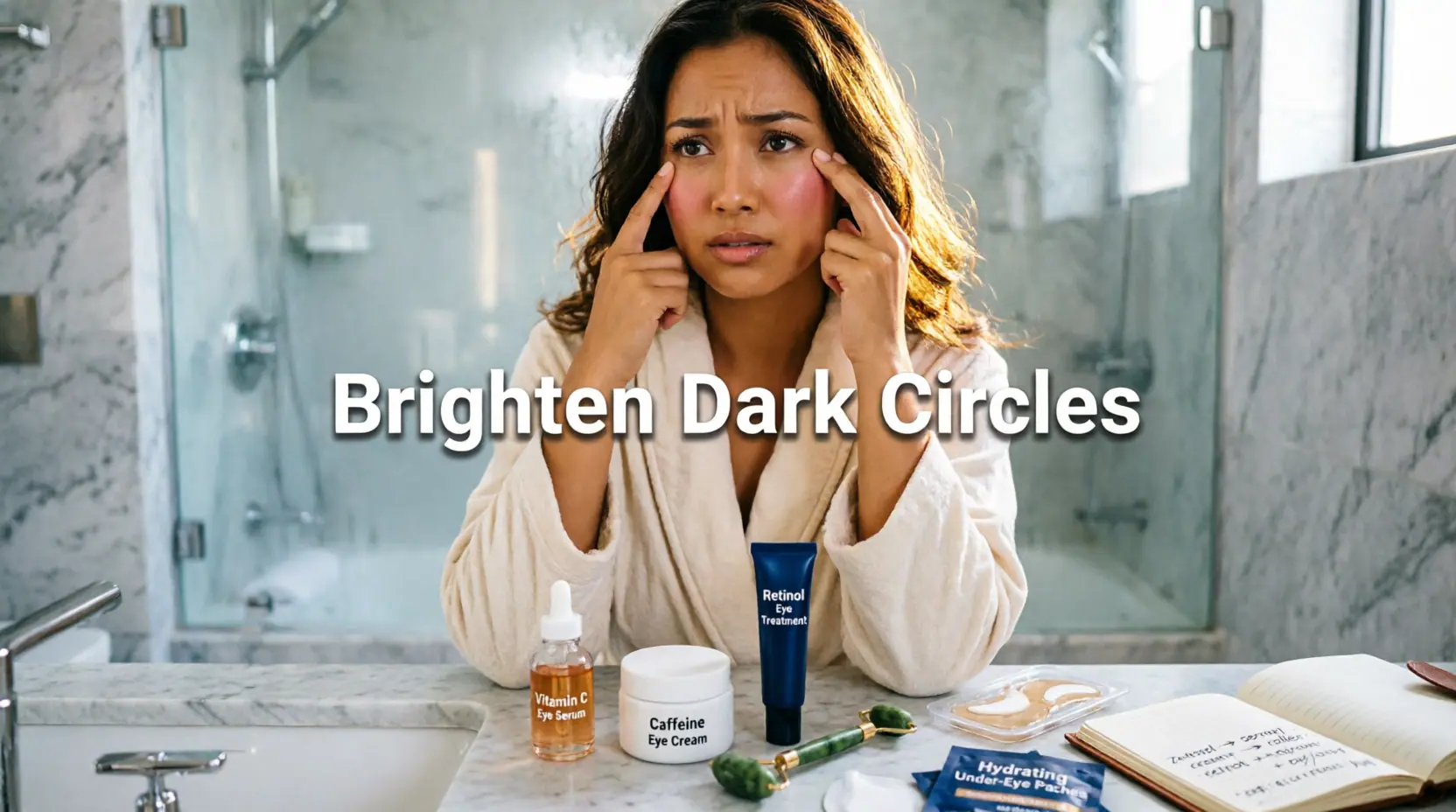
Those stubborn shadows under your eyes can make you look tired even after a full night's sleep. Dark circles—often called the "panda eye paradox"—affect millions of people across all ages, skin tones, and lifestyles. But here's what most people don't realize: not all dark circles are created equal, and using the wrong treatment can waste months of effort while the real cause goes unaddressed.
The science behind under-eye darkness is more complex than simple fatigue. Dark circles fall into distinct categories—pigmented, vascular, structural, or mixed—each with different underlying causes and requiring entirely different treatment approaches. Understanding which type you have is the critical first step to achieving visible brightening.
In this comprehensive, dermatologist-informed guide, we'll decode the science behind the panda eye paradox, reveal the hidden causes of dark circles specific to your skin type, share the exact evidence-based protocol for brightening under-eye darkness, and provide expert strategies for preventing recurrence. Whether you're dealing with hereditary pigmentation, visible blood vessels, hollow tear troughs, or a combination of factors, you'll learn how to build a personalized treatment plan that delivers real, lasting results.
Understanding Dark Circles: The Four Main Types
Short answer: Dark circles are categorized into four types—pigmented (brown discoloration from melanin), vascular (blue/purple from visible blood vessels), structural (shadows from hollows or bags), and mixed (combination of factors)—each requiring different diagnosis and treatment approaches.
Before treating dark circles, accurate identification is essential. The under-eye area is uniquely delicate: skin is 0.5mm thick (vs. 2mm elsewhere), has minimal oil glands, and sits directly over blood vessels and bone. This anatomy makes it prone to multiple types of darkness.
Type 1: Pigmented Dark Circles (Periorbital Hyperpigmentation)
What it is: Brown or gray-brown discoloration caused by excess melanin production in the under-eye skin.
Key characteristics:
- Color: Brown, tan, or gray-brown (not blue/purple)
- Location: Extends beyond the tear trough, often in a crescent shape
- Stretch test: Color remains when skin is gently stretched
- Common in: Fitzpatrick skin types III-VI; often hereditary
- Triggers: Sun exposure, rubbing eyes, eczema, post-inflammatory hyperpigmentation
Underlying mechanism: Melanocytes in the thin under-eye skin produce excess melanin due to genetics, inflammation, UV exposure, or hormonal factors. The thin skin makes pigment more visible.
Type 2: Vascular Dark Circles
What it is: Blue, purple, or reddish discoloration caused by visible blood vessels and poor circulation under thin skin.
Key characteristics:
- Color: Blue, purple, pink, or reddish
- Location: Concentrated in the tear trough area
- Stretch test: Color lightens when skin is gently stretched (vessels compress)
- Common in: Fair skin types (I-III); worsens with fatigue, allergies, or aging
- Triggers: Lack of sleep, allergies, nasal congestion, alcohol, aging-related skin thinning
Underlying mechanism: Deoxygenated blood in superficial vessels appears blue through thin skin. Poor circulation, vessel dilation, or skin thinning makes them more visible.
Type 3: Structural Dark Circles (Tear Trough Deformity)
What it is: Shadows created by facial anatomy—hollows, bags, or bone structure that cast shadows under the eyes.
Key characteristics:
- Color: Gray or shadow-like (not true pigmentation)
- Location: Follows the tear trough groove from inner corner outward
- Lighting test: Darkness changes with lighting angle or head position
- Common in: All skin types; often genetic or age-related
- Triggers: Aging (fat pad loss, bone resorption), genetics, weight loss
Underlying mechanism: Volume loss in the tear trough creates a depression that casts shadows. Puffiness above the hollow can accentuate the shadow effect.
Type 4: Mixed Dark Circles
What it is: Combination of two or more types—most common presentation in clinical practice.
Key characteristics:
- Multiple colors: Brown + blue, or shadow + pigmentation
- Complex pattern: Doesn't fit neatly into one category
- Variable response: Single treatments provide partial improvement
- Common in: Most adults over 30; multifactorial causes
Underlying mechanism: Aging, genetics, lifestyle, and environmental factors combine to create layered darkness requiring multi-targeted treatment.
The Science: Why Dark Circles Form
Short answer: Dark circles result from melanin overproduction, visible vasculature, structural shadows, or inflammation—driven by genetics, aging, lifestyle, allergies, sun exposure, and skin barrier dysfunction in the delicate under-eye area.
Understanding the biology behind each type helps you choose effective treatments:
Genetics and Ethnicity
Your DNA plays a major role in dark circle susceptibility:
- Melanin production: Some ethnicities naturally produce more melanin in the under-eye area
- Skin thickness: Genetically thinner skin makes vessels more visible
- Facial structure: Deep-set eyes or prominent tear troughs are inherited traits
- Vessel density: Some people naturally have more superficial vasculature
Genetic dark circles aren't "curable" but are highly manageable with consistent, targeted care.
Aging and Skin Changes
As we age, multiple factors contribute to dark circles:
- Skin thinning: Collagen loss makes blood vessels more visible
- Volume loss: Fat pad atrophy creates hollows that cast shadows
- Bone resorption: Orbital rim changes alter light reflection
- Weakened barrier: Thinner skin is more prone to inflammation and pigmentation
These changes typically begin in the late 20s and accelerate after 40.
Lifestyle and Environmental Factors
Daily habits significantly impact under-eye appearance:
Sleep Deprivation:
- Causes fluid retention and puffiness that accentuates shadows
- Reduces circulation, making vessels appear darker
- Increases cortisol, which can trigger inflammation and pigmentation
Allergies and Rubbing:
- Nasal congestion dilates under-eye vessels (allergic shiners)
- Rubbing eyes causes friction-induced inflammation and post-inflammatory hyperpigmentation
- Antihistamines can cause dryness, worsening the appearance of fine lines
Sun Exposure:
- UV radiation stimulates melanin production in under-eye skin
- Breaks down collagen, thinning skin and making vessels more visible
- Causes photoaging that accelerates structural changes
Diet and Hydration:
- Dehydration makes skin appear dull and shadows more prominent
- High-sodium diets cause fluid retention and puffiness
- Nutrient deficiencies (iron, vitamin K, vitamin C) can worsen circulation and pigmentation
Inflammation and Skin Barrier Dysfunction
The under-eye area is particularly vulnerable to inflammation:
- Eczema or dermatitis: Chronic inflammation triggers melanin production
- Barrier compromise: Thin skin loses moisture easily, increasing sensitivity
- Product irritation: Harsh ingredients cause micro-inflammation that worsens darkness
Calming inflammation is often the first step to brightening pigmented dark circles.
Diagnosing Your Dark Circle Type: A Simple Framework
Short answer: Identify your dark circle type using the color test, stretch test, lighting test, and family history assessment—then match to targeted treatment for effective brightening.
Accurate self-diagnosis guides effective treatment. Use this systematic approach:
Step 1: The Color Test
Examine your under-eyes in natural daylight:
- Brown/gray-brown: Likely pigmented (melanin-related)
- Blue/purple/reddish: Likely vascular (vessel-related)
- Gray/shadow-like: Likely structural (anatomy-related)
- Mixed colors: Likely mixed type requiring combination treatment
Step 2: The Stretch Test
Gently pull the skin under your eye downward:
- Color stays the same: Pigmented dark circles (melanin is in the skin)
- Color lightens: Vascular dark circles (stretching compresses vessels)
- Shadow changes shape: Structural dark circles (anatomy-dependent)
Step 3: The Lighting Test
Observe your under-eyes in different lighting:
- Direct overhead light: Structural shadows become more pronounced
- Front-facing light: Pigmented and vascular darkness remain visible
- Natural daylight: Most accurate for color assessment
Step 4: Family History Assessment
Consider genetic factors:
- Parents with dark circles: Higher likelihood of genetic pigmentation or structure
- Ethnic background: Certain ethnicities have higher prevalence of periorbital hyperpigmentation
- Early onset: Dark circles appearing in teens/20s often have genetic component
When to See a Professional
Consult a dermatologist if:
- You're unsure of your dark circle type
- Dark circles are sudden, asymmetrical, or accompanied by other symptoms
- Over-the-counter treatments haven't improved appearance after 8-12 weeks
- You're considering professional procedures
A dermatologist can use tools like Wood's lamp examination, dermoscopy, or even biopsy to confirm diagnosis.
The Science-Backed Brightening Protocol: Step-by-Step
Short answer: Brighten dark circles with a targeted protocol: identify your type, use type-specific topicals (vitamin C, retinoids, caffeine, peptides), incorporate gentle massage and sun protection, and consider professional treatments for stubborn cases.
Effective treatment requires matching interventions to your specific dark circle type. Here's the comprehensive protocol:
Phase 1: Foundation (Weeks 1-4)
Goal: Establish gentle care, reduce inflammation, and begin targeted treatment
Universal Foundation Steps (All Types)
1. Gentle Cleansing:
- Use fragrance-free, non-foaming cleanser
- Avoid rubbing or tugging the delicate under-eye area
- Pat dry with soft towel—never rub
2. Daily Sun Protection:
- Apply mineral sunscreen (zinc oxide) to under-eyes every morning
- Wear UV-blocking sunglasses outdoors
- Reapply sunscreen if outdoors for extended periods
- Consider tinted sunscreen with iron oxides to block visible light (critical for pigmented types)
3. Hydration and Barrier Support:
- Use eye cream with hyaluronic acid, glycerin, or ceramides
- Apply to damp skin to maximize absorption
- Avoid heavy, occlusive formulas that can cause milia
Type-Specific Additions
For Pigmented Dark Circles:
- Vitamin C serum (10-15%): Apply morning to inhibit melanin production and brighten
- Niacinamide (4-5%): Reduces pigment transfer and strengthens barrier
- Avoid: Harsh exfoliants that can trigger post-inflammatory hyperpigmentation
For Vascular Dark Circles:
- Caffeine serum (3-5%): Constricts blood vessels and reduces puffiness
- Vitamin K: Supports healthy circulation and reduces bruising appearance
- Cool compresses: Apply morning and evening to constrict vessels temporarily
For Structural Dark Circles:
- Peptides (Matrixyl, Argireline): Support collagen production to improve skin thickness
- Retinol (0.1-0.3%): Stimulates collagen to thicken skin and reduce shadow visibility
- Light-reflecting primer: Cosmetic option to minimize shadow appearance
Phase 2: Active Treatment (Weeks 5-12)
Goal: Intensify targeted treatment while monitoring progress
Enhanced Topical Protocol
Morning Routine:
- Gentle cleanse or water rinse
- Type-specific serum:
- Pigmented: Vitamin C + niacinamide
- Vascular: Caffeine + vitamin K
- Structural: Peptides + hyaluronic acid
- Eye cream: Lightweight formula with barrier-supporting ingredients
- Sunscreen: Mineral SPF 30+ with iron oxides for pigmented types
Evening Routine:
- Gentle cleanse
- Active treatment (alternate nights):
- Night 1, 3, 5: Retinol 0.1-0.3% (all types; start 2x/week)
- Night 2, 4, 6: Targeted serum (vitamin C, caffeine, or peptides)
- Night 7: Rest night—hydration only
- Eye cream: Slightly richer formula for overnight repair
- Optional occlusive: Thin layer of squalane for very dry skin
Supportive Techniques
Gentle Massage:
- Use ring finger to lightly tap or press (never drag) under-eye area
- Massage from inner corner outward to support lymphatic drainage
- Perform for 30 seconds morning and evening
- Can enhance product absorption and reduce fluid retention
Cold Therapy:
- Apply refrigerated eye cream, jade roller, or cool spoons for 1-2 minutes
- Constricts blood vessels (vascular type) and reduces puffiness
- Use morning for immediate brightening effect
Sleep Position:
- Sleep on back with head slightly elevated to prevent fluid accumulation
- Use silk pillowcase to reduce friction and moisture loss
- Aim for 7-9 hours of quality sleep nightly
Phase 3: Maintenance and Professional Options (Week 13+)
Goal: Sustain results and consider advanced treatments for stubborn cases
Long-Term Maintenance
- Continue core routine: Sunscreen, hydration, and type-specific actives
- Reduce retinol frequency: 2-3x/week for maintenance after initial results
- Seasonal adjustments: Richer eye cream in winter; lighter formula in summer
- Monitor triggers: Track allergies, sleep quality, and sun exposure
Professional Treatments for Stubborn Cases
For Pigmented Dark Circles:
- Chemical peels: Low-concentration glycolic or mandelic acid to exfoliate pigment
- Laser therapy: Q-switched Nd:YAG or picosecond lasers target melanin
- Topical prescriptions: Hydroquinone 2-4% (short-term), tretinoin, or tranexamic acid
- Caution: Under-eye skin is thin—aggressive treatments risk hyperpigmentation or scarring
For Vascular Dark Circles:
- Pulsed dye laser (PDL): Targets hemoglobin to reduce visible vessels
- Intense pulsed light (IPL): Broad-spectrum light improves circulation and pigmentation
- Topical prescriptions: Brimonidine or oxymetazoline for temporary vessel constriction
- Caution: Vascular lasers require experienced provider to avoid bruising or discoloration
For Structural Dark Circles:
- Dermal fillers: Hyaluronic acid fillers (Restylane, Belotero) fill tear trough hollows
- Fat grafting: Long-term volume restoration using patient's own fat
- Blepharoplasty: Surgical removal of excess skin or fat for severe cases
- Caution: Under-eye fillers require expert injector due to risk of vascular complications
For Mixed Dark Circles:
- Combination approach: Layer treatments targeting multiple causes
- Sequential treatment: Address pigmentation first, then structure, then vessels
- Realistic expectations: Complete elimination may not be possible; focus on significant improvement
Top Ingredients for Brightening Dark Circles: Evidence-Based Guide
Short answer: The most effective dark circle ingredients include vitamin C, retinoids, caffeine, niacinamide, peptides, vitamin K, and tranexamic acid—each targeting pigmentation, circulation, or structural support with clinical evidence.
Not all eye products deliver results. These evidence-backed ingredients actually work:
Vitamin C (L-Ascorbic Acid 10-15%)
- Mechanism: Inhibits tyrosinase (melanin production), antioxidant protection, stimulates collagen
- Speed: 8-12 weeks for visible brightening
- Best for: Pigmented dark circles, overall radiance
- Protocol: Apply morning to clean skin; follow with sunscreen
- Tip: Look for stabilized formulas with ferulic acid and vitamin E
- Evidence: Multiple studies show significant improvement in periorbital hyperpigmentation
Retinoids (Retinol 0.1-0.3%, Retinal, Tretinoin)
- Mechanism: Increases cell turnover, stimulates collagen, thickens thin under-eye skin
- Speed: 12-16 weeks for structural improvement; 8 weeks for pigment
- Best for: All types, especially structural and pigmented
- Protocol: Start 2x/week at night; apply to dry skin; buffer with moisturizer if sensitive
- Caution: Can cause initial dryness or irritation; avoid during pregnancy
- Evidence: Gold standard for collagen stimulation and pigment regulation
Caffeine (3-5%)
- Mechanism: Constricts blood vessels, reduces puffiness, antioxidant properties
- Speed: Immediate temporary improvement; cumulative benefits in 4-8 weeks
- Best for: Vascular dark circles, morning puffiness
- Protocol: Apply morning and/or evening; can layer under makeup
- Advantage: Well-tolerated, non-irritating, suitable for sensitive skin
- Evidence: Clinical studies show reduced under-eye darkness and puffiness
Niacinamide (4-5%)
- Mechanism: Inhibits melanosome transfer, strengthens barrier, reduces inflammation
- Speed: 8-12 weeks for visible brightening
- Best for: Pigmented dark circles, sensitive skin types
- Protocol: Morning and/or evening; pairs well with vitamin C
- Bonus: Also minimizes pores and evens overall tone
- Evidence: Studies show significant improvement in hyperpigmentation with minimal irritation
Peptides (Matrixyl, Argireline, Copper Peptides)
- Mechanism: Signal skin to produce more collagen and elastin; improve skin thickness
- Speed: 12-16 weeks for structural improvement
- Best for: Structural dark circles, aging-related thinning
- Protocol: Morning and/or evening; layer under moisturizer
- Advantage: Gentle, non-irritating, suitable for long-term use
- Evidence: Clinical data supports collagen-boosting effects in periorbital area
Vitamin K (1-2%)
- Mechanism: Supports healthy blood clotting and circulation; reduces bruising appearance
- Speed: 4-8 weeks for vascular improvement
- Best for: Vascular dark circles, post-procedure bruising
- Protocol: Evening application; often combined with retinol or caffeine
- Caution: Limited standalone evidence; best as part of combination formula
Tranexamic Acid (2-5%)
- Mechanism: Inhibits plasmin, reducing melanocyte activation and inflammation
- Speed: 8-12 weeks for visible brightening
- Best for: Pigmented dark circles, melasma-related periorbital darkness
- Protocol: Morning and/or evening; well-tolerated for sensitive skin
- Advantage: Effective for stubborn pigmentation with minimal irritation risk
- Evidence: Emerging research shows significant improvement in hyperpigmentation
Product Selection Guide: What to Look For
Short answer: Choose eye products formulated for the delicate under-eye area: fragrance-free, pH-balanced, with proven actives at effective concentrations, and packaged to maintain ingredient stability.
Key Product Criteria
- Fragrance-free: Essential oils and synthetic fragrance are common irritants for thin under-eye skin
- pH-balanced: Formulas around pH 5.0-6.0 support barrier health
- Appropriate texture: Lightweight serums or gels absorb quickly without causing milia
- Stable packaging: Airless pumps or opaque tubes protect light-sensitive ingredients like vitamin C and retinol
- Clinical concentrations: Look for ingredient percentages on label (e.g., "Vitamin C 15%")
Recommended Product Types by Dark Circle Type
For Pigmented Dark Circles:
- Serums: SkinCeuticals C E Ferulic Eye, Paula's Choice C15 Super Booster (diluted for eye area)
- Eye creams: SkinMedica Lytera 2.0 Pigment Correcting, Murad Rapid Age Spot and Pigment Lightening
- Key ingredients: Vitamin C, niacinamide, tranexamic acid, licorice root extract
For Vascular Dark Circles:
- Serums: The Inkey List Caffeine Eye Cream, Paula's Choice Caffeine Eye Gel
- Eye creams: Kiehl's Creamy Eye Treatment with Avocado, Ole Henriksen Banana Bright Eye Crème
- Key ingredients: Caffeine, vitamin K, horse chestnut, arnica
For Structural Dark Circles:
- Serums: The Ordinary "Buffet" + Copper Peptides 1%, Neocutis Lumière Firm Riche
- Eye creams: SkinCeuticals A.G.E. Eye Complex, RoC Retinol Correxion Eye Cream
- Key ingredients: Peptides, retinol, hyaluronic acid, ceramides
For Mixed Dark Circles:
- Combination products: SkinCeuticals AOX+ Eye Gel (vitamin C + caffeine), Drunk Elephant C-Tango Multivitamin Eye Cream
- Layering approach: Vitamin C serum AM + retinol eye cream PM
- Key strategy: Target multiple pathways without over-irritating delicate skin
Ingredients to Avoid Under Eyes
- High-percentage acids: AHA/BHA over 5% can irritate thin skin
- Physical scrubs: Abrasive particles cause micro-tears and inflammation
- Heavy occlusives: Petrolatum or thick butters can cause milia in prone individuals
- Fragrance and essential oils: Common sensitizers for delicate under-eye area
- High-alcohol formulas: Denatured alcohol dries and irritates thin skin
Lifestyle Modifications to Support Brightening
Short answer: Enhance dark circle treatment by managing allergies, optimizing sleep, reducing salt intake, protecting from sun, staying hydrated, and avoiding eye rubbing—creating an internal environment that supports topical results.
Skincare alone isn't enough. These lifestyle habits create the optimal foundation for brightening:
Allergy Management
Allergies are a major contributor to vascular dark circles:
- Identify triggers: Keep a symptom diary to pinpoint allergens (pollen, dust, pets)
- Treat proactively: Use antihistamines or nasal sprays before allergy season
- Avoid rubbing: Rubbing eyes worsens inflammation and pigmentation
- Cool compresses: Apply during allergy flares to reduce vessel dilation
Sleep Optimization
Quality sleep supports under-eye health:
- Consistent schedule: Aim for 7-9 hours nightly at regular times
- Elevate head: Sleep with head slightly raised to prevent fluid accumulation
- Silk pillowcase: Reduces friction and moisture loss compared to cotton
- Pre-sleep routine: Avoid screens 1 hour before bed; practice relaxation techniques
Diet and Hydration
Nutrition impacts under-eye appearance:
- Hydrate consistently: Drink 8-10 glasses of water daily to maintain skin plumpness
- Reduce sodium: High-salt diets cause fluid retention and puffiness
- Iron-rich foods: Spinach, lentils, and lean meats support healthy circulation
- Vitamin C sources: Citrus, berries, and peppers enhance collagen production
- Limit alcohol: Dehydrates skin and dilates blood vessels, worsening darkness
Sun Protection Habits
UV exposure worsens all types of dark circles:
- Daily sunscreen: Apply mineral SPF 30+ to under-eyes every morning
- Sunglasses: Wear UV-blocking shades outdoors to reduce squinting and exposure
- Reapplication: Reapply sunscreen every 2 hours with extended sun exposure
- Seek shade: Avoid peak sun hours (10 AM - 4 PM) when possible
Stress Management
Chronic stress impacts under-eye appearance:
- Cortisol connection: Stress elevates cortisol, which can increase inflammation and pigmentation
- Practical strategies: Daily mindfulness, exercise, and adequate sleep regulate stress hormones
- Eye care ritual: Turn your eye care routine into a calming practice—gentle massage, deep breathing
Common Mistakes That Worsen Dark Circles
Avoid these errors that can sabotage your brightening efforts:
Mistake #1: Using Harsh Products Under Eyes
Why it hurts: The under-eye area is 40% thinner than facial skin. Harsh actives, scrubs, or high-percentage acids cause irritation, inflammation, and post-inflammatory hyperpigmentation.
Fix: Use products specifically formulated for the eye area. Patch-test new products on jawline first. Introduce actives slowly (1-2x/week initially).
Mistake #2: Rubbing or Tugging the Eye Area
Why it hurts: Physical friction causes micro-tears, inflammation, and can worsen both pigmentation and vascular darkness. Rubbing also stretches delicate skin over time.
Fix: Apply products with ring finger using gentle tapping or pressing motions. Remove makeup with soft, damp cloth—not rubbing. Address allergy-related itching with antihistamines instead of scratching.
Mistake #3: Skipping Sunscreen Under Eyes
Why it hurts: UV exposure stimulates melanin production (worsening pigmented circles) and breaks down collagen (thinning skin and making vessels more visible).
Fix: Apply mineral sunscreen to under-eyes every morning. Choose formulas with zinc oxide and iron oxides for comprehensive protection. Reapply if outdoors.
Mistake #4: Expecting Overnight Results
Why it hurts: Dark circle improvement takes 8-16 weeks of consistent treatment. Impatience leads to product-hopping, over-treating, or giving up before treatments have time to work.
Fix: Commit to a routine for at least 12 weeks before evaluating results. Take weekly photos in consistent lighting to track subtle progress.
Mistake #5: Using the Wrong Treatment for Your Type
Why it hurts: Treating vascular circles with pigment-lighteners (or vice versa) wastes time and money while the real cause goes unaddressed.
Fix: Accurately diagnose your dark circle type using the color, stretch, and lighting tests. When in doubt, consult a dermatologist for professional assessment.
Mistake #6: Overlooking Lifestyle Factors
Why it hurts: No topical product can fully compensate for chronic sleep deprivation, unmanaged allergies, or excessive sun exposure.
Fix: Address foundational habits alongside skincare: prioritize sleep, manage allergies, protect from sun, and stay hydrated.
Expert Tips for Maximizing Brightening Results
Tip #1: Layer Products Strategically
Apply thinnest to thickest: serum → eye cream → sunscreen. Wait 1-2 minutes between layers for absorption. This prevents pilling and ensures each product works effectively.
Tip #2: Use the Ring Finger
Your ring finger applies the lightest pressure. Use it to gently tap or press products into under-eye skin—never drag or rub.
Tip #3: Store Products Properly
Keep vitamin C and retinol products in cool, dark places (or refrigerator) to maintain potency. Check expiration dates—oxidized ingredients won't work.
Tip #4: Combine Topical and Professional Care
For stubborn cases, use topicals for maintenance between professional treatments. Example: vitamin C serum daily + quarterly chemical peel for pigmented circles.
Tip #5: Track Your Progress
Take monthly photos in consistent lighting and angle. Dark circle improvement is often subtle day-to-day but significant over weeks. Photos provide objective motivation.
Tip #6: Be Patient with Retinoids
Retinol and tretinoin take 12-16 weeks to show structural benefits. Initial dryness or irritation is normal—buffer with moisturizer and start slowly (1-2x/week).
Frequently Asked Questions About Dark Circles
Can dark circles be completely eliminated?
Short answer: Genetic or structural dark circles may not disappear completely but can be significantly improved. Pigmented and vascular types often respond very well to targeted treatment. Realistic expectations focus on noticeable brightening, not perfection.
Most people achieve 50-80% improvement with consistent, appropriate care. Professional treatments can enhance results further for stubborn cases.
How long does it take to see results from dark circle treatments?
Short answer: Temporary improvements (caffeine, cold therapy) appear immediately. Visible brightening from topicals takes 8-12 weeks. Structural changes from retinoids or professional treatments require 12-16 weeks.
Timeline depends on:
- Dark circle type and severity
- Treatment consistency and appropriateness
- Individual skin response and age
- Lifestyle factors (sleep, sun exposure, allergies)
Are under-eye fillers safe for dark circles?
Short answer: Yes, when performed by an experienced, board-certified injector. Hyaluronic acid fillers can effectively correct structural dark circles but carry risks like bruising, lumps, or vascular complications if improperly placed.
Safety tips:
- Choose a provider specializing in under-eye injections
- Discuss risks, benefits, and realistic outcomes thoroughly
- Start with conservative amounts; more can be added later
- Avoid fillers if you have active inflammation or infection
Can diet or supplements help dark circles?
Short answer: Diet supports but doesn't replace topical treatment. Iron deficiency, vitamin K deficiency, or dehydration can worsen dark circles. Addressing these may improve appearance, but genetics and structure play larger roles.
Supportive nutrition:
- Iron-rich foods: spinach, lentils, lean meats (if deficient)
- Vitamin C: citrus, berries, peppers (supports collagen)
- Vitamin K: leafy greens (supports circulation)
- Adequate hydration: 8-10 glasses water daily
Do eye creams really work?
Short answer: Yes, when formulated with evidence-based ingredients at effective concentrations and used consistently for your specific dark circle type. However, marketing claims often exceed scientific support.
What to look for:
- Clinical concentrations of proven actives (vitamin C 10-15%, caffeine 3-5%, etc.)
- Fragrance-free, pH-balanced formulas for delicate skin
- Stable packaging to maintain ingredient potency
- Realistic claims focused on improvement, not elimination
When should I see a dermatologist for dark circles?
Short answer: Consult a dermatologist if: dark circles are sudden, asymmetrical, or accompanied by other symptoms; over-the-counter treatments haven't improved appearance after 12 weeks; you're considering professional procedures; or you're unsure of your dark circle type.
A dermatologist can:
- Provide accurate diagnosis using specialized tools
- Prescribe stronger topical treatments (hydroquinone, tretinoin)
- Recommend and perform professional procedures
- Rule out underlying medical conditions
The Bottom Line: Brightening Is a Journey, Not a Quick Fix
Dark circles don't define your beauty or your worth—but if they bother you, effective solutions exist. The key lies in understanding your specific type, choosing targeted treatments, and committing to consistency over months, not days.
Remember:
- Diagnose first: Pigmented, vascular, structural, or mixed—each needs different care
- Treat appropriately: Vitamin C for pigment, caffeine for vessels, peptides for structure
- Protect daily: Sunscreen is non-negotiable for preventing worsening
- Be patient: Meaningful improvement takes 8-16 weeks of consistent routine
- Support holistically: Sleep, allergies, diet, and stress management enhance topical results
- Seek help when needed: Dermatologists offer advanced options for stubborn cases
Your under-eyes deserve gentle, informed care. Start tonight: identify your dark circle type, choose one evidence-backed ingredient, and commit to 12 weeks of consistent application. Take progress photos. Celebrate small improvements. And trust that with knowledge, patience, and the right protocol, brighter, more confident eyes are within reach.
You are more than your dark circles. With science-backed care and self-compassion, you can enhance your natural radiance—one gentle step at a time.