Harnessing Nature's Power: Evidence-Based Botanical Hair Care
The allure of natural hair treatments has never been stronger. As consumers become increasingly aware of ingredient safety, environmental impact, and the wisdom of traditional practices, botanical hair care has evolved from alternative remedy to mainstream solution. But beyond the marketing claims and ancestral wisdom lies a crucial question: do natural treatments actually work, and if so, how?
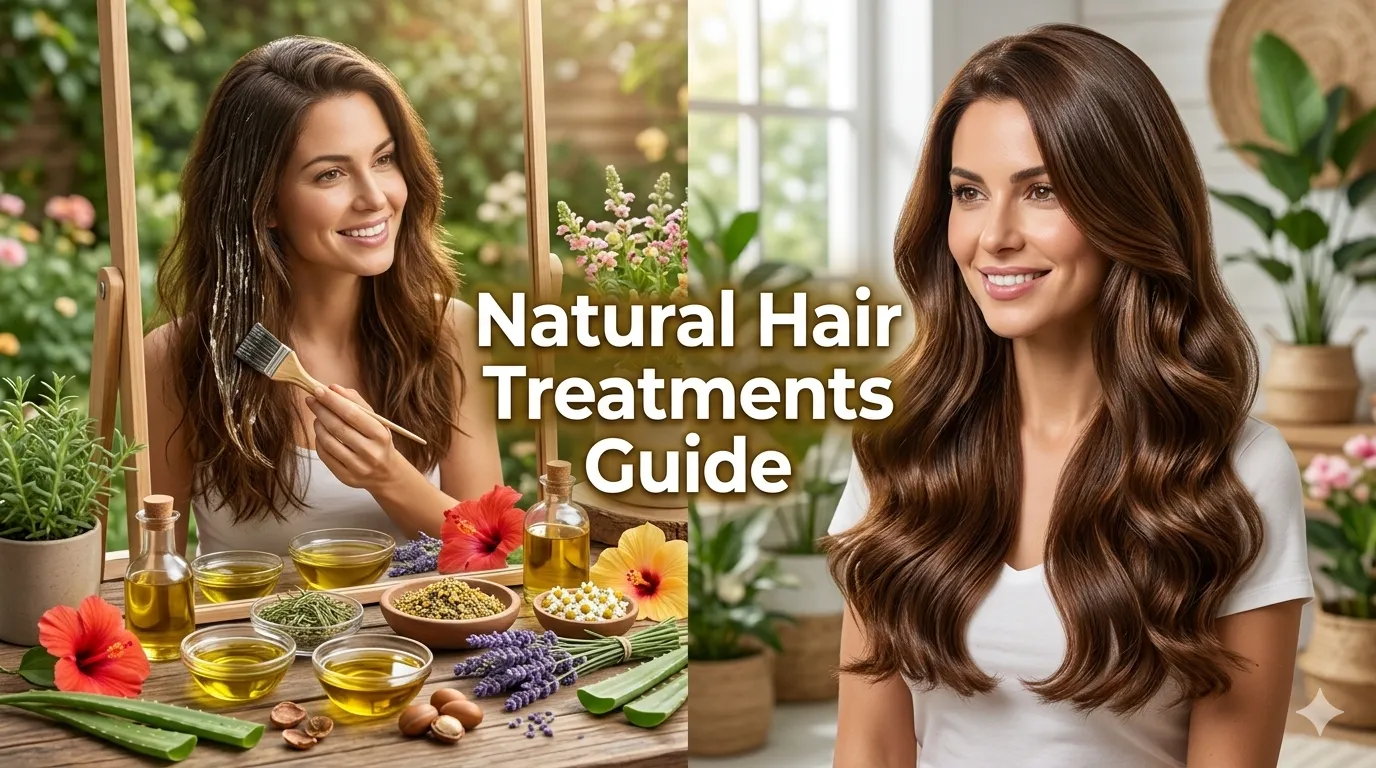
The science of botanical hair care is real and robust. Modern research is validating what traditional medicine systems have known for centuries—plants contain powerful bioactive compounds that can strengthen hair, enhance shine, promote growth, and improve scalp health. From the fatty acids in plant oils that penetrate the hair shaft to the polyphenols in herbs that combat oxidative stress, nature provides a pharmacopeia of hair-beneficial compounds.
This comprehensive guide bridges traditional wisdom with modern science, examining the evidence behind popular natural hair treatments, explaining how botanical ingredients work at the molecular level, and providing practical, research-backed recipes and protocols. Whether you're seeking to reduce chemical exposure, address specific hair concerns, or simply harness the power of plants, you'll discover which natural treatments deliver real results and how to use them effectively.
Understanding Hair Structure: Why Natural Treatments Work
The Anatomy of Hair
To understand how botanical treatments work, we must first understand hair structure:
The Cuticle: The outermost layer consists of overlapping scales (like roof shingles) that protect inner layers. A healthy cuticle lies flat, reflecting light for shine and preventing moisture loss. Damage raises these scales, causing dullness, friction, and breakage.
The Cortex: The middle and thickest layer contains keratin proteins arranged in spirals, providing strength, elasticity, and color. This is where moisture is stored and where structural damage occurs.
The Medulla: The innermost core, present in thick hair but often absent in fine hair. Its function is not fully understood.
Scientific insight: Dr. Maria Santos, trichologist and cosmetic chemist, explains: "Natural oils and plant extracts can penetrate the cuticle and interact with the cortex in ways that synthetic silicones cannot. While silicones coat the surface for temporary smoothness, botanical compounds can actually strengthen hair structure from within."
How Botanical Ingredients Interact with Hair
Penetration vs. Coating:
- Small molecules: Coconut oil, with its low molecular weight and straight-chain fatty acids, can penetrate the hair shaft, reducing protein loss
- Larger molecules: Shea butter and heavier oils coat the surface, sealing in moisture and smoothing the cuticle
- Proteins: Hydrolyzed plant proteins are small enough to enter the hair shaft, temporarily filling gaps in damaged areas
Moisture Balance:
- Humectants: Plant glycerin, aloe vera, and honey draw moisture from the air into hair
- Emollients: Plant oils smooth and soften by filling gaps between cuticle scales
- Occlusives: Butters and waxes create a barrier preventing moisture loss
Science-Backed Natural Oils for Hair Health
Coconut Oil: The Gold Standard
Scientific evidence: A landmark study published in the Journal of Cosmetic Science found that coconut oil is the only oil shown to significantly reduce protein loss in both undamaged and damaged hair when used as a pre-wash or post-wash treatment.
Why it works:
- Lauric acid: This medium-chain fatty acid has a small molecular structure and straight chain that allows deep penetration into the hair shaft
- Protein protection: By penetrating the cortex, coconut oil prevents the swelling that occurs when hair absorbs water, reducing cuticle damage and protein loss
- Antimicrobial properties: Lauric acid also combats scalp fungi and bacteria
Best for: All hair types, especially damaged, color-treated, or high-porosity hair
How to use:
- Pre-wash treatment: Apply to dry hair 30 minutes to overnight before shampooing
- Leave-in: Use tiny amount (pea-sized) on damp ends
- Frequency: 1-2 times weekly
Argan Oil: Liquid Gold
Scientific evidence: Research shows argan oil is rich in tocopherols (vitamin E), phenols, and unsaturated fatty acids that provide antioxidant protection and improve hair elasticity.
Why it works:
- Vitamin E: Protects hair from oxidative stress and UV damage
- Omega-6 and omega-9 fatty acids: Nourish and soften without heavy buildup
- Squalene: Mimics natural sebum, balancing scalp oil production
- Lightweight: Absorbs quickly without greasiness
Best for: Frizzy, dry, or dull hair; adds shine without weight
How to use:
- Styling oil: Apply 2-3 drops to damp or dry hair
- Heat protectant: Apply before heat styling (supplements, not replaces, heat protectant)
- Scalp treatment: Massage into scalp 30 minutes before washing
Rosemary Oil: The Growth Stimulator
Scientific evidence: A 2015 study published in Skinmed found that rosemary oil was as effective as 2% minoxidil (Rogaine) in promoting hair growth in androgenetic alopecia after 6 months, with less scalp itching as a side effect.
Why it works:
- Carnosic acid: Heals nerve damage and improves circulation to follicles
- Anti-inflammatory: Reduces scalp inflammation that can inhibit growth
- DHT inhibition: May block dihydrotestosterone, the hormone responsible for pattern hair loss
- Antimicrobial: Combats scalp conditions that impede growth
Best for: Hair thinning, slow growth, dandruff
How to use:
- ALWAYS dilute: Mix 3-5 drops with 1 tablespoon carrier oil (jojoba, coconut)
- Scalp massage: Apply to scalp 2-3 times weekly, leave 30 minutes to overnight
- Never apply undiluted: Essential oils can cause severe irritation
Castor Oil: The Thickening Agent
Scientific evidence: Rich in ricinoleic acid (90% of its composition), castor oil has anti-inflammatory and antimicrobial properties. While direct studies on hair growth are limited, its high viscosity and fatty acid profile make it excellent for moisture retention.
Why it works:
- Ricinoleic acid: Improves circulation to scalp
- Omega-9 fatty acids: Deeply moisturize and add shine
- Humectant properties: Draws moisture into hair
- Viscosity: Coats and thickens appearance of individual strands
Best for: Dry, brittle hair; adding volume and thickness
How to use:
- Always dilute: Mix with lighter oil (argan, jojoba) 1:1 ratio
- Hot oil treatment: Warm slightly, apply to scalp and hair, cover 30 minutes
- Frequency: Once weekly (too much can cause buildup)
Jojoba Oil: The Balancer
Scientific evidence: Jojoba is technically a liquid wax ester, not an oil. Its structure closely resembles human sebum, making it uniquely compatible with scalp and hair.
Why it works:
- Sebum mimicry: Tricks scalp into producing less oil if oily, more if dry
- Non-comedogenic: Won't clog follicles
- Antioxidants: Vitamin E and B-complex vitamins protect hair
- Lightweight: Absorbs without residue
Best for: All hair types; especially oily scalp with dry ends
Botanical Extracts and Herbs for Hair Health
Aloe Vera: The Hydrator
Scientific evidence: Aloe contains proteolytic enzymes that repair dead skin cells on the scalp, vitamins A, C, and E for cell turnover, and minerals that strengthen hair.
Why it works:
- pH balancing: Aloe's pH (4.5-5.5) matches hair's natural pH, closing cuticles for shine
- Moisture: Polysaccharides bind water to hair shaft
- Enzymes: Remove dead skin cells that can clog follicles
- Amino acids: Strengthen hair structure
Best for: Dry scalp, dandruff, adding moisture without weight
How to use:
- Fresh gel: Extract from leaf, apply directly to scalp and hair
- Leave-in: Mix with water in spray bottle for daily moisture
- Mask base: Combine with oils for deep treatment
Hibiscus: The Natural Conditioner
Scientific evidence: Hibiscus is rich in amino acids, vitamin C, and mucilage (a gel-like substance) that conditions hair. Traditional Ayurvedic medicine has used it for centuries to prevent hair loss and premature graying.
Why it works:
- Amino acids: Produce keratin, strengthening hair
- Vitamin C: Boosts collagen production for hair structure
- Mucilage: Provides slip and detangling
- Antioxidants: Protect follicles from damage
Best for: Hair growth, preventing premature graying, conditioning
How to use:
- Hibiscus powder: Mix with water to form paste, apply 30 minutes before washing
- Infused oil: Steep flowers in coconut oil 2 weeks, use as treatment
- Rinse: Boil flowers, strain, use cooled liquid as final rinse
Fenugreek (Methi): The Strengthener
Scientific evidence: Fenugreek seeds contain high levels of protein and nicotinic acid, which are beneficial for treating hair fall and dandruff. Studies show it can improve hair thickness and reduce breakage.
Why it works:
- Protein: Reinforces hair structure
- Nicotinic acid: Improves blood circulation to follicles
- Lecithin: Moisturizes and adds shine
- Hormonal precursors: May help with hormonal hair loss
Best for: Hair loss, dandruff, adding thickness
How to use:
- Seed soak: Soak overnight, grind into paste, apply 30 minutes
- Powder: Mix with yogurt or aloe for mask
- Frequency: 1-2 times weekly
Green Tea: The DHT Blocker
Scientific evidence: Green tea contains epigallocatechin gallate (EGCG), a polyphenol shown in studies to inhibit 5-alpha-reductase, the enzyme that converts testosterone to DHT (the hormone responsible for pattern hair loss).
Why it works:
- EGCG: Blocks DHT production
- Antioxidants: Protect follicles from oxidative stress
- Anti-inflammatory: Reduces scalp inflammation
- Caffeine: Stimulates hair growth
Best for: Hair thinning, hormonal hair loss, scalp health
How to use:
- Rinse: Brew strong tea, cool, pour over scalp after washing
- Spray: Use cooled tea in spray bottle for daily application
- Combine: Mix with rosemary for enhanced effect
Protein Treatments from Plants
Rice Water: The Ancient Secret
Scientific evidence: Rice water contains inositol, a carbohydrate that can penetrate and repair damaged hair. A 2010 study found that inositol remains inside hair even after rinsing, providing ongoing protection.
Why it works:
- Inositol: Penetrates hair shaft, repairing damage from inside
- Amino acids: Strengthen hair roots
- Vitamins B, C, E: Nourish and add shine
- Starch: Coats hair, adding strength and elasticity
Best for: Damaged hair, adding strength and shine, improving elasticity
How to use:
- Fermented method: Rinse rice, soak in water 24-48 hours until slightly sour, strain, use as rinse
- Quick method: Boil rice, strain water, cool, use immediately
- Application: After shampooing, pour through hair, massage 5 minutes, rinse
- Frequency: Once weekly (too much protein can cause brittleness)
Amla (Indian Gooseberry): The Rejuvenator
Scientific evidence: Amla is one of the richest natural sources of vitamin C (ascorbic acid), containing up to 20 times more than oranges. It also contains tannins, flavonoids, and amino acids that strengthen hair.
Why it works:
- Vitamin C: Essential for collagen production and iron absorption (iron deficiency causes hair loss)
- Tannins: Strengthen hair follicles
- Antioxidants: Prevent premature graying
- Antimicrobial: Prevents scalp infections
Best for: Premature graying, hair fall, adding shine
How to use:
- Powder: Mix with water or oil to form paste, apply 30 minutes
- Infused oil: Boil amla in coconut oil until dark, use as treatment
- Rinse: Boil powder in water, strain, use as final rinse
Natural Clarifying and Scalp Treatments
Apple Cider Vinegar (ACV): The pH Balancer
Scientific evidence: ACV's acidity (pH 2-3) helps restore hair's natural pH (4.5-5.5) after alkaline shampooing, closing cuticles for shine and reducing frizz.
Why it works:
- pH balancing: Closes cuticles, enhancing shine and reducing tangling
- Acetic acid: Removes product buildup and minerals from hard water
- Antimicrobial: Combats dandruff-causing fungi
- Alpha-hydroxy acids: Gently exfoliate scalp
Best for: Dull hair, product buildup, dandruff, hard water areas
How to use:
- ALWAYS dilute: Mix 1-2 tablespoons ACV with 1 cup water
- Rinse: After shampooing and conditioning, pour through hair
- Massage: Gently massage scalp 1-2 minutes
- Rinse or leave: Can rinse out or leave in (smell dissipates as hair dries)
- Frequency: 1-2 times weekly
Tea Tree Oil: The Scalp Healer
Scientific evidence: Multiple studies confirm tea tree oil's antimicrobial and anti-inflammatory properties. A 2002 study found that 5% tea tree oil shampoo significantly improved dandruff severity.
Why it works:
- Terpinen-4-ol: Primary active compound with antimicrobial effects
- Anti-inflammatory: Reduces scalp itching and redness
- Antifungal: Kills Malassezia yeast that causes dandruff
- Unclogs follicles: Removes dead skin and buildup
Best for: Dandruff, itchy scalp, folliculitis, oily scalp
How to use:
- ALWAYS dilute: Add 3-5 drops to shampoo or mix with carrier oil
- Scalp treatment: Mix with jojoba oil, massage into scalp 30 minutes before washing
- Never use undiluted: Can cause severe irritation and allergic reactions
DIY Natural Hair Treatment Recipes
Deep Conditioning Mask for Dry Hair
Ingredients:
- 2 tablespoons coconut oil
- 1 tablespoon argan oil
- 1 ripe avocado
- 1 tablespoon honey
Instructions:
- Mash avocado until smooth
- Melt coconut oil slightly (not hot)
- Mix all ingredients thoroughly
- Apply to damp hair from mid-length to ends
- Cover with shower cap 30-60 minutes
- Shampoo out thoroughly (may need 2 washes)
Science: Coconut oil penetrates to prevent protein loss, argan oil adds shine and antioxidants, avocado provides fatty acids and vitamins, honey is a humectant that draws in moisture.
Scalp-Stimulating Growth Oil
Ingredients:
- 2 tablespoons jojoba oil
- 1 tablespoon castor oil
- 5 drops rosemary essential oil
- 3 drops peppermint essential oil
- 2 drops lavender essential oil
Instructions:
- Mix carrier oils (jojoba and castor)
- Add essential oils drop by drop
- Store in dark glass bottle
- Massage 1 tablespoon into scalp 2-3 times weekly
- Leave 30 minutes to overnight
- Shampoo out thoroughly
Science: Rosemary stimulates circulation and blocks DHT, peppermint increases blood flow, lavender reduces inflammation and promotes relaxation, jojoba balances sebum, castor oil thickens and moisturizes.
Protein Strengthening Treatment
Ingredients:
- 1/2 cup fermented rice water
- 1 tablespoon fenugreek powder
- 1 tablespoon aloe vera gel
Instructions:
- Mix fenugreek powder with rice water to form paste
- Add aloe vera gel
- Apply to clean, damp hair
- Cover 20-30 minutes (no longer—too much protein can cause brittleness)
- Rinse thoroughly with cool water
- Follow with moisturizing conditioner
Science: Rice water provides inositol for internal repair, fenugreek adds protein and strengthens roots, aloe balances pH and adds moisture to prevent protein overload.
Clarifying Buildup Removal Rinse
Ingredients:
- 2 tablespoons apple cider vinegar
- 1 cup water
- 5 drops tea tree oil (optional)
- 1 tablespoon lemon juice (optional for extra clarification)
Instructions:
- Mix all ingredients
- After shampooing, pour through hair
- Massage scalp 1-2 minutes
- Rinse with cool water
- Use once weekly or bi-weekly
Science: ACV's acidity removes mineral and product buildup, tea tree oil provides antimicrobial action, lemon juice adds citric acid for extra clarification (but can be drying—use sparingly).
Safety and Best Practices
Patch Testing Essential Oils
Always patch test:
- Mix 1 drop essential oil with 1 teaspoon carrier oil
- Apply small amount to inner arm
- Cover with bandage
- Wait 24-48 hours
- If redness, itching, or swelling occurs, do not use
Dilution Guidelines for Essential Oils
Safe dilution ratios:
- Scalp treatments: 2-3% dilution (12-18 drops per ounce of carrier oil)
- Facial/sensitive skin: 1% dilution (6 drops per ounce)
- Children: 0.5% or less (consult pediatrician)
- Pregnancy: Many essential oils contraindicated—consult healthcare provider
Avoiding Protein Overload
Signs of too much protein:
- Hair feels stiff and brittle
- Increased breakage
- Lack of elasticity
- Dry, straw-like texture
Solution: Balance protein treatments with moisturizing masks. If experiencing protein overload, use clarifying rinse to remove buildup, then deep condition with moisture-only treatments.
Storage and Shelf Life
Natural ingredients:
- Fresh ingredients (aloe, avocado): Use immediately; don't store
- Rice water: Refrigerate up to 1 week; fermented up to 1 month
- Oil blends: Store in dark glass bottles, cool dark place, up to 6 months
- Herbal infusions: Refrigerate up to 1 week
Natural vs. Synthetic: When to Use What
Advantages of Natural Treatments
- Biodegradable: Environmentally friendly
- Multi-functional: Single ingredient often provides multiple benefits
- Fewer side effects: Less likely to cause allergic reactions (though not impossible)
- Cost-effective: Often less expensive than commercial products
- Customizable: Can adjust recipes to individual needs
Limitations of Natural Treatments
- Variable potency: Natural ingredients vary in strength based on source, season, processing
- Shorter shelf life: No synthetic preservatives means faster spoilage
- Slower results: May take longer to see effects compared to concentrated synthetics
- Application time: Often require longer processing times
- Not for all conditions: Severe hair loss or scalp conditions may require medical treatment
When to Seek Professional Help
Consult a dermatologist or trichologist if you experience:
- Sudden or severe hair loss
- Patchy bald spots
- Scalp pain, burning, or severe itching
- Sores or lesions on scalp
- No improvement after 3-6 months of consistent natural treatment
Integrating Natural Treatments into Your Routine
Sample Weekly Schedule
Week 1:
- Monday: Coconut oil pre-wash treatment
- Wednesday: Wash with gentle shampoo, ACV rinse
- Friday: Scalp massage with rosemary oil blend
- Sunday: Deep conditioning mask
Week 2:
- Tuesday: Rice water rinse
- Thursday: Wash, hibiscus rinse
- Saturday: Scalp treatment with tea tree oil
Adjust based on your hair's needs:
- Dry hair: Increase oil treatments and deep conditioning
- Oily hair: Focus on scalp treatments, reduce heavy oils
- Damaged hair: Prioritize protein treatments and coconut oil
- Fine hair: Use lightweight oils (argan, jojoba), avoid heavy butters
Frequently Asked Questions
How long before I see results from natural treatments?
Most people notice improved texture and shine within 2-4 weeks. Hair growth and structural changes take 3-6 months of consistent use. Remember, hair grows about 1/2 inch per month, so patience is essential.
Can I use natural treatments on color-treated hair?
Yes, many natural treatments are excellent for color-treated hair. Coconut oil, argan oil, and aloe vera help preserve color and prevent fading. However, avoid acidic treatments (lemon, ACV) immediately after coloring, as they can strip color. Wait 1-2 weeks post-color.
Are natural treatments safe for children?
Many natural ingredients are safe for children, but essential oils require extreme caution. Never use essential oils on children under 2, and always dilute heavily for older children. Consult a pediatrician before using any treatment on children.
Can I mix natural oils with commercial products?
Yes, you can add a few drops of oil to your shampoo or conditioner. However, adding water-based ingredients (aloe, rice water) to commercial products can introduce bacteria and cause spoilage. Mix only what you'll use immediately.
Do natural treatments work for all hair types?
Yes, but ingredient selection matters. Fine hair needs lightweight oils (argan, jojoba), while coarse hair benefits from heavier oils (castor, coconut). Curly hair typically needs more moisture, while straight hair may need less. Adjust recipes to your specific needs.
Conclusion: Embracing Nature's Wisdom
Natural hair treatments offer a powerful, science-backed approach to achieving stronger, shinier, healthier hair. From the penetrating power of coconut oil to the growth-stimulating properties of rosemary, from the pH-balancing effects of apple cider vinegar to the protein-rich benefits of rice water, botanical ingredients provide targeted solutions for virtually every hair concern.
The key to success lies in understanding: How each ingredient works at the molecular level, which treatments address your specific concerns, how to use them safely and effectively, and the importance of consistency and patience.
Remember: Natural doesn't automatically mean safe—proper dilution, patch testing, and understanding contraindications are essential. Similarly, natural treatments aren't a cure-all; severe conditions require professional medical intervention.
Start slowly: Introduce one new treatment at a time, monitor your hair's response, and adjust accordingly. What works beautifully for one person may need modification for another. Your hair is unique, and your routine should be too.
The journey to healthier hair is a marathon, not a sprint. By combining traditional botanical wisdom with modern scientific understanding, you can create a personalized hair care ritual that nourishes not just your hair, but your connection to nature itself.
Your healthiest, most radiant hair awaits. Embrace the power of plants, trust the process, and watch your hair transform from the inside out.