
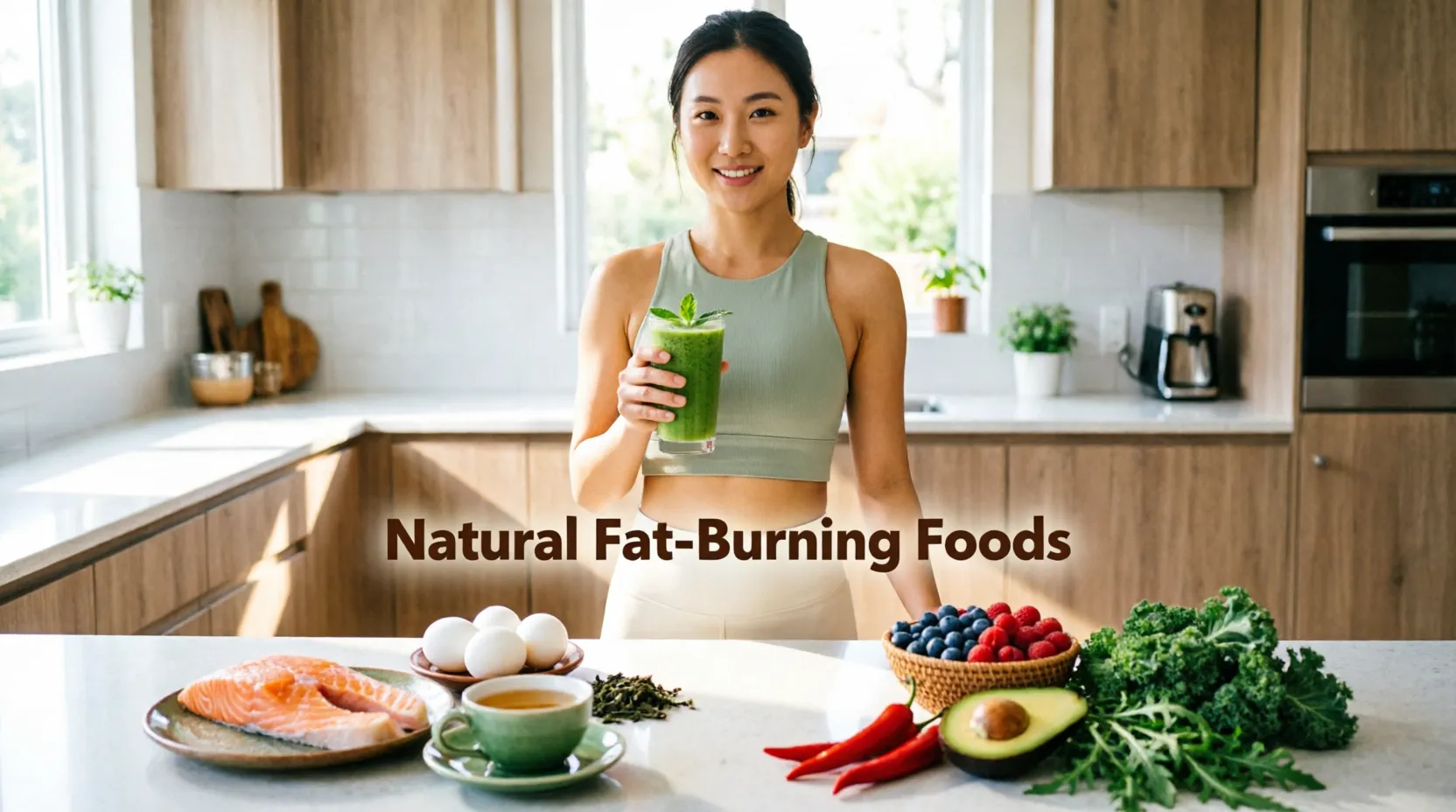
Understanding Natural Fat-Burning Foods: What Science Really Says
In a world filled with quick-fix weight loss promises and miracle supplements, the idea of foods that can naturally help burn fat sounds almost too good to be true. But what if some foods genuinely support your body's fat-burning processes? The good news: science confirms that certain whole foods can boost metabolism, enhance fat oxidation, control appetite, and support sustainable weight loss—without dangerous stimulants or restrictive diets.
What are natural fat-burning foods? These are whole, nutrient-dense foods that support your body's natural ability to burn fat through mechanisms like increasing thermogenesis (heat production), enhancing satiety, stabilizing blood sugar, improving insulin sensitivity, or boosting metabolic rate. They don't magically melt fat overnight, but when incorporated into a balanced diet and healthy lifestyle, they create conditions where your body can efficiently use stored fat for energy.
Research shows that no single food causes dramatic weight loss on its own. However, strategic food choices can create a meaningful metabolic advantage. A study in the American Journal of Clinical Nutrition found that people who regularly consumed thermogenic foods burned an extra 50-100 calories daily—adding up to 5-10 pounds of fat loss per year without changing anything else.
How fat-burning foods work:
- Thermic effect: Some foods require more energy to digest, temporarily boosting metabolism
- Appetite regulation: High-protein and high-fiber foods increase satiety hormones, reducing overall calorie intake
- Blood sugar control: Foods that stabilize glucose prevent insulin spikes that promote fat storage
- Fat oxidation: Certain compounds enhance your body's ability to use fat as fuel during rest and exercise
- Hormone support: Nutrients that support thyroid function and leptin sensitivity optimize metabolic health
This science-backed guide explores the most effective natural fat-burning foods, explains how they work, and provides practical strategies to incorporate them into your daily routine for sustainable results.
The Science of Metabolism and Fat Burning
Before diving into specific foods, understanding how your body burns fat helps you make smarter choices. Fat burning isn't about "melting" fat—it's about creating metabolic conditions where stored fat becomes available energy.
Key metabolic processes:
- Basal metabolic rate (BMR): Calories burned at rest for essential functions; accounts for 60-75% of daily energy expenditure
- Thermic effect of food (TEF): Energy used to digest, absorb, and process nutrients; protein has the highest TEF at 20-30%
- Physical activity: Calories burned through movement and exercise
- Non-exercise activity thermogenesis (NEAT): Calories burned through fidgeting, standing, and daily movement
Fat-burning foods primarily influence TEF and hormone regulation, creating a modest but meaningful metabolic advantage. Combined with consistent healthy habits, these effects compound over time.
What Makes a Food "Fat-Burning"?
A food earns the "fat-burning" label if research shows it supports one or more of these mechanisms: increasing energy expenditure, enhancing fat oxidation, reducing appetite, improving insulin sensitivity, or supporting hormones that regulate metabolism. Importantly, these foods work best as part of an overall healthy diet—not as magic bullets. No food overrides poor lifestyle choices, but the right foods make healthy choices easier and more effective.
Top Natural Fat-Burning Foods Backed by Science
These foods have the strongest research support for supporting fat loss through natural metabolic mechanisms.
1. Protein-Rich Foods: The Metabolism Booster
Why they work: Protein has the highest thermic effect of any macronutrient—your body burns 20-30% of protein calories just digesting them, compared to 5-10% for carbs and 0-3% for fats. Protein also increases satiety hormones (GLP-1, PYY) and reduces hunger hormone (ghrelin), helping you naturally eat fewer calories.
Best sources:
- Eggs: Complete protein with choline for fat metabolism; studies show egg breakfasts reduce calorie intake at subsequent meals
- Greek yogurt: High protein plus probiotics that may support weight management
- Lean meats: Chicken, turkey, and lean beef provide high-quality protein with minimal fat
- Fish: Salmon, tuna, and cod offer protein plus omega-3s that may enhance fat oxidation
- Plant proteins: Lentils, chickpeas, tofu, and tempeh provide protein plus fiber for dual satiety benefits
How to use: Aim for 20-30 grams of protein per meal. Start your day with protein to stabilize blood sugar and reduce cravings. Include protein in snacks to maintain satiety between meals.
Research highlight: A study in Obesity found that increasing protein intake from 15% to 30% of calories led to reduced appetite, lower spontaneous calorie intake, and significant weight loss without conscious restriction.
2. Green Tea and Matcha: The Gentle Thermogenic
Why they work: Green tea contains catechins (especially EGCG) and caffeine that work synergistically to increase fat oxidation and energy expenditure. EGCG inhibits an enzyme that breaks down norepinephrine, prolonging fat-burning signals.
Key benefits:
- Increases fat oxidation by 10-17% during rest and exercise
- Modest boost to daily calorie burn (about 70-100 calories)
- May target abdominal fat specifically
- Antioxidants support overall metabolic health
- Matcha provides concentrated catechins since you consume the whole leaf
How to use: Drink 2-4 cups of green tea daily, or 1-2 servings of matcha. Consume between meals or before exercise for maximum fat-burning effect. Avoid adding sugar; a splash of lemon may enhance catechin absorption.
Research highlight: A meta-analysis in the International Journal of Obesity concluded that green tea catechins with caffeine produced significant weight loss and fat reduction compared to placebo, with the greatest effects in habitual caffeine consumers.
3. Chili Peppers and Capsaicin: The Heat-Induced Burn
Why they work: Capsaicin, the compound that gives chili peppers their heat, activates receptors that increase thermogenesis and fat oxidation. It may also reduce appetite and increase feelings of fullness.
Key benefits:
- Temporarily boosts metabolic rate by 4-5% for up to 30 minutes after consumption
- May increase fat oxidation, especially during exercise
- Reduces appetite and calorie intake at subsequent meals
- May help reduce abdominal fat over time
Best sources: Fresh or dried chili peppers, cayenne pepper, jalapeños, habaneros, or capsaicin supplements.
How to use: Add fresh chilies to meals, sprinkle cayenne on eggs or soups, or enjoy spicy salsas. Start with small amounts if you're sensitive to heat. For consistent benefits, include capsaicin-containing foods in 1-2 meals daily.
Research highlight: A study in the American Journal of Clinical Nutrition found that capsaicin increased energy expenditure and fat oxidation, with regular consumption associated with reduced abdominal fat in overweight individuals.
4. High-Fiber Foods: The Appetite Regulators
Why they work: Fiber slows digestion, stabilizes blood sugar, and increases production of satiety hormones. Soluble fiber forms a gel that delays stomach emptying, while insoluble fiber adds bulk that promotes fullness.
Key benefits:
- Reduces hunger and spontaneous calorie intake
- Stabilizes blood sugar to prevent insulin-driven fat storage
- Feeds beneficial gut bacteria that influence metabolism
- May reduce absorption of dietary fat
Best sources:
- Soluble fiber: Oats, beans, lentils, apples, citrus fruits, flaxseeds
- Insoluble fiber: Whole grains, vegetables, nuts, seeds
- Resistant starch: Cooked and cooled potatoes, rice, legumes (feeds gut bacteria)
How to use: Aim for 25-38 grams of fiber daily. Start meals with a fiber-rich salad or soup. Choose whole fruits over juice. Add chia or flax seeds to smoothies or yogurt.
Research highlight: A review in Nutrition Reviews concluded that increasing fiber intake by 14 grams daily led to a 10% reduction in calorie intake and significant weight loss over time, independent of other dietary changes.
5. Apple Cider Vinegar: The Blood Sugar Stabilizer
Why it works: Acetic acid, the main component of apple cider vinegar, may enhance fat burning, reduce fat storage, and improve insulin sensitivity. It also slows gastric emptying, increasing fullness.
Key benefits:
- May reduce belly fat and waist circumference with regular use
- Lowers post-meal blood sugar and insulin spikes
- Increases feelings of fullness, reducing calorie intake
- May enhance fat oxidation during exercise
How to use: Dilute 1-2 tablespoons in a large glass of water and drink before meals. Start with 1 teaspoon to assess tolerance. Never consume undiluted—it can damage tooth enamel and irritate the throat.
Research highlight: A 12-week study in Bioscience, Biotechnology, and Biochemistry found that participants who consumed 1-2 tablespoons of apple cider vinegar daily lost 2-4 pounds and reduced waist circumference compared to placebo, with no other diet changes.
6. Fatty Fish and Omega-3s: The Inflammation Fighters
Why they work: Omega-3 fatty acids (EPA and DHA) reduce inflammation that can impair metabolism and promote insulin resistance. They may also enhance fat oxidation and support muscle preservation during weight loss.
Key benefits:
- May increase fat burning during rest and exercise
- Reduce inflammation that contributes to metabolic dysfunction
- Support muscle mass, which maintains metabolic rate
- May improve insulin sensitivity
Best sources: Salmon, mackerel, sardines, herring, anchovies, and algae-based supplements for plant-based options.
How to use: Aim for 2-3 servings of fatty fish weekly, or consider a high-quality omega-3 supplement (1-2 grams EPA/DHA daily). Pair with vegetables for a balanced, metabolism-supporting meal.
Research highlight: A meta-analysis in the Journal of the International Society of Sports Nutrition concluded that omega-3 supplementation enhanced fat loss during calorie restriction and exercise, particularly in overweight individuals.
7. Coffee: The Performance-Enhancing Stimulant
Why it works: Caffeine stimulates the nervous system, increasing adrenaline that signals fat cells to break down fat. It also boosts metabolic rate by 3-11% and enhances exercise performance.
Key benefits:
- Increases metabolic rate and fat oxidation
- Enhances physical performance, allowing more intense workouts
- May suppress appetite temporarily
- Rich in antioxidants that support metabolic health
How to use: Drink black coffee or with minimal additions (a splash of milk is fine). Consume 30-60 minutes before exercise for performance benefits. Limit to 3-4 cups daily to avoid tolerance or sleep disruption.
Research highlight: A review in the International Journal of Sport Nutrition and Exercise Metabolism found that caffeine increased fat oxidation by 10-29% during exercise, with greater effects in trained individuals and when consumed before activity.
8. Whole Eggs: The Nutrient-Dense Satiety Food
Why they work: Eggs provide high-quality protein, healthy fats, and essential nutrients like choline that supports fat metabolism. Their combination of protein and fat promotes exceptional satiety.
Key benefits:
- High protein content increases thermic effect and satiety
- Choline supports liver function and fat metabolism
- Nutrients like B vitamins support energy production
- Studies show egg breakfasts reduce calorie intake for 36 hours
How to use: Enjoy eggs for breakfast to stabilize morning blood sugar and reduce cravings. Prepare boiled, poached, or scrambled with minimal added fat. Include the yolk for full nutrient benefits.
Research highlight: A study in the International Journal of Obesity found that participants who ate eggs for breakfast lost 65% more weight and 34% more waist circumference over 8 weeks compared to those eating a bagel breakfast with equal calories.
9. Nuts and Seeds: The Healthy Fat Powerhouses
Why they work: Despite being calorie-dense, nuts and seeds promote satiety through protein, fiber, and healthy fats. Some, like almonds and walnuts, may not be fully absorbed, meaning you get fewer calories than labeled.
Key benefits:
- Protein and fiber increase fullness and reduce subsequent eating
- Healthy fats support hormone production and nutrient absorption
- Magnesium in nuts supports glucose metabolism
- May improve cholesterol and metabolic markers
Best sources: Almonds, walnuts, pistachios, chia seeds, flaxseeds, pumpkin seeds, and hemp seeds.
How to use: Enjoy a small handful (about 1 ounce) as a snack or add to meals. Choose raw or dry-roasted without added oils or salt. Pre-portion to avoid mindless overeating.
Research highlight: A review in the Journal of Nutrition concluded that regular nut consumption was associated with lower body weight and reduced risk of weight gain, likely due to increased satiety and incomplete fat absorption.
10. Leafy Greens and Cruciferous Vegetables: The Low-Calorie Volume Foods
Why they work: These nutrient-dense, low-calorie foods allow you to eat large volumes while keeping calorie intake low. They're rich in fiber, water, and compounds that support detoxification and metabolic health.
Key benefits:
- High volume, low calorie: promote fullness with minimal energy intake
- Fiber supports gut health and satiety
- Compounds like sulforaphane may support detoxification pathways
- Rich in vitamins and minerals that support metabolic function
Best sources: Spinach, kale, Swiss chard, broccoli, cauliflower, Brussels sprouts, cabbage, and arugula.
How to use: Fill half your plate with non-starchy vegetables at meals. Add greens to smoothies, soups, and stir-fries. Roast cruciferous vegetables for enhanced flavor and nutrient availability.
Research highlight: Studies consistently show that diets rich in non-starchy vegetables are associated with lower body weight and reduced risk of obesity, largely due to their low energy density and high nutrient content.
How to Combine Fat-Burning Foods for Maximum Impact
Individual foods provide benefits, but strategic combinations create synergistic effects that amplify results.
Effective food pairings:
- Protein + Fiber: Greek yogurt with berries and chia seeds combines satiety from protein with blood sugar control from fiber
- Healthy Fats + Veggies: Salmon with roasted broccoli and olive oil provides omega-3s plus fiber and antioxidants
- Thermogenic + Protein: Green tea with an egg breakfast boosts metabolism while stabilizing morning hunger
- Spice + Complex Carbs: Chili-spiced lentil soup combines capsaicin with fiber for sustained fullness
Sample fat-burning day:
- Breakfast: Scrambled eggs with spinach and avocado, plus green tea
- Snack: Apple with a small handful of almonds
- Lunch: Grilled chicken salad with mixed greens, chickpeas, olive oil, and apple cider vinegar dressing
- Snack: Greek yogurt with cinnamon and a few walnuts
- Dinner: Baked salmon with roasted broccoli and quinoa, seasoned with cayenne
- Evening: Herbal tea or black coffee (if tolerated)
This approach provides protein at each meal, fiber throughout the day, thermogenic compounds, and healthy fats—creating multiple metabolic advantages without restriction.
Common Myths About Fat-Burning Foods
Separating fact from fiction helps you focus on what truly works.
Myth #1: Some foods "melt" fat overnight
Reality: No food causes rapid, targeted fat loss. Fat burning is a gradual process supported by consistent habits. Foods create favorable conditions, but results require time and overall lifestyle alignment.
Myth #2: You can eat unlimited fat-burning foods and still lose weight
Reality: Even healthy foods contain calories. Portion awareness matters. Fat-burning foods support weight loss best when they replace less nutritious options, not when added on top of an already high-calorie diet.
Myth #3: Supplements work better than whole foods
Reality: Whole foods provide synergistic nutrients, fiber, and compounds that isolated supplements can't replicate. Food-first approaches are more sustainable and support overall health beyond weight loss.
Myth #4: Fat-burning foods work without other lifestyle changes
Reality: Diet quality, physical activity, sleep, and stress management all influence metabolism. Fat-burning foods are powerful tools, but they work best within a holistic healthy lifestyle.
FAQs About Natural Fat-Burning Foods
How quickly will I see results from eating fat-burning foods?
Metabolic benefits like increased satiety and stabilized energy can be felt within days. Visible changes in body composition typically take 4-8 weeks of consistent habits. Remember: sustainable fat loss averages 0.5-1 pound per week. Focus on how you feel—more energy, reduced cravings, better sleep—as early indicators of progress.
Can I eat fat-burning foods and still enjoy other foods?
Absolutely. The 80/20 approach works well: focus on nutrient-dense, metabolism-supporting foods 80% of the time, allowing flexibility for enjoyment 20% of the time. This prevents deprivation, supports adherence, and makes healthy eating sustainable long-term.
Do fat-burning foods work for belly fat specifically?
You can't spot-reduce fat, but certain foods may preferentially support abdominal fat loss. Research suggests that protein, fiber, green tea, and omega-3s may help reduce visceral fat—the metabolically active fat around organs. Combined with stress management and adequate sleep, these foods support overall fat loss including the abdominal area.
Are fat-burning foods safe for everyone?
Most whole foods are safe for healthy individuals. However, consult a healthcare provider if you have medical conditions, take medications, or are pregnant. For example, high caffeine intake may not suit those with anxiety or heart conditions, and high-fiber increases should be gradual to avoid digestive discomfort.
Should I take fat-burning supplements instead?
Whole foods are generally preferable to supplements. They provide balanced nutrition, fiber, and compounds that work synergistically. Supplements may be appropriate in specific cases (like omega-3s if you don't eat fish), but prioritize food-first strategies. Always discuss supplements with a healthcare professional.
How do I stay consistent with eating fat-burning foods?
Make it easy: prep meals ahead, keep healthy snacks visible, and build simple routines. Focus on adding beneficial foods rather than restricting favorites. Track non-scale victories like energy levels and clothing fit. Find accountability through a friend or community. Consistency beats perfection—small, daily choices create lasting change.
Creating Your Sustainable Fat-Burning Food Plan
Turning knowledge into action requires a practical, personalized approach.
Step 1: Audit your current diet
Identify which fat-burning foods you already eat and where gaps exist. Note meals where you could add protein, fiber, or thermogenic ingredients.
Step 2: Start with 1-2 changes
Choose the easiest swaps: replace a sugary breakfast with eggs, add green tea to your routine, or include a serving of vegetables at lunch. Master these before adding more.
Step 3: Plan and prep
Batch-cook proteins, wash and chop vegetables, and portion snacks ahead of time. Preparation reduces decision fatigue and makes healthy choices automatic.
Step 4: Track and adjust
Notice how different foods affect your energy, hunger, and satisfaction. Adjust portions and combinations based on your body's feedback.
Step 5: Build long-term habits
Focus on sustainable patterns, not short-term fixes. Aim for progress, not perfection. Celebrate consistency, and be kind to yourself on challenging days.
Conclusion: Empower Your Metabolism with Real Food
Natural fat-burning foods aren't magic—they're science. When you choose protein-rich meals, fiber-packed plants, thermogenic spices, and metabolism-supporting fats, you create biological conditions where your body can efficiently use stored fat for energy. These foods work not by overriding your physiology, but by supporting it.
The most powerful approach combines multiple strategies: adequate protein for satiety and thermogenesis, fiber for blood sugar control, healthy fats for hormone balance, and strategic compounds like catechins and capsaicin for metabolic enhancement. Together, they create a synergistic effect that supports sustainable weight management.
Remember that food is just one piece of the puzzle. Quality sleep, stress management, regular movement, and hydration all influence your metabolism. Fat-burning foods work best within this holistic framework.
Start today with one small change. Add an extra serving of vegetables to dinner. Swap your afternoon snack for a handful of almonds. Brew a cup of green tea instead of a sugary drink. These seemingly minor choices compound over time, creating meaningful metabolic advantages.
Your body is designed to burn fat efficiently when given the right fuel. By choosing natural, science-backed foods and building consistent habits, you empower your metabolism to work for you—not against you. Here's to sustainable health, vibrant energy, and the confidence that comes from nourishing your body with intention.