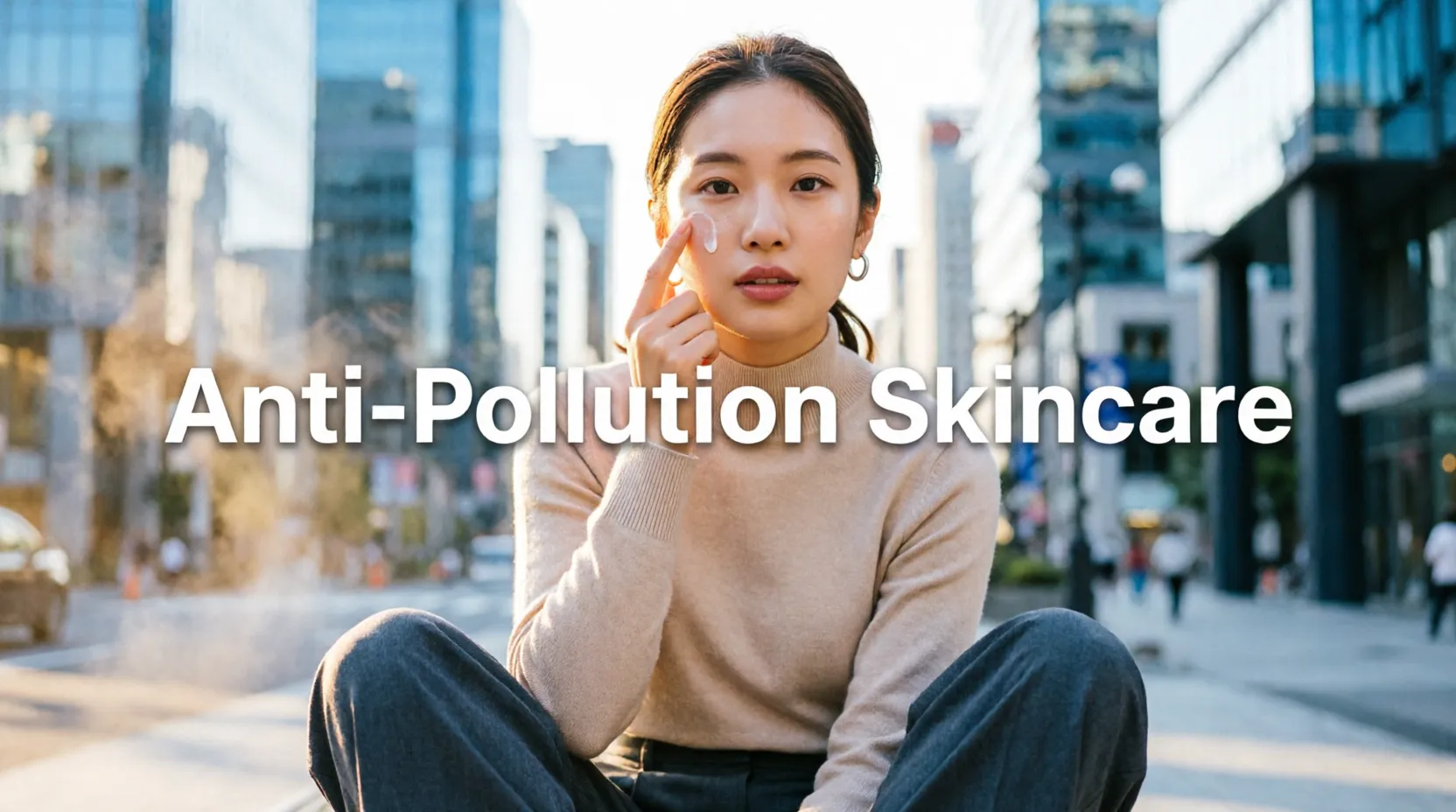
Understanding Pollution's Impact on Your Skin
Living in an urban environment exposes your skin to a constant barrage of environmental aggressors that can accelerate aging, trigger inflammation, and compromise your skin's natural barrier. From vehicle exhaust and industrial emissions to cigarette smoke and airborne particulate matter, pollution is an invisible threat that affects your skin every single day. Understanding how these pollutants damage your skin is the first step toward building an effective defense strategy.
What exactly is environmental pollution? Urban pollution consists of various harmful substances including particulate matter (PM2.5 and PM10), polycyclic aromatic hydrocarbons (PAHs), volatile organic compounds (VOCs), nitrogen oxides, ozone, and heavy metals. These microscopic particles and gases penetrate the skin, generating free radicals that trigger oxidative stress and inflammation.
Research shows that people living in highly polluted urban areas experience significantly higher rates of skin concerns including hyperpigmentation, premature aging, acne, eczema, and sensitivity compared to those in cleaner environments. The skin, being the body's largest organ and primary barrier, bears the brunt of this environmental assault.
How pollution damages your skin:
- Oxidative stress: Pollutants generate free radicals that overwhelm your skin's antioxidant defenses, damaging cellular DNA, proteins, and lipids
- Inflammation: Particulate matter triggers inflammatory responses that can worsen conditions like acne, rosacea, and eczema
- Barrier disruption: Pollutants compromise the skin's protective barrier, leading to increased water loss and sensitivity
- Collagen breakdown: Free radicals activate enzymes that degrade collagen and elastin, accelerating wrinkles and sagging
- Pigmentation issues: Pollution stimulates melanin production, leading to dark spots and uneven skin tone
- Microbiome imbalance: Environmental toxins disrupt the skin's beneficial bacteria, compromising its natural defense system
The good news is that with the right knowledge and products, you can significantly minimize pollution's damaging effects. Anti-pollution skincare isn't about fear—it's about empowerment through protection.
The Science of Pollution-Induced Skin Damage
To effectively protect your skin, it helps to understand the biological mechanisms through which pollution causes harm. This knowledge informs smarter product choices and routine decisions.
Free radical formation and oxidative stress:
When pollutants contact your skin, they generate reactive oxygen species (ROS)—unstable molecules that steal electrons from healthy skin cells. This process, called oxidative stress, damages cellular structures including:
- Cell membranes (lipid peroxidation)
- Proteins including collagen and elastin
- DNA, potentially leading to mutations and premature aging
- Mitochondria, reducing cellular energy production
Your skin has natural antioxidant defenses (vitamins C and E, glutathione, enzymes), but chronic pollution exposure can overwhelm these systems, requiring topical antioxidant support.
Inflammatory cascade activation:
Particulate matter, especially ultrafine particles (PM0.1), penetrates deep into skin layers and activates inflammatory pathways. This triggers the release of cytokines—signaling proteins that cause redness, swelling, and sensitivity. Chronic low-grade inflammation accelerates aging through a process called "inflammaging."
Aryl hydrocarbon receptor (AhR) activation:
Certain pollutants bind to AhR receptors in skin cells, triggering a cascade that increases pigmentation, breaks down collagen, and impairs barrier function. This explains why pollution exposure often results in dullness, dark spots, and premature wrinkles.
What Types of Pollution Most Damage Skin?
Not all pollutants affect skin equally. The most damaging include: Particulate matter (PM2.5 and PM10)—tiny particles from vehicle exhaust and industrial emissions that penetrate skin and generate free radicals; Polycyclic aromatic hydrocarbons (PAHs)—chemical compounds from burning fossil fuels that cause pigmentation and aging; Nitrogen dioxide (NO2)—traffic-related pollutant linked to blackheads and wrinkles; Ozone (O3)—depletes skin's antioxidants and damages the barrier; and Cigarette smoke—contains thousands of toxic chemicals that accelerate aging and impair healing. Understanding these threats helps you prioritize protection strategies.
Essential Anti-Pollution Skincare Ingredients
Building an effective anti-pollution routine starts with knowing which ingredients actually work. These powerhouse compounds have scientific backing for their protective and reparative properties.
Antioxidants: Your First Line of Defense
Antioxidants neutralize free radicals before they can damage skin cells. A robust antioxidant strategy is essential for pollution protection.
Vitamin C (L-Ascorbic Acid): This gold-standard antioxidant not only neutralizes free radicals but also brightens skin, boosts collagen production, and enhances sunscreen efficacy. Look for concentrations of 10-20% in stable formulations. Vitamin C works synergistically with vitamin E, providing enhanced protection.
Vitamin E (Tocopherol): A lipid-soluble antioxidant that protects cell membranes from oxidative damage. It's particularly effective when combined with vitamin C, as they regenerate each other. Vitamin E also supports barrier repair and reduces inflammation.
Niacinamide (Vitamin B3): This multi-tasking ingredient strengthens the skin barrier, reduces inflammation, minimizes pore appearance, and protects against environmental damage. It's gentle enough for daily use and compatible with most skin types.
Ferulic Acid: A plant-based antioxidant that stabilizes vitamins C and E while providing its own protective benefits. It reduces oxidative stress and has anti-inflammatory properties.
Resveratrol: Found in grapes and berries, this potent antioxidant activates cellular defense mechanisms and protects against UV and pollution damage. It also has anti-aging benefits.
Green Tea Extract (EGCG): Rich in polyphenols, green tea extract reduces inflammation, neutralizes free radicals, and may even repair DNA damage. It's particularly soothing for sensitive or irritated skin.
Barrier-Strengthening Ingredients
A strong skin barrier is your best defense against pollutant penetration. These ingredients reinforce your skin's protective wall.
Ceramides: These lipid molecules make up 50% of your skin's barrier. Topical ceramides restore and maintain barrier integrity, preventing pollutants from penetrating and moisture from escaping.
Niacinamide: Beyond its antioxidant properties, niacinamide boosts ceramide production, strengthening the barrier from within.
Fatty Acids: Omega-3 and omega-6 fatty acids support barrier function and reduce inflammation. Look for ingredients like linoleic acid and squalane.
Cholesterol: Works alongside ceramides and fatty acids to maintain optimal barrier structure and function.
Detoxifying and Purifying Agents
These ingredients help remove pollutants and impurities from the skin.
Activated Charcoal: This porous substance binds to toxins, heavy metals, and impurities, drawing them out of pores. It's particularly effective in cleansers and masks.
Clay (Kaolin, Bentonite): Natural clays absorb excess oil, pollutants, and toxins while providing gentle exfoliation. They're ideal for weekly detoxifying masks.
Chlorella and Spirulina: These algae extracts bind to heavy metals and pollutants, helping to detoxify skin while providing nutrients and antioxidants.
Pollution-Shielding Polymers
Some modern skincare ingredients create a physical barrier on the skin's surface.
Biosaccharide Gum: Forms a protective film that prevents pollutant adhesion while maintaining skin hydration.
Moringa Extract: Contains natural cleansing and protective properties that shield skin from pollutants and heavy metals.
Silk Proteins: Create a breathable barrier that protects against environmental aggressors while maintaining skin's natural functions.
Building Your Anti-Pollution Skincare Routine
An effective anti-pollution routine doesn't require endless steps—it requires strategic product choices and consistency. Here's how to structure your defense.
Morning Routine: Protect and Defend
Step 1: Gentle Cleanser
Start with a mild, pH-balanced cleanser to remove overnight buildup without stripping your barrier. Avoid harsh sulfates that compromise your skin's defenses. Look for cleansers with antioxidants or barrier-supporting ingredients.
Step 2: Antioxidant Serum
Apply a vitamin C serum or antioxidant blend to neutralize free radicals throughout the day. This is your pollution-fighting powerhouse. Allow it to fully absorb before the next step.
Step 3: Hydrating Treatment
Use a lightweight serum or essence with niacinamide, hyaluronic acid, or ceramides to strengthen your barrier and maintain hydration. Well-hydrated skin is more resilient.
Step 4: Moisturizer
Choose a moisturizer suited to your skin type that contains barrier-supporting ingredients. This creates an additional protective layer.
Step 5: Sunscreen (Non-Negotiable)
UV radiation and pollution work synergistically to damage skin. Use a broad-spectrum SPF 30+ daily, even indoors. Some sunscreens now include anti-pollution ingredients for dual protection.
Evening Routine: Cleanse and Repair
Step 1: Double Cleansing
This is critical for pollution protection. First, use an oil-based cleanser or micellar water to dissolve sunscreen, makeup, and pollutant particles. Follow with a water-based cleanser to remove remaining impurities. This two-step process ensures thorough removal of the day's environmental assault.
Step 2: Exfoliation (2-3 Times Weekly)
Gentle chemical exfoliation (AHAs or BHAs) removes dead skin cells and embedded pollutants, allowing better penetration of treatment products. Don't over-exfoliate, as this compromises your barrier.
Step 3: Treatment Serum
Use reparative ingredients like retinol, peptides, or concentrated antioxidants to repair daily damage and support overnight recovery.
Step 4: Night Moisturizer or Face Oil
Seal in moisture and support barrier repair with a richer nighttime formula. Ingredients like ceramides, squalane, or facial oils work well.
Weekly Treatments
Detoxifying Mask: Use a clay or charcoal mask once weekly to draw out impurities and pollutants from pores.
Hydrating Mask: Counteract pollution-induced dryness with a hydrating sheet mask or overnight mask.
Gentle Exfoliation: If not part of your regular routine, add one gentle exfoliation session weekly.
Product Recommendations by Skin Type
Choosing the right anti-pollution products depends on your skin type and concerns.
For Oily/Acne-Prone Skin
- Cleanser: Gel or foaming cleanser with salicylic acid or charcoal
- Serum: Lightweight vitamin C or niacinamide serum
- Moisturizer: Oil-free, non-comedogenic formula with antioxidants
- Sunscreen: Mattifying, non-greasy SPF
- Weekly: Clay mask to absorb excess oil and pollutants
For Dry/Sensitive Skin
- Cleanser: Cream or milky cleanser with ceramides
- Serum: Hydrating serum with hyaluronic acid and antioxidants
- Moisturizer: Rich cream with barrier-repairing ingredients
- Sunscreen: Hydrating mineral or chemical SPF
- Weekly: Hydrating mask to combat pollution-induced dryness
For Combination Skin
- Cleanser: Gentle foaming or gel cleanser
- Serum: Balanced formula with niacinamide or vitamin C
- Moisturizer: Lightweight lotion or gel-cream
- Sunscreen: Versatile SPF suitable for all zones
- Weekly: Alternate between clay and hydrating masks
For Mature Skin
- Cleanser: Nourishing cream or oil cleanser
- Serum: Potent antioxidant blend with vitamin C, E, and ferulic acid
- Moisturizer: Rich formula with peptides and ceramides
- Sunscreen: Anti-aging SPF with antioxidants
- Weekly: Anti-aging mask with retinol or peptides
Lifestyle Strategies for Pollution Protection
Skincare products are essential, but lifestyle choices significantly impact your skin's resilience against pollution.
Diet and Nutrition
What you eat affects your skin's ability to fight environmental damage.
Antioxidant-rich foods: Consume plenty of colorful fruits and vegetables, especially berries, leafy greens, citrus fruits, and tomatoes. These provide vitamins C and E, beta-carotene, and polyphenols that support your skin's internal defenses.
Omega-3 fatty acids: Found in fatty fish, walnuts, and flaxseeds, omega-3s reduce inflammation and support barrier function.
Green tea: Drinking green tea provides systemic antioxidant protection and reduces inflammation.
Hydration: Drink adequate water to maintain skin hydration and support detoxification processes.
Limit processed foods: Sugar and processed foods increase inflammation, making skin more vulnerable to pollution damage.
Environmental Modifications
Indoor air quality: Use air purifiers with HEPA filters to reduce indoor pollution levels. Keep windows closed during high-traffic hours.
Plants: Indoor plants like snake plants and peace lilies can help filter air naturally.
Avoid peak pollution times: Exercise indoors or early morning when pollution levels are lower. Avoid high-traffic areas when possible.
Protective clothing: Wear hats and sunglasses to shield skin from pollution and UV exposure.
Stress Management
Chronic stress weakens your skin barrier and increases inflammation, making you more susceptible to pollution damage. Practice stress-reduction techniques like meditation, yoga, adequate sleep, and regular exercise.
Common Mistakes in Anti-Pollution Skincare
Even with the best intentions, certain habits can undermine your pollution protection efforts.
Mistake #1: Skipping Sunscreen
UV radiation and pollution work together to damage skin. Sunscreen is essential even on cloudy days and when indoors near windows.
Mistake #2: Over-Cleansing
While thorough cleansing is important, over-washing strips your barrier, making skin more vulnerable. Stick to twice-daily cleansing unless you've been heavily exposed to pollutants.
Mistake #3: Neglecting Antioxidants
Relying solely on sunscreen isn't enough. Antioxidants provide crucial protection against free radicals that sunscreen doesn't block.
Mistake #4: Ignoring the Neck and Décolletage
These areas are equally exposed to pollution but often neglected. Extend your skincare routine beyond your face.
Mistake #5: Expecting Overnight Results
Pollution protection is about prevention and long-term health. You may not see immediate changes, but consistent protection prevents future damage.
Mistake #6: Using Too Many Active Ingredients
Layering multiple strong actives can compromise your barrier. Focus on antioxidants, barrier support, and sun protection as your foundation.
FAQs About Anti-Pollution Skincare
Do I really need special anti-pollution products?
While you don't need products specifically labeled "anti-pollution," you do need ingredients that protect against environmental damage. Antioxidants, barrier-supporting ingredients, and thorough cleansing are essential regardless of product marketing. Focus on ingredient efficacy rather than claims.
Can pollution cause acne?
Yes. Particulate matter can clog pores and trigger inflammation, leading to breakouts. Pollution also disrupts the skin microbiome and increases oxidative stress, both of which can worsen acne. Thorough cleansing and antioxidant protection are particularly important for acne-prone skin in polluted areas.
How do I know if pollution is affecting my skin?
Signs include dullness, premature fine lines, uneven skin tone, increased sensitivity, frequent breakouts, and dryness or dehydration. If you live in an urban area and notice these concerns, pollution is likely a contributing factor.
Is double cleansing necessary every night?
If you wear sunscreen or makeup, yes. Double cleansing ensures complete removal of pollutants, sunscreen, and impurities that accumulate throughout the day. If you don't wear sunscreen or makeup and have dry skin, a single gentle cleanser may suffice, but most urban dwellers benefit from double cleansing.
Can I reverse pollution damage?
While you can't completely reverse all damage, you can significantly improve skin health through consistent protection, antioxidants, and barrier repair. Some effects like hyperpigmentation and fine lines can fade with proper care, while preventing further damage is equally important.
Do anti-pollution skincare products work?
Products with proven ingredients like antioxidants, barrier-supporting compounds, and proper cleansing agents do help protect against pollution damage. However, be wary of marketing hype. Focus on scientifically-backed ingredients rather than buzzwords.
How often should I exfoliate if I'm exposed to pollution?
2-3 times weekly is generally sufficient for most skin types. Over-exfoliation compromises your barrier, making skin more vulnerable to pollution. Choose gentle chemical exfoliants over harsh scrubs, and adjust frequency based on your skin's tolerance.
The Future of Anti-Pollution Skincare
As urbanization increases and awareness grows, the skincare industry continues to innovate. Emerging trends include:
- Microbiome-friendly formulations: Products that support the skin's beneficial bacteria to enhance natural defense
- Advanced delivery systems: Nanotechnology and encapsulation for better ingredient penetration and sustained release
- Pollution-sensing wearables: Devices that measure your pollution exposure and adjust skincare recommendations
- Personalized formulations: AI-driven products tailored to your specific environment and skin needs
- Sustainable packaging: Eco-friendly solutions that reduce environmental impact while protecting skin
These innovations promise more effective, personalized protection against environmental damage.
Conclusion: Empower Your Skin Against Urban Assault
Living in a polluted urban environment doesn't have to mean sacrificing your skin's health and radiance. With the right knowledge, products, and habits, you can build a robust defense system that protects against environmental damage and maintains your skin's vitality.
Anti-pollution skincare isn't about fear—it's about empowerment. It's the recognition that while you can't control the air you breathe, you can control how you protect and care for your skin. By incorporating antioxidants, strengthening your barrier, cleansing thoroughly, and supporting your skin from within through nutrition and lifestyle, you create multiple layers of defense against environmental aggressors.
Remember that consistency is more important than perfection. A simple routine done daily is more effective than an elaborate regimen done sporadically. Start with the fundamentals: gentle cleansing, antioxidant protection, barrier support, and sun protection. Build from there based on your skin's unique needs.
Your skin is resilient, and with proper care, it can withstand the challenges of urban living. Embrace anti-pollution skincare not as a burden, but as an act of self-care and protection. Your future skin will thank you for the defense you build today.
Take action now: assess your current routine, identify gaps in your pollution protection, and make one positive change today. Whether it's adding a vitamin C serum, committing to double cleansing, or simply being more mindful about sunscreen, every step counts. Your skin deserves protection, and you deserve to feel confident, healthy, and radiant—no matter where you live.
📖 আরও পড়ুন: Skin Care
- 🔗 Chronic Fatigue and Skin Surface Health Guide
- 🔗 The Shadow Effect: Dermatologist Guide to Neck Hyperpigmentation and Proven Treatments
- 🔗 Uneven Skin Tone After 35: Science, Solutions and Expectations
- 🔗 Why Skin Recovery Slows After 35 and How to Speed It Up
- 🔗 Skin Glow and Microcirculation: The Science of Radiance