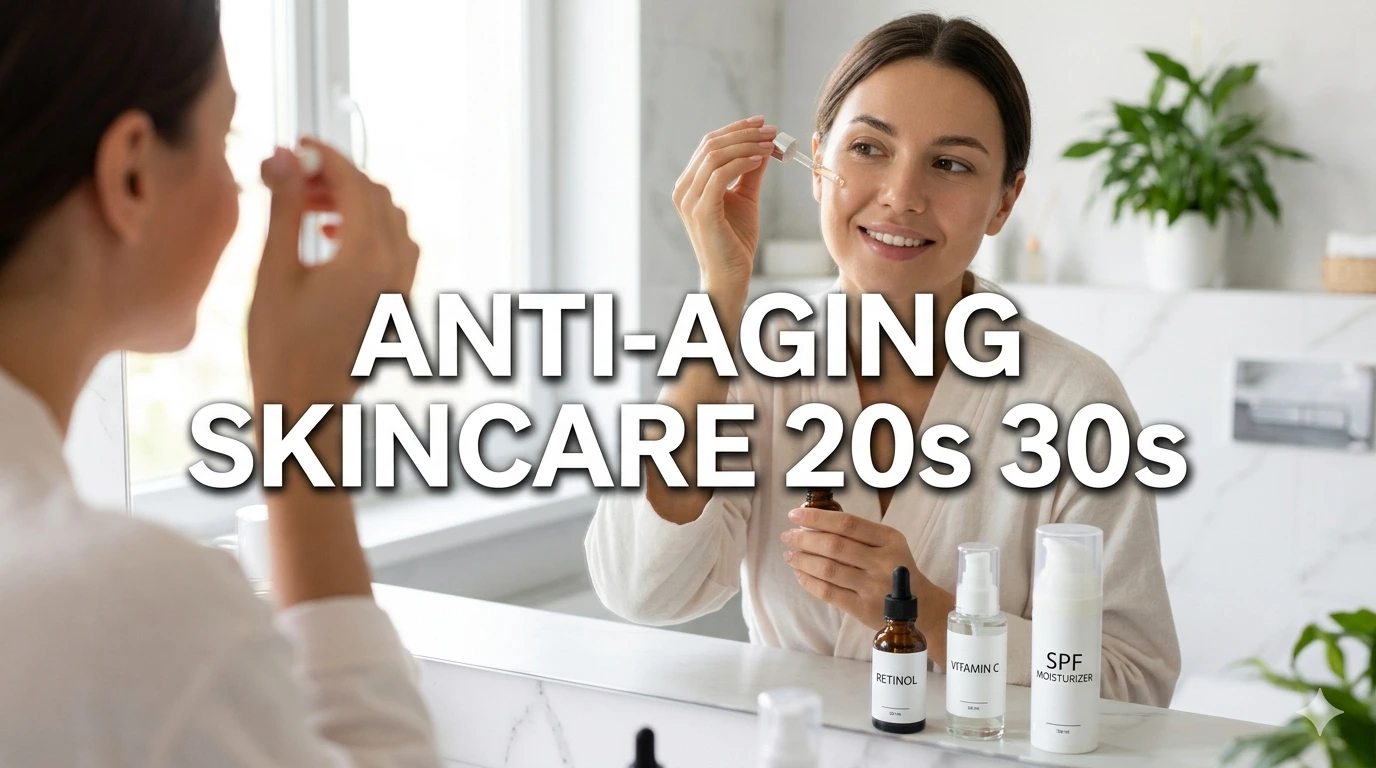
If you're in your 20s or 30s, you might think anti-aging skincare is something to worry about later. After all, your skin likely still looks fresh, bouncy, and resilient. But here's the truth dermatologists want you to know: the best time to prevent signs of aging is before they appear. The choices you make about your skin today—what you apply, how you protect it, and the lifestyle habits you cultivate—will profoundly influence how your skin ages over the next decades.
Anti-aging skincare isn't about chasing an impossible standard of agelessness. It's about supporting your skin's natural health, protecting it from preventable damage, and building habits that help you age gracefully on your own terms. Starting a preventive routine in your 20s or 30s isn't premature—it's one of the smartest investments you can make in your long-term wellbeing.
This comprehensive guide delivers everything you need to know about anti-aging skincare for your 20s and 30s. You'll learn the science behind skin aging, discover which ingredients actually prevent damage (and which are just marketing hype), build a simple yet effective preventive routine, and understand how lifestyle choices impact your skin's future. Whether you're just starting to think about prevention or looking to optimize an existing routine, you'll find practical, evidence-based strategies to help your skin thrive now and for years to come.
Why Start Anti-Aging Skincare in Your 20s and 30s? The Science of Prevention
Understanding why early prevention matters is the foundation of an effective anti-aging strategy.
How Skin Aging Actually Works
Intrinsic Aging (Chronological):
- Genetically programmed changes that occur naturally with time
- Gradual decline in collagen production (about 1% per year after age 25)
- Slower cell turnover leading to duller complexion over time
- Reduced natural oil production causing gradual dryness
- These changes are inevitable—but their pace can be influenced
Extrinsic Aging (Environmental):
- Sun exposure (photoaging): Accounts for up to 90% of visible skin aging
- Pollution and free radicals: Generate oxidative stress that damages skin cells
- Smoking: Breaks down collagen and impairs circulation to skin
- Repetitive facial expressions: Contribute to dynamic lines over time
- Poor lifestyle habits: Chronic stress, inadequate sleep, and poor nutrition accelerate aging
Key Insight: While you can't stop intrinsic aging, you have significant control over extrinsic factors. Starting preventive care in your 20s or 30s means protecting your skin during the years when cumulative damage begins to accumulate—but before visible signs become established.
The "Prevention Window": Why Timing Matters
Collagen Production Peak:
- Collagen production peaks in your early 20s, then begins a gradual decline
- Supporting collagen health early helps maintain skin firmness longer
- Once collagen breaks down significantly, rebuilding it becomes much harder
Cumulative Sun Damage:
- UV damage is cumulative: every unprotected exposure adds up over decades
- By your 40s or 50s, the sun damage from your 20s becomes visible as wrinkles, spots, and texture changes
- Starting daily sun protection in your 20s can prevent the majority of photoaging
Cellular Repair Capacity:
- Younger skin has greater capacity to repair DNA damage and recover from stress
- Supporting this repair capacity early helps maintain skin resilience
- Preventive ingredients work best when skin is still healthy, not after damage is done
What Prevention Actually Looks Like
Preventive anti-aging skincare isn't about using 10 products or spending hundreds of dollars. It's about:
- Consistency: Daily habits that protect and support skin health
- Smart ingredient choices: Using proven actives at appropriate strengths
- Sun protection: The single most important anti-aging step
- Lifestyle support: Sleep, nutrition, and stress management that benefit skin
- Patience: Prevention is a long-term investment, not a quick fix
Core Ingredients for Preventive Anti-Aging: What Actually Works
Not all anti-aging ingredients are created equal. These are the most evidence-backed options for prevention in your 20s and 30s.
1. Sunscreen: The Non-Negotiable Foundation
Why It's #1: Sunscreen is the most effective anti-aging product available. Period. No other ingredient prevents as much visible aging as daily broad-spectrum sun protection.
How It Works:
- Blocks UVB rays that cause sunburn and direct DNA damage
- Blocks UVA rays that penetrate deeper, breaking down collagen and causing premature aging
- Prevents formation of free radicals that accelerate cellular aging
- Reduces risk of hyperpigmentation and uneven skin tone
What to Look For:
- Broad-spectrum: Protects against both UVA and UVB
- SPF 30 or higher: SPF 30 blocks ~97% of UVB; higher SPF offers marginally more protection
- Water-resistant: Important for sweating or swimming
- Comfortable texture: You'll actually use it daily only if it feels good on your skin
Mineral vs. Chemical Sunscreens:
| Type | Active Ingredients | Pros | Cons | Best For |
|---|---|---|---|---|
| Mineral | Zinc oxide, titanium dioxide | Works immediately; gentle on sensitive skin; reef-safe options | Can leave white cast; thicker texture | Sensitive skin, daily wear, eco-conscious users |
| Chemical | Avobenzone, octinoxate, Tinosorb, Mexoryl | Lighter texture; no white cast; often more cosmetically elegant | Needs 15-20 min to activate; some ingredients raise sensitivity concerns | Normal to oily skin, under makeup, active lifestyles |
Application Tips:
- Use 1/4 teaspoon for face and neck (most people use far less than needed)
- Apply as the last step of your morning routine, before makeup
- Reapply every 2 hours with direct sun exposure
- Don't skip on cloudy days—up to 80% of UV rays penetrate clouds
Recommended Options:
- Budget: Neutrogena Ultra Sheer Dry-Touch SPF 50, La Roche-Posay Anthelios Clear Skin SPF 60
- Mid-range: EltaMD UV Clear Broad-Spectrum SPF 46, Supergoop! Unseen Sunscreen SPF 40
- Premium: SkinCeuticals Ultra Facial Defense SPF 50, ISDIN Eryfotona Ageless SPF 50+
2. Vitamin C (L-Ascorbic Acid): The Antioxidant Powerhouse
Why It Works: Vitamin C is a potent antioxidant that neutralizes free radicals before they can damage skin cells, while also supporting collagen production and brightening skin tone.
Key Benefits for Prevention:
- Antioxidant protection: Neutralizes free radicals from UV exposure, pollution, and stress
- Collagen support: Essential cofactor for collagen synthesis
- Brightening: Inhibits melanin production, reducing dark spots and uneven tone
- Enhances sunscreen: Works synergistically with SPF for enhanced protection
What to Look For:
- Form: L-ascorbic acid is the most researched and effective form
- Concentration: 10-20% is ideal; higher concentrations aren't necessarily better and can irritate
- pH: Should be under 3.5 for optimal penetration
- Stability: Look for opaque, air-tight packaging; vitamin C oxidizes (turns brown) when exposed to air/light
- Supporting ingredients: Vitamin E and ferulic acid boost stability and effectiveness
How to Use:
- Apply in the morning after cleansing, before moisturizer and sunscreen
- Start with 2-3 times weekly if you have sensitive skin; build to daily use
- Store in a cool, dark place; discard if it turns dark orange or brown
- Expect visible brightening in 4-8 weeks; antioxidant protection begins immediately
Recommended Options:
- Budget: The Ordinary Ascorbic Acid 8% + Alpha Arbutin 2%, Timeless 20% Vitamin C + E Ferulic
- Mid-range: SkinCeuticals C E Ferulic (gold standard), Paula's Choice C15 Super Booster
- Gentle alternatives: Mad Hippie Vitamin C Serum (sodium ascorbyl phosphate), Geek & Gorgeous C-Glow
3. Retinoids (Retinol, Retinaldehyde): The Gold Standard for Prevention
Why They Work: Retinoids are the most extensively researched topical anti-aging ingredients. They increase cell turnover, stimulate collagen production, and improve skin texture—making them powerful for both prevention and correction.
Types and Potency:
| Type | Potency | Best For | Considerations |
|---|---|---|---|
| Retinol (OTC) | Mild to moderate | Beginners, sensitive skin, preventive use | Requires conversion to active form; start slowly |
| Retinaldehyde (OTC) | Moderate | Those ready to step up from retinol | One conversion step to active form; more effective than retinol |
| Adapalene (OTC/prescription) | Moderate to high | Acne-prone skin + anti-aging | More stable than retinol; good for combination skin |
| Tretinoin (prescription) | High | Significant concerns, under dermatologist care | Most potent; requires prescription; higher irritation risk |
Key Benefits for Prevention:
- Increased cell turnover: Reveals fresher, smoother skin; prevents dullness
- Collagen stimulation: Helps maintain skin firmness and elasticity
- Pore refinement: Improves texture and minimizes appearance of pores
- Prevents fine lines: Addresses early signs before they become deep wrinkles
How to Start Retinoids Safely:
- Start low and slow: Begin with 0.1-0.3% retinol, 1-2 times per week
- Apply to dry skin: Wait 20-30 minutes after cleansing to reduce irritation
- Use pea-sized amount: More is not better; can increase irritation
- Follow with moisturizer: Helps mitigate dryness and supports barrier function
- Always use sunscreen: Retinoids increase sun sensitivity; SPF is non-negotiable
- Be patient: Visible results typically appear after 8-12 weeks of consistent use
Managing Initial Irritation:
- Expect some dryness, flaking, or redness initially (the "retinization" period)
- If irritation is significant, reduce frequency or try the "sandwich method" (moisturizer, retinoid, moisturizer)
- Avoid using with other potentially irritating actives (AHAs, benzoyl peroxide) initially
- Consult a dermatologist if irritation persists or is severe
Recommended Options:
- Budget: The Ordinary Granactive Retinoid 2% Emulsion, CeraVe Resurfacing Retinol Serum
- Mid-range: Paula's Choice Clinical 0.3% Retinol + 2% Bakuchiol, Medik8 Crystal Retinal 3
- Prescription: Consult a dermatologist about tretinoin or adapalene 0.3%
4. Niacinamide (Vitamin B3): The Multi-Tasking Preventive Ingredient
Why It Works: Niacinamide is a gentle, well-tolerated ingredient that addresses multiple concerns relevant to prevention: barrier support, inflammation reduction, and texture improvement.
Key Benefits:
- Barrier support: Boosts ceramide production, strengthening skin's protective barrier
- Anti-inflammatory: Reduces redness and irritation that can accelerate aging
- Pore refinement: Minimizes appearance of pores and improves texture
- Brightening: Reduces hyperpigmentation and evens skin tone
- Oil regulation: Helps balance sebum production without over-drying
What to Look For:
- Concentration: 2-5% is ideal for most skin types; 10% can be effective but may irritate sensitive skin
- Formulation: Look for serums or moisturizers with supporting ingredients like zinc or hyaluronic acid
- Compatibility: Niacinamide plays well with most other actives, including retinoids and vitamin C
How to Use:
- Can be used morning and/or night
- Apply after cleansing, before moisturizer
- Compatible with most routines; no special timing required
- Visible improvements in texture and tone typically appear in 4-8 weeks
Recommended Options:
- Budget: The Ordinary Niacinamide 10% + Zinc 1%, Good Molecules Niacinamide Serum
- Mid-range: Paula's Choice 10% Niacinamide Booster, Glossier Super Pure
- In moisturizers: CeraVe PM Facial Moisturizing Lotion, La Roche-Posay Toleriane Double Repair
5. Peptides: Supporting Collagen Production
Why They Work: Peptides are short chains of amino acids that signal skin to produce more collagen and support skin repair—making them valuable for long-term prevention.
Types and Benefits:
- Signal peptides (Matrixyl, Argireline): Stimulate collagen production; Argireline may have mild effects on expression lines
- Carrier peptides (copper peptides): Deliver trace elements that support skin repair and antioxidant defense
- Neurotransmitter-inhibiting peptides: May temporarily reduce muscle contractions that cause dynamic wrinkles
What to Look For:
- Specific peptide complexes listed (e.g., Matrixyl 3000, Argireline) rather than generic "peptides"
- Concentrations of 2-10% depending on the peptide type
- Stable formulations in air-tight packaging
How to Use:
- Apply after cleansing, before moisturizer
- Can be used morning and/or night
- Compatible with most other ingredients, including retinoids and vitamin C
- Visible improvements in firmness and texture typically appear in 8-12 weeks
Recommended Options:
- Budget: The Ordinary "Buffet" + Copper Peptides 1%, The Inkey List Peptide Moisturizer
- Mid-range: Paula's Choice Peptide Booster, NIOD CAIS 3
- In moisturizers: CeraVe Skin Renewing Night Cream, First Aid Beauty Ultra Repair Cream
Building Your Preventive Anti-Aging Routine: Simple, Effective, Sustainable
A preventive routine doesn't need to be complicated. Consistency with a few key steps matters far more than using 10 products inconsistently.
The Core Preventive Routine Framework
Morning Routine (Protection Focus):
- Gentle Cleanser: pH-balanced, non-stripping formula to prep skin without disrupting barrier
- Vitamin C Serum: Antioxidant protection against daily environmental stressors
- Niacinamide or Peptide Serum (Optional): Additional barrier support or collagen support
- Moisturizer: Lightweight, non-comedogenic formula to maintain hydration
- Sunscreen (Non-Negotiable): SPF 30+ broad-spectrum as final step
Evening Routine (Repair Focus):
- Gentle Cleanser: Remove sunscreen, makeup, and daily impurities
- Retinoid (2-4x weekly): Apply to dry skin; start slowly and build tolerance
- Peptide or Hydrating Serum (on non-retinoid nights): Support repair and hydration
- Moisturizer: Slightly richer formula than morning to support overnight repair
- Optional: Facial Oil: For extra nourishment if skin is dry (apply after moisturizer)
Weekly Additions:
- Gentle Exfoliation: 1-2x weekly with AHA (glycolic or lactic acid) to support cell turnover
- Hydrating Mask: 1x weekly if skin feels dry or stressed
- Facial Massage: Gentle massage to promote circulation and lymphatic drainage
Customizing for Your Skin Type
Normal/Combination Skin:
- Can tolerate most preventive ingredients at standard concentrations
- Focus on balance: hydrating but not heavy products
- Introduce retinoids at standard pace (1-2x weekly, building to nightly)
Dry Skin:
- Prioritize barrier support: ceramides, hyaluronic acid, squalane
- Use cream-based cleansers and richer moisturizers
- Introduce retinoids more slowly; buffer with moisturizer if needed
- Consider adding a facial oil at night for extra nourishment
Oily/Acne-Prone Skin:
- Choose lightweight, oil-free, non-comedogenic formulations
- Niacinamide is especially valuable for oil regulation and pore refinement
- Retinoids can help with both acne prevention and anti-aging
- Don't skip moisturizer—dehydration can trigger more oil production
Sensitive Skin:
- Start with lowest concentrations of actives; patch test first
- Prioritize gentle, fragrance-free formulations
- Introduce one new product at a time; wait 2-4 weeks before adding another
- Consider bakuchiol as a gentler alternative to retinol initially
Sample Routines by Age and Concern
Early 20s: Foundation Building
AM:
- Gentle cleanser
- Vitamin C serum (optional but beneficial)
- Lightweight moisturizer
- Sunscreen SPF 30+

PM:
- Gentle cleanser
- Niacinamide serum (for barrier support)
- Lightweight moisturizer

Weekly:
- Gentle AHA exfoliation 1x weekly
Mid-Late 20s: Early Prevention
AM:
- Gentle cleanser
- Vitamin C serum
- Niacinamide or peptide serum
- Moisturizer
- Sunscreen SPF 30+

PM:
- Gentle cleanser
- Retinol 0.1-0.3% (2-3x weekly)
- Hydrating serum on non-retinol nights
- Moisturizer

Weekly:
- AHA exfoliation 1x weekly (on non-retinol night)
- Hydrating mask 1x weekly if needed
Early 30s: Proactive Prevention
AM:
- Gentle cleanser
- Vitamin C serum
- Peptide serum
- Moisturizer
- Sunscreen SPF 30+

PM:
- Gentle cleanser
- Retinol 0.3-0.5% or retinaldehyde (3-4x weekly)
- Peptide or hydrating serum on alternate nights
- Richer moisturizer

Weekly:
- AHA exfoliation 1-2x weekly
- Hydrating or firming mask 1x weekly
Lifestyle Factors: The Skincare You Can't Bottle
Topical products are powerful, but lifestyle choices have an equally profound impact on how your skin ages.
Sleep: Your Skin's Overnight Repair Time
Why It Matters:
- Skin cell regeneration peaks during deep sleep
- Poor sleep increases cortisol, which breaks down collagen
- Inadequate sleep impairs skin barrier function and hydration
Practical Tips:
- Aim for 7-9 hours of quality sleep nightly
- Establish a consistent sleep schedule, even on weekends
- Sleep on your back when possible to minimize sleep lines
- Use a silk or satin pillowcase to reduce friction on skin
- Cleanse before bed to prevent pore-clogging overnight
Nutrition: Fueling Skin from Within
Skin-Supportive Nutrients:
- Antioxidants: Berries, leafy greens, colorful vegetables combat free radical damage
- Key compounds: Vitamins C and E, polyphenols, carotenoids
- Omega-3 fatty acids: Fatty fish, flaxseeds, walnuts support skin barrier and reduce inflammation
- Benefits: Improved hydration, reduced redness, enhanced barrier function
- Collagen-supporting nutrients: Vitamin C, zinc, copper, and adequate protein intake
- Role: Essential cofactors for collagen synthesis and skin repair
- Hydration: Adequate water intake supports skin plumpness and function
- Goal: ~8 glasses daily, adjusted for activity level and climate
Foods to Limit:
- Excess sugar: Promotes glycation, which damages collagen and elastin
- Highly processed foods: Often lack nutrients and promote inflammation
- Excessive alcohol: Dehydrates skin and generates free radicals
Stress Management: Protecting Your Skin from Internal Aging
How Stress Ages Skin:
- Chronic stress elevates cortisol, which breaks down collagen
- Stress impairs skin barrier function, increasing sensitivity and dryness
- Stress-related habits (poor sleep, unhealthy eating) compound skin damage
Practical Stress-Reduction Strategies:
- Mindfulness practices: Even 5-10 minutes of daily meditation reduces cortisol
- Regular movement: Exercise improves circulation and reduces stress hormones
- Social connection: Strong relationships buffer against stress impacts
- Hobbies and joy: Activities that bring pleasure support overall wellbeing
Sun Protection Beyond Sunscreen
Physical Protection:
- Wear wide-brimmed hats and UV-protective clothing when in direct sun
- Seek shade during peak UV hours (10 AM - 4 PM)
- Use UV-blocking sunglasses to protect delicate eye area
Behavioral Habits:
- Avoid tanning beds entirely—they accelerate aging and increase cancer risk
- Be mindful of sun exposure through car and office windows (UVA penetrates glass)
- Reapply sunscreen after swimming, sweating, or towel-drying
Common Mistakes to Avoid in Preventive Anti-Aging
Even with good intentions, certain habits can undermine your preventive efforts.
Mistake #1: Skipping Sunscreen on Cloudy Days or Indoors
The Reality: Up to 80% of UV rays penetrate clouds; UVA rays penetrate windows. Daily protection is essential regardless of weather or location.
The Fix: Make sunscreen the non-negotiable final step of your morning routine, every single day.
Mistake #2: Using Too Many Actives Too Soon
The Reality: Layering retinol, vitamin C, AHA, and other actives can overwhelm skin, causing irritation that accelerates aging rather than preventing it.
The Fix: Introduce one new active at a time; allow 2-4 weeks to assess tolerance before adding another. Less is often more with preventive skincare.
Mistake #3: Expecting Overnight Results
The Reality: Prevention is a long-term investment. Most preventive ingredients take 8-12 weeks of consistent use to show visible benefits.
The Fix: Focus on consistency over speed. Track progress with monthly photos rather than daily mirror checks.
Mistake #4: Neglecting the Neck, Chest, and Hands
The Reality: These areas show signs of aging early because they're frequently exposed to sun and have thinner skin.
The Fix: Extend your skincare routine (especially sunscreen) to neck, chest, and hands. Consider dedicated treatments for these areas if concerned.
Mistake #5: Over-Exfoliating
The Reality: While gentle exfoliation supports cell turnover, over-exfoliating compromises the skin barrier, leading to sensitivity, dryness, and accelerated aging.
The Fix: Limit chemical exfoliation to 1-2 times weekly; avoid physical scrubs if using actives. Listen to your skin—if it feels tight or sensitive, scale back.
When to See a Dermatologist: Professional Guidance for Prevention
While a solid at-home routine is powerful, professional guidance can optimize your preventive strategy.
Reasons to Consult a Dermatologist
- Personalized assessment: A dermatologist can evaluate your skin type, concerns, and risk factors to tailor recommendations
- Prescription options: Access to stronger retinoids (tretinoin) or other prescription preventives
- Early intervention: Professional treatments (like gentle peels or laser) can address early signs before they progress
- Medical concerns: Evaluation of unusual moles, persistent redness, or other changes that warrant medical attention
What to Expect at a Preventive Consultation
- Skin analysis: Assessment of skin type, concerns, sun damage, and aging signs
- Goal setting: Discussion of your priorities and realistic expectations
- Personalized plan: Recommendations for at-home care and potential professional treatments
- Follow-up: Guidance on when to reassess and adjust your approach
Professional Preventive Treatments Worth Considering
For Early 20s:
- Gentle chemical peels: Superficial peels to support cell turnover and brightness
- LED light therapy: Red light for collagen support; blue light for acne prevention
For Late 20s/Early 30s:
- Preventive Botox: Small doses to relax expression muscles before lines become static (controversial; discuss pros/cons with provider)
- Non-ablative lasers: Gentle laser treatments to stimulate collagen with minimal downtime
- Professional-grade peels: Medium-depth peels for texture and tone refinement
Key Consideration: Professional treatments should complement—not replace—a solid at-home preventive routine. They're most effective when skin is already well-cared for.
Budget-Friendly vs. Premium: Getting Results at Any Price Point
Effective preventive skincare doesn't require a luxury budget. Here's how to maximize value at any price point.
Budget Strategy: Focus on Essentials
Priority Spending:
- Sunscreen: Non-negotiable; invest in one you'll actually use daily
- Gentle cleanser: Doesn't need to be expensive; focus on pH-balanced, non-stripping formula
- One preventive active: Choose either vitamin C OR retinol to start; add the other later if budget allows
- Basic moisturizer: Focus on barrier-supporting ingredients (ceramides, glycerin) over luxury textures
Budget-Friendly Product Recommendations:
- Cleanser: CeraVe Hydrating Cleanser, Vanicream Gentle Facial Cleanser
- Vitamin C: The Ordinary Ascorbic Acid 8% + Alpha Arbutin, Timeless 20% Vitamin C + E Ferulic
- Retinol: The Ordinary Granactive Retinoid 2% Emulsion, CeraVe Resurfacing Retinol Serum
- Niacinamide: The Ordinary Niacinamide 10% + Zinc 1%, Good Molecules Niacinamide Serum
- Moisturizer: CeraVe PM Facial Moisturizing Lotion, Vanicream Daily Facial Moisturizer
- Sunscreen: Neutrogena Ultra Sheer Dry-Touch SPF 50, La Roche-Posay Anthelios Clear Skin SPF 60
Sample Budget Routine (~$75-100 total initial investment):
AM:
- CeraVe Hydrating Cleanser ($15)
- The Ordinary Vitamin C 8% + Alpha Arbutin ($12)
- CeraVe PM Moisturizer ($15)
- Neutrogena Ultra Sheer SPF 50 ($10)

PM:
- CeraVe Hydrating Cleanser (same as AM)
- The Ordinary Granactive Retinoid 2% ($10)
- CeraVe PM Moisturizer (same as AM)

Total: ~$72 for 2-3 months of products
Premium Strategy: Targeted Investment
Where Premium Products May Be Worth It:
- Vitamin C serums: Stability and formulation significantly impact effectiveness; premium options often have superior delivery systems
- Retinoids: Prescription tretinoin or advanced OTC formulations may offer better tolerance and results
- Sunscreen: Elegant textures increase likelihood of consistent daily use
- Professional treatments: In-office procedures can provide results topical products can't achieve alone
Premium Product Recommendations:
- Vitamin C: SkinCeuticals C E Ferulic ($169), Obagi Professional-C Serum 20% ($95)
- Retinoid: SkinCeuticals Retinol 0.5 ($68), prescription tretinoin (cost varies with insurance)
- Sunscreen: EltaMD UV Clear SPF 46 ($37), ISDIN Eryfotona Ageless SPF 50+ ($55)
- Moisturizer: SkinCeuticals Triple Lipid Restore 2:4:2 ($138), Augustinus Bader The Rich Cream ($175)
Smart Premium Strategy:
- Invest in 1-2 hero products (e.g., vitamin C serum, sunscreen) where formulation matters most
- Save on basics like cleansers and moisturizers where drugstore options perform well
- Consider professional treatments as periodic investments rather than monthly expenses
Frequently Asked Questions
At what exact age should I start anti-aging skincare?
There's no magic number, but general guidance: - Early 20s: Focus on sunscreen, gentle cleansing, and antioxidant protection (vitamin C) - Mid-Late 20s: Add retinoids for preventive collagen support - Early 30s: Optimize routine with peptides, consistent retinoid use, and professional guidance if desired The best time to start is when you're ready to commit to consistent, preventive habits—not when you see visible signs.
Can I use retinol and vitamin C together?
Yes, but timing matters: - Option 1 (Recommended): Vitamin C in morning, retinol at night (most common and well-tolerated) - Option 2: If using both at night, apply vitamin C first, wait 20-30 minutes, then apply retinol - Option 3: Alternate nights if you experience irritation Both ingredients are pH-dependent; separating them can optimize effectiveness and minimize irritation.
Do I need expensive products to prevent aging?
No. Effective prevention depends more on: - Consistency: Using products regularly matters more than price - Key ingredients: Sunscreen, vitamin C, retinol, and niacinamide are available at various price points - Proper use: Correct application and realistic expectations matter more than luxury packaging Many drugstore brands offer excellent preventive products. Focus on ingredient lists and formulation quality, not just price tags.
How long before I see results from preventive skincare?
Timeline expectations: - Sunscreen: Preventive benefits begin immediately; visible protection accumulates over years - Vitamin C: Brightening in 4-8 weeks; antioxidant protection begins immediately - Retinoids: Texture improvement in 4-8 weeks; wrinkle prevention benefits accumulate over months to years - Niacinamide: Barrier support and tone improvement in 4-8 weeks Prevention is a marathon. Focus on consistency and long-term skin health, not overnight transformation.
Is it safe to use anti-aging products during pregnancy or breastfeeding?
Some ingredients require caution: - Avoid: Prescription retinoids (tretinoin), high-dose salicylic acid, hydroquinone - Generally considered safe: Vitamin C, niacinamide, peptides, hyaluronic acid, azelaic acid, glycolic acid (low concentration) - Consult your OB-GYN or dermatologist: Before starting or continuing any active skincare during pregnancy or breastfeeding When in doubt, prioritize gentle, well-tolerated ingredients and postpone potent actives until after pregnancy.
Can lifestyle changes really impact skin aging as much as skincare products?
Yes—lifestyle and topical care work synergistically: - Sun protection: Daily sunscreen prevents more visible aging than any serum - Sleep: Quality sleep supports skin repair better than any overnight cream - Nutrition: A balanced diet provides building blocks that topical products can't supply - Stress management: Lower cortisol levels support collagen better than any topical peptide The most effective anti-aging strategy combines smart topical care with supportive lifestyle habits.
Conclusion: Your Preventive Journey Starts Now
Anti-aging skincare in your 20s and 30s isn't about fear or perfectionism. It's about empowerment—taking proactive steps to support your skin's health so you can age with confidence, vitality, and grace. The choices you make today create the foundation for how your skin will look and feel decades from now.
Key takeaways for preventive anti-aging success:
- Start with sunscreen: Daily broad-spectrum SPF is the single most important anti-aging step
- Add actives strategically: Vitamin C for antioxidant protection; retinoids for collagen support
- Keep it simple: Consistency with a few key products beats complexity with many
- Support from within: Sleep, nutrition, and stress management amplify topical results
- Be patient: Prevention is a long-term investment; visible results take time
- Personalize your approach: What works for others may need adjustment for your unique skin
- Seek guidance when needed: Dermatologists can optimize your preventive strategy
Your skin is a reflection of your overall health and the care you give it. By starting a preventive routine now, you're not just investing in your appearance—you're supporting your skin's resilience, comfort, and vitality for the long term.
Start today. Choose one preventive step to implement right now: perhaps committing to daily sunscreen, adding a vitamin C serum to your morning routine, or simply drinking one extra glass of water. Small, consistent actions compound into significant transformation over time.
Your healthiest, most radiant skin is within reach. With knowledge, patience, and the right approach, you can build a preventive skincare practice that supports you at every age.
Welcome to your preventive anti-aging journey. Your future skin will thank you.