
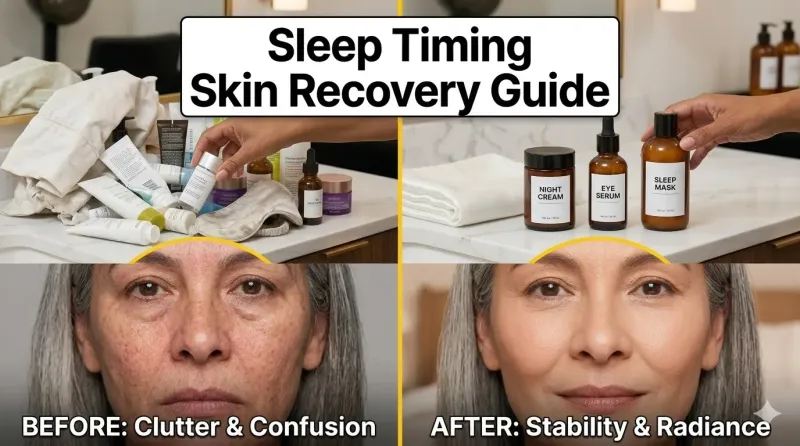
For women seeking radiant, healthy skin, the conversation often centers on serums, creams, and in-office treatments. But one of the most powerful—and overlooked—tools for skin recovery happens while you sleep. And it's not just about getting enough hours; when you sleep matters just as much as how long you sleep. Emerging research reveals that female skin follows a circadian rhythm, with specific windows of time when repair, regeneration, and protection processes peak. Missing these optimal windows doesn't just leave you tired—it can accelerate aging, impair barrier function, and undermine even the most expensive skincare routine.
Women face unique challenges when it comes to sleep and skin health. Hormonal fluctuations across the menstrual cycle, pregnancy, perimenopause, and menopause all influence both sleep quality and skin behavior. Stress, caregiving responsibilities, and societal expectations often push women's bedtimes later, disrupting the very circadian rhythms that support skin recovery. The result? Dullness, fine lines, breakouts, and a complexion that doesn't reflect the care you put into it.
This comprehensive, science-backed guide explores the intricate relationship between sleep timing and female skin recovery. You'll discover how circadian rhythms regulate skin repair, learn which hours are most critical for regeneration, understand how hormonal cycles interact with sleep and skin, and find practical, evidence-based strategies to align your sleep schedule with your skin's natural repair processes. Whether you're navigating shift work, parenting young children, managing stress, or simply seeking to optimize your beauty sleep, you'll find actionable insights to help you wake up with healthier, more radiant skin.
The Science: How Circadian Rhythms Regulate Female Skin Recovery
To understand why sleep timing matters for skin health, we must first examine the biological clocks that govern skin function.
What Is the Skin's Circadian Clock?
Just like your brain and body, your skin has its own circadian rhythm—a roughly 24-hour cycle that regulates cellular processes based on light/dark cues.
Key Skin Functions That Follow Circadian Patterns:
- Cell proliferation: Skin cell division peaks at night, particularly during early sleep hours
- DNA repair: Enzymes that fix UV and environmental damage are most active during sleep
- Barrier function: Transepidermal water loss (TEWL) increases at night; barrier repair mechanisms activate during sleep
- Sebum production: Oil production follows a daily pattern, typically peaking in the afternoon
- Temperature regulation: Skin temperature drops at night, supporting repair processes
- Blood flow: Increases during sleep, delivering oxygen and nutrients for repair
Why This Matters for Women:
- Female skin is thinner and more sensitive to circadian disruption than male skin
- Hormonal fluctuations can shift or amplify circadian patterns in skin
- Missing optimal repair windows has cumulative effects on aging and skin health
The Critical Window: 10 PM to 2 AM
Research points to a specific window when skin repair processes peak:
10 PM - Midnight: Peak Cell Renewal
- Skin cell proliferation increases by up to 30% compared to daytime
- Stem cells in the basal layer are most active during this window
- Missing this window means missing the peak of skin regeneration
Midnight - 2 AM: Peak DNA Repair and Barrier Restoration
- DNA repair enzymes reach peak activity
- Barrier lipid synthesis accelerates to repair daily damage
- Collagen production and remodeling processes are enhanced
- Growth hormone release (which supports skin repair) peaks during early sleep
Why Timing Matters More Than Duration Alone:
- Sleeping 8 hours from 2 AM-10 AM misses the peak repair window
- Circadian misalignment (sleeping at the "wrong" time) disrupts skin gene expression
- Consistent timing reinforces circadian rhythms; irregular timing weakens them
Hormonal Interactions: Why Women's Skin Is Uniquely Affected
Female hormones interact with circadian rhythms in ways that influence skin recovery:
Estrogen and Circadian Alignment:
- Estrogen supports skin barrier function, collagen production, and hydration
- Estrogen levels follow a circadian pattern, peaking in the early morning
- Disrupted sleep can blunt estrogen's beneficial effects on skin
- During phases of low estrogen (postpartum, perimenopause), sleep timing becomes even more critical for skin recovery
Progesterone and Sleep Quality:
- Progesterone has sedative effects that can improve sleep quality
- During the luteal phase (post-ovulation), higher progesterone may support deeper sleep and better skin repair
- However, progesterone can also increase body temperature, potentially disrupting sleep in some women
Cortisol and Skin Stress:
- Cortisol (the stress hormone) follows a circadian rhythm, peaking in the morning and declining at night
- Late-night sleep delays cortisol decline, keeping skin in a stressed, inflammatory state
- Chronic elevation of nighttime cortisol accelerates collagen breakdown and impairs barrier function
How Poor Sleep Timing Damages Female Skin
When sleep timing is misaligned with your skin's circadian rhythm, multiple damaging processes unfold.
Immediate Effects (Within Days)
1. Impaired Barrier Recovery
- Missing the midnight-2 AM barrier repair window means TEWL remains elevated
- Skin loses more water overnight, leading to morning dryness and tightness
- Compromised barrier allows irritants to penetrate more easily
- Result: Increased sensitivity, redness, and reactivity
2. Reduced Cellular Repair
- DNA damage from UV and pollution accumulates without timely repair
- Oxidative stress markers increase in skin cells
- Result: Accelerated aging signs, dullness, and uneven tone
3. Disrupted Collagen Production
- Collagen synthesis peaks during early sleep hours
- Missing this window reduces daily collagen production
- Result: Fine lines appear more prominent; skin loses firmness over time
Short-Term Effects (Weeks to Months)
4. Visible Signs of Fatigue
- Dark circles and under-eye shadows become more pronounced
- Skin appears dull, sallow, or "tired" even with good skincare
- Puffiness increases due to impaired lymphatic drainage during misaligned sleep
5. Increased Breakouts and Inflammation
- Circadian disruption increases inflammatory cytokines in skin
- Sebum production patterns become irregular, potentially triggering breakouts
- Result: More frequent acne flares, rosacea symptoms, or general redness
6. Slower Wound Healing
- Skin's ability to repair minor damage (from picking, environmental stress, or procedures) slows
- Post-inflammatory hyperpigmentation may take longer to fade
- Result: Longer recovery from breakouts, procedures, or irritation
Long-Term Effects (Months to Years)
7. Accelerated Aging
- Chronic circadian misalignment increases matrix metalloproteinases (MMPs) that break down collagen
- Cumulative DNA damage accelerates photoaging signs
- Result: Deeper wrinkles, loss of elasticity, and aged appearance beyond chronological age
8. Persistent Sensitivity and Barrier Dysfunction
- Repeated barrier impairment leads to chronic sensitivity
- Skin becomes more reactive to products and environmental factors
- Result: Difficulty tolerating active ingredients; increased need for soothing products
9. Hormonal Skin Imbalances
- Disrupted sleep affects hormone regulation, which in turn affects skin
- Result: Worsening of hormonal acne, melasma, or other hormone-sensitive skin concerns
Identifying Your Optimal Sleep Window for Skin Recovery
While the 10 PM-2 AM window is a general guideline, your optimal sleep timing depends on several factors.
Factors That Influence Your Personal Optimal Window
1. Chronotype (Your Natural Sleep-Wake Preference)
- "Morning larks": Naturally wake early; may benefit from sleeping 9 PM-1 AM
- "Night owls": Naturally prefer later bedtimes; may benefit from sleeping 11 PM-3 AM
- Key: Align your sleep with your natural chronotype when possible; forcing an unnatural schedule can disrupt circadian rhythms
2. Hormonal Life Stage
- Reproductive years: Estrogen supports skin repair; aim for consistent 10 PM-2 AM sleep when possible
- Pregnancy: Sleep needs increase; prioritize consistency over perfect timing
- Perimenopause/menopause: Sleep disruptions are common; focus on sleep quality and barrier support
3. Lifestyle Constraints
- Shift work: If you must sleep during the day, maximize darkness and consistency
- Parenting: With young children, prioritize sleep quality and strategic naps
- Travel: Minimize jet lag impact with light exposure management and strategic napping
How to Find Your Personal Optimal Window
Step 1: Track Your Natural Rhythms
- For one week, note when you naturally feel sleepy and wake without an alarm
- Track your skin's appearance each morning (photos help)
- Note which sleep times correlate with better skin
Step 2: Test a Consistent Schedule
- Choose a bedtime that allows you to be asleep during the 10 PM-2 AM window if possible
- Commit to this schedule for 2-3 weeks
- Track skin changes: hydration, radiance, breakouts, sensitivity
Step 3: Adjust Based on Results
- If skin improves, maintain the schedule
- If not, adjust bedtime by 30-60 minutes and retest
- Remember: Consistency matters more than perfection
Evidence-Based Strategies to Align Sleep Timing with Skin Recovery
Optimizing sleep timing for skin health requires both behavioral changes and environmental support.
Behavioral Strategies
1. Establish a Consistent Sleep Schedule
- Go to bed and wake up at the same time every day, even on weekends
- Consistency reinforces circadian rhythms more than total sleep duration alone
- Even 30 minutes of variation can disrupt skin repair processes
2. Create a Pre-Sleep Wind-Down Routine
- Begin winding down 60-90 minutes before target bedtime
- Dim lights to support melatonin production
- Avoid screens (blue light suppresses melatonin); use blue-light filters if necessary
- Practice relaxation techniques: gentle stretching, meditation, or deep breathing
3. Time Your Skincare for Circadian Alignment
- Evening routine (1-2 hours before bed):
- Cleanse gently to remove daily accumulation
- Apply treatment serums (retinoids, peptides, antioxidants) when skin is most receptive to repair
- Use richer moisturizers to support overnight barrier repair
- Morning routine:
- Focus on protection: antioxidant serums and sunscreen
- Lighter textures that won't interfere with daytime skin functions
4. Manage Light Exposure
- Morning: Get bright light exposure within 30 minutes of waking to reset circadian clock
- Evening: Dim lights 2-3 hours before bed; avoid bright screens
- Bedroom: Keep completely dark; use blackout curtains or sleep mask if needed
Environmental Strategies
1. Optimize Your Sleep Environment
- Temperature: Keep bedroom cool (60-67°F / 15-19°C); skin temperature naturally drops during sleep
- Humidity: Maintain 40-60% humidity to support skin barrier overnight
- Bedding: Use silk or satin pillowcases to reduce friction and moisture loss
- Air quality: Minimize allergens and pollutants that can irritate skin overnight
2. Strategic Use of Technology
- Use sleep tracking apps to monitor consistency (not perfection)
- Set phone reminders for wind-down routine start time
- Use blue-light blocking glasses if evening screen use is unavoidable
- Consider a sunrise alarm clock to support natural waking
Nutritional Support for Sleep and Skin
Evening Nutrition for Better Sleep and Skin:
- Avoid: Heavy meals, caffeine, and alcohol within 3 hours of bedtime
- Include: Light, sleep-supportive snacks if needed (tart cherry juice, almonds, banana)
- Hydrate: Drink water earlier in the evening; reduce fluids 1-2 hours before bed to minimize sleep disruptions
Nutrients That Support Both Sleep and Skin:
- Magnesium: Supports sleep quality and skin barrier function; sources: leafy greens, nuts, seeds
- Omega-3 fatty acids: Reduce inflammation, support sleep, and strengthen skin barrier; sources: fatty fish, flaxseeds
- Vitamin D: Regulates circadian rhythms and supports skin health; get morning sun or supplement if deficient
- Melatonin-rich foods: Tart cherries, grapes, tomatoes may support natural melatonin production
Adapting Strategies for Different Life Stages
Women's sleep and skin needs evolve across life stages. Tailor your approach accordingly.
Reproductive Years (20s-40s)
Focus: Establishing consistent sleep habits while managing hormonal fluctuations.
Strategies:
- Track your menstrual cycle alongside sleep and skin changes
- During the luteal phase (post-ovulation), prioritize sleep quality as progesterone may affect sleep
- Use the follicular phase (post-period) to introduce new skincare actives, as skin may be more resilient
- Maintain consistent sleep timing even during stressful periods to protect skin barrier
Pregnancy and Postpartum
Focus: Adapting to changing sleep needs while supporting skin through hormonal shifts.
Strategies:
- Prioritize sleep consistency over perfect timing; even fragmented sleep supports some repair
- Use strategic naps to supplement nighttime sleep when possible
- Focus on gentle, pregnancy-safe skincare that supports barrier function
- Be patient with skin changes; hormonal shifts are temporary
- Postpartum: Accept that sleep will be disrupted; focus on quality over quantity and gentle skincare
Perimenopause and Menopause
Focus: Managing sleep disruptions while supporting aging skin.
Strategies:
- Address hot flashes and night sweats: keep bedroom cool, use moisture-wicking bedding
- Prioritize sleep quality: consider cognitive behavioral therapy for insomnia (CBT-I) if sleep is chronically disrupted
- Strengthen skincare barrier support: ceramides, niacinamide, and gentle actives become even more important
- Consider discussing hormone therapy with your healthcare provider if sleep and skin issues are severe
- Be compassionate with yourself; hormonal changes are significant, and skin changes are normal
Shift Work and Irregular Schedules
Focus: Minimizing circadian disruption when ideal sleep timing isn't possible.
Strategies:
- Maximize darkness during daytime sleep: blackout curtains, sleep mask, white noise
- Get bright light exposure during your "morning" (when you wake, even if it's evening)
- Maintain consistent sleep/wake times even on days off to stabilize circadian rhythms
- Strengthen topical skincare to compensate for circadian challenges: barrier support, antioxidants, gentle actives
- Consider melatonin supplementation (consult healthcare provider) to support sleep timing
Building Your Sleep-Skin Routine: A Practical Framework
Here's how to integrate sleep timing optimization with your skincare routine for maximum benefit.
Evening Routine (9 PM-10 PM Target)
- Wind-down begins (90 minutes before target sleep time):
- Dim lights throughout home
- Avoid screens or use blue-light filters
- Begin gentle skincare routine
- Skincare application (60 minutes before bed):
- Gentle cleanse to remove daily accumulation
- Apply treatment serums (retinoids, peptides, antioxidants) when skin is most receptive
- Use barrier-supporting moisturizer to support overnight repair
- Apply eye cream to support delicate under-eye area
- Final wind-down (30 minutes before bed):
- Practice relaxation: meditation, gentle stretching, or reading
- Ensure bedroom is cool, dark, and quiet
- Avoid stimulating conversations or work
- Target sleep time (10 PM ideal):
- Aim to be asleep by 10 PM to capture peak repair window
- If not possible, aim for consistency with your personal optimal window
Overnight Support
- Humidifier: Run in bedroom to maintain 40-60% humidity for barrier support
- Silk pillowcase: Reduces friction and moisture loss overnight
- Cool temperature: Keep bedroom at 60-67°F to support natural temperature drop
- Complete darkness: Use blackout curtains or sleep mask to support melatonin production
Morning Routine (Upon Waking)
- Light exposure: Get bright light within 30 minutes of waking to reset circadian clock
- Gentle cleanse: Remove overnight product residue without stripping skin
- Antioxidant protection: Apply vitamin C or other antioxidants to protect against daytime damage
- Hydration and sunscreen: Seal in moisture and apply broad-spectrum SPF 30+
Measuring Progress: How to Know If Your Sleep-Skin Strategy Is Working
Tracking helps you stay motivated and adjust your approach as needed.
What to Track
Sleep Metrics:
- Bedtime and wake time consistency
- Sleep quality (subjective rating 1-10)
- Number of nighttime awakenings
- How rested you feel upon waking
Skin Metrics:
- Morning hydration level (tightness vs. comfort)
- Radiance and dullness
- Breakout frequency and severity
- Sensitivity or reactivity
- Appearance of fine lines or puffiness
How to Track
- Simple journal: Note sleep times and skin observations daily
- Photos: Take consistent morning photos weekly to track visual changes
- Apps: Use sleep tracking apps alongside skin tracking apps if helpful
- Monthly review: Assess trends over weeks, not day-to-day fluctuations
When to Expect Results
- Immediate (1-3 days): Improved morning hydration and reduced puffiness
- Short-term (1-2 weeks): Better radiance, reduced sensitivity, fewer breakouts
- Medium-term (4-8 weeks): Improved texture, reduced fine lines, more even tone
- Long-term (3+ months): Cumulative anti-aging benefits, stronger barrier, resilient skin
Common Obstacles and How to Overcome Them
Obstacle 1: "I Can't Fall Asleep Early Enough"
Solutions:
- Gradually shift bedtime earlier by 15 minutes every 2-3 days
- Get morning light exposure to help shift your circadian clock earlier
- Avoid caffeine after 2 PM and heavy meals within 3 hours of bedtime
- Use relaxation techniques to ease the transition to sleep
Obstacle 2: "My Schedule Is Too Irregular"
Solutions:
- Focus on consistency within your constraints: same bedtime/wake time even if not ideal
- Use strategic naps (20-30 minutes) to supplement sleep without disrupting nighttime sleep
- Strengthen topical skincare to compensate for circadian challenges
- Prioritize sleep quality: dark, cool, quiet environment even if timing isn't perfect
Obstacle 3: "I Wake Up During the Night"
Solutions:
- Address potential causes: temperature, noise, light, stress, or medical issues
- Avoid checking the clock or phone if you wake; this can increase anxiety
- Practice gentle breathing or meditation if you can't fall back asleep quickly
- Remember: Even fragmented sleep provides some repair benefits; don't stress about perfection
Obstacle 4: "I Don't See Immediate Skin Results"
Solutions:
- Set realistic expectations: skin changes take weeks to months, not days
- Track subtle improvements: better hydration, less sensitivity, improved radiance
- Remember: Consistency compounds; small daily improvements add up over time
- Celebrate non-skin benefits: better mood, energy, and overall health
When to Seek Professional Help
While sleep timing optimization can significantly improve skin health, certain situations warrant professional evaluation.
Consult a Sleep Specialist If:
- You have chronic insomnia (difficulty falling or staying asleep 3+ nights/week for 3+ months)
- You suspect sleep apnea (loud snoring, gasping during sleep, daytime fatigue)
- Sleep issues significantly impact your daily functioning or quality of life
- Self-help strategies haven't improved sleep after 4-6 weeks of consistent effort
Consult a Dermatologist If:
- Skin concerns persist despite consistent sleep and skincare routine
- You suspect an underlying skin condition (eczema, rosacea, hormonal acne)
- You're interested in professional treatments to complement your sleep-skin strategy
Consider a Holistic or Functional Medicine Practitioner If:
- You suspect hormonal imbalances are affecting both sleep and skin
- You want personalized nutrition or lifestyle strategies to support sleep and skin health
- You're interested in integrating conventional and complementary approaches
Frequently Asked Questions
Is it really that important to sleep before midnight for skin health?
While the 10 PM-2 AM window is when many skin repair processes peak, the most important factor is consistency with your personal circadian rhythm. If you're a natural night owl who consistently sleeps 12 AM-4 AM, your skin may adapt to that schedule. However, for most people, aligning with the natural dark period (10 PM-2 AM) supports optimal skin repair. If you can't sleep before midnight, focus on consistency, quality, and creating the best possible sleep environment.
Can I "catch up" on skin repair by sleeping in on weekends?
While extra sleep is better than insufficient sleep, "catching up" on weekends doesn't fully reverse the effects of weekday sleep timing misalignment. Research shows that irregular sleep schedules disrupt circadian rhythms and can negate some benefits of adequate sleep duration. For best skin results, aim for consistent sleep timing throughout the week, even if you allow yourself to sleep slightly later on weekends.
Does the quality of sleep matter as much as timing for skin recovery?
Both matter, and they're interconnected. High-quality sleep (deep, uninterrupted) supports skin repair processes more effectively than fragmented sleep, even if timing is ideal. However, good quality sleep at the wrong time (e.g., daytime sleep for night shift workers) still misses some circadian-aligned repair processes. Aim for both: consistent timing aligned with your natural rhythm AND a sleep environment that supports deep, restorative sleep.
Can skincare products compensate for poor sleep timing?
Topical skincare can support skin health and mitigate some effects of poor sleep, but it cannot fully compensate for circadian misalignment. Products work best when your skin's natural repair processes are functioning optimally. Think of skincare and sleep timing as complementary: good sleep timing enhances product efficacy, and good skincare supports skin resilience when sleep isn't perfect.
How does stress affect the sleep-skin connection?
Stress elevates cortisol, which can: delay sleep onset, reduce sleep quality, increase skin inflammation, and impair barrier function. This creates a vicious cycle: poor sleep increases stress, which worsens skin, which increases stress. Breaking the cycle requires addressing both sleep timing and stress management. Strategies include: relaxation techniques before bed, consistent sleep schedule, gentle skincare that doesn't add stress, and addressing underlying stressors when possible.
Conclusion: Honoring Your Skin's Natural Rhythms
The connection between sleep timing and female skin recovery is a powerful reminder that true beauty isn't just about what we apply to our skin—it's about how we live. By aligning your sleep schedule with your skin's natural circadian rhythms, you're not just optimizing your skincare routine; you're honoring your body's innate wisdom and supporting your skin's ability to heal, renew, and radiate.
For women navigating the unique challenges of hormonal fluctuations, caregiving responsibilities, and societal pressures, prioritizing sleep timing may feel like one more demand on an already-full life. But consider this: investing in consistent, well-timed sleep isn't selfish—it's foundational. When your skin is healthy and resilient, you feel more confident, more energized, and better equipped to handle whatever life brings.
Start small. Choose one strategy from this guide: set a consistent bedtime, create a wind-down routine, or optimize your sleep environment. Notice how your skin responds over weeks, not days. Be patient with yourself; circadian rhythms take time to adjust, and skin changes unfold gradually.
Key Takeaways:
- Skin follows a circadian rhythm: Repair, regeneration, and protection processes peak during specific sleep hours, particularly 10 PM-2 AM.
- Timing matters as much as duration: Sleeping at the "wrong" time can miss peak repair windows, even with adequate total sleep.
- Women's skin is uniquely affected: Hormonal fluctuations interact with circadian rhythms, making consistent sleep timing especially important for female skin health.
- Consistency is key: Regular sleep/wake times reinforce circadian rhythms more than occasional perfect nights.
- Skincare and sleep work together: Topical products support skin health, but work best when circadian-aligned sleep supports natural repair processes.
- Progress takes time: Skin changes unfold over weeks to months; patience and consistency yield the best results.
Your skin is remarkably resilient and responsive. By giving it the gift of well-timed, quality sleep, you're not just investing in your appearance—you're supporting your overall health, wellbeing, and vitality. In a world that often demands we sacrifice sleep for productivity, choosing to honor your skin's natural rhythms is a radical act of self-care.
Sleep well, recover deeply, and let your skin reflect the care you give it—inside and out.
📖 আরও পড়ুন: Skin Care
- 🔗 Dark Circles Treatment: Science-Backed Protocol to Brighten
- 🔗 ঘামের দুর্গন্ধ ও অতিরিক্ত ঘাম দূর করার উপায়
- 🔗 Strawberry Legs Guide: Dermatologist Strategies for Glass Skin
- 🔗 জীবনযাত্রার পরিবর্তন: নারীদের ত্বকের রঙের ওপর প্রভাব ও সমাধান
- 🔗 অ্যান্টি-পলিউশন স্কিনকেয়ার: দূষণ থেকে ত্বক রক্ষার পূর্ণাঙ্গ গাইড