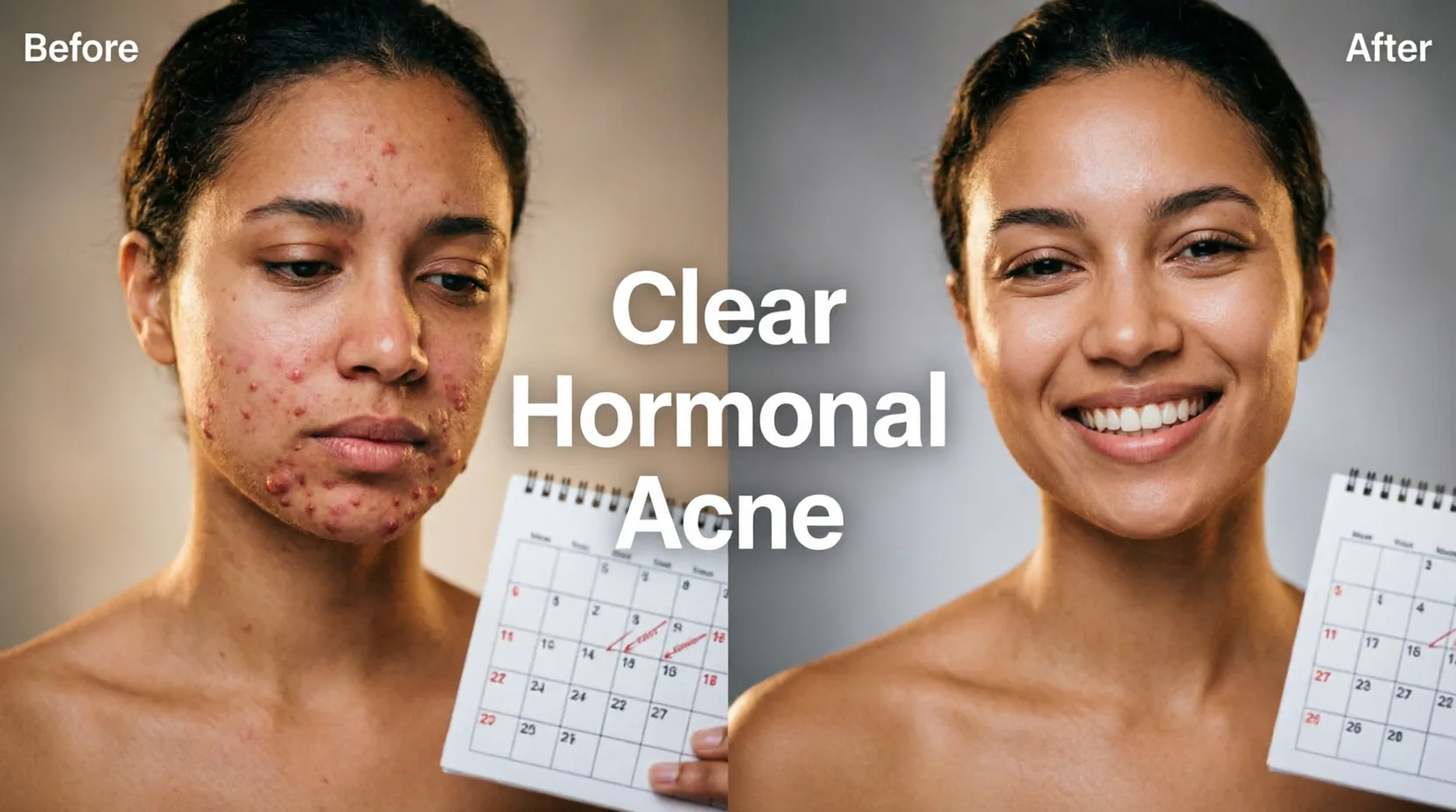
Introduction: The Hormonal Acne Struggle
If you're a woman who experiences breakouts along your jawline, chin, or lower face that seem to appear like clockwork before your period, you're not alone. Hormonal acne affects up to 50% of women in their 20s and 25% in their 40s, making it one of the most common and frustrating skin concerns adult women face. Unlike teenage acne, which often responds well to standard treatments, hormonal acne is deeply rooted in internal biological processes—and treating it requires a different, more strategic approach.
Hormonal acne isn't just a cosmetic issue. It can affect self-esteem, cause emotional distress, and lead to scarring if not properly managed. Many women spend years trying different products, only to find temporary relief followed by another flare-up. The key to lasting clarity lies in understanding the science behind hormonal breakouts and implementing a comprehensive, evidence-based protocol that addresses both internal triggers and external symptoms.
This guide decodes hormonal acne in women: why it happens, how to identify it, and the science-backed protocol to clear it for good. Whether you're dealing with monthly flare-ups or persistent adult acne, you'll find actionable, dermatologist-approved strategies to achieve clearer, healthier skin.
What Is Hormonal Acne and How Do You Identify It?
Hormonal acne is a type of breakouts triggered by fluctuations in hormone levels, particularly androgens like testosterone. While everyone produces androgens, women with hormonal acne often have skin that is more sensitive to these hormones, leading to increased oil production and clogged pores.
Key Characteristics of Hormonal Acne
- Location: Primarily appears along the jawline, chin, and lower cheeks—the "U-zone" of the face
- Type: Deep, painful cysts or nodules under the skin, rather than surface-level whiteheads
- Timing: Flares predictably 7-10 days before menstruation, during ovulation, or during hormonal transitions
- Persistence: Lesions are slow to heal and often leave post-inflammatory hyperpigmentation or scars
- Pattern: Recurs monthly or during times of hormonal stress (pregnancy, postpartum, perimenopause)
Hormonal Acne vs. Other Types of Acne
Not all acne is hormonal. Understanding the differences helps you choose the right treatment:
- Teenage Acne: Typically appears on forehead, nose, and cheeks (T-zone); driven by puberty-related hormone surges
- Bacterial Acne: Surface-level pustules and whiteheads; responds well to benzoyl peroxide and antibiotics
- Fungal Acne: Small, itchy, uniform bumps; caused by yeast overgrowth, not hormones
- Acne Mechanica: Triggered by friction, sweat, or pressure (e.g., from masks, helmets, or phone use)
Featured Snippet: Hormonal acne appears as deep, painful cysts along the jawline and chin, flaring predictably before menstruation. It's triggered by androgen sensitivity causing excess oil production. Unlike teenage acne, it requires treatments that address internal hormone fluctuations, not just topical products.
The Science: Why Hormones Trigger Acne in Women
Understanding the biological mechanisms behind hormonal acne is essential for effective treatment. Here's what happens inside your body:
The Androgen-Oil Connection
Androgens (including testosterone and DHEA-S) stimulate sebaceous glands to produce more sebum (oil). When androgen levels rise or skin becomes more sensitive to them:
- Sebaceous glands enlarge and produce excess oil
- Oil mixes with dead skin cells, clogging pores
- Clogged pores create an ideal environment for C. acnes bacteria
- Bacteria trigger inflammation, leading to painful cysts
Key Hormonal Triggers in Women
1. The Menstrual Cycle
Hormone fluctuations throughout your cycle directly impact skin:
- Follicular Phase (Days 1-14): Estrogen rises, skin often looks clearer
- Ovulation (Day 14): Testosterone peaks slightly; some women break out
- Luteal Phase (Days 15-28): Progesterone rises, then drops sharply before period; this drop triggers inflammation and oil production, causing premenstrual breakouts
2. Polycystic Ovary Syndrome (PCOS)
PCOS affects 1 in 10 women and is a leading cause of persistent hormonal acne:
- Elevated androgens cause chronic oiliness and cystic acne
- Often accompanied by irregular periods, excess hair growth, or hair loss
- Requires medical diagnosis and treatment beyond skincare
3. Pregnancy and Postpartum
- Pregnancy: Hormone surges can improve or worsen acne depending on individual response
- Postpartum: Sharp hormone drop after delivery often triggers significant breakouts
- Breastfeeding: Prolactin levels can influence oil production
4. Perimenopause and Menopause
- Declining estrogen relative to androgens increases oil production
- Many women experience new-onset acne in their 40s and 50s
- Skin also becomes thinner and more sensitive, complicating treatment
5. Stress and Cortisol
Chronic stress elevates cortisol, which:
- Stimulates androgen production
- Increases inflammation throughout the body
- Disrupts the skin barrier, making breakouts worse
The Inflammation Factor
Hormonal acne isn't just about oil—it's about inflammation. When hormones trigger excess sebum, the immune system responds with inflammatory cytokines. This creates the deep, painful cysts characteristic of hormonal breakouts. Treatments that only target oil or bacteria often fail because they don't address this inflammatory component.
Featured Snippet: Hormonal acne is triggered by androgen sensitivity causing excess oil production, clogged pores, and inflammation. Key triggers include menstrual cycle fluctuations, PCOS, pregnancy/postpartum changes, perimenopause, and chronic stress. Effective treatment must address both oil production and inflammation.
The Science-Backed Protocol to Clear Hormonal Acne
Clearing hormonal acne requires a multi-pronged approach that targets internal triggers and external symptoms. This evidence-based protocol combines topical treatments, lifestyle modifications, and medical interventions when needed.
Phase 1: Topical Treatments (Weeks 1-8)
Start with targeted topical ingredients that address the root causes of hormonal breakouts.
1. Retinoids: The Gold Standard
How they work: Increase cell turnover, prevent clogged pores, reduce inflammation, and fade post-acne marks.
- Adapalene (Differin): OTC retinoid; start with 0.1% gel 2-3 nights weekly
- Tretinoin: Prescription-strength; more potent but requires medical supervision
- Usage: Apply pea-sized amount to entire face (not just spots) at night; always follow with moisturizer
- Timeline: Initial purging (weeks 2-6); visible improvement by weeks 8-12
- Caution: Avoid during pregnancy; always use sunscreen during the day
2. Niacinamide: The Multi-Tasker
How it works: Regulates oil production, reduces inflammation, strengthens skin barrier, and fades dark spots.
- Concentration: 4-10% is effective; higher isn't necessarily better
- Usage: Apply morning and/or night after cleansing, before moisturizer
- Benefits: Well-tolerated, can be combined with retinoids and other actives
- Timeline: Reduced oiliness in 2-4 weeks; clearer skin in 8-12 weeks
3. Azelaic Acid: Gentle but Powerful
How it works: Reduces inflammation, kills acne-causing bacteria, and inhibits abnormal pigment production.
- Concentration: 10% OTC; 15-20% prescription
- Usage: Apply once or twice daily; safe for sensitive skin and pregnancy
- Best for: Hormonal acne with post-inflammatory hyperpigmentation
- Timeline: Visible improvement in 6-8 weeks
4. Salicylic Acid: For Surface Support
How it works: Beta-hydroxy acid that penetrates pores to dissolve oil and dead skin cells.
- Concentration: 0.5-2% in cleansers, toners, or spot treatments
- Usage: Use 2-3 times weekly; avoid overuse to prevent barrier damage
- Best for: Preventing clogged pores alongside deeper hormonal treatments
Sample Morning Routine
- Gentle, pH-balanced cleanser
- Niacinamide serum (4-10%)
- Lightweight, non-comedogenic moisturizer
- Broad-spectrum sunscreen SPF 30+ (mineral preferred for sensitive skin)
Sample Evening Routine
- Double cleanse: oil cleanser to remove sunscreen, then gentle foaming cleanser
- Alternate nights:
- Nights 1, 3, 5: Adapalene or tretinoin (start 2x weekly, build tolerance)
- Nights 2, 4, 6: Azelaic acid or niacinamide
- Night 7: Rest night—just moisturizer
- Moisturizer (slightly richer at night to support barrier repair)
Featured Snippet: Topical protocol for hormonal acne: Start with adapalene (retinoid) 2-3 nights weekly, niacinamide daily for oil control, and azelaic acid for inflammation. Apply retinoids at night to entire face; always use SPF 30+ during day. Expect initial purging; visible results in 8-12 weeks with consistency.
Phase 2: Internal Support (Ongoing)
Topical treatments address symptoms; internal strategies address root causes.
1. Dietary Modifications
Research links certain foods to hormonal acne exacerbation:
- Reduce high-glycemic foods: Sugar, white bread, and processed carbs spike insulin, which increases androgen activity. Choose low-glycemic alternatives like whole grains, legumes, and vegetables.
- Limit dairy: Some studies associate milk (especially skim) with increased acne due to hormones and growth factors. Try eliminating dairy for 4-6 weeks to assess impact.
- Increase anti-inflammatory foods: Omega-3 fatty acids (fatty fish, walnuts, flaxseeds), antioxidants (berries, leafy greens), and zinc (pumpkin seeds, lean meats) support skin health.
- Stay hydrated: Adequate water intake supports detoxification and skin barrier function.
2. Stress Management
Chronic stress elevates cortisol, worsening hormonal acne:
- Practice mindfulness: 10 minutes of daily meditation lowers cortisol
- Prioritize sleep: Aim for 7-9 hours nightly; skin repairs itself during deep sleep
- Move your body: Regular exercise reduces stress and improves hormone balance (but shower promptly post-workout to prevent sweat-related breakouts)
3. Targeted Supplements (Consult Your Doctor First)
- Zinc: 30 mg daily may reduce inflammation and oil production
- Omega-3s: 1000-2000 mg EPA/DHA daily supports anti-inflammatory pathways
- Vitamin D: Deficiency is linked to acne severity; supplement if levels are low
- Spearmint tea: Some evidence suggests 2 cups daily may lower androgens in women with PCOS
- Avoid: High-dose biotin (can trigger breakouts in some) and unregulated "hormone-balancing" supplements
Phase 3: Medical Interventions (When Topicals Aren't Enough)
If consistent topical and lifestyle efforts don't yield results after 3-4 months, consult a dermatologist or healthcare provider about prescription options.
1. Oral Contraceptives
Certain birth control pills regulate hormones and reduce androgen activity:
- FDA-approved for acne: Ortho Tri-Cyclen, Estrostep, Yaz
- How they work: Increase sex hormone-binding globulin (SHBG), which reduces free testosterone
- Timeline: May take 3-6 months to see skin improvement
- Considerations: Not suitable for everyone; discuss risks/benefits with your doctor
2. Spironolactone
An anti-androgen medication increasingly used for hormonal acne in women:
- How it works: Blocks androgen receptors in skin, reducing oil production
- Dosage: Typically 50-100 mg daily for acne
- Effectiveness: 70-80% of women see significant improvement
- Timeline: Results in 2-3 months; full effects by 6 months
- Cautions: Requires monitoring of potassium levels; avoid during pregnancy; may cause increased urination or breast tenderness
3. Oral Antibiotics (Short-Term Use Only)
- Purpose: Reduce inflammation and bacteria during severe flare-ups
- Common options: Doxycycline, minocycline
- Important: Use for 3-4 months maximum alongside topical retinoids to prevent antibiotic resistance
4. Isotretinoin (Accutane)
For severe, treatment-resistant hormonal acne:
- How it works: Dramatically reduces oil production, shrinks sebaceous glands, and has long-term remission potential
- Effectiveness: 85% achieve long-term clearance after one course
- Considerations: Significant side effects require close monitoring; strict pregnancy prevention mandatory; not first-line for typical hormonal acne
Featured Snippet: Medical treatments for hormonal acne: Oral contraceptives (regulate hormones), spironolactone (blocks androgens), short-term antibiotics (reduce inflammation), or isotretinoin (severe cases). Consult a dermatologist to determine the safest, most effective option for your situation. Results typically appear in 2-6 months.
Common Mistakes That Worsen Hormonal Acne
Even with the best intentions, certain habits can sabotage your progress.
Mistake 1: Over-Cleansing or Using Harsh Products
The Problem: Stripping skin with aggressive cleansers or alcohol-based toners damages the barrier, triggering more oil production and inflammation.
The Solution: Use a gentle, pH-balanced cleanser twice daily. Avoid physical scrubs and high-alcohol products.
Mistake 2: Spot-Treating Instead of Preventing
The Problem: Applying treatments only to visible pimples doesn't address the underlying process happening beneath the skin.
The Solution: Apply retinoids or other preventive treatments to the entire affected area (jawline, chin) to stop breakouts before they surface.
Mistake 3: Expecting Overnight Results
The Problem: Hormonal acne develops over weeks; expecting quick fixes leads to product-hopping and frustration.
The Solution: Commit to a consistent routine for at least 8-12 weeks before evaluating results. Track progress with weekly photos.
Mistake 4: Ignoring the Menstrual Cycle
The Problem: Not anticipating premenstrual flare-ups means you're always reacting, not preventing.
The Solution: Start increasing anti-inflammatory measures (extra niacinamide, stress reduction) 7-10 days before your expected period.
Mistake 5: Picking or Popping Cysts
The Problem: Manipulating deep cysts increases inflammation, delays healing, and significantly raises scarring risk.
The Solution: Apply a warm compress to encourage natural drainage; use hydrocolloid patches on surface lesions; see a dermatologist for cyst extraction if needed.
Mistake 6: Skipping Sunscreen
The Problem: Many acne treatments increase sun sensitivity; UV exposure worsens post-inflammatory hyperpigmentation.
The Solution: Use a non-comedogenic, broad-spectrum SPF 30+ daily, even indoors. Mineral sunscreens (zinc oxide) are often better tolerated by acne-prone skin.
Tracking Your Progress: What to Expect and When
Understanding the timeline helps maintain motivation and realistic expectations.
Weeks 1-4: The Adjustment Phase
- Possible initial purging with retinoids (increased breakouts as clogged pores surface)
- Skin may feel drier or more sensitive as it adapts
- Focus on consistency, not visible results yet
Weeks 5-8: Early Improvements
- Reduced oiliness and fewer new breakouts
- Existing lesions heal faster with less redness
- Post-acne marks may begin to fade
Weeks 9-12: Visible Transformation
- Significant reduction in cystic breakouts
- Smoother texture and more even tone
- Confidence in your routine; continue maintenance
Beyond 3 Months: Maintenance and Refinement
- Continue core routine; adjust frequency of actives as needed
- Address residual hyperpigmentation with targeted brightening ingredients
- Reassess with your dermatologist if progress stalls
Pro Tip: Take weekly photos in consistent lighting to track subtle improvements that are hard to see day-to-day.
When to See a Dermatologist
While many cases of hormonal acne improve with consistent at-home care, professional guidance is warranted if:
- Over-the-counter treatments show no improvement after 12 weeks of consistent use
- Acne is severe, painful, or causing significant scarring
- You suspect PCOS or another underlying hormonal condition (irregular periods, excess hair growth, hair loss)
- Acne is affecting your mental health or quality of life
- You're considering prescription treatments like spironolactone or isotretinoin
A board-certified dermatologist can provide personalized treatment plans, perform in-office procedures (like cortisone injections for immediate cyst reduction), and rule out other conditions that mimic hormonal acne.
Frequently Asked Questions (FAQs)
Can hormonal acne be cured permanently?
Hormonal acne is a chronic condition for many women, but it can be effectively managed long-term. With the right protocol—combining topical treatments, lifestyle adjustments, and medical interventions when needed—most women achieve clear or significantly improved skin. Maintenance is often required, especially during hormonal transitions.
Why does hormonal acne appear only on my jawline?
The jawline and chin have a higher concentration of androgen-sensitive sebaceous glands. When hormones fluctuate, these areas respond first with increased oil production and inflammation, leading to the characteristic "U-zone" breakout pattern of hormonal acne.
Is hormonal acne a sign of PCOS?
Not necessarily, but persistent hormonal acne—especially with other symptoms like irregular periods, excess facial/body hair, or difficulty losing weight—warrants evaluation for PCOS. A healthcare provider can perform blood tests and ultrasounds to diagnose.
Can I treat hormonal acne while pregnant or breastfeeding?
Yes, but options are limited. Safe ingredients include azelaic acid, niacinamide, glycolic acid (low concentration), and certain topical antibiotics. Avoid retinoids, spironolactone, and oral acne medications during pregnancy/breastfeeding. Always consult your OB-GYN before starting new treatments.
How do I know if my acne is hormonal or bacterial?
Hormonal acne typically appears as deep, painful cysts along the jawline/chin that flare predictably with your cycle. Bacterial acne often presents as surface-level whiteheads or pustules across the T-zone that respond well to benzoyl peroxide. A dermatologist can help differentiate and tailor treatment.
Does birth control always help hormonal acne?
Not all birth control helps acne. Only combination pills containing both estrogen and progestin (and specifically FDA-approved formulations) reliably improve acne. Progestin-only methods may worsen acne in some women. Discuss your options with a healthcare provider.
Conclusion: Empowerment Through Understanding
Hormonal acne in women is not a personal failure or a reflection of poor hygiene. It's a complex, biologically-driven condition that requires a thoughtful, multi-faceted approach. By understanding the science behind your breakouts—the role of androgens, inflammation, and hormonal fluctuations—you can move from frustration to empowerment.
The path to clearer skin isn't about finding a magic product. It's about building a sustainable protocol: gentle yet effective topical treatments, internal support through diet and stress management, and professional guidance when needed. Patience and consistency are your most powerful tools; meaningful change takes 8-12 weeks, but the results are lasting.
Remember: your skin tells a story, and hormonal acne is just one chapter. With the right knowledge and care, you can write the next one with confidence and clarity. Start today—one consistent, science-backed step at a time.
📖 আরও পড়ুন: Skin Care
- 🔗 রাতে ত্বকের যত্ন: হেলদি গ্লো পাওয়ার সম্পূর্ণ নাইট স্কিনকেয়ার গাইড
- 🔗 Clean Beauty for Sensitive Skin: Best Natural Products
- 🔗 ঘামের দুর্গন্ধ ও অতিরিক্ত ঘাম দূর করার উপায়
- 🔗 Skin Care Specialty Physicians- How to Choose the Right Dermatology Expert for Your Skin Needs in the USA
- 🔗 Cryotherapy Skincare: Cold Therapy for Skin Barrier