
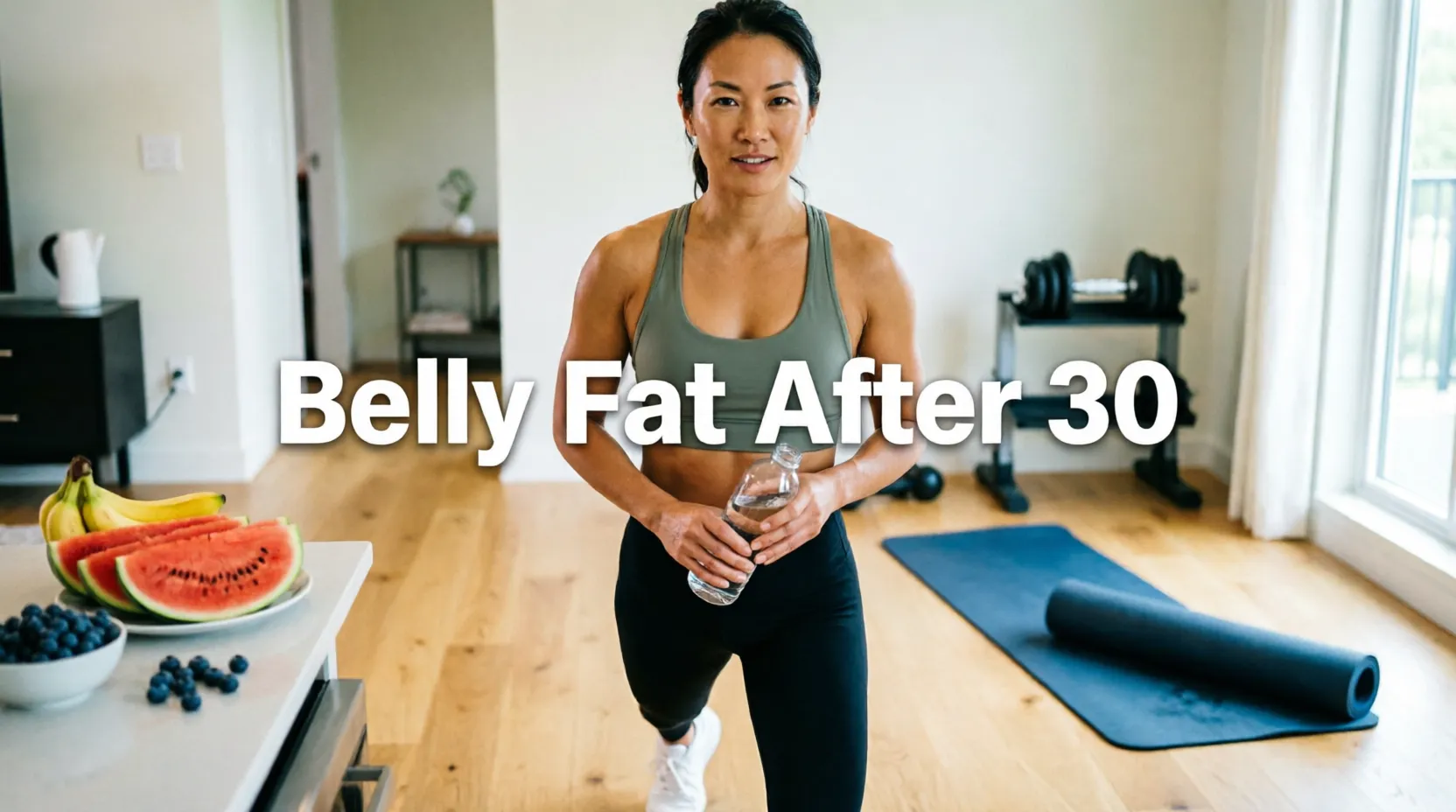
Why Belly Fat After 30 Requires a Different Approach
If you've noticed that losing belly fat feels harder after 30 than it did in your twenties, you're not imagining things—and you're definitely not alone. The truth is, your body undergoes significant physiological changes in your thirties that directly impact where and how you store fat. Understanding these changes isn't about accepting defeat; it's about working smarter with your biology, not against it.
What changes after 30? Starting around age 30, your metabolism naturally slows by about 2-3% per decade. Hormonal shifts—particularly in estrogen, progesterone, and cortisol—begin to influence fat distribution, often favoring the abdominal area. Muscle mass begins to decline if not actively maintained, reducing your resting calorie burn. Meanwhile, lifestyle factors like career demands, family responsibilities, and chronic stress can compound these biological shifts.
The result? Belly fat—particularly visceral fat, the deep abdominal fat surrounding your organs—becomes more stubborn. This type of fat isn't just a cosmetic concern; it's metabolically active and linked to increased risk of insulin resistance, cardiovascular disease, and inflammation.
The good news: Science confirms that belly fat after 30 is absolutely manageable with the right strategies. You don't need extreme diets, endless cardio, or punishing workouts. What you need is a targeted, sustainable approach that addresses the unique hormonal, metabolic, and lifestyle factors at play in your thirties and beyond.
This science-backed blueprint provides practical, evidence-based strategies to lose belly fat after 30. We'll cover nutrition that works with your changing metabolism, exercise that preserves muscle and burns fat, sleep and stress management that supports hormonal balance, and realistic expectations that keep you motivated long-term.
The Science of Belly Fat After 30: Hormones, Metabolism, and More
To effectively lose belly fat after 30, it helps to understand why it accumulates in the first place. This knowledge empowers you to choose strategies that address root causes, not just symptoms.
Hormonal shifts that influence belly fat:
- Declining estrogen: In women, estrogen helps regulate fat distribution. As levels begin to fluctuate in your thirties, fat storage may shift from hips and thighs to the abdomen.
- Cortisol and stress: Chronic stress elevates cortisol, a hormone that promotes visceral fat storage and increases appetite for high-calorie foods.
- Insulin sensitivity: After 30, cells can become less responsive to insulin, promoting fat storage—particularly around the midsection.
- Thyroid function: Subtle declines in thyroid hormone production can slow metabolism and make fat loss more challenging.
- Growth hormone: Levels naturally decline with age, reducing muscle preservation and fat-burning capacity.
Metabolic changes after 30:
- Basal metabolic rate (BMR) decline: You burn fewer calories at rest due to muscle loss and hormonal shifts
- Reduced non-exercise activity thermogenesis (NEAT): Busy lifestyles often mean less spontaneous movement throughout the day
- Slower recovery: Muscles take longer to repair, potentially reducing workout frequency and intensity
Why visceral fat matters:
Not all belly fat is the same. Subcutaneous fat sits just under the skin and is relatively harmless. Visceral fat, however, surrounds internal organs and releases inflammatory compounds that increase disease risk. The strategies in this guide specifically target visceral fat reduction for both aesthetic and health benefits.
Can You Really Target Belly Fat Specifically?
Spot reduction—the idea that you can lose fat from one specific area through targeted exercises—is a myth. However, you can create conditions that favor overall fat loss, including the abdominal area. By combining strategic nutrition, strength training, stress management, and sleep optimization, you create a metabolic environment where your body preferentially burns stored fat, including visceral fat. Consistency with these strategies yields results over time.
Nutrition Strategies for Losing Belly Fat After 30
What you eat has the most significant impact on belly fat loss. After 30, your nutrition strategy needs to work with your changing metabolism, not against it.
Prioritize Protein to Preserve Muscle and Boost Metabolism
Why it works: Protein has the highest thermic effect of any macronutrient—your body burns 20-30% of protein calories just digesting them. Protein also preserves lean muscle mass during weight loss, which maintains your metabolic rate. Additionally, protein increases satiety hormones and reduces hunger, helping you naturally eat fewer calories.
How much protein do you need? Aim for 1.2-1.6 grams of protein per kilogram of body weight daily (about 0.5-0.7 grams per pound). For a 150-pound person, that's roughly 75-105 grams per day.
Best protein sources:
- Lean meats: chicken breast, turkey, lean beef
- Fish: salmon, cod, tuna (also provide omega-3s)
- Eggs and Greek yogurt
- Plant-based: lentils, chickpeas, tofu, tempeh, edamame
- Protein supplements: whey, casein, or plant-based powders if needed
Practical tip: Include 20-30 grams of protein at every meal. Start your day with protein to stabilize morning blood sugar and reduce cravings.
Manage Carbohydrates Strategically
Why it matters: After 30, insulin sensitivity may decline, making your body more likely to store excess carbohydrates as fat—particularly around the abdomen. This doesn't mean eliminating carbs; it means choosing quality and timing them wisely.
Smart carb strategies:
- Choose complex carbs: Whole grains, legumes, vegetables, and fruits provide fiber that slows digestion and stabilizes blood sugar
- Time carbs around activity: Consume more carbs around workouts when your body is primed to use them for energy
- Reduce refined carbs: Limit white bread, pasta, sugary snacks, and processed foods that spike insulin
- Practice carb cycling: Some people benefit from higher-carb days on active days and lower-carb days on rest days
Research highlight: A study in the American Journal of Clinical Nutrition found that reducing refined carbohydrate intake while increasing fiber led to significant reductions in visceral fat, independent of total calorie reduction.
Include Healthy Fats for Hormone Balance
Why it works: Healthy fats support hormone production, including those that regulate metabolism and appetite. They also increase satiety and help absorb fat-soluble vitamins.
Best fat sources:
- Avocados: rich in monounsaturated fats and fiber
- Olive oil: anti-inflammatory and heart-healthy
- Nuts and seeds: almonds, walnuts, chia seeds, flaxseeds
- Fatty fish: salmon, mackerel, sardines for omega-3s
- Coconut oil: contains MCTs that may support fat burning
Practical application: Include a serving of healthy fat with each meal to enhance satiety and nutrient absorption. Don't fear fat—fear the wrong kinds (trans fats, excessive saturated fats from processed foods).
Focus on Fiber for Satiety and Gut Health
Why it matters: Fiber slows digestion, stabilizes blood sugar, feeds beneficial gut bacteria, and increases feelings of fullness. Research shows that increasing fiber intake is one of the most effective dietary changes for reducing visceral fat.
How much fiber do you need? Aim for 25-38 grams daily. Most adults fall short, so gradual increases are key to avoid digestive discomfort.
Best fiber sources:
- Vegetables: broccoli, Brussels sprouts, leafy greens, artichokes
- Fruits: berries, apples, pears, citrus
- Legumes: lentils, black beans, chickpeas
- Whole grains: oats, quinoa, brown rice
- Seeds: chia, flax, pumpkin
Pro tip: Add one extra serving of vegetables to lunch and dinner. This simple change can significantly boost fiber intake without feeling restrictive.
Limit Added Sugars and Processed Foods
Why it's critical: Added sugars, particularly fructose, are strongly linked to visceral fat accumulation. They spike insulin, promote fat storage, and increase inflammation—all counterproductive to belly fat loss.
Practical strategies:
- Read labels: watch for hidden sugars in sauces, dressings, and "healthy" snacks
- Choose whole fruits over juices or dried fruit with added sugar
- Limit sugary beverages: soda, sweetened coffee drinks, and alcohol
- Satisfy sweet cravings with dark chocolate (70%+), berries, or naturally sweetened options
Research highlight: A study in Obesity found that reducing sugar-sweetened beverage intake led to significant reductions in visceral fat over 6 months, even without other dietary changes.
Exercise Approaches That Work for Belly Fat After 30
Exercise after 30 isn't about punishing your body—it's about strategic movement that preserves muscle, burns fat, and supports hormonal health.
Strength Training: Your Metabolic Anchor
Why it's essential: Muscle tissue burns more calories at rest than fat tissue. After 30, preserving and building muscle is critical for maintaining metabolic rate and creating the calorie deficit needed for fat loss.
How to implement:
- Frequency: Aim for 2-3 full-body strength sessions weekly
- Focus on compound movements: Squats, deadlifts, lunges, push-ups, rows, and overhead presses work multiple muscle groups for maximum metabolic impact
- Progressive overload: Gradually increase weight, reps, or sets to continue challenging your muscles
- Allow recovery: Muscles grow during rest; allow 48 hours between working the same muscle group
Sample beginner routine:
- Goblet squats: 3 sets of 10-12 reps
- Push-ups (modified if needed): 3 sets of 8-10 reps
- Bent-over rows with dumbbells: 3 sets of 10-12 reps
- Plank: Hold 20-30 seconds, repeat 3 times
- Glute bridges: 3 sets of 12-15 reps
Research highlight: A study in Obesity found that women who combined strength training with calorie restriction lost more fat and preserved more muscle compared to diet-only approaches, resulting in a higher metabolic rate post-weight loss.
High-Intensity Interval Training (HIIT): Efficient Fat Burning
Why it works: HIIT alternates short bursts of intense effort with recovery periods. It burns significant calories in less time and creates an "afterburn" effect (excess post-exercise oxygen consumption) that keeps your metabolism elevated for hours.
How to implement safely after 30:
- Start conservatively: Begin with 1 HIIT session weekly, gradually increasing to 2-3 if tolerated
- Keep intervals short: 20-30 seconds of high effort followed by 40-60 seconds recovery
- Choose low-impact options: Cycling, rowing, or elliptical reduce joint stress
- Listen to your body: Allow extra recovery if you feel overly fatigued or sore
Sample 15-minute HIIT workout:
- Warm-up: 3 minutes light cardio
- 8 rounds of: 30 seconds hard effort / 60 seconds easy recovery
- Cool-down: 2 minutes walking + stretching
Pro tip: Don't do HIIT on consecutive days. Pair it with strength training on alternate days for optimal results.
Low-Intensity Steady State (LISS): Sustainable Movement
Why it matters: Walking, cycling, swimming, or other moderate activities burn calories without the stress of high-intensity work. LISS supports recovery, reduces cortisol, and can be done daily.
How to implement:
- Aim for 150-300 minutes of moderate activity weekly (per WHO guidelines)
- Break it into manageable chunks: 30 minutes, 5 days a week
- Make it enjoyable: walk with a friend, listen to podcasts, explore new routes
- Track steps: aim for 7,000-10,000 daily as a general target
Pro tip: LISS is perfect for active recovery days between strength or HIIT sessions. It keeps you moving without adding stress.
Core-Specific Work: Function Over Aesthetics
Why it helps: While you can't spot-reduce belly fat, strengthening your core improves posture, supports your spine, and creates a more toned appearance as fat decreases.
Effective core exercises:
- Planks and plank variations: build endurance without spinal flexion
- Dead bugs: strengthen deep core muscles safely
- Bird-dogs: improve stability and coordination
- Pallof presses: resist rotation and build anti-rotational strength
What to avoid: Excessive crunches or sit-ups can strain the neck and lower back, especially if you have diastasis recti or pelvic floor concerns. Focus on functional core strength, not just "six-pack" exercises.
Sleep and Stress Management: The Hidden Keys to Belly Fat Loss
After 30, sleep and stress management become non-negotiable for belly fat loss. These factors directly influence the hormones that regulate appetite, fat storage, and metabolism.
Prioritize Quality Sleep
Why it matters: Poor sleep disrupts leptin (satiety hormone) and ghrelin (hunger hormone), increasing appetite and cravings. It also elevates cortisol, which promotes visceral fat storage. Research shows that people who sleep less than 7 hours nightly are more likely to gain abdominal fat.
Sleep optimization strategies:
- Aim for 7-9 hours: Consistent, quality sleep is essential for hormonal balance
- Maintain a schedule: Go to bed and wake up at similar times, even on weekends
- Create a wind-down routine: Dim lights, avoid screens, read or meditate 30-60 minutes before bed
- Optimize your environment: Keep your bedroom cool (60-67°F), dark, and quiet
- Limit stimulants: Avoid caffeine after midday and heavy meals close to bedtime
Research highlight: A meta-analysis in Sleep found that short sleep duration was associated with a 55% increased risk of obesity in adults, highlighting sleep's critical role in weight management.
Manage Stress Effectively
Why it's critical: Chronic stress elevates cortisol, which promotes visceral fat storage, increases appetite for high-calorie foods, and disrupts sleep. Managing stress isn't optional—it's essential for belly fat loss after 30.
Effective stress-reduction practices:
- Mindfulness or meditation: Even 5-10 minutes daily can lower cortisol and improve emotional regulation
- Deep breathing: Box breathing (4 seconds in, 4 hold, 4 out, 4 hold) activates the parasympathetic nervous system
- Movement: Gentle yoga, walking in nature, or stretching reduce stress hormones
- Social connection: Supportive relationships buffer against stress
- Boundaries: Learn to say no to protect your time and energy
Pro tip: Pair stress-reduction with an existing habit: practice deep breathing while your coffee brews, or take a short walk after lunch. Habit stacking makes consistency easier.
Common Mistakes That Sabotage Belly Fat Loss After 30
Even with good intentions, certain habits can undermine your progress. Awareness helps you course-correct.
Mistake #1: Relying Only on Cardio
While cardiovascular exercise benefits heart health, it doesn't preserve muscle. Without strength training, you may lose weight but also lose muscle, which lowers your metabolic rate. Combine cardio with resistance work for optimal results.
Mistake #2: Severely Restricting Calories
Chronic undereating signals your body to conserve energy, slowing metabolism and promoting fat storage. Aim for a modest deficit (300-500 calories below maintenance) rather than extreme restriction.
Mistake #3: Neglecting Protein
Protein is essential for preserving muscle during weight loss. If your meals lack adequate protein, you'll lose muscle along with fat, slowing your metabolism and making long-term maintenance harder.
Mistake #4: Expecting Overnight Results
Belly fat loss after 30 is gradual. Trust the process and celebrate non-scale victories like improved energy, better sleep, or increased strength alongside physical changes.
Mistake #5: Ignoring Sleep and Stress
You can't out-exercise or out-diet poor sleep and chronic stress. These foundational factors influence hormones, recovery, and motivation. Prioritize them alongside nutrition and movement.
Mistake #6: Comparing to Your Twenties
Your body after 30 is different—and that's okay. Focus on progress, not perfection. Celebrate what your body can do now, and work with it, not against it.
Creating Your Personalized Belly Fat Loss Plan
Turning knowledge into action requires a clear, manageable strategy. Use this framework to build your sustainable routine.
Week 1: Foundation
- Assess your current habits: What's working? What could improve?
- Choose one nutrition upgrade: Add protein to breakfast or increase vegetable intake
- Start one strength session: Try a beginner bodyweight routine
- Prioritize sleep: Aim for one extra hour of rest or an earlier bedtime
Week 2: Build Momentum
- Add one more strength session or introduce LISS walking
- Incorporate one stress-reduction technique: 5 minutes of deep breathing daily
- Track fiber intake: Aim for one extra serving of vegetables at lunch and dinner
Week 3-4: Solidify and Expand
- Review progress: What feels good? What needs adjustment?
- Consider adding one HIIT session weekly if energy allows
- Refine your sleep routine: consistent bedtime, screen curfew, cool room
Ongoing: Sustain and Evolve
- Keep your routine flexible—life changes, and your habits can too
- Periodically reassess your goals and adjust your approach
- Celebrate consistency, not just outcomes
Remember: progress over perfection. Every small choice compounds over time.
FAQs About Losing Belly Fat After 30
How long does it take to lose belly fat after 30?
With consistent effort, you may notice improved energy and reduced bloating within 2-4 weeks. Visible changes in waist circumference typically appear after 8-12 weeks. Sustainable fat loss averages 0.5-1 pound per week. Focus on how you feel—more energy, better sleep, improved strength—as early indicators of progress.
Can I lose belly fat without doing crunches?
Absolutely. Belly fat loss happens through overall fat reduction, not spot exercises. Strength training, cardio, nutrition, sleep, and stress management create the calorie deficit and hormonal environment needed for fat loss. Core exercises improve function and appearance but aren't required for fat loss.
Do I need to cut out carbs to lose belly fat?
No. Extreme carb restriction isn't necessary or sustainable for most people. Focus on choosing quality carbs (vegetables, fruits, whole grains) and timing them around activity. Reducing refined carbs and added sugars has a bigger impact than eliminating all carbohydrates.
How does alcohol affect belly fat after 30?
Alcohol provides empty calories, can disrupt sleep, and may increase appetite. It also prioritizes alcohol metabolism over fat burning. Moderation is key: limit to 1 drink daily for women, and avoid sugary mixers. Consider alcohol-free days to support your goals.
Can hormonal changes after 30 make belly fat loss impossible?
No. While hormonal shifts make belly fat loss more challenging, they don't make it impossible. Strategic nutrition, strength training, sleep, and stress management work with your changing biology. If you suspect a hormonal imbalance (e.g., thyroid issues), consult a healthcare provider for personalized guidance.
Should I take supplements for belly fat loss?
Most supplements marketed for belly fat loss lack strong evidence. Focus on foundational habits first: protein intake, fiber, strength training, sleep, and stress management. If considering supplements (like vitamin D, omega-3s, or magnesium), discuss with a healthcare provider to address specific needs.
Conclusion: Work With Your Body, Not Against It
Losing belly fat after 30 isn't about returning to your twenties—it's about embracing your current body with smart, sustainable strategies that honor your changing biology. By prioritizing protein, preserving muscle through strength training, managing stress and sleep, and making consistent, moderate changes to your nutrition, you create conditions where your body can efficiently burn fat, including stubborn visceral fat.
Remember that progress isn't linear. Some weeks you'll see changes; others you'll maintain. What matters is consistency over time. Celebrate non-scale victories: improved energy, better sleep, increased strength, and greater confidence. These markers of health are just as important as waist measurements.
Start today with one small change. Add protein to your breakfast. Take a 20-minute walk. Go to bed 15 minutes earlier. These seemingly minor actions, repeated daily, create profound metabolic advantages over time.
Your body after 30 is capable, resilient, and worthy of care. By working with—not against—its natural rhythms, you unlock sustainable fat loss, vibrant energy, and lasting health. Here's to a stronger core, a healthier you, and the confidence that comes from knowing you're nurturing your body with intention, one day at a time.