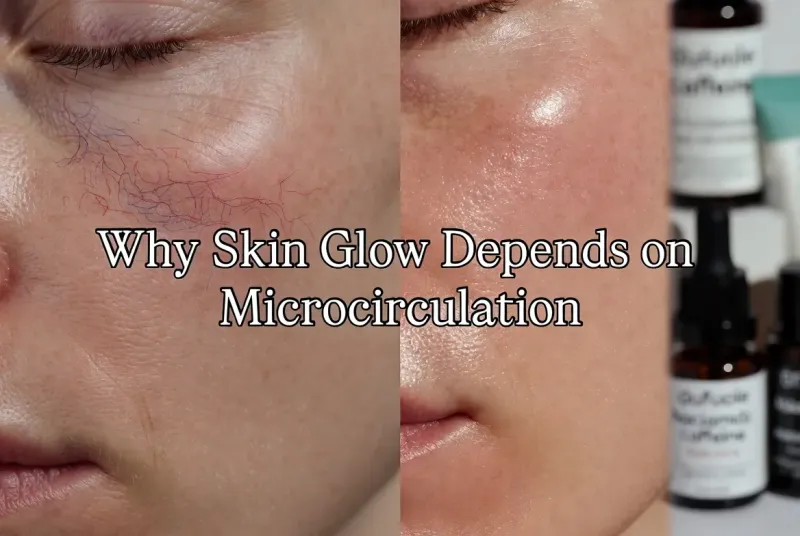
That coveted "glow"—the luminous, healthy radiance that makes skin look vibrant and alive—is more than just a cosmetic ideal. It's a visible reflection of what's happening beneath the surface, particularly in the intricate network of tiny blood vessels known as the microcirculation. While skincare marketing often attributes glow to topical products alone, the science reveals a more complex truth: radiant skin is fundamentally linked to healthy blood flow at the microscopic level.
Microcirculation—the flow of blood through the smallest vessels in your skin, including capillaries, arterioles, and venules—plays a crucial role in delivering oxygen and nutrients to skin cells, removing waste products, supporting collagen production, and maintaining the skin's barrier function. When microcirculation is optimal, skin appears plump, even-toned, and naturally luminous. When it's compromised, skin can look dull, sallow, uneven, or tired, regardless of how many serums you apply.
This comprehensive guide explores the science behind skin glow and microcirculation, explaining how blood flow at the microscopic level influences your skin's appearance, identifying factors that support or impair microvascular function, and providing evidence-based strategies to enhance circulation for a more radiant complexion. Whether you're dealing with dullness, uneven tone, or simply seeking to optimize your skin's natural radiance, you'll find practical, science-backed insights to help you cultivate a healthy, luminous glow from within.
Understanding Microcirculation: The Foundation of Skin Radiance
To appreciate how microcirculation influences skin glow, we must first understand what microcirculation is and how it functions within the skin.
What Is Microcirculation?
Microcirculation refers to the flow of blood through the smallest vessels in the circulatory system:
- Arterioles: Tiny branches of arteries that regulate blood flow into capillary beds
- Capillaries: Microscopic vessels (5-10 micrometers in diameter) where oxygen, nutrients, and waste products are exchanged between blood and tissues
- Venules: Small vessels that collect blood from capillaries and return it to larger veins
In the skin, this microvascular network is exceptionally dense. The face alone contains thousands of capillaries per square centimeter, creating a rich supply system that supports the skin's high metabolic demands.
How Microcirculation Supports Skin Health and Glow
Healthy microcirculation contributes to skin radiance through multiple interconnected mechanisms:
1. Oxygen and Nutrient Delivery
- Capillaries deliver oxygen and essential nutrients (glucose, amino acids, fatty acids, vitamins, minerals) to skin cells
- Well-oxygenated skin cells function more efficiently, supporting collagen synthesis, cell turnover, and barrier repair
- Adequate nutrient supply enables skin to maintain hydration, elasticity, and resilience
- Result: Plump, vibrant skin with a natural luminosity
2. Waste Removal and Detoxification
- Microcirculation carries away metabolic waste products (carbon dioxide, lactic acid, free radicals) from skin cells
- Efficient waste removal prevents buildup that can cause inflammation, dullness, or uneven tone
- Proper drainage supports lymphatic function, reducing puffiness and promoting clarity
- Result: Clear, even-toned skin with a healthy "clean" appearance
3. Temperature Regulation and Color
- Blood flow helps regulate skin temperature through vasodilation (widening vessels) and vasoconstriction (narrowing vessels)
- Healthy microcirculation creates a subtle, natural flush that contributes to a "rosy" or "glowing" appearance
- Poor circulation can lead to pallor, sallow tones, or uneven coloration
- Result: Even, vibrant skin tone with natural warmth
4. Support for Collagen and Elastin
- Fibroblasts—the cells that produce collagen and elastin—depend on adequate blood supply for optimal function
- Good microcirculation delivers the building blocks (amino acids, vitamin C, copper) needed for collagen synthesis
- Efficient waste removal prevents accumulation of enzymes that break down collagen
- Result: Firm, resilient skin that reflects light evenly, enhancing radiance
5. Barrier Function and Hydration
- Microcirculation supports the production of lipids and natural moisturizing factors that maintain the skin barrier
- Well-hydrated skin with an intact barrier reflects light more uniformly, creating a dewy appearance
- Poor circulation can compromise barrier function, leading to dryness, roughness, and dullness
- Result: Smooth, hydrated skin with a natural glow
The Visible Signs of Healthy vs. Compromised Microcirculation
Healthy Microcirculation Looks Like:
- Natural, even-toned radiance (not artificial shine)
- Subtle warmth or "flush" in the cheeks
- Plump, hydrated appearance with minimal fine lines
- Even texture and smooth light reflection
- Quick recovery from temporary redness or pressure
Compromised Microcirculation Looks Like:
- Dull, lackluster, or "gray" complexion
- Uneven tone, sallowness, or persistent pallor
- Rough texture or emphasized fine lines from dehydration
- Dark circles or under-eye shadows from poor drainage
- Slow healing or persistent redness after minor irritation
Factors That Influence Skin Microcirculation
Multiple internal and external factors affect the health and function of your skin's microvascular network. Understanding these influences helps you identify opportunities to support circulation for better radiance.
Lifestyle Factors
Physical Activity and Movement
- Positive impact: Exercise increases heart rate and blood flow, promoting circulation throughout the body, including the skin. Even gentle movement like walking stimulates microcirculation.
- Negative impact: Prolonged sitting or sedentary behavior reduces overall circulation, potentially leading to sluggish skin microcirculation and dullness.
- Practical takeaway: Regular movement, even brief walks or stretching breaks, supports skin radiance through improved circulation.
Stress and the Nervous System
- Positive impact: Relaxation practices (meditation, deep breathing) activate the parasympathetic nervous system, promoting healthy vasodilation and circulation.
- Negative impact: Chronic stress triggers sympathetic dominance ("fight or flight"), causing vasoconstriction that reduces blood flow to the skin. Stress hormones like cortisol can also impair vascular function over time.
- Practical takeaway: Stress management isn't just good for mental health—it directly supports skin radiance through improved microcirculation.
Sleep Quality
- Positive impact: During deep sleep, blood flow to the skin increases, supporting repair, regeneration, and waste removal. Growth hormone release during sleep also supports vascular health.
- Negative impact: Poor sleep disrupts circadian rhythms that regulate vascular function, potentially leading to dullness, puffiness, and dark circles.
- Practical takeaway: Prioritizing 7-9 hours of quality sleep supports microcirculation and skin radiance.
Hydration Status
- Positive impact: Adequate hydration maintains blood volume and viscosity, supporting efficient circulation. Well-hydrated skin also reflects light better, enhancing glow.
- Negative impact: Dehydration thickens blood slightly and reduces plasma volume, potentially impairing microcirculatory efficiency. Dehydrated skin appears dull and emphasizes texture.
- Practical takeaway: Consistent hydration supports both circulation and the optical properties of skin that create glow.
Environmental Factors
Temperature and Climate
- Positive impact: Moderate warmth promotes vasodilation and increased blood flow to the skin (the basis for many "glow-boosting" treatments).
- Negative impact: Extreme cold causes vasoconstriction, reducing blood flow and potentially causing pallor. Extreme heat can cause excessive vasodilation and inflammation.
- Practical takeaway: Protect skin from temperature extremes; gentle warmth (like a warm compress) can temporarily boost circulation and radiance.
UV Exposure
- Positive impact: Minimal, controlled sun exposure can stimulate vitamin D production, which supports vascular health.
- Negative impact: Chronic UV exposure damages blood vessels, causes inflammation, and accelerates vascular aging, leading to broken capillaries, uneven tone, and impaired circulation.
- Practical takeaway: Daily broad-spectrum sunscreen protects microvascular health and preserves skin radiance long-term.
Pollution and Oxidative Stress
- Positive impact: Antioxidant-rich skincare and diet can neutralize free radicals that damage blood vessels.
- Negative impact: Air pollution generates free radicals that damage endothelial cells lining blood vessels, impairing microcirculatory function and contributing to dullness.
- Practical takeaway: Antioxidant protection (topical and dietary) supports microvascular health and skin radiance.
Health and Biological Factors
Age-Related Changes
- What happens: With age, capillary density may decrease, vessel walls can become less flexible, and endothelial function may decline.
- Visible impact: Skin may appear less radiant, with slower healing and more pronounced dullness.
- Practical takeaway: While aging affects microcirculation, lifestyle and skincare interventions can support vascular health at any age.
Hormonal Influences
- What happens: Hormones like estrogen support vascular health and vasodilation; fluctuations (menstrual cycle, pregnancy, menopause) can affect circulation and skin appearance.
- Visible impact: Hormonal shifts may cause temporary changes in radiance, tone, or texture.
- Practical takeaway: Understanding hormonal influences helps set realistic expectations and guide supportive care.
Underlying Health Conditions
- Examples: Diabetes, cardiovascular disease, autoimmune conditions, and chronic inflammation can impair microvascular function.
- Visible impact: Skin may appear dull, heal slowly, or show signs of poor circulation (pallor, discoloration).
- Practical takeaway: Managing overall health supports skin microcirculation; consult a healthcare provider for persistent circulation concerns.
Evidence-Based Strategies to Enhance Microcirculation for Skin Glow
Now that we understand the science, let's explore practical, research-supported strategies to support healthy microcirculation and cultivate a radiant complexion.
Topical Skincare Ingredients That Support Microcirculation
1. Niacinamide (Vitamin B3)
- How it works: Improves endothelial function, supports nitric oxide production (which promotes vasodilation), and strengthens the skin barrier.
- Evidence: Studies show 4-5% niacinamide improves skin radiance, reduces redness, and enhances barrier function.
- How to use: Apply serum or moisturizer with 4-5% niacinamide once or twice daily.
- Best for: All skin types; especially beneficial for dullness, uneven tone, or sensitivity.
2. Vitamin C (L-Ascorbic Acid and Derivatives)
- How it works: Potent antioxidant that protects blood vessels from oxidative damage; supports collagen synthesis; may improve microvascular function.
- Evidence: Research demonstrates vitamin C improves skin radiance, reduces oxidative stress, and supports collagen production.
- How to use: Apply 10-20% L-ascorbic acid or stable derivative serum in the morning before sunscreen.
- Best for: Dullness, uneven tone, signs of aging; use caution if sensitive.
3. Centella Asiatica (Cica)
- How it works: Contains triterpenoids (asiaticoside, madecassoside) that support vascular integrity, reduce inflammation, and promote wound healing.
- Evidence: Clinical studies show centella improves microcirculation, reduces redness, and supports skin barrier function.
- How to use: Apply serum, cream, or mask containing centella extract once or twice daily.
- Best for: Sensitive, irritated, or compromised skin; redness or uneven tone.
4. Ginkgo Biloba Extract
- How it works: Improves peripheral blood flow, has antioxidant properties, and may support endothelial function.
- Evidence: Studies suggest ginkgo improves microcirculation in various tissues; topical application shows promise for skin radiance.
- How to use: Look for serums or creams containing standardized ginkgo extract; apply once or twice daily.
- Best for: Dullness, signs of aging, or skin prone to poor circulation.
5. Caffeine
- How it works: Temporarily constricts blood vessels (reducing puffiness) while also stimulating microcirculation through other mechanisms; antioxidant properties.
- Evidence: Topical caffeine improves microcirculation, reduces puffiness, and may enhance skin radiance.
- How to use: Apply caffeine-containing serum or eye product in the morning; can be used daily.
- Best for: Puffiness, dark circles, morning dullness; use in AM routine.
6. Peptides
- How it works: Certain peptides (e.g., palmitoyl tripeptide-5) may support vascular health and collagen production; others improve skin firmness, enhancing light reflection.
- Evidence: Research shows peptides improve skin firmness, texture, and radiance; vascular benefits are an emerging area of study.
- How to use: Apply peptide serum or moisturizer once or twice daily.
- Best for: Signs of aging, loss of firmness, dullness.
Techniques and Practices to Boost Microcirculation
1. Facial Massage and Gua Sha
- How it works: Gentle manual stimulation increases local blood flow, promotes lymphatic drainage, and may enhance product absorption.
- Evidence: Studies show facial massage improves skin microcirculation, reduces puffiness, and enhances radiance.
- How to do it:
- Apply a facial oil or serum to reduce friction
- Use gentle, upward strokes with fingertips or a gua sha tool
- Focus on areas of dullness or tension
- Limit to 3-5 minutes, 2-3 times weekly
- Best for: Dullness, puffiness, tension; use on clean, moisturized skin.
2. Temperature Therapy (Contrast Therapy)
- How it works: Alternating warm and cool temperatures causes vasodilation followed by vasoconstriction, "exercising" blood vessels and potentially improving vascular tone.
- Evidence: Contrast therapy is used in physical therapy to improve circulation; anecdotal evidence supports benefits for skin radiance.
- How to do it:
- After cleansing, apply a warm (not hot) compress for 30-60 seconds
- Follow with a cool compress for 30-60 seconds
- Repeat 2-3 cycles; finish with cool
- Limit to 2-3 times weekly
- Best for: Dullness, puffiness; avoid if you have rosacea or sensitive skin.
3. Exercise and Movement
- How it works: Physical activity increases heart rate and blood flow, promoting circulation throughout the body, including the skin. Post-exercise, skin often appears flushed and radiant.
- Evidence: Research confirms exercise improves peripheral circulation and skin health markers.
- How to do it:
- Aim for 150 minutes of moderate exercise weekly (brisk walking, cycling, swimming)
- Include strength training 2x weekly to support overall vascular health
- Even short walks or stretching breaks can boost circulation
- Best for: Overall health and radiance; choose activities you enjoy for consistency.
4. Breathwork and Stress Reduction
- How it works: Deep, diaphragmatic breathing activates the parasympathetic nervous system, promoting vasodilation and healthy blood flow. Stress reduction lowers cortisol, which can impair vascular function.
- Evidence: Studies show breathwork and meditation improve vascular function and reduce stress markers.
- How to do it:
- Practice 4-7-8 breathing: inhale 4 seconds, hold 7, exhale 8
- Try box breathing: inhale 4, hold 4, exhale 4, hold 4
- Aim for 5-10 minutes daily
- Best for: Stress-related dullness, tension, or sensitivity; can be done anytime.
Nutritional Support for Microcirculation and Glow
1. Nitrate-Rich Foods
- How they work: Dietary nitrates (found in leafy greens, beets) convert to nitric oxide in the body, which promotes vasodilation and healthy blood flow.
- Evidence: Research shows nitrate-rich foods improve endothelial function and peripheral circulation.
- Food sources: Spinach, arugula, beets, celery, pomegranate.
- How to incorporate: Add a serving of leafy greens or beet juice to your daily diet.
2. Omega-3 Fatty Acids
- How they work: Support endothelial health, reduce inflammation, and improve blood vessel flexibility.
- Evidence: Studies link omega-3 intake to improved vascular function and skin health.
- Food sources: Fatty fish (salmon, mackerel), flaxseeds, chia seeds, walnuts.
- How to incorporate: Aim for 2-3 servings of fatty fish weekly or consider a high-quality supplement.
3. Antioxidant-Rich Foods
- How they work: Neutralize free radicals that damage blood vessels; support collagen production and skin repair.
- Evidence: Antioxidant-rich diets correlate with better skin health and radiance.
- Food sources: Berries, dark leafy greens, colorful vegetables, green tea, dark chocolate.
- How to incorporate: "Eat the rainbow"—include a variety of colorful produce daily.
4. Hydration
- How it works: Adequate fluid intake maintains blood volume and viscosity, supporting efficient circulation. Hydrated skin also reflects light better.
- Evidence: Dehydration impairs skin barrier function and appearance; adequate hydration supports overall health.
- How to incorporate: Aim for 2-3 liters of water daily, adjusting for activity level and climate.
Lifestyle Practices for Long-Term Microvascular Health
1. Prioritize Sleep
- Why it matters: During deep sleep, blood flow to the skin increases, supporting repair and regeneration. Growth hormone release supports vascular health.
- Practical tips:
- Aim for 7-9 hours of quality sleep nightly
- Establish a consistent sleep schedule
- Create a relaxing bedtime routine
- Keep your sleep environment cool, dark, and quiet
2. Manage Stress
- Why it matters: Chronic stress impairs vascular function through hormonal and nervous system pathways.
- Practical tips:
- Practice daily stress-reduction techniques (meditation, breathwork, gentle movement)
- Set boundaries to protect personal time
- Cultivate supportive relationships
- Seek professional support if stress feels unmanageable
3. Avoid Smoking and Limit Alcohol
- Why it matters: Smoking damages blood vessels and impairs circulation; excessive alcohol can cause inflammation and dehydration.
- Practical tips:
- If you smoke, seek support to quit—vascular benefits begin within weeks
- Limit alcohol to moderate levels (up to 1 drink/day for women)
- Stay hydrated when consuming alcohol
4. Protect Skin from Environmental Stressors
- Why it matters: UV exposure and pollution damage blood vessels and impair microcirculatory function.
- Practical tips:
- Apply broad-spectrum SPF 30+ daily, regardless of weather
- Use antioxidant skincare to neutralize free radicals
- Cleanse gently to remove pollution without compromising the barrier
- Wear protective clothing and seek shade during peak sun hours
Product Recommendations: Supporting Microcirculation for Glow
These products feature ingredients with evidence supporting microcirculatory benefits and skin radiance.
Serums for Microcirculation Support
- The Ordinary Niacinamide 10% + Zinc 1%: Affordable niacinamide serum that supports vascular health and reduces redness
- SkinCeuticals C E Ferulic: Gold-standard vitamin C serum with antioxidant protection and collagen support
- Dr. Jart+ Cicapair Tiger Grass Serum: Centella asiatica-focused formula that calms and supports microcirculation
- Pai Skincare Rose Hip BioRegenerate Oil: Rich in antioxidants and fatty acids that support vascular health and radiance
- Paula's Choice C15 Super Booster: Potent vitamin C formula for radiance and antioxidant protection
Moisturizers with Circulation-Supporting Ingredients
- CeraVe PM Facial Moisturizing Lotion: Contains niacinamide and ceramides for barrier support and radiance
- Kiehl's Midnight Recovery Concentrate: Botanical oils and squalane that support overnight repair and radiance
- Tatcha The Water Cream: Lightweight, Japanese botanicals that hydrate and support skin's natural glow
- Drunk Elephant Lala Retro Whipped Cream: Ceramides and peptides that support barrier function and radiance
- Belif The True Cream Aqua Bomb: Hydrating gel-cream with comfrey and lady's mantle for soothing and glow
Tools and Devices
- Jade Roller or Gua Sha Tool: For gentle facial massage to promote circulation and lymphatic drainage
- LED Light Therapy Mask (Red Light): Red light may support mitochondrial function and microcirculation
- Cooling Eye Mask: For reducing puffiness and supporting under-eye circulation
- Facial Steamer (used sparingly): Gentle warmth can temporarily boost circulation; use with caution if sensitive
Creating Your Microcirculation-Supportive Routine
Here's how to integrate these strategies into a practical, sustainable routine.
AM Routine for Radiance
- Gentle Cleanser: Use a low-pH, non-stripping cleanser to avoid compromising the barrier
- Vitamin C Serum: Apply antioxidant serum to protect against oxidative stress and support radiance
- Niacinamide Serum (optional): Layer if tolerated, for additional vascular and barrier support
- Lightweight Moisturizer: Hydrate without heaviness; look for ingredients like hyaluronic acid or glycerin
- Sunscreen (non-negotiable): Apply broad-spectrum SPF 30+ to protect microvascular health
- Optional: Light facial massage (1-2 minutes) to boost morning circulation
PM Routine for Repair and Radiance
- Gentle Cleanser or Double Cleanse: Remove sunscreen and impurities without stripping
- Treatment Serum: Use centella, peptides, or other circulation-supporting ingredients
- Facial Massage (2-3x weekly): 3-5 minutes with oil or serum to promote circulation
- Night Moisturizer: Richer formula if needed; look for barrier-supporting ingredients
- Optional: Contrast therapy (warm/cool compress) 1-2x weekly for vascular "exercise"
Weekly Practices
- Exfoliation (1-2x weekly): Gentle chemical exfoliant (PHA or low-concentration AHA) to remove dead cells and enhance radiance
- Hydrating Mask (1x weekly): Sheet mask or wash-off mask with hyaluronic acid or centella for extra hydration
- Facial Massage Session: Dedicate 5-10 minutes to thorough massage with oil or serum
- Self-Care Practice: Breathwork, meditation, or gentle movement to support stress reduction and circulation
Realistic Expectations: Timeline and Results
Understanding what to expect helps maintain motivation and avoid disappointment.
Short-Term (Days to Weeks)
- Immediate effects: Facial massage or temperature therapy may create a temporary flush or glow that lasts minutes to hours
- Within 1-2 weeks: Improved hydration and barrier function may enhance light reflection, creating a subtle radiance
- What to look for: Skin feels more comfortable, looks slightly more vibrant, makeup applies more smoothly
Medium-Term (4-8 Weeks)
- Visible improvements: More even tone, reduced dullness, improved texture from consistent care
- Underlying changes: Enhanced microcirculation supports better cell function and repair
- What to look for: Skin appears more luminous, less sallow; fine lines may appear softer
Long-Term (3-6+ Months)
- Cumulative benefits: Consistent support for microcirculation contributes to long-term skin health and radiance
- Preventive effects: Healthy microcirculation supports collagen production and delays signs of aging
- What to look for: Sustained radiance, improved resilience, healthier overall appearance
Factors That Influence Results
- Consistency: Regular practice yields better results than occasional intensive efforts
- Baseline skin health: Compromised skin may take longer to show improvement
- Overall health: Nutrition, sleep, stress, and medical conditions influence outcomes
- Realistic expectations: Glow is a reflection of health, not a cosmetic "fix"
Common Myths and Misconceptions
Myth 1: "More Product = More Glow"
Reality: Layering multiple products doesn't necessarily improve microcirculation and can overwhelm the skin. Focus on a few high-quality, targeted ingredients applied consistently.
Myth 2: "Instant Glow Products Fix Circulation"
Reality: Products with light-reflecting particles create optical illusion of glow but don't improve underlying microcirculation. True radiance comes from skin health, not just surface effects.
Myth 3: "If I Exercise, I Don't Need Skincare"
Reality: Exercise supports circulation, but topical care and sun protection are still essential for skin health. Think of them as complementary, not interchangeable.
Myth 4: "Glow Is Only About Hydration"
Reality: Hydration is important, but radiance also depends on circulation, cell turnover, barrier function, and overall health. A holistic approach yields the best results.
Myth 5: "Natural Glow Is Only for Young People"
Reality: Healthy microcirculation and radiance are achievable at any age with appropriate care. Aging changes skin, but doesn't eliminate the potential for glow.
When to Seek Professional Guidance
While many aspects of skin radiance can be supported with self-care, certain situations warrant professional evaluation.
Consult a Dermatologist If:
- You experience persistent pallor, discoloration, or unusual skin changes
- You have symptoms of poor circulation (cold extremities, slow healing, persistent swelling)
- You suspect an underlying health condition may be affecting your skin
- You're considering in-office treatments for radiance (lasers, peels, etc.)
Consider a Wellness or Functional Medicine Practitioner If:
- You're interested in personalized nutrition or lifestyle strategies for skin health
- You suspect hormonal or systemic factors are affecting your skin
- You want to integrate conventional and complementary approaches
Frequently Asked Questions
Can I improve my skin's microcirculation at home?
Yes. Many evidence-based strategies can be practiced at home: gentle facial massage, temperature therapy, consistent skincare with circulation-supporting ingredients, regular movement, stress management, and nutritional support. While professional treatments can enhance results, daily habits form the foundation of healthy microcirculation and radiance.
How long does it take to see improvements in skin glow from improving circulation?
Timeline varies based on your baseline and consistency:
- Immediate: Temporary flush from massage or warmth (minutes to hours)
- Short-term (1-2 weeks): Improved hydration and barrier function may enhance radiance
- Medium-term (4-8 weeks): Visible improvements in tone, texture, and luminosity
- Long-term (3-6+ months): Cumulative benefits for skin health and sustained radiance
Consistency matters more than intensity—small, daily actions compound over time.
Are there risks to trying to boost microcirculation?
When done appropriately, most circulation-supporting practices are safe. However:
- Avoid aggressive massage or extreme temperatures if you have rosacea, sensitive skin, or vascular conditions
- Introduce new skincare ingredients gradually to assess tolerance
- Consult a healthcare provider before starting supplements or if you have underlying health conditions
- Listen to your skin—if a practice causes irritation or discomfort, modify or discontinue
Can microcirculation improvements help with specific concerns like dark circles or dullness?
Yes. Improved microcirculation can help:
- Dark circles: Better drainage may reduce fluid accumulation and improve under-eye appearance
- Dullness: Enhanced oxygen and nutrient delivery supports cell function and radiance
- Uneven tone: Healthy circulation supports even melanin distribution and reduces inflammation-related discoloration
- Rough texture: Better cell turnover and hydration improve smoothness and light reflection
However, results vary based on the underlying cause; some concerns may require additional targeted treatments.
Is skin glow genetic, or can anyone achieve it?
Both factors play a role. Genetics influence baseline skin characteristics like thickness, oil production, and pigment distribution. However, microcirculation and many factors influencing radiance are modifiable through lifestyle and skincare. While you may not change your genetic blueprint, you can absolutely optimize your skin's health and radiance through supportive practices. Focus on progress, not perfection.
Conclusion: Cultivating Radiance from Within
Skin glow isn't just a cosmetic ideal—it's a visible reflection of your skin's underlying health, particularly the function of its microcirculatory network. By understanding and supporting the intricate dance of blood flow at the microscopic level, you can cultivate a radiance that's not just surface-deep, but rooted in genuine skin health.
The journey to radiant skin isn't about chasing trends or accumulating products. It's about nurturing the foundational systems that keep your skin vibrant: healthy circulation, efficient waste removal, robust barrier function, and overall well-being. When you support these systems through evidence-based skincare, lifestyle practices, and self-compassion, glow becomes a natural byproduct—not a goal to be forced, but a reflection of balance.
Key Takeaways:
- Microcirculation is foundational: Healthy blood flow at the microscopic level delivers oxygen, nutrients, and waste removal essential for radiant skin.
- Glow is multidimensional: Radiance arises from circulation, hydration, barrier health, cell turnover, and overall well-being—not just topical products.
- Consistency beats intensity: Small, daily practices (gentle massage, antioxidant skincare, movement, stress management) compound to create lasting radiance.
- Holistic care matters: Skincare, nutrition, sleep, stress management, and sun protection work together to support microcirculation and glow.
- Realistic expectations empower progress: Radiance develops over weeks to months; focus on skin health, not just appearance.
- Self-compassion is essential: Your skin reflects your overall health; treat it—and yourself—with kindness as you cultivate radiance.
Start where you are. Choose one strategy from this guide: add a circulation-supporting serum, try a 3-minute facial massage, prioritize sleep, or simply drink an extra glass of water today. These small acts of care, consistently practiced, can transform not just your skin's appearance, but your relationship with your body and your well-being.
Radiant skin isn't about perfection—it's about health. And health is a journey, not a destination. Honor your skin's wisdom, support its natural processes, and trust that glow will follow.
Your radiance is already within you. Nurture it, and let it shine.
📖 আরও পড়ুন: Skin Care
- 🔗 পার্লার বা লেজার ট্রিটমেন্ট পর ত্বকের জ্বালাপোড়া ও লালচে ভাব: ঘরে বসে যত্ন নেয়ার সম্পূর্ণ গাইড
- 🔗 Maintain Balanced Skin Year Round Women Guide
- 🔗 মহিলাদের স্কিন কেয়ার: বিজ্ঞানভিত্তিক সহজ রুটিন ২০২৬
- 🔗 Ingrown Hairs Guide: Dermatologist Strategies from Causes to Chemical Exfoliation
- 🔗 স্কিন ব্যারিয়ার ড্যামেজ: লক্ষণ ও মেরামতের রুটিন