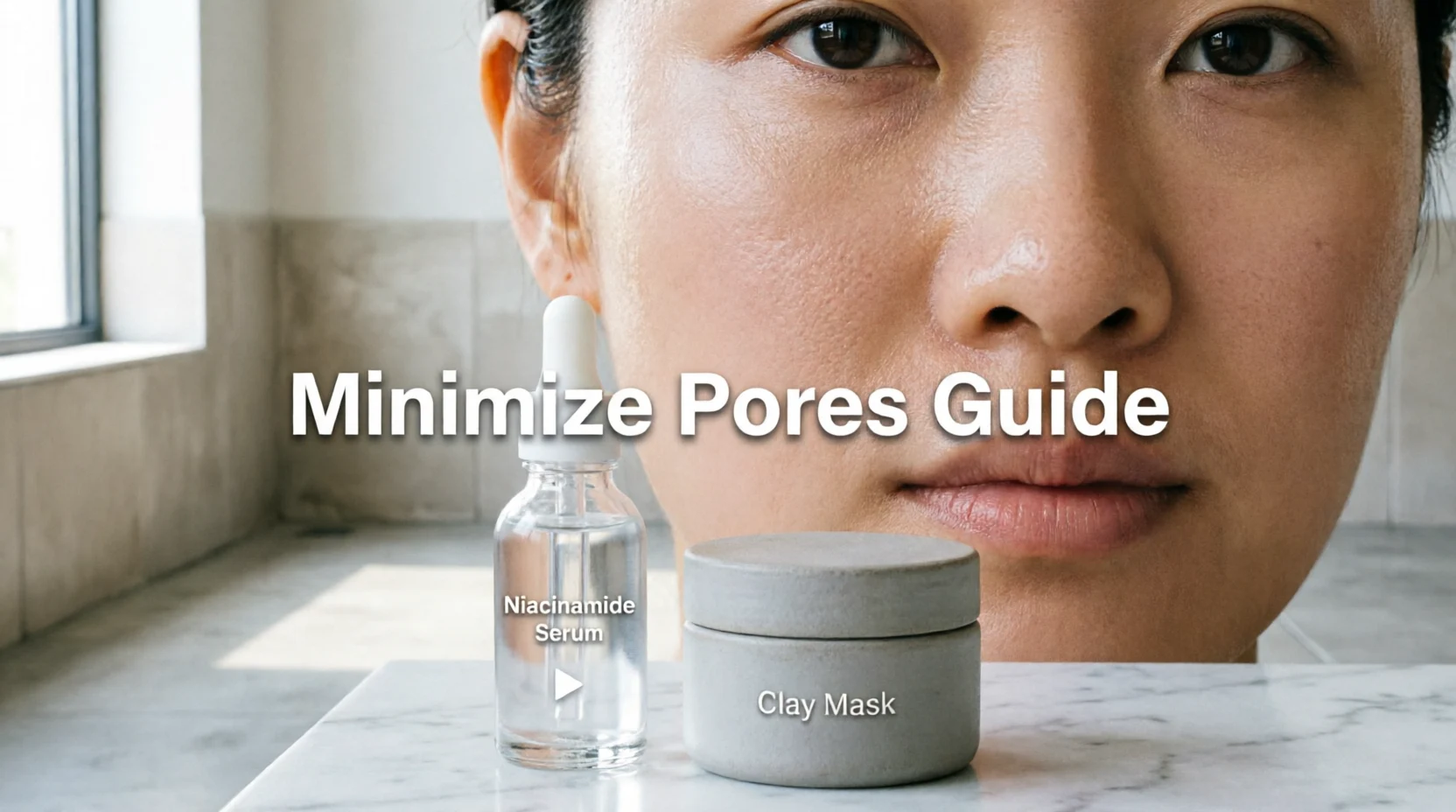
Large, visible pores are one of the most common skincare concerns across all ages, skin types, and ethnicities. While pores are a natural and necessary part of your skin's anatomy—allowing sebum (oil) to reach the surface to keep skin hydrated and protected—their appearance can become enlarged and more noticeable due to genetics, aging, sun damage, excess oil production, and accumulated debris. The quest for smooth, refined skin with minimized pores is not about eliminating pores entirely (which is impossible) but about optimizing their appearance through science-backed strategies, consistent care, and realistic expectations.
This comprehensive guide delivers everything you need to know about minimizing pore appearance and achieving a smoother, more refined complexion. You'll discover the science behind pore size, learn which ingredients and techniques actually work (and which are myths), build a personalized skincare routine tailored to your skin type, and understand when professional treatments may be appropriate. Whether you're dealing with oily skin, aging concerns, or simply want to enhance your skin's texture, you'll find practical, evidence-based solutions to help you achieve your smoothest, most radiant skin yet.
Let's separate fact from fiction and explore the ultimate path to refined, pore-minimized skin.
Understanding Pores: What They Are and Why They Appear Large
Before diving into solutions, it's essential to understand what pores are and why they become more visible. This foundational knowledge helps you set realistic expectations and choose effective strategies.
What Are Pores?
Pores are small openings in your skin that serve two primary functions:
- Sebaceous pores: Connected to oil (sebaceous) glands, these release sebum to lubricate and protect skin
- Sweat pores: Connected to sweat glands, these release sweat to regulate body temperature
When people refer to "large pores," they're typically talking about sebaceous pores, which are more visible on the face—particularly in the T-zone (forehead, nose, chin) where oil glands are most concentrated.
Why Do Pores Appear Enlarged?
Pore size is largely determined by genetics, but several factors can make them appear larger:
1. Excess Sebum Production:
- Oily skin types produce more sebum, which can stretch pore openings
- When oil mixes with dead skin cells, it can create a plug that expands the pore
- Hormonal fluctuations (puberty, menstrual cycle, pregnancy) can increase oil production
2. Loss of Skin Elasticity:
- As we age, collagen and elastin production decline
- Loss of firmness causes pores to lose their tight, rounded shape and appear more stretched
- Sun damage accelerates collagen breakdown, worsening pore appearance
3. Clogged Pores:
- Accumulated dead skin cells, oil, and debris can stretch pore openings
- Blackheads (open comedones) make pores appear darker and larger
- Regular exfoliation helps prevent buildup that enlarges pores
4. Sun Damage:
- UV radiation breaks down collagen and elastin fibers around pores
- Chronic sun exposure causes pores to lose structural support and appear larger
- Sun damage also thickens the outer skin layer, making pores more visible
5. Inflammation and Acne:
- Inflammatory acne can stretch and damage pore walls
- Post-acne scarring can alter pore appearance permanently
- Chronic inflammation weakens skin structure around pores
6. Dehydration:
- Dehydrated skin can appear dull and textured, making pores more noticeable
- Proper hydration plumps skin, temporarily minimizing pore appearance
What You Cannot Change
It's important to acknowledge what's beyond your control:
- Genetics: Your baseline pore size and distribution are largely inherited
- Pore elimination: Pores are essential structures; you cannot "close" or remove them
- Instant results: Pore refinement requires consistent, long-term care
Realistic goal: Minimize the appearance of pores through improved skin texture, reduced congestion, and enhanced firmness—not eliminate pores entirely.
Evidence-Based Ingredients for Pore Minimization
Not all skincare ingredients are created equal. These are the most effective, research-backed ingredients for minimizing pore appearance.
1. Niacinamide (Vitamin B3)
How it works:
- Regulates sebum production, reducing oiliness that stretches pores
- Strengthens skin barrier, improving overall texture
- Reduces inflammation that can enlarge pores
- Improves skin elasticity, helping pores appear tighter
Clinical evidence: A 2005 study in the Journal of Cosmetic and Laser Therapy found that 2% niacinamide significantly reduced sebum production and improved skin texture after 8-12 weeks of use .
How to use:
- Concentration: 2-10% (start with 2-5% if new to niacinamide)
- Frequency: Once or twice daily
- Application: Apply after cleansing, before moisturizer
- Compatibility: Works well with most ingredients, including retinoids and vitamin C
Product types: Serums, toners, moisturizers, sunscreens
2. Salicylic Acid (Beta-Hydroxy Acid/BHA)
How it works:
- Oil-soluble, allowing it to penetrate deep into pores
- Dissolves excess oil and dead skin cells that clog pores
- Exfoliates inside the pore lining, preventing buildup
- Reduces blackheads and congestion that make pores appear larger
Clinical evidence: Research shows salicylic acid effectively reduces comedones (blackheads/whiteheads) and improves skin texture with regular use .
How to use:
- Concentration: 0.5-2% for leave-on products; up to 30% for professional peels
- Frequency: Start 2-3 times weekly; increase to daily if tolerated
- Application: Apply to clean, dry skin; follow with moisturizer and sunscreen
- Caution: Can increase sun sensitivity; always use sunscreen
Product types: Cleansers, toners, serums, spot treatments, masks
3. Retinoids (Retinol, Retinaldehyde, Prescription Retinoids)
How they work:
- Increase cell turnover, preventing dead skin cell buildup in pores
- Stimulate collagen production, improving skin firmness around pores
- Reduce sebum production over time
- Improve overall skin texture and tone
Clinical evidence: Multiple studies confirm retinoids improve skin texture, reduce comedones, and enhance collagen production, all contributing to refined pore appearance .
How to use:
- Over-the-counter: Retinol (0.1-1%), retinaldehyde (0.05-0.1%)
- Prescription: Tretinoin, adapalene, tazarotene (stronger, require medical supervision)
- Frequency: Start 1-2 times weekly; gradually increase to nightly as tolerated
- Application: Apply pea-sized amount to dry skin at night; follow with moisturizer
- Caution: Increases sun sensitivity; use sunscreen daily; expect initial purging
Product types: Serums, creams, prescription gels
4. Alpha-Hydroxy Acids (AHAs: Glycolic, Lactic, Mandelic Acid)
How they work:
- Water-soluble exfoliants that remove dead skin cells from skin surface
- Improve skin texture and radiance, making pores less noticeable
- Stimulate collagen production with regular use
- Enhance penetration of other skincare products
Clinical evidence: AHAs have been shown to improve skin texture, reduce fine lines, and enhance overall skin appearance with consistent use .
How to use:
- Concentration: 5-10% for home use; higher for professional treatments
- Frequency: 2-3 times weekly for leave-on products; daily for rinse-off cleansers
- Application: Apply to clean skin; follow with moisturizer and sunscreen
- Caution: Increases sun sensitivity; start with lower concentrations
Product types: Toners, serums, peels, cleansers, masks
5. Clay (Kaolin, Bentonite, French Green Clay)
How it works:
- Absorbs excess oil and impurities from pores
- Provides gentle physical exfoliation
- Temporarily tightens skin, minimizing pore appearance
- Draws out debris that can enlarge pores
How to use:
- Frequency: 1-2 times weekly as mask
- Application: Mix with water or toner; apply to clean skin; rinse after 10-15 minutes
- Follow with hydrating moisturizer to prevent over-drying
Product types: Masks, cleansers, spot treatments
6. Hyaluronic Acid and Hydrating Ingredients
How they work:
- Plump skin with hydration, temporarily minimizing pore appearance
- Improve skin barrier function, reducing inflammation
- Create smoother skin texture that reflects light more evenly
How to use:
- Apply to damp skin for maximum absorption
- Use morning and/or night
- Layer under moisturizer to seal in hydration
Product types: Serums, moisturizers, essences, sheet masks
7. Sunscreen (Non-Negotiable)
Why it matters for pores:
- Prevents UV damage that breaks down collagen around pores
- Prevents thickening of outer skin layer that makes pores more visible
- Prevents post-inflammatory hyperpigmentation that can highlight pores
How to use:
- SPF 30+ broad-spectrum, daily, year-round
- Apply 1/4 teaspoon for face; reapply every 2 hours with sun exposure
- Choose non-comedogenic formulas to avoid clogging pores
Building Your Pore-Minimizing Skincare Routine
A consistent, well-structured routine is essential for visible results. Here's how to build an effective pore-minimizing regimen.
Morning Routine
Step 1: Gentle Cleanser
- Use a pH-balanced, non-stripping cleanser
- For oily skin: Consider a salicylic acid cleanser 2-3 times weekly
- Rinse with lukewarm water; pat dry
Step 2: Toner or Essence (Optional but Beneficial)
- Choose alcohol-free formulas with niacinamide, hyaluronic acid, or gentle AHAs
- Apply with hands or cotton pad
- Helps balance pH and prep skin for subsequent products
Step 3: Treatment Serum
- Niacinamide serum (2-10%) for oil regulation and pore refinement
- Or vitamin C serum for antioxidant protection and collagen support
- Apply 3-5 drops; allow 1-2 minutes to absorb
Step 4: Moisturizer
- Choose oil-free, non-comedogenic formula
- Look for hyaluronic acid, glycerin, or ceramides for hydration
- Apply while skin is still slightly damp for better absorption
Step 5: Sunscreen (Essential)
- SPF 30+ broad-spectrum, non-comedogenic
- Apply generously; don't skip even on cloudy days
- Reapply every 2 hours with direct sun exposure
Evening Routine
Step 1: Double Cleanse (If Wearing Makeup/Sunscreen)
- First cleanse: Oil-based or micellar water to remove makeup/sunscreen
- Second cleanse: Gentle foaming or gel cleanser
- For oily/acne-prone skin: Salicylic acid cleanser 2-3 times weekly
Step 2: Exfoliation (2-3 Times Weekly)
- Chemical exfoliant: Salicylic acid (BHA) or glycolic/lactic acid (AHA)
- Apply to clean, dry skin; avoid eye area
- Wait 10-20 minutes before next step
- Do not use retinoids and exfoliants on same night
Step 3: Treatment (Alternate Nights)
- Retinoid nights: Apply pea-sized amount of retinol/retinaldehyde to dry skin
- Niacinamide nights: Apply niacinamide serum if not using in morning
- Rest nights: Focus on hydration and barrier support
Step 4: Moisturizer
- Richer formula than morning if needed
- Look for ceramides, peptides, or squalane for overnight repair
- Apply generously to lock in treatments
Weekly Treatments
- Clay mask: 1-2 times weekly to absorb oil and refine pores
- Hydrating mask: 1 time weekly to plump skin and improve texture
- Gentle enzyme peel: 1 time weekly for additional exfoliation (if tolerated)
Customizing for Your Skin Type
Oily/Combination Skin:
- Prioritize salicylic acid and niacinamide
- Use lightweight, oil-free moisturizers
- Consider clay masks 2x weekly
- Don't over-cleanse; can trigger more oil production
Dry Skin:
- Focus on hydration with hyaluronic acid and ceramides
- Use gentle exfoliants (lactic acid over glycolic)
- Limit clay masks to once weekly or skip
- Layer hydrating products for maximum plumping effect
Sensitive Skin:
- Start with low concentrations of active ingredients
- Patch test new products
- Prioritize niacinamide (generally well-tolerated)
- Avoid physical scrubs; use gentle chemical exfoliants sparingly
Mature Skin:
- Prioritize retinoids and collagen-supporting ingredients
- Combine exfoliation with intense hydration
- Don't skip sunscreen; sun damage worsens pore appearance with age
- Consider professional treatments for enhanced results
Professional Treatments for Enhanced Results
While consistent at-home care yields significant improvements, professional treatments can accelerate results and address more stubborn concerns.
Chemical Peels
What they are: Professional-grade acid solutions that exfoliate deeper than home products.
Types for pore refinement:
- Salicylic acid peels: Ideal for oily, acne-prone skin; penetrates pores deeply
- Glycolic acid peels: Improves texture and radiance; stimulates collagen
- Combination peels: Customized blends for multiple concerns
What to expect:
- Series of 3-6 treatments, 2-4 weeks apart
- Mild redness and peeling for 1-3 days post-treatment
- Visible improvement in texture and pore appearance after 2-3 sessions
- Requires strict sun protection post-treatment
Microdermabrasion
What it is: Mechanical exfoliation using fine crystals or diamond tip to remove dead skin cells.
Benefits for pores:
- Immediate improvement in skin texture and radiance
- Enhances penetration of topical products
- Stimulates mild collagen production
- Minimal downtime
Treatment protocol:
- Series of 4-6 sessions, 2-4 weeks apart
- Maintenance sessions every 1-3 months
- Combine with chemical peels for enhanced results
Laser and Light Therapies
Non-ablative fractional lasers (e.g., Fraxel):
- Create micro-injuries to stimulate collagen remodeling
- Improve skin texture, firmness, and pore appearance
- Require 3-5 sessions; downtime: 2-4 days of redness
Intense Pulsed Light (IPL):
- Targets pigmentation and redness that can highlight pores
- Improves overall skin tone and texture
- Multiple sessions needed; minimal downtime
Radiofrequency microneedling:
- Combines microneedling with radiofrequency energy
- Stimulates deep collagen production for firmer skin
- Significant improvement in pore appearance and texture
- Requires 3 sessions; downtime: 2-3 days
Extraction Facials
What they are: Professional removal of blackheads and clogged pores by trained estheticians.
Benefits:
- Immediate improvement in pore appearance
- Prevents progression to inflammatory acne
- Enhances effectiveness of topical treatments
Important considerations:
- Should be performed by licensed professional to avoid scarring
- Not a standalone solution; combine with consistent home care
- Frequency: Every 4-6 weeks for maintenance
Lifestyle Factors That Impact Pore Appearance
Skincare products are essential, but lifestyle choices significantly influence pore appearance and overall skin health.
Diet and Nutrition
Foods that may worsen pore appearance:
- High-glycemic foods: White bread, sugary snacks, processed foods can increase inflammation and oil production
- Dairy: Some studies link dairy consumption to increased sebum production and acne
- Excess alcohol: Dehydrates skin and can trigger inflammation
Foods that support refined skin:
- Antioxidant-rich foods: Berries, leafy greens, colorful vegetables combat oxidative stress
- Omega-3 fatty acids: Fatty fish, walnuts, flaxseeds reduce inflammation
- Zinc-rich foods: Pumpkin seeds, lentils, chickpeas support skin healing
- Vitamin C sources: Citrus, bell peppers, broccoli support collagen production
- Water: Adequate hydration plumps skin and supports detoxification
Stress Management
Chronic stress increases cortisol, which can:
- Stimulate excess oil production
- Impair skin barrier function
- Delay skin healing and repair
Stress-reduction strategies:
- Regular exercise (shower immediately after to prevent pore-clogging sweat)
- Meditation, deep breathing, or yoga
- Adequate sleep (7-9 hours nightly)
- Hobbies and activities that bring joy
Sleep Quality
Why it matters:
- Skin repairs and regenerates during sleep
- Poor sleep increases inflammation and cortisol
- Collagen production peaks during deep sleep
Sleep hygiene tips:
- Cleanse face before bed to prevent pore-clogging overnight
- Use silk or satin pillowcases to reduce friction
- Maintain consistent sleep schedule
- Keep bedroom cool, dark, and quiet
Smoking and Environmental Exposures
Smoking:
- Breaks down collagen and elastin, worsening pore appearance
- Reduces blood flow to skin, impairing healing
- Increases oxidative stress and inflammation
Pollution:
- Particulate matter can clog pores and increase inflammation
- Antioxidant skincare helps combat pollution damage
- Double cleansing at night removes pollution residue
Common Mistakes That Worsen Pore Appearance
Avoid these pitfalls that can undermine your pore-minimizing efforts.
1. Over-Exfoliating
The mistake: Using multiple exfoliants daily or combining physical and chemical exfoliation too frequently.
Why it backfires:
- Compromises skin barrier, leading to inflammation
- Triggers increased oil production as skin tries to compensate
- Causes irritation that can enlarge pores temporarily
The fix: Limit chemical exfoliation to 2-3 times weekly; avoid physical scrubs if using actives.
2. Skipping Sunscreen
The mistake: Believing sunscreen isn't necessary for pore concerns or on cloudy days.
Why it backfires:
- UV damage breaks down collagen around pores
- Thickens outer skin layer, making pores more visible
- Causes pigmentation that highlights pore texture
The fix: Apply broad-spectrum SPF 30+ daily, rain or shine.
3. Using Comedogenic Products
The mistake: Applying heavy, pore-clogging ingredients to already congested skin.
Common comedogenic ingredients:
- Coconut oil, cocoa butter, wheat germ oil
- Lanolin, certain silicones, heavy mineral oil
- Fragrances and essential oils in sensitive individuals
The fix: Choose "non-comedogenic" or "oil-free" labeled products; patch test new products.
4. Picking or Squeezing Pores
The mistake: Attempting to extract blackheads or squeeze pores at home.
Why it backfires:
- Can stretch and damage pore walls permanently
- Introduces bacteria, leading to inflammation and infection
- Causes post-inflammatory hyperpigmentation or scarring
The fix: Leave extractions to licensed professionals; use salicylic acid to prevent clogs.
5. Expecting Overnight Results
The mistake: Switching products frequently or giving up too soon.
Why it backfires:
- Skin needs 4-6 weeks to show improvement from most actives
- Frequent product changes can irritate skin and worsen concerns
- Consistency is key for collagen remodeling and texture improvement
The fix: Commit to a routine for at least 8-12 weeks before evaluating results.
Product Recommendations by Category
While individual results vary, these ingredient-focused recommendations can guide your selections.
Cleansers
For oily/congested skin:
- Salicylic acid cleanser (0.5-2%)
- Gentle foaming formula with niacinamide
- pH-balanced, non-stripping formula
For dry/sensitive skin:
- Cream or milky cleanser with ceramides
- Fragrance-free, hypoallergenic formula
- Hydrating ingredients like glycerin or hyaluronic acid
Toners and Essences
Look for:
- Niacinamide (2-5%) for oil regulation
- Hyaluronic acid for hydration
- Gentle AHAs (lactic, mandelic) for exfoliation
- Alcohol-free formulas to avoid dryness
Serums and Treatments
Pore-minimizing powerhouses:
- Niacinamide serum (5-10%)
- Salicylic acid serum (1-2%) for targeted treatment
- Retinol serum (0.1-0.3% for beginners)
- Vitamin C serum for antioxidant protection
Moisturizers
For oily skin:
- Oil-free, gel-cream textures
- Non-comedogenic, lightweight formulas
- Ingredients: Hyaluronic acid, niacinamide, squalane
For dry skin:
- Richer creams with ceramides and peptides
- Barrier-supporting ingredients
- Still non-comedogenic to avoid clogging
Sunscreens
Essential features:
- SPF 30+ broad-spectrum protection
- Non-comedogenic, oil-free formula
- Lightweight texture that layers well under makeup
- Reapply every 2 hours with sun exposure
Masks
For pore refinement:
- Clay masks (kaolin, bentonite) 1-2x weekly
- Hydrating masks with hyaluronic acid for plumping
- Gentle enzyme masks for additional exfoliation
Frequently Asked Questions
Can pores really be "minimized" or is it just marketing?
Pores cannot be physically shrunk or eliminated—they're essential structures. However, their appearance can be significantly minimized through: - Reducing congestion (oil, dead cells) that stretches pores - Improving skin firmness and elasticity around pores - Enhancing overall skin texture and radiance - Preventing sun damage that worsens pore visibility Results are visible but require consistent, long-term care.
How long does it take to see results from pore-minimizing products?
Timeline expectations: - Immediate (hours): Hydration and makeup can temporarily plump skin, minimizing pores - Short-term (2-4 weeks): Exfoliants and niacinamide improve texture and reduce congestion - Medium-term (8-12 weeks): Retinoids and consistent routine show visible collagen support and refinement - Long-term (3-6 months): Significant improvement in skin firmness and overall pore appearance Consistency is crucial—results compound over time.
Is it safe to use retinol and salicylic acid together?
Yes, but with caution: - Don't apply simultaneously: Use on alternate nights to avoid irritation - Start slowly: Introduce one active at a time; wait 2-4 weeks before adding another - Monitor tolerance: If redness, peeling, or sensitivity occurs, reduce frequency - Always use sunscreen: Both ingredients increase sun sensitivity Many people successfully use both in their routine with proper spacing and sun protection.
Can diet really affect pore size?
While diet doesn't change your genetic pore size, it can influence factors that make pores appear larger: - High-glycemic foods may increase inflammation and oil production - Dairy has been linked to increased sebum in some individuals - Antioxidant-rich foods support skin health and collagen production - Adequate hydration plumps skin, temporarily minimizing pore appearance Diet is one piece of the puzzle; combine with topical care for best results.
Are pore strips effective?
Pore strips provide temporary, superficial results: - Pros: Remove surface blackheads; immediate visual improvement - Cons: Don't address root causes; can irritate skin; effects last only hours to days - Risks: Overuse can damage skin barrier; may stretch pores with aggressive removal Better alternatives: Salicylic acid treatments, professional extractions, consistent exfoliation.
Should I use different products for day and night?
Yes, optimizing for different needs: - Morning: Focus on protection (antioxidants, sunscreen) and oil control - Night: Focus on repair (retinoids, exfoliants) and intensive hydration This approach maximizes benefits while minimizing potential irritation from combining too many actives at once.
Conclusion: Your Path to Refined, Smooth Skin
Achieving smooth, refined skin with minimized pore appearance is absolutely possible—but it requires patience, consistency, and a strategic approach. Remember that pores are natural, necessary structures; the goal isn't elimination but optimization.
Key principles for success:
- Understand your skin: Identify your skin type and primary concerns to choose targeted ingredients
- Prioritize evidence-based actives: Niacinamide, salicylic acid, retinoids, and AHAs deliver real results
- Build a consistent routine: Morning protection, evening repair, weekly treatments
- Never skip sunscreen: UV protection is non-negotiable for pore refinement and overall skin health
- Support with lifestyle: Nutrition, stress management, and sleep amplify topical results
- Be patient and realistic: Visible improvement takes 8-12 weeks; maintain expectations
- Consult professionals when needed: Dermatologists and estheticians can accelerate results for stubborn concerns
Your skin is unique, and what works beautifully for someone else may need adjustment for you. Start with one or two key ingredients, observe how your skin responds, and build your routine gradually. Celebrate small improvements—they compound into significant transformation over time.
Begin today. Choose one strategy from this guide to implement right now: perhaps adding a niacinamide serum, committing to daily sunscreen, or scheduling a professional consultation. Small, consistent actions create the smooth, refined skin you envision.
Your healthiest, most radiant skin is within reach. With knowledge, patience, and the right approach, you can minimize pore appearance and embrace the smooth, confident complexion you deserve.