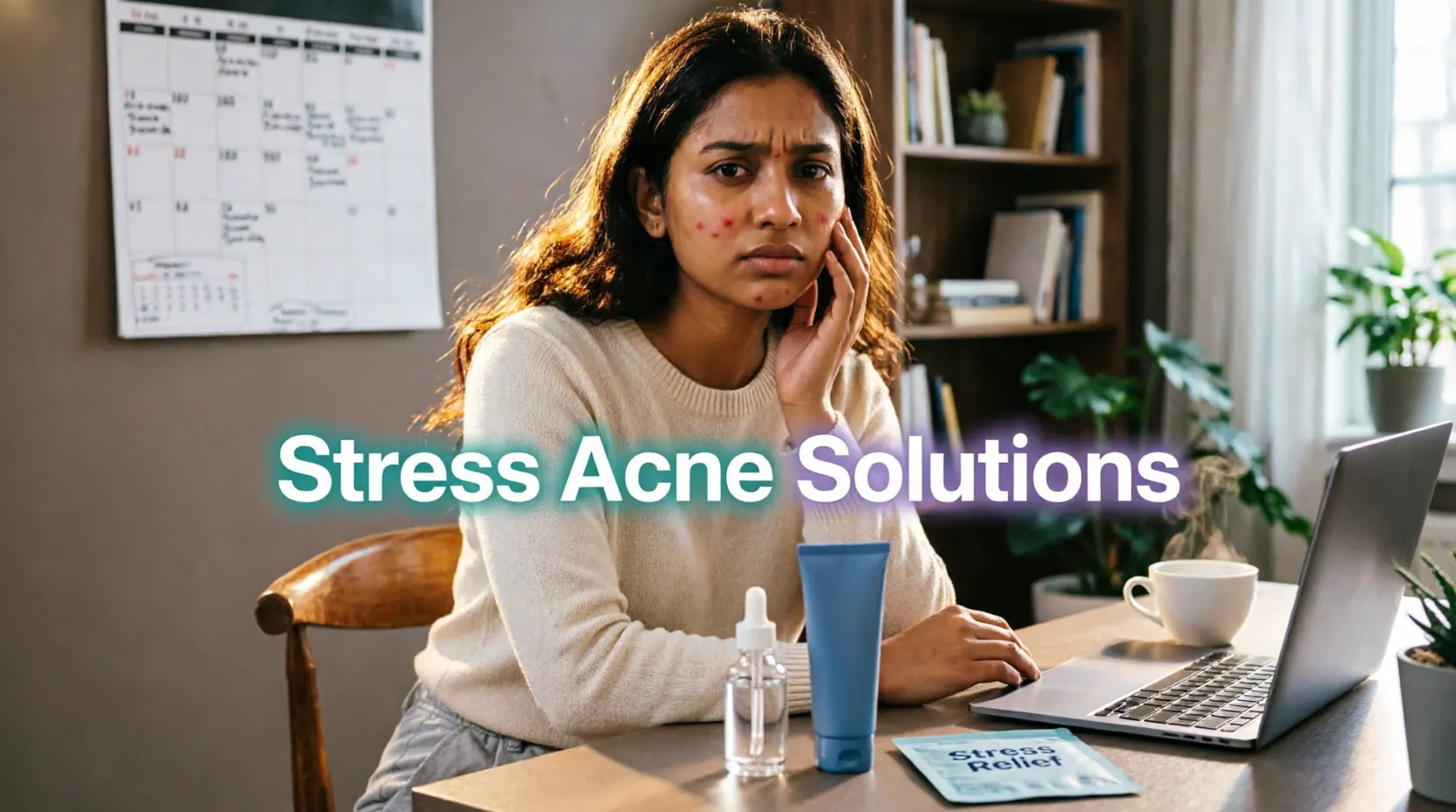
Understanding Stress Acne: Why Your Skin Breaks Out When Life Gets Overwhelming
You've been there: a major deadline at work, family tensions, financial worries, or just the general overwhelm of modern life—and suddenly, your skin rebels. A cluster of stubborn pimples appears along your jawline, forehead, or cheeks, seemingly out of nowhere. You've tried your usual acne treatments, but these breakouts feel different: deeper, more painful, and frustratingly persistent.
Welcome to the world of stress acne—a very real, very common skin concern that affects millions of people worldwide. Unlike typical acne triggered by hormones or clogged pores, stress acne is directly linked to your body's physiological response to pressure, anxiety, and emotional strain. And understanding this connection is the first step toward calming your skin when life gets hectic.
Stress acne isn't "just in your head." It's a biological cascade triggered by elevated cortisol—the body's primary stress hormone—which influences oil production, inflammation, and skin barrier function. When cortisol levels stay high for extended periods, your skin pays the price: increased breakouts, slower healing, heightened sensitivity, and a dull, uneven complexion.
The good news? Stress acne is manageable. By addressing both the internal triggers (cortisol, inflammation) and external symptoms (breakouts, irritation), you can calm your skin even during life's most challenging moments. This comprehensive guide will walk you through the science behind stress acne, practical strategies to reduce cortisol's impact on your skin, and a targeted skincare routine designed to soothe and heal stress-related breakouts.
What you'll learn in this guide:
- The cortisol-skin connection: how stress triggers breakouts
- Identifying stress acne vs. other types of acne
- A targeted skincare routine for stress-related breakouts
- Lifestyle strategies to lower cortisol and support skin health
- Quick fixes for calming active breakouts
- When to seek professional help for persistent stress acne
The Science Behind Stress Acne: How Cortisol Triggers Breakouts
To effectively manage stress acne, you need to understand what's happening beneath the surface. It's not just "bad luck" or poor hygiene—stress acne is a measurable physiological response to emotional and psychological pressure.
The Cortisol Cascade
When you experience stress—whether it's a looming deadline, relationship conflict, or chronic overwhelm—your body activates the hypothalamic-pituitary-adrenal (HPA) axis. This triggers the release of cortisol from your adrenal glands. Cortisol is essential in small doses; it helps you respond to immediate threats and regulate metabolism. But when stress becomes chronic, cortisol levels remain elevated, and this is where skin problems begin.
How elevated cortisol affects your skin:
- Increased sebum production: Cortisol stimulates your sebaceous (oil) glands to produce more sebum. Excess oil mixes with dead skin cells and bacteria, clogging pores and creating the perfect environment for breakouts.
- Heightened inflammation: Cortisol dysregulation promotes systemic inflammation, which worsens acne lesions, makes them redder and more painful, and slows healing.
- Weakened skin barrier: Chronic stress impairs your skin's protective barrier, leading to increased water loss, dryness, and sensitivity—making skin more reactive to products and environmental irritants.
- Slower wound healing: Elevated cortisol suppresses immune function and collagen production, meaning pimples take longer to heal and are more likely to leave post-inflammatory hyperpigmentation (dark spots).
Research published in Acta Dermato-Venereologica found that students experienced significantly worse acne during exam periods compared to low-stress times, directly correlating cortisol levels with breakout severity.
Other Stress-Related Skin Changes
Beyond breakouts, chronic stress can trigger or worsen other skin concerns:
- Increased sensitivity: Stress lowers your skin's threshold for irritation, making products that normally work well suddenly cause redness or stinging.
- Dullness and uneven tone: Poor circulation and impaired cell turnover from stress leave skin looking tired and lackluster.
- Exacerbation of existing conditions: Stress can flare rosacea, eczema, psoriasis, and melasma due to its inflammatory effects.
- Compromised barrier function: A weakened barrier allows irritants to penetrate more easily, creating a vicious cycle of irritation and breakouts.
The Vicious Cycle: Stress → Acne → More Stress
One of the most challenging aspects of stress acne is the feedback loop it creates. Breakouts cause emotional distress, which elevates cortisol further, which triggers more breakouts. Breaking this cycle requires addressing both the skin symptoms and the underlying stress response.
Is It Stress Acne? How to Identify Stress-Related Breakouts
Not all acne is stress-related. Learning to distinguish stress acne from hormonal, bacterial, or comedonal acne helps you choose the right treatment approach.
Common Characteristics of Stress Acne
Location: Stress acne often appears along the jawline, chin, and lower cheeks—areas rich in androgen receptors that respond strongly to cortisol. Forehead breakouts can also signal stress, especially if linked to tension headaches or poor sleep.
Appearance: Stress-related pimples tend to be:
- Deep, cystic, and painful (not just surface-level whiteheads)
- Red, inflamed, and slow to heal
- Clustered rather than isolated
- Accompanied by general skin sensitivity or dullness
Timing: Breakouts that consistently appear during high-stress periods (work deadlines, holidays, major life changes) and improve when stress subsides are likely stress-related.
Response to treatment: Stress acne often doesn't respond well to typical acne treatments alone because the root cause (elevated cortisol) isn't being addressed.
Stress Acne vs. Hormonal Acne
These two often overlap, but there are subtle differences:
Hormonal acne:
- Follows menstrual cycle patterns (worsens pre-period)
- Often appears on lower face and neck
- May include blackheads and whiteheads alongside cysts
- Responds well to hormonal treatments (birth control, spironolactone)
Stress acne:
- Correlates with stressful events regardless of cycle timing
- Often more inflamed and painful
- Accompanied by other stress symptoms (fatigue, tension, sleep issues)
- Improves with stress management + targeted skincare
Note: Many people experience a combination of both. The key is addressing all contributing factors.
Your Targeted Skincare Routine for Stress Acne
When stress triggers breakouts, your skincare routine should focus on calming inflammation, regulating oil production, supporting barrier repair, and avoiding further irritation. Here's a streamlined, effective approach.
Morning Routine: Protect and Soothe
Step 1: Gentle Cleansing
Why: Stress-compromised skin is more sensitive. Harsh cleansers strip the barrier and worsen inflammation.
Best choices: Cream, milky, or low-foaming gel cleansers with a pH of 5.0-6.0. Look for soothing ingredients like aloe, centella asiatica, or oat extract.
Technique: Use lukewarm water, massage gently for 30-60 seconds, rinse thoroughly, pat dry—never rub.
Product examples: CeraVe Hydrating Cleanser, La Roche-Posay Toleriane Hydrating Gentle Cleanser, Krave Beauty Matcha Hemp Hydrating Cleanser.
Step 2: Anti-Inflammatory Toner or Essence
Why: Calms redness, balances pH, and preps skin for better serum absorption.
Key ingredients: Centella asiatica (cica), green tea extract, niacinamide, panthenol, or licorice root extract.
Avoid: Alcohol-based toners, which can further irritate stressed skin.
Application: Apply with clean hands or a cotton pad. Pat gently—don't swipe.
Step 3: Targeted Serum
Best options for stress acne:
- Niacinamide (4-5%): Regulates oil production, reduces inflammation, and strengthens the barrier. Studies show 5% niacinamide can reduce sebum production and redness within 4 weeks.
- Azelaic Acid (10%): Anti-inflammatory, antibacterial, and helps fade post-acne marks. Gentle enough for sensitive, stressed skin.
- Centella Asiatica or Madecassoside: Powerful soothing ingredients that accelerate healing and reduce redness.
Application: Apply 2-3 drops to damp skin. Wait 1-2 minutes before moisturizer.
Step 4: Lightweight, Barrier-Supporting Moisturizer
Why: Even oily, acne-prone skin needs hydration. A compromised barrier worsens breakouts and sensitivity.
Look for: Ceramides, cholesterol, fatty acids, squalane, or beta-glucan. Gel-cream textures work well for combination skin.
Avoid: Heavy, occlusive formulas that can trap oil and bacteria.
Step 5: Sunscreen (Non-Negotiable)
Why: UV exposure worsens inflammation and post-acne hyperpigmentation. Stress already compromises your skin's defenses—don't add sun damage.
Best formulas: Mineral (zinc oxide) or hybrid sunscreens labeled "for sensitive skin" or "non-comedogenic."
Application: Use 1/4 teaspoon for face and neck. Reapply every 2 hours if outdoors.
Evening Routine: Repair and Reset
Step 1: Double Cleansing (If Wearing SPF/Makeup)
First cleanse: Oil-based cleanser or micellar water to dissolve sunscreen and makeup.
Second cleanse: Gentle water-based cleanser to purify pores without stripping.
Pro tip: If your skin feels tight after cleansing, switch to a more hydrating formula.
Step 2: Calming Treatment (Alternate Nights)
Option A: Gentle Exfoliation (1-2x weekly)
- Use a low-concentration AHA (lactic acid 5%) or PHA (gluconolactone) to remove dead cells without irritation
- Avoid harsh scrubs or high-strength acids, which can worsen inflammation
Option B: Soothing Serum or Mask (Other Nights)
- Apply a centella-based serum, panthenol treatment, or hydrating sheet mask
- Focus on barrier repair and reducing redness
Step 3: Rich, Repair-Focused Moisturizer
Why: Night is when your skin repairs itself. A nourishing moisturizer supports this process.
Look for: Ceramides, peptides, squalane, or bakuchiol (a gentle retinol alternative).
Application: Warm a pea-sized amount between palms, then press gently into skin.
Optional Spot Treatment: For active breakouts, apply a targeted treatment with sulfur, tea tree oil (diluted), or benzoyl peroxide (2.5%) only to the affected area—never all over.
Weekly Boosters for Stress-Prone Skin
- Hydrating Mask: 1-2x weekly, use a gel or cream mask with hyaluronic acid or aloe for an intensive moisture boost.
- Gentle Clay Mask: If you have oily skin, use a kaolin-based mask once weekly to absorb excess oil without over-drying.
- Facial Massage: 3-5 minutes of gentle massage with a facial oil can boost circulation, reduce tension, and support lymphatic drainage.
Lifestyle Strategies to Lower Cortisol and Support Skin Health
Skincare products address the symptoms, but managing stress addresses the root cause. These evidence-based strategies help lower cortisol and create a healthier internal environment for your skin.
Prioritize Sleep: Your Skin's Repair Window
Why it matters: During deep sleep, your body releases growth hormone, which stimulates collagen production and cellular repair. Poor sleep elevates cortisol, creating a double whammy for stressed skin.
Strategies:
- Aim for 7-9 hours of quality sleep nightly
- Maintain a consistent sleep schedule, even on weekends
- Create a calming pre-sleep ritual: dim lights, avoid screens 60 minutes before bed, practice deep breathing
- Use a silk pillowcase to reduce friction and support skin barrier
Manage Stress with Proven Techniques
Deep Breathing (4-7-8 Method): Inhale for 4 seconds, hold for 7, exhale for 8. Repeat 4 times. This activates the parasympathetic nervous system, lowering cortisol within minutes.
Mindfulness or Meditation: Even 5-10 minutes daily can reduce stress reactivity. Apps like Calm, Headspace, or Insight Timer offer guided sessions for beginners.
Gentle Movement: Yoga, walking, or stretching reduces cortisol and boosts endorphins. Avoid over-exercising, which can elevate stress hormones.
Time in Nature: "Forest bathing" or simply spending time outdoors lowers cortisol and inflammation. Aim for 20-30 minutes daily if possible.
Social Connection: Talking with supportive friends or family buffers against stress. Don't isolate yourself during busy periods.
Nutrition for Calmer Skin
Foods that help lower cortisol and support skin:
- Omega-3 fatty acids: Fatty fish, flaxseed, walnuts—reduce inflammation and support barrier function
- Magnesium-rich foods: Leafy greens, nuts, seeds, dark chocolate—support relaxation and sleep
- Adaptogenic herbs: Ashwagandha, rhodiola, holy basil—may help modulate cortisol response (consult a healthcare provider before supplementing)
- Antioxidant-rich fruits and vegetables: Berries, citrus, spinach—combat oxidative stress from cortisol
Limit: Excess caffeine, sugar, and processed foods, which can elevate cortisol and inflammation.
Hydration: Simple but Critical
Dehydration worsens skin sensitivity and impairs barrier function. Aim for 2-3 liters of water daily, adjusted for activity level and climate. Herbal teas (chamomile, peppermint) can also support relaxation.
Quick Fixes for Calming Active Stress Breakouts
When a stress-related pimple appears and you need fast relief, these targeted strategies can help reduce inflammation and speed healing.
Ice Therapy for Immediate Reduction
How to: Wrap an ice cube in a clean cloth and gently press against the breakout for 30-60 seconds. Repeat 2-3 times with short breaks.
Why it works: Cold constricts blood vessels, reducing redness, swelling, and pain. It also temporarily numbs the area for comfort.
Spot Treatments That Work
Best ingredients for stress acne:
- Sulfur (3-10%): Absorbs oil, reduces bacteria, and calms inflammation without over-drying
- Tea Tree Oil (5% diluted): Natural antibacterial; patch test first as it can irritate sensitive skin
- Niacinamide (10%): Reduces redness and regulates oil; gentle enough for frequent use
- Hydrocolloid Patches: Create a protective barrier, absorb fluid, and prevent picking
Application: Apply a tiny amount only to the breakout. Don't layer multiple actives, which can cause irritation.
Calming Masks for Emergency Relief
DIY Option: Mix 1 tablespoon plain yogurt (lactic acid + probiotics) with 1 teaspoon honey (antibacterial + soothing). Apply to affected areas for 10 minutes, then rinse.
Product Option: Use a centella-based or oat-based sheet mask for 15 minutes to reduce redness and hydrate.
What NOT to Do
- Don't pick or pop: Increases inflammation, risk of scarring, and spreads bacteria
- Don't over-treat: Applying multiple strong actives to one spot worsens irritation
- Don't skip moisturizer: Dehydrated skin heals slower and produces more oil
- Don't use harsh scrubs: Physical exfoliation aggravates inflamed breakouts
When to See a Professional for Stress Acne
While most stress acne can be managed at home, certain signs warrant professional evaluation.
See a Dermatologist If:
- Breakouts are severe, painful, or cystic and don't improve with consistent care after 8-12 weeks
- You notice scarring, hyperpigmentation, or textural changes
- Acne is causing significant emotional distress or impacting daily life
- You suspect an underlying condition (PCOS, hormonal imbalance, rosacea)
What a Dermatologist Can Offer
Prescription Topicals: Stronger retinoids (tretinoin), combination creams (clindamycin + benzoyl peroxide), or azelaic acid (15-20%).
Oral Medications: Antibiotics for short-term inflammation control, spironolactone for hormonal components, or low-dose oral contraceptives for cycle-related breakouts.
In-Office Procedures: Cortisone injections for immediate cyst reduction, chemical peels for texture and tone, or laser therapies for scarring and redness.
Holistic Support: Some dermatologists collaborate with mental health professionals to address the stress-skin connection comprehensively.
Consider a Mental Health Professional If:
- Stress feels unmanageable or chronic
- You experience anxiety, depression, or burnout symptoms
- Stress is impacting sleep, relationships, or work performance
Therapy (especially CBT) and stress-management coaching can provide tools to break the stress-acne cycle at its source.
Common Mistakes That Worsen Stress Acne
Even well-intentioned routines can backfire. Avoid these pitfalls to maximize results.
Mistake 1: Over-Cleansing or Using Harsh Products
The problem: Stripping skin with strong cleansers or alcohol-based toners damages the barrier, increasing sensitivity and triggering more oil production.
The fix: Stick to gentle, pH-balanced cleansers. If skin feels tight or stings after washing, switch to a more hydrating formula.
Mistake 2: Layering Too Many Actives
The problem: Using retinol, acids, and benzoyl peroxide simultaneously overwhelms stressed skin, causing irritation and worsening breakouts.
The fix: Simplify. Focus on one targeted treatment (like niacinamide or azelaic acid) plus barrier-supporting basics. Introduce new products one at a time.
Mistake 3: Ignoring Lifestyle Factors
The problem: Relying solely on skincare while neglecting sleep, stress management, or nutrition limits results.
The fix: Treat skincare and self-care as partners. Even small improvements in sleep or stress reduction amplify your topical routine's effectiveness.
Mistake 4: Expecting Overnight Results
The problem: Stress acne healing takes time. Impatience leads to product-hopping or over-treatment.
The fix: Commit to a consistent routine for at least 4-6 weeks before evaluating results. Take photos to track subtle progress.
Mistake 5: Picking or Over-Touching Breakouts
The problem: Hands transfer bacteria and cause micro-tears, increasing inflammation and scarring risk.
The fix: Use hydrocolloid patches to protect active breakouts. Keep hands away from your face, and practice stress-relief techniques that don't involve touching your skin.
Frequently Asked Questions
Can stress alone cause acne, or does it just make existing acne worse?
Both. Stress can trigger new breakouts in people who don't typically experience acne, and it can significantly worsen existing acne. The cortisol cascade affects oil production, inflammation, and barrier function—creating conditions favorable for breakouts regardless of your baseline skin type.
How long does it take for stress acne to clear after stress subsides?
With consistent care, you may see reduced inflammation within 1-2 weeks of lowering stress. Full clearing of active breakouts typically takes 4-8 weeks, while post-inflammatory marks (dark spots) can take 8-12 weeks or longer to fade. Patience and consistency are key.
Can I use retinol if I have stress acne?
Yes, but cautiously. Retinol can help with cell turnover and preventing clogged pores, but it can also irritate stressed, inflamed skin. Start with a low concentration (0.1-0.3%), apply 1-2x weekly, and buffer with moisturizer if needed. If irritation occurs, pause retinol and focus on calming ingredients first.
Does exercise help or worsen stress acne?
Moderate exercise helps by lowering cortisol and boosting circulation. However, intense workouts can temporarily elevate stress hormones, and sweat left on skin can clog pores. Solution: shower promptly after exercising, use gentle cleansers, and choose moderate activities like walking or yoga during high-stress periods.
Can supplements help with stress acne?
Some supplements show promise, but consult a healthcare provider before starting:
- Zinc: May reduce inflammation and oil production
- Omega-3s: Support barrier function and reduce inflammation
- Adaptogens (ashwagandha, rhodiola): May help modulate cortisol response
- Probiotics: Support gut-skin axis and reduce systemic inflammation
Supplements complement—but don't replace—lifestyle changes and topical care.
Is stress acne permanent?
No. Stress acne is a reactive condition, not a permanent skin type. With consistent stress management and targeted skincare, breakouts can be controlled and skin can return to a healthier baseline. The key is addressing both the internal triggers and external symptoms.
Conclusion: Calm Your Mind, Calm Your Skin
Stress acne is more than a skin-deep issue—it's a signal from your body that it's under pressure. While breakouts can feel frustrating, they're also an opportunity to reconnect with self-care practices that support both your mental and skin health.
Remember: you don't have to eliminate stress entirely to see improvement. Small, consistent steps matter more than perfection. Maybe it's adding one minute of deep breathing to your morning. Maybe it's swapping a harsh cleanser for a gentle one. Maybe it's simply giving yourself permission to rest when you're overwhelmed.
Your skin is resilient. It wants to heal, to balance, to glow. By addressing the cortisol connection with compassion—through targeted skincare, stress management, and lifestyle support—you can calm breakouts and build a foundation for long-term skin health.
Life will always have hectic moments. But with the right tools and mindset, your skin doesn't have to pay the price. Start where you are. Be patient with your progress. And trust that caring for your mind and your skin, together, is one of the most powerful acts of self-respect you can practice.
Your calmest, clearest skin begins with a single, compassionate step.
📖 আরও পড়ুন: Skin Care
- 🔗 Eczema Flare-Ups: Complete Management Protocol
- 🔗 Body Acne Causes & Dermatologist-Approved Cleansing Routine
- 🔗 ইমোশনাল বার্নআউট: মানসিক ক্লান্তি কীভাবে ত্বকের সৌন্দর্য কেড়ে নেয়
- 🔗 How Women Can Restore Natural Glow Without Brightening Agents: A Holistic, Science-Backed Guide
- 🔗 Why Skin Feels Tight After Moisturizer: Causes and Fixes