Introduction: The Hidden Link Between Your Mind and Your Mirror
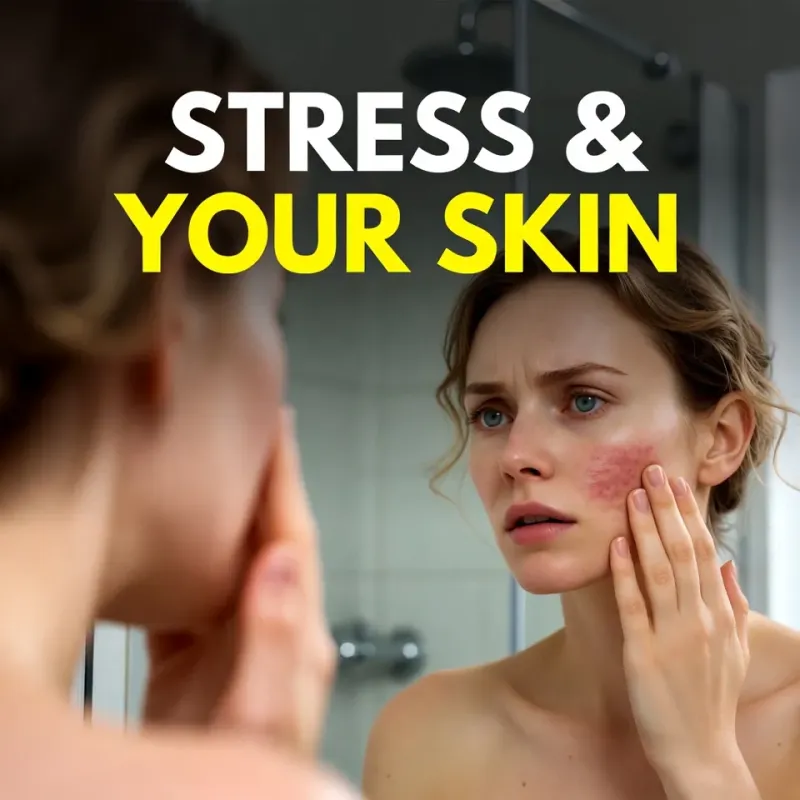
You've likely noticed it before: a major deadline at work, a personal crisis, or even just a string of sleepless nights, and suddenly your skin breaks out, looks dull, or feels unusually sensitive. It's not your imagination—stress truly does show up on your face. At the heart of this connection is cortisol, often called the "stress hormone," a powerful chemical messenger that, when chronically elevated, can wreak havoc on your skin's health, appearance, and resilience.
While occasional stress is a normal part of life, chronic stress triggers a cascade of biological responses that directly impact your skin. From increased oil production and inflammation to impaired barrier function and accelerated aging, cortisol's effects are far-reaching. Understanding this connection is the first step toward protecting your skin from the inside out.
This comprehensive guide unravels the science behind the cortisol-skin connection, identifies the specific skin issues stress can cause or worsen, and provides a science-backed protocol to manage stress and restore your skin's health. Whether you're dealing with stress-induced breakouts, unexplained sensitivity, or premature aging, you'll find actionable strategies to calm your mind and transform your complexion.
What Is Cortisol and How Does Stress Activate It?
Cortisol is a steroid hormone produced by your adrenal glands, which sit atop your kidneys. It plays a crucial role in your body's "fight-or-flight" response, helping you mobilize energy, regulate blood sugar, and manage inflammation during times of perceived threat.
The Stress Response Pathway: HPA Axis
When you experience stress—whether physical, emotional, or psychological—your brain activates the hypothalamic-pituitary-adrenal (HPA) axis:
- Hypothalamus: Releases corticotropin-releasing hormone (CRH)
- Pituitary gland: Responds by secreting adrenocorticotropic hormone (ACTH)
- Adrenal glands: Produce and release cortisol into the bloodstream
This system is designed for short-term survival. However, in modern life, chronic stressors (work pressure, financial worries, relationship conflicts, poor sleep) keep the HPA axis activated, leading to persistently elevated cortisol levels.
Normal vs. Chronic Cortisol Levels
- Healthy rhythm: Cortisol naturally peaks in the early morning (to help you wake) and gradually declines throughout the day, reaching its lowest point at night
- Chronic elevation: Persistent stress flattens this rhythm, keeping cortisol high at inappropriate times, disrupting sleep, metabolism, immunity, and skin health
Featured Snippet: Cortisol is a stress hormone produced by adrenal glands via the HPA axis. While essential for short-term survival, chronic stress keeps cortisol elevated, disrupting skin barrier function, increasing inflammation, and accelerating aging. Managing stress is crucial for skin health.
How Elevated Cortisol Directly Damages Your Skin
Cortisol doesn't just affect your mood or energy—it has direct, measurable impacts on your skin's biology. Here's how chronically high cortisol levels wreak havoc:
1. Increases Oil Production and Triggers Acne
Cortisol stimulates sebaceous (oil) glands to produce more sebum. Excess oil mixes with dead skin cells and bacteria, clogging pores and creating an ideal environment for acne-causing bacteria (C. acnes). This explains why stress often triggers breakouts along the jawline, chin, and cheeks—classic hormonal acne patterns.
2. Compromises the Skin Barrier
The skin barrier (stratum corneum) relies on lipids like ceramides, cholesterol, and fatty acids to retain moisture and block irritants. Cortisol:
- Reduces production of these essential lipids
- Increases transepidermal water loss (TEWL)
- Makes skin more permeable to irritants and allergens
- Leads to dryness, sensitivity, redness, and flakiness
3. Amplifies Inflammation
While cortisol has anti-inflammatory effects in the short term, chronic elevation dysregulates the immune system. This leads to:
- Increased production of pro-inflammatory cytokines (IL-1, IL-6, TNF-alpha)
- Exacerbation of inflammatory skin conditions like eczema, psoriasis, and rosacea
- Slower wound healing and increased risk of post-inflammatory hyperpigmentation
4. Accelerates Skin Aging
Cortisol breaks down collagen and elastin—the proteins responsible for skin's firmness and elasticity—through several mechanisms:
- Increases matrix metalloproteinases (MMPs), enzymes that degrade collagen
- Reduces fibroblast activity (cells that produce collagen)
- Generates oxidative stress and free radicals
- Impairs skin's ability to repair UV damage
Result: finer lines, deeper wrinkles, loss of firmness, and a dull, tired complexion.
5. Disrupts Skin's Microbiome
Your skin hosts trillions of beneficial bacteria that protect against pathogens and support barrier function. Cortisol-induced changes in pH, oil production, and immunity can disrupt this delicate ecosystem, leading to dysbiosis, increased sensitivity, and conditions like fungal acne or seborrheic dermatitis.
6. Impairs Wound Healing
Cortisol suppresses the immune responses and cellular processes needed for efficient wound repair. This means:
- Acne lesions take longer to heal
- Post-acne marks (PIH) persist longer
- Minor cuts or irritations become more noticeable
Featured Snippet: High cortisol increases oil production (triggering acne), compromises skin barrier (causing dryness/sensitivity), amplifies inflammation (worsening eczema/rosacea), breaks down collagen (accelerating aging), disrupts skin microbiome, and slows wound healing. Managing stress is essential for skin health.
Common Skin Issues Linked to Stress and Cortisol
Understanding which skin concerns are stress-related helps you address the root cause, not just the symptom.
Stress-Induced Acne
- Pattern: Deep, painful cysts along jawline, chin, and lower cheeks
- Timing: Flares during high-stress periods (exams, deadlines, life changes)
- Mechanism: Cortisol → increased sebum + inflammation + impaired healing
- Key difference: Doesn't respond well to typical acne treatments alone; requires stress management
Stress-Exacerbated Eczema (Atopic Dermatitis)
- Pattern: Red, itchy, inflamed patches, often on elbows, knees, face
- Timing: Flares during emotional stress or sleep disruption
- Mechanism: Cortisol disrupts barrier lipids + increases immune reactivity
- Key difference: Requires both topical treatment and stress reduction for control
Stress-Triggered Rosacea
- Pattern: Facial redness, visible blood vessels, sometimes bumps
- Timing: Flares with emotional stress, heat, or anxiety
- Mechanism: Cortisol amplifies neurovascular inflammation and immune dysregulation
- Key difference: Trigger management is as important as topical therapy
Stress-Related Psoriasis Flares
- Pattern: Thick, scaly, red plaques on elbows, knees, scalp
- Timing: Often follows major life stressors
- Mechanism: Cortisol dysregulates immune T-cells, increasing inflammatory cytokines
- Key difference: Stress management is a core component of treatment plans
Stress-Induced Dullness and Premature Aging
- Pattern: Lackluster complexion, fine lines, loss of radiance
- Timing: Gradual worsening during chronic stress periods
- Mechanism: Cortisol breaks down collagen, reduces cell turnover, increases oxidative stress
- Key difference: Topical anti-aging products work better when combined with stress reduction
Stress-Related Hair and Nail Changes
- Hair: Telogen effluvium (shedding), thinning, or stress-induced alopecia
- Nails: Brittle nails, ridges, or slow growth
- Mechanism: Cortisol disrupts hair growth cycles and nutrient allocation
Featured Snippet: Stress-linked skin issues include acne (jawline cysts), eczema (itchy patches), rosacea (facial redness), psoriasis (scaly plaques), dullness/aging (collagen loss), and hair/nail changes. These conditions often flare during high-stress periods and require combined topical treatment and stress management.
Signs Your Skin Is Suffering from Stress
How do you know if cortisol is affecting your skin? Look for these telltale signs:
Physical Indicators
- Sudden breakouts in typically clear areas, especially along the jawline
- Increased sensitivity: products that never caused issues now sting or burn
- Persistent redness or flushing without obvious trigger
- Dry, tight, or flaky skin despite regular moisturizing
- Slower healing of blemishes, cuts, or irritations
- Dull, tired-looking complexion even with adequate sleep
- Increased oiliness paired with dehydration ("oily but dry" feeling)
Behavioral and Lifestyle Clues
- Recent increase in work, relationship, or financial stress
- Poor sleep quality or insufficient sleep duration
- Changes in eating habits (more sugar, caffeine, or processed foods)
- Reduced exercise or self-care time
- Feeling overwhelmed, anxious, or emotionally drained
The Stress-Skin Cycle
Importantly, skin problems can themselves become a source of stress, creating a vicious cycle: stress → skin issues → more stress about appearance → worsened skin. Breaking this cycle requires addressing both the psychological and dermatological aspects.
Featured Snippet: Signs stress is affecting your skin: sudden jawline breakouts, increased sensitivity, persistent redness, dryness despite moisturizing, slow healing, dull complexion, and oily-yet-dehydrated feeling. If these coincide with high stress, poor sleep, or lifestyle changes, cortisol is likely a contributor.
The Science-Backed Protocol: Managing Cortisol for Healthier Skin
Addressing stress-related skin issues requires a dual approach: calming your nervous system to lower cortisol and supporting your skin with targeted topical care. This evidence-based protocol tackles both.
Phase 1: Reduce Cortisol Production (Internal Strategies)
1. Prioritize Sleep Hygiene
Why it works: Sleep is when cortisol naturally declines and skin repairs itself. Poor sleep elevates cortisol and impairs barrier recovery.
Action steps:
- Aim for 7-9 hours of quality sleep nightly
- Maintain consistent sleep/wake times, even on weekends
- Create a wind-down routine: dim lights, no screens 1 hour before bed
- Keep bedroom cool, dark, and quiet
- Consider magnesium glycinate or ashwagandha (consult doctor first) to support relaxation
2. Practice Daily Stress-Reduction Techniques
Why it works: Mind-body practices lower cortisol, reduce inflammation, and improve skin barrier function.
Evidence-based options:
- Mindfulness meditation: 10-15 minutes daily reduces cortisol and inflammatory markers
- Deep breathing (4-7-8 technique): Activates parasympathetic nervous system within minutes
- Yoga or tai chi: Combines movement, breath, and mindfulness; shown to lower cortisol
- Progressive muscle relaxation: Systematically tensing/releasing muscle groups reduces physical stress
Tip: Consistency matters more than duration. Even 5 minutes daily is beneficial.
3. Move Your Body—But Don't Overdo It
Why it works: Moderate exercise reduces cortisol and inflammation; excessive intense exercise can elevate it.
Optimal approach:
- 30 minutes of moderate activity (brisk walking, cycling, swimming) most days
- Include strength training 2x weekly for overall health
- Avoid overtraining: listen to your body; rest when needed
- Post-workout: shower promptly to prevent sweat-related breakouts
4. Nourish Your Body with Cortisol-Supportive Nutrition
Why it works: Certain foods help regulate the HPA axis and reduce inflammation.
Focus on:
- Omega-3 fatty acids: Fatty fish, walnuts, flaxseeds—reduce inflammation and support barrier
- Adaptogenic herbs: Ashwagandha, rhodiola, holy basil—help body adapt to stress (consult doctor)
- Magnesium-rich foods: Leafy greens, nuts, seeds, dark chocolate—support nervous system calm
- Complex carbohydrates: Oats, sweet potatoes, quinoa—stabilize blood sugar and cortisol rhythm
- Antioxidant-rich produce: Berries, colorful vegetables—combat oxidative stress from cortisol
Limit: Excess caffeine (can elevate cortisol), sugar (promotes inflammation), and alcohol (disrupts sleep and HPA axis).
5. Cultivate Connection and Joy
Why it works: Social support and positive emotions buffer stress responses.
Action steps:
- Schedule regular time with supportive friends or family
- Engage in hobbies that bring you joy (reading, art, music, gardening)
- Practice gratitude journaling: 3 things you're thankful for daily
- Limit exposure to stressful news or social media
Phase 2: Support Skin Barrier and Reduce Inflammation (Topical Strategies)
1. Gentle, Barrier-Supportive Cleansing
Why: Stressed skin has a compromised barrier; harsh cleansers worsen damage.
Choose: pH-balanced (5.5), sulfate-free, creamy or milky cleansers with ceramides, glycerin, or oat extract.
Avoid: Foaming cleansers with SLS/SLES, hot water, or physical scrubs.
2. Soothing, Anti-Inflammatory Actives
Key ingredients:
- Niacinamide (4-5%): Reduces inflammation, strengthens barrier, regulates oil
- Centella Asiatica (Cica): Calms irritation, accelerates barrier repair
- Panthenol (Pro-Vitamin B5): Hydrates, soothes, supports healing
- Allantoin or Bisabolol: Gentle anti-inflammatories for sensitive skin
- Green Tea Extract (EGCG): Antioxidant that reduces cortisol-induced oxidative stress
Application: Layer after cleansing, before moisturizer. Start with one new ingredient at a time.
3. Barrier-Repair Moisturizing
Why: Cortisol depletes skin lipids; replenishing them is essential for recovery.
Look for: Ceramides, cholesterol, and fatty acids in optimal ratios (3:1:1), plus squalane or shea butter for occlusion.
Application: Apply to damp skin morning and night to lock in hydration.
4. Strategic Use of Actives (When Skin Is Calm)
Important: Don't introduce strong actives (retinol, high-percentage acids) during active stress flares. Wait until skin is stable.
When ready:
- Start with low-concentration retinol (0.25%) 1-2x weekly, buffered with moisturizer
- Use gentle AHAs (5% lactic acid) 1x weekly for dullness
- Always patch test and introduce one active at a time
5. Non-Negotiable Sun Protection
Why: Cortisol impairs skin's ability to repair UV damage; sunscreen is critical.
Choose: Mineral (zinc oxide/titanium dioxide) or hybrid SPF 30+ that's non-comedogenic and fragrance-free.
Apply: 1/4 teaspoon for face/neck every morning; reapply every 2 hours with sun exposure.
Featured Snippet: Cortisol-skin protocol: Internally—prioritize sleep, practice daily meditation/breathing, move moderately, eat omega-3s/adaptogens, cultivate joy. Topically—gentle cleanser, niacinamide/centella serums, ceramide moisturizer, mineral SPF 30+. Introduce actives only when skin is calm. Consistency over 4-8 weeks yields results.
Skincare Ingredients That Counteract Cortisol Damage
Beyond general barrier support, certain ingredients specifically target cortisol-induced skin issues.
1. Adaptogens in Skincare
What they are: Plant compounds that help skin adapt to stress.
Top choices:
- Ashwagandha extract: Reduces cortisol-induced inflammation and oxidative stress
- Rhodiola rosea: Protects against environmental stressors and improves skin resilience
- Holy Basil (Tulsi): Anti-inflammatory and antioxidant properties
How to use: Look for serums or moisturizers with standardized extracts; apply morning and/or night.
2. Peptides for Collagen Support
Why: Cortisol breaks down collagen; peptides signal skin to produce more.
Best options: Matrixyl (palmitoyl pentapeptide-4), copper peptides, or signal peptides.
How to use: Apply after cleansing, before moisturizer; compatible with most routines.
3. Antioxidant Blends
Why: Cortisol generates free radicals; antioxidants neutralize them.
Power combinations:
- Vitamin C (10-20% L-ascorbic acid) + Vitamin E + Ferulic Acid
- Resveratrol + Green Tea Extract
- Niacinamide + Licorice Root Extract
Application: Morning routine before sunscreen for daytime protection.
4. Prebiotics and Postbiotics
Why: Cortisol disrupts skin microbiome; these ingredients support a healthy balance.
Look for: Inulin, alpha-glucan oligosaccharide (prebiotics); lactobacillus ferment, bifida ferment lysate (postbiotics).
Benefits: Strengthen barrier, reduce sensitivity, calm inflammation.
5. Hyaluronic Acid + Ceramides Combo
Why: Cortisol causes dehydration and barrier damage; this duo addresses both.
How it works: Hyaluronic acid draws in moisture; ceramides seal it in and repair barrier.
Best for: All skin types, especially stressed, dry, or sensitive skin.
Featured Snippet: Ingredients that counteract cortisol damage: adaptogens (ashwagandha, rhodiola) reduce stress response; peptides rebuild collagen; antioxidant blends (vitamin C+E+ferulic) neutralize free radicals; prebiotics/postbiotics support microbiome; hyaluronic acid + ceramides repair barrier and hydrate.
Lifestyle Integration: Making Stress Management Sustainable
The most effective cortisol-management strategies are those you can maintain long-term. Here's how to integrate them seamlessly:
Create a "Stress-Skin" Morning Routine
- 5 minutes of deep breathing or meditation upon waking
- Gentle skincare with soothing ingredients
- Hydrating breakfast with protein and healthy fats
- Set one intentional, manageable goal for the day
Build Micro-Breaks Into Your Day
- Set phone reminders for 1-minute breathing exercises
- Take a 5-minute walk outside between tasks
- Keep a stress-relief toolkit handy: lavender oil, stress ball, calming playlist
Establish an Evening Wind-Down Ritual
- Digital sunset: no screens 60 minutes before bed
- Gentle skincare focused on repair (ceramides, peptides)
- Gratitude journaling or light reading
- Consistent bedtime to regulate cortisol rhythm
Track Progress Without Obsession
- Take weekly photos in consistent lighting to notice subtle improvements
- Keep a simple journal: stress level (1-10), sleep quality, skin observations
- Celebrate small wins: better sleep, one calm moment, skin feeling less tight
When to Seek Professional Help
While lifestyle and topical strategies help many people, professional guidance is essential if:
- Skin issues persist or worsen after 8-12 weeks of consistent self-care
- You experience severe anxiety, depression, or burnout alongside skin concerns
- Skin symptoms significantly impact your quality of life or self-esteem
- You suspect an underlying condition (thyroid disorder, PCOS, clinical anxiety)
Consider consulting:
- Dermatologist: For persistent acne, eczema, rosacea, or signs of premature aging
- Mental health professional: For stress, anxiety, or trauma management
- Integrative medicine provider: For holistic cortisol testing and personalized protocols
Frequently Asked Questions (FAQs)
Can lowering cortisol really improve my skin?
Yes. Research shows that stress-reduction interventions (meditation, improved sleep, exercise) lower cortisol and inflammatory markers, leading to measurable improvements in skin barrier function, reduced acne severity, and enhanced wound healing. Topical care works best when combined with internal stress management.
How long does it take to see skin improvements after reducing stress?
Initial changes (less redness, improved hydration) may appear in 2-4 weeks. More significant improvements in acne, texture, or fine lines typically take 8-12 weeks of consistent stress management and skincare. Patience and consistency are key.
Can I use retinol if my skin is stressed?
Wait until your skin barrier is stable. Introducing retinol during active stress flares can worsen irritation. First, focus on calming ingredients (niacinamide, centella, ceramides) for 2-4 weeks. Once redness and sensitivity subside, introduce retinol slowly (0.25%, 1x weekly) buffered with moisturizer.
Does cortisol affect all skin types the same way?
Core mechanisms (barrier disruption, inflammation) are universal, but manifestations vary: oily skin may see more acne; dry skin may experience increased flakiness; sensitive skin may become more reactive. Tailor your topical routine to your skin type while addressing cortisol internally.
Are adaptogen supplements safe for everyone?
Generally safe for most adults, but consult your doctor before starting, especially if pregnant, breastfeeding, taking medications, or managing a health condition. Start with low doses and monitor your response. Topical adaptogens have minimal systemic absorption and are typically well-tolerated.
Can stress cause hair loss, and is it reversible?
Yes. Chronic stress can trigger telogen effluvium (shedding) or exacerbate conditions like alopecia areata. The good news: once stress is managed and cortisol normalizes, hair often regrows within 3-6 months. Support with adequate protein, iron, zinc, and gentle hair care.
Conclusion: Empowerment Through Understanding
The connection between cortisol and your skin isn't a reason for despair—it's an opportunity for empowerment. By understanding how stress manifests on your face, you gain the power to intervene at the source. You're not just treating symptoms; you're nurturing your whole self.
Remember: managing cortisol for skin health isn't about eliminating stress entirely (an impossible goal) but about building resilience. It's about small, consistent choices—five minutes of breathwork, a nourishing meal, a gentle skincare ritual, a good night's sleep—that compound into profound change.
Your skin is a reflection of your inner landscape. When you care for your mind and body with compassion, your complexion responds with radiance, resilience, and health. Start where you are, use what you have, and trust the process. Calmer skin—and a calmer you—are within reach.