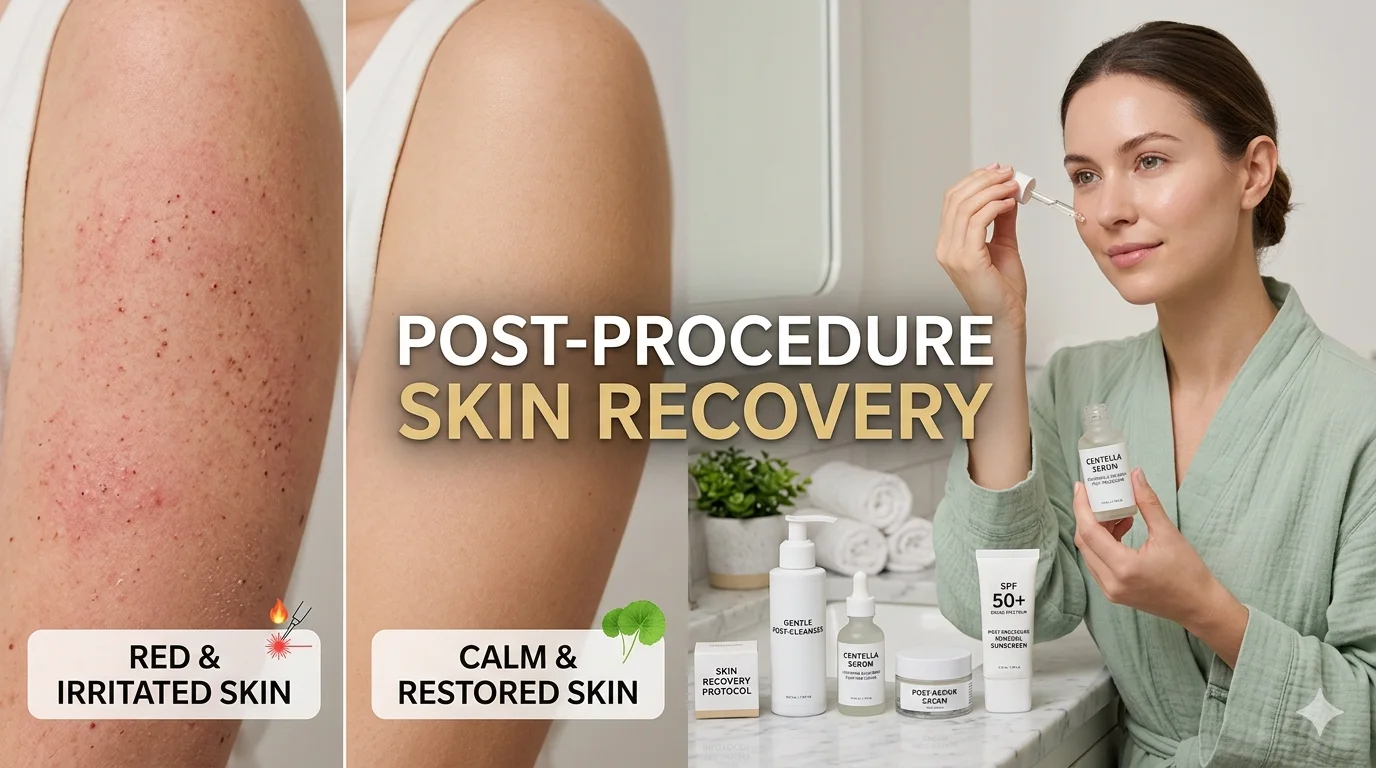
You've just invested in a cosmetic procedure—whether it's a gentle chemical peel, intense pulsed light therapy, microneedling, or a more intensive laser resurfacing treatment. You're excited about the results to come, but right now, your skin feels sensitive, looks red, and might even be a bit swollen. Welcome to the downtime dilemma: that crucial window between treatment and transformation when your skin needs expert care to heal properly, minimize complications, and deliver the best possible outcome.
Post-procedure skincare isn't just about comfort—it's a critical component of your results. How you care for your skin in the days and weeks following a cosmetic treatment directly impacts healing speed, risk of complications like hyperpigmentation or infection, and the ultimate quality of your outcome. Yet many patients leave their provider's office with minimal guidance beyond "keep it clean and use sunscreen," leaving them to navigate recovery with uncertainty.
This comprehensive guide delivers an evidence-based protocol for calming and restoring your skin after cosmetic procedures. You'll learn the biological phases of skin healing, discover which ingredients actually support recovery (and which can hinder it), build a personalized post-procedure routine tailored to your treatment type, and understand red flags that warrant professional attention. Whether you're preparing for an upcoming procedure or currently in recovery, you'll find practical, medically grounded strategies to navigate downtime with confidence and optimize your results.
Understanding Post-Procedure Skin: The Biology of Healing
Before implementing any recovery protocol, it's essential to understand what your skin is experiencing after a cosmetic procedure. Healing isn't passive—it's an active, orchestrated biological process that your care can either support or disrupt.
The Three Phases of Wound Healing
Phase 1: Inflammatory (Days 0-3)
- What's happening: Blood vessels constrict then dilate to deliver immune cells; platelets form clots; inflammatory mediators clean the area
- Visible signs: Redness, warmth, swelling, tenderness, possible oozing or crusting
- Your role: Support inflammation (it's necessary!) without exacerbating it; protect from infection; avoid picking or irritating
Phase 2: Proliferative (Days 3-14)
- What's happening: New blood vessels form; fibroblasts produce collagen; epithelial cells migrate to close the wound
- Visible signs: Pink new skin, possible flaking or peeling, reduced swelling
- Your role: Support collagen production; maintain moisture barrier; protect new skin from UV damage
Phase 3: Remodeling (Weeks 2-12+)
- What's happening: Collagen reorganizes and strengthens; scar tissue matures; skin regains strength and elasticity
- Visible signs: Gradual fading of redness; texture refinement; final results emerge
- Your role: Continue sun protection; support collagen with targeted ingredients; avoid re-injury
Key Insight: Each phase has distinct needs. Using the wrong product at the wrong time (e.g., strong actives during inflammation) can delay healing or cause complications.
How Procedure Type Affects Recovery
| Procedure Category | Typical Downtime | Key Healing Challenges | Recovery Priority |
|---|---|---|---|
| Superficial Peels (AHA, enzyme) | 1-3 days | Mild redness, flaking, sensitivity | Gentle hydration; sun protection |
| Microneedling (0.5-1.5mm) | 2-5 days | Redness, pinpoint bleeding, dryness | Barrier repair; infection prevention |
| IPL/Photofacial | 3-7 days | Darkening of spots, swelling, crusting | Gentle cleansing; strict sun avoidance |
| Medium Peels/Lasers (TCA, fractional CO2) | 7-14 days | Oozing, crusting, significant redness | Wound care; infection monitoring |
| Deep Resurfacing (fully ablative laser) | 2-4 weeks | Open wounds, prolonged redness, swelling | Medical-grade wound care; close follow-up |
Individual Factors That Influence Healing
Your personal biology matters as much as the procedure itself:
- Skin type: Fitzpatrick IV-VI skin has higher risk of post-inflammatory hyperpigmentation (PIH)
- Age: Older skin heals more slowly due to reduced cell turnover and collagen production
- Health status: Diabetes, autoimmune conditions, or smoking can impair healing
- Medications: Blood thinners, retinoids, or immunosuppressants affect recovery
- Aftercare adherence: Following your provider's instructions is the #1 predictor of optimal outcomes
Phase 1: Immediate Post-Procedure Care (Hours 0-72)
The first 72 hours set the foundation for your entire recovery. This phase focuses on protection, gentle care, and supporting the inflammatory phase without disrupting it.
The Golden Rules of Early Recovery
Rule #1: Less Is More
- Your skin is in repair mode; adding complex products can overwhelm it
- Stick to 2-3 essential products maximum during the first 3 days
- Avoid anything with fragrance, alcohol, essential oils, or active ingredients (retinoids, AHAs, vitamin C)
Rule #2: Protect Above All
- Physical sun protection (hats, staying indoors) is more reliable than sunscreen on compromised skin
- Avoid heat sources: hot showers, saunas, strenuous exercise that causes sweating
- Don't pick, scratch, or rub treated areas—even if flaking or crusting occurs
Rule #3: Hydrate, Don't Irritate
- Use lukewarm (not hot or cold) water for cleansing
- Pat skin dry gently; never rub
- Apply products with clean hands using gentle pressing motions, not rubbing
Essential Products for Days 0-3
Gentle Cleanser:
- Look for: Non-foaming, pH-balanced, fragrance-free formulas
- Key ingredients: Glycerin, panthenol, allantoin, colloidal oatmeal
- Avoid: Sulfates, physical exfoliants, hot water
- Application: Use fingertips only; rinse thoroughly; limit to once daily if skin is very sensitive
- Recommended: Vanicream Gentle Facial Cleanser, La Roche-Posay Toleriane Hydrating Gentle Cleanser, Cetaphil Gentle Skin Cleanser
Barrier-Repair Moisturizer:
- Look for: Ceramides, cholesterol, fatty acids (the "golden ratio" of 3:1:1), hyaluronic acid
- Key ingredients: Niacinamide (2-5% for barrier support without irritation), squalane, dimethicone
- Avoid: Heavy occlusives like petrolatum on open wounds (unless specifically directed by your provider)
- Application: Apply to damp skin to lock in moisture; reapply as needed if skin feels tight
- Recommended: CeraVe Moisturizing Cream, La Roche-Posay Cicaplast Baume B5, Aveeno Calm + Restore Oat Gel Moisturizer
Soothing Agents (Optional but Helpful):
- Centella asiatica (Cica): Reduces inflammation, supports wound healing, calms redness
- Aloe vera (pure, alcohol-free): Provides cooling relief; choose medical-grade formulations
- Panthenol (Pro-Vitamin B5): Soothes irritation, supports barrier repair
- Application: Apply after cleansing, before moisturizer; patch test first if skin is highly reactive
What to Absolutely Avoid in Early Recovery
Active Ingredients:
- Retinoids (retinol, tretinoin): Too irritating; can disrupt healing
- Vitamin C (L-ascorbic acid): Can sting compromised skin; wait until Phase 2
- AHAs/BHAs (glycolic, salicylic acid): Exfoliation interferes with natural peeling process
- Essential oils and fragrance: High risk of irritation or allergic reaction
Physical Irritants:
- Exfoliating tools (brushes, scrubs, cloths): Let skin shed naturally
- Hot water or steam: Increases inflammation and swelling
- Makeup (unless approved by provider): Can introduce bacteria or clog healing skin
- Tight clothing or accessories: Friction can irritate treated areas
Environmental Exposures:
- Direct sun exposure: UV rays can trigger hyperpigmentation in healing skin
- Swimming pools, hot tubs, oceans: Chlorine, salt, and bacteria increase infection risk
- Strenuous exercise: Sweating can irritate skin and introduce bacteria
Phase 2: Supporting Repair and Rebuilding (Days 4-14)
As inflammation subsides and new skin forms, your focus shifts to supporting collagen production, maintaining hydration, and protecting fragile new tissue.
Introducing Repair-Focused Ingredients
Peptides: The Collagen Signalers
- Mechanism: Short amino acid chains that signal fibroblasts to produce more collagen and elastin
- Key types: Matrixyl (palmitoyl pentapeptide-4), copper peptides, argireline
- Evidence: Clinical studies show improved skin firmness and reduced recovery time with consistent use
- Application: Apply after cleansing, before moisturizer; can be used morning and/or night
- Recommended: The Ordinary "Buffet" + Copper Peptides, Paula's Choice Peptide Booster, NIOD CAIS 3
Niacinamide: The Multi-Tasking Healer
- Mechanism: Strengthens barrier, reduces inflammation, inhibits melanin transfer (prevents PIH)
- Concentration: 4-5% is ideal for post-procedure skin; higher concentrations may irritate
- Benefits: Reduces redness, minimizes risk of post-inflammatory hyperpigmentation, supports barrier recovery
- Compatibility: Plays well with most ingredients; can be layered with peptides or hyaluronic acid
Hyaluronic Acid: The Hydration Anchor
- Mechanism: Binds up to 1000x its weight in water to maintain skin hydration
- Application tip: Apply to damp skin, then seal with moisturizer to prevent moisture loss
- Formulation note: Look for multi-molecular weight HA for surface and deep hydration
- Recommended: The Ordinary Hyaluronic Acid 2% + B5, Vichy Mineral 89, SkinCeuticals Hydrating B5 Gel
When to Reintroduce Sunscreen (And Which to Choose)
Timing:
- Days 0-3: Rely on physical protection (hats, staying indoors); avoid applying sunscreen to open wounds unless directed
- Days 4-7: Once skin is closed (no oozing or open areas), begin applying mineral sunscreen daily
- Week 2+: Continue daily broad-spectrum SPF 30+ as new skin is highly UV-sensitive
Mineral vs. Chemical Sunscreens Post-Procedure:
| Type | Best For | Key Ingredients | Application Tips |
|---|---|---|---|
| Mineral | Days 4-14; sensitive or reactive skin | Zinc oxide, titanium dioxide | Apply generously; may leave slight white cast (tinted options available) |
| Chemical | Week 2+; once skin is fully closed and less sensitive | Tinosorb, Mexoryl, avobenzone | Apply 15-20 min before sun exposure; ensure even coverage |
Recommended Post-Procedure Sunscreens:
- Early recovery (mineral): EltaMD UV Clear Broad-Spectrum SPF 46, La Roche-Posay Anthelios Mineral Ultra-Light SPF 50
- Later recovery (chemical or hybrid): Supergoop! Unseen Sunscreen SPF 40, ISDIN Eryfotona Ageless SPF 50+
- Tinted options: Help camouflage residual redness while protecting (Colorescience Sunforgettable, Jane Iredale Powder-Me SPF 30)
Gentle Exfoliation: When and How
Timing:
- Wait until all flaking has naturally resolved (typically days 7-14 depending on procedure)
- Never manually peel or scrub flaking skin—let it shed naturally
Gentle Options for Post-Procedure Exfoliation:
- Lactic acid (5-10%): Gentle AHA that also hydrates; ideal for sensitive post-procedure skin
- PHA (polyhydroxy acids): Larger molecules that exfoliate surface-level without deep penetration
- Enzyme exfoliants: Papain or bromelain gently dissolve dead skin cells without irritation
Application Protocol:
- Start with once weekly application
- Apply to clean, dry skin; leave on for recommended time (often 5-10 minutes for masks)
- Rinse thoroughly with lukewarm water
- Follow immediately with hydrating serum and moisturizer
- Monitor skin response; if irritation occurs, discontinue and wait another week
Phase 3: Optimizing Results and Preventing Complications (Weeks 2-12)
As your skin completes the initial healing phases, focus shifts to refining results, preventing complications like hyperpigmentation, and supporting long-term collagen remodeling.
Preventing Post-Inflammatory Hyperpigmentation (PIH)
Who's at Risk:
- Fitzpatrick skin types IV-VI (darker skin tones)
- History of melasma or PIH
- Inadequate sun protection during recovery
- Picking or irritating healing skin
Prevention Strategy:
- Sun protection is non-negotiable:
- Apply broad-spectrum SPF 30+ every morning, even indoors
- Reapply every 2 hours with direct sun exposure
- Wear wide-brimmed hats and seek shade
- Topical brightening agents (introduce gradually after week 2):
- Niacinamide (4-5%): Inhibits melanin transfer; anti-inflammatory
- Azelaic acid (10-15%): Reduces pigmentation and inflammation; well-tolerated
- Kojic acid or arbutin: Gentle tyrosinase inhibitors; patch test first
- Vitamin C (once skin is fully healed): Antioxidant protection + brightening
- Avoid triggers:
- Heat exposure (hot yoga, saunas) can stimulate melanin production
- Hormonal fluctuations may worsen PIH; discuss management with your provider
Supporting Collagen Remodeling
Topical Strategies:
- Retinoids (reintroduce cautiously):
- Wait until skin is fully healed (no redness, sensitivity, or flaking)
- Start with low concentration (0.1-0.3% retinol) 1-2x weekly
- Buffer with moisturizer if sensitivity occurs
- Always use sunscreen—retinoids increase photosensitivity
- Peptides (continued use):
- Support ongoing collagen production during remodeling phase
- Can be used long-term for maintenance
- Growth factors (optional):
- Topical growth factors may support tissue repair and collagen synthesis
- Evidence is emerging but promising; choose reputable, stabilized formulations
Lifestyle Support:
- Nutrition: Adequate protein, vitamin C, zinc, and omega-3s support collagen synthesis
- Sleep: Growth hormone peaks during deep sleep, supporting tissue repair
- Stress management: Chronic stress elevates cortisol, which can impair collagen production
When to Resume Your Regular Skincare Routine
General Timeline (Adjust Based on Your Procedure and Provider Guidance):
| Product Category | Typical Reintroduction Timeline | Cautions |
|---|---|---|
| Gentle cleanser | Day 1 | Use lukewarm water; pat dry gently |
| Barrier moisturizer | Day 1 | Apply to damp skin; reapply as needed |
| Mineral sunscreen | Days 4-7 | Once skin is closed; physical protection first |
| Niacinamide/peptides | Days 7-14 | Start with once daily; monitor tolerance |
| Gentle exfoliants | Days 10-14 | Only after flaking resolves; start weekly |
| Vitamin C | Weeks 2-3 | Only if skin is fully healed; start with lower concentration |
| Retinoids | Weeks 3-4+ | Start low and slow; buffer if needed |
| Strong actives (AHA/BHA) | Week 4+ | Only if fully healed; reintroduce gradually |
Golden Rule: When in doubt, wait. It's better to reintroduce products too late than too early.
Procedure-Specific Recovery Protocols
While general principles apply across treatments, certain procedures have unique recovery needs.
Microneedling Recovery
Unique Considerations:
- Micro-channels remain open for 24-48 hours, increasing infection risk
- Pinpoint bleeding is normal; oozing beyond 24 hours warrants provider contact
- Flaking typically occurs days 3-7; never pick
Special Protocol:
- Hours 0-24: Avoid touching face; use only provider-recommended products
- Days 1-3: Gentle cleansing + barrier moisturizer; avoid makeup
- Days 4-7: Introduce soothing serums (centella, panthenol); continue strict sun protection
- Week 2+: Gradually reintroduce actives; monitor for PIH if darker skin tone
Laser Resurfacing Recovery
Unique Considerations:
- Depth of treatment dictates downtime: superficial (3-5 days) vs. ablative (2-4 weeks)
- Open wounds require medical-grade wound care to prevent infection
- Prolonged redness (weeks to months) is normal with deeper treatments
Special Protocol:
- Follow provider instructions exactly: Laser recovery is highly protocol-dependent
- Wound care: Use prescribed ointments (e.g., petroleum jelly, antibiotic ointment) as directed
- Cleansing: Use saline or provider-approved cleanser; avoid tap water on open areas
- Moisturizing: Keep treated areas continuously moist to support healing and minimize scarring
- Patience: Redness can persist for weeks; use tinted sunscreen or mineral makeup (if approved) to camouflage
Chemical Peel Recovery
Unique Considerations:
- Peel depth determines downtime: superficial (1-3 days) vs. medium (7-10 days)
- Peeling is a sign of healing; never pull or pick at shedding skin
- New skin is extremely photosensitive for weeks post-peel
Special Protocol:
- Pre-peel prep: Follow pre-treatment instructions (often includes stopping retinoids 3-7 days prior)
- Immediate post-peel: Cool compresses for comfort; avoid water on face for provider-specified time
- Peeling phase: Keep skin moisturized to minimize tightness; let flakes shed naturally
- Post-peel: Strict sun protection for 4-6 weeks; reintroduce actives gradually
Injectable Recovery (Botox, Fillers)
Unique Considerations:
- Minimal downtime, but specific precautions prevent complications
- Avoid pressure on treated areas to prevent product migration
- Swelling and bruising are common; manage with cold compresses and arnica
Special Protocol:
- First 4 hours: Remain upright; avoid touching or massaging treated areas
- First 24-48 hours: Avoid strenuous exercise, alcohol, and blood-thinning supplements
- Bruise management: Arnica gel or tablets may reduce bruising; cold compresses for first 24 hours
- Makeup: Can usually resume after 24 hours if no open injection sites
Red Flags: When to Contact Your Provider
While some discomfort is normal, certain symptoms warrant immediate professional evaluation.
Signs of Infection
- Increasing redness, warmth, or swelling after day 3 (initial inflammation should improve)
- Pus, yellow/green discharge, or foul odor from treated area
- Fever over 100.4°F (38°C) or chills
- Red streaks radiating from treated area
Signs of Allergic Reaction or Severe Irritation
- Intense itching, hives, or rash beyond treated area
- Blistering or oozing beyond expected for your procedure
- Severe pain not relieved by recommended pain management
Signs of Pigment Complications
- Darkening of treated areas beyond expected post-inflammatory changes
- New patches of hyperpigmentation or hypopigmentation
- Uneven color that doesn't improve with time and sun protection
Signs of Scarring or Poor Healing
- Raised, thickened, or depressed areas developing after initial healing
- Wounds that aren't closing or are reopening
- Persistent redness beyond expected timeline for your procedure
When in doubt, contact your provider. Early intervention can prevent minor issues from becoming major complications.
Building Your Personalized Post-Procedure Recovery Kit
Prepare in advance so you're not scrambling during recovery.
Essential Items to Have On Hand
Cleansing:
- Gentle, fragrance-free cleanser (Vanicream, La Roche-Posay Toleriane)
- Soft, clean cloths or disposable wipes for gentle patting
- Saline solution (for procedures with open wounds)
Hydration and Repair:
- Barrier-repair moisturizer with ceramides (CeraVe, Cicaplast Baume B5)
- Soothing serum with centella or panthenol (Skin1004 Madagascar Centella, Aveeno Calm + Restore)
- Hydrating mist with thermal water (La Roche-Posay, Avène) for refreshing without rubbing
Protection:
- Mineral sunscreen SPF 30+ (EltaMD UV Clear, La Roche-Posay Anthelios Mineral)
- Wide-brimmed hat and UV-protective sunglasses
- Clean pillowcases (silk or satin to reduce friction)
Comfort and Monitoring:
- Cold compress packs (wrap in clean cloth; never apply ice directly)
- Over-the-counter pain relief (acetaminophen; avoid NSAIDs if bleeding risk)
- Journal or app to track healing progress and product tolerance
Sample Recovery Timeline Template
Customize this framework with your provider's specific instructions:
Days 0-3 (Inflammatory Phase):
AM/PM: Gentle cleanse → Soothing serum (optional) → Barrier moisturizer
Protection: Physical sun avoidance; no sunscreen on open wounds
Avoid: Actives, makeup, heat, exercise, picking

Days 4-7 (Early Repair):
AM: Gentle cleanse → Hyaluronic acid → Mineral sunscreen
PM: Gentle cleanse → Peptide or niacinamide serum → Barrier moisturizer
Add: Tinted mineral sunscreen if approved; gentle hydration mist

Days 8-14 (Active Repair):
AM: Gentle cleanse → Vitamin C (if healed) → Moisturizer → Sunscreen
PM: Gentle cleanse → Peptide serum → Moisturizer
Add: Gentle exfoliation (once weekly) if flaking resolved

Weeks 3-4+ (Remodeling):
AM/PM: Resume pre-procedure routine gradually
Monitor: For PIH, sensitivity, or delayed reactions
Maintain: Strict sun protection for 6-12 weeks post-procedure
Frequently Asked Questions
How long until I can wear makeup after my procedure?
Timeline varies by procedure: - Superficial treatments (light peels, microneedling): 24-72 hours once skin is closed - Medium-depth treatments: 5-7 days after flaking resolves - Deep resurfacing: 2-4 weeks; only with provider approval Guidelines: - Use clean brushes/applicators to minimize bacteria - Choose mineral-based, non-comedogenic formulas - Remove makeup gently with oil-based cleanser; avoid rubbing - Discontinue if irritation occurs When in doubt, wait longer—makeup can wait; compromised healing cannot.
Can I use my regular skincare products after a procedure?
Not immediately. Reintroduce products gradually: - Days 0-7: Only gentle cleanser, barrier moisturizer, and mineral sunscreen - Week 2: Add soothing serums (niacinamide, peptides, hyaluronic acid) - Weeks 3-4: Gradually reintroduce actives (vitamin C, then retinoids) - Week 4+: Resume full routine if skin is fully healed Always patch-test reintroduced products on a small area first. If irritation occurs, discontinue and wait another week.
How do I manage swelling and bruising?
For swelling: - First 24 hours: Cold compresses (10 minutes on, 10 minutes off); keep head elevated - Days 2-3: Continue elevation; gentle lymphatic massage if approved by provider - Avoid: Heat, alcohol, salty foods, and strenuous activity that increases blood flow For bruising: - Arnica: Topical gel or oral tablets may reduce bruising (evidence is mixed but low-risk) - Vitamin K cream: May support bruise resolution - Time: Most bruises fade within 7-14 days; makeup can camouflage once skin is closed Contact your provider if swelling worsens after day 3 or bruising is severe/unexpected.
What if I develop hyperpigmentation after my procedure?
Post-inflammatory hyperpigmentation (PIH) is treatable but requires patience: - Prevention first: Strict sun protection is the #1 strategy - Topical treatments: Once skin is fully healed, introduce niacinamide, azelaic acid, or vitamin C - Professional options: If PIH persists, your provider may recommend gentle peels, lasers, or prescription lightening agents - Patience: PIH can take 3-6 months to fade even with treatment Most importantly: Don't panic. PIH is common, especially in darker skin tones, and usually resolves with consistent care.
When can I exercise again after my procedure?
General guidelines (always confirm with your provider): - Light activity (walking): Usually okay after 24-48 hours if no open wounds - Moderate exercise: Wait 3-7 days for superficial treatments; 1-2 weeks for deeper procedures - Strenuous activity/sweating: Wait until skin is fully closed and less sensitive (often 7-14 days) Why wait? Sweat can irritate healing skin, introduce bacteria, and increase inflammation. When you resume: - Start with low-intensity activities - Keep treated areas clean and dry - Apply sunscreen if exercising outdoors - Stop if you experience increased redness or discomfort
Conclusion: Patience, Protection, and Partnership
Navigating post-procedure downtime isn't just about waiting—it's about actively supporting your skin's remarkable ability to heal and renew. The choices you make in the days and weeks following treatment can mean the difference between good results and great ones, between minor discomfort and preventable complications.
Remember: Your provider is your partner in this process. Their instructions are tailored to your specific procedure, skin type, and goals. When in doubt, ask. When uncertain, wait. And when you follow a thoughtful, evidence-based recovery protocol, you give your skin the best possible foundation for the results you invested in.
Key takeaways for post-procedure skin recovery:
- Respect the healing phases: Inflammation is necessary; support it without disrupting it
- Less is more early on: Start with gentle cleansing, barrier repair, and protection
- Sun protection is non-negotiable: New skin is highly vulnerable to UV damage and hyperpigmentation
- Reintroduce actives gradually: Wait until skin is fully healed; patch test first
- Know your red flags: Contact your provider promptly if you see signs of infection or complications
- Patience pays off: Healing takes time; trust the process and your provider's guidance
- Prevention for next time: Document what worked well to optimize future recovery
Your skin has just undergone a controlled injury to achieve renewal. Honor that process with gentle care, strategic protection, and realistic expectations. The glow you're working toward is worth the patience.
Start today. If you're preparing for a procedure, assemble your recovery kit now. If you're already in recovery, review your routine against this guide and adjust as needed. Small, intentional actions compound into optimal healing.
Your calmest, most radiant skin is ahead. Trust the process, protect your progress, and embrace the transformation.
Here's to your healthiest, most confident skin yet.
📖 আরও পড়ুন: Skin Care
- 🔗 Sensitive Skin: Harmful Ingredients to Avoid and Clean Alternatives
- 🔗 Aging Skin Needs Stability Over New Products
- 🔗 Phantom Itch: Unmasking Pruritus Sine Materia Causes & Relief
- 🔗 Gentle Care Preserves Long-Term Skin Strength Guide
- 🔗 শুষ্ক ত্বক থেকে মুক্তি: সারা বছর উজ্জ্বল ও হাইড্রেটেড ত্বকের পূর্ণাঙ্গ গাইড