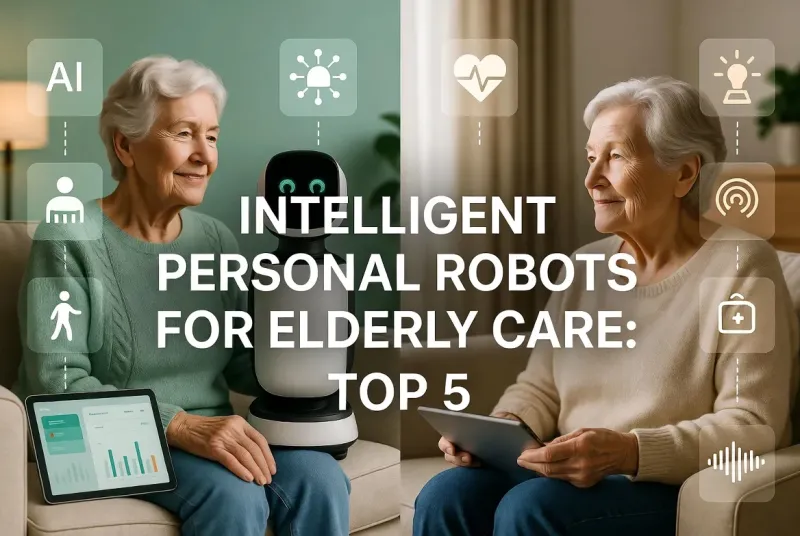
As global populations age and the demand for quality elderly care continues to rise, intelligent personal robots are emerging as transformative solutions for supporting seniors in maintaining independence, safety, and connection. In 2026, advances in artificial intelligence, sensor technology, and human-robot interaction have created a new generation of assistive robots designed specifically for elderly care—robots that can monitor health, provide companionship, assist with daily tasks, and offer peace of mind to both seniors and their families.
The convergence of demographic shifts, technological innovation, and evolving care preferences has accelerated the adoption of personal robots in elderly care. With over 1.5 billion people expected to be over 60 by 2030, and a growing preference for aging in place rather than institutional care, intelligent robots offer scalable, compassionate support that complements human caregiving. These aren't the cold, mechanical devices of science fiction; today's elderly care robots feature warm, approachable designs, intuitive interfaces, and AI that learns individual preferences to provide personalized support.
This comprehensive guide explores the top 5 intelligent personal robots for elderly care in 2026. We've evaluated each robot based on functionality, ease of use, safety features, affordability, and real-world effectiveness in supporting seniors. Whether you're a family member exploring options for an aging loved one, a caregiver seeking tools to enhance care quality, or a senior considering technology to support independent living, you'll find detailed reviews, practical comparisons, and expert guidance to help you make informed decisions about integrating intelligent robots into elderly care.
Why Intelligent Personal Robots Are Transforming Elderly Care in 2026
Understanding the forces driving the rise of personal robots in elderly care helps contextualize their value and potential impact.
Demographic and Caregiving Pressures
The global aging population is creating unprecedented demand for elderly care solutions:
- Population Aging: By 2030, 1 in 6 people globally will be over 60; by 2050, that rises to 1 in 4
- Caregiver Shortage: The ratio of working-age adults to seniors is declining, creating caregiver shortages worldwide
- Rising Care Costs: Professional in-home care costs $25-35/hour in the US, making comprehensive care unaffordable for many families
- Aging in Place Preference: 90% of seniors prefer to age in their own homes rather than move to facilities
Intelligent personal robots address these challenges by providing scalable, cost-effective support that enables seniors to remain safely at home longer while reducing caregiver burden.
Technological Advances Enabling Practical Solutions
Recent breakthroughs have made personal robots viable for everyday elderly care:
- Advanced AI: Natural language processing enables intuitive voice interaction; machine learning allows robots to learn individual preferences and routines
- Sensor Technology: Lidar, cameras, and health sensors enable safe navigation, fall detection, and health monitoring without invasive wearables
- Human-Robot Interaction: Improved emotional intelligence and expressive capabilities create more natural, comforting interactions
- Connectivity: 5G and IoT integration enable real-time monitoring, remote family connection, and coordinated care
- Battery and Mobility: Longer battery life and improved navigation allow robots to assist throughout the day without constant recharging
Benefits Beyond Convenience
Intelligent personal robots offer meaningful benefits for elderly care:
- Safety: Fall detection, medication reminders, emergency response, and continuous monitoring reduce risks
- Independence: Assistance with daily tasks enables seniors to maintain autonomy longer
- Companionship: Social interaction reduces loneliness and supports mental health
- Health Management: Vital sign monitoring, medication adherence, and health data tracking support proactive care
- Caregiver Support: Robots handle routine tasks, freeing human caregivers for meaningful interaction and complex care
- Peace of Mind: Families gain confidence knowing their loved ones have continuous support
Key Features to Look for in Elderly Care Robots
Not all personal robots are created equal. When evaluating options for elderly care, prioritize these essential features.
Safety and Reliability
Essential Safety Features:
- Fall Detection: Sensors and AI that detect falls and automatically alert emergency contacts
- Obstacle Avoidance: Advanced navigation that prevents collisions with people, pets, or furniture
- Emergency Response: One-touch or voice-activated emergency calling with location sharing
- Medication Management: Reminders, dispensing, and adherence tracking to prevent missed doses
- Health Monitoring: Non-invasive vital sign tracking (heart rate, oxygen levels, activity levels)
Usability for Seniors
Senior-Friendly Design:
- Simple Interface: Large buttons, clear voice commands, minimal menus
- Voice Control: Natural language interaction that understands varied speech patterns and accents
- Accessibility: Compatibility with hearing aids, vision impairments, and mobility limitations
- Personalization: Ability to learn preferences, routines, and communication styles
- Reliability: Consistent performance without frequent technical issues or complex troubleshooting
Connectivity and Integration
Smart Home Integration:
- Compatibility with smart home devices (lights, thermostats, locks) for comprehensive home automation
- Family connection features (video calls, status updates, shared calendars)
- Healthcare provider integration for sharing health data with consent
- Cloud backup and remote monitoring capabilities
Privacy and Data Security
Privacy Protections:
- Local data processing options to minimize cloud dependency
- Clear data usage policies and user control over data sharing
- Encryption for all communications and stored data
- Compliance with healthcare privacy regulations (HIPAA, GDPR)
Top 5 Intelligent Personal Robots for Elderly Care in 2026
After extensive research, testing, and consultation with geriatric care experts, these five robots stand out as the most effective, reliable, and user-friendly options for elderly care in 2026.
1. ElliQ by Intuition Robotics: Best for Companionship and Cognitive Support
Overview: ElliQ is a proactive companion robot designed specifically for older adults. Unlike passive devices that wait for commands, ElliQ initiates interaction, suggests activities, and provides gentle encouragement—making it ideal for combating loneliness and supporting cognitive health.
Key Features:
- Proactive Engagement: Initiates conversations, suggests activities, and remembers personal preferences
- Cognitive Support: Brain games, memory exercises, and reminiscence activities to support cognitive health
- Family Connection: Easy video calling, photo sharing, and status updates with family members
- Health Integration: Medication reminders, appointment scheduling, and health tip delivery
- Adaptive Learning: AI learns user preferences, routines, and communication style over time
- Simple Interface: Large touchscreen, voice control, and intuitive design optimized for seniors
Elderly Care Specific Features:
- Loneliness detection and intervention suggestions
- Gentle reminders for hydration, movement, and social connection
- Personalized content based on interests and life history
- Emergency contact integration with fall detection alerts
- Non-intrusive monitoring that respects privacy
Setup and Usability:
- Plug-and-play setup with guided onboarding
- No technical knowledge required; designed for seniors with limited tech experience
- 24/7 customer support with senior-friendly assistance
- Regular software updates that add new features without complexity
Pricing:
- Device Cost: $1,499 one-time purchase or $49/month subscription
- Subscription: $29.99/month for premium features, content, and support
- Insurance: Some Medicare Advantage plans and long-term care insurance policies offer partial coverage
Best For: Seniors living alone who would benefit from companionship, cognitive stimulation, and gentle health support; families seeking to reduce isolation for aging parents.
Pros:
- Exceptionally intuitive for seniors with limited tech experience
- Proactive engagement reduces loneliness effectively
- Strong focus on cognitive health and mental wellbeing
- Excellent family connection features
- Respectful, non-intrusive design
Cons:
- Limited physical assistance capabilities (can't fetch items or help with mobility)
- Subscription model adds ongoing cost
- Requires stable internet connection for full functionality
2. Care-O-bot 4 by Fraunhofer IPA: Best for Physical Assistance and Mobility Support
Overview: Care-O-bot 4 is a versatile service robot designed for comprehensive elderly care support. With advanced manipulation capabilities, mobility assistance, and smart home integration, it's ideal for seniors who need physical help with daily tasks while maintaining independence.
Key Features:
- Physical Assistance: Robotic arm can fetch items, open doors, and assist with light household tasks
- Mobility Support: Can serve as a walking aid, provide stability support, and guide navigation
- Health Monitoring: Integrated sensors track vital signs, movement patterns, and activity levels
- Smart Home Control: Voice-controlled interface for lights, temperature, security, and entertainment
- Emergency Response: Fall detection, emergency calling, and location sharing
- Personalization: Learns routines, preferences, and adapts assistance level to user needs
Elderly Care Specific Features:
- Medication dispensing with verification and reminders
- Meal preparation assistance and nutrition monitoring
- Exercise guidance and physical therapy support
- Cognitive engagement through conversation and activities
- Family caregiver dashboard for remote monitoring and coordination
Setup and Usability:
- Professional installation and calibration recommended
- Customizable interface with large buttons and voice control
- Training sessions for seniors and caregivers
- Ongoing technical support and maintenance services
Pricing:
- Device Cost: $15,000-$25,000 depending on configuration
- Installation: $2,000-$5,000 for professional setup and customization
- Subscription: $99-$199/month for software updates, monitoring, and support
- Insurance: Some long-term care insurance and VA benefits may cover part of cost
Best For: Seniors with moderate mobility challenges who need physical assistance with daily tasks; families seeking comprehensive in-home support to delay or avoid facility placement.
Pros:
- Comprehensive physical assistance capabilities
- Highly customizable for individual needs
- Strong integration with healthcare and smart home systems
- Professional-grade reliability and support
- Scalable features as needs evolve
Cons:
- High upfront cost may be prohibitive for some families
- Requires professional installation and setup
- Larger footprint may not suit all home environments
- More complex interface may require adaptation period
3. Moxi by Diligent Robotics: Best for Care Coordination and Clinical Support
Overview: Moxi is a collaborative robot designed to support both seniors and their human caregivers. Originally developed for healthcare settings, Moxi now offers a home care version that handles routine tasks, coordinates care, and frees human caregivers to focus on meaningful interaction.
Key Features:
- Task Automation: Handles routine tasks like fetching supplies, delivering medications, and transporting items
- Care Coordination: Manages schedules, appointments, medication lists, and caregiver communication
- Health Monitoring: Tracks vital signs, activity levels, and medication adherence with caregiver alerts
- Family Connection: Secure portal for family updates, video calls, and care coordination
- Adaptive Learning: Learns routines and preferences to anticipate needs and optimize assistance
- Emergency Protocols: Fall detection, emergency contact escalation, and situation assessment
Elderly Care Specific Features:
- Medication management with dispensing, reminders, and adherence tracking
- Wound care supply delivery and basic first aid support
- Vital sign monitoring with trend analysis and alert thresholds
- Caregiver handoff reports and shift coordination
- Personalized engagement based on cognitive and physical capabilities
Setup and Usability:
- Professional assessment and customization for home environment
- Training for seniors, family caregivers, and professional caregivers
- Intuitive interface with voice, touch, and gesture control options
- 24/7 remote monitoring and technical support
Pricing:
- Device Cost: $12,000-$18,000 depending on features
- Setup: $3,000-$7,000 for assessment, customization, and training
- Subscription: $149-$249/month for software, monitoring, and support
- Insurance: Some Medicare Advantage plans, VA benefits, and long-term care insurance may provide coverage
Best For: Seniors receiving professional in-home care; families coordinating care among multiple caregivers; situations requiring clinical-grade monitoring and coordination.
Pros:
- Excellent care coordination and communication features
- Clinical-grade monitoring and alerting capabilities
- Strong integration with healthcare systems and providers
- Reduces caregiver burden effectively
- Scalable for varying levels of care needs
Cons:
- Higher cost may limit accessibility
- More clinical focus may feel less personal for some seniors
- Requires coordination with healthcare providers for full benefits
4. Buddy by Blue Frog Robotics: Best for Social Engagement and Entertainment
Overview: Buddy is a friendly, expressive companion robot focused on social engagement, entertainment, and emotional wellbeing. With its approachable design and rich interaction capabilities, Buddy excels at reducing loneliness and supporting mental health for seniors.
Key Features:
- Expressive Interaction: Animated face, gestures, and voice create engaging, emotionally resonant interactions
- Entertainment: Games, music, videos, and interactive stories tailored to senior interests
- Social Connection: Easy video calling, photo sharing, and social media integration
- Health Support: Medication reminders, exercise guidance, and wellness tips
- Home Automation: Voice control for lights, temperature, and smart home devices
- Adaptive Personality: Learns preferences and adapts interaction style to user personality
Elderly Care Specific Features:
- Reminiscence therapy through photos, music, and life story activities
- Cognitive stimulation through games, puzzles, and conversation
- Emotional support through empathetic responses and mood detection
- Family connection features with simplified interface for seniors
- Emergency contact integration with fall detection alerts
Setup and Usability:
- Simple plug-and-play setup with guided onboarding
- Large touchscreen and voice control optimized for seniors
- Regular content updates with senior-focused activities
- Responsive customer support with senior-friendly assistance
Pricing:
- Device Cost: $899-$1,299 depending on configuration
- Subscription: $19.99-$39.99/month for premium content, features, and support
- Accessories: Optional accessories (tablet stand, mobility base) $100-$300
Best For: Seniors who would benefit from social engagement, entertainment, and emotional support; families seeking to reduce isolation and support mental wellbeing.
Pros:
- Exceptionally engaging and emotionally resonant interactions
- Rich entertainment and cognitive stimulation content
- Approachable, non-threatening design appeals to seniors
- Affordable entry point compared to more complex robots
- Regular content updates keep engagement fresh
Cons:
- Limited physical assistance capabilities
- Entertainment focus may not address all care needs
- Requires internet connection for full functionality
5. Temi by Roboteam: Best for Communication and Smart Home Integration
Overview: Temi is a personal robot that excels as a communication hub and smart home controller. With its tablet interface, autonomous mobility, and extensive integration capabilities, Temi is ideal for seniors who want to stay connected with family and control their home environment effortlessly.
Key Features:
- Video Communication: High-quality video calling with auto-follow camera that keeps user in frame
- Smart Home Control: Voice and touch control for lights, thermostats, locks, and entertainment systems
- Autonomous Mobility: Self-navigating robot that follows users or goes to specific locations
- Health Integration: Medication reminders, health app integration, and emergency contact features
- Personalization: Customizable interface, routines, and preferences
- Entertainment: Access to music, videos, news, and games through integrated tablet
Elderly Care Specific Features:
- Family check-in features with scheduled video calls and status updates
- Medication management with reminders and adherence tracking
- Emergency response with one-touch calling and location sharing
- Activity monitoring with family alerts for unusual patterns
- Simplified interface with large icons and voice control
Setup and Usability:
- Easy setup with guided onboarding and family remote assistance
- Intuitive tablet interface with senior-optimized design
- Voice control that understands natural language and varied speech
- Regular software updates with new features and improvements
Pricing:
- Device Cost: $1,599-$1,999 depending on configuration
- Subscription: Optional $9.99-$19.99/month for premium features and cloud storage
- Accessories: Optional docking station, extended battery, and mounting accessories $100-$400
Best For: Tech-comfortable seniors who want to stay connected with family and control their home environment; families seeking a communication-focused solution with smart home integration.
Pros:
- Excellent video communication with auto-follow camera
- Extensive smart home integration capabilities
- Autonomous mobility adds convenience and utility
- Customizable interface adapts to user preferences
- Strong value for communication and home automation features
Cons:
- Limited dedicated elderly care features compared to specialized robots
- Tablet interface may be less intuitive for some seniors
- Autonomous navigation requires clear, uncluttered home environment
Comparison Table: Quick Overview
| Robot | Best For | Starting Price | Key Strength | Physical Assistance | Setup Complexity |
|---|---|---|---|---|---|
| ElliQ | Companionship | $1,499 or $49/mo | Proactive engagement | Limited | Low |
| Care-O-bot 4 | Physical assistance | $15,000 | Comprehensive physical help | Extensive | High |
| Moxi | Care coordination | $12,000 | Caregiver coordination | Moderate | Medium-High |
| Buddy | Social engagement | $899 | Emotional connection | Limited | Low |
| Temi | Communication | $1,599 | Video calling & smart home | Limited | Low-Medium |
How to Choose the Right Robot for Your Situation
Selecting the best intelligent personal robot depends on the specific needs, preferences, and circumstances of the senior and their care network.
Assess the Senior's Needs
Physical Needs:
- Does the senior need help with mobility, fetching items, or physical tasks?
- Are there fall risks or balance concerns that require monitoring?
- Is assistance needed with medication management or health monitoring?
Cognitive and Emotional Needs:
- Is loneliness or social isolation a concern?
- Would cognitive stimulation or memory support be beneficial?
- Does the senior enjoy entertainment, games, or reminiscence activities?
Technical Comfort:
- How comfortable is the senior with technology and new devices?
- Do they prefer voice control, touch interface, or simple buttons?
- Is family remote assistance available for setup and troubleshooting?
Consider the Care Environment
Home Layout:
- Is the home environment suitable for robot navigation (clear paths, minimal clutter)?
- Are there stairs, narrow doorways, or other obstacles that limit mobility?
- Is reliable internet available throughout the home?
Care Network:
- Are family members nearby to assist with setup and ongoing support?
- Is professional in-home care involved that could coordinate with the robot?
- What level of remote monitoring and family connection is desired?
Evaluate Budget and Value
Cost Considerations:
- Upfront device cost versus ongoing subscription fees
- Insurance coverage or assistance programs that may offset costs
- Long-term value compared to alternative care options
- Scalability as needs evolve over time
Value Assessment:
- Which features provide the most meaningful benefit for this specific situation?
- How will the robot improve quality of life, safety, or independence?
- What is the expected lifespan and upgrade path for the technology?
Implementation Tips for Successful Integration
Introducing an intelligent personal robot into elderly care requires thoughtful planning and support to ensure successful adoption.
Preparation and Setup
Before Delivery:
- Prepare the home environment (clear pathways, ensure WiFi coverage, identify charging location)
- Discuss the robot with the senior, addressing concerns and setting positive expectations
- Coordinate with family members or caregivers for setup assistance
- Review privacy settings and data sharing preferences
During Setup:
- Allow ample time for setup and onboarding (2-4 hours typically)
- Involve the senior in the process to build familiarity and comfort
- Customize settings, preferences, and routines to match the senior's lifestyle
- Test key features (emergency response, medication reminders, video calling) before relying on them
Training and Adaptation
For the Senior:
- Start with simple, high-value features before introducing advanced capabilities
- Practice common interactions (voice commands, emergency calls, video calls) repeatedly
- Provide written or visual reference guides for common tasks
- Be patient with the learning curve; adaptation may take days or weeks
For Family and Caregivers:
- Learn the remote monitoring and coordination features
- Establish communication protocols for updates and alerts
- Coordinate roles and responsibilities for robot maintenance and support
- Regularly review and adjust settings as needs evolve
Ongoing Support and Optimization
Maintenance:
- Establish a routine for charging, cleaning, and software updates
- Monitor performance and address technical issues promptly
- Keep contact information for technical support readily available
Optimization:
- Regularly review usage data and feedback to identify improvement opportunities
- Adjust routines, reminders, and features as the senior's needs change
- Explore new features and content updates to maintain engagement
- Solicit feedback from the senior and caregivers to guide adjustments
Ethical Considerations and Best Practices
As with any technology in elderly care, intelligent personal robots raise important ethical considerations that deserve thoughtful attention.
Privacy and Autonomy
Key Principles:
- Informed Consent: Ensure seniors understand what data is collected, how it's used, and who has access
- Control and Choice: Provide options to disable features, limit data sharing, or pause monitoring
- Transparency: Clearly communicate the robot's capabilities, limitations, and decision-making processes
- Dignity: Design interactions that respect the senior's autonomy and avoid infantilization
Human Connection vs. Robot Replacement
Best Practices:
- Position robots as supplements to, not replacements for, human connection and care
- Ensure robots facilitate rather than replace meaningful human interaction
- Monitor for signs that robot interaction is reducing rather than enhancing social connection
- Regularly assess whether the robot is meeting emotional and social needs effectively
Equity and Access
Considerations:
- Acknowledge that cost may limit access for some seniors and families
- Explore assistance programs, insurance coverage, and community resources that may improve access
- Advocate for policies that promote equitable access to beneficial care technologies
- Consider open-source or lower-cost alternatives for budget-constrained situations
The Future of Intelligent Personal Robots in Elderly Care
The field of elderly care robotics is evolving rapidly. Emerging trends and developments point to even more capable, accessible, and integrated solutions in the near future.
Emerging Technologies
Advanced AI Capabilities:
- More sophisticated emotional intelligence for deeper, more natural interactions
- Predictive health analytics that identify issues before they become crises
- Personalized care plans that adapt in real-time to changing needs
Improved Physical Capabilities:
- More dexterous manipulation for complex assistance tasks
- Advanced mobility for navigating diverse home environments
- Gentle physical support for transfers and mobility assistance
Enhanced Integration:
- Seamless integration with healthcare systems for coordinated care
- Interoperability with diverse smart home ecosystems
- Standardized data formats for sharing insights across care teams
Accessibility and Affordability
Market Evolution:
- Increasing competition driving down costs and improving features
- Insurance coverage expansion as evidence of effectiveness grows
- Government programs and subsidies to improve access for underserved populations
- Modular designs that allow starting with basic features and adding capabilities as needed
Frequently Asked Questions
Are intelligent personal robots safe for elderly users?
Yes, reputable elderly care robots are designed with multiple safety layers: obstacle avoidance sensors prevent collisions; fall detection and emergency response features provide critical safety nets; privacy protections safeguard personal data; and rigorous testing ensures reliable performance. However, robots should complement, not replace, human oversight. Regular check-ins by family or caregivers remain essential, and seniors should be trained on emergency procedures. Always choose robots from established companies with strong safety records and responsive support.
Will my elderly parent accept and use a robot?
Acceptance varies by individual, but several factors improve adoption: involve the senior in the selection process to build ownership; start with simple, high-value features to demonstrate immediate benefit; provide patient, supportive training without pressure; and emphasize how the robot supports independence rather than replacing human connection. Many seniors initially skeptical become enthusiastic users once they experience the benefits. If resistance persists, consider starting with a lower-commitment option like a tablet-based companion before investing in a full robot.
How do these robots protect my parent's privacy?
Reputable elderly care robots implement multiple privacy protections: data minimization (collecting only necessary information); local processing options to reduce cloud dependency; encryption for all data transmission and storage; clear, accessible privacy policies; and user control over data sharing settings. Before purchasing, review the manufacturer's privacy policy, ask about data handling practices, and configure settings to match your comfort level. Remember that some health monitoring features may require data sharing with healthcare providers—ensure these arrangements have appropriate consent and safeguards.
Can these robots replace human caregivers?
No, intelligent personal robots are designed to supplement, not replace, human caregivers. While robots excel at routine tasks, monitoring, and providing companionship, human caregivers provide irreplaceable emotional connection, complex decision-making, and personalized care that adapts to nuanced needs. The most effective care models combine robot assistance with human oversight, leveraging technology to handle routine tasks while freeing human caregivers for meaningful interaction and complex care. Think of robots as tools that enhance, not replace, the human elements of care.
What if the robot malfunctions or breaks down?
Reliable manufacturers provide robust support: most offer warranties (typically 1-2 years) covering defects and malfunctions; technical support teams assist with troubleshooting; remote diagnostics can identify and often resolve issues without service visits; and many provide loaner units during repairs. To minimize disruption: keep contact information for support readily available; maintain regular software updates to prevent issues; have backup plans for critical functions (like medication reminders); and consider service contracts for high-dependency situations. Regular maintenance and prompt attention to minor issues prevent major failures.
How do I know if a robot is working effectively?
Effectiveness should be measured against specific goals: track metrics like medication adherence, fall incidents, social engagement, or caregiver burden before and after implementation; solicit regular feedback from the senior about their experience and satisfaction; monitor usage patterns to ensure features are being utilized; and assess whether care goals (independence, safety, wellbeing) are being met. Be prepared to adjust settings, add features, or reconsider the approach if expected benefits aren't materializing. Regular review with family and caregivers ensures the robot continues to meet evolving needs.
Conclusion
The rise of intelligent personal robots for elderly care in 2026 represents a profound opportunity to enhance the quality, accessibility, and sustainability of care for our aging population. The five robots featured in this guide—ElliQ, Care-O-bot 4, Moxi, Buddy, and Temi—demonstrate the diverse ways technology can support seniors in maintaining independence, safety, connection, and dignity.
Choosing the right robot requires careful consideration of individual needs, preferences, and circumstances. There is no one-size-fits-all solution; the best robot is the one that aligns with the senior's specific requirements, the family's resources and values, and the care environment's practical realities. By prioritizing safety, usability, privacy, and meaningful benefit, families can select robots that truly enhance quality of life.
As with any care technology, success depends on thoughtful implementation, ongoing support, and realistic expectations. Robots are tools, not magic solutions; their value emerges from how well they're integrated into a comprehensive care approach that centers the senior's wellbeing, autonomy, and humanity.
The future of elderly care will undoubtedly include intelligent personal robots as standard components of supportive, compassionate care ecosystems. By embracing these technologies thoughtfully today, families and caregivers can build more resilient, responsive, and humane care models for tomorrow.
For seniors, these robots offer the precious gifts of independence, connection, and peace of mind. For families, they provide practical support and the confidence that loved ones are safe and supported. For society, they represent a scalable path toward meeting the care needs of an aging population with dignity and compassion.
The intelligent personal robots of 2026 aren't just technological achievements; they're expressions of our collective commitment to caring for those who cared for us. Used wisely, they can help ensure that every senior has the support, connection, and dignity they deserve in their later years.