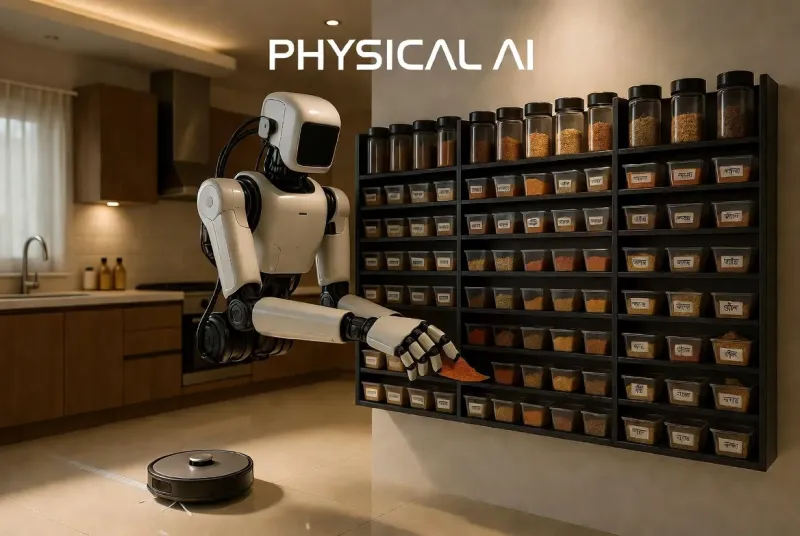
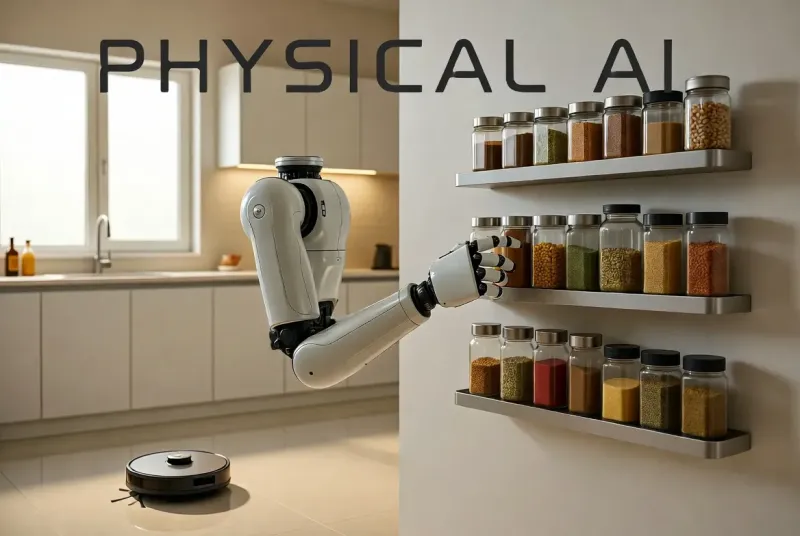
The year 2026 marks a turning point in home automation. We've moved beyond simple smart speakers and app-controlled lights into an era where physical AI gadgets, intelligent robots with embodied artificial intelligence, are taking on real household tasks. These aren't just remote-controlled devices; they're autonomous systems that can perceive their environment, make decisions, learn from experience, and physically manipulate objects to complete chores that once required human hands. From robot vacuums that map your home and avoid obstacles to AI-powered laundry folders, cooking assistants, and multi-purpose home robots, physical AI is transforming how we maintain our living spaces.
For busy professionals, parents juggling multiple responsibilities, or anyone looking to reclaim time from tedious household tasks, understanding how to effectively deploy and manage these AI-powered physical assistants is no longer science fiction, it's a practical skill that can significantly improve quality of life. The technology has matured to the point where these devices are reliable, affordable, and genuinely useful, but maximizing their potential requires more than just unboxing and plugging in.
This comprehensive guide will walk you through everything you need to know about using physical AI gadgets to automate your daily home chores in 2026. You'll learn about the different types of AI-powered home robots available, how to select the right devices for your specific needs, strategies for integrating multiple systems, best practices for setup and maintenance, and tips for troubleshooting common issues. Whether you're just beginning your smart home journey or looking to upgrade your existing automation setup, this guide will help you harness the full power of physical AI to create a more efficient, comfortable, and enjoyable home environment.
Understanding Physical AI: Beyond Smart Home Devices
To effectively use physical AI gadgets for home automation, it's essential to understand what distinguishes them from traditional smart home devices. While a smart thermostat can learn your schedule and adjust temperature automatically, it doesn't physically interact with your environment. Physical AI, by contrast, combines artificial intelligence with robotics to create devices that can move, manipulate objects, and perform physical tasks autonomously.
These systems integrate several advanced technologies. Computer vision allows robots to see and interpret their surroundings, recognizing objects, people, and obstacles. Machine learning enables them to improve performance over time, adapting to your home's unique layout and your personal preferences. Natural language processing lets you communicate with them conversationally. Advanced sensors provide spatial awareness, detecting depth, texture, and movement. And sophisticated actuators enable precise physical manipulation, from gentle fabric handling to powerful cleaning suction.
Key Capabilities of Modern Physical AI
Today's physical AI gadgets possess remarkable capabilities that seemed impossible just a few years ago. Object recognition and classification allow them to distinguish between a sock and a shoe, a dirty dish and a clean one, or a toy that should be picked up versus a decorative item that should be left alone. Path planning and navigation enable them to move efficiently through your home, avoiding obstacles, remembering room layouts, and optimizing routes for task completion.
Task planning and execution represent perhaps the most sophisticated capability. Rather than simply following pre-programmed sequences, advanced physical AI can break down complex goals into subtasks, prioritize actions based on context, and adapt when unexpected situations arise. For example, a cleaning robot might notice a spill, assess whether it requires immediate attention or can wait, select the appropriate cleaning method, execute the task, and then resume its original cleaning route.
Learning and Adaptation
One of the most powerful aspects of physical AI is its ability to learn and improve. Through repeated interactions with your home environment, these devices build detailed maps, learn your routines, understand your preferences, and optimize their performance. A robot vacuum might learn that your kitchen needs more frequent cleaning than your bedroom, or that you prefer it to operate while you're at work rather than in the evening.
This learning happens through various mechanisms. Supervised learning occurs when you explicitly provide feedback, like rating a cleaning job or correcting a mistake. Reinforcement learning happens as the device tries different approaches and observes outcomes, gradually discovering what works best. Imitation learning allows robots to watch you perform tasks and then replicate your techniques. The combination of these learning methods creates devices that become more valuable the longer you own them.
Types of Physical AI Gadgets for Home Automation
The physical AI market in 2026 offers a diverse array of devices designed to automate different aspects of home maintenance. Understanding the categories and their capabilities helps you make informed decisions about which devices will provide the most value for your specific situation.
Floor Cleaning Robots
Floor cleaning represents the most mature category of physical AI home automation. Modern robot vacuums and mops have evolved far beyond the random-walking devices of the past. Today's models create detailed maps of your home, recognize different floor types, adjust suction and cleaning methods accordingly, and even empty their own dustbins or refill their water tanks.
Advanced models feature object recognition that allows them to identify and avoid obstacles like shoes, cords, and pet waste. Some can distinguish between different types of debris and adjust cleaning intensity, applying more power to carpeted areas with embedded dirt and gentler cleaning to delicate rugs. Multi-floor mapping enables them to remember layouts of different levels of your home, and automatic floor detection ensures they use appropriate settings for hardwood, tile, or carpet.
Laundry and Clothing Care Robots
Laundry automation has seen remarkable advances, with devices now available that can sort, fold, and organize clothing. AI-powered laundry sorters use computer vision to identify fabric types, colors, and care instructions, automatically sorting items into appropriate loads. Folding robots employ sophisticated manipulation techniques to handle different garment types, from t-shirts to towels to pants, folding them neatly and consistently.
Beyond folding, physical AI is entering other aspects of clothing care. Smart closets can organize garments, track what you own, suggest outfits based on weather and schedule, and even steam or refresh clothes. Robotic ironing systems can handle various fabric types, adjusting temperature and pressure automatically to prevent damage while removing wrinkles efficiently.
Kitchen and Food Preparation Assistants
Kitchen automation represents one of the most exciting frontiers in physical AI. Robotic cooking assistants can chop vegetables, stir pots, monitor cooking temperatures, and even follow complex recipes with multiple steps. These devices use computer vision to assess food doneness, adjust cooking parameters in real-time, and ensure consistent results.
Dishwashing automation has evolved beyond traditional dishwashers. AI-powered systems can load and unload dishes, sort items by type and soil level, pre-treat heavily soiled items, and optimize wash cycles for efficiency. Some advanced models can even put away clean dishes, recognizing where items belong in your cabinets and drawers.
Food preparation robots can handle tasks like kneading dough, mixing ingredients, measuring portions, and assembling meals. Combined with smart refrigerators that track inventory and suggest recipes based on available ingredients, these systems are making home cooking more accessible and less time-consuming.
Multi-Purpose Home Robots
The most ambitious category of physical AI is the multi-purpose home robot, devices designed to handle a variety of tasks rather than specializing in one function. These generalist robots might vacuum in the morning, help prepare lunch, organize items in the afternoon, and provide security monitoring at night.
While still emerging, multi-purpose robots are becoming increasingly capable. They typically feature modular attachments or tools that can be swapped depending on the task, advanced manipulation capabilities for handling diverse objects, and sophisticated AI that can switch between different operational modes. Though currently more expensive than single-purpose devices, they offer the potential for comprehensive home automation with a single platform.
Outdoor and Maintenance Robots
Physical AI extends beyond indoor tasks to outdoor maintenance. Robotic lawn mowers can map your yard, navigate around obstacles, adjust cutting height based on grass conditions, and return to charging stations automatically. Pool cleaning robots use AI to optimize cleaning patterns, detect debris levels, and adjust suction power accordingly.
Window cleaning robots employ computer vision to detect dirt and streaks, adjusting cleaning pressure and solution application for optimal results. Gutter cleaning systems can navigate roof edges, remove debris, and even inspect for damage. These outdoor automation solutions free up weekends for leisure rather than maintenance.
Selecting the Right Physical AI Devices for Your Home
With numerous physical AI options available, choosing the right devices requires careful consideration of your specific needs, home environment, and budget. A strategic approach to selection ensures you invest in devices that will genuinely improve your life rather than becoming expensive gadgets that collect dust.
Assessing Your Automation Needs
Begin by conducting a thorough audit of your household chores. List all regular tasks, noting how much time each consumes, how frequently it must be done, and how much you enjoy or dislike it. Identify pain points: which tasks cause the most stress, take the most time, or create the most conflict in your household?
Prioritize automation opportunities based on several factors. Time savings potential is crucial, tasks that consume many hours weekly offer the greatest return on automation investment. Frequency matters too; daily or weekly tasks provide more value than annual ones. Difficulty and unpleasantness are also important; if a task is physically demanding or something you particularly dislike, automating it provides quality-of-life benefits beyond just time savings.
Evaluating Your Home Environment
Your home's physical characteristics significantly impact which devices will work effectively. For floor cleaning robots, consider total square footage, number of rooms, floor types (hardwood, carpet, tile), presence of stairs, and furniture density. Homes with mostly hardwood floors and open layouts are ideal for robot vacuums, while heavily carpeted homes with many small rooms and furniture obstacles may present challenges.
For kitchen robots, assess available counter space, electrical outlets, and storage. These devices need dedicated space and easy access to power. Consider your kitchen layout and whether a robot can operate without interfering with human cooks. Laundry robots require space near your washer and dryer, plus adequate ventilation and power.
Budget and Total Cost of Ownership
Physical AI devices represent significant investments, with prices ranging from a few hundred dollars for basic robot vacuums to tens of thousands for advanced multi-purpose robots. However, purchase price is just one component of total cost. Consider ongoing expenses like replacement parts, consumables (cleaning solutions, filters, bags), software subscriptions, and potential repairs.
Calculate return on investment by estimating time savings and assigning a value to your time. If a $1,000 device saves you 5 hours weekly, and you value your time at $20/hour, you'll recoup the cost in 10 weeks. Factor in quality-of-life improvements that are harder to quantify but equally valuable, like reduced stress, more family time, or ability to focus on enjoyable activities.
Compatibility and Integration
As you build a collection of physical AI devices, compatibility becomes increasingly important. Devices that can communicate with each other and coordinate activities provide more value than isolated gadgets. Check whether devices support common smart home platforms like Matter, which enables interoperability across brands.
Consider whether devices can integrate with your existing smart home ecosystem. Can your robot vacuum coordinate with your smart door locks to clean while you're away? Can your kitchen robot access recipes from your preferred cooking app? Can all your devices be controlled through a single interface? Seamless integration reduces complexity and enhances the overall automation experience.
Setting Up and Configuring Physical AI Systems
Proper setup and configuration are critical to getting the most from your physical AI devices. While modern gadgets are designed for easy installation, taking time to configure them correctly pays dividends in performance and reliability.
Initial Installation and Mapping
Most physical AI devices require an initial setup phase where they learn about your home environment. For robots that navigate, this typically involves creating a map of your space. Follow manufacturer instructions carefully during this phase. Remove obstacles, ensure good lighting, and allow the device to complete full mapping runs without interruption.
Take advantage of advanced mapping features. Many devices allow you to label rooms, set no-go zones, create cleaning schedules for specific areas, and adjust settings by room. Invest time in customizing these parameters to match your preferences. For example, you might want your robot to clean the kitchen daily but the living room only twice weekly, or to avoid the home office during work hours.
Training and Calibration
Many physical AI systems benefit from explicit training. This might involve showing the device examples of how you fold towels, demonstrating where items should be stored, or teaching it to recognize specific objects. While this requires upfront time investment, it significantly improves long-term performance.
Calibration ensures devices operate optimally in your specific environment. Sensor calibration might involve adjusting sensitivity to account for your home's lighting conditions. Performance calibration could mean setting appropriate cleaning intensity based on your floor types or adjusting robot speed to balance thoroughness with noise levels.
Integration with Smart Home Systems
Maximize the value of physical AI by integrating it with your broader smart home ecosystem. Connect devices to your home network and smart home hub. Set up automations that coordinate multiple devices, like having your robot vacuum start when your smart lock detects you've left for work, or having your kitchen robot begin meal prep when your fitness tracker shows you're heading home from the gym.
Configure voice control through assistants like Alexa, Google Assistant, or Siri. This enables hands-free operation and natural language commands. Create routines that trigger multiple actions with a single command, like "good morning" that starts the coffee maker, opens blinds, and begins the robot vacuum.
Optimizing Performance and Maintenance
Physical AI devices require ongoing maintenance and optimization to continue performing at their best. Establishing good habits around care and monitoring ensures your investment continues paying dividends.
Regular Maintenance Routines
Each type of physical AI device has specific maintenance requirements. Robot vacuums need regular filter cleaning, brush roll maintenance, sensor wiping, and occasional part replacement. Laundry robots require lint trap cleaning, mechanism lubrication, and fabric handling component inspection. Kitchen robots need thorough cleaning after use, blade sharpening or replacement, and food safety checks.
Create a maintenance schedule and stick to it. Many devices provide maintenance reminders through their apps; don't ignore these notifications. Proactive maintenance prevents performance degradation and extends device lifespan. Keep spare parts on hand for common replacements like filters, brushes, or bags to minimize downtime.
Software Updates and Feature Enhancements
Physical AI devices often improve over time through software updates. Manufacturers regularly release firmware that adds new features, improves performance, fixes bugs, and enhances security. Enable automatic updates when available, or check regularly for new versions.
Stay informed about new capabilities. As devices receive updates, new features may become available that you weren't aware of initially. Read release notes, watch tutorial videos, and explore updated app interfaces to discover new functionality. Sometimes a device you've had for a year can suddenly do new things after an update.
Performance Monitoring and Troubleshooting
Monitor device performance regularly to catch issues early. Most physical AI systems provide usage statistics, performance metrics, and error logs through companion apps. Review these periodically to ensure devices are operating as expected.
When problems arise, systematic troubleshooting helps resolve issues quickly. Start with basic checks: is the device charged, are sensors clean, is the path clear, is the software updated? Consult manufacturer documentation and online communities for common issues and solutions. Many problems have simple fixes that don't require professional service.
Managing Multiple Physical AI Systems
As you deploy multiple physical AI devices, coordination and management become increasingly important. A well-orchestrated system of robots working together provides more value than the sum of individual devices.
Creating Coordinated Workflows
Design workflows that leverage multiple devices working in sequence or parallel. For example, your robot vacuum might clean floors while your window cleaner handles glass surfaces, and your laundry robot processes clothing, all simultaneously while you're at work. Or devices might work sequentially: the kitchen robot prepares ingredients, you cook, then the dishwasher cleans up.
Use scheduling and automation tools to coordinate activities. Set devices to operate at optimal times that don't conflict with each other or with household activities. Ensure robots aren't competing for the same space or creating noise disturbances during quiet hours.
Centralized Control and Monitoring
Managing multiple devices through separate apps becomes cumbersome quickly. Whenever possible, integrate devices into a central smart home platform that provides unified control and monitoring. This allows you to see the status of all devices at a glance, create cross-device automations, and control everything from a single interface.
Establish monitoring routines. Check in on your devices regularly through apps or dashboards. Review performance metrics, energy consumption, and maintenance needs. Set up notifications for important events like task completion, errors, or maintenance reminders.
Frequently Asked Questions
Are physical AI robots reliable enough for daily use?
Modern physical AI devices have reached impressive levels of reliability. Leading brands report success rates of 95% or higher for routine tasks. However, reliability varies by device type and manufacturer. Floor cleaning robots are most mature and reliable, while complex manipulation tasks like laundry folding are still improving. Read reviews, check reliability ratings, and understand warranty and support options before purchasing. Most issues stem from environmental factors (cluttered spaces, poor lighting) rather than device failures, so proper setup and home preparation significantly impact reliability.
How much human supervision do physical AI devices require?
The amount of supervision needed depends on the device and task complexity. Basic robot vacuums can operate almost entirely autonomously once set up, requiring only occasional emptying and maintenance. More complex devices like cooking assistants or multi-purpose robots may need more oversight, especially when handling novel situations. Most devices allow you to set autonomy levels, from fully autonomous to supervised operation where the device requests approval before certain actions. Start with more supervision as you learn the device's capabilities, then gradually increase autonomy as you build confidence.
Can physical AI robots handle homes with pets and children?
Yes, but with considerations. Modern robots feature obstacle avoidance and can navigate around toys and pet bowls. However, homes with pets and children require extra preparation. Secure loose cords, pick up small objects that could be swallowed, and use virtual barriers to keep robots away from pet feeding areas or children's play zones. Some robots feature pet-specific modes that adjust behavior around animals. For families with young children, supervise initial robot operations and teach children how to interact safely with automated devices.
What happens if a physical AI device malfunctions or gets stuck?
Physical AI devices include multiple safety features and recovery mechanisms. If a robot gets stuck, it typically attempts self-recovery through various maneuvers before sending an alert to your phone. Most devices have emergency stop buttons and can be manually controlled if needed. For malfunctions, consult troubleshooting guides first, many issues have simple solutions. If problems persist, contact manufacturer support. Good warranty coverage and responsive customer service are important factors when purchasing. Keep devices updated to benefit from bug fixes and improvements that prevent common issues.
Is my data secure with connected physical AI devices?
Data security is a valid concern with internet-connected devices that may have cameras, microphones, and detailed maps of your home. Choose devices from reputable manufacturers with strong security track records. Look for features like local processing (keeping data on-device rather than in the cloud), end-to-end encryption, regular security updates, and clear privacy policies. Use strong, unique passwords for device accounts, enable two-factor authentication when available, and keep your home network secure with updated routers and strong encryption. Review privacy settings regularly and disable features you don't use, like cloud storage of video footage if you only need local processing.
Conclusion
Physical AI gadgets are transforming home automation from a futuristic concept into practical reality in 2026. These intelligent devices offer unprecedented opportunities to reclaim time, reduce stress, and improve quality of life by taking over tedious, time-consuming household chores. From robot vacuums that keep floors spotless to laundry assistants that fold clothes, from kitchen robots that help prepare meals to multi-purpose systems that handle diverse tasks, the options for automating your home have never been more diverse or capable.
Success with physical AI requires more than just purchasing the latest gadgets. It demands thoughtful assessment of your needs, careful selection of appropriate devices, proper setup and configuration, ongoing maintenance, and strategic integration into your daily routines. Start small with one or two high-impact devices, learn how to maximize their potential, then gradually expand your automation ecosystem as you gain experience and confidence.
The future of home automation is here, and it's physical, intelligent, and genuinely useful. By embracing these technologies thoughtfully and strategically, you can create a home that works for you, freeing your time and energy for what truly matters. The robots are ready to help, the question is, are you ready to let them?