
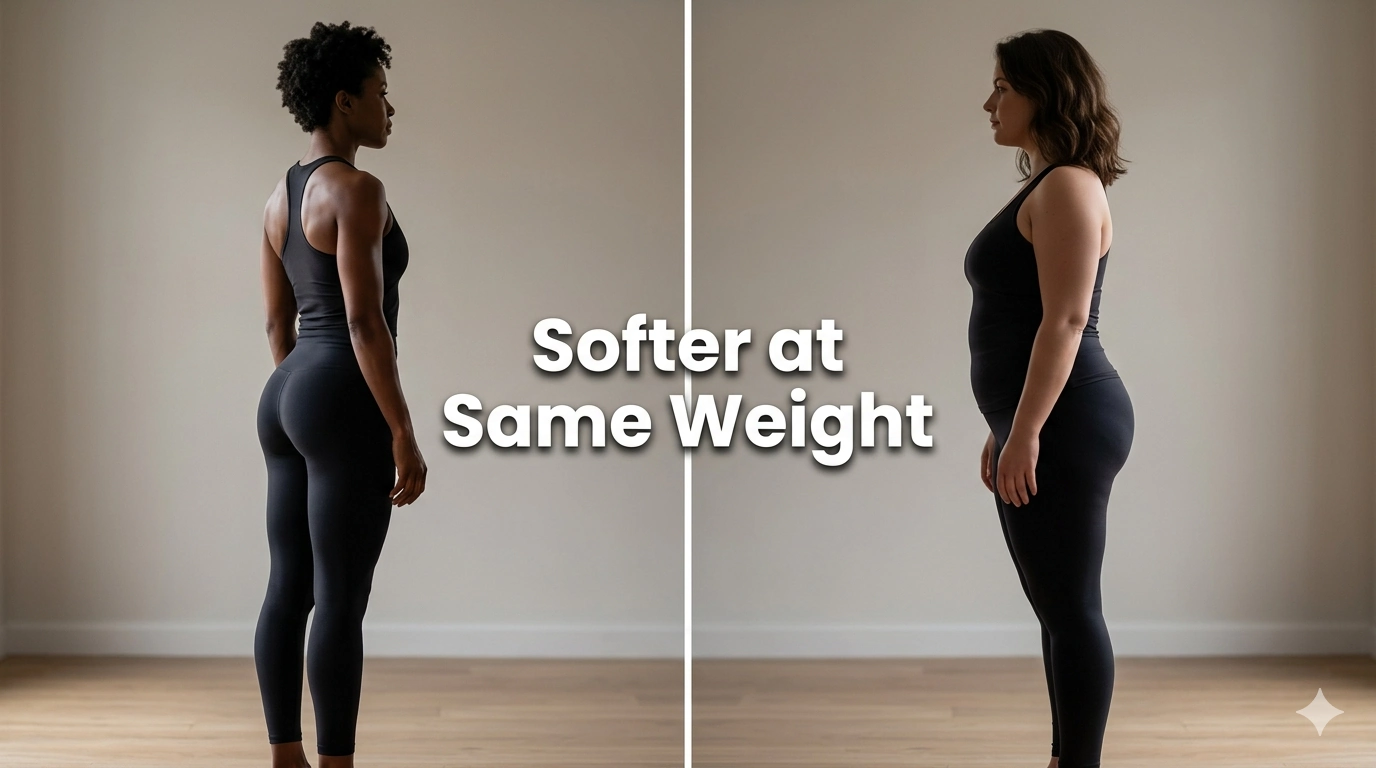
Have you ever noticed that two women can weigh exactly the same but feel completely different to the touch? One might feel firm and toned while another feels softer and more pliable? This fascinating phenomenon has puzzled many people, and the answer lies far beyond what the scale tells us.
Understanding why some women feel softer even at the same weight requires diving deep into the complex world of body composition, fat distribution, skin quality, and various biological factors. This comprehensive guide will explore the science behind body texture differences and help you understand what truly determines how your body feels.
The Science of Body Composition
Body composition refers to the different components that make up your total body weight, including muscle, fat, bone, water, and other tissues. Two people can weigh exactly the same but have dramatically different body compositions, which directly affects how their bodies feel to the touch.
Muscle tissue is denser and more compact than fat tissue. One pound of muscle takes up approximately 18% less space than one pound of fat. This means that a woman with higher muscle mass will appear more toned and feel firmer, while a woman with higher body fat percentage will feel softer, even if they weigh exactly the same.
The ratio of muscle to fat is crucial in determining body texture. Muscle fibers are tightly packed and create a firm, solid feeling when touched. Fat tissue, particularly subcutaneous fat (the fat stored directly under the skin), has a softer, more pliable texture that gives the body a softer feel.
Understanding Muscle Density
Muscle tissue is composed of tightly packed protein fibers that contract and relax to create movement. This dense structure gives muscle its characteristic firmness. Women who engage in regular strength training or physically demanding activities typically develop more muscle mass, resulting in a firmer body texture.
The density of muscle tissue means it occupies less volume compared to fat. This is why two women at the same weight can look and feel completely different. The woman with more muscle will appear leaner and feel firmer, while the woman with less muscle and more fat will appear softer and feel more pliable.
Fat Tissue Characteristics
Adipose tissue, or body fat, serves multiple functions including energy storage, insulation, and hormone production. Fat cells are larger and less dense than muscle cells, which is why they create a softer texture. The amount and distribution of fat tissue significantly impact how the body feels.
There are different types of fat tissue in the body. Subcutaneous fat lies directly beneath the skin and is the primary determinant of how soft or firm the body feels to touch. Visceral fat surrounds internal organs and doesn't significantly affect the external feel of the body but is important for overall health.
Fat Distribution Patterns in Women
Where your body stores fat plays a crucial role in how soft or firm you feel. Women typically store fat differently than men due to hormonal influences, and individual genetic factors create unique fat distribution patterns.
The two primary fat distribution patterns in women are:
- Gynoid pattern (pear-shaped): Fat is stored primarily in the hips, thighs, and buttocks. This pattern is more common in women and is influenced by estrogen.
- Android pattern (apple-shaped): Fat is stored primarily in the abdominal area. While more common in men, some women also exhibit this pattern, especially after menopause.
Subcutaneous Fat Distribution
Subcutaneous fat is the layer of fat directly beneath your skin. This type of fat is what you can pinch and is primarily responsible for how soft your body feels. Women naturally carry more subcutaneous fat than men, which is essential for reproductive health and hormone regulation.
The thickness and distribution of subcutaneous fat vary greatly among women. Some women naturally store more subcutaneous fat in certain areas, creating softer feelings in those regions. Others may have thinner layers of subcutaneous fat, resulting in a firmer feel even at the same overall weight.
Genetic Influences on Fat Storage
Genetics play a significant role in determining where and how your body stores fat. Some women are genetically predisposed to store fat more evenly throughout their bodies, while others may store it in specific areas. These genetic factors also influence the texture and consistency of fat tissue.
Certain genetic variations affect how easily your body stores and releases fat, the size of your fat cells, and the overall distribution pattern. This is why family members often have similar body shapes and textures, even when their weights vary.
Skin Quality and Texture Factors
The quality and condition of your skin significantly impact how soft or firm your body feels. Skin is the body's largest organ, and its characteristics are influenced by numerous factors including age, hydration, collagen levels, and overall health.
Collagen and Elasticity
Collagen is a structural protein that provides strength and elasticity to your skin. Higher collagen levels result in firmer, more elastic skin that feels tighter to the touch. As women age, collagen production naturally decreases, which can lead to softer, less firm skin texture.
Women with higher collagen density tend to have skin that feels firmer and more resilient. Factors that support collagen production include proper nutrition, adequate sleep, sun protection, and avoiding smoking. Conversely, factors that deplete collagen include UV exposure, poor diet, stress, and aging.
Skin Hydration Levels
Well-hydrated skin feels plumper, smoother, and more supple. Dehydrated skin can feel rough, tight, or papery. The hydration level of your skin affects not just how it looks but also how it feels to the touch.
Internal hydration from drinking adequate water and external hydration from moisturizers both contribute to skin texture. Women who maintain good hydration levels often have skin that feels softer and more supple, while still maintaining firmness from underlying tissue structure.
Epidermal Thickness
The thickness of your skin's outer layer varies across different body parts and between individuals. Thicker skin tends to feel firmer, while thinner skin may feel softer and more delicate. Genetic factors, age, and sun exposure all influence skin thickness.
Women naturally have thinner skin than men, which can contribute to a softer feel. Additionally, skin thickness decreases with age, which is why older women may notice changes in how their skin feels compared to when they were younger.
Hormonal Influences on Body Texture
Hormones play a crucial role in determining body composition, fat distribution, and skin quality. Fluctuations in hormone levels throughout a woman's life significantly impact how her body feels and appears.
Estrogen Effects
Estrogen is the primary female sex hormone and has profound effects on body composition and fat distribution. Higher estrogen levels promote fat storage in the hips, thighs, and buttocks, creating the characteristic feminine curves and softer feel in these areas.
Estrogen also influences skin quality by promoting collagen production and maintaining skin thickness. Women with balanced estrogen levels typically have smoother, more elastic skin. However, estrogen fluctuations during the menstrual cycle, pregnancy, and menopause can cause noticeable changes in body texture and softness.
Progesterone Impact
Progesterone works alongside estrogen and can cause water retention and bloating, particularly in the days before menstruation. This temporary water retention can make the body feel softer and slightly swollen. Progesterone also affects appetite and metabolism, which can indirectly influence body composition.
Thyroid Hormones
Thyroid hormones regulate metabolism and affect how your body stores and uses energy. An underactive thyroid (hypothyroidism) can lead to weight gain, fluid retention, and changes in skin texture, often making the skin feel drier and the body softer due to increased water retention.
Conversely, an overactive thyroid (hyperthyroidism) can cause weight loss and muscle wasting, potentially changing body texture. Proper thyroid function is essential for maintaining healthy body composition and skin quality.
Cortisol and Stress
Cortisol, the stress hormone, can significantly impact body composition and fat distribution. Chronically elevated cortisol levels promote fat storage, particularly in the abdominal area, and can lead to muscle breakdown. This combination can create a softer body texture even without significant weight gain.
Stress also affects skin quality by reducing collagen production and impairing the skin's barrier function, potentially making skin feel less firm and more sensitive.
Water Retention and Hydration
The amount of water your body retains significantly affects how soft or firm you feel. Water retention can create a softer, puffier feeling, while proper hydration without excess retention supports firmer tissue.
Factors Affecting Water Retention
Several factors influence how much water your body retains:
- Sodium intake: High sodium consumption causes the body to hold onto water
- Carbohydrate intake: Carbs are stored with water in the muscles and liver
- Hormonal fluctuations: Menstrual cycle, pregnancy, and certain medications affect water balance
- Physical activity: Exercise can cause temporary inflammation and water retention in muscles
- Environmental factors: Heat and humidity can increase water retention
Intracellular vs. Extracellular Water
Water in your body is distributed between inside cells (intracellular) and outside cells (extracellular). The balance between these compartments affects how your body feels. Higher extracellular water can create a softer, puffier feeling, while well-hydrated cells support firmer tissue.
Muscle tissue holds more water than fat tissue, which is one reason why muscular individuals may feel firmer. However, excessive water retention in the extracellular space can mask muscle definition and create a softer appearance and feel.
Hydration and Skin Plumpness
Proper hydration keeps skin cells plump and healthy, contributing to a smooth, supple texture. Dehydrated skin can feel rough, tight, or papery. However, there's a difference between healthy hydration and water retention - the former supports skin health while the latter can create puffiness.
Genetic and Constitutional Factors
Your genetic makeup plays a fundamental role in determining your body's natural texture and composition. Some factors are simply inherited and cannot be changed, though they can be influenced by lifestyle choices.
Body Type Classifications
While the traditional somatotype theory (ectomorph, mesomorph, endomorph) has limitations, it does highlight that people have different natural body compositions:
- Ectomorph: Naturally lean with less muscle and fat, often feeling firmer due to lower body fat
- Mesomorph: Naturally muscular with moderate fat, typically feeling firm and toned
- Endomorph: Naturally carries more body fat and may feel softer, even at healthy weights
Most people are a combination of these types, and understanding your natural tendency can help set realistic expectations for body texture.
Fat Cell Number and Size
The number of fat cells you have is largely determined during childhood and adolescence. While the size of fat cells can change with weight gain and loss, the number remains relatively stable in adulthood. Women with more fat cells may naturally feel softer, even at lower weights.
Additionally, genetic factors influence how easily your fat cells expand and contract, affecting how your body responds to weight changes and how soft or firm you feel at different weights.
Connective Tissue Structure
The structure and density of your connective tissue, including fascia and ligaments, affect how firm your body feels. Some people naturally have denser connective tissue, which can create a firmer feeling. Others have more flexible, less dense connective tissue, contributing to a softer feel.
Lifestyle and Activity Level
Your daily activities and exercise habits significantly impact your body composition and how firm or soft you feel. Lifestyle choices can either enhance or diminish natural body texture.
Exercise and Muscle Development
Regular physical activity, particularly strength training, increases muscle mass and decreases body fat percentage. This shift in body composition creates a firmer, more toned feeling even if weight remains the same.
Women who engage in regular resistance training typically have:
- Higher muscle-to-fat ratio
- Lower body fat percentage
- More defined muscle tone
- Firmer body texture
Cardiovascular exercise also plays a role by helping to reduce overall body fat and improve circulation, which supports skin health and tissue quality.
Sedentary Lifestyle Effects
A sedentary lifestyle leads to muscle loss and increased fat storage, even without weight gain. This phenomenon, known as "skinny fat" or normal weight obesity, results in a softer body texture despite being at a healthy weight.
Lack of physical activity also reduces circulation and lymphatic drainage, which can contribute to fluid retention and a softer, puffier feeling.
Daily Movement Patterns
Beyond structured exercise, your daily movement patterns affect body composition. Women with physically demanding jobs or active lifestyles naturally maintain more muscle mass and lower body fat, resulting in firmer bodies.
Simple changes like walking more, taking stairs, standing while working, and reducing prolonged sitting can help maintain muscle mass and prevent the softening that comes with inactivity.
Nutrition and Body Composition
What you eat significantly influences your body composition, skin quality, and overall tissue texture. Nutrition affects not just weight but the quality of that weight - whether it's primarily muscle, fat, or water.
Protein Intake
Adequate protein consumption is essential for maintaining and building muscle mass. Women who consume sufficient protein support muscle preservation and growth, leading to firmer body texture. Protein also supports skin health by providing the building blocks for collagen production.
Insufficient protein intake can lead to muscle loss, even at a stable weight, as the body may break down muscle tissue for energy. This results in a higher body fat percentage and softer feel.
Carbohydrate and Fat Balance
The balance of macronutrients affects body composition and water retention. High carbohydrate intake can increase glycogen storage and water retention, potentially creating a softer feeling. However, carbohydrates are also essential for fueling workouts and maintaining muscle mass.
Healthy fats support hormone production and skin health. Omega-3 fatty acids, in particular, help maintain skin elasticity and reduce inflammation, contributing to better skin texture and firmness.
Micronutrients for Skin and Tissue Health
Certain vitamins and minerals are crucial for maintaining firm, healthy tissue:
- Vitamin C: Essential for collagen production
- Vitamin E: Protects skin from oxidative damage
- Zinc: Supports skin healing and collagen synthesis
- Silica: Strengthens connective tissue
- B vitamins: Support skin cell turnover and health
A nutrient-deficient diet can lead to poor skin quality, reduced collagen production, and loss of muscle mass, all contributing to a softer body texture.
Age-Related Changes
Age significantly impacts body composition and texture. Understanding these natural changes can help you maintain the best possible body texture at every stage of life.
Collagen Decline
Starting in the mid-20s, collagen production decreases by about 1% per year. This gradual decline leads to thinner, less elastic skin that may feel softer and less firm. By menopause, women can lose up to 30% of their skin's collagen.
While this process is natural, it can be slowed through proper nutrition, sun protection, avoiding smoking, and maintaining a healthy lifestyle.
Muscle Mass Changes
After age 30, women naturally lose 3-5% of muscle mass per decade if they don't engage in strength training. This age-related muscle loss, called sarcopenia, leads to a higher body fat percentage and softer body texture, even without weight gain.
Regular strength training can significantly slow or even reverse this process, helping maintain firm, toned muscles throughout life.
Hormonal Shifts
Hormonal changes throughout life affect body composition and texture. During perimenopause and menopause, declining estrogen levels lead to:
- Redistribution of fat from hips and thighs to the abdomen
- Decreased skin thickness and elasticity
- Reduced collagen production
- Changes in water retention patterns
These changes can alter how the body feels, often creating a softer texture even at the same weight.
Common Misconceptions About Body Texture
Several myths and misconceptions surround body texture and softness. Understanding the truth can help set realistic expectations and promote body positivity.
Weight Equals Fitness
One of the biggest misconceptions is that weight alone determines fitness or health. Two women can weigh the same but have vastly different body compositions, fitness levels, and health markers. The scale doesn't distinguish between muscle, fat, bone, and water.
A woman who weighs more due to higher muscle mass may be healthier and fitter than a woman who weighs less but has higher body fat and lower muscle mass.
Soft Means Unhealthy
Another misconception is that a softer body texture indicates poor health or fitness. In reality, women naturally carry more body fat than men, and this is essential for reproductive health, hormone balance, and overall wellbeing.
A certain amount of subcutaneous fat is healthy and normal. The goal should be overall health and functionality, not achieving a specific texture or firmness.
You Can Spot-Reduce Fat
Many people believe they can target fat loss in specific areas through exercise. However, spot reduction is a myth. When you lose fat, your body determines where it comes from based on genetics and hormones, not which muscles you're exercising.
You can build muscle in specific areas to improve tone and firmness, but you cannot choose where fat is lost.
Healthy Approaches to Body Composition
If you want to influence your body texture and composition, focus on healthy, sustainable approaches rather than quick fixes or extreme measures.
Strength Training Benefits
Incorporating regular strength training is the most effective way to improve body composition and create a firmer feel:
- Builds lean muscle mass
- Increases metabolic rate
- Improves bone density
- Enhances functional strength
- Supports better posture
- Improves body composition even without weight loss
Aim for strength training exercises 2-3 times per week, targeting all major muscle groups.
Balanced Nutrition
Focus on a balanced, nutrient-dense diet that supports your goals:
- Consume adequate protein (0.8-1g per pound of body weight for active individuals)
- Eat plenty of fruits and vegetables for micronutrients
- Include healthy fats for hormone health
- Choose complex carbohydrates for sustained energy
- Stay well-hydrated
- Limit processed foods and added sugars
Consistent Movement
Beyond structured exercise, maintain consistent daily movement:
- Walk 7,000-10,000 steps daily
- Take breaks from sitting every hour
- Incorporate stretching or yoga for flexibility
- Find physical activities you enjoy
- Make movement a regular part of your lifestyle
Stress Management and Sleep
Prioritize stress management and quality sleep:
- Aim for 7-9 hours of quality sleep nightly
- Practice stress-reduction techniques like meditation or deep breathing
- Create a consistent sleep schedule
- Manage cortisol levels through lifestyle choices
Poor sleep and chronic stress can sabotage body composition goals by increasing cortisol, promoting fat storage, and reducing muscle mass.
Body Positivity and Realistic Expectations
While understanding the science behind body texture is valuable, it's equally important to maintain a healthy relationship with your body and set realistic expectations.
Embracing Natural Variation
Every woman's body is unique, with its own natural texture, shape, and composition. Genetic factors, hormones, and individual biology create natural variation that cannot and should not be eliminated.
Some softness is natural and healthy for women. The goal should be overall health, strength, and functionality rather than achieving a specific aesthetic ideal.
Focusing on Health Over Appearance
Shift your focus from how your body looks or feels to how it functions:
- Can you perform daily activities with ease?
- Do you have energy throughout the day?
- Are you strong enough for your lifestyle?
- Is your body healthy and functioning well?
These functional markers are more important than texture or firmness.
Avoiding Comparison
Comparing your body to others is counterproductive because:
- Everyone has different genetics and body types
- Social media images are often edited or taken at optimal angles
- You don't know someone else's health status or lifestyle
- Comparison leads to dissatisfaction and poor mental health
Focus on your own journey and progress rather than comparing yourself to others.
Frequently Asked Questions
Can two people weigh the same but look completely different?
Yes, absolutely. Two people can weigh exactly the same but look and feel completely different due to variations in body composition. Muscle is denser than fat, so someone with more muscle mass will appear leaner and feel firmer, while someone with more body fat will appear softer and take up more space, even at the same weight. Height, bone density, and fat distribution also contribute to these differences.
Is it better to have a firm or soft body?
Neither is inherently better - both firm and soft bodies can be healthy. What matters most is your overall health, body composition, and how you feel. Some natural softness is normal and healthy for women due to essential body fat needs. The goal should be a healthy body composition with adequate muscle mass and appropriate body fat levels, not achieving a specific texture.
Why do I feel softer after gaining muscle?
If you feel softer after gaining muscle, it could be due to several factors: temporary water retention from increased glycogen storage in muscles, slight fat gain along with muscle (which is normal during muscle-building phases), or inflammation from new exercise routines. This is often temporary, and as your body adapts, you should notice increased firmness from the added muscle mass.
Does drinking more water make you feel softer?
Proper hydration actually supports firmer, healthier tissue. However, excessive water retention (different from healthy hydration) can create a softer, puffier feeling. The key is balanced hydration - drinking enough water throughout the day without overconsuming sodium or carbohydrates that cause water retention. Well-hydrated skin and muscles actually feel more supple and firm, not softer.
Can you change your body texture?
Yes, to some extent. While genetics play a significant role, you can influence your body texture through:
- Strength training to increase muscle mass
- Balanced nutrition to support healthy body composition
- Adequate protein intake for muscle and skin health
- Proper hydration and skincare
- Stress management and quality sleep
- Avoiding smoking and excessive sun exposure
However, it's important to work with your natural body type rather than fighting against it.
Why does my body feel softer in certain areas?
Different areas of your body naturally have varying amounts of subcutaneous fat, muscle, and skin thickness. Areas with more fat storage (like thighs, hips, or abdomen in women) will feel softer. Areas with more muscle or less fat (like arms or calves for some people) will feel firmer. This variation is normal and influenced by genetics, hormones, and individual fat distribution patterns.
Conclusion
Understanding why some women feel softer even at the same weight reveals the complexity of human body composition. The scale tells only a small part of the story - factors like muscle-to-fat ratio, fat distribution, skin quality, hydration, hormones, genetics, and lifestyle all contribute to how your body feels.
Rather than focusing on achieving a specific texture or comparing yourself to others, prioritize overall health, strength, and functionality. Embrace your body's natural characteristics while making healthy choices that support your wellbeing. Remember that some softness is normal and healthy for women, and the goal should be a strong, healthy body that serves you well, not a particular aesthetic ideal.
By understanding the science behind body texture and composition, you can set realistic expectations, make informed decisions about your health, and develop a more positive relationship with your unique body.
📖 আরও পড়ুন: Body & Health Care
- 🔗 Why Women Lose Muscle Definition After 30 and How to Stop It
- 🔗 Why Women Experience Midsection Softness in Their 30s: Causes and Solutions
- 🔗 সার্জারি ছাড়াই প্রাকৃতিক উপায়ে স্তন সুডৌল ও টানটান করার বিজ্ঞানসম্মত গাইড
- 🔗 জিমে না গিয়েই ফ্যাট লস: ১০টি সাধারণ অভ্যাসে চর্বি গলানোর গাইড
- 🔗 Why Sitting All Day Alters Female Body Contour