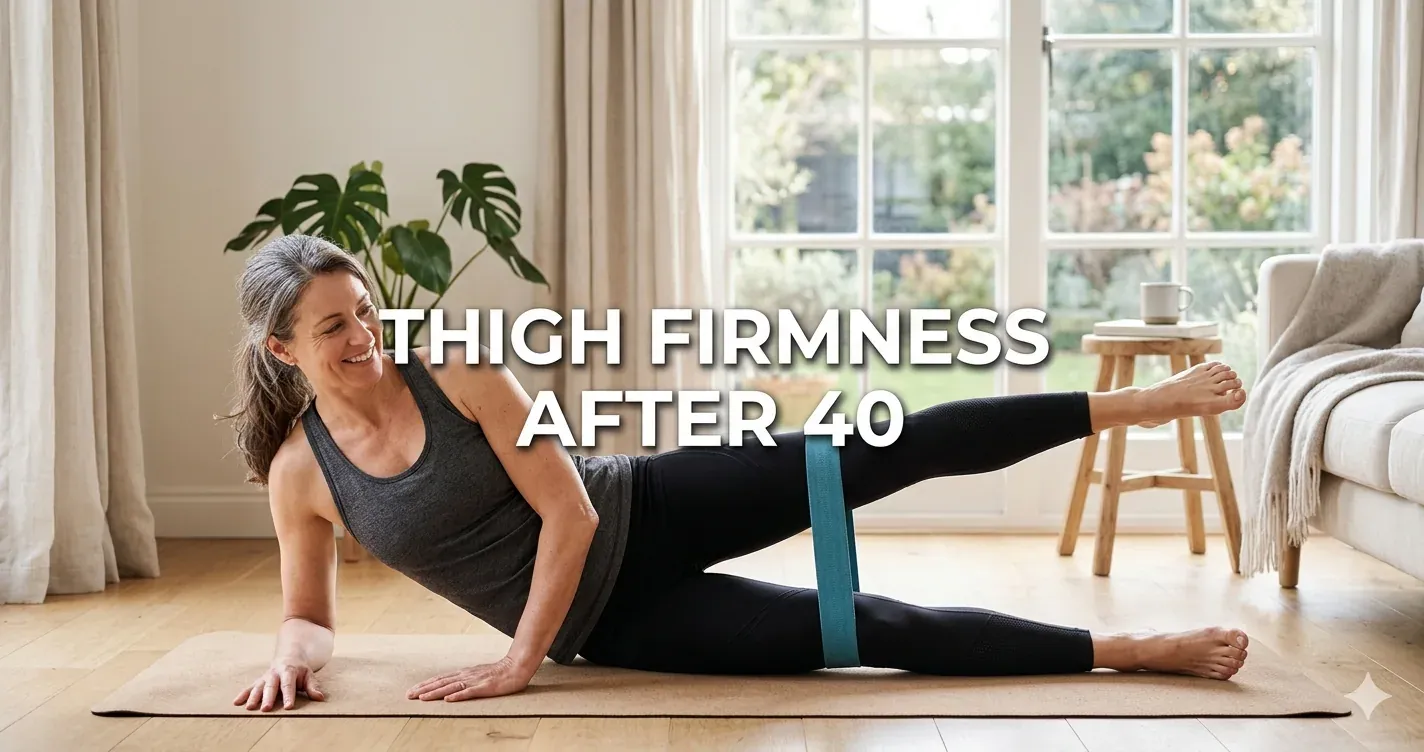

Why Home Workouts Can Match (and Beat) Gym Results
If you've ever doubted whether working out at home can deliver real, measurable results, you're not alone. For years, the gym has been positioned as the only path to serious fitness gains. But the truth is, your living room, backyard, or even a small apartment can become a powerful training ground that delivers gym-level results—if you know how to train effectively.
The home workout advantage: Working out at home eliminates common barriers that derail fitness goals: commute time, crowded equipment, intimidating environments, and rigid schedules. When you train at home, you control the environment, the music, the timing, and the intensity. This autonomy often leads to greater consistency—the single most important factor in achieving fitness results.
Research supports this approach. A 2023 study in the Journal of Strength and Conditioning Research found that participants who followed structured home workout programs achieved comparable strength, endurance, and body composition improvements to those training in commercial gyms, provided they applied principles of progressive overload and proper technique.
What makes home workouts effective:
- Consistency: Removing barriers increases adherence to your routine
- Customization: Tailor workouts to your exact goals, schedule, and preferences
- Cost-effectiveness: Achieve results without expensive memberships or equipment
- Time efficiency: No commute means more time training or recovering
- Privacy and comfort: Train without judgment, at your own pace
This comprehensive guide provides science-backed strategies to transform your home into a results-driven training environment. You'll learn how to structure workouts for strength, hypertrophy, cardio, and flexibility; select minimal equipment for maximum impact; apply progressive overload without heavy weights; and stay motivated long-term. Whether you're a beginner or experienced athlete, these principles will help you crush your fitness goals from anywhere.
The Science of Effective Home Training
Understanding the physiological principles behind muscle growth, strength gains, and cardiovascular improvement helps you design home workouts that actually work.
Key training principles for home success:
- Progressive overload: Gradually increasing demand on your muscles through more reps, sets, difficulty, or reduced rest
- Specificity: Training adaptations match the demands placed on your body—train for your specific goals
- Recovery: Muscles grow during rest, not during workouts; adequate sleep and nutrition are non-negotiable
- Volume and intensity balance: Total work (sets x reps x load) must be sufficient to stimulate adaptation without causing overtraining
- Exercise selection: Compound movements that work multiple muscle groups yield the greatest return on time invested
How muscles grow without heavy weights:
Muscle hypertrophy occurs when muscle fibers experience mechanical tension, metabolic stress, and muscle damage—three stimuli that can be achieved with bodyweight exercises, resistance bands, or moderate dumbbells when programmed correctly. Time under tension, controlled eccentric (lowering) phases, and training to near-failure can compensate for lighter loads.
Cardiovascular adaptations at home:
High-intensity interval training (HIIT), circuit training, and sustained moderate-intensity work all improve cardiovascular health. The key is elevating heart rate to target zones and maintaining consistency. Home workouts can match gym cardio when intensity and duration are properly managed.
What Equipment Do You Actually Need?
Minimal equipment can maximize results. Here's a tiered approach:
Tier 1: Zero Equipment (Bodyweight Only)
Push-ups, squats, lunges, planks, burpees, mountain climbers, and jump variations provide a full-body foundation. Ideal for beginners, travelers, or those on a tight budget.
Tier 2: Minimal Investment ($20-50)
Resistance bands (various tensions), a jump rope, and a yoga mat expand exercise variety and intensity. Bands provide variable resistance that challenges muscles through full range of motion.
Tier 3: Moderate Setup ($100-300)
Adjustable dumbbells, a pull-up bar, and a stability ball enable heavier loading and advanced movements. Adjustable dumbbells save space while offering progressive resistance.
Pro tip: Start with Tier 1 and add equipment only as your goals evolve. Most people achieve excellent results with Tier 2.
Structuring Home Workouts for Specific Goals
Your workout structure should align with your primary fitness objective. Here's how to program for different outcomes.
Goal: Build Strength and Muscle
Key principles: Focus on compound movements, progressive overload, and adequate volume (3-5 sets of 6-12 reps).
Sample full-body strength routine (3x weekly):
- Push-ups or dumbbell press: 3-4 sets of 8-12 reps
- Inverted rows or band rows: 3-4 sets of 8-12 reps
- Bulgarian split squats or goblet squats: 3-4 sets of 8-12 reps per leg
- Glute bridges or hip thrusts: 3 sets of 12-15 reps
- Plank variations: 3 sets of 30-60 second holds
Progression strategies:
- Increase reps before adding weight
- Slow down the eccentric (lowering) phase to increase time under tension
- Reduce rest periods between sets to increase metabolic stress
- Advance to harder exercise variations (e.g., standard push-up to decline push-up)
Recovery note: Allow 48 hours between training the same muscle group. Strength gains occur during recovery, not during the workout.
Goal: Improve Cardiovascular Fitness
Key principles: Elevate heart rate to target zones (60-85% of max) and maintain consistency.
HIIT protocol (2-3x weekly, 20-30 minutes):
- Warm-up: 3-5 minutes light movement
- Work interval: 30-45 seconds high effort (burpees, jump squats, mountain climbers)
- Rest interval: 15-30 seconds active recovery (walking in place)
- Repeat for 8-12 rounds
- Cool-down: 3-5 minutes stretching
Steady-state option (2-3x weekly, 30-45 minutes):
- Choose a sustainable pace you can maintain while speaking in short sentences
- Activities: brisk walking, jogging in place, dance workouts, or circuit training with minimal rest
- Focus on consistency over intensity
Pro tip: Mix HIIT and steady-state for balanced cardiovascular development and reduced burnout risk.
Goal: Lose Fat and Improve Body Composition
Key principles: Combine strength training (to preserve muscle) with metabolic conditioning (to burn calories), supported by nutrition.
Metabolic circuit template (3-4x weekly):
- Perform 4-6 exercises back-to-back with minimal rest
- Example circuit: squats, push-ups, reverse lunges, plank jacks, band pull-aparts
- Complete 3-4 rounds, resting 60-90 seconds between rounds
- Keep total workout time under 45 minutes to manage cortisol
Nutrition synergy:
- Prioritize protein (0.7-1g per pound of bodyweight) to preserve muscle during calorie deficit
- Include fiber-rich vegetables for satiety and micronutrients
- Stay hydrated—thirst is often mistaken for hunger
- Aim for a modest calorie deficit (300-500 calories below maintenance) for sustainable fat loss
Important: Spot reduction is a myth. Fat loss occurs systemically; consistent training and nutrition create the deficit needed for overall fat reduction.
Goal: Improve Flexibility and Mobility
Key principles: Consistent, gentle stretching and dynamic movement improve range of motion and reduce injury risk.
Daily mobility routine (10-15 minutes):
- Cat-cow stretches for spine mobility
- World's greatest stretch for hips and thoracic spine
- Shoulder dislocates with a band or towel
- Calf and hamstring stretches
- Deep breathing to activate parasympathetic nervous system
Post-workout stretching: Hold static stretches for 20-30 seconds after training when muscles are warm. Focus on areas tightened by your workout.
Pro tip: Mobility work enhances performance in strength and cardio training—don't skip it.
Progressive Overload at Home: Getting Stronger Without Heavy Weights
Progressive overload—the gradual increase of stress placed on the body—is essential for continued adaptation. At home, you can apply overload through multiple levers beyond just adding weight.
Seven ways to progress at home:
- Increase reps: Add 1-2 reps per set before advancing difficulty
- Increase sets: Add an additional set to increase total volume
- Reduce rest time: Shorten rest intervals to increase metabolic demand
- Slow the tempo: Extend the eccentric phase (e.g., 3 seconds down, 1 second up) to increase time under tension
- Advance exercise variation: Progress from knee push-ups to standard push-ups to decline push-ups
- Add instability: Perform exercises on one leg, with eyes closed, or on an unstable surface to increase neuromuscular demand
- Combine movements: Create compound sequences like squat-to-press or lunge-with-rotation
Tracking progress:
Keep a simple workout log noting exercises, sets, reps, and perceived difficulty. Review weekly to ensure you're progressing. Small, consistent increases compound into significant gains over months.
When to deload:
Every 4-8 weeks, reduce volume or intensity by 30-50% for one week to allow full recovery and prevent overtraining. This strategic break often leads to breakthroughs when you return to normal training.
Sample Home Workout Plans by Fitness Level
These ready-to-use templates provide structure while allowing customization.
Beginner Plan (Weeks 1-4)
Focus: Build foundational strength, learn proper form, establish consistency
Weekly structure: 3 full-body workouts, 2 light cardio/mobility days, 2 rest days
Sample workout A:
- Bodyweight squats: 3 sets of 10-12 reps
- Incline push-ups (hands on counter): 3 sets of 8-10 reps
- Glute bridges: 3 sets of 12-15 reps
- Bird-dog: 3 sets of 10 reps per side
- Plank: 3 sets of 20-30 second holds
- Walking in place: 5 minutes moderate pace
Sample workout B:
- Reverse lunges: 3 sets of 10 reps per leg
- Band rows or towel rows: 3 sets of 10-12 reps
- Step-ups (on sturdy chair): 3 sets of 10 reps per leg
- Side plank: 3 sets of 15-20 seconds per side
- Jumping jacks: 3 sets of 30 seconds
- Child's pose stretch: 2 minutes
Progression: Each week, aim to add 1-2 reps per set or reduce rest by 15 seconds.
Intermediate Plan (Weeks 5-12)
Focus: Increase strength, introduce HIIT, refine technique
Weekly structure: 2 strength days, 2 HIIT/cardio days, 1 mobility day, 2 rest days
Strength day example:
- Push-up variations: 4 sets of 8-12 reps
- Single-leg Romanian deadlifts: 4 sets of 10 reps per leg
- Band pull-aparts: 3 sets of 15 reps
- Bulgarian split squats: 3 sets of 10 reps per leg
- Hanging knee raises or leg lifts: 3 sets of 12 reps
- Farmer's carry (with dumbbells or water jugs): 3 rounds of 30 seconds
HIIT day example:
- Warm-up: 5 minutes dynamic movement
- AMRAP circuit (as many rounds as possible in 15 minutes):
- 10 burpees, 15 mountain climbers, 20 air squats
- Rest 2 minutes, repeat circuit once
- Cool-down: 5 minutes stretching
Progression: Increase weight, reps, or intensity every 1-2 weeks. Track metrics to ensure progress.
Advanced Plan (Weeks 13+)
Focus: Maximize strength, power, and conditioning; periodize training
Weekly structure: 3 strength/power days, 2 conditioning days, 1 active recovery, 1 rest day
Strength/power day example:
- Plyometric push-ups: 4 sets of 5-8 reps
- Single-leg squats (pistol progression): 4 sets of 5-8 reps per leg
- Band-resisted pull-ups or inverted rows: 4 sets of 6-10 reps
- Explosive jump squats: 4 sets of 6-8 reps
- Core complex: plank-to-push-up, Russian twists, hollow holds (3 rounds)
Conditioning day example:
- EMOM (every minute on the minute) for 20 minutes:
- Minute 1: 12 kettlebell swings or dumbbell swings
- Minute 2: 10 push-ups
- Minute 3: 15 alternating reverse lunges
- Minute 4: Rest
- Repeat cycle 5 times
Periodization tip: Every 4-6 weeks, change rep schemes, exercise selection, or training focus to prevent plateaus and overuse injuries.
Nutrition and Recovery: The Home Training Multipliers
Training provides the stimulus; nutrition and recovery drive the adaptation. Optimize both to maximize home workout results.
Nutrition fundamentals for home training:
- Protein timing: Consume 20-40g protein within 2 hours post-workout to support muscle repair
- Carbohydrate strategy: Time carbs around workouts for energy and recovery; prioritize whole foods
- Hydration: Drink 0.5-1 oz water per pound of bodyweight daily; more if sweating heavily
- Micronutrients: Colorful vegetables provide vitamins and minerals that support recovery and immunity
- Calorie awareness: Match intake to goals: surplus for muscle gain, deficit for fat loss, maintenance for recomposition
Recovery protocols that fit home life:
- Sleep: Aim for 7-9 hours nightly; sleep is when growth hormone peaks and tissues repair
- Active recovery: Light walking, stretching, or foam rolling on rest days enhances circulation and reduces soreness
- Stress management: Chronic stress elevates cortisol, which can hinder recovery; practice meditation, deep breathing, or hobbies
- Deload weeks: Schedule lighter training every 4-8 weeks to prevent overtraining and promote supercompensation
Simple meal prep for busy schedules:
- Batch-cook proteins (chicken, beans, eggs) and grains (rice, quinoa) on weekends
- Pre-portion snacks like nuts, fruit, or Greek yogurt
- Keep frozen vegetables on hand for quick, nutrient-dense sides
- Prepare overnight oats or protein smoothie packs for grab-and-go breakfasts
Staying Motivated: Psychology of Home Training Success
Consistency beats intensity. These evidence-based strategies help you maintain motivation long-term.
Set process-oriented goals:
Instead of "lose 20 pounds," set goals like "complete 3 workouts this week" or "add one rep to my push-ups." Process goals are controllable and build momentum.
Create a dedicated space:
Even a small corner with your mat and bands signals your brain that it's training time. Keep equipment visible and accessible to reduce friction.
Use implementation intentions:
Plan specifics: "If it's Monday at 7 AM, then I will do my strength workout." This reduces decision fatigue and increases follow-through.
Track and celebrate wins:
Log workouts, take progress photos monthly, and note non-scale victories like improved energy or better sleep. Small wins fuel long-term commitment.
Build accountability:
Share goals with a friend, join an online community, or hire a virtual coach. Social support significantly improves adherence.
Embrace flexibility:
Missed a workout? Do a 10-minute session instead of skipping entirely. Perfection isn't required; consistency is.
Common Home Workout Mistakes and How to Avoid Them
Awareness prevents setbacks. Steer clear of these pitfalls.
Mistake #1: Skipping Warm-ups and Cool-downs
Jumping straight into intense work increases injury risk and reduces performance. Spend 5-10 minutes warming up with dynamic stretches and 5 minutes cooling down with static stretches.
Mistake #2: Neglecting Form for Reps
Poor technique leads to injury and limits progress. Prioritize quality over quantity; film yourself or use a mirror to check form.
Mistake #3: Doing the Same Workout Forever
Your body adapts to repetitive stress. Change exercises, rep schemes, or intensity every 4-6 weeks to keep progressing.
Mistake #4: Ignoring Recovery
More isn't always better. Rest days are when adaptation occurs. Schedule them intentionally and honor them.
Mistake #5: Underestimating Nutrition
You can't out-train a poor diet. Align nutrition with your goals; even small improvements compound over time.
Mistake #6: Comparing to Others
Your journey is unique. Focus on your progress, not someone else's highlight reel. Celebrate your wins, however small.
FAQs About Home Workouts and Gym Results
Can I really build muscle at home without heavy weights?
Yes. Muscle growth responds to mechanical tension, metabolic stress, and muscle damage—all achievable with bodyweight exercises, resistance bands, or moderate dumbbells when programmed with progressive overload. Focus on time under tension, controlled eccentrics, and training to near-failure to maximize stimulus.
How long until I see results from home workouts?
With consistent training and proper nutrition, most people notice improved energy and strength within 2-4 weeks. Visible body composition changes typically appear after 8-12 weeks. Remember: progress isn't linear; trust the process and track non-scale victories.
Do I need a lot of space for effective home workouts?
No. Most effective exercises require only a yoga mat-sized area. Vertical space for jumping or overhead movements is helpful but not essential—many effective routines are low-impact and stationary.
How do I avoid boredom with home workouts?
Vary your routines: try new exercises, follow online classes, create themed workouts (e.g., "travel day" bodyweight circuit), or invite a friend to join virtually. Music, podcasts, or audiobooks can also make sessions more enjoyable.
Can home workouts replace gym training for advanced athletes?
For most goals, yes—with creativity and proper programming. Advanced athletes may eventually need specialized equipment for maximal strength or sport-specific training, but home workouts can maintain and even advance fitness for years. Many professional athletes incorporate home training into their regimens.
What if I don't have any equipment?
Bodyweight training is incredibly effective. Push-ups, squats, lunges, planks, and plyometric variations provide a full-body stimulus. Add household items (water jugs as weights, chairs for step-ups) to increase challenge. Equipment enhances but isn't required for results.
Creating Your Personalized Home Training Plan
Turn knowledge into action with this simple framework.
Step 1: Define your primary goal
Choose one focus: strength, fat loss, cardiovascular health, or mobility. You can address multiple goals over time, but prioritizing one accelerates progress.
Step 2: Assess your resources
What equipment do you have? How much space and time can you commit? Be realistic—start where you are.
Step 3: Select a template
Choose the beginner, intermediate, or advanced plan above, or mix elements to suit your level.
Step 4: Schedule it
Block workout times in your calendar like unbreakable appointments. Consistency trumps perfection.
Step 5: Track and adjust
Log workouts, note how you feel, and adjust difficulty every 2-4 weeks. Progress is the best motivator.
Sample weekly schedule (intermediate, fat loss focus):
- Monday: Full-body strength circuit
- Tuesday: HIIT cardio + core
- Wednesday: Active recovery (walking, stretching)
- Thursday: Lower-body strength + mobility
- Friday: Upper-body strength + HIIT finisher
- Saturday: Fun activity (dance, hike, sport)
- Sunday: Rest
Customize based on your preferences and schedule. The best plan is the one you'll actually do.
Conclusion: Your Home Is Your Gym—Now Go Crush It
Achieving gym-level results at home isn't about having the perfect setup, the latest equipment, or unlimited time. It's about applying proven principles—progressive overload, consistency, proper recovery, and smart programming—to the space you have.
Your home offers unique advantages: flexibility, privacy, and zero commute. When you combine these with the strategies in this guide, you create a sustainable path to strength, fitness, and confidence that fits your life.
Start today. Choose one workout from the plans above. Clear a small space. Press play. The journey to your strongest, healthiest self begins not with perfection, but with action.
Remember: every rep, every set, every day you show up compounds into transformation. Your home isn't a limitation—it's your launchpad. Now go crush your fitness goals, one rep at a time.