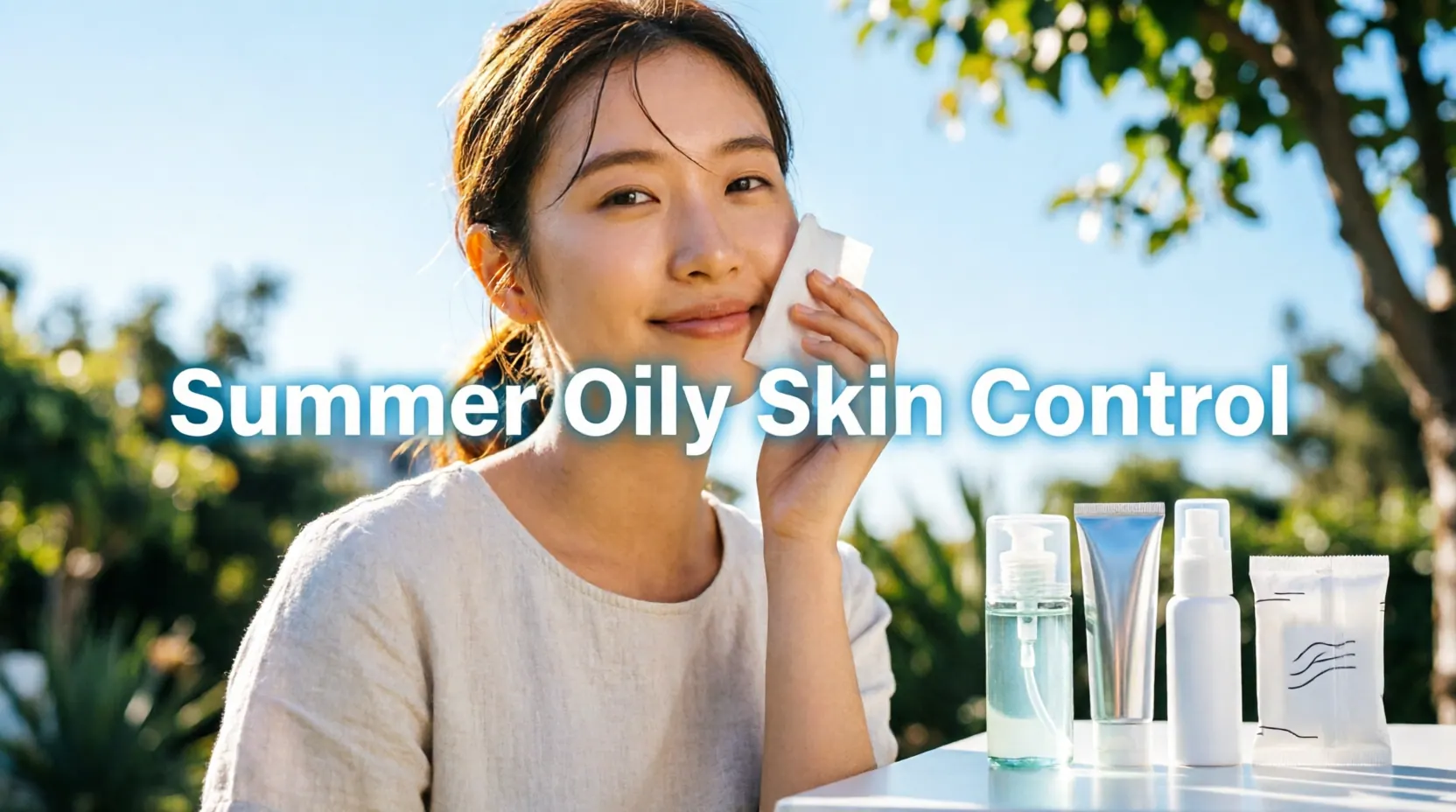
Why Your Skin Gets Oilier in Summer: The Science Behind Seasonal Sebum
If you have oily skin, you already know that summer can feel like an uphill battle against shine. No matter how many times you blot or powder your face, that greasy glow seems to return within hours. But here's the thing: increased oil production during hot weather isn't a flaw in your skincare routine—it's a completely normal physiological response. Understanding why this happens is the first step toward managing it effectively.
Your skin's sebaceous glands produce sebum, an oily substance that protects and lubricates your skin. When temperatures rise, several things happen simultaneously: your body temperature increases, blood vessels dilate to release heat, and your sebaceous glands become more active. Research shows that for every degree Celsius increase in skin temperature, sebum production can increase by up to 10%. Additionally, humidity plays a role—when the air is moist, sweat doesn't evaporate as efficiently, mixing with sebum to create that characteristic shiny appearance.
But here's the good news: while you can't stop your sebaceous glands from responding to heat, you can absolutely manage the effects with the right strategy. This comprehensive guide will walk you through everything you need to know about controlling shine, preventing breakouts, and maintaining a healthy, matte complexion throughout the hottest months of the year.
What you'll learn in this guide:
- The science of seasonal sebum production
- How to build a summer-specific skincare routine
- Key ingredients that control oil without over-drying
- Common mistakes that make oily skin worse
- Makeup strategies for long-lasting matte finish
- Lifestyle adjustments that reduce shine
- Product recommendations for every budget
Understanding Your Oily Skin Type
Before diving into solutions, it's important to understand what causes oily skin and whether you're dealing with truly oily skin or just summer-induced excess shine.
Genetic vs. Environmental Oiliness
Some people have genetically oily skin year-round due to larger, more active sebaceous glands. Others have combination or normal skin that becomes oilier only during summer months. The distinction matters because your approach will differ:
Genetically Oily Skin: Requires consistent oil-control strategies throughout the year, with intensified efforts during summer.
Seasonal Oiliness: Needs temporary adjustments to your routine during hot months, then a return to balanced care in cooler weather.
The Oil-Dehydration Paradox
Here's a counterintuitive truth: oily skin can be dehydrated. When your skin lacks water (not oil), it compensates by producing more sebum. This is why harsh, stripping products often make oily skin worse—they remove too much oil, triggering your skin to overproduce in response.
Signs of Dehydrated Oily Skin:
- Shiny surface but tight feeling underneath
- Visible pores with flaky patches
- Makeup separates or cakes unevenly
- Oiliness increases after using strong acne treatments
If this sounds familiar, your strategy should focus on hydration + oil control, not just oil elimination.
Identifying Your Triggers
Beyond heat and humidity, other factors can exacerbate summer oiliness:
- Diet: High-glycemic foods and dairy can stimulate sebum production
- Stress: Cortisol increases oil gland activity
- Hormones: Androgens peak during summer for some individuals
- Incorrect products: Heavy, occlusive formulas trap oil and sweat
The Ultimate Summer Morning Routine for Oily Skin
Your morning routine sets the tone for the entire day. During summer, the goal is to control oil, protect from sun damage, and create a base that lasts through heat and humidity.
Step 1: Gentle Cleansing (Not Stripping)
Why it matters: Overnight, your skin accumulates sebum, sweat, and skincare product residue. You need to remove this without disrupting your skin barrier.
Best approach: Use a gentle, water-soluble cleanser with a pH between 5.0-6.0. Avoid foaming cleansers with sulfates, which can strip too much oil and trigger rebound production.
Key ingredients to look for:
- Salicylic acid (0.5-2%) for gentle exfoliation
- Niacinamide to regulate sebum
- Green tea extract for antioxidant protection
- Hyaluronic acid for lightweight hydration
Technique: Use lukewarm (not hot) water and massage cleanser for 60 seconds. Rinse thoroughly and pat dry with a clean towel.
Step 2: Alcohol-Free Toner
Why it matters: A well-formulated toner can remove any remaining impurities, balance pH, and deliver oil-controlling ingredients.
Avoid: Toners with high alcohol content (denatured alcohol, SD alcohol). While they create an immediate matte effect, they damage your barrier and increase oil production long-term.
Look for:
- Witch hazel (alcohol-free formula)
- Niacinamide (2-5%)
- Alpha arbutin for brightening
- Aloe vera for soothing
- Tea tree oil (diluted) for antibacterial benefits
Application: Apply with clean hands or a cotton pad. Don't over-saturate—a light layer is sufficient.
Step 3: Lightweight Serum
Why it matters: Serums deliver concentrated active ingredients that target oil production at the cellular level.
Best summer serums for oily skin:
Niacinamide Serum (5-10%): Regulates sebum production, minimizes pores, and reduces inflammation. Studies show 5% niacinamide can reduce sebum production by up to 50% after 4 weeks of use.
Vitamin C Serum: Protects from UV damage and pollution while brightening skin. Choose L-ascorbic acid (10-15%) or magnesium ascorbyl phosphate for oily skin.
Zinc PCA Serum: Directly inhibits 5-alpha-reductase, the enzyme that triggers sebum production.
Application: Apply 2-3 drops to damp skin. Wait 1-2 minutes before the next step.
Step 4: Oil-Free Moisturizer
Why it matters: Yes, oily skin needs moisturizer—even in summer. Skipping it signals your skin to produce more oil. The key is choosing the right formula.
Look for:
- "Oil-free" or "non-comedogenic" labels
- Gel or water-cream textures
- Hyaluronic acid or glycerin for hydration
- Dimethicone for a matte finish
- Niacinamide for oil regulation
Avoid: Heavy creams, coconut oil, cocoa butter, and other occlusive ingredients that trap heat and oil.
Application: Use a pea-sized amount. Gently press into skin rather than rubbing.
Step 5: Sunscreen (Non-Negotiable)
Why it matters: UV exposure thickens the skin and increases sebum production. Sun damage also enlarges pores and worsens post-acne marks.
Best sunscreens for oily skin:
- Chemical sunscreens: Lightweight, no white cast. Look for avobenzone, octocrylene, or newer filters like Tinosorb S and M.
- Hybrid sunscreens: Combine chemical and mineral filters for balanced protection.
- Matte-finish formulas: Contain silica or powders to absorb oil.
SPF 30-50: Higher isn't necessarily better if it discourages application.
Application: Use 1/4 teaspoon for face and neck. Reapply every 2 hours if outdoors. For makeup wearers, use a powder or spray SPF for touch-ups.
Your Evening Routine: Repair and Regulate
Evening is when your skin repairs itself. Your nighttime routine should focus on thorough cleansing, treatment, and recovery without adding heaviness.
Step 1: Double Cleansing
Why it matters: Sunscreen, makeup, pollution, and excess oil require more than one cleanse to remove completely.
First cleanse: Use an oil-based cleanser or micellar water to dissolve sunscreen, makeup, and sebum. Yes, even oily skin can use oil cleansers—the principle is "like dissolves like." Choose lightweight oils like grapeseed, jojoba, or formulations with emulsifiers that rinse clean.
Second cleanse: Follow with your gentle water-based cleanser to remove any residue and purify pores.
Technique: Spend 60 seconds on each cleanse. Use gentle, upward motions. Rinse thoroughly.
Step 2: Exfoliation (2-3 Times Weekly)
Why it matters: Dead skin cells mix with oil and clog pores, leading to blackheads and breakouts. Regular exfoliation prevents this buildup.
Best exfoliants for oily skin:
BHA (Salicylic Acid 1-2%): Oil-soluble, so it penetrates into pores to dissolve sebum and debris. Anti-inflammatory properties reduce redness.
AHA (Glycolic or Lactic Acid 5-10%): Water-soluble, exfoliates surface cells for smoother texture and brighter tone.
PHA (Gluconolactone): Gentler alternative for sensitive oily skin.
Application: Apply after cleansing on dry skin. Start with 2x weekly, increase to 3x if tolerated. Never use on consecutive days.
Warning: Don't over-exfoliate. Signs include increased oiliness, redness, stinging, and breakouts.
Step 3: Treatment Products
Why it matters: Targeted treatments address specific concerns like acne, enlarged pores, or hyperpigmentation.
Retinoids: Gold standard for oil control and anti-aging. Adapalene (Differin) is available over-the-counter and highly effective. Start 2-3x weekly, gradually increasing frequency.
Niacinamide: If you didn't use it in the morning, apply it at night. It works well with retinoids.
Azelaic Acid (10-20%): Reduces oil production, kills acne bacteria, and fades post-acne marks.
Application order: Thinnest to thickest consistency. Wait 5-10 minutes between active ingredients.
Step 4: Night Moisturizer
Why it matters: Your skin loses moisture overnight. A lightweight moisturizer prevents transepidermal water loss without adding grease.
Look for:
- Ceramides to support barrier function
- Peptides for repair
- Squalane (lightweight, non-comedogenic)
- Glycerin or hyaluronic acid
Optional: Once or twice weekly, use a clay mask before moisturizer to deep-clean pores.
Key Ingredients That Control Oil Without Over-Drying
Not all oil-controlling ingredients are created equal. Some work by absorbing surface oil, while others regulate production at the source. Here's what to look for:
Sebum-Regulating Ingredients
Niacinamide (Vitamin B3):
- Reduces sebum production by up to 50%
- Minimizes pore appearance
- Strengthens skin barrier
- Anti-inflammatory
- Concentration: 2-10% (5% is optimal)
Zinc PCA:
- Inhibits 5-alpha-reductase enzyme
- Antibacterial properties
- Reduces inflammation
- Often combined with niacinamide
Retinoids (Retinol, Adapalene, Tretinoin):
- Normalize cell turnover
- Reduce sebaceous gland size
- Prevent clogged pores
- Require 8-12 weeks to see results
Oil-Absorbing Ingredients
Salicylic Acid:
- Penetrates oil-filled pores
- Dissolves debris
- Anti-inflammatory
- Concentration: 0.5-2%
Clay (Kaolin, Bentonite):
- Absorbs excess oil
- Draws out impurities
- Use in masks 1-2x weekly
- Don't overuse—can be drying
Silica:
- Instant oil absorption
- Creates matte finish
- Found in primers and powders
Hydrating (But Not Oily) Ingredients
Hyaluronic Acid:
- Attracts 1000x its weight in water
- Lightweight, non-greasy
- Multiple molecular weights for different penetration
Glycerin:
- Humectant that draws moisture to skin
- Non-comedogenic
- Works well in humid climates
Aloe Vera:
- Soothing and hydrating
- Anti-inflammatory
- Lightweight gel texture
Ingredients and Products to Avoid
Just as important as what you use is what you avoid. These ingredients can worsen oiliness or cause breakouts:
Comedogenic Oils and Butters
- Coconut oil (highly comedogenic)
- Cocoa butter
- Wheat germ oil
- Lanolin
- Mineral oil (for some skin types)
Harsh Alcohols
- Denatured alcohol (SD alcohol, alcohol denat)
- Isopropyl alcohol
- These strip the barrier and increase oil production
Heavy, Occlusive Formulas
- Thick creams labeled "for dry skin"
- Petrolatum-based products (unless spot-treating)
- Heavy silicone formulas that trap heat
Over-Exfoliation
- Using multiple exfoliants simultaneously
- Daily physical scrubs
- High concentrations of acids without acclimation
Makeup Strategies for Long-Lasting Matte Finish
Wearing makeup on oily skin in summer requires strategic product selection and application techniques.
Primer Is Essential
Why: Primer creates a barrier between your skin's oil and your makeup, extending wear time.
Look for:
- Silicone-based primers (dimethicone)
- Matte-finish formulas
- Pore-blurring properties
- Oil-absorbing ingredients like silica
Application: Apply after moisturizer and sunscreen. Focus on T-zone. Wait 1-2 minutes before foundation.
Foundation Choices
Best formulas:
- Matte or semi-matte liquid: Long-wearing, oil-controlling
- Powder foundation: Absorbs oil throughout the day
- Cushion compacts: Buildable coverage, easy touch-ups
Avoid: Dewy, luminous, or hydrating foundations
Application technique:
- Use a damp beauty sponge for light, even coverage
- Or use a dense brush for more coverage
- Apply in thin layers, building up only where needed
- Set immediately with powder
Setting Powder and Spray
Loose powder: More effective than pressed powder for oil control. Look for translucent formulas with silica or cornstarch.
Application: Press powder into skin with a puff or dense brush, focusing on T-zone. Don't sweep—press.
Setting spray: Locks makeup in place and can provide additional oil control.
Look for: "Matte" or "long-wear" formulas
Application: Hold 8-10 inches from face. Spray in X and T pattern. Let air dry.
Touch-Up Strategy
Even the best makeup will need touch-ups in summer heat.
Carry with you:
- Blotting papers
- Pressed powder
- Mini setting spray
Touch-up technique:
- Blot excess oil (don't rub)
- Lightly dust powder
- Mist with setting spray if needed
Lifestyle Adjustments That Reduce Summer Shine
Skincare products are only part of the equation. Your daily habits significantly impact oil production.
Diet Modifications
Foods that may increase oil production:
- High-glycemic foods (white bread, sugary snacks)
- Dairy products (especially skim milk)
- Fried and greasy foods
- Excessive caffeine
Foods that may help:
- Omega-3 rich foods (salmon, walnuts, flaxseed)
- Antioxidant-rich fruits and vegetables
- Green tea (contains EGCG, which reduces sebum)
- Water-rich foods (cucumber, watermelon)
- Zinc-rich foods (pumpkin seeds, lentils)
Hydration
Drinking adequate water doesn't directly reduce oil production, but it prevents dehydration-induced overproduction. Aim for 8-10 glasses daily, more if you're active or in very hot conditions.
Stress Management
Cortisol (stress hormone) increases sebum production. Summer heat can be stressful, so prioritize:
- Adequate sleep (7-9 hours)
- Regular exercise (but shower immediately after)
- Meditation or deep breathing
- Cooling activities (swimming, cool showers)
Environmental Controls
Indoor:
- Use air conditioning to reduce temperature and humidity
- Keep a fan at your desk
- Use oil-blotting sheets throughout the day
Outdoor:
- Wear a wide-brimmed hat
- Seek shade during peak sun hours (10am-4pm)
- Carry a facial mist for cooling (look for alcohol-free formulas)
Sleep Hygiene
- Change pillowcases 2-3x weekly (silk or satin is best)
- Sleep on your back to prevent face-to-fabric contact
- Keep bedroom cool (65-68°F ideal)
Common Mistakes That Make Oily Skin Worse
Even with the best intentions, certain habits can sabotage your oil-control efforts.
Mistake 1: Over-Washing
The problem: Washing more than 2x daily strips natural oils, triggering rebound production.
The fix: Stick to morning and evening cleansing. If you need midday refresh, use blotting papers or a gentle micellar water.
Mistake 2: Skipping Moisturizer
The problem: Dehydrated skin overcompensates by producing more oil.
The fix: Always use a lightweight, oil-free moisturizer.
Mistake 3: Using Only Oil-Control Products
The problem: Over-drying damages your barrier, leading to inflammation and more oil.
The fix: Balance oil-control actives with hydrating ingredients.
Mistake 4: Not Reapplying Sunscreen
The problem: Sun damage thickens skin and enlarges pores, worsening oiliness.
The fix: Reapply every 2 hours when outdoors. Use powder or spray SPF over makeup.
Mistake 5: Picking and Popping
The problem: Causes inflammation, scarring, and spreads bacteria.
The fix: Use hydrocolloid pimple patches instead.
Mistake 6: Expecting Immediate Results
The problem: Most oil-control ingredients take 4-12 weeks to show results.
The fix: Be patient and consistent. Take photos to track progress.
Product Recommendations for Every Budget
Budget-Friendly ($5-$15)
- Cleanser: CeraVe Foaming Facial Cleanser, The Inkey List Salicylic Acid Cleanser
- Toner: Thayers Witch Hazel (alcohol-free), The Ordinary Glycolic Acid 7%
- Serum: The Ordinary Niacinamide 10% + Zinc 1%, Good Molecules Niacinamide
- Moisturizer: Neutrogena Hydro Boost Water Gel, The Inkey List Omega Water Cream
- Sunscreen: La Roche-Posay Anthelios Clear Skin, Neutrogena Clear Face
- Treatment: Differin Gel (adapalene), The Ordinary Salicylic Acid 2%
Mid-Range ($15-$40)
- Cleanser: Paula's Choice CLEAR Pore Normalizing Cleanser, CeraVe Renewing SA Cleanser
- Toner: Paula's Choice Pore-Reducing Toner, COSRX AHA/BHA Clarifying Treatment Toner
- Serum: Paula's Choice 10% Niacinamide Booster, SkinCeuticals Metacell Renewal B3
- Moisturizer: La Roche-Posay Effaclar Mat, Clinique Dramatically Different Moisturizing Gel
- Sunscreen: EltaMD UV Clear SPF 46, Supergoop! Unseen Sunscreen
- Treatment: Paula's Choice 2% BHA Liquid Exfoliant, Sunday Riley Saturn Sulfur Mask
High-End ($40+)
- Cleanser: SkinCeuticals LHA Cleanser, Drunk Elephant Beste No. 9
- Serum: SkinCeuticals C E Ferulic, Drunk Elephant T.L.C. Framboos Glycolic Night Serum
- Moisturizer: SkinCeuticals Oil-Free UV Defense SPF 30, Tatcha The Water Cream
- Sunscreen: EltaMD UV Elements, Colorescience Sunforgettable
- Treatment: SkinCeuticals Retinol 0.5, Dr. Dennis Gross Alpha Beta Universal Daily Peel
Frequently Asked Questions
How long does it take to see results from an oil-control routine?
Most people notice reduced shine within 2-4 weeks of consistent routine. However, significant changes in sebum production, pore size, and acne take 8-12 weeks. Retinoids may take 3-6 months for full effect. Patience and consistency are crucial.
Can I use the same routine year-round?
No. Your skin's needs change with seasons. In winter, you may need richer moisturizers and less frequent exfoliation. In summer, increase oil-control measures and sun protection. Adjust your routine seasonally.
Is it normal for skin to get oilier as the day progresses?
Yes, some oil production throughout the day is normal. However, if you're completely shiny within 1-2 hours of washing, your routine may need adjustment. Focus on oil-control serums, proper moisturizer, and blotting techniques.
Should I avoid all oils if I have oily skin?
No. Some oils are non-comedogenic and can actually help balance sebum production. Jojoba oil, squalane, and rosehip oil are generally well-tolerated. The key is choosing lightweight, non-comedogenic oils and using them sparingly.
Can hormonal birth control help with oily skin?
Yes, certain combination birth control pills can reduce androgen levels and decrease sebum production. However, this is a medical decision that should be discussed with your healthcare provider. Topical treatments are usually tried first.
When should I see a dermatologist for oily skin?
See a dermatologist if:
- Over-the-counter products aren't working after 12 weeks
- You have severe or cystic acne
- Oily skin is causing emotional distress
- You're interested in prescription treatments (retinoids, oral medications)
- You suspect hormonal imbalances
Conclusion: Embracing Balanced Skin All Summer Long
Managing oily skin during summer doesn't require extreme measures or endless product layering. The key is understanding your skin's needs, using the right ingredients consistently, and making smart lifestyle choices.
Remember that some oil is healthy—it protects your skin and keeps it supple. The goal isn't to eliminate oil completely, but to regulate it to a comfortable, manageable level. With the routine and strategies outlined in this guide, you can reduce shine, prevent breakouts, and maintain a fresh, matte complexion even in the hottest, most humid conditions.
Start by implementing one or two changes at a time. Perhaps begin with a better cleanser and sunscreen, then gradually add serums and treatments. Give each product at least 4-6 weeks to work before judging its effectiveness. Take photos to track your progress—sometimes changes are subtle and hard to notice day-to-day.
Most importantly, be kind to your skin. Oily skin is not a flaw or a failure. It's simply your skin's natural response to heat, hormones, and genetics. With patience, consistency, and the right approach, you can achieve balanced, healthy, confident skin all summer long.
Your clearest, most confident skin starts now—no matter the temperature.