Understanding Comedones: A Dermatologist's Guide to Clear Pores
Blackheads and whiteheads are among the most common and frustrating skin concerns, affecting people of all ages and skin types. Despite their prevalence, misconceptions about these blemishes abound—from the belief that blackheads are caused by dirt to the dangerous practice of aggressive squeezing that damages skin. Understanding the science behind comedones (the medical term for blackheads and whiteheads) is the first step toward treating them effectively and safely.
Comedones are not simply "clogged pores." They represent a complex interaction between sebum production, skin cell turnover, bacterial activity, and inflammation. Treating them requires more than just extraction—it demands a comprehensive approach that addresses root causes while employing safe removal techniques that protect your skin's barrier.
This comprehensive guide decodes the science of comedones, explains the critical differences between blackheads and whiteheads, reveals evidence-based extraction methods used by dermatologists, and provides a complete prevention and treatment protocol. Whether you're dealing with occasional breakouts or persistent comedonal acne, you'll learn how to achieve clearer skin without causing damage or scarring.
What Are Comedones? The Biology Explained
Defining the Comedone
A comedone (plural: comedones) is a non-inflammatory acne lesion formed when hair follicles become clogged with oil (sebum) and dead skin cells. The term comes from the Latin word "comedo," meaning "to eat up"—an ancient reference to the parasite-like appearance of the material that can be extracted from pores.
Formation process:
- Excess sebum production: Hormonal changes, genetics, or environmental factors stimulate sebaceous glands to produce more oil than normal
- Abnormal keratinization: Skin cells lining the follicle don't shed properly, sticking together instead of sloughing off
- Follicular plugging: The mixture of sebum and dead skin cells forms a plug (microcomedone) that blocks the pore
- Comedone development: Depending on whether the pore remains open or closes over, the microcomedone develops into either a blackhead or whitehead
Dermatologist insight: Dr. Sarah Chen, board-certified dermatologist specializing in acne treatment, explains: "Comedones are the precursor to inflammatory acne. If left untreated, they can progress to papules, pustules, and even cysts. Early intervention with proper extraction and topical treatments can prevent this progression."
The Role of P. acnes Bacteria
While comedones themselves are non-inflammatory, the bacteria Cutibacterium acnes (formerly Propionibacterium acnes) plays a crucial role in their development and potential progression:
- C. acnes naturally lives on skin and feeds on sebum
- In clogged pores, the bacteria multiply rapidly in the oxygen-deprived environment
- Bacterial proliferation triggers immune response and inflammation
- This can transform a simple comedone into an inflamed pimple
Understanding this bacterial component explains why certain treatments (like benzoyl peroxide and retinoids) are effective—they target both the comedone formation and bacterial overgrowth.
Blackheads vs. Whiteheads: Key Differences
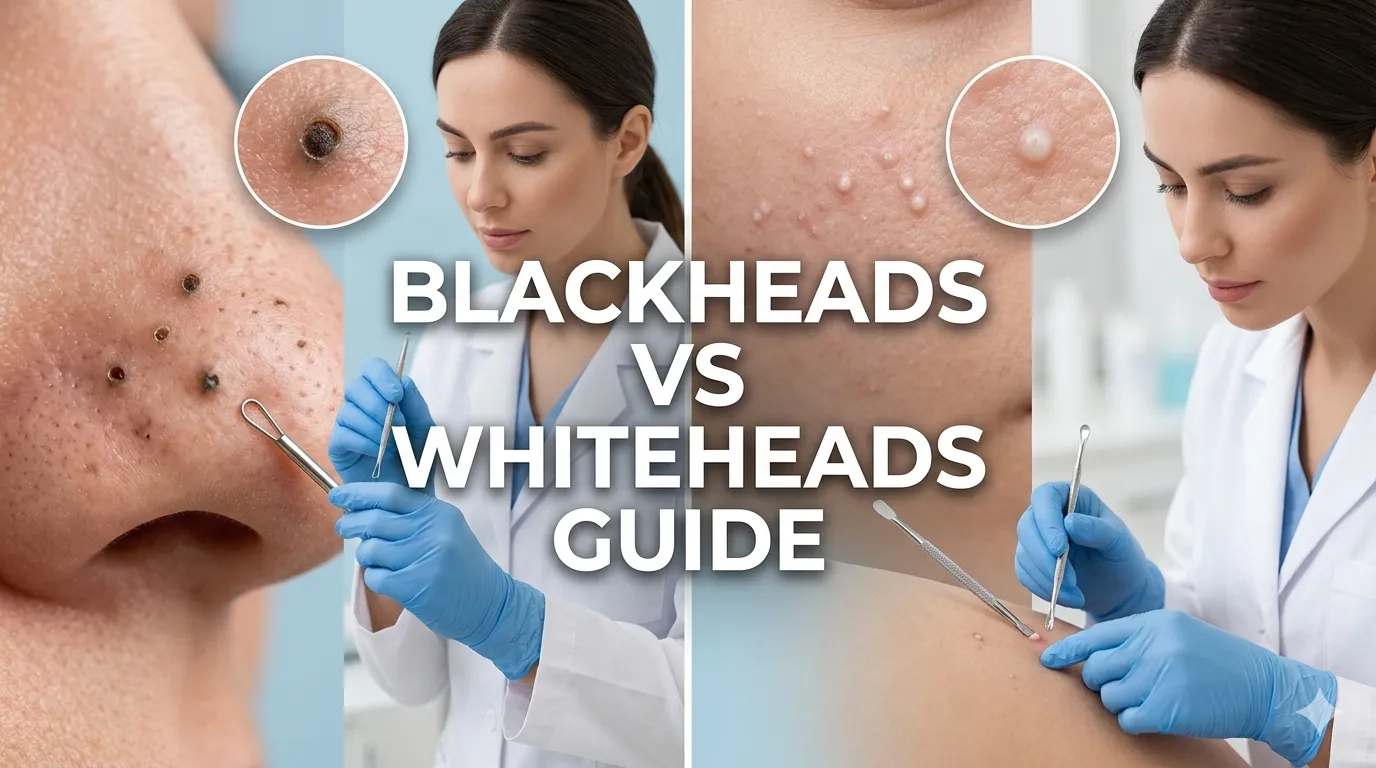
Blackheads (Open Comedones)
Medical term: Comedo apertus
Appearance:
- Small, dark spots on the skin surface
- Typically 1-2mm in diameter
- Most common on nose, chin, forehead, and back
- Dark color is NOT dirt or oxidation of sebum alone
Why they're black: The dark color results from the oxidation of melanin (skin pigment) and lipids in the sebum when exposed to air. The plug remains open to the surface, allowing air to reach the material inside the pore. This is a chemical reaction called melanin oxidation, not accumulated dirt.
Structure:
- Follicle opening remains wide and visible
- Plug is exposed to air
- Easier to extract than whiteheads
- Less likely to become inflamed (but can progress)
Whiteheads (Closed Comedones)
Medical term: Comedo clausus
Appearance:
- Small, flesh-colored or white bumps
- Slightly raised from skin surface
- Common on face, chest, and back
- Less visible than blackheads but can be more numerous
Why they're white: The plug is completely covered by a thin layer of skin, preventing air exposure. Without oxidation, the material remains white or flesh-colored. The closed environment also creates ideal conditions for bacterial growth.
Structure:
- Follicle opening is completely blocked
- Thin layer of skin covers the plug
- More difficult to extract safely
- Higher risk of inflammation if ruptured
Comparative Analysis
Extraction difficulty: Blackheads are generally easier to extract because the pore is already open. Whiteheads require more careful technique to avoid rupturing the follicle wall.
Treatment response: Blackheads often respond better to topical treatments like salicylic acid and retinoids. Whiteheads may require longer treatment periods or professional extraction.
Inflammation risk: Whiteheads have higher potential to become inflamed papules or pustules because the closed environment traps bacteria. Blackheads are more stable but can progress if irritated.
What Causes Comedones? Understanding the Triggers
Hormonal Factors
Androgens (male hormones present in both sexes) are the primary drivers of comedone formation:
- Puberty: Hormonal surge increases sebum production dramatically
- Menstrual cycle: Fluctuations in estrogen and progesterone affect oil production
- Pregnancy: Hormonal changes can trigger or worsen comedones
- PCOS: Polycystic ovary syndrome causes elevated androgens and persistent comedonal acne
- Stress: Cortisol increases sebum production and inflammation
Genetic Predisposition
Your genes influence:
- Sebaceous gland size and activity
- Rate of skin cell turnover
- Follicle structure and size
- Inflammatory response to bacteria
If your parents had comedonal acne, you're more likely to experience it.
Skincare and Cosmetic Products
Comedogenic ingredients: Certain oils, waxes, and emollients can clog pores:
- Coconut oil (highly comedogenic for many)
- Cocoa butter
- Lanolin
- Isopropyl myristate
- Red dyes in cosmetics
Heavy formulations: Thick creams and occlusive products can trap dead skin cells and sebum in follicles.
Environmental and Lifestyle Factors
Humidity and pollution: High humidity increases sweat and oil production. Air pollution particles can penetrate pores and contribute to clogging.
Diet: High-glycemic foods and dairy may worsen comedones in susceptible individuals by affecting insulin and IGF-1 levels.
Friction and pressure: Phone use, helmet wearing, or resting your face on your hands can cause "acne mechanica"—comedones triggered by physical irritation.
Improper cleansing: Both over-washing (strips skin, triggers more oil) and under-washing (allows buildup) can contribute to comedones.
Safe Extraction Methods: Professional Techniques
Why Professional Extraction Is Preferred
Dermatologists and licensed estheticians use sterile techniques and specialized tools that minimize:
- Skin trauma and scarring
- Infection risk
- Post-inflammatory hyperpigmentation
- Follicle damage
Professional extraction is recommended when:
- You have numerous or deep comedones
- At-home extraction has caused scarring or dark marks
- Comedones are inflamed or painful
- You have sensitive or easily irritated skin
Professional Extraction Procedure
Step 1: Preparation
- Thorough cleansing to remove surface bacteria
- Steam application for 5-10 minutes to soften sebum and open pores
- Application of antiseptic solution
Step 2: Extraction Tools
Professionals use sterile, medical-grade instruments:
- Comedone extractor: Metal tool with looped ends of various sizes
- Lancet: Sterile needle to create tiny opening in whiteheads
- Curette: Spoon-shaped tool for deeper extractions
Step 3: Extraction Technique
- For blackheads: Apply gentle, even pressure around the comedone with extractor loop
- For whiteheads: Create tiny opening with sterile lancet, then apply pressure
- Material should release easily; if not, the comedone isn't ready
- Never force extraction—this causes trauma
Step 4: Post-Extraction Care
- Apply antiseptic or antibacterial solution
- Use soothing ingredients (aloe, centella, niacinamide)
- Avoid makeup for 24 hours
- Apply sunscreen diligently (extracted skin is more sun-sensitive)
Advanced Professional Treatments
Chemical Peels:
- Salicylic acid peels (20-30%) penetrate oil to dissolve comedones
- Glycolic acid peels increase cell turnover
- Performed every 2-4 weeks for best results
Microdermabrasion:
- Mechanical exfoliation removes surface dead skin cells
- Helps prevent new comedone formation
- Can be combined with extraction
Hydrafacial:
- Multi-step treatment combining cleansing, exfoliation, extraction, and hydration
- Vortex suction removes comedones gently
- Immediate results with no downtime
Laser and Light Therapies:
- Blue light kills C. acnes bacteria
- Red light reduces inflammation
- Photodynamic therapy for severe cases
At-Home Extraction: Safe Techniques and Warnings
When At-Home Extraction Is Appropriate
Only attempt at-home extraction if:
- Comedones are superficial and easily accessible
- You have good vision and steady hands
- You can maintain strict hygiene
- The comedone is "ripe" (close to surface, soft)
Never extract at home if:
- Comedone is deep, painful, or inflamed
- You have a history of keloid scarring
- You're using prescription retinoids (skin is more fragile)
- You have active cold sores or skin infection
Safe At-Home Extraction Protocol
Preparation (15-20 minutes):
- Wash hands thoroughly with antibacterial soap
- Cleanse face with gentle cleanser to remove makeup and surface bacteria
- Steam your face:
- Boil water and pour into bowl
- Position face 12 inches above steam (not closer to avoid burns)
- Drape towel over head to trap steam
- Steam for 5-10 minutes until skin is soft and pores are open
- Alternative: Apply warm, damp washcloth for 3-5 minutes
- Disinfect tools:
- Use 70% isopropyl alcohol on comedone extractor
- Wash hands again after steaming
Extraction Technique:
- For blackheads:
- Place extractor loop around the blackhead
- Apply gentle, even pressure downward and slightly inward
- If material doesn't release easily, STOP—it's not ready
- Never dig or scrape the skin
- For whiteheads:
- Only extract if whitehead has come to a clear "head"
- Wrap fingers in clean tissue or use sterile gauze
- Apply gentle pressure from both sides
- Do NOT use fingernails—they harbor bacteria and can cause microtears
- After extraction:
- Apply ice cube wrapped in clean cloth for 30 seconds to reduce redness
- Apply antibacterial toner or benzoyl peroxide spot treatment
- Use soothing serum with niacinamide or centella
- Apply non-comedogenic moisturizer
What NOT to Do
Never:
- Squeeze with fingernails (causes scarring and infection)
- Use excessive force (ruptures follicle wall, causes inflammation)
- Extract inflamed or cystic acne (will worsen and scar)
- Use unsterilized tools or dirty hands
- Pick at scabs or extracted areas
- Extract the same area repeatedly
- Use pore strips frequently (damage skin barrier)
Signs You Should Stop Immediately
- Pain or significant discomfort
- Bleeding that doesn't stop within 1-2 minutes
- No material releases after 1-2 gentle attempts
- Skin becomes very red or swollen
- You feel the need to "dig" to reach the comedone
Topical Treatments: Preventing and Dissolving Comedones
Retinoids: The Gold Standard
How they work: Retinoids normalize skin cell turnover, preventing dead cells from sticking together and clogging pores. They also reduce inflammation and can fade post-acne marks.
Types:
- Over-the-counter: Retinol, adapalene (Differin)—start with 0.1% concentration
- Prescription: Tretinoin, tazarotene, trifarotene—stronger, faster results
Usage protocol:
- Apply pea-sized amount to entire face (not just spots) at night
- Start 2-3x weekly, gradually increase to nightly as tolerated
- Always use sunscreen during the day (retinoids increase sun sensitivity)
- Expect 6-12 weeks for significant improvement
- Initial "purging" (temporary worsening) is normal for 2-6 weeks
Side effects: Dryness, peeling, redness, sun sensitivity. Minimize by using moisturizer and starting slowly.
Salicylic Acid (BHA)
How it works: This beta-hydroxy acid is oil-soluble, allowing it to penetrate into pores and dissolve the sebum and dead skin cells that cause comedones.
Concentrations:
- 0.5-1%: Daily use toners and serums
- 2%: Maximum OTC strength; effective for most people
- Higher strengths: Professional peels only
Application:
- Use after cleansing, before moisturizer
- Can be used morning and/or night
- Start with every other day if you have sensitive skin
- Results visible in 2-4 weeks
Best for: Oily skin, blackheads, preventing new comedones
Benzoyl Peroxide
How it works: Kills C. acnes bacteria, reduces inflammation, and has mild comedolytic (comedone-dissolving) effects.
Concentrations:
- 2.5%: As effective as higher concentrations with less irritation
- 5-10%: For more severe cases; higher irritation risk
Usage:
- Apply as spot treatment or thin layer to affected areas
- Can bleach fabrics—use white towels and pillowcases
- May cause dryness; follow with moisturizer
Azelaic Acid
How it works: Normalizes keratinization, reduces inflammation, and kills bacteria. Particularly effective for those with sensitive skin or rosacea.
Concentrations:
- 10%: OTC formulations
- 15-20%: Prescription strength
Benefits:
- Gentler than retinoids and benzoyl peroxide
- Safe for use during pregnancy
- Also treats hyperpigmentation
Niacinamide
How it works: Regulates sebum production, strengthens skin barrier, and reduces inflammation. Excellent complementary ingredient.
Concentration: 2-10% (higher isn't necessarily better)
Benefits:
- Can be used with other actives
- Suitable for all skin types
- Minimizes pore appearance
- Reduces redness
Professional Procedures: When Topicals Aren't Enough
Prescription Medications
Oral Retinoids (Isotretinoin/Accutane):
- For: Severe, treatment-resistant comedonal and inflammatory acne
- How it works: Dramatically reduces sebum production, normalizes cell turnover, shrinks oil glands
- Duration: 4-6 month course
- Effectiveness: 85% of patients achieve long-term clearance
- Side effects: Severe dryness, birth defects (strict pregnancy prevention required), mood changes, elevated liver enzymes
- Monitoring: Requires monthly blood tests and dermatologist supervision
Oral Contraceptives:
- For: Hormonal acne in women
- How it works: Regulates androgen levels, reduces sebum production
- Timeline: 3-6 months to see improvement
Anti-Androgens (Spironolactone):
- For: Hormonal acne, PCOS-related comedones
- How it works: Blocks androgen receptors, reduces oil production
- Dosage: 50-200mg daily
- Side effects: Increased urination, breast tenderness, menstrual irregularities
- Contraindication: Not safe during pregnancy
In-Office Procedures
Chemical Peels (Professional Strength):
- Salicylic acid 30-50%
- Glycolic acid 50-70%
- Jessner's peel (combination)
- Performed every 2-4 weeks
- Requires 3-6 sessions for optimal results
Comedone Extraction (Professional):
- Performed by dermatologist or licensed esthetician
- More thorough and safer than at-home
- Often combined with chemical peel or facial
Laser and Light Therapies:
- PDL (Pulsed Dye Laser): Reduces redness and inflammation
- Nd:YAG Laser: Targets oil glands, reduces sebum production
- IPL (Intense Pulsed Light): Treats acne and post-inflammatory marks
Prevention Strategies: Keeping Comedones at Bay
Daily Skincare Routine
Morning:
- Gentle cleanser (salicylic acid if oily)
- Niacinamide or vitamin C serum
- Lightweight, non-comedogenic moisturizer
- Broad-spectrum SPF 30+ (oil-free)
Evening:
- Double cleanse (oil-based cleanser + water-based cleanser)
- Treatment (retinoid, salicylic acid, or azelaic acid—rotate)
- Moisturizer (ceramide-based for barrier support)
Weekly:
- Clay mask 1-2x (absorbs excess oil)
- Gentle exfoliation 1-2x (avoid over-exfoliating)
Lifestyle Modifications
Diet:
- Reduce high-glycemic foods (white bread, sugar, processed snacks)
- Limit dairy, especially skim milk
- Increase omega-3 fatty acids (fish, walnuts, flaxseed)
- Eat antioxidant-rich foods (berries, leafy greens)
- Stay hydrated (8 glasses water daily)
Stress Management:
- Practice meditation, yoga, or deep breathing
- Get 7-9 hours quality sleep
- Exercise regularly (shower immediately after)
Habits:
- Change pillowcases 2-3x weekly
- Clean phone screen daily
- Avoid touching your face
- Remove makeup before bed (never sleep in makeup)
- Wash workout clothes after each use
Product Selection Guidelines
Look for:
- "Non-comedogenic" or "won't clog pores" labeling
- "Oil-free" formulations
- Lightweight, gel-based textures for oily skin
- Mineral sunscreen (zinc oxide, titanium dioxide)
Avoid:
- Heavy, occlusive creams (unless you have very dry skin)
- Coconut oil, cocoa butter, lanolin
- Thick, waxy sunscreens
- Comedogenic makeup ingredients
Special Considerations
Comedones on Different Body Areas
Back and Chest ("Bacne"):
- Use benzoyl peroxide body wash (let sit 2-3 minutes before rinsing)
- Salicylic acid spray for hard-to-reach areas
- Wear breathable fabrics
- Shower immediately after sweating
Nose:
- Most common area for blackheads
- Use pore strips sparingly (once weekly max)
- Salicylic acid toner or serum
- Clay mask weekly
Forehead:
- Often caused by hair products ("pomade acne")
- Keep hair off face
- Use non-comedogenic hair products
- Wash hair regularly if oily
Comedones in Different Skin Types
Oily Skin:
- Focus on oil control without over-drying
- Use salicylic acid and niacinamide
- Lightweight, gel-based products
- Don't skip moisturizer (dehydrated skin produces MORE oil)
Dry Skin:
- Can still get comedones despite dryness
- Use gentle retinoids (start low concentration)
- Prioritize barrier repair with ceramides
- Avoid harsh exfoliants
Sensitive Skin:
- Introduce actives slowly
- Azelaic acid is gentler alternative
- Avoid fragrances and essential oils
- Patch test all new products
Darker Skin Tones:
- Higher risk of post-inflammatory hyperpigmentation
- Be extra gentle with extraction
- Use sunscreen religiously
- Azelaic acid helps prevent dark marks
Frequently Asked Questions
How long does it take to clear comedones?
With consistent treatment, you should see improvement in 4-6 weeks, but significant clearance typically takes 3-6 months. Retinoids require 12 weeks for full effect. Patience and consistency are essential—picking and squeezing only prolongs healing.
Can diet really affect comedones?
Yes, research shows high-glycemic foods and dairy can worsen acne in susceptible individuals. However, diet is just one factor. Genetics, hormones, and skincare play larger roles for most people.
Why do I keep getting the same blackheads?
Large pores can repeatedly fill with sebum and dead skin cells. Consistent use of retinoids and salicylic acid can minimize pore appearance and prevent re-accumulation. Professional extractions combined with proper home care yield best long-term results.
Are pore strips effective?
Pore strips provide temporary satisfaction by removing surface blackheads, but they don't prevent recurrence and can damage skin if used frequently. They're best used sparingly (once weekly max) as part of a comprehensive routine that includes daily actives.
Should I pop whiteheads?
It's better to let whiteheads resolve naturally or have them professionally extracted. Popping at home risks scarring, infection, and post-inflammatory hyperpigmentation. If you must extract, wait until the whitehead comes to a clear head and use sterile technique.
Can I use retinoids if I'm pregnant?
No. Oral and topical retinoids are contraindicated during pregnancy due to birth defect risk. Safe alternatives include azelaic acid, glycolic acid, and benzoyl peroxide (consult your OB-GYN).
Conclusion: Your Path to Clearer Skin
Understanding the science of comedones empowers you to treat them effectively and prevent their recurrence. Blackheads and whiteheads are not simply cosmetic nuisances—they're the result of complex biological processes involving hormones, skin cell turnover, and bacterial activity.
The key to success lies in a multi-faceted approach: Consistent use of evidence-based topical treatments like retinoids and salicylic acid, professional extraction when needed, lifestyle modifications to address triggers, and patience as your skin gradually improves.
Remember: Clear skin is a journey, not a destination. There will be good days and challenging days. What matters is maintaining a consistent routine, avoiding the temptation to pick and squeeze, and seeking professional help when over-the-counter treatments aren't enough.
Your skin deserves care, not punishment. Treat it gently, protect it from the sun, nourish it from within, and trust the process. With the knowledge and tools from this guide, you're equipped to achieve the clearer, healthier skin you deserve.
Start today. Choose one strategy to implement—whether it's adding a salicylic acid cleanser, scheduling a professional extraction, or committing to daily sunscreen. Small, consistent actions compound into transformative results.
Your clearest skin is ahead of you.
📖 আরও পড়ুন: Skin Care
- 🔗 Hormones and Skin Oil Balance: Science-Backed Guide
- 🔗 Why Hot Showers Quietly Damage Skin Over Time: The Hidden Cost of Heat
- 🔗 Antioxidants in Skincare: Your Essential Second Step
- 🔗 Moisture Barrier Repair: Skincare for Artificially Arid Climates
- 🔗 স্কিনকেয়ার টুলস ২০২৬: জেড রোলার, গুয়াশা ও এলইডি গাইড