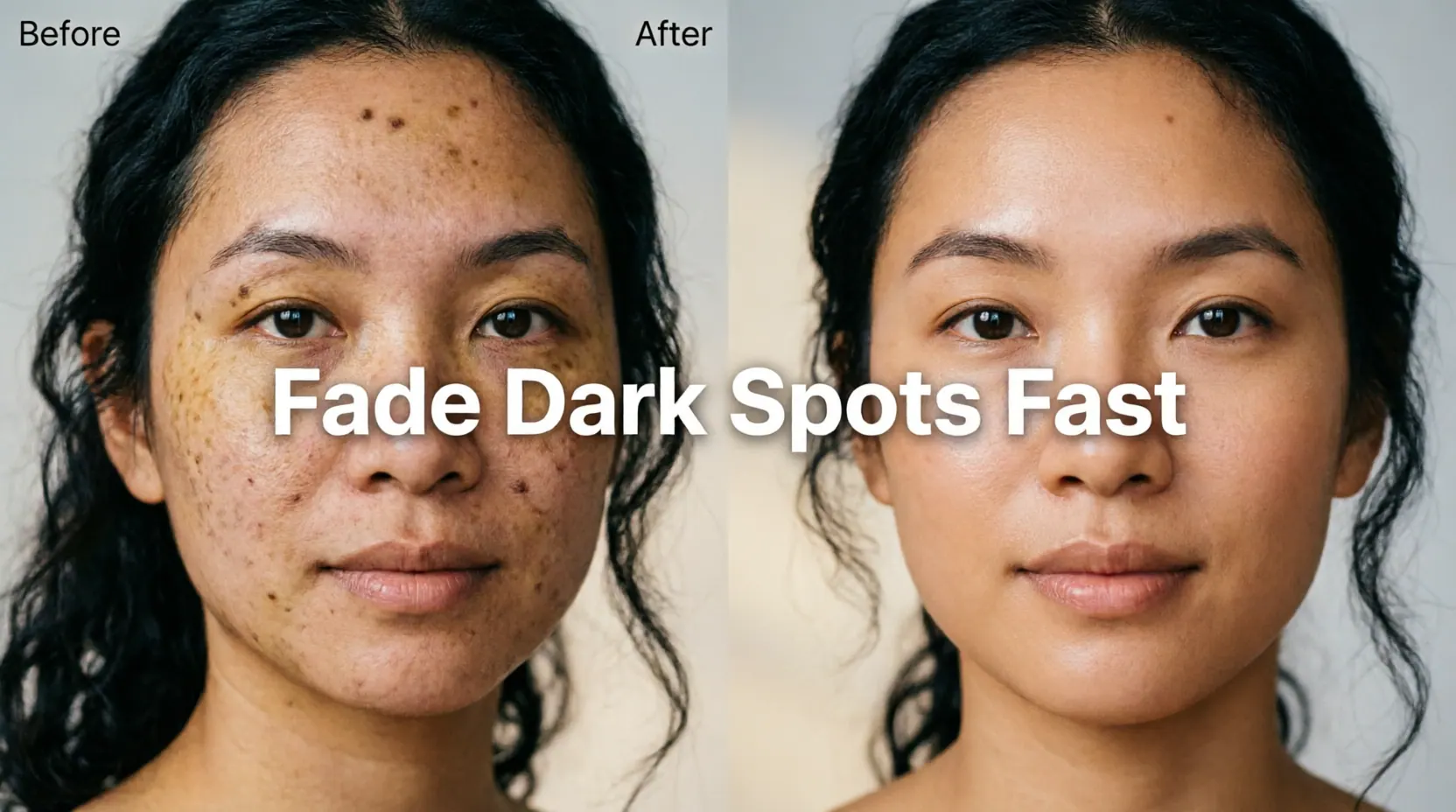
Introduction: The Dark Spot Dilemma
Hyperpigmentation affects millions of people worldwide, regardless of age, gender, or skin type. Those stubborn dark spots, patches, and uneven skin tone can be frustrating, affecting not just your appearance but also your confidence. Whether it's post-acne marks, sun spots, melasma, or age spots, hyperpigmentation is one of the most common and challenging skin concerns people face.
The good news? Hyperpigmentation is treatable. With the right knowledge, prevention strategies, and targeted treatments, you can fade dark spots and achieve a more even, radiant complexion. However, understanding what causes hyperpigmentation in the first place is crucial for both treatment and prevention.
This comprehensive guide decodes hyperpigmentation—from its underlying causes and types to evidence-based prevention methods and the fastest, most effective ways to fade dark spots. Whether you're dealing with recent post-inflammatory marks or long-standing melasma, you'll find science-backed solutions to help you achieve clearer, more luminous skin.
What Is Hyperpigmentation?
Hyperpigmentation is a common skin condition where patches of skin become darker than the surrounding areas due to excess melanin production. Melanin is the pigment that gives your skin, hair, and eyes their color. When melanocytes (the cells that produce melanin) become overactive or damaged, they produce excess pigment, leading to dark spots or patches.
How Melanin Production Works
Understanding hyperpigmentation starts with understanding melanogenesis—the process of melanin production:
- UV Exposure: When skin is exposed to UV radiation, melanocytes produce more melanin as a protective mechanism
- Inflammation: Skin injury or inflammation triggers melanocyte activity as part of the healing process
- Hormonal Signals: Hormones like estrogen and progesterone can stimulate melanin production
- Enzyme Activity: The enzyme tyrosinase plays a crucial role in melanin synthesis; overactivity leads to excess pigment
The Three Main Types of Hyperpigmentation
Not all dark spots are created equal. Identifying your type of hyperpigmentation is essential for choosing the right treatment:
1. Post-Inflammatory Hyperpigmentation (PIH)
PIH occurs after skin inflammation or injury, such as acne, eczema, psoriasis, cuts, or burns. As the skin heals, it produces excess melanin, leaving behind dark marks. PIH is more common in darker skin tones (Fitzpatrick types IV-VI) and can take months to fade.
2. Melasma
Melasma presents as symmetrical brown or gray-brown patches, typically on the face (cheeks, forehead, nose, and upper lip). It's primarily triggered by hormonal changes (pregnancy, birth control, hormone therapy) combined with sun exposure. Melasma is chronic and requires ongoing management.
3. Sun Spots (Solar Lentigines)
Also called age spots or liver spots, these flat, brown spots appear on sun-exposed areas like the face, hands, shoulders, and arms. They result from cumulative UV damage over time and become more common with age.
Featured Snippet: Hyperpigmentation is excess melanin production causing dark spots or patches. The three main types are: post-inflammatory hyperpigmentation (PIH) from acne or injury, melasma from hormonal changes, and sun spots from UV damage. Treatment depends on identifying the specific type.
What Causes Hyperpigmentation?
Multiple factors can trigger excess melanin production. Understanding your specific triggers is key to both treatment and prevention.
1. Sun Exposure (The Primary Culprit)
UV radiation is the number one cause of hyperpigmentation. When skin is exposed to UV rays:
- Melanocytes produce more melanin as a defense mechanism
- Existing dark spots become darker and more pronounced
- UV exposure can reactivate treated hyperpigmentation
- Even brief, unprotected exposure can reverse treatment progress
Both UVA (aging) and UVB (burning) rays contribute to hyperpigmentation, making broad-spectrum sun protection non-negotiable.
2. Inflammation and Skin Injury
Any inflammatory skin condition can trigger PIH:
- Acne: The most common cause of PIH, especially in darker skin tones
- Eczema and Dermatitis: Chronic inflammation leads to persistent dark marks
- Psoriasis: Flare-ups leave behind pigmented patches
- Physical Trauma: Cuts, burns, insect bites, or aggressive skincare (over-exfoliation)
3. Hormonal Changes
Hormones play a significant role in melanin production:
- Pregnancy: "The mask of pregnancy" (melasma) affects up to 50% of pregnant women
- Birth Control Pills: Synthetic hormones can trigger or worsen melasma
- Hormone Replacement Therapy: Similar effects to birth control
- Thyroid Disorders: Can affect skin pigmentation
4. Medications and Medical Conditions
Certain drugs and conditions can cause hyperpigmentation:
- Chemotherapy drugs
- Antimalarial medications
- Tricyclic antidepressants
- Anti-seizure medications
- Addison's disease
- Hemochromatosis (iron overload)
5. Genetics and Skin Type
Your genetic makeup influences hyperpigmentation risk:
- Darker skin tones (Fitzpatrick IV-VI) produce more melanin and are more prone to PIH
- Fair skin is more susceptible to sun spots and UV damage
- Family history of melasma increases your risk
6. Blue Light and Environmental Factors
Emerging research suggests:
- Blue Light (HEV): From screens and sunlight, may contribute to hyperpigmentation, especially in darker skin
- Pollution: Free radicals from environmental pollutants can trigger melanin production
- Infrared Radiation: May worsen melasma and sun damage
Featured Snippet: Main hyperpigmentation causes: UV exposure (primary trigger), inflammation from acne or injury (causes PIH), hormonal changes (triggers melasma), certain medications, genetics, and environmental factors like blue light and pollution. Sun protection is essential for prevention and treatment.
Preventing Hyperpigmentation: Your First Line of Defense
Prevention is always easier than treatment. Implementing these strategies can significantly reduce your risk of developing new dark spots and prevent existing ones from worsening.
1. Daily Sun Protection (Non-Negotiable)
Sunscreen is the single most important step in preventing and treating hyperpigmentation:
- SPF 30 or Higher: Use broad-spectrum sunscreen daily, even indoors
- Reapplication: Reapply every 2 hours when outdoors; every 4 hours indoors near windows
- Amount: Use 1/4 teaspoon for face and neck; don't skimp
- Mineral vs. Chemical: Mineral sunscreens (zinc oxide, titanium dioxide) are better for sensitive or melasma-prone skin
- Tinted Formulas: Iron oxides in tinted sunscreens protect against visible light, which can worsen melasma
2. Protective Clothing and Accessories
- Wear wide-brimmed hats (3+ inches) to shade your face
- Use UV-protective sunglasses to prevent squinting and eye-area pigmentation
- Choose UPF-rated clothing for extended sun exposure
- Seek shade during peak UV hours (10 AM - 4 PM)
3. Treat Acne Promptly and Gently
Preventing PIH starts with preventing inflammation:
- Don't pick, pop, or squeeze pimples
- Use gentle, non-irritating acne treatments
- See a dermatologist for persistent or cystic acne
- Apply spot treatments only to active breakouts, not surrounding skin
4. Avoid Skin Trauma
- Don't over-exfoliate (limit to 2-3 times weekly)
- Avoid harsh scrubs or aggressive facial tools
- Be gentle when removing makeup
- Treat insect bites promptly to prevent scratching
5. Manage Hormonal Triggers
- Discuss alternative birth control options if you develop melasma
- Use extra sun protection during pregnancy
- Manage stress, which can affect hormone balance
6. Antioxidant Protection
Topical and dietary antioxidants combat free radicals that trigger pigmentation:
- Vitamin C serum: Apply in the morning before sunscreen
- Vitamin E: Works synergistically with vitamin C
- Niacinamide: Reduces inflammation and prevents pigment transfer
- Diet: Eat antioxidant-rich foods (berries, leafy greens, nuts)
Featured Snippet: Prevent hyperpigmentation with daily SPF 30+ broad-spectrum sunscreen (reapply every 2 hours), protective clothing, gentle acne treatment, avoiding skin trauma, managing hormonal triggers, and using antioxidants like vitamin C and niacinamide. Prevention is easier than treatment.
The Fastest Ways to Fade Dark Spots: Evidence-Based Treatments
While patience is essential (most treatments take 6-12 weeks to show results), certain ingredients and procedures can accelerate fading. Here's your comprehensive treatment guide:
Top-Tier Topical Ingredients
1. Hydroquinone (The Gold Standard)
How it works: Inhibits tyrosinase, the enzyme responsible for melanin production.
Effectiveness: 2-4% concentration shows results in 6-12 weeks; prescription-strength (4%) is most effective.
Usage: Apply to dark spots once or twice daily for up to 3-4 months, then take a break to prevent ochronosis (paradoxical darkening).
Cautions: Can cause irritation; not recommended during pregnancy; requires strict sun protection.
2. Retinoids (Retinol, Tretinoin, Adapalene)
How it works: Increases cell turnover, fades pigmented cells faster, and enhances penetration of other lightening agents.
Effectiveness: Visible results in 8-12 weeks; tretinoin (prescription) is most potent.
Usage: Start with 0.25-0.5% retinol 2-3 nights weekly, gradually increasing frequency. Apply at night; always use sunscreen during the day.
Cautions: Can cause initial purging and irritation; avoid during pregnancy.
3. Vitamin C (L-Ascorbic Acid)
How it works: Antioxidant that inhibits tyrosinase, brightens skin, and protects against UV damage.
Effectiveness: 10-20% concentration shows brightening in 8-12 weeks.
Usage: Apply 10-20% L-ascorbic acid serum in the morning before sunscreen.
Benefits: Also boosts collagen and provides antioxidant protection.
4. Niacinamide (Vitamin B3)
How it works: Prevents melanin transfer from melanocytes to skin cells; reduces inflammation.
Effectiveness: 4-5% concentration shows results in 8-12 weeks with minimal irritation.
Usage: Apply twice daily; well-tolerated and can be combined with other actives.
Benefits: Also minimizes pores, regulates oil, and strengthens barrier.
5. Alpha Arbutin
How it works: Natural derivative of hydroquinone that inhibits tyrosinase without the side effects.
Effectiveness: 2-3% concentration shows gradual lightening in 8-12 weeks.
Usage: Apply twice daily; safe for long-term use and sensitive skin.
6. Azelaic Acid
How it works: Inhibits tyrosinase and reduces inflammation; particularly effective for PIH and melasma.
Effectiveness: 15-20% concentration (prescription) shows results in 8-12 weeks.
Usage: Apply once or twice daily; safe during pregnancy.
Benefits: Also treats acne and rosacea.
7. Kojic Acid
How it works: Derived from fungi; inhibits tyrosinase production.
Effectiveness: 1-2% concentration shows results in 8-12 weeks.
Usage: Apply once or twice daily; can be combined with other lightening agents.
Cautions: May cause irritation or contact dermatitis in sensitive skin.
8. Chemical Exfoliants (AHAs)
Glycolic Acid: Smallest AHA molecule; penetrates deeply to exfoliate pigmented cells.
Lactic Acid: Gentler than glycolic; also hydrates.
Mandelic Acid: Larger molecule; ideal for sensitive or darker skin tones.
Effectiveness: 5-10% concentration 2-3 times weekly shows results in 6-8 weeks.
Usage: Start slowly; always use sunscreen as AHAs increase sun sensitivity.
9. Tranexamic Acid
How it works: Originally a medication, now used topically to treat melasma by inhibiting plasmin, which triggers melanin production.
Effectiveness: 2-5% concentration shows significant improvement in melasma in 8-12 weeks.
Usage: Apply twice daily; well-tolerated and effective for stubborn melasma.
10. Licorice Root Extract (Glabridin)
How it works: Natural tyrosinase inhibitor with anti-inflammatory properties.
Effectiveness: Gentle but requires consistent use (12+ weeks).
Usage: Safe for sensitive skin; can be used twice daily.
Featured Snippet: Best ingredients to fade dark spots: hydroquinone (gold standard, 6-12 weeks), retinoids (increase cell turnover), vitamin C (antioxidant brightening), niacinamide (prevents pigment transfer), alpha arbutin (gentle alternative), azelaic acid (safe for pregnancy), and tranexamic acid (effective for melasma). Most require 8-12 weeks for visible results.
Professional Treatments for Faster Results
For stubborn or severe hyperpigmentation, in-office procedures can accelerate results:
1. Chemical Peels
- Superficial Peels: Glycolic, salicylic, or lactic acid peels (20-70% concentration)
- Medium Peels: TCA (trichloroacetic acid) peels for deeper pigmentation
- Results: 3-6 sessions spaced 2-4 weeks apart
- Downtime: 3-7 days of peeling and redness
- Best for: PIH, sun spots, mild melasma
2. Laser Treatments
- Q-Switched Nd:YAG: Gold standard for darker skin tones; targets melanin without damaging surrounding tissue
- PicoSure/PicoWay: Picosecond lasers break pigment into tiny particles for faster clearance
- IPL (Intense Pulsed Light): Best for fair skin with sun spots; not recommended for melasma or darker skin
- Results: 3-6 sessions; 4-6 weeks apart
- Downtime: Minimal to moderate (redness, darkening before lightening)
3. Microneedling
- How it works: Creates micro-injuries that stimulate collagen and enhance product penetration
- With PRP: Platelet-rich plasma enhances healing and brightening
- Results: 3-6 sessions; 4-6 weeks apart
- Best for: PIH, especially with acne scars
4. Microdermabrasion
- How it works: Mechanical exfoliation removes superficial pigmented cells
- Results: 6-12 sessions; weekly or bi-weekly
- Best for: Mild sun spots and superficial PIH
- Downtime: Minimal (slight redness for 24 hours)
5. Cryotherapy
- How it works: Liquid nitrogen freezes and destroys pigmented cells
- Best for: Isolated sun spots or age spots
- Results: Often 1-2 treatments
- Downtime: Blistering and peeling for 1-2 weeks
Important Note: Professional treatments should always be performed by a board-certified dermatologist, especially for darker skin tones, to avoid worsening hyperpigmentation or causing scarring.
Building Your Hyperpigmentation Treatment Routine
A well-structured routine maximizes results while minimizing irritation. Here's how to layer your products effectively:
Morning Routine
- Gentle Cleanser: pH-balanced, non-stripping formula
- Vitamin C Serum: 10-20% L-ascorbic acid on dry skin
- Niacinamide Serum: 4-5% (optional; can mix with vitamin C or use separately)
- Lightweight Moisturizer: Non-comedogenic, hydrating formula
- Broad-Spectrum Sunscreen: SPF 30+ (SPF 50+ for melasma); tinted if possible
Evening Routine
- Double Cleanse: Oil cleanser to remove sunscreen/makeup, followed by gentle foaming cleanser
- Treatment (Alternate Nights):
- Night 1, 3, 5: Retinoid (start 2-3x weekly, build tolerance)
- Night 2, 4, 6: Lightening agent (hydroquinone, alpha arbutin, azelaic acid, or tranexamic acid)
- Night 7: Rest night—just moisturizer
- Moisturizer: Richer formula at night to support barrier repair
- Occasional (1-2x weekly): Chemical exfoliant (AHA) instead of retinoid—never use on same night
Key Rules for Success
- Don't overdo it: More actives ≠ faster results. Irritation worsens hyperpigmentation.
- Introduce one product at a time: Wait 2 weeks before adding another active
- Always patch test: Apply new products behind ear or on inner arm for 48 hours
- Be consistent: Results take 8-12 weeks minimum
- Never skip sunscreen: Even one day of unprotected sun can reverse weeks of progress
Featured Snippet: Hyperpigmentation routine: AM—gentle cleanser, vitamin C, niacinamide, moisturizer, SPF 30+. PM—double cleanse, alternate retinoid and lightening agents (hydroquinone, azelaic acid, tranexamic acid), moisturizer. Introduce one active at a time; never skip sunscreen; results take 8-12 weeks.
Common Mistakes That Worsen Hyperpigmentation
Avoid these pitfalls that can make dark spots worse or prevent treatment from working:
Mistake 1: Skipping Sunscreen
The Problem: UV exposure reactivates melanocytes, making dark spots darker and treatment ineffective.
The Solution: Make SPF 30+ non-negotiable, every single day, rain or shine.
Mistake 2: Over-Exfoliating
The Problem: Aggressive exfoliation causes inflammation, triggering more pigment production (especially in darker skin).
The Solution: Limit chemical exfoliants to 2-3 times weekly; avoid physical scrubs.
Mistake 3: Picking at Skin
The Problem: Picking acne or scabs causes trauma and inflammation, leading to PIH.
The Solution: Keep hands off your face; use hydrocolloid patches on active breakouts.
Mistake 4: Using Too Many Actives
The Problem: Combining multiple strong actives (retinoid + AHA + vitamin C) causes irritation and barrier damage.
The Solution: Introduce one active at a time; alternate nights; prioritize barrier health.
Mistake 5: Expecting Overnight Results
The Problem: Impatience leads to product-hopping or overuse, causing more problems.
The Solution: Commit to a routine for 12 weeks minimum before evaluating results.
Mistake 6: Not Treating the Root Cause
The Problem: Treating PIH while still getting active acne means continuous new dark spots.
The Solution: Address underlying issues (acne, eczema, sun exposure) alongside pigmentation treatment.
Mistake 7: Using Harsh "Natural" Remedies
The Problem: Lemon juice, baking soda, or undiluted essential oils can burn skin and worsen pigmentation.
The Solution: Stick to evidence-based ingredients; "natural" doesn't mean safe or effective.
Special Considerations for Different Skin Tones
Hiperpigmentation affects different skin tones uniquely. Tailor your approach accordingly:
Darker Skin Tones (Fitzpatrick IV-VI)
- Higher PIH risk: More melanin means more reactive melanocytes
- Gentler approach: Start with lower concentrations of actives
- Avoid: High-strength peels, aggressive lasers, or harsh scrubs
- Best ingredients: Azelaic acid, niacinamide, mandelic acid, tranexamic acid
- Laser caution: Only use Nd:YAG or picosecond lasers with experienced providers
Fair Skin Tones (Fitzpatrick I-III)
- Higher sun damage risk: More prone to sun spots and UV-induced pigmentation
- Can tolerate: Stronger concentrations of actives and more frequent exfoliation
- Best ingredients: Hydroquinone, glycolic acid, vitamin C, retinoids
- IPL suitable: Generally safe for sun spots (avoid for melasma)
When to See a Dermatologist
While many cases of hyperpigmentation respond to at-home care, consult a dermatologist if:
- Dark spots appear suddenly or change rapidly
- Over-the-counter products show no improvement after 12 weeks
- You have melasma (often requires prescription treatment)
- Dark spots are accompanied by other symptoms (itching, bleeding, pain)
- You're unsure of the cause or type of hyperpigmentation
- You have darker skin and want professional treatments (to avoid complications)
A dermatologist can provide prescription-strength treatments (4% hydroquinone, tretinoin, combination creams), perform safe procedures, and rule out serious conditions like skin cancer.
Frequently Asked Questions (FAQs)
How long does it take to fade hyperpigmentation?
Superficial PIH: 3-6 months with consistent treatment. Deeper pigmentation or melasma: 6-12 months or longer. Sun spots: 3-6 months with professional treatments. Patience and consistency are essential—there are no true "quick fixes."
Can hyperpigmentation be permanent?
Most hyperpigmentation fades with proper treatment, but some cases (especially deep dermal melasma or long-standing sun damage) may be stubborn or require ongoing maintenance. Early intervention improves outcomes.
Is hydroquinone safe?
Yes, when used correctly: 2-4% concentration for 3-4 months maximum, followed by a break. Long-term continuous use can cause ochronosis (paradoxical darkening), especially in darker skin. Always use under dermatologist guidance and with strict sun protection.
Can I treat hyperpigmentation during pregnancy?
Yes, but avoid hydroquinone and retinoids. Safe options include: azelaic acid, vitamin C, niacinamide, glycolic acid (low concentration), and licorice root extract. Always consult your OB-GYN before starting new skincare during pregnancy.
Why is my hyperpigmentation getting worse?
Common reasons: sun exposure without protection, ongoing inflammation (active acne), using irritating products, hormonal changes, or picking at skin. Identify and address the trigger while continuing treatment.
Does diet affect hyperpigmentation?
Indirectly, yes. Antioxidant-rich foods (vitamins C, E, A) support skin health. Inflammatory foods (sugar, processed foods) may worsen acne and PIH. Stay hydrated and maintain a balanced diet for overall skin health.
Conclusion: Patience, Consistency, and Sun Protection
Hyperpigmentation is a complex but treatable condition. While the journey to clearer, more even skin requires patience and consistency, the results are worth the effort. Remember these key principles:
Prevention is paramount: Daily broad-spectrum sunscreen is non-negotiable. Without it, no treatment will work effectively.
Identify your type: Understanding whether you have PIH, melasma, or sun spots helps you choose the right treatment approach.
Start gentle: Introduce one active ingredient at a time. Irritation worsens hyperpigmentation, especially in darker skin tones.
Be patient: Meaningful results take 8-12 weeks minimum. Commit to your routine and avoid product-hopping.
Protect your barrier: Healthy skin heals faster. Don't sacrifice barrier health for faster results.
Seek professional help when needed: Stubborn cases, melasma, or uncertainty warrant a dermatologist's expertise.
With the right knowledge, evidence-based treatments, and unwavering sun protection, you can fade dark spots and achieve the radiant, even-toned complexion you deserve. Your skin's journey to clarity starts today—one consistent, protected day at a time.
📖 আরও পড়ুন: Skin Care
- 🔗 Uneven Skin Tone After 35: Science, Solutions and Expectations
- 🔗 How Indoor Pollution Impacts Female Skin and Protection Tips
- 🔗 Persistent Redness Without Acne: Women's Causes & Solutions
- 🔗 মাইক্রোবায়োম স্কিনকেয়ার: ত্বকের সুরক্ষায় ভালো ব্যাকটেরিয়ার গাইড
- 🔗 Skin Care Specialty Physicians- How to Choose the Right Dermatology Expert for Your Skin Needs in the USA