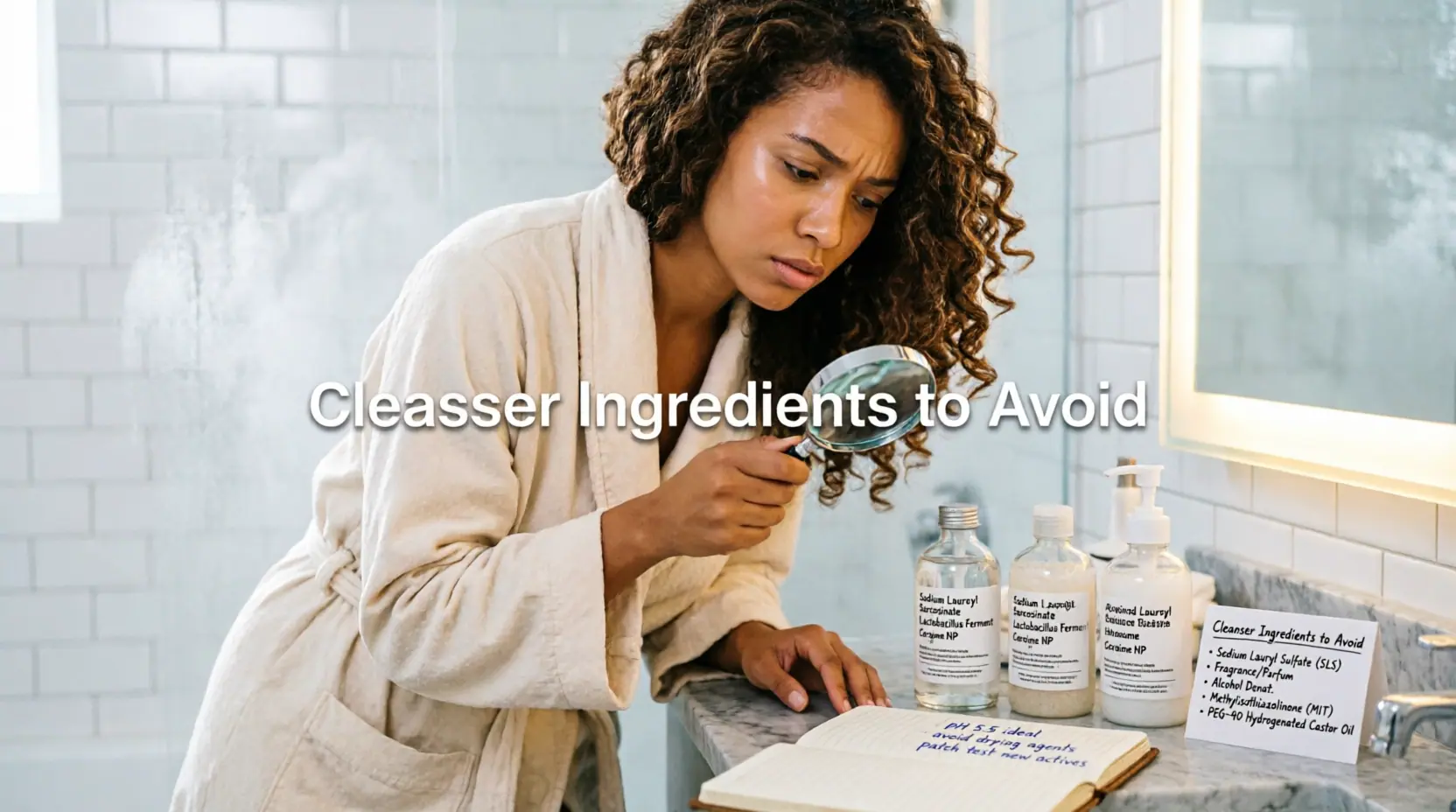
That persistent breakout that won't quit might not be your skincare routine's fault—it could be your cleanser. Acne-prone skin is incredibly sensitive to certain ingredients, and many popular face washes contain hidden compounds that clog pores, trigger inflammation, or disrupt your skin's natural balance. While you're diligently following a "clear skin" routine, these hidden ingredients in your cleanser could be silently sabotaging your progress, causing new breakouts, worsening existing acne, and preventing your skin from ever achieving the clarity you deserve.
The cleanser is the foundation of any skincare routine, yet it's often the most overlooked product when it comes to acne management. Many people focus on serums, treatments, and moisturizers while assuming that because a cleanser "washes off," it can't cause problems. This is a critical misconception. Cleansers remain on your skin long enough to deposit ingredients that can clog pores, irritate sensitive skin, or disrupt your microbiome—all of which trigger or worsen acne.
In this comprehensive, dermatologist-informed guide, we'll expose the 5 most common hidden ingredients in cleansers that sabotage acne-prone skin, reveal the science behind why these ingredients trigger breakouts, share how to read labels like a pro to avoid comedogenic compounds, and provide expert strategies for choosing acne-safe cleansers that support—rather than sabotage—your clear skin journey. Whether you're dealing with persistent whiteheads, stubborn cystic acne, or unexplained breakouts that won't respond to treatment, you'll learn how to transform your cleansing routine from a source of frustration into a foundation for clear, healthy skin.
Why Your Cleanser Matters More Than You Think for Acne-Prone Skin
Short answer: Cleansers remain on skin long enough to deposit pore-clogging ingredients, disrupt the acid mantle, strip protective lipids, and trigger inflammation—all of which can initiate or worsen acne even though the product is rinsed off.
Many people assume that because cleansers are rinsed off, they can't cause long-term problems. However, research and clinical experience tell a different story:
The "Rinse-Off" Myth Debunked
Why Cleansers Still Affect Your Skin:
- Residue remains: Even after rinsing, microscopic amounts of cleanser ingredients remain on skin and in pores
- Barrier disruption: Harsh cleansers strip protective lipids, compromising barrier function and triggering rebound oil production
- pH imbalance: Alkaline cleansers neutralize the acid mantle, allowing acne-causing bacteria to thrive
- Microbiome disruption: Antibacterial ingredients kill beneficial bacteria along with harmful ones, disrupting skin's natural balance
- Inflammatory response: Irritating ingredients trigger immune response that worsens acne inflammation
Clinical Evidence: Studies show that switching to gentle, pH-balanced, non-comedogenic cleansers can reduce acne lesions by 30-50% within 4-8 weeks, even without changing other products in the routine.
How Acne Forms: The Role of Cleansing
Acne develops through a specific sequence that cleansing can either support or sabotage:
- Excess sebum production: Hormones stimulate oil glands
- Abnormal keratinization: Dead skin cells don't shed properly and stick together
- Pore clogging: Oil and dead cells accumulate, forming a microcomedone
- Bacterial proliferation: Cutibacterium acnes (formerly P. acnes) multiplies in the clogged, oily environment
- Inflammation: Immune response causes redness, swelling, and pus formation
Where Cleansers Interfere:
- Harsh cleansers strip lipids, triggering rebound oil production (step 1)
- Alkaline cleansers disrupt cell shedding, worsening keratinization (step 2)
- Comedogenic ingredients directly clog pores (step 3)
- Antibacterial ingredients disrupt microbiome balance, allowing harmful strains to dominate (step 4)
- Irritating ingredients trigger inflammation that worsens existing acne (step 5)
The 5 Hidden Ingredients Sabotaging Your Acne-Prone Skin
Short answer: The most problematic cleanser ingredients for acne-prone skin include sodium lauryl sulfate (SLS), coconut oil and derivatives, isopropyl myristate, synthetic fragrances, and high concentrations of denatured alcohol—each triggering breakouts through pore-clogging, irritation, or microbiome disruption.
These ingredients are commonly found in popular cleansers but are rarely highlighted on front labels. Learning to identify them is your first step to clearer skin.
Ingredient #1: Sodium Lauryl Sulfate (SLS) and Sodium Laureth Sulfate (SLES)
What It Is: Synthetic surfactants (foaming agents) that create rich lather in cleansers.
Why It Sabotages Acne-Prone Skin:
- Strips protective lipids: SLS/SLES are powerful detergents that dissolve the skin's natural oil barrier, triggering rebound sebum production that worsens acne
- Disrupts acid mantle: These ingredients have high pH (8-10), neutralizing skin's natural acidic pH (4.5-5.5) and allowing acne-causing bacteria to thrive
- Causes micro-inflammation: SLS is a known irritant that triggers immune response, worsening inflammatory acne
- Compromises barrier function: Repeated use damages the stratum corneum, increasing transepidermal water loss and sensitivity
Where to Find It: Listed as "Sodium Lauryl Sulfate," "Sodium Laureth Sulfate," "SLES," or "SLS" in ingredients. Common in foaming cleansers, "deep cleansing" formulas, and budget-friendly face washes.
Signs It's Affecting Your Skin:
- Skin feels tight, dry, or "squeaky clean" after washing
- Increased breakouts despite "deep cleansing"
- Redness, stinging, or irritation after cleansing
- Oily T-zone with dry, flaky cheeks (combination skin from barrier damage)
Acne-Safe Alternatives:
- Cocamidopropyl betaine: Gentle, pH-balanced surfactant
- Decyl glucoside: Plant-derived, non-irritating cleanser
- Sodium cocoyl isethionate: Mild foaming agent that maintains skin pH
- Look for: "Sulfate-free," "pH-balanced," or "gentle" on labels
Ingredient #2: Coconut Oil and Coconut-Derived Ingredients
What It Is: Coconut oil (Cocos nucifera oil) and derivatives like coconut alcohol, coconut fatty acids, or sodium cocoate.
Why It Sabotages Acne-Prone Skin:
- Highly comedogenic: Coconut oil rates 4-5 on the comedogenic scale (0-5), meaning it's very likely to clog pores
- Traps bacteria: The thick, occlusive nature of coconut oil creates an environment where acne-causing bacteria can multiply
- Feeds Malassezia: Coconut oil contains fatty acids that feed yeast linked to fungal acne (malassezia folliculitis)
- Leaves residue: Even in rinse-off products, coconut derivatives can leave a film that clogs pores over time
Where to Find It: Listed as "Cocos Nucifera (Coconut) Oil," "Coconut Alcohol," "Sodium Cocoate," "Cocamide DEA," or "Cocamidopropyl Betaine" (though the last is generally safe when properly formulated).
Signs It's Affecting Your Skin:
- New whiteheads or blackheads appearing after switching cleansers
- Breakouts concentrated in areas where cleanser pools (jawline, hairline)
- Small, uniform, itchy bumps suggesting fungal acne
- Breakouts that don't respond to typical acne treatments
Acne-Safe Alternatives:
- Sunflower seed oil: Non-comedogenic (rating 0), rich in linoleic acid
- Hemp seed oil: Non-comedogenic, anti-inflammatory
- Squalane: Mimics skin's natural sebum, non-comedogenic
- Look for: "Non-comedogenic," "won't clog pores," or oil-free formulas
Ingredient #3: Isopropyl Myristate and Other Comedogenic Esters
What It Is: Synthetic esters used as emollients, thickeners, or texture enhancers in cleansers.
Why It Sabotages Acne-Prone Skin:
- Extremely comedogenic: Isopropyl myristate rates 5/5 on comedogenic scale—among the most pore-clogging ingredients
- Forms occlusive film: Creates a barrier on skin that traps dead cells, oil, and bacteria in pores
- Common in "luxury" formulas: Often added to create silky texture, making it hidden in premium cleansers
- Other problematic esters: Isopropyl palmitate, myristyl myristate, and octyl palmitate also rate 4-5/5
Where to Find It: Listed as "Isopropyl Myristate," "Isopropyl Palmitate," "Myristyl Myristate," "Octyl Palmitate," or ingredients ending in "-myristate" or "-palmitate."
Signs It's Affecting Your Skin:
- Sudden increase in closed comedones (small flesh-colored bumps)
- Breakouts that appear 2-4 weeks after starting new cleanser
- Clogged pores that don't respond to exfoliation
- Breakouts in areas where product sits longest (chin, jawline)
Acne-Safe Alternatives:
- Caprylic/Capric Triglyceride: Lightweight, non-comedogenic emollient
- Cetearyl Olivate: Olive-derived, non-comedogenic emulsifier
- Glyceryl Stearate: Gentle emulsifier with low comedogenic risk
- Look for: "Non-comedogenic" certification or avoid ingredients ending in "-myristate" or "-palmitate"
Ingredient #4: Synthetic Fragrance and Essential Oils
What It Is: "Fragrance," "Parfum," or specific essential oils (lavender, citrus, tea tree, etc.) added for scent.
Why It Sabotages Acne-Prone Skin:
- Triggers inflammation: Fragrance is a leading cause of contact dermatitis; inflammation worsens all types of acne
- Disrupts microbiome: Antimicrobial essential oils kill beneficial bacteria along with harmful ones
- Causes photosensitivity: Citrus oils (bergamot, lemon) increase sun sensitivity, worsening post-acne marks
- Hidden allergens: "Fragrance" can contain 100+ undisclosed chemicals, making it impossible to identify specific triggers
Where to Find It: Listed as "Fragrance," "Parfum," "Essential Oil," or specific oils like "Lavandula Angustifolia (Lavender) Oil," "Citrus Aurantium Dulcis (Orange) Oil."
Signs It's Affecting Your Skin:
- Redness, itching, or burning after cleansing
- Breakouts accompanied by rash or irritation
- Worsening of post-inflammatory hyperpigmentation
- Breakouts that flare with product use and improve when discontinued
Acne-Safe Alternatives:
- Fragrance-free formulas: Look for "fragrance-free" (not just "unscented")
- Naturally scent-free ingredients: Many effective cleansers have no added scent
- If you prefer scent: Choose products scented only with non-irritating, non-photosensitizing ingredients
- Look for: "Fragrance-free," "for sensitive skin," or "dermatologist-tested"
Ingredient #5: High Concentrations of Denatured Alcohol (Alcohol Denat, SD Alcohol)
What It Is: Ethanol-based alcohols used as solvents, preservatives, or to create "quick-dry" formulas.
Why It Sabotages Acne-Prone Skin:
- Strips protective lipids: Alcohol dissolves skin's natural oils, triggering rebound sebum production
- Disrupts barrier function: Repeated use damages the stratum corneum, increasing sensitivity and inflammation
- Causes dehydration: Alcohol increases transepidermal water loss, leading to dehydrated skin that overproduces oil
- Triggers inflammation: Alcohol is irritating to compromised or acne-prone skin, worsening inflammatory acne
Where to Find It: Listed as "Alcohol Denat," "SD Alcohol," "Ethanol," or "Denatured Alcohol," often in the first 5 ingredients for maximum effect.
Signs It's Affecting Your Skin:
- Skin feels tight or dry immediately after cleansing
- Increased oiliness 1-2 hours after washing (rebound effect)
- Stinging or burning with product application
- Breakouts accompanied by redness or irritation
Acne-Safe Alternatives:
- Fatty alcohols: Cetyl alcohol, stearyl alcohol (non-drying, emollient)
- Glycerin: Humectant that hydrates without irritation
- Propanediol: Gentle solvent that doesn't strip skin
- Look for: "Alcohol-free" or avoid "Alcohol Denat" in first 5 ingredients
How to Read Cleanser Labels Like a Pro
Short answer: Identify problematic ingredients by checking the first 5-10 ingredients (highest concentration), avoiding known comedogenic compounds, choosing pH-balanced formulas, and prioritizing fragrance-free, non-comedogenic certifications.
Decoding ingredient lists doesn't require a chemistry degree—just a strategic approach:
Understanding Ingredient Order
The Rule: Ingredients are listed in descending order of concentration. The first 5-10 ingredients make up the majority of the formula.
Practical Application:
- If SLS is in the first 3 ingredients, it's a primary cleanser—avoid
- If coconut oil appears early, it's a significant component—avoid for acne-prone skin
- If fragrance appears in first 10 ingredients, it's present in meaningful amounts—caution
- Ingredients after "preservatives" section (usually last 1-2%) have minimal impact
Red Flag Ingredients Checklist
Avoid These for Acne-Prone Skin:
- Sulfates: Sodium Lauryl Sulfate, Sodium Laureth Sulfate
- Comedogenic oils: Coconut oil, cocoa butter, wheat germ oil
- Problematic esters: Isopropyl myristate, isopropyl palmitate, myristyl myristate
- Fragrance: "Fragrance," "Parfum," or essential oils if sensitive
- Drying alcohols: Alcohol Denat, SD Alcohol in first 5 ingredients
- Harsh preservatives: Methylisothiazolinone, formaldehyde-releasers
Green Light Ingredients for Acne-Prone Skin
Look for These Supportive Ingredients:
- Gentle surfactants: Cocamidopropyl betaine, decyl glucoside, sodium cocoyl isethionate
- Non-comedogenic oils: Sunflower seed oil, hemp seed oil, squalane
- Barrier-supporting ingredients: Ceramides, niacinamide, panthenol
- Anti-inflammatory ingredients: Centella asiatica, green tea extract, licorice root
- pH-balancing ingredients: Citric acid, lactic acid (in low concentrations)
The pH Factor
Why pH Matters: Skin's natural pH is 4.5-5.5 (slightly acidic). Cleansers with pH above 6.0 disrupt the acid mantle, allowing acne-causing bacteria to thrive.
How to Check:
- Look for "pH-balanced" or "pH 5.5" on packaging
- Brands like CeraVe, La Roche-Posay, and Vanicream typically formulate at skin-friendly pH
- Avoid "deep cleansing" or "clarifying" claims, which often indicate high pH
- When in doubt, choose cream or gel cleansers over foaming formulas
Acne-Safe Cleanser Recommendations by Skin Concern
Short answer: Choose pH-balanced, fragrance-free, non-comedogenic cleansers with gentle surfactants and barrier-supporting ingredients; specific recommendations vary for inflammatory acne, fungal acne, sensitive acne-prone skin, and combination acne-prone skin.
For Inflammatory Acne (Red, Painful Pimples)
Key Needs: Gentle cleansing, anti-inflammatory ingredients, non-stripping formula
Recommended Cleansers:
- CeraVe Acne Foaming Cream Cleanser: 4% benzoyl peroxide, ceramides, niacinamide; pH 5.5
- La Roche-Posay Effaclar Purifying Foaming Gel: Zinc pidolate, thermal water; pH 5.5
- Vanicream Gentle Facial Cleanser: Free of dyes, fragrance, parabens; pH 5.0-6.0
Avoid: High-strength benzoyl peroxide (>5%), physical scrubs, high-alcohol formulas
For Fungal Acne (Malassezia Folliculitis)
Key Needs: Antifungal ingredients, avoidance of feeding oils, gentle formula
Recommended Cleansers:
- Nizoral Anti-Dandruff Shampoo (used as face wash): 1% ketoconazole; use 2-3x/week
- Paula's Choice CLEAR Pore Normalizing Cleanser: 0.5% salicylic acid, fragrance-free
- CeraVe SA Smoothing Cleanser: Salicylic acid, ceramides; avoids fungal-feeding ingredients
Avoid: Coconut oil, fatty acid esters, most plant oils, polysorbates
For Sensitive, Acne-Prone Skin
Key Needs: Minimal ingredients, fragrance-free, barrier-supporting
Recommended Cleansers:
- Vanicream Gentle Facial Cleanser: Only 10 ingredients; free of common irritants
- CeraVe Hydrating Cleanser: Ceramides, hyaluronic acid; non-foaming
- La Roche-Posay Toleriane Hydrating Gentle Cleanser: Prebiotic thermal water, ceramides
Avoid: Essential oils, synthetic fragrance, high concentrations of actives
For Combination Acne-Prone Skin
Key Needs: Balanced cleansing, oil control in T-zone without over-drying cheeks
Recommended Cleansers:
- CeraVe Foaming Facial Cleanser: Niacinamide, ceramides; gentle foaming action
- Krave Beauty Matcha Hemp Hydrating Cleanser: pH 5.5; matcha and hemp seed oil
- Youth to the People Superfood Cleanser: Kale, spinach, green tea; gentle gel formula
Avoid: Overly foaming formulas, heavy oils, one-size-fits-all approaches
How to Transition to an Acne-Safe Cleanser
Short answer: Transition gradually over 2-4 weeks, patch-test new cleansers, monitor skin response, and avoid introducing other new products simultaneously to isolate the cleanser's effects.
Making the switch doesn't have to cause breakouts:
Week 1-2: Patch Test and Introduce Slowly
Steps:
- Patch test: Apply new cleanser to small area of jawline for 3 days to check for reactions
- Alternate use: Use new cleanser every other night, old cleanser on alternate nights
- Monitor response: Note any changes in breakouts, dryness, or irritation
- Adjust frequency: If no negative reaction, increase to nightly use
Week 3-4: Full Transition and Observation
Steps:
- Use new cleanser exclusively: Discontinue old cleanser
- Keep routine simple: Avoid introducing other new products during transition
- Track changes: Take weekly photos to monitor progress objectively
- Be patient: Allow 4-6 weeks to see full effects of new cleanser
What to Expect During Transition
Normal Responses:
- Mild adjustment period (1-2 weeks) as skin adapts to gentler formula
- Temporary changes in oil production as barrier rebalances
- Gradual improvement in skin comfort and reduced irritation
Warning Signs to Stop:
- Severe redness, burning, or itching after use
- Sudden increase in breakouts after 2+ weeks of use
- Signs of allergic reaction (hives, swelling, difficulty breathing)
Lifestyle Factors That Amplify Cleanser Effects
Short answer: Support acne-safe cleansing by managing stress, prioritizing sleep, eating an anti-inflammatory diet, avoiding pore-clogging hair products, and maintaining consistent skincare habits.
Your cleanser doesn't work in isolation—these factors amplify or undermine its effects:
Stress and Sleep
Impact on Acne:
- Chronic stress elevates cortisol, increasing oil production and inflammation
- Poor sleep impairs skin barrier repair and immune function
- Stress and sleep deprivation can make skin more reactive to irritating ingredients
Supportive Habits:
- Practice stress-reduction techniques (meditation, deep breathing)
- Prioritize 7-9 hours of quality sleep nightly
- Keep bedroom cool and dark for optimal sleep quality
Diet and Nutrition
Foods That May Worsen Acne:
- High-glycemic foods (sugar, white bread) spike insulin and IGF-1, increasing oil production
- Dairy (especially skim milk) contains hormones and IGF-1 that may trigger breakouts
- Whey protein supplements are linked to acne in some individuals
Foods That Support Clear Skin:
- Omega-3 fatty acids (fatty fish, flaxseed) reduce inflammation
- Zinc-rich foods (pumpkin seeds, chickpeas) support healing
- Antioxidant-rich foods (berries, leafy greens) combat oxidative stress
Hair and Body Products
Pomade Acne:
- Hair oils, conditioners, and styling products can migrate to forehead and cheeks
- Look for "non-comedogenic" hair products if prone to forehead breakouts
- Wash hair before face to prevent product runoff onto skin
Body Care Considerations:
- Body washes and lotions can transfer to face via hands or towels
- Choose fragrance-free, non-comedogenic body products if facial acne is severe
- Use separate towels for face and body to prevent bacterial transfer
Common Mistakes That Sabotage Acne-Prone Skin
Avoid these errors that can undermine even the best cleanser choice:
Mistake #1: Over-Cleansing
Why it hurts: Washing more than 2x daily strips protective lipids, triggers rebound oil production, and compromises barrier function—worsening acne.
Fix: Cleanse maximum 2x daily (morning and night). After workouts, rinse with water only or use gentle micellar water.
Mistake #2: Using Hot Water
Why it hurts: Hot water dissolves protective lipids, increases inflammation, and worsens dryness—triggering rebound oil production.
Fix: Use lukewarm water (95-100°F / 35-38°C). Test with wrist—should feel neutral, not warm.
Mistake #3: Scrubbing Aggressively
Why it hurts: Physical scrubbing creates micro-tears, spreads bacteria, and triggers inflammation that worsens acne and post-inflammatory hyperpigmentation.
Fix: Use fingertips only with gentle, circular motions. Rinse by splashing water gently—never rub.
Mistake #4: Skipping Moisturizer
Why it hurts: Even oily, acne-prone skin needs hydration. Skipping moisturizer triggers rebound oil production and compromises barrier function.
Fix: Apply lightweight, non-comedogenic moisturizer to damp skin within 3 minutes of cleansing.
Mistake #5: Product-Hopping Too Quickly
Why it hurts: Constantly switching cleansers prevents skin from adjusting and makes it impossible to identify what's working.
Fix: Commit to a new cleanser for at least 4-6 weeks before evaluating results. Track changes with photos.
Expert Tips for Long-Term Acne Management
Tip #1: Keep a Cleanser Journal
Track cleanser used, skin response, and breakouts. Patterns help identify hidden triggers and confirm what works for your skin.
Tip #2: Double-Cleanse Strategically
If wearing makeup or heavy sunscreen: first cleanse with oil-based cleanser (non-comedogenic), second with acne-safe water-based cleanser. Don't double-cleanse unnecessarily.
Tip #3: Store Cleansers Properly
Keep cleansers in cool, dry place away from direct sunlight. Heat and humidity can degrade ingredients and promote bacterial growth.
Tip #4: Replace Cleansers Regularly
Discard cleansers after 6-12 months of opening. Preservatives lose efficacy over time, increasing contamination risk.
Tip #5: Consult a Dermatologist for Persistent Acne
If acne persists after 8-12 weeks of consistent acne-safe cleansing, see a dermatologist. Prescription treatments (topical retinoids, antibiotics) may be needed alongside proper cleansing.
Frequently Asked Questions About Cleansers and Acne
Can a cleanser alone clear acne?
Short answer: A cleanser is foundational but rarely sufficient alone for moderate to severe acne. It prevents new breakouts by avoiding pore-clogging ingredients and supporting barrier health, but active treatments (retinoids, benzoyl peroxide, salicylic acid) are usually needed to clear existing acne.
Think of cleanser as prevention and treatments as correction—both are essential for comprehensive acne management.
How do I know if my cleanser is causing breakouts?
Short answer: Signs include: new breakouts 2-4 weeks after starting cleanser, breakouts in areas where cleanser pools (jawline, hairline), breakouts that improve when cleanser is discontinued, or irritation accompanying breakouts.
Confirmation method: Stop using the cleanser for 2 weeks while keeping other products constant. If breakouts improve, the cleanser was likely a trigger.
Are natural or organic cleansers better for acne-prone skin?
Short answer: Not necessarily. "Natural" doesn't mean non-comedogenic—many natural oils (coconut, olive) are highly comedogenic. Focus on ingredient function (non-comedogenic, pH-balanced, fragrance-free) rather than marketing terms.
What matters: Ingredient safety and efficacy, not whether ingredients are "natural" or "synthetic."
Should I use a different cleanser for morning and night?
Short answer: Not usually necessary. One gentle, acne-safe cleanser used twice daily is sufficient for most people. Exception: If wearing heavy makeup or water-resistant sunscreen, double-cleanse at night with oil-based then water-based cleanser.
Morning: Water rinse or gentle cleanser if skin feels oily. Night: Full cleanse to remove sunscreen, makeup, and daily buildup.
Can I use acne cleansers with prescription treatments?
Short answer: Yes, but choose gentle, non-stripping formulas. Harsh cleansers can worsen irritation from prescription retinoids or antibiotics. Look for fragrance-free, pH-balanced, barrier-supporting cleansers.
Recommended pairing: Gentle cleanser + prescription treatment + non-comedogenic moisturizer + daily SPF.
When should I see a dermatologist about my acne?
Short answer: Consult a dermatologist if: acne is moderate to severe (nodules, cysts), doesn't improve after 8-12 weeks of consistent OTC care, causes scarring or dark marks, or affects your quality of life or mental health.
A dermatologist can: prescribe stronger topical or oral medications, perform professional extractions, recommend procedures (chemical peels, laser), and provide personalized protocol.
The Bottom Line: Your Cleanser Is Your First Line of Defense
Clear skin starts with what you wash it with. By avoiding hidden acne-triggering ingredients and choosing gentle, pH-balanced, non-comedogenic cleansers, you create the foundation for effective acne management. Your cleanser shouldn't be a source of breakouts—it should be a supportive partner in your clear skin journey.
Remember:
- Read labels: Check first 10 ingredients for red flags like SLS, coconut oil, or fragrance
- Choose pH-balanced: Skin-friendly pH (4.5-6.0) supports healthy microbiome
- Be gentle: Avoid scrubbing, hot water, and over-cleansing
- Hydrate after: Always follow with non-comedogenic moisturizer
- Be patient: Allow 4-6 weeks to evaluate a new cleanser's effects
- Seek help when needed: Dermatologists can provide prescription solutions for persistent acne
Your skin deserves care that supports—not sabotages—your goals. Start tonight: check your cleanser's ingredient list, switch to an acne-safe formula if needed, and commit to gentle, consistent cleansing. Your clearest skin is within reach.
You deserve to feel confident in your skin. With knowledge, consistency, and the right acne-safe cleanser, clear, healthy skin is absolutely within reach.
📖 আরও পড়ুন: Skin Care
- 🔗 স্কিন ডিটক্স: এক্সফোলিয়েশন ও ফেস মাস্ক ব্যবহারের সঠিক নিয়ম ও সতর্কতা
- 🔗 Neck Wrinkles & Sagging: Fix Tech Neck Naturally
- 🔗 স্কিন টাইপ চিনুন: ত্বক অনুযায়ী সঠিক যত্ন ও রুটিনের সম্পূর্ণ গাইড
- 🔗 Air-Conditioned Skin Balance: Women's Care Guide
- 🔗 Dark Circles Treatment: Science-Backed Protocol to Brighten