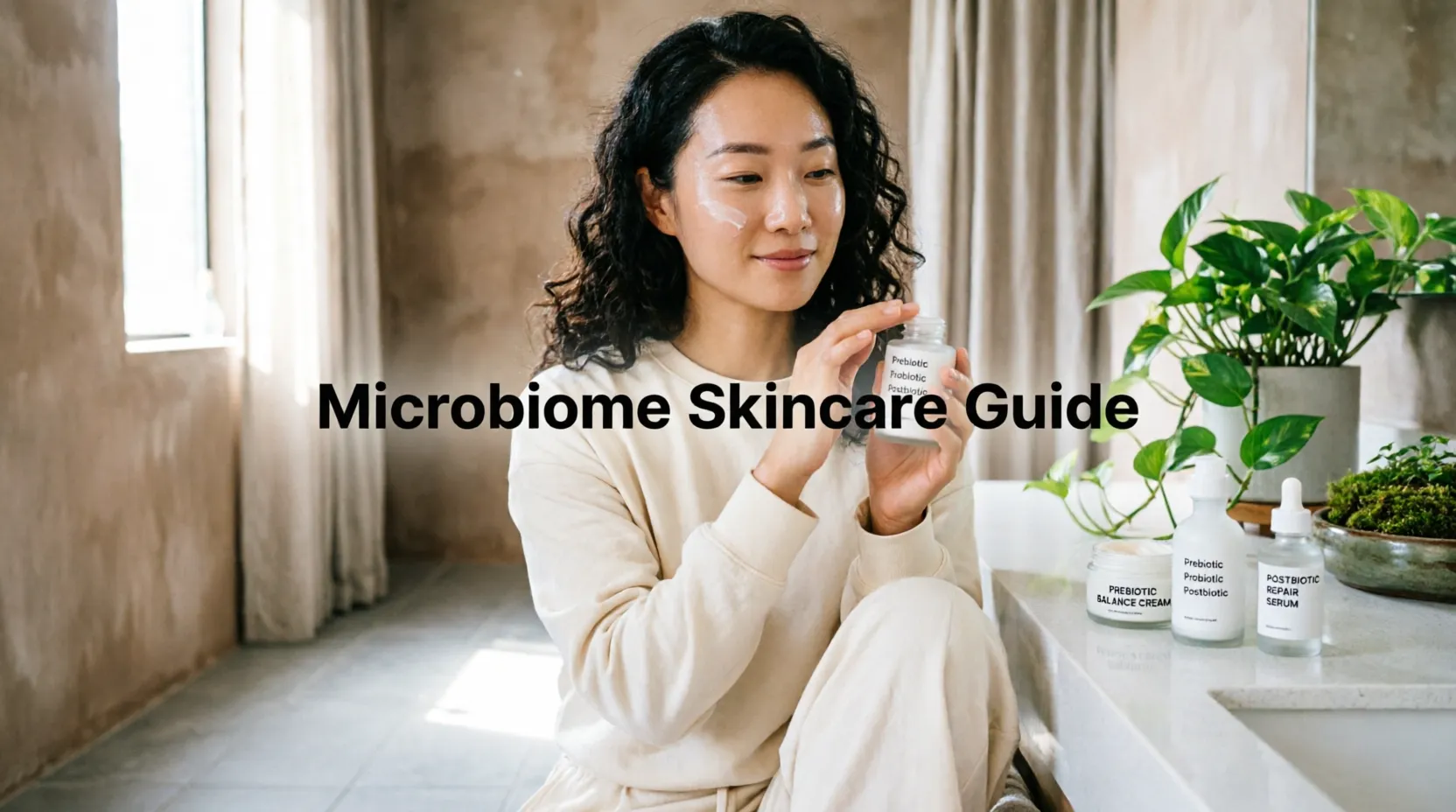
Understanding the Skin Microbiome: Your Skin's Invisible Ecosystem
Your skin is home to trillions of microorganisms—bacteria, fungi, viruses, and mites—that collectively form what scientists call the skin microbiome. This invisible ecosystem plays a crucial role in maintaining skin health, protecting against pathogens, regulating inflammation, and supporting the skin's barrier function. Yet, for decades, skincare focused primarily on eliminating bacteria rather than nurturing this delicate balance. Today, microbiome skincare represents a paradigm shift: instead of stripping the skin clean, we're learning to support the beneficial microbes that keep skin healthy, resilient, and radiant.
What exactly is the skin microbiome? The skin microbiome refers to the diverse community of microorganisms living on and within the skin's surface. Each person's microbiome is unique, shaped by genetics, environment, lifestyle, diet, and skincare habits. These microbes aren't passive residents—they actively communicate with skin cells, influence immune responses, and help maintain the skin's protective acid mantle.
Research shows that a balanced microbiome is essential for:
- Barrier protection: Beneficial microbes compete with harmful pathogens for resources, preventing infections
- Immune regulation: The microbiome trains the skin's immune system to respond appropriately to threats
- Inflammation control: A balanced microbiome helps prevent excessive inflammatory responses that can trigger conditions like acne, eczema, and rosacea
- pH balance: Microbes help maintain the skin's slightly acidic pH (around 4.5-5.5), which is critical for barrier function
- Wound healing: Certain microbes accelerate tissue repair and reduce scarring
When the microbiome becomes imbalanced—a state called dysbiosis—skin concerns often follow. Acne, eczema, rosacea, sensitivity, dryness, and premature aging have all been linked to microbiome disruption. This understanding has given rise to microbiome skincare: products and routines designed to nurture, rather than disrupt, your skin's microbial ecosystem.
This comprehensive guide explores the science behind microbiome skincare, the benefits of supporting your skin's microbiome, key ingredients to look for, how to build a microbiome-friendly routine, and what the future holds for this revolutionary approach to skin health.
The Science Behind Microbiome Skincare
To appreciate why microbiome skincare matters, it helps to understand how these tiny organisms influence skin health at a biological level.
How the microbiome protects your skin:
- Competitive exclusion: Beneficial microbes occupy space and consume resources that harmful pathogens would otherwise exploit
- Antimicrobial production: Some beneficial bacteria produce substances that inhibit the growth of harmful microbes
- Barrier reinforcement: Microbes signal skin cells to produce ceramides and other lipids that strengthen the skin barrier
- Immune modulation: The microbiome helps calibrate the skin's immune responses, preventing overreactions that cause inflammation
- pH regulation: Microbial metabolism helps maintain the skin's acidic pH, which discourages pathogen growth
What disrupts the skin microbiome?
Modern lifestyles and skincare practices can unintentionally harm the microbiome:
- Harsh cleansers: Sulfates and high-pH soaps strip beneficial microbes along with dirt and oil
- Over-exfoliation: Frequent use of strong acids or physical scrubs can damage the microbiome and barrier
- Antibacterial products: Ingredients like triclosan kill beneficial bacteria along with harmful ones
- Antibiotics: Oral or topical antibiotics can disrupt microbial balance long-term
- Pollution and stress: Environmental aggressors and chronic stress alter microbial composition
- Poor diet: Low-fiber, high-sugar diets may negatively impact the skin microbiome via the gut-skin axis
Microbiome skincare aims to reverse these disruptions by introducing beneficial microbes or the compounds that support their growth.
What Are Prebiotics, Probiotics, and Postbiotics?
These three terms form the foundation of microbiome skincare, but they serve distinct purposes:
Prebiotics: Non-living compounds that feed and support the growth of beneficial microbes already present on your skin. Common prebiotics in skincare include inulin, fructooligosaccharides (FOS), galactooligosaccharides (GOS), and certain plant extracts.
Probiotics: Live beneficial bacteria or yeast. In skincare, probiotics are often included in fermented extracts or lysates (broken-down cells) because live cultures can be challenging to stabilize in topical formulations. Common strains include Lactobacillus, Bifidobacterium, and Vitreoscilla.
Postbiotics: Beneficial compounds produced by probiotics during fermentation, including enzymes, peptides, organic acids, and antimicrobial substances. Postbiotics offer many benefits of probiotics without the stability challenges of live cultures.
Effective microbiome skincare often combines all three—prebiotics to feed good microbes, probiotics or their derivatives to introduce beneficial strains, and postbiotics to deliver immediate soothing and protective benefits.
Key Benefits of Microbiome-Friendly Skincare
Supporting your skin's microbiome delivers measurable benefits that extend beyond surface-level improvements.
1. Stronger Skin Barrier Function
A balanced microbiome signals skin cells to produce ceramides, fatty acids, and other lipids that form the skin's protective barrier. A strong barrier retains moisture, blocks irritants, and prevents transepidermal water loss. Studies show that microbiome-supportive ingredients can increase ceramide production by up to 30%, leading to visibly healthier, more resilient skin.
2. Reduced Inflammation and Sensitivity
Beneficial microbes help regulate the skin's immune responses, preventing excessive inflammation that drives conditions like rosacea, eczema, and acne. Clinical trials have found that probiotic skincare can reduce redness, stinging, and reactivity in sensitive skin by modulating inflammatory cytokines.
3. Improved Acne and Breakout Control
Acne is linked to an overgrowth of Cutibacterium acnes and an imbalance in the skin's microbial community. Microbiome-friendly ingredients can help restore balance by supporting beneficial strains that compete with acne-causing bacteria. Research indicates that topical probiotics can reduce acne lesions by 30-50% in some individuals.
4. Enhanced Hydration and Moisture Retention
A healthy microbiome supports the production of natural moisturizing factors (NMFs) and lipids that keep skin hydrated. Prebiotic and postbiotic ingredients have been shown to increase skin hydration by 20-40% within weeks of consistent use.
5. Calmer, More Even Skin Tone
By reducing inflammation and supporting barrier health, microbiome skincare can help fade post-inflammatory hyperpigmentation and promote a more uniform complexion. Postbiotics like lactic acid also provide gentle exfoliation that brightens without disrupting the microbiome.
6. Anti-Aging Support
Chronic inflammation accelerates aging by breaking down collagen and elastin. By calming inflammation and strengthening the barrier, microbiome skincare helps preserve skin's youthful structure. Some postbiotics also stimulate collagen production directly.
7. Better Response to Other Products
A balanced microbiome creates an optimal environment for other skincare ingredients to work effectively. When the barrier is strong and inflammation is low, actives like vitamin C, retinol, and peptides penetrate better and cause less irritation.
Essential Microbiome-Supportive Ingredients
Not all "microbiome-friendly" claims are created equal. Look for these scientifically-backed ingredients when choosing products.
Prebiotic Ingredients
Inulin: A plant-derived fiber that feeds beneficial bacteria. Found in chicory root, Jerusalem artichoke, and dandelion.
Fructooligosaccharides (FOS) and Galactooligosaccharides (GOS): Short-chain carbohydrates that selectively nourish beneficial microbes without feeding harmful ones.
Alpha-glucan oligosaccharide: Supports the growth of Staphylococcus epidermidis, a beneficial skin bacterium that protects against pathogens.
Xylitol: A sugar alcohol that inhibits harmful bacteria while supporting beneficial strains.
Plant extracts: Oat, aloe, and green tea contain prebiotic compounds that soothe and support the microbiome.
Probiotic Ingredients
Lactobacillus ferment lysate: Broken-down Lactobacillus cells that deliver probiotic benefits without stability concerns. Shown to strengthen barrier function and reduce sensitivity.
Bifida ferment lysate: Derived from Bifidobacterium, this ingredient supports barrier repair and has anti-aging properties.
Vitreoscilla ferment: A probiotic extract that enhances skin's natural defenses and improves hydration.
Lactococcus ferment lysate: Supports barrier function and has antimicrobial properties that protect against pathogens.
Streptococcus thermophilus ferment: Shown to increase ceramide production and improve barrier integrity.
Postbiotic Ingredients
Lactic acid: A gentle AHA produced during fermentation that exfoliates, hydrates, and supports a healthy pH.
Hyaluronic acid (fermented): Fermentation-derived hyaluronic acid has smaller molecular weights for deeper penetration.
Peptides from fermentation: Bioactive peptides produced during fermentation that support collagen and barrier health.
Organic acids: Acetic, propionic, and butyric acids produced by probiotics that help maintain skin's acidic pH and inhibit pathogens.
Antimicrobial peptides: Naturally occurring compounds produced by beneficial microbes that protect against harmful bacteria.
Ingredients to Approach with Caution
While building a microbiome-friendly routine, be mindful of ingredients that can disrupt microbial balance:
- Harsh sulfates (SLS/SLES): Strip beneficial microbes along with dirt and oil
- High concentrations of alcohol: Can disrupt the microbiome and barrier when overused
- Strong antibacterial agents: Triclosan and similar ingredients kill beneficial bacteria indiscriminately
- Over-exfoliation: Using multiple strong acids or exfoliants daily can damage the microbiome
- Fragrance and essential oils: Can irritate sensitive skin and disrupt microbial balance in some individuals
This doesn't mean you must avoid these ingredients entirely—context and concentration matter. But if you're focusing on microbiome health, prioritize gentle, balanced formulations.
Building a Microbiome-Friendly Skincare Routine
Adopting microbiome skincare doesn't require a complete routine overhaul. Small, strategic changes can make a significant difference.
Morning Routine
Step 1: Gentle Cleanser
Use a low-pH, sulfate-free cleanser that removes impurities without stripping beneficial microbes. Look for formulas with prebiotics or probiotic extracts.
Step 2: Prebiotic Toner or Essence
Apply a toner containing inulin, FOS, or GOS to feed beneficial microbes and balance skin's pH.
Step 3: Probiotic or Postbiotic Serum
Layer a serum with Lactobacillus ferment, Bifida ferment, or postbiotic peptides to deliver targeted benefits.
Step 4: Moisturizer with Microbiome Support
Choose a moisturizer containing ceramides, prebiotics, or fermented ingredients to seal in hydration and support barrier health.
Step 5: Sunscreen
UV exposure disrupts the microbiome. Use a broad-spectrum SPF 30+ daily. Mineral sunscreens with zinc oxide are generally well-tolerated by sensitive, microbiome-focused routines.
Evening Routine
Step 1: Double Cleanse (If Wearing Makeup/Sunscreen)
Start with an oil-based cleanser to dissolve sunscreen and makeup, followed by a gentle water-based cleanser. Avoid harsh foaming formulas.
Step 2: Treatment (2-3 Times Weekly)
On alternate nights, use a gentle treatment like a low-concentration AHA (lactic acid is microbiome-friendly) or a postbiotic-rich essence. Avoid using strong actives nightly, which can disrupt the microbiome.
Step 3: Probiotic or Postbiotic Serum
Apply your microbiome-supportive serum to clean skin for overnight repair.
Step 4: Night Moisturizer or Facial Oil
Use a richer moisturizer or facial oil with prebiotics, ceramides, or fermented ingredients to support overnight barrier repair.
Weekly Practices
Gentle Exfoliation: 1-2 times weekly, use a gentle chemical exfoliant (PHA or lactic acid) or enzyme mask. Avoid physical scrubs that can damage the microbiome.
Microbiome-Boosting Mask: Once weekly, apply a mask containing prebiotics, probiotics, or postbiotics for an intensive treatment.
Clarifying Wash (If Needed): If you live in a high-pollution area or wear heavy makeup, use a gentle clarifying cleanser once weekly to remove buildup without disrupting the microbiome.
Top Microbiome Skincare Products Worth Trying
While ingredient awareness matters more than brand loyalty, these products have earned recognition for their microbiome-supportive formulations.
Best Overall: Gallinée Prebiotic Face Vinegar
Why it's great: Combines prebiotics, probiotics, and postbiotics in a gentle toner that balances pH, supports the microbiome, and soothes sensitivity.
Best for: Sensitive, reactive, or imbalanced skin seeking gentle microbiome support.
How to use: Apply after cleansing with hands or a cotton pad. Use morning and night.
Price range: Mid-range ($35)
Best for Sensitive Skin: La Roche-Posay Toleriane Ultra
Why it's great: Formulated with prebiotic thermal water and minimal ingredients to support the microbiome while calming sensitivity.
Best for: Very sensitive, reactive, or post-procedure skin.
How to use: Apply as a moisturizer morning and night.
Price range: Mid-range ($25-30)
Best Probiotic Serum: Aurelia Probiotic Skincare Cell Repair Night Oil
Why it's great: Combines probiotic technology with nourishing botanical oils to support barrier repair and microbiome balance overnight.
Best for: Dry, mature, or stressed skin needing intensive repair.
How to use: Apply 2-3 drops as the last step of your evening routine.
Price range: Premium ($65)
Best Budget Option: The Ordinary Lactic Acid 5% + HA
Why it's great: Lactic acid is a postbiotic that gently exfoliates while supporting a healthy pH and microbiome. Affordable and effective.
Best for: Those new to microbiome skincare or seeking gentle exfoliation.
How to use: Apply 2-3 times weekly in the evening, followed by moisturizer.
Price range: Budget ($7)
Best Cleanser: Krave Beauty Matcha Hemp Hydrating Cleanser
Why it's great: Low-pH, sulfate-free formula with prebiotic ingredients that cleanse without disrupting the microbiome.
Best for: All skin types, especially sensitive or dry skin.
How to use: Massage onto damp skin, rinse with lukewarm water. Use morning and night.
Price range: Mid-range ($16)
Best Moisturizer: Mother Dirt AO+ Mist
Why it's great: Contains live ammonia-oxidizing bacteria (AOB) that support the skin's natural microbiome and reduce odor and irritation.
Best for: Those seeking live probiotic benefits and microbiome restoration.
How to use: Spray onto clean skin morning and night. Store refrigerated to maintain live cultures.
Price range: Premium ($49)
Common Myths About Microbiome Skincare
As microbiome skincare gains popularity, misconceptions abound. Separating fact from fiction helps you make informed choices.
Myth #1: All bacteria on skin are bad
Reality: The vast majority of skin microbes are beneficial or neutral. Only a small fraction cause problems, and even then, imbalance—not presence—is usually the issue.
Myth #2: Probiotic skincare contains live bacteria that colonize your skin
Reality: Most topical probiotics are lysates (broken-down cells) or fermented extracts, not live cultures. They deliver benefits through their components, not by colonizing skin. Live probiotic products exist but require special storage and have limited shelf life.
Myth #3: Microbiome skincare works overnight
Reality: Supporting the microbiome is a long-term strategy. While some soothing benefits may appear quickly, meaningful changes in barrier function, sensitivity, or acne typically take 4-8 weeks of consistent use.
Myth #4: You must avoid all "active" ingredients
Reality: Ingredients like retinol, vitamin C, and AHAs can be part of a microbiome-friendly routine when used thoughtfully. The key is balance: introduce actives gradually, support the barrier with prebiotics and postbiotics, and avoid over-exfoliation.
Myth #5: Microbiome skincare is only for sensitive skin
Reality: Everyone has a skin microbiome, and everyone can benefit from supporting it. While those with sensitivity, acne, or eczema may see dramatic improvements, microbiome-friendly practices support overall skin health for all types.
FAQs About Microbiome Skincare
How do I know if my microbiome is imbalanced?
Signs of microbiome imbalance (dysbiosis) include persistent sensitivity, frequent breakouts, unexplained redness or irritation, dryness despite moisturizing, slow healing of minor wounds, and conditions like eczema or rosacea. However, these symptoms can have multiple causes. If you suspect microbiome issues, consult a dermatologist for personalized guidance.
Can I use microbiome skincare with retinol or acids?
Yes, but introduce actives gradually and support your barrier with prebiotic and postbiotic ingredients. For example, use retinol 2-3 times weekly and apply a prebiotic moisturizer afterward. Avoid using multiple strong actives on the same night. Listen to your skin—if irritation occurs, scale back and prioritize barrier support.
Do I need to refrigerate probiotic skincare?
Most probiotic skincare uses lysates or fermented extracts that are stable at room temperature. Only products containing live cultures (clearly labeled) require refrigeration. Always check product instructions for storage guidance.
How long does it take to see results?
Soothing and hydration benefits may appear within 1-2 weeks. Improvements in barrier function, sensitivity, or acne typically take 4-8 weeks of consistent use. Microbiome support is a long-term strategy—patience and consistency yield the best results.
Can microbiome skincare replace my current routine?
Microbiome skincare is a philosophy, not a complete replacement. You can incorporate microbiome-supportive products into your existing routine by choosing gentle cleansers, adding prebiotic toners, or selecting moisturizers with fermented ingredients. Start with one or two changes and build from there.
Is microbiome skincare safe during pregnancy?
Most prebiotic and postbiotic ingredients are considered safe during pregnancy, but always consult your healthcare provider before starting new skincare. Avoid high-concentration actives like retinol regardless of microbiome focus.
The Future of Microbiome Skincare
Microbiome skincare is still in its early stages, but research and innovation are accelerating. Emerging trends include:
- Personalized microbiome testing: At-home kits that analyze your skin's microbial composition and recommend tailored products
- Live probiotic formulations: Advanced stabilization techniques enabling effective live-culture skincare
- Microbiome-transplant therapies: Transferring beneficial microbes from healthy skin to treat conditions like eczema
- Gut-skin axis products: Oral probiotics and prebiotics designed to support skin health via the gut
- AI-driven formulation: Machine learning to design products that support individual microbiome profiles
As science advances, microbiome skincare will likely become more personalized, effective, and accessible. The core principle—supporting the skin's natural ecosystem rather than fighting it—represents a lasting shift in how we approach skin health.
Conclusion: Embrace the Microbiome Revolution
Microbiome skincare isn't a fleeting trend—it's a fundamental reimagining of how we care for our skin. By recognizing that trillions of beneficial microbes play a vital role in skin health, we move from a mindset of elimination to one of nurturing and balance.
The benefits are clear: stronger barriers, reduced inflammation, improved hydration, calmer complexions, and better long-term resilience. And the approach is accessible: gentle cleansers, prebiotic toners, probiotic serums, and postbiotic treatments can be woven into any routine.
Start small. Choose one microbiome-friendly product to try. Notice how your skin responds. Build from there with patience and curiosity. Your skin's microbiome is uniquely yours—supporting it is an act of respect for your body's natural wisdom.
The future of healthy skin isn't about harsher actives or more steps. It's about harmony. By working with your microbiome, not against it, you unlock a path to radiant, resilient skin that thrives in balance. Welcome to the microbiome revolution—your healthiest skin awaits.