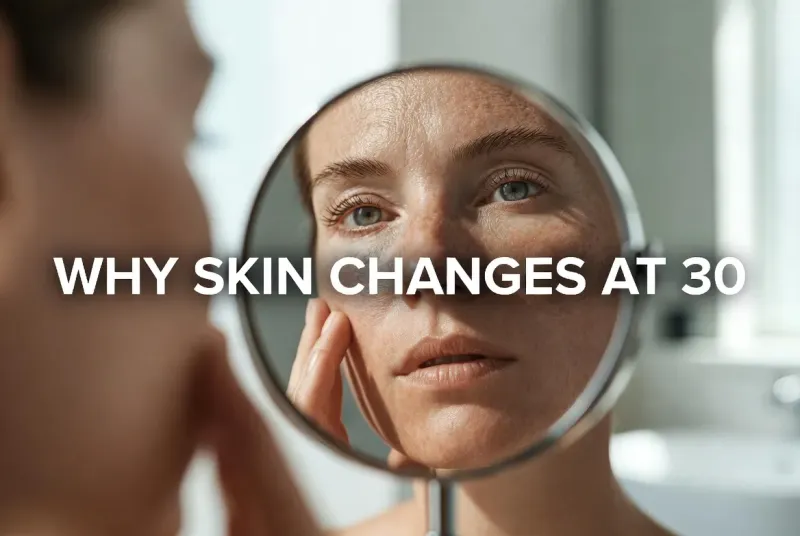
Introduction: The Shift You Notice But Can't Always Explain
If you've recently turned 30 or are navigating your early thirties, you may have noticed subtle but significant changes in your skin's texture. Perhaps your once-smooth complexion now feels slightly rougher in certain areas. Maybe your pores appear more visible, or your skin doesn't bounce back as quickly after a late night. These changes aren't just in your head—they're real, biological shifts that happen to nearly every woman during this decade.
Understanding why skin texture changes in your early 30s isn't about accepting decline—it's about empowering yourself with knowledge so you can respond with targeted, effective care. The good news? While some changes are natural parts of aging, many texture concerns can be significantly improved with the right approach.
This comprehensive guide explores the science behind skin texture changes in women's early 30s, identifies the most common concerns, and provides evidence-based strategies to restore smoothness, radiance, and confidence. Whether you're proactively preventing changes or addressing concerns you've already noticed, you'll find practical, dermatologist-aligned solutions to help your skin thrive in this new chapter.
What Exactly Is Skin Texture—and Why Does It Matter?
Before diving into changes, let's clarify what we mean by "skin texture." Skin texture refers to the surface quality of your skin—how it feels to the touch and appears visually under light. Healthy texture is smooth, even, and refined, with minimal visible pores, fine lines, or rough patches.
Key Components of Skin Texture
- Surface smoothness: Absence of roughness, bumps, or flakiness
- Pore appearance: Size, visibility, and clarity of pores
- Fine line visibility: Subtle creases that catch light
- Overall radiance: How light reflects off the skin's surface
- Evenness: Uniformity of tone and texture across the face
When texture changes, it's often one or more of these components shifting—and understanding which helps you choose the right solutions.
Why Texture Changes Feel Different Than Other Aging Signs
Unlike wrinkles or sagging, which develop gradually over years, texture changes can feel sudden and frustrating. One month your skin feels silky; the next, it feels slightly uneven. This is because texture is influenced by multiple overlapping factors—cell turnover, hydration, collagen, and environmental damage—that can shift simultaneously in your 30s.
Featured Snippet: Skin texture refers to surface smoothness, pore appearance, fine line visibility, radiance, and evenness. Changes in your early 30s often feel sudden because multiple factors—cell turnover, hydration, collagen, and sun damage—shift simultaneously. Understanding which component changed helps target solutions effectively.
The Science: Why Skin Texture Shifts in Your Early 30s
Texture changes aren't random—they're driven by specific biological processes that accelerate around age 30. Understanding these mechanisms helps you choose interventions that actually work.
1. Slower Cell Turnover
In your 20s, skin cells renew approximately every 28 days. By your early 30s, this process slows to 35-40 days. The result?
- Dead skin cells linger longer on the surface, creating a rough, dull texture
- Pores appear more visible as debris accumulates
- Skincare products penetrate less effectively
- Makeup doesn't apply as smoothly
This slowdown is natural but manageable with strategic exfoliation and cell-renewing ingredients.
2. Collagen and Elastin Decline
Collagen production decreases by about 1% per year after age 30. Elastin fibers also weaken. These structural proteins keep skin firm and smooth. When they decline:
- Skin loses subtle plumpness, making texture irregularities more visible
- Fine lines begin to form, especially around eyes and mouth
- Pores may appear larger as surrounding skin loses elasticity
- Overall radiance diminishes as light scatters unevenly
3. Hormonal Shifts
While major hormonal changes occur later, subtle shifts begin in the early 30s:
- Estrogen fluctuations: Affect hydration, collagen production, and skin thickness
- Androgen sensitivity: Can increase oil production in some areas while others stay dry
- Cortisol impact: Stress hormones can impair barrier function and increase inflammation
These shifts often create combination texture concerns—oily T-zone with dry cheeks, or breakouts alongside dullness.
4. Cumulative Sun Damage Surfaces
Years of UV exposure (even with sunscreen) begin to manifest in your 30s:
- Solar elastosis: Weakened elastic fibers create a leathery texture
- Uneven pigmentation: Sun spots and post-inflammatory marks disrupt smoothness
- Thickened outer layer: Skin may feel rougher as it tries to protect itself
This is why sun protection isn't just preventive—it's corrective for texture.
5. Lifestyle Accumulation
By your 30s, lifestyle factors compound:
- Sleep debt: Impairs overnight repair and cell renewal
- Stress: Elevates cortisol, which breaks down collagen
- Diet: High sugar intake promotes glycation, which stiffens collagen
- Smoking/alcohol: Dehydrate skin and generate free radicals
These don't cause texture changes alone but accelerate natural aging processes.
Featured Snippet: Skin texture changes in early 30s due to slower cell turnover (28 to 35-40 days), declining collagen/elastin (1% loss yearly), subtle hormonal shifts, cumulative sun damage surfacing, and lifestyle accumulation. These biological shifts create roughness, visible pores, fine lines, and dullness—but are manageable with targeted care.
Common Texture Concerns Women Notice in Their Early 30s
While every woman's experience is unique, certain texture changes are widely reported in the early 30s. Recognizing these helps you address them proactively.
Rough or Uneven Surface
What it feels like: Skin doesn't feel smooth when you run your fingers across it; makeup applies patchily.
Primary causes: Slower cell turnover, dehydration, inadequate exfoliation
Key areas: Cheeks, forehead, chin
More Visible Pores
What you see: Pores appear larger or more noticeable, especially on nose and cheeks.
Primary causes: Loss of skin elasticity, accumulated debris, increased oil production in some areas
Important note: Pore size is largely genetic, but their appearance can be minimized.
Dullness or Lack of Radiance
What you notice: Skin looks tired or flat, even with adequate sleep; doesn't "glow" like it used to.
Primary causes: Dead cell buildup, reduced microcirculation, dehydration, cumulative sun damage
Fine Lines That Catch Light
What appears: Subtle lines around eyes, forehead, or mouth that weren't visible before.
Primary causes: Collagen decline, repetitive facial expressions, dehydration, sun exposure
Distinction: These are texture-related fine lines (visible in certain light), not deep wrinkles.
Combination Texture Issues
What happens: Some areas feel oily or congested while others feel dry or rough.
Primary causes: Hormonal shifts, inconsistent skincare, environmental stressors
Challenge: Requires balanced, targeted care rather than one-size-fits-all solutions.
Featured Snippet: Common texture concerns in early 30s: rough/uneven surface (slower cell turnover), visible pores (elasticity loss + debris), dullness (dead cells + dehydration), fine lines that catch light (collagen decline), and combination issues (hormonal shifts). Identifying your specific concern helps target solutions effectively.
Prevention Strategies: Protecting Texture Before Changes Become Noticeable
If you're in your late 20s or early 30s and haven't noticed significant texture changes yet, these proactive strategies can help maintain smoothness longer.
Daily Sun Protection: Non-Negotiable
Why it matters: UV exposure is the #1 preventable cause of texture changes.
Best practices:
- Use broad-spectrum SPF 30+ daily, even indoors
- Apply 1/4 teaspoon for face and neck
- Reapply every 2 hours with sun exposure
- Consider tinted formulas with iron oxides for visible light protection
Consistent, Gentle Exfoliation
Why it matters: Supports cell turnover without damaging the barrier.
Approach:
- Chemical exfoliants (AHAs like glycolic or lactic acid) 2-3x weekly
- Avoid harsh physical scrubs that create micro-tears
- Start with lower concentrations (5-7%) and build tolerance
- Always follow with moisturizer and sunscreen
Early Introduction of Collagen-Supporting Ingredients
Key ingredients to start now:
- Retinoids: Start with low-concentration retinol (0.25%) 2-3x weekly
- Vitamin C: 10-15% L-ascorbic acid in the morning for antioxidant protection
- Peptides: Signal skin to produce more collagen without irritation
- Niacinamide: 4-5% to improve texture, minimize pores, and strengthen barrier
Hydration Inside and Out
Internal: Drink adequate water; limit dehydrating beverages like excess caffeine or alcohol.
Topical: Use humectants (hyaluronic acid, glycerin) on damp skin, sealed with moisturizer.
Stress and Sleep Management
Why it matters: Cortisol breaks down collagen; poor sleep impairs repair.
Strategies: Prioritize 7-9 hours sleep; practice daily stress-reduction (meditation, walking, journaling).
Featured Snippet: Prevent texture changes with daily SPF 30+, gentle chemical exfoliation 2-3x weekly, early introduction of retinoids/vitamin C/peptides, consistent hydration, and stress/sleep management. Starting these habits in late 20s/early 30s helps maintain smooth texture longer.
Targeted Treatments: Improving Texture Changes You've Already Noticed
If texture concerns have already appeared, these evidence-based treatments can help restore smoothness and radiance.
For Rough or Uneven Surface
Key ingredients:
- Lactic acid (5-10%): Gentle AHA that exfoliates while hydrating
- Polyhydroxy acids (PHAs): Larger molecules for sensitive skin; exfoliate without irritation
- Enzyme exfoliants: Papain or bromelain for gentle surface renewal
Application protocol: Start 1-2x weekly, increase to 3x as tolerated. Always follow with moisturizer and SPF.
For Visible Pores
Key ingredients:
- Niacinamide (4-5%): Regulates oil, minimizes pore appearance, strengthens barrier
- Salicylic acid (0.5-2%): BHA that penetrates pores to clear debris
- Retinoids: Increase cell turnover to prevent pore clogging
Important: Pores can't be "shrunk" permanently, but their appearance can be minimized with consistent care.
For Dullness
Key ingredients:
- Vitamin C (10-20%): Brightens, protects, and boosts collagen
- Glycolic acid (5-10%): Removes dead cells to reveal radiant skin
- Alpha arbutin or licorice extract: Gently brightens uneven tone
Pro tip: Apply vitamin C in the morning before sunscreen for enhanced protection and radiance.
For Fine Lines That Affect Texture
Key ingredients:
- Retinol or retinaldehyde: Gold standard for stimulating collagen and smoothing texture
- Peptides (Matrixyl, Argireline): Support collagen without retinoid irritation
- Hyaluronic acid: Plumps skin to minimize line visibility
Usage guidance: Start retinoids slowly (1-2x weekly), buffer with moisturizer, and always use SPF during the day.
For Combination Texture Concerns
Strategy: Target different areas with appropriate products.
- Oily/congested areas: Salicylic acid or niacinamide
- Dry/rough areas: Lactic acid or hydrating serums
- Whole face: Gentle retinoid or peptide serum for overall texture improvement
Application tip: Layer products from thinnest to thickest consistency; allow absorption time between steps.
Featured Snippet: Treat texture concerns with targeted ingredients: lactic acid/PHAs for roughness, niacinamide/salicylic acid for pores, vitamin C/glycolic acid for dullness, retinoids/peptides for fine lines. For combination concerns, target different areas appropriately. Start slowly, patch test, and always use SPF.
Building a Texture-Focused Skincare Routine for Your 30s
A well-structured routine maximizes results while minimizing irritation. Here's how to layer products for texture improvement.
Morning Routine (Focus: Protection + Radiance)
- Gentle cleanser: pH-balanced, non-stripping formula
- Vitamin C serum: 10-15% L-ascorbic acid on dry skin
- Niacinamide serum (optional): 4-5% for pore refinement and barrier support
- Lightweight moisturizer: With hyaluronic acid or ceramides
- Broad-spectrum sunscreen: SPF 30+ (non-negotiable for texture preservation)
Evening Routine (Focus: Renewal + Repair)
- Double cleanse (if wearing makeup/sunscreen): Oil-based cleanser followed by gentle foaming cleanser
- Treatment active (rotate nights):
- Nights 1 & 4: Retinol or retinaldehyde (start 2x weekly)
- Nights 2 & 5: AHA exfoliant (lactic or glycolic acid, 2x weekly)
- Nights 3 & 6: Hydrating/repair night (peptides, ceramides)
- Night 7: Rest night—gentle hydration only
- Serum: Hyaluronic acid or niacinamide on treatment nights
- Moisturizer: Slightly richer than morning formula
- Eye cream (optional): Target fine lines around eyes
Weekly Treatments
- Exfoliating mask: 1x weekly with AHA or enzyme for extra renewal
- Hydrating mask: 1x weekly with hyaluronic acid or centella for barrier support
- Gentle facial massage: 2-3x weekly to boost circulation and product absorption
Key Rules for Success
- Introduce one active at a time: Wait 2-3 weeks before adding another
- Never combine retinoids and AHAs on the same night: Risk of irritation
- Always patch test: Apply new products behind ear for 48 hours first
- Be consistent: Texture improvements take 8-12 weeks of regular use
- Listen to your skin: Scale back if you experience redness, stinging, or excessive dryness
Featured Snippet: Texture-focused routine: AM—gentle cleanser, vitamin C, niacinamide (optional), moisturizer, SPF 30+. PM—double cleanse, rotate actives (retinoid 2x weekly, AHA 2x weekly, recovery nights), serum, moisturizer. Weekly: exfoliating or hydrating mask. Introduce one active at a time; allow 8-12 weeks for results.
Lifestyle Factors That Support Healthy Skin Texture
Topical care is essential, but internal and environmental factors significantly influence texture. These habits amplify your skincare efforts.
Nutrition for Skin Smoothness
- Antioxidant-rich foods: Berries, leafy greens, dark chocolate combat free radicals that damage texture
- Omega-3 fatty acids: Fatty fish, walnuts, flaxseeds support skin barrier and reduce inflammation
- Vitamin C sources: Citrus, bell peppers, broccoli boost collagen synthesis
- Limit sugar and refined carbs: Reduce glycation, which stiffens collagen and roughens texture
- Stay hydrated: Adequate water intake supports skin plumpness and cell function
Sleep Quality and Skin Repair
Why it matters: Skin cell renewal peaks during deep sleep; poor sleep impairs this process.
Optimize sleep for texture:
- Aim for 7-9 hours nightly
- Maintain consistent sleep/wake times
- Use a silk or satin pillowcase to reduce friction and sleep lines
- Sleep on your back when possible to prevent creasing
Stress Management
Impact on texture: Chronic stress elevates cortisol, which breaks down collagen and impairs barrier function.
Effective strategies:
- Daily mindfulness or meditation (even 5-10 minutes)
- Regular physical activity (boosts circulation and reduces stress)
- Journaling or creative outlets to process emotions
- Social connection and support
Environmental Protection
- Air pollution: Use antioxidant serums and cleanse thoroughly to remove particulate matter
- Hard water: Consider a shower filter if mineral buildup irritates your skin
- Indoor heating/cooling: Use a humidifier in dry environments to maintain skin hydration
- Blue light: While research is emerging, antioxidant protection may help mitigate potential effects
Avoid Smoking and Limit Alcohol
- Smoking: Destroys collagen, reduces blood flow, and accelerates texture changes—quit for skin health
- Alcohol: Dehydrates skin and generates free radicals; limit to occasional, moderate consumption
Featured Snippet: Support skin texture with antioxidant-rich nutrition, 7-9 hours quality sleep, daily stress management (meditation, exercise), environmental protection (antioxidants, humidifier), and avoiding smoking/excess alcohol. These lifestyle factors amplify topical skincare results for smoother, more radiant skin.
Professional Treatments Worth Considering for Texture Concerns
While consistent home care yields significant improvements, professional treatments can accelerate results for stubborn texture issues.
Chemical Peels
What they do: Remove damaged outer layers to reveal smoother, more even skin.
Best for texture: Superficial peels with glycolic, lactic, or salicylic acid (20-35%).
Frequency: Every 4-6 weeks for a series of 3-6 treatments.
Downtime: Minimal (slight redness/flaking for 1-3 days).
Microneedling
What it does: Creates micro-injuries that stimulate collagen production and improve texture.
Best for: Rough texture, enlarged pores, fine lines, mild scarring.
Depth: 0.5-1.0mm for texture concerns in 30s.
Frequency: 3-6 sessions, 4-6 weeks apart; maintenance 1-2x yearly.
Laser Treatments
Options for texture:
- Non-ablative fractional laser: Stimulates collagen with minimal downtime
- IPL (Intense Pulsed Light): Targets pigmentation and redness that affect texture appearance
- BBL (BroadBand Light): Comprehensive treatment for tone and texture
Considerations: Requires consultation with board-certified dermatologist; multiple sessions needed.
HydraFacial or Similar Treatments
What it does: Combines cleansing, exfoliation, extraction, and serum infusion.
Benefits for texture: Immediate improvement in smoothness and radiance; minimal downtime.
Frequency: Monthly for maintenance or as a pre-event treatment.
When to Consult a Professional
- Texture concerns persist after 3-4 months of consistent home care
- You're unsure which ingredients or routines are right for your skin
- You have sensitive skin and want guidance on introducing actives safely
- You're interested in professional treatments and want personalized recommendations
Featured Snippet: Professional treatments for texture: chemical peels (every 4-6 weeks), microneedling (3-6 sessions), non-ablative lasers or IPL for tone/texture, HydraFacial for immediate glow. Consult a board-certified dermatologist to determine the best option for your concerns and skin type.
Common Mistakes That Worsen Texture Concerns
Even with good intentions, certain habits can undermine texture improvement efforts.
Mistake 1: Over-Exfoliating
The problem: Exfoliating daily or combining multiple exfoliants damages the barrier, causing more roughness and sensitivity.
The fix: Limit chemical exfoliation to 2-3x weekly maximum; never use physical scrubs on textured skin.
Mistake 2: Skipping Moisturizer
The problem: Thinking oily or combination skin doesn't need moisture leads to dehydration, which worsens texture.
The fix: Always moisturize; choose lightweight, non-comedogenic formulas if concerned about oiliness.
Mistake 3: Using Too Many Actives at Once
The problem: Layering retinol, vitamin C, AHA, and BHA simultaneously causes irritation and barrier damage.
The fix: Introduce one active at a time; wait 2-3 weeks before adding another; never combine retinoids and AHAs on the same night initially.
Mistake 4: Neglecting Sunscreen
The problem: UV exposure accelerates texture changes; skipping SPF undermines all other efforts.
The fix: Make SPF 30+ non-negotiable, every single day, rain or shine.
Mistake 5: Expecting Overnight Results
The problem: Impatience leads to product-hopping and inconsistency.
The fix: Commit to a routine for 8-12 weeks minimum before evaluating results; take progress photos monthly.
Mistake 6: Ignoring Combination Needs
The problem: Using the same products all over when different areas have different texture concerns.
The fix: Target specific areas with appropriate ingredients; use lighter formulas on oily zones, richer ones on dry areas.
Featured Snippet: Avoid texture-worsening mistakes: don't over-exfoliate (limit to 2-3x weekly), always moisturize even if oily, introduce one active at a time, never skip sunscreen, allow 8-12 weeks for results, and target combination concerns with area-specific care. Consistency and patience yield the best texture improvements.
Frequently Asked Questions (FAQs)
Is texture change in my 30s inevitable?
Some texture changes are natural due to biological aging, but their severity and timing are highly influenced by skincare, sun protection, and lifestyle. With proactive care, many women maintain smooth texture well into their 30s and beyond.
Can I reverse texture changes, or just prevent further damage?
Both. Ingredients like retinoids, AHAs, and vitamin C can improve existing texture concerns by promoting cell renewal and collagen production. Prevention (especially sun protection) stops new damage from accumulating.
How long before I see texture improvements?
Initial changes (smoother feel, improved radiance) may appear in 4-6 weeks. More significant texture refinement typically takes 8-12 weeks of consistent care. Collagen-building ingredients may take 3-6 months for full effects.
Can I use retinol if I have sensitive skin?
Yes, but start slowly. Begin with 0.25% concentration once weekly, buffer with moisturizer, and gradually increase frequency. Consider gentler alternatives like retinaldehyde or bakuchiol if traditional retinol is too irritating.
Do expensive products work better for texture?
Not necessarily. Many affordable brands offer effective, science-backed ingredients. Focus on formulation quality, active ingredient concentration, and consistency of use—not price tag or luxury packaging.
Should I change my routine seasonally?
Yes. In winter/dry months, incorporate richer moisturizers and reduce exfoliation frequency. In summer/humid months, use lighter textures and maintain sun protection. Listen to how your skin feels and adjust accordingly.
Conclusion: Embracing Your Skin's Evolution With Confidence
Noticing texture changes in your early 30s isn't a crisis—it's an invitation to deepen your relationship with your skin. These shifts reflect your body's natural evolution, not a failure of care or beauty. With knowledge, intention, and consistent action, you can support your skin's health and radiance at every age.
The strategies in this guide—understanding the science, targeting specific concerns, building a thoughtful routine, and supporting skin from within—work because they align with how skin actually functions. They're flexible enough for real life yet powerful enough to create meaningful change.
Remember: progress isn't linear. Some weeks your skin will feel effortlessly smooth; others, it may need extra care. That's normal. What matters is returning to your principles, one gentle choice at a time.
You don't need to fight your skin's natural changes. You need to understand them, work with them, and nurture them with compassion. Your skin has carried you through three decades of living, laughing, and growing. Honor it with care that supports its health, celebrates its uniqueness, and empowers your confidence.
Texture changes in your 30s aren't an ending—they're a new chapter. Write it with knowledge, kindness, and the confidence that comes from truly understanding your skin.